As the golden hues of autumn descend upon us, it is easy to believe that the season of growth has come to an end. It’s tempting to hang up your gardening gloves, pack away your tools, and curl up indoors. But, the truth is, fall is an important season for gardeners. It is what you do in these cooler months that determines the vibrancy of your blooms come spring. Keep reading to discover 16 common fall gardening mistakes that can sabotage your spring growth and learn how to avoid them.
1. Neglecting to Clean Up Debris
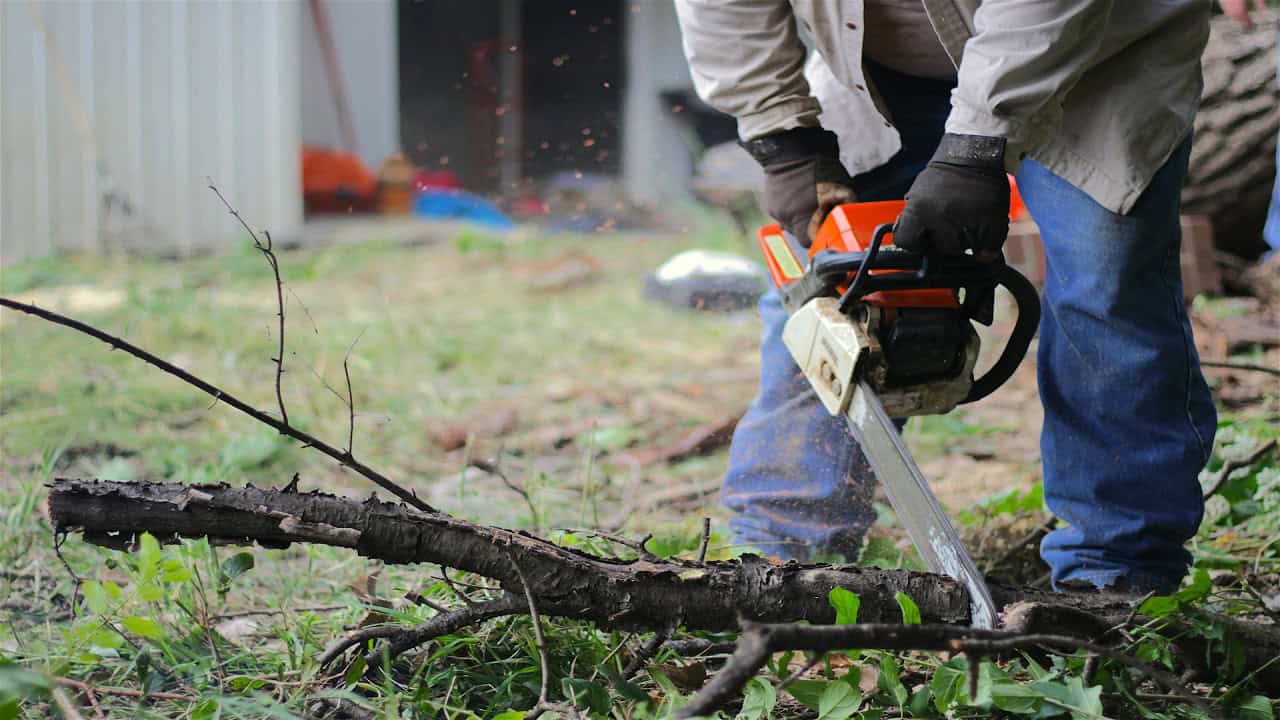
Not cleaning up leaves, spent plants, and other debris can lead to a host of problems. Firstly, this debris can harbor disease, pests, and fungus, which can survive the winter and attack new growth in the spring.
Advertisement
Take the time to thoroughly clean your garden before the first frost. Get rid of fallen leaves, especially those with signs of disease or infestation. Remove dead plants and weeds, taking care not to let them go to seed. Dispose of this debris properly, ideally in a compost bin or green waste facility, but never in your compost pile if they show signs of disease or pests.
2. Forgetting to Mulch
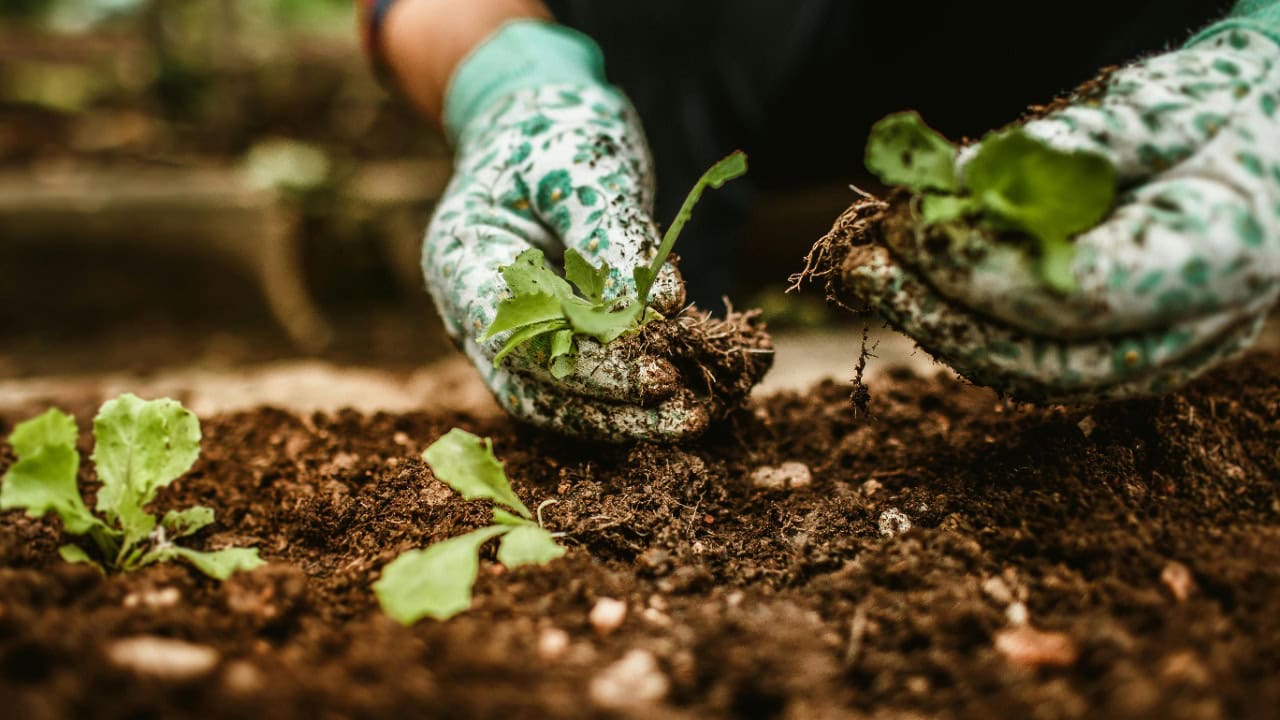
Mulching is not just for summer. It protects your plants and soil in winter too. Mulch acts as an insulator, keeping the soil temperature consistent and protecting roots from freezing.
Before the first frost, apply a thick layer of organic mulch to your garden beds. Straw, leaves, or wood chips make excellent mulch. Remember not to pile the mulch against the stems of plants, as this can cause rot. Mulch should be applied in a thick layer, but make sure it doesn’t touch the stems or crowns of your plants.
3. Ignoring Soil Health

Fall is the perfect time to prepare your soil for the next growing season. Ignoring this task can lead to poor plant growth in spring.
To enrich your soil, add compost, manure or other organic matter. This will help improve its texture, nutrient content, and water-holding capacity. It’s also a good idea to get your soil tested. The results will show if your soil is lacking in any nutrients or has a pH imbalance, allowing you to correct the problem before spring.
4. Overwatering or Underwatering

Getting the watering balance right in fall can be tricky. Overwatering can lead to root rot and disease, while underwatering can stress plants and make them more susceptible to winter damage.
Monitor the weather and adjust your watering accordingly. If it’s a dry fall, water deeply a few times before the ground freezes. If it’s wet, you might not need to water at all. Remember, it’s better to underwater than overwater at this time of year.
5. Not Protecting Tender Plants
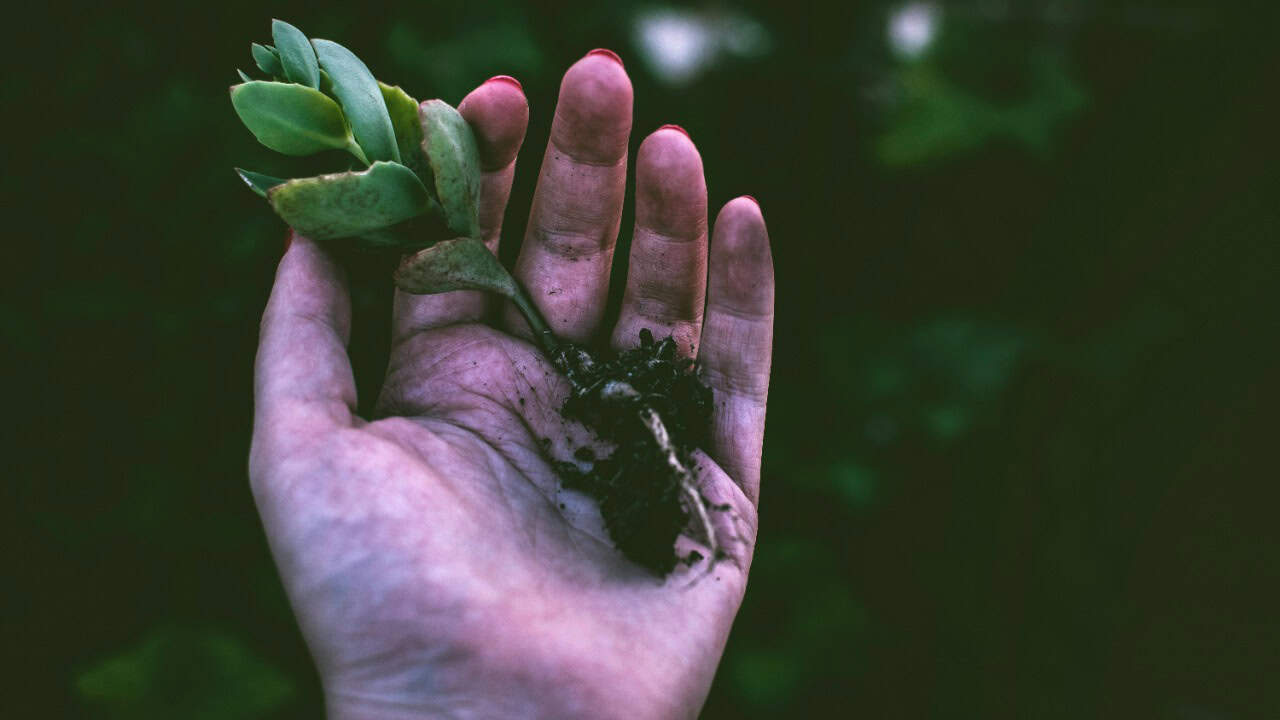
Many plants, especially those that aren’t native to your area, need a little extra protection to survive the winter.
Protect these plants by wrapping them in burlap or covering them with a cloche or row cover. You can also mound soil or mulch around their bases. Remember to remove these protections in spring.
6. Pruning at the Wrong Time

Pruning at the wrong time can stimulate new growth that won’t have time to harden off before winter, making it susceptible to frost damage.
As a general rule, don’t prune in late fall. The exception to this is if you’re removing dead or diseased wood, or if the plant is a fall-blooming variety that needs to be pruned immediately after flowering.
7. Planting Too Late
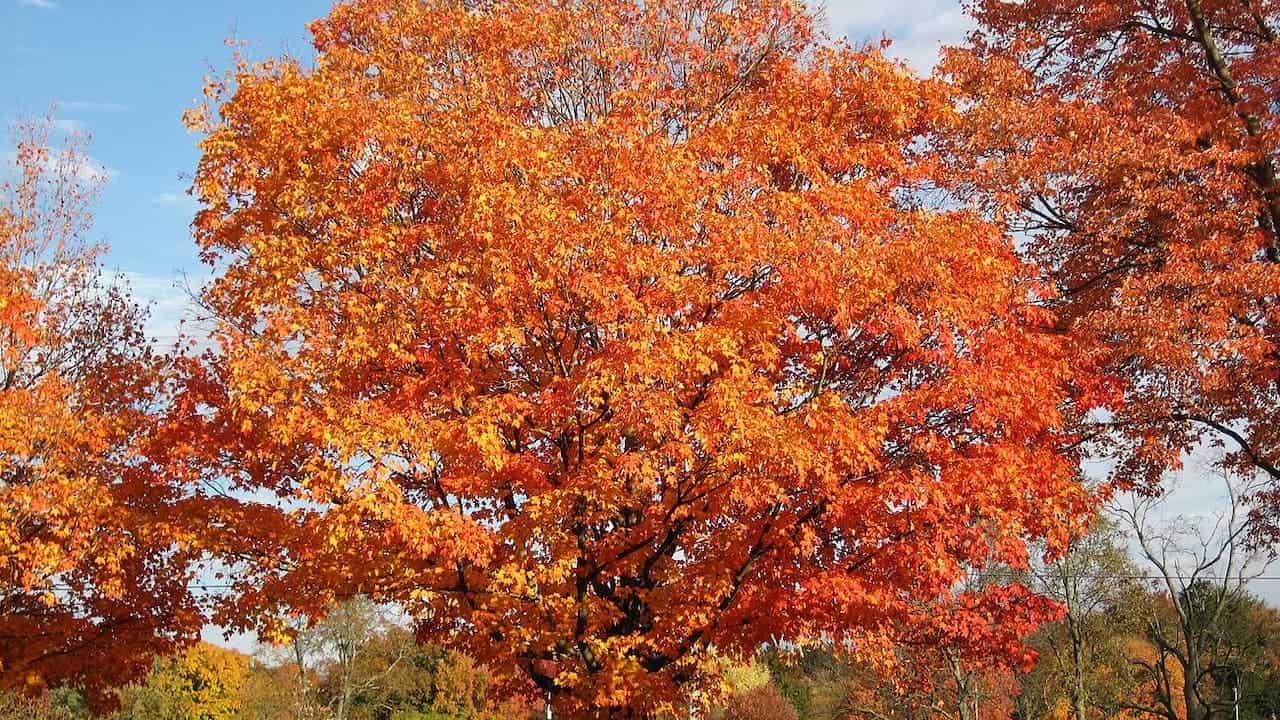
Fall is a great time to plant new trees, shrubs, and perennials, as it gives them a head start on root development before the heat of summer. However, planting too late can result in plants not having enough time to establish before winter.
Timing is key. In most areas, you should aim to have your fall planting done by six weeks before the first hard frost.
8. Not Planning for Spring Bulbs
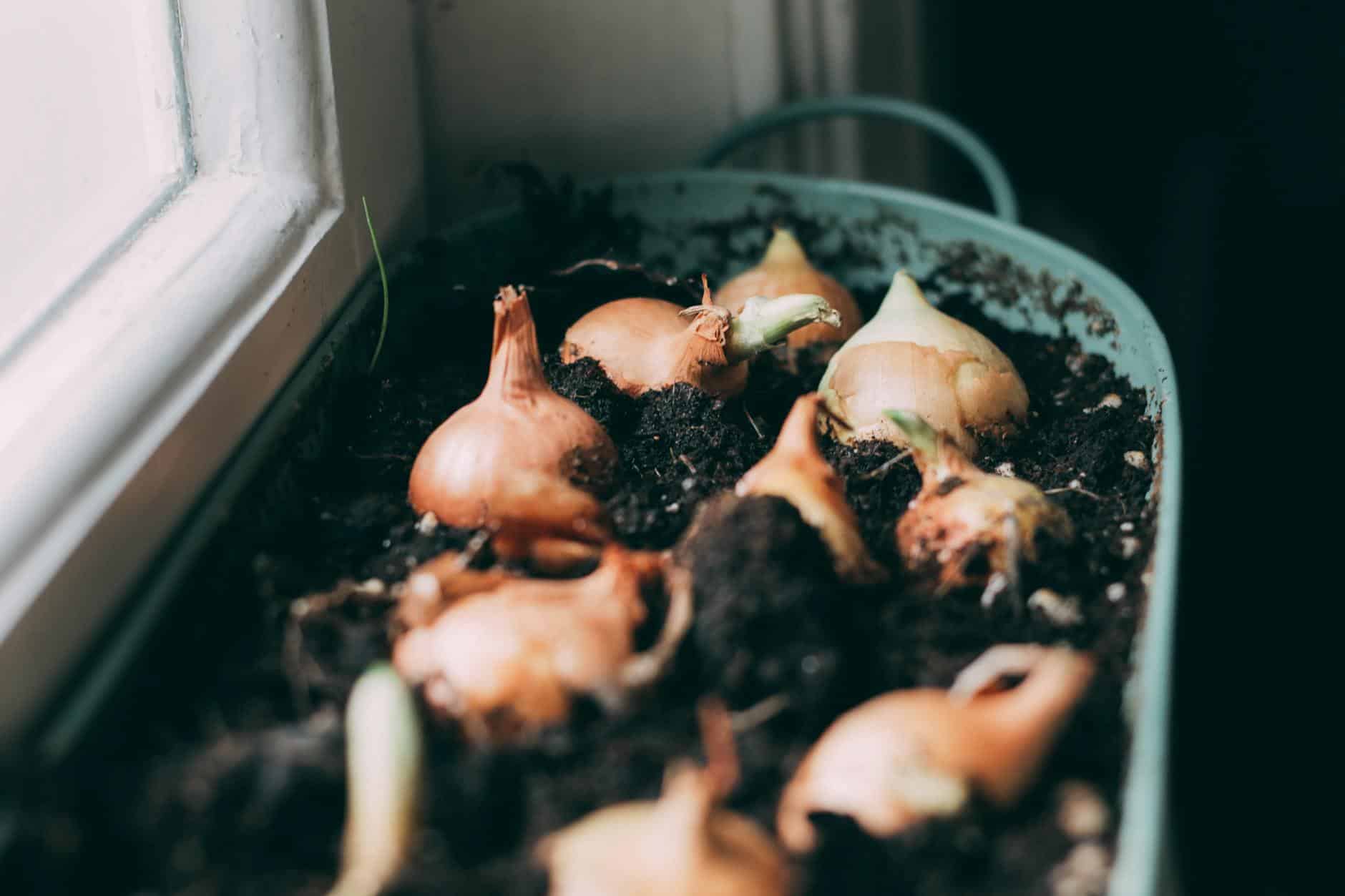
Fall is the time to plant bulbs for spring flowers like daffodils, tulips, and hyacinths. Not doing so means missing out on these early bursts of color.
Before the ground freezes, plant your bulbs at the recommended depth and spacing. If you’re not sure what to plant or how to do it, consult a local garden center or extension service.
9. Leaving Annuals in the Ground
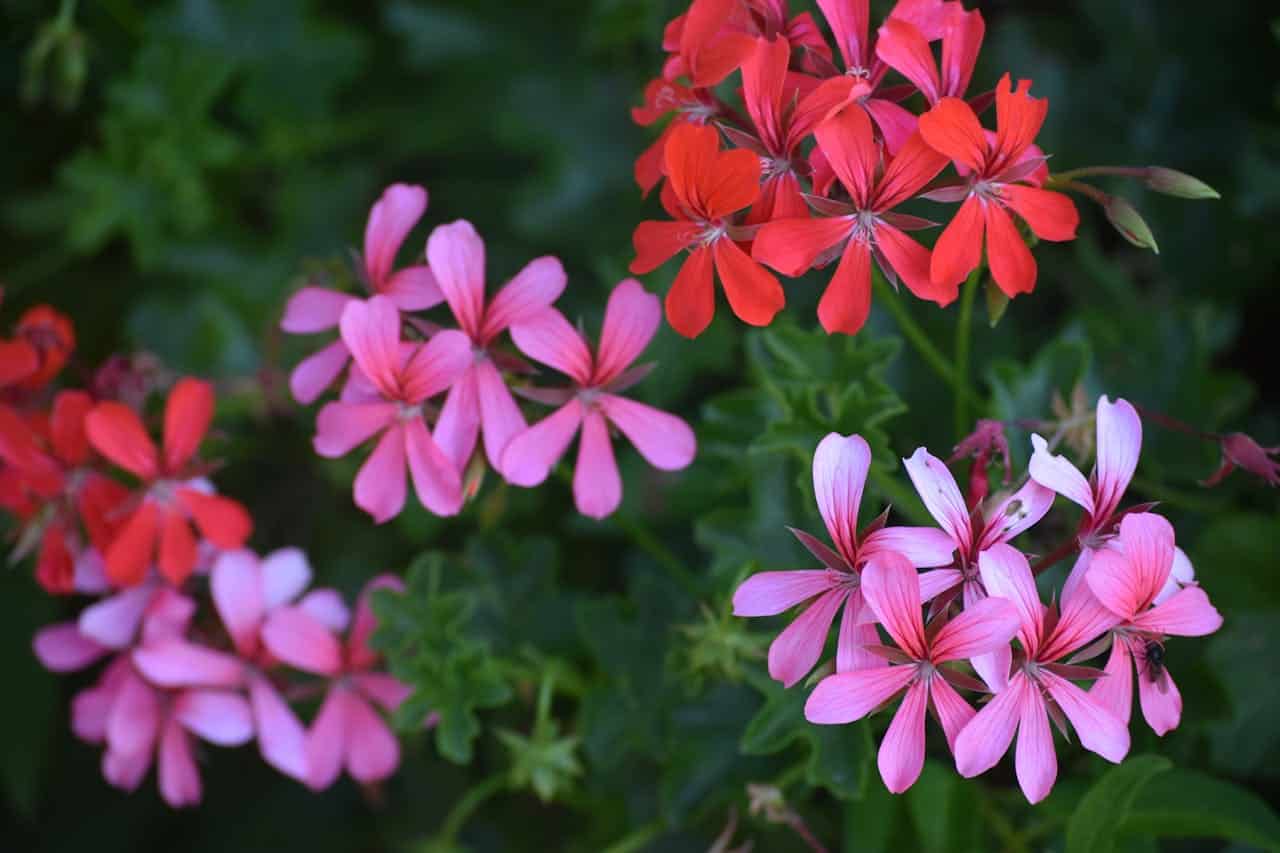
Leaving spent annuals in the ground can encourage disease and pest problems.
Pull up these plants as soon as they finish blooming and compost them. If they’re diseased, dispose of them properly to prevent the spread of disease.
10. Ignoring Winter Interest
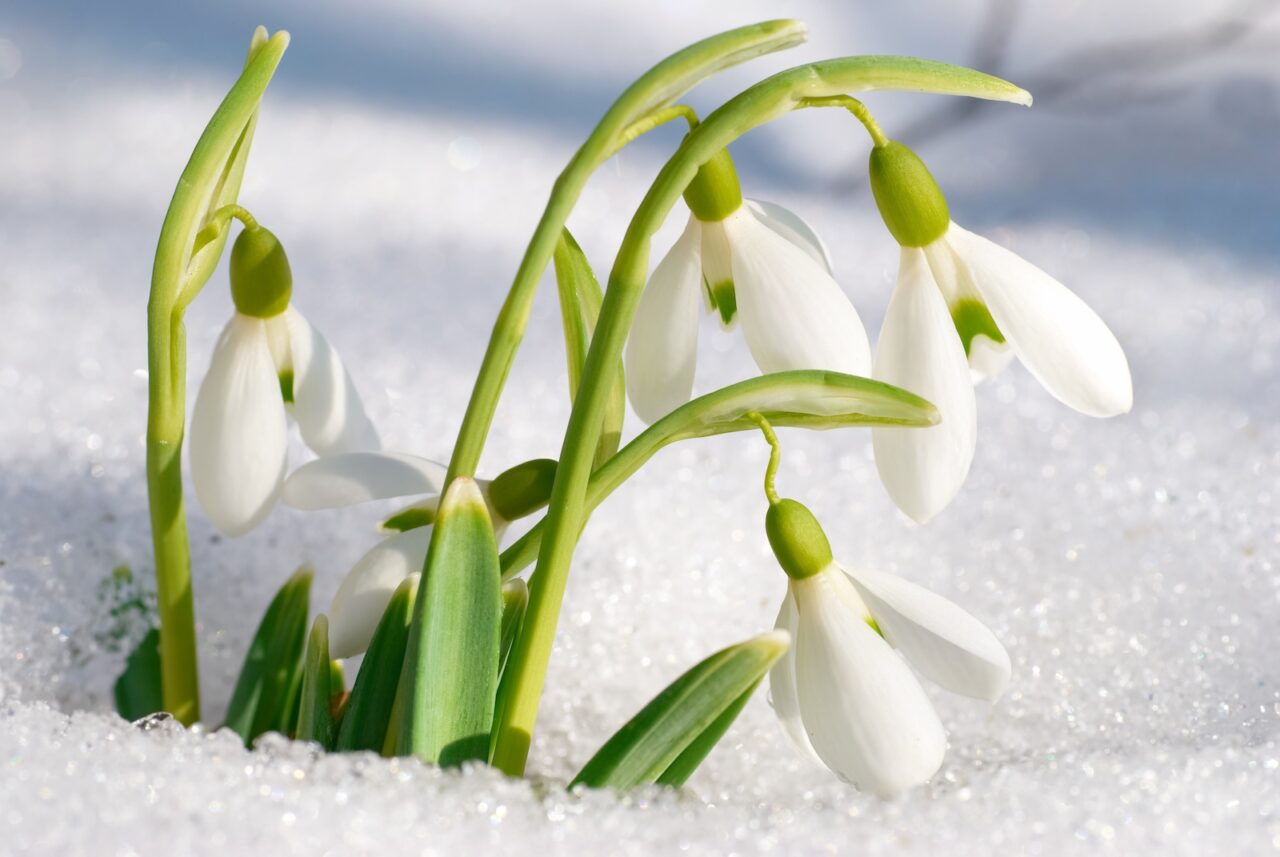
Your garden can still be beautiful in winter. Ignoring this opportunity means missing out on months of enjoyment.
In fall, plant shrubs and trees that have interesting bark, berries, or winter flowers. Ornamental grasses also add winter interest, as do evergreens.
11. Not Utilizing Cover Crops
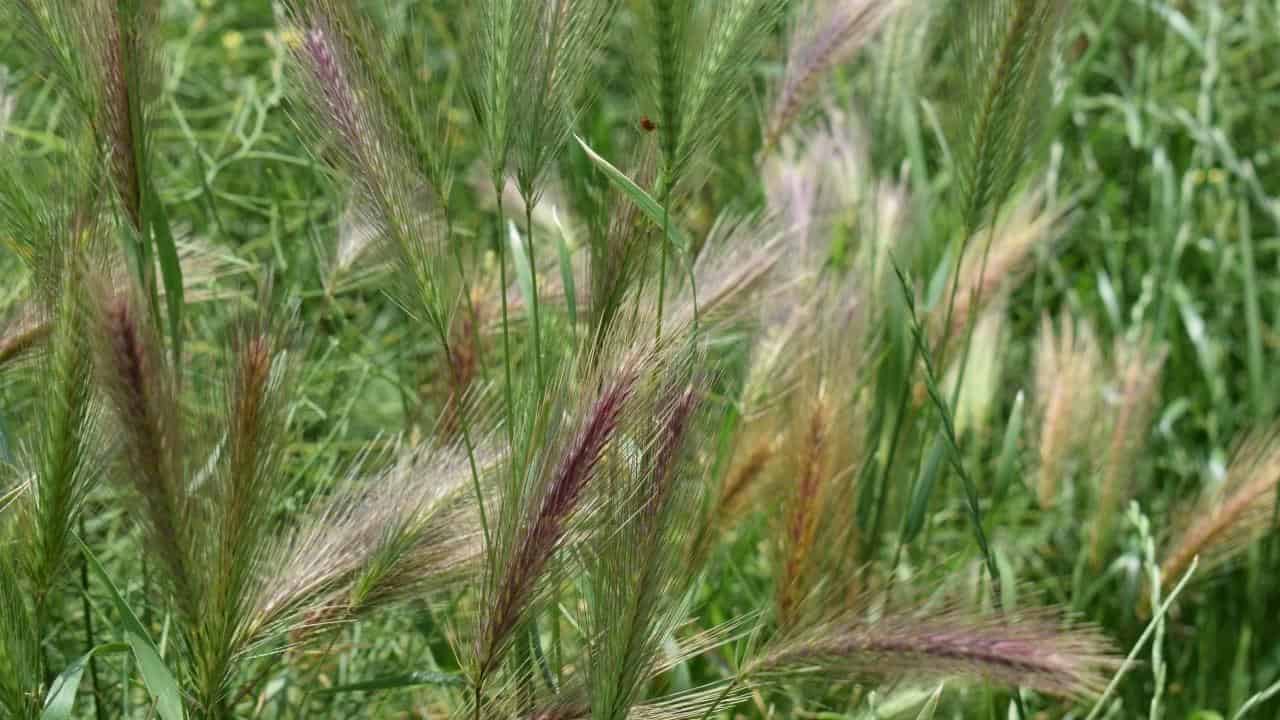
Cover crops, like clover or rye, can help protect and enrich your soil over winter. Not using them is a missed opportunity.
In fall, sow cover crops in any bare spots in your garden. They’ll improve soil structure and add nutrients, plus they’ll prevent erosion and outcompete weeds.
12. Neglecting Garden Tools

Garden tools that are left dirty or wet can rust over winter. Come spring, you’ll be faced with a frustrating and potentially expensive problem.
Clean, dry, and oil your tools before storing them for winter. This will prolong their life and make your spring gardening much easier.
13. Forgetting About Wildlife
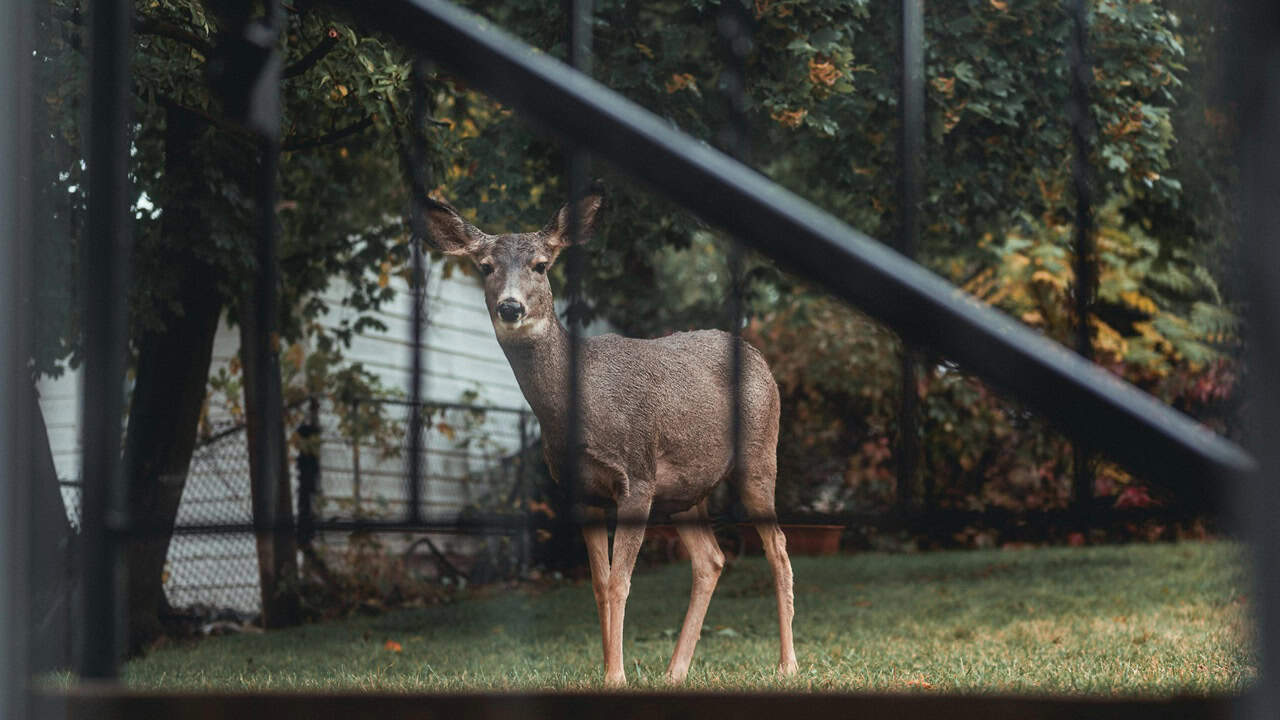
Fall is a hard time for wildlife, as food becomes scarce. Your garden can provide a much-needed refuge.
Leave some seed heads for birds to eat, and consider installing a bird feeder or bird bath. You can also create a brush pile for small mammals to shelter in. But remember, don’t do anything that could encourage pests or damage your plants.
14. Not Taking Advantage of Fall Sales

Fall is a great time to score deals on plants, bulbs, and gardening supplies. Not taking advantage of these sales means missing out on potential savings.
Keep an eye out for fall clearance sales at your local garden center. Just make sure the plants are healthy and that you have time to plant them before winter.
15. Ignoring Container Plants
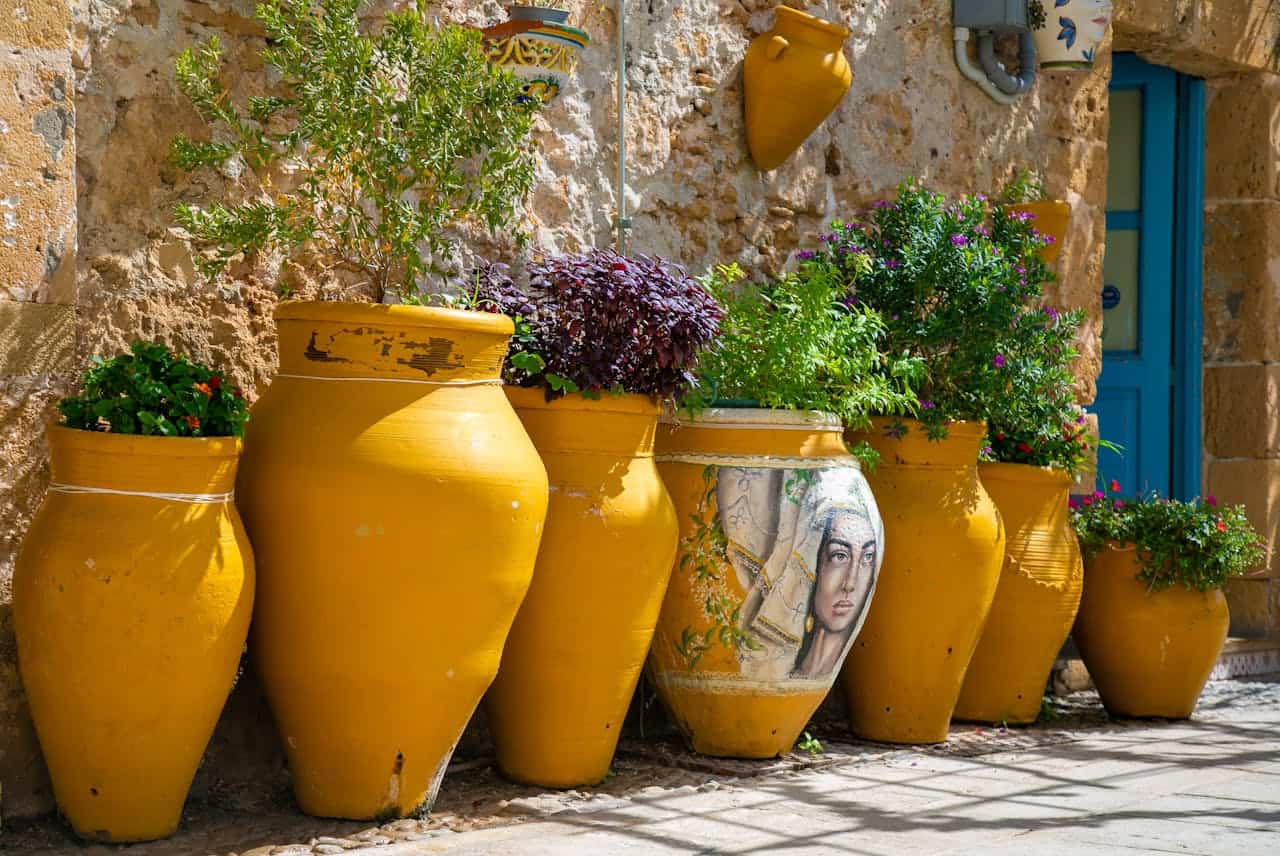
Container plants require special care in winter. Ignoring these needs can kill the plants.
Move containers against the house or into a sheltered spot to protect them from wind and cold. Wrap large containers in bubble wrap or burlap. Remember to water them periodically, as containers can dry out even in winter.
16. Not Enjoying the Process
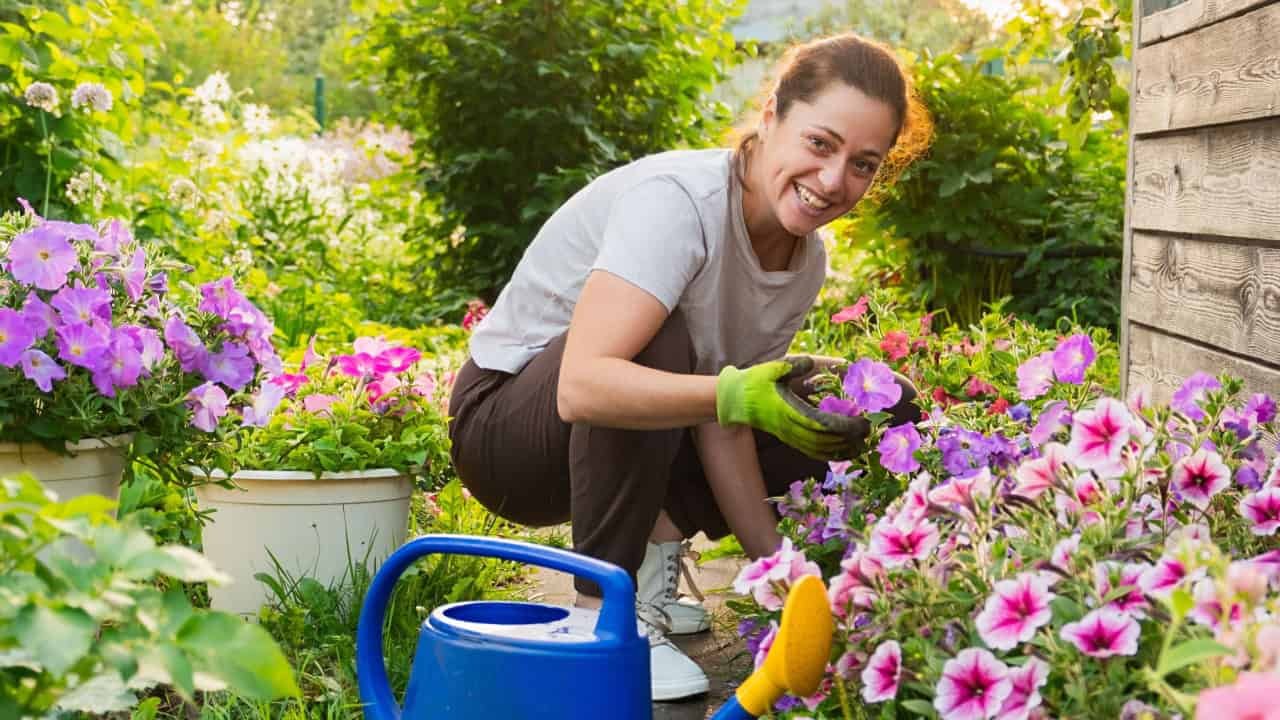
Finally, don’t forget to enjoy the process. Gardening is supposed to be fun, even in fall.
Take time to appreciate the changing colors, the crisp air, and the quiet beauty of the garden preparing for winter. With every task you complete, imagine the rewards you’ll reap in spring.