You might be surprised by what’s hiding in your attic. Many old items you’ve stored away could have more value than you realize, waiting to be discovered.
Knowing which items to look for can help you uncover potential money-makers without the guesswork. Exploring your attic with a careful eye might turn up some unexpected treasures worth selling or keeping as valuable collectibles.
Advertisement
Terje Ekstrom Orange 1980s Armchairs
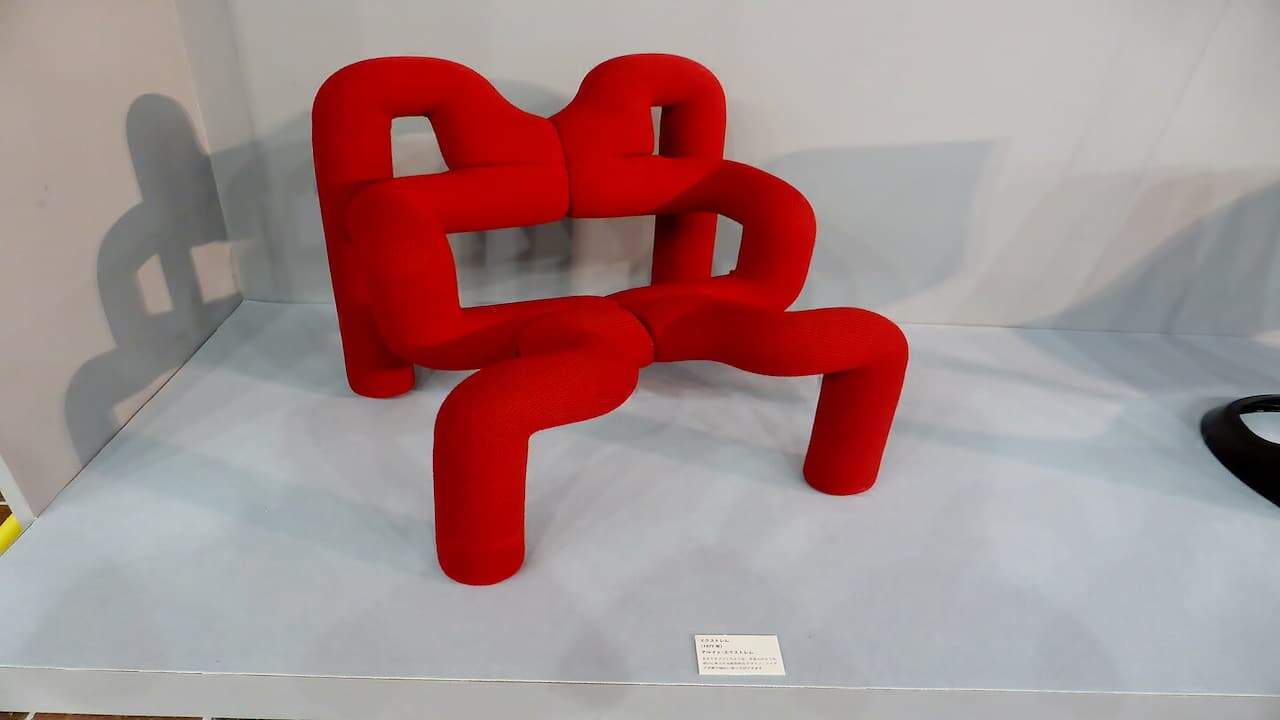
If you find a pair of orange armchairs by Terje Ekstrom in your attic, you might have something special. These chairs were designed in Norway during the 1980s and are known for their unique, bold style.
They often come with vibrant, tangerine-colored upholstery and solid craftsmanship. Collectors value them, so these armchairs could be worth thousands depending on condition.
Vintage Betty Crocker Cookbooks
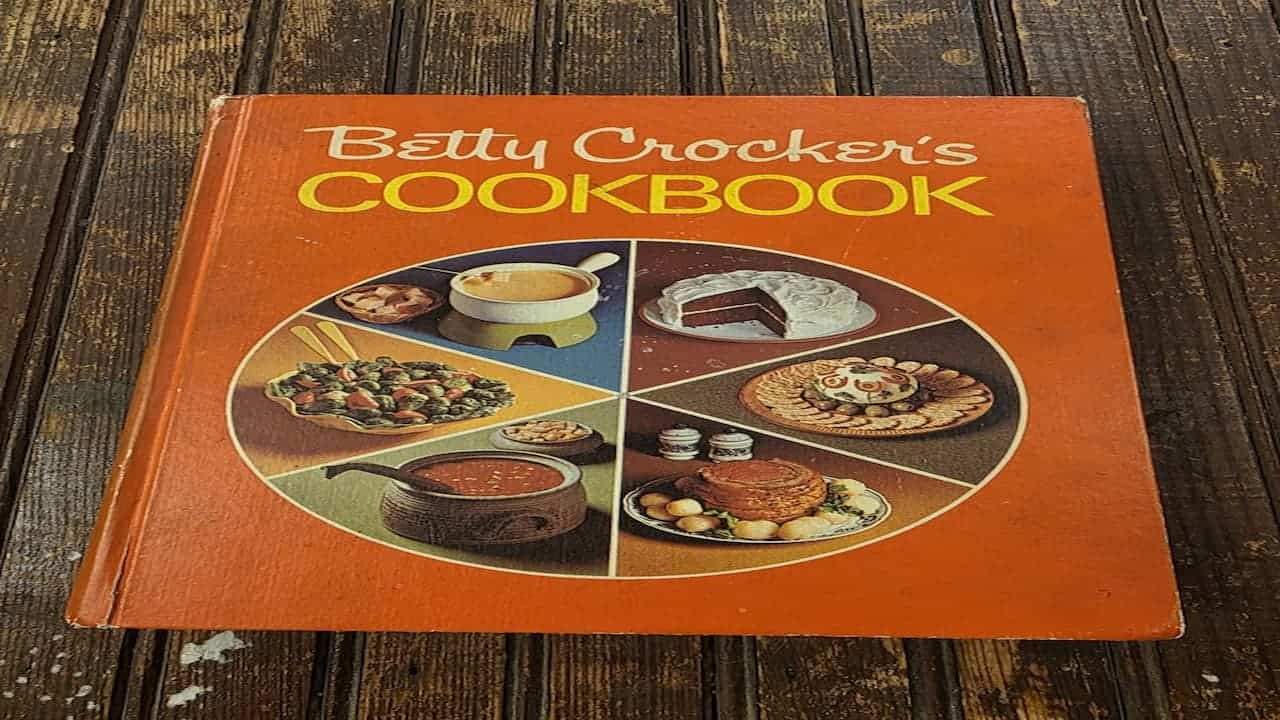
If you find a vintage Betty Crocker cookbook in your attic, it could have some value. Early editions from the 1960s or before are especially sought after by collectors.
Condition matters a lot. A book in good shape with intact pages and cover can fetch $50 to $100 or more. Checking eBay listings is a good way to see current prices.
These cookbooks also carry a nostalgic charm, which adds to their appeal for many buyers. Your copy might be worth more than just a kitchen relic.
Superhero Collectible Lunch Boxes
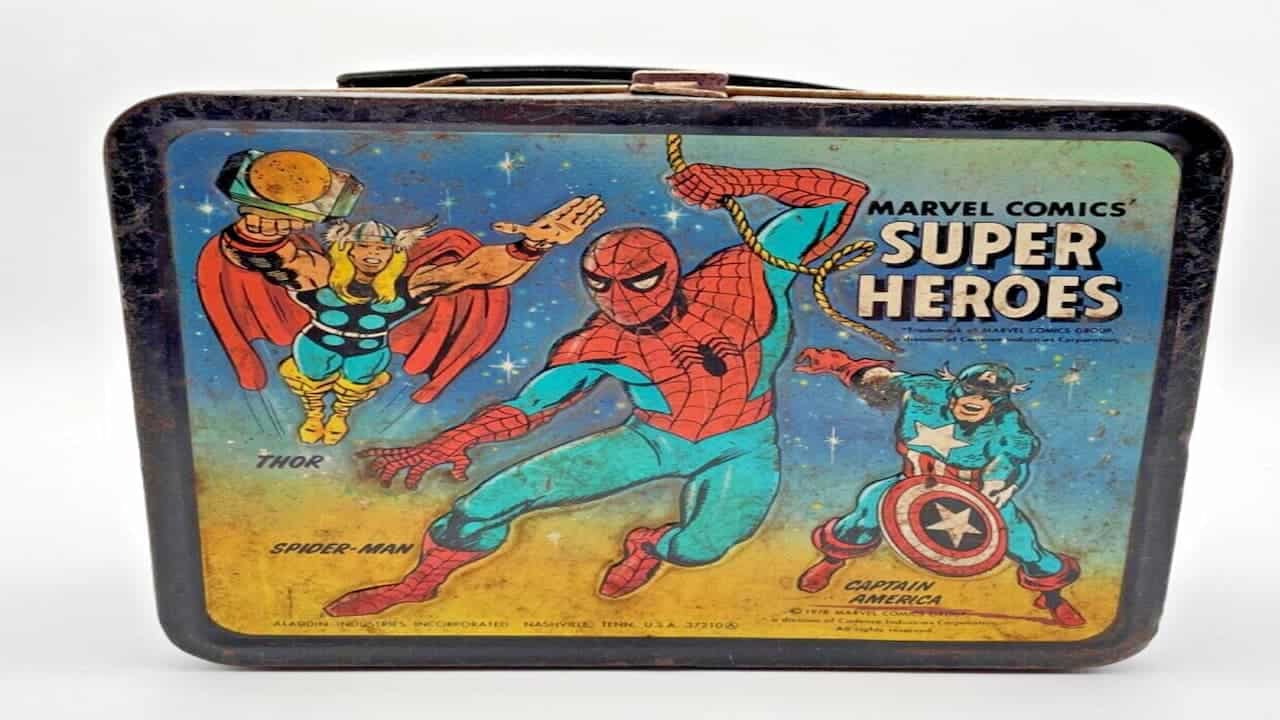
If you find a vintage superhero lunch box in your attic, it could be worth something. Lunch boxes featuring characters like Superman are popular with collectors and can sell for over $1,000, especially if they come with the original thermos.
The condition matters a lot. Boxes in good shape and with their graphics intact tend to attract higher prices.
You might be surprised how valuable these simple tin lunch boxes can be when sold online. They mix nostalgia with collectibles well.
Retro Hot Wheels Cars
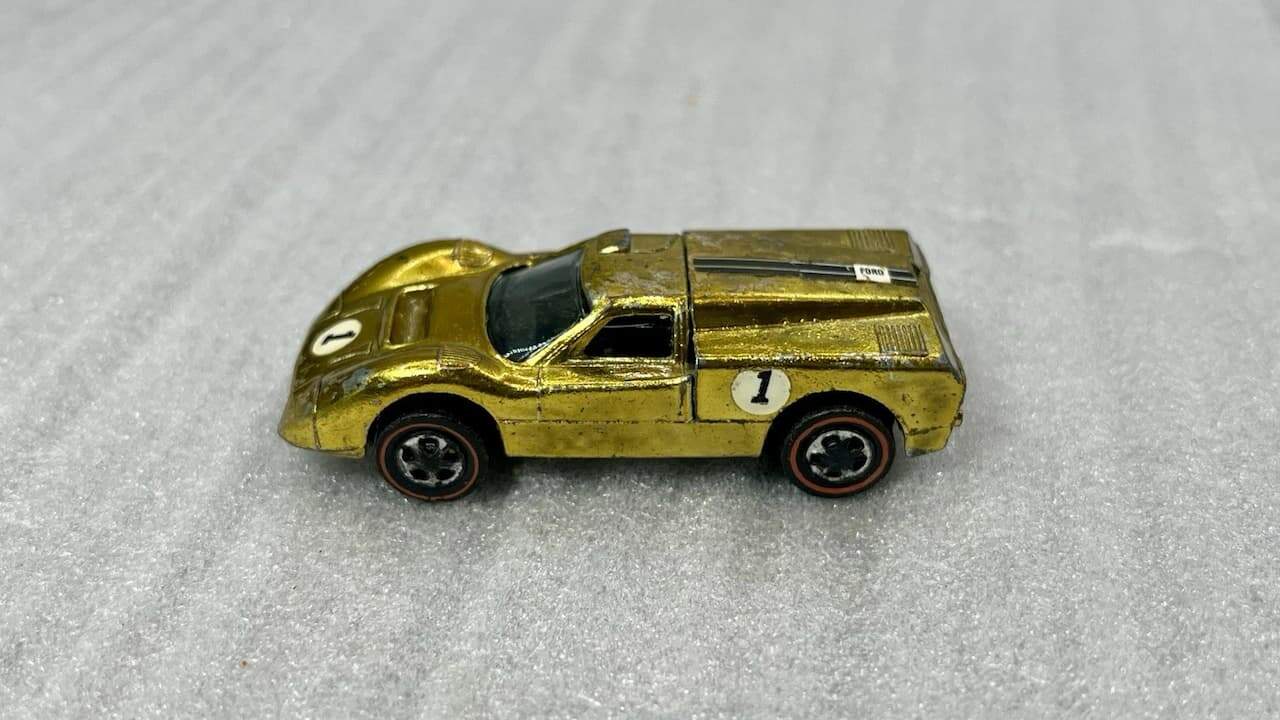
If you find some vintage Hot Wheels cars in your attic, you could have something valuable. Models from the late 1960s to the 1970s, especially with “redline” tires, are often prized by collectors.
Look for rare versions like the 1970 Red Baron or the original “Sweet 16” cars. Even loose cars from this era can sell for hundreds of dollars. Check each car carefully to spot unique details that boost value.
Victorian Era Jewelry
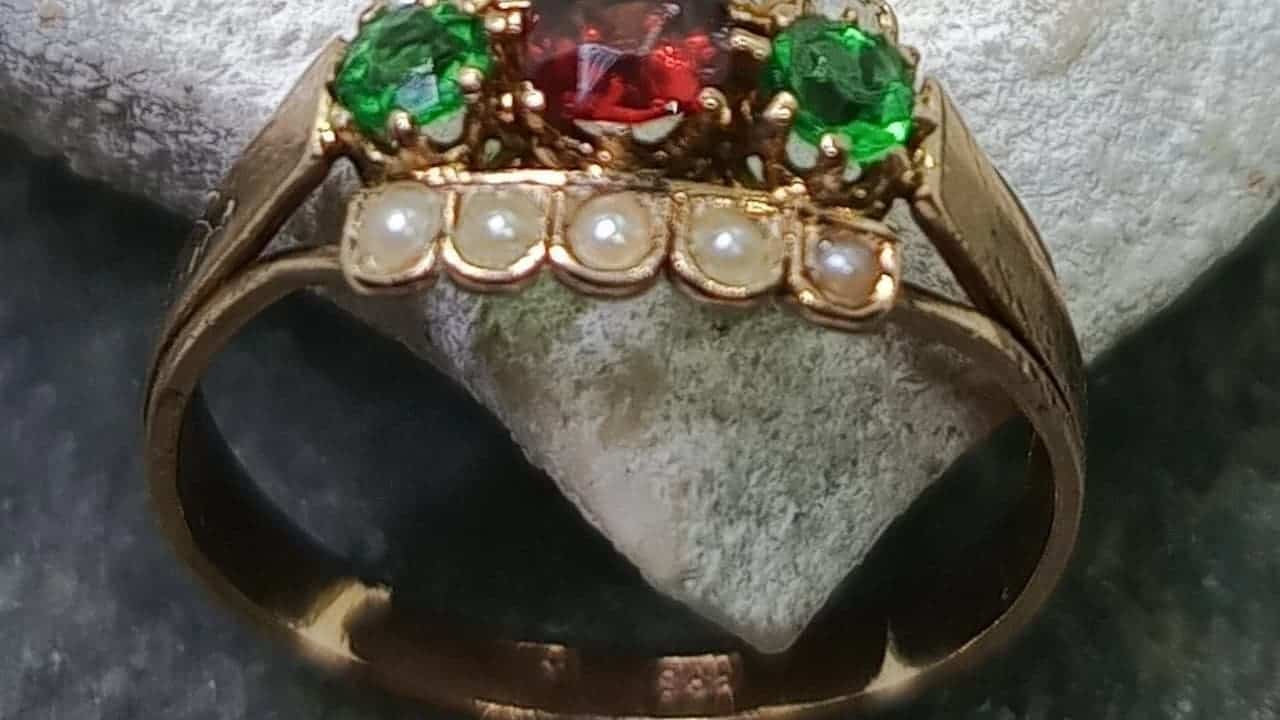
If you find Victorian Era jewelry in your attic, it might be worth checking out. These pieces often feature intricate designs and craftsmanship that collectors appreciate.
Look for brooches, lockets, or rings made with precious metals or adorned with gemstones. The age and condition of the jewelry also affect its value.
While not every piece is valuable, some can hold sentimental and financial significance. It’s a good idea to have them appraised if you’re curious about their worth.
Federal Period Convex Mirrors
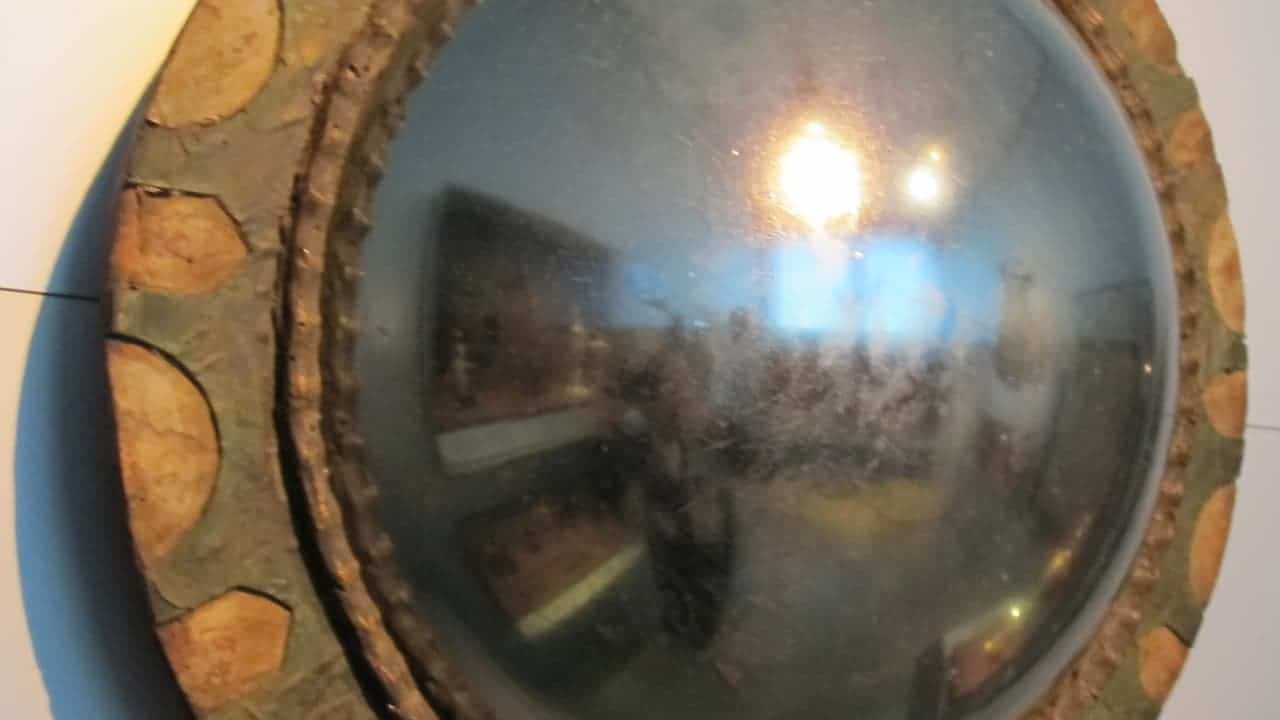
If you find a convex mirror from the Federal period, it could catch your interest. These mirrors date back to about 1790-1830 and were popular in early American homes.
You might recognize them by their round shape and gold gilt frames, often decorated with small wooden balls. They were designed to brighten rooms by reflecting more light.
Owning one means you have a piece connected to the birth of America’s style, inspired by classical design. Just be sure to check if it’s original or a later reproduction.
Signed First Edition Books
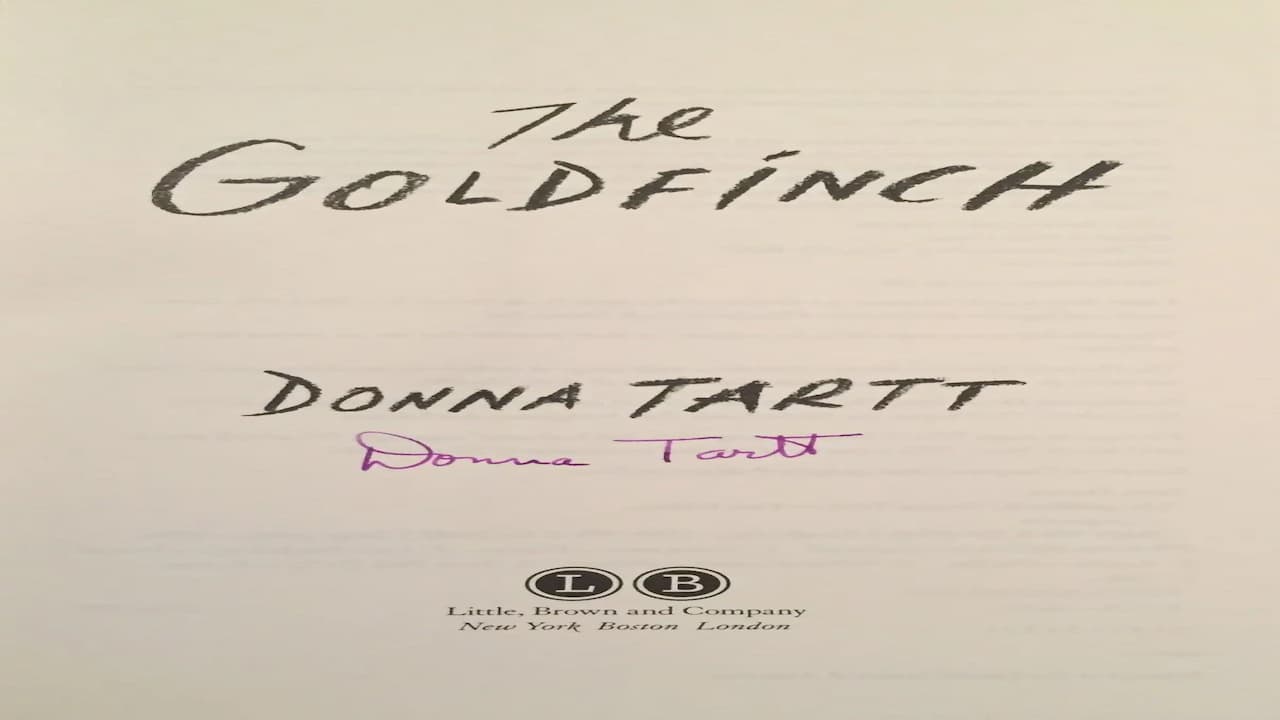
If you find a signed first edition book in your attic, it could be worth more than you expect. The author’s signature, especially in excellent condition, adds notable value.
Condition matters a lot. Clean covers, crisp pages, and an intact dust jacket can increase the price.
Keep an eye out for famous titles or rare prints. These can fetch higher prices at auctions or from collectors.
E.T. Cereal Boxes
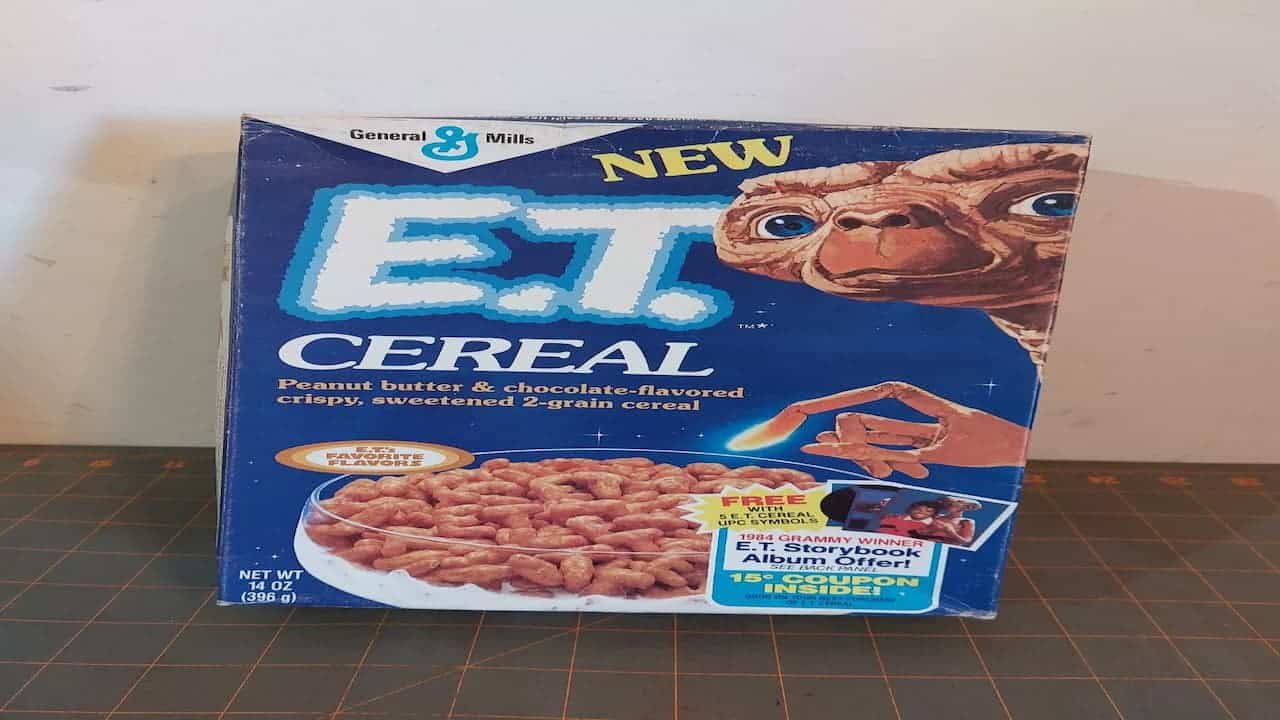
If you have an E.T. cereal box tucked away in your attic, it might be worth more than you think. These special edition boxes, especially if unopened and in good condition, can attract collectors.
The value of an E.T. cereal box generally starts around $100. Rarity and condition will affect the price, so it’s worth checking the details before selling or keeping it.
Pyrex Cookware from 1940s-1980s
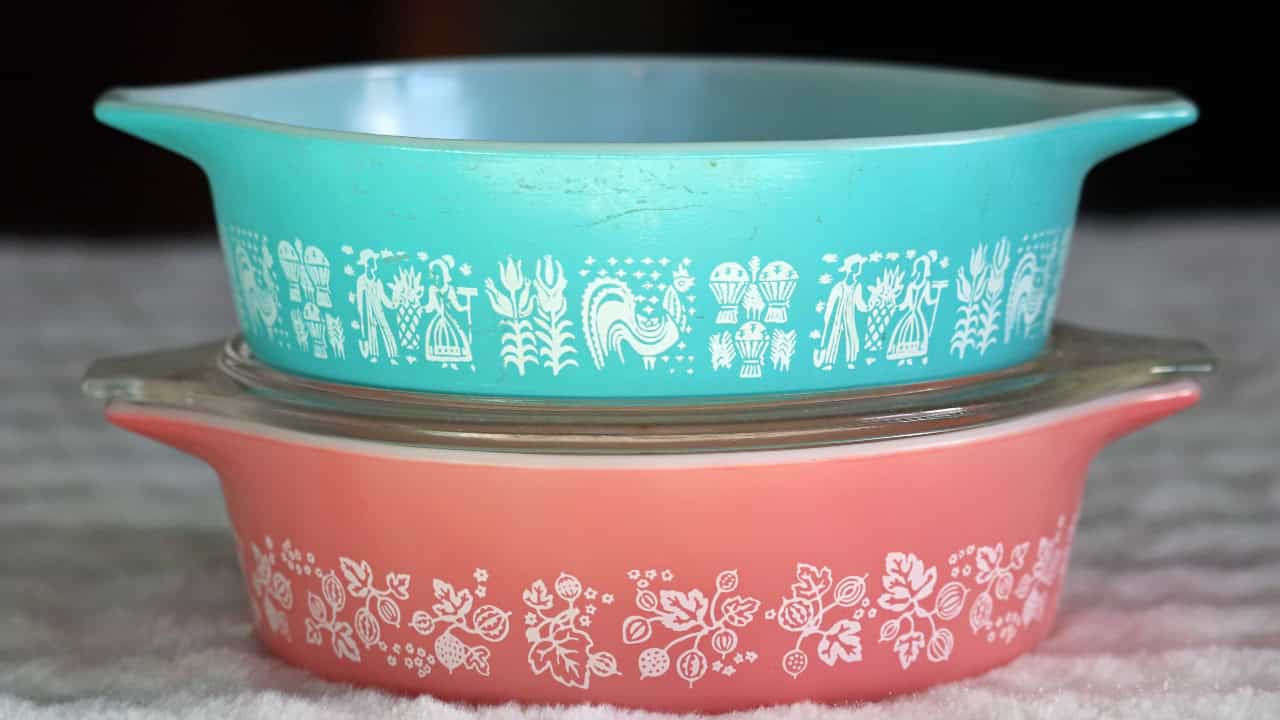
If you find Pyrex cookware from the 1940s to the 1980s in your attic, it might be worth something. Certain patterns and limited-edition pieces can be valuable, especially those made in small quantities.
Look for unique colors or special sets, like butterfly gold bowls or promotional items. Condition matters a lot, so clean, chip-free pieces will usually sell for more.
Some rare items, like pink casserole dishes from the late 1950s, are highly sought after by collectors. Keep an eye out for unusual designs or company-specific pieces.
Antique Wooden Clocks

If you find an antique wooden clock in your attic, it could be worth money. Clocks made from rosewood or mahogany tend to have higher value.
Look for grandfather clocks or tall-case clocks, especially those from the 18th or 19th centuries. Condition matters, so check for intact wooden cases and working parts.
Even smaller wooden clocks can have value if they are well-crafted and in good shape. Keep an eye out for recognizable makers, as that can increase worth.
Vintage Action Figures
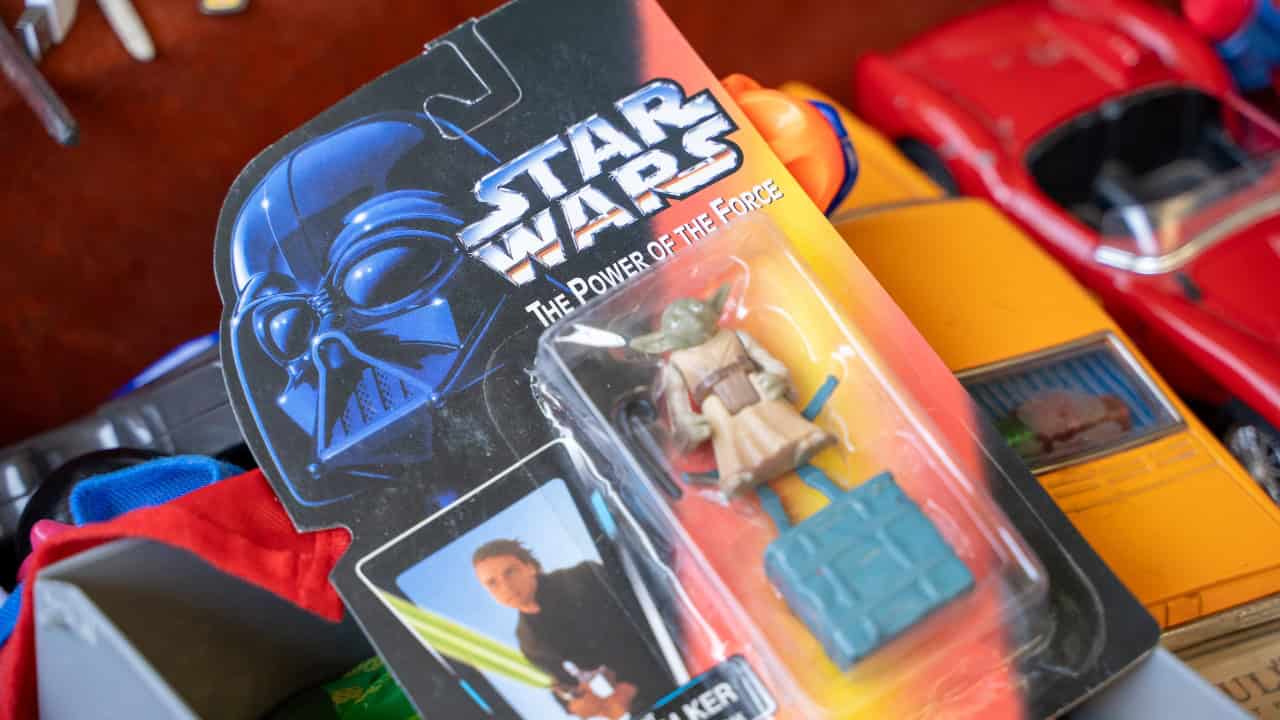
You might find valuable vintage action figures tucked away in your attic. Collectors often seek figures from popular franchises like Star Wars and Barbie.
Condition and original packaging play a big role in their value. For example, a mint 1978 Luke Skywalker figure sold for thousands at auction.
If you have vintage toys from the late 1970s or 1980s, it’s worth taking a closer look. Even small details can impact the price significantly.
Collectible Dolls from 1970s
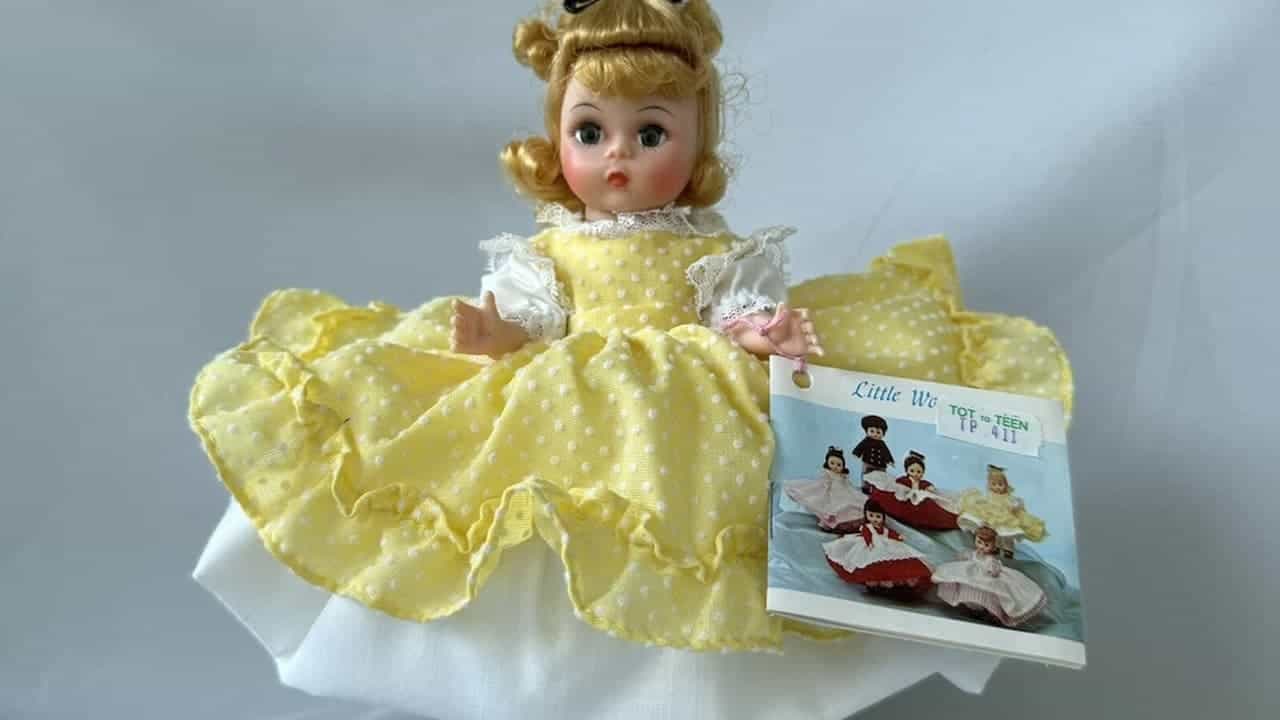
If you have vintage dolls from the 1970s, they might be worth checking out. Dolls like the Blythe, especially the 1972 version, are popular with collectors today.
Original doll clothing from that era can also add value, sometimes nearly as much as the dolls themselves.
Even sets without all the figures, like G.I. Joe accessories, can still bring in good money. Keep an eye out for Barbie items too—they often hold value.
Unique Girandole Mirrors
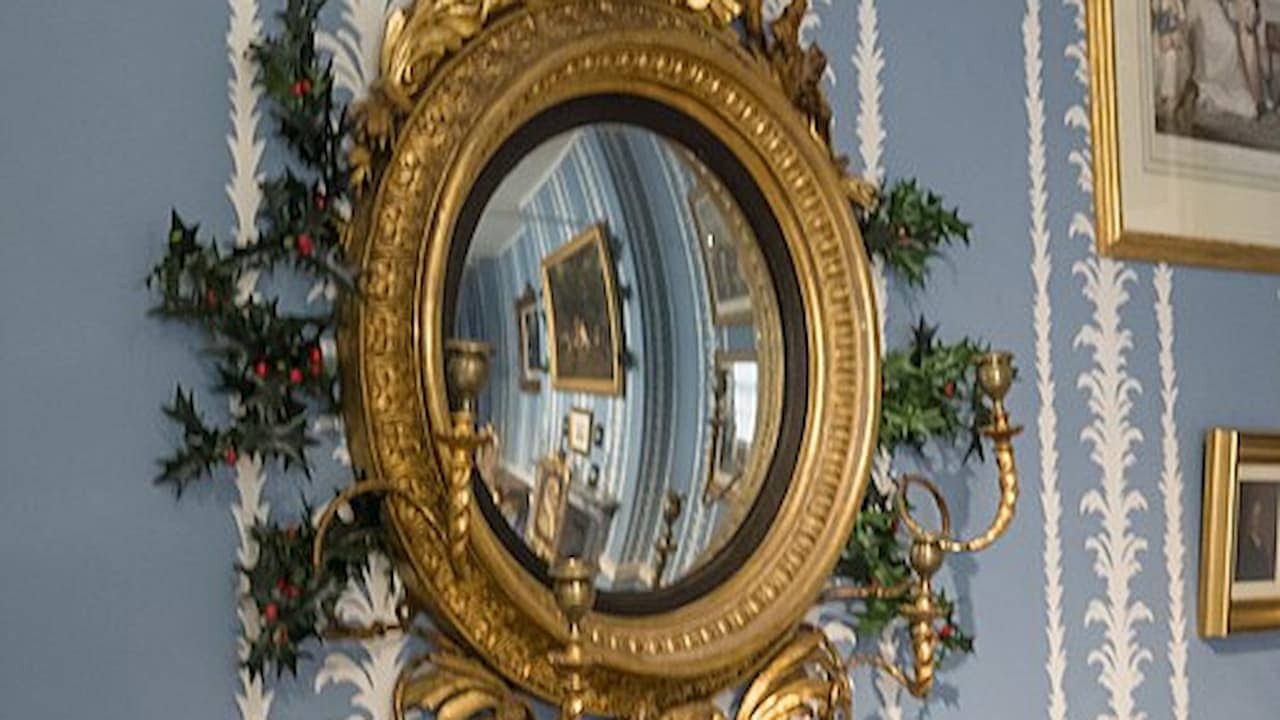
If you discover a girandole mirror in your attic, it might be worth keeping. These mirrors often date back to the 18th or 19th centuries and feature decorative arms for candles, adding charm and character.
Your girandole mirror could be made from giltwood, bronze, or other fine materials. The value depends on age, condition, and design details. Even smaller, less ornate examples can attract buyers who appreciate vintage style.
American Suffrage Movement Pins

If you have old pins from the American suffrage movement, they could be interesting to collectors. Many feature slogans like “Votes for Women” or portraits of key leaders.
These pins were often sold to raise money for the cause, so finding one from the 1910s could make your item more valuable. Even colorful designs or rare variations might catch the eye of history enthusiasts. Check for any identifying marks or dates to learn more about your piece.
Special Edition Cereal Boxes

You might have special edition cereal boxes tucked away that could be worth some money. Limited runs or discontinued cereals sometimes attract collectors, especially if the box is in good condition.
Not all special edition boxes are valuable, but those linked to popular characters or events can draw interest. For example, a vintage Tony the Tiger Frosted Flakes box once sold for $5,000 at auction. Keep an eye out for rarity and condition when checking your boxes.
Early 20th Century Jewelry
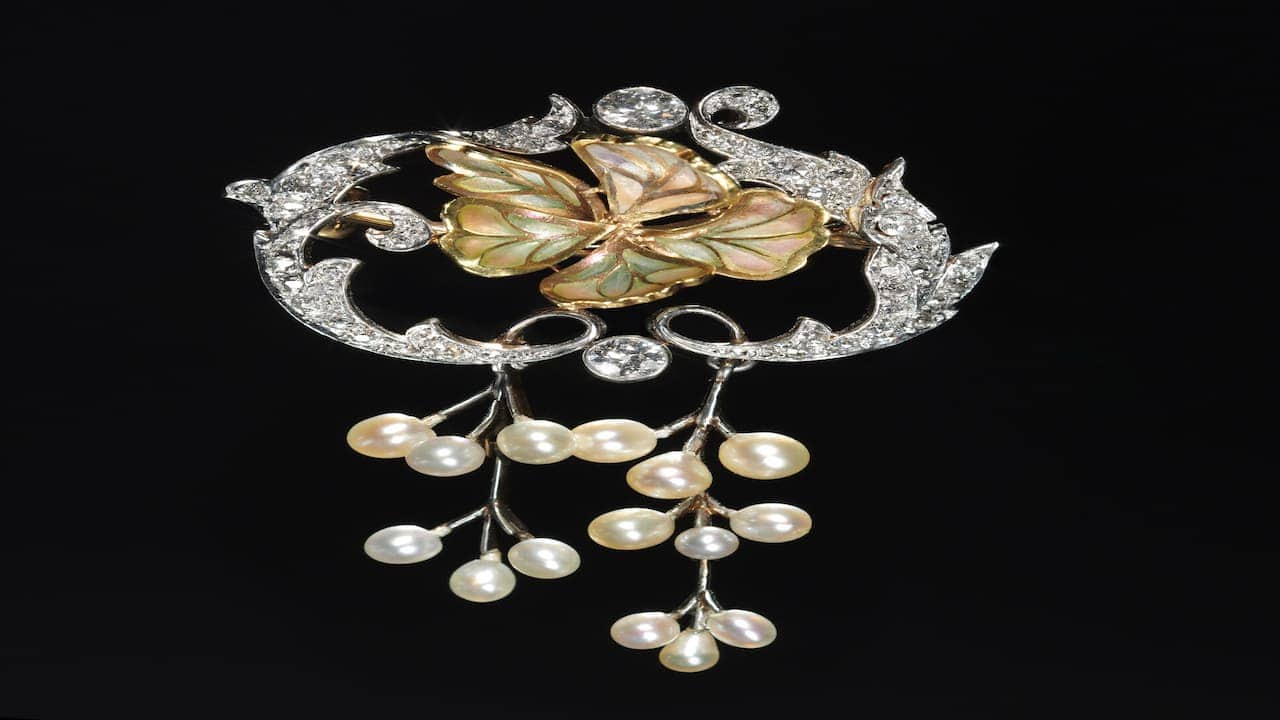
You might find early 20th century jewelry in your attic that holds value. Pieces made with quality materials like gold, silver, or precious stones are especially worth checking out.
Designs from the Art Deco or Edwardian periods are popular with collectors. Even costume jewelry from well-known makers can have some value.
Look for hallmarks or maker’s marks on your pieces. These details help identify the age and origin, which can affect price.
How to Identify Valuable Attic Finds
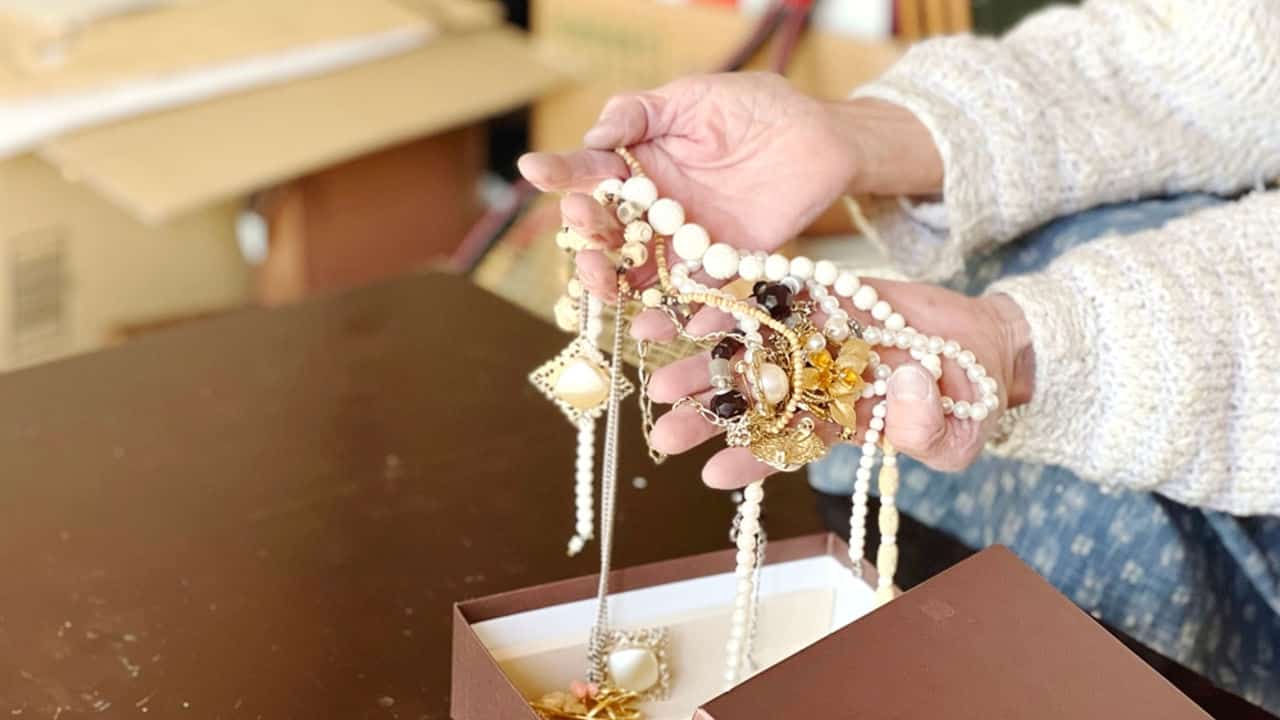
Knowing what makes an item valuable starts with spotting signs that prove its authenticity and quality. You’ll also want to dig into its history to understand its true worth and context.
Signs of Authenticity and Quality
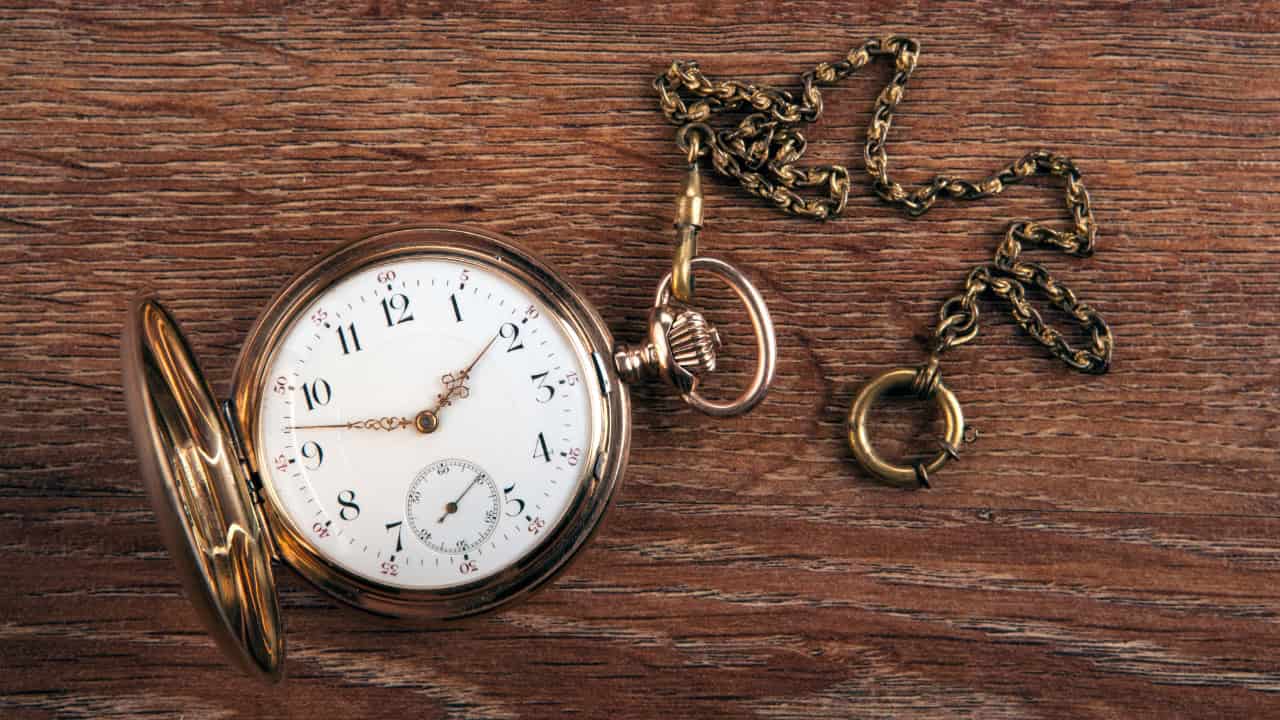
Look for maker’s marks, signatures, or labels on your items. These often confirm the origin and can boost value. Materials matter too—solid wood or precious metals typically increase worth compared to mass-produced plastics.
Check the condition carefully. Even minor damage can affect value, but some wear may add character, especially for antiques over 100 years old. Verify craftsmanship—hand-carved details or unique features usually signal higher quality.
If you find jewelry, test if metals are solid gold, silver, or platinum by looking for stamps like “14K” or “925.” Old electronics or toys should have original parts intact and minimal corrosion.
Researching Historical Value
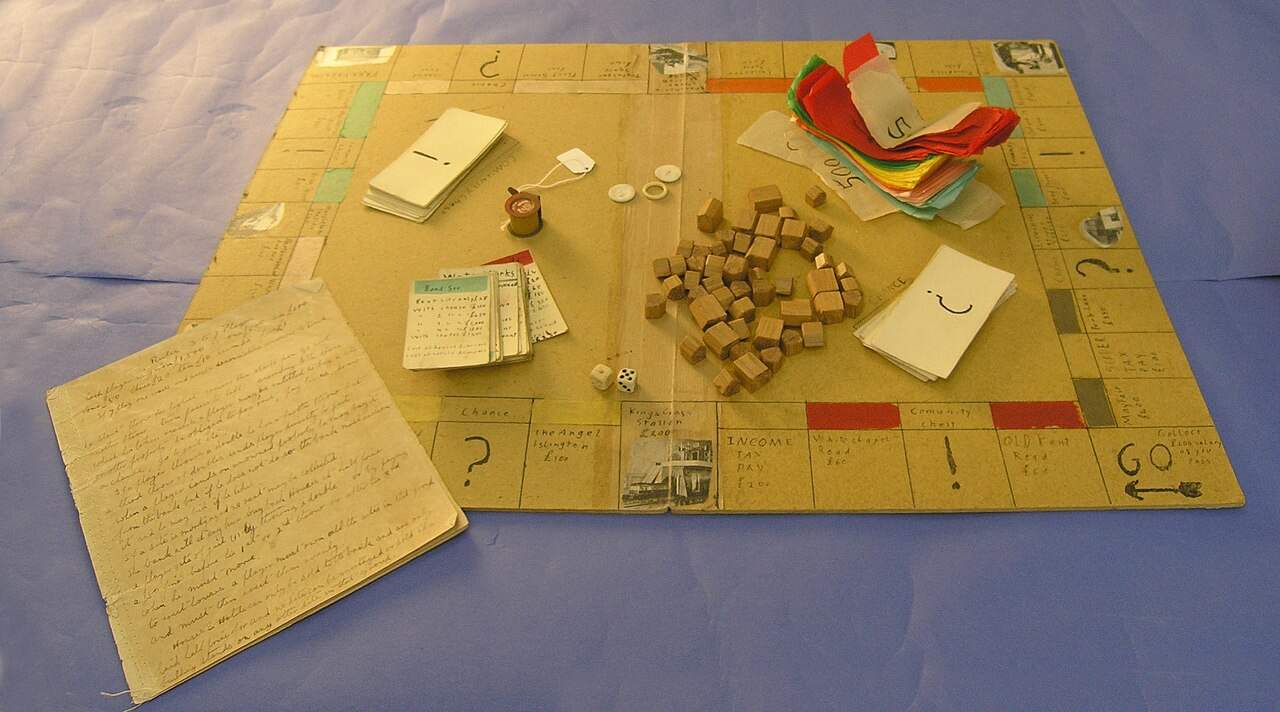
Start by dating your item using any available clues—dates on stamps, packaging, or inscriptions. Knowing the age helps place an object in a historical context that may increase value.
Search auction sites, antique catalogs, or collector forums using exact names or brands. Compare your item’s features and condition with sold listings to estimate worth.
Local libraries and museums can also offer background on cultural or regional significance. For instance, a vintage board game from a popular 1950s brand might have collector interest you wouldn’t expect.
Keep notes on provenance, or ownership history, if possible. Documented stories can add real value, especially for collectibles tied to famous makers or events.
Maximizing the Value of Your Attic Discoveries
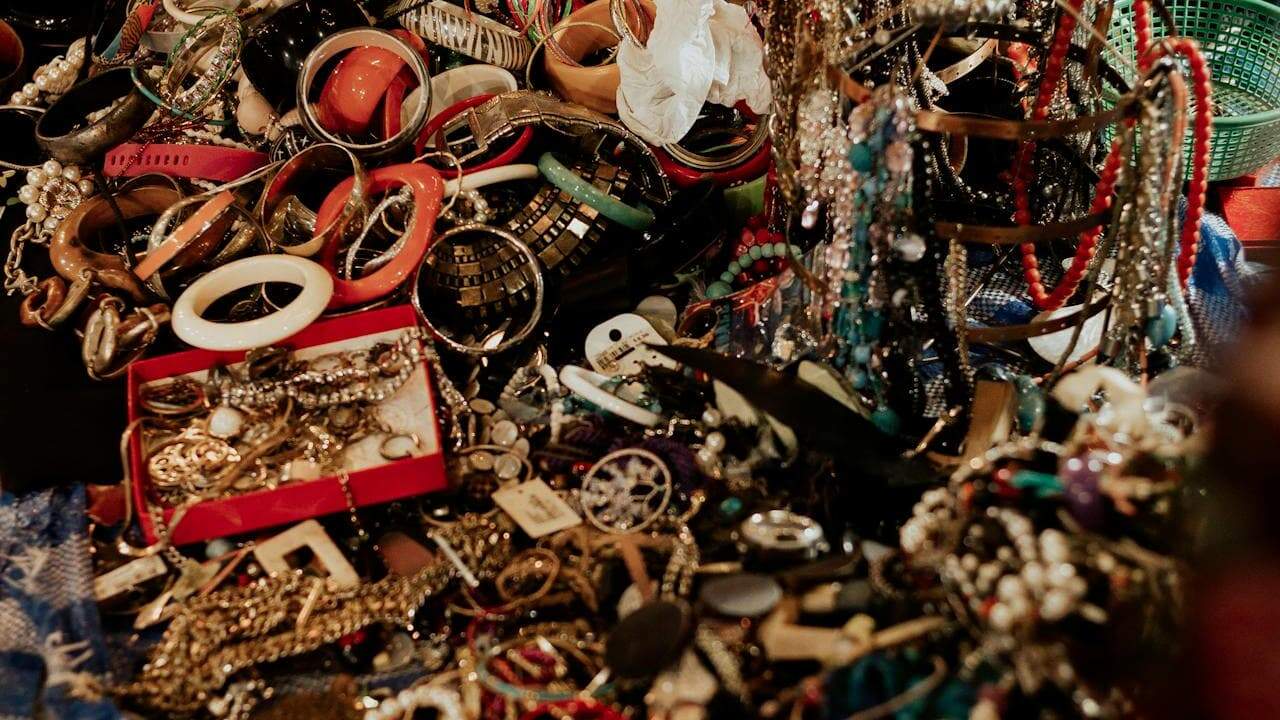
To get the best return from your attic items, focus on protecting their condition and choosing the right place to sell. Keeping valuables in good shape and picking the appropriate sales channels can make a big difference in what you earn.
Best Practices for Preservation
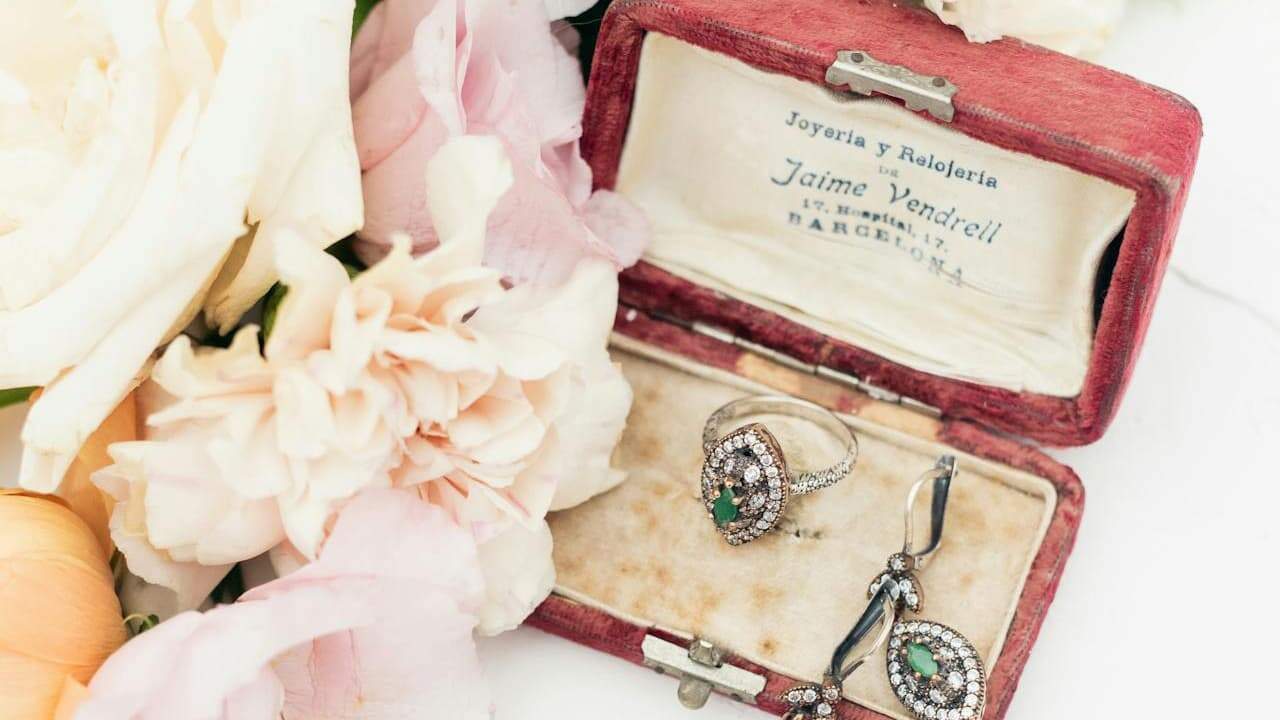
Start by cleaning items gently using soft cloths or brushes. Avoid harsh chemicals that can damage antiques or collectibles. Use acid-free tissue paper or bubble wrap to protect fragile pieces.
Store items in a dry, temperature-controlled space to prevent mold, warping, or rust. Avoid stacking heavy objects on top of delicate ones. Regularly inspect valuables for signs of deterioration.
Label items with any known information, such as dates, origin, or previous owners. This helps appraisers and buyers understand their significance.
Where to Sell Your Treasures

Consider specialized marketplaces or auction houses for antiques and collectibles. Online platforms like eBay or dedicated collector forums often attract interested buyers.
Local antique shops and flea markets can also be good options if you want quick sales. For expensive or rare items, using a professional appraiser first can set realistic price expectations.
Make sure to provide clear photos and detailed descriptions. This builds buyer confidence and can increase your chances of a better price.