In this era of consumerism, it’s easy to accumulate a surplus of items that clutter our homes and complicate our lives. The constant inflow of stuff not only affects our living space but also our mindset. To live a more minimalistic and peaceful lifestyle, we must start by decluttering our homes. By ceasing the purchase of unnecessary items, we can pursue a more streamlined and simplified home. Here, I share 15 purchases I have quit, and you can too, for a more organized and tranquil living environment.
1. Single-Use Kitchen Gadgets
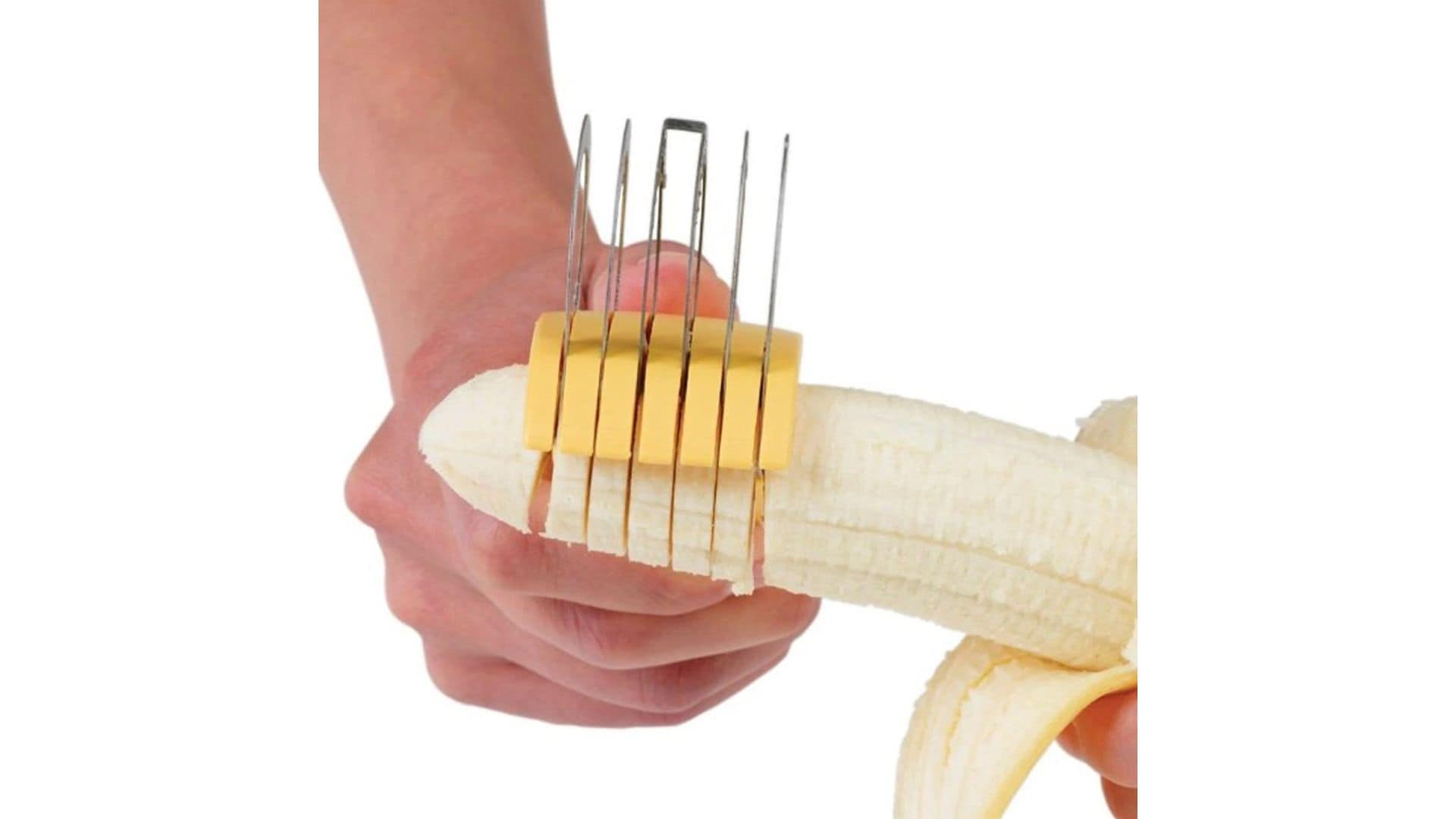
Single-use kitchen gadgets might seem handy at first but they quickly become clutter as they accumulate. These tools typically perform tasks that can be accomplished with more versatile kitchen essentials.
Advertisement
Instead of buying a hard-boiled egg peeler, an apple corer, or a strawberry huller, invest in a few high-quality, multi-purpose kitchen tools. A good chef’s knife, a cutting board, and a set of mixing bowls can accomplish most kitchen tasks. This not only saves you money but also saves precious kitchen storage space.
2. Novelty Decor
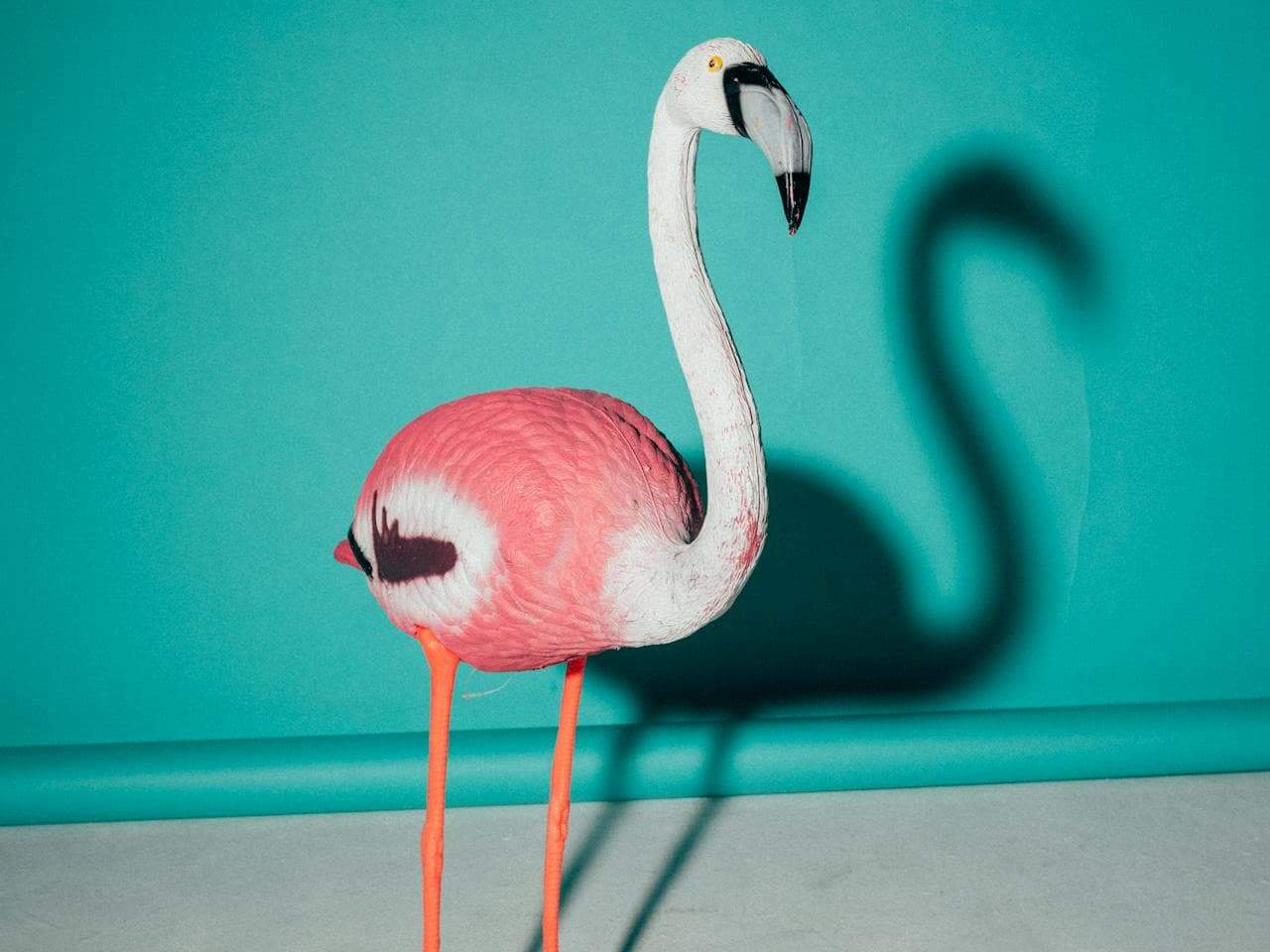
Novelty decor can be cute and fun, but it often contributes to visual clutter and can quickly go out of style. These items do not provide any functional value and only serve to occupy space.
Rather than filling your home with novelty items, consider investing in timeless, functional pieces that contribute to the overall aesthetic of your space. This could include functional decor like stylish storage baskets, wall-mounted shelves, or a beautiful floor lamp.
3. Excessive Bedding
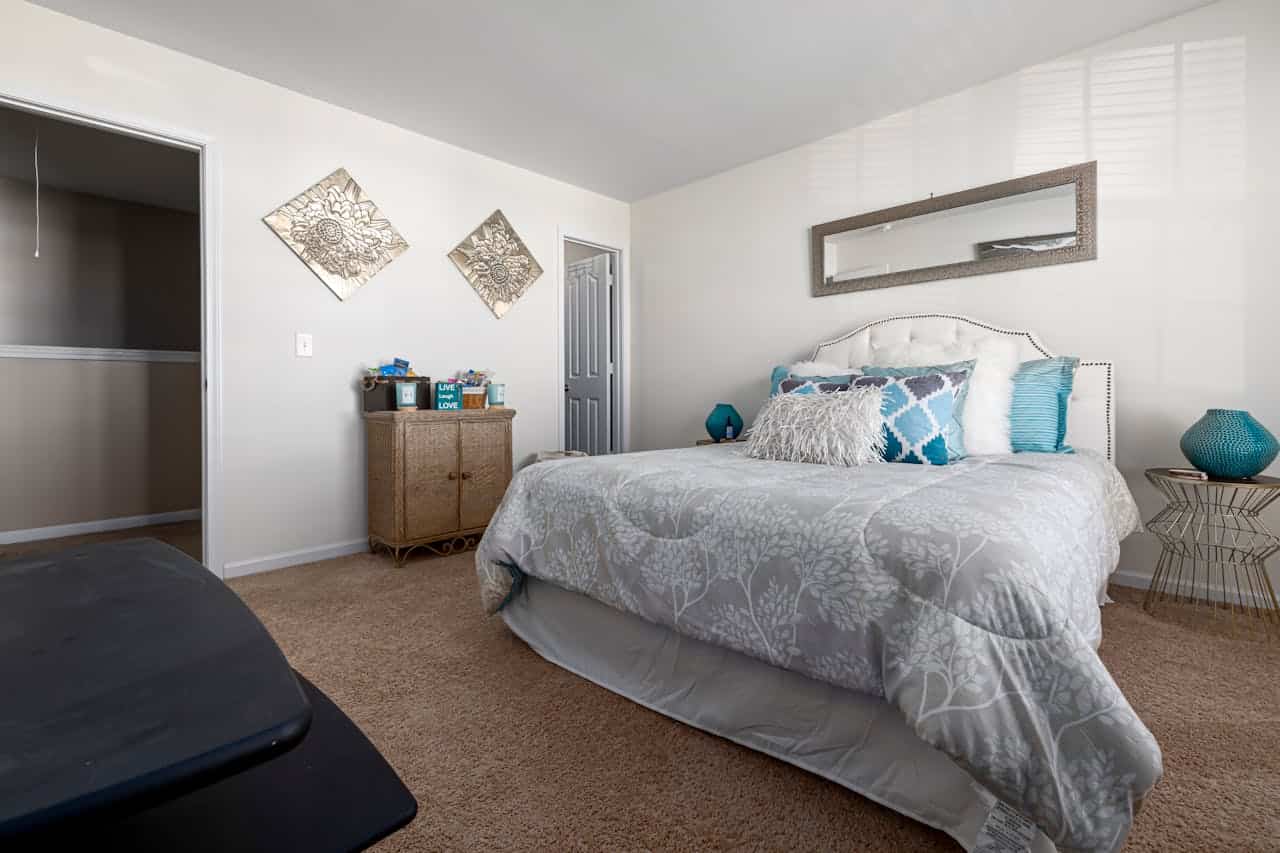
While it can be tempting to buy extra bedding, such as decorative pillows and throws, these items can quickly clutter up your bedroom. They often end up on the floor at night and require constant arranging and cleaning.
Instead, focus on investing in high-quality essential bedding items. A good mattress, comfortable pillows, and a warm comforter can provide the comfort and visual appeal you need without the excess clutter.
4. Duplicate Items

We often buy duplicates of items we already own, whether it’s out of habit or because we’ve misplaced the original item. This leads to unnecessary clutter and waste.
Before making a purchase, take the time to check if you already own a similar item. Organize your belongings so you can easily find what you need, and you’ll be less likely to buy duplicates.
5. Trendy Items
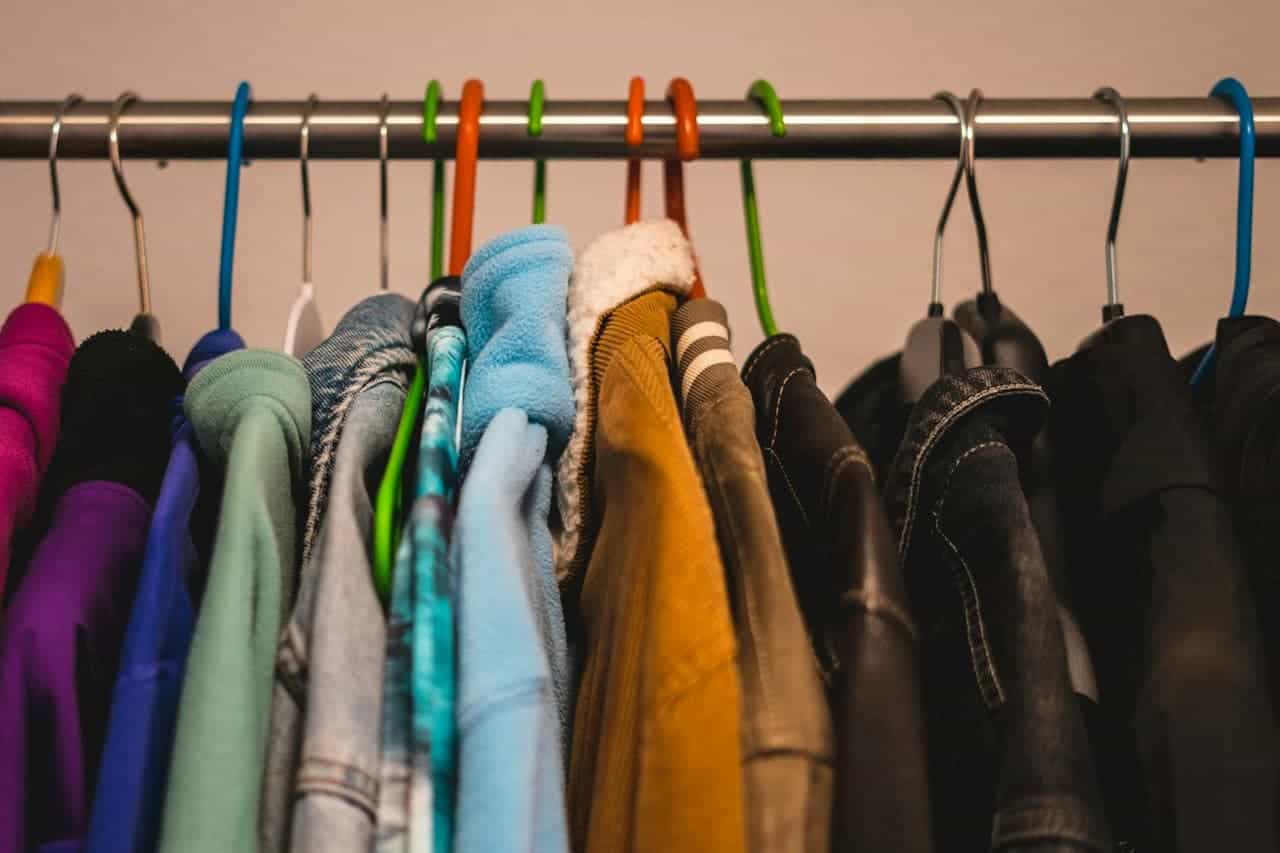
Trendy items, whether clothing, decor, or technology, often have a short lifespan. They can quickly become outdated, leading to a cycle of constant buying and discarding.
Instead of following every trend, develop your own personal style and stick with it. Choose items that will last and that you’ll still love years from now.
6. Storage Containers
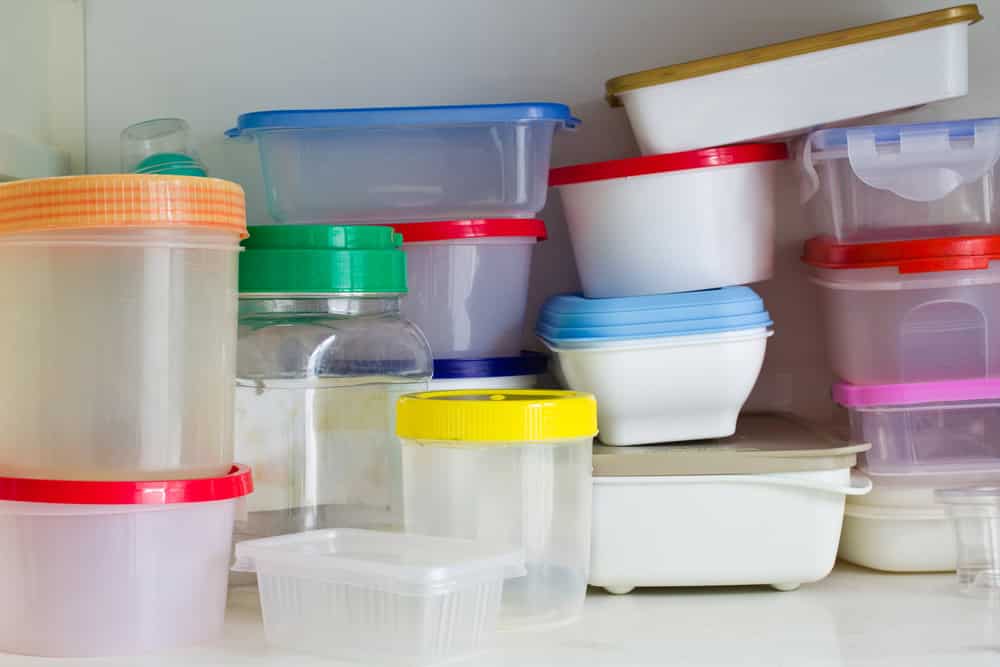
It might seem counterintuitive, but buying more storage containers can actually contribute to clutter. It often results in storing items we don’t need or use.
Before buying more storage, declutter and organize what you already have. You might find that you have plenty of storage space once you’ve gotten rid of unnecessary items.
7. Cheap Furniture
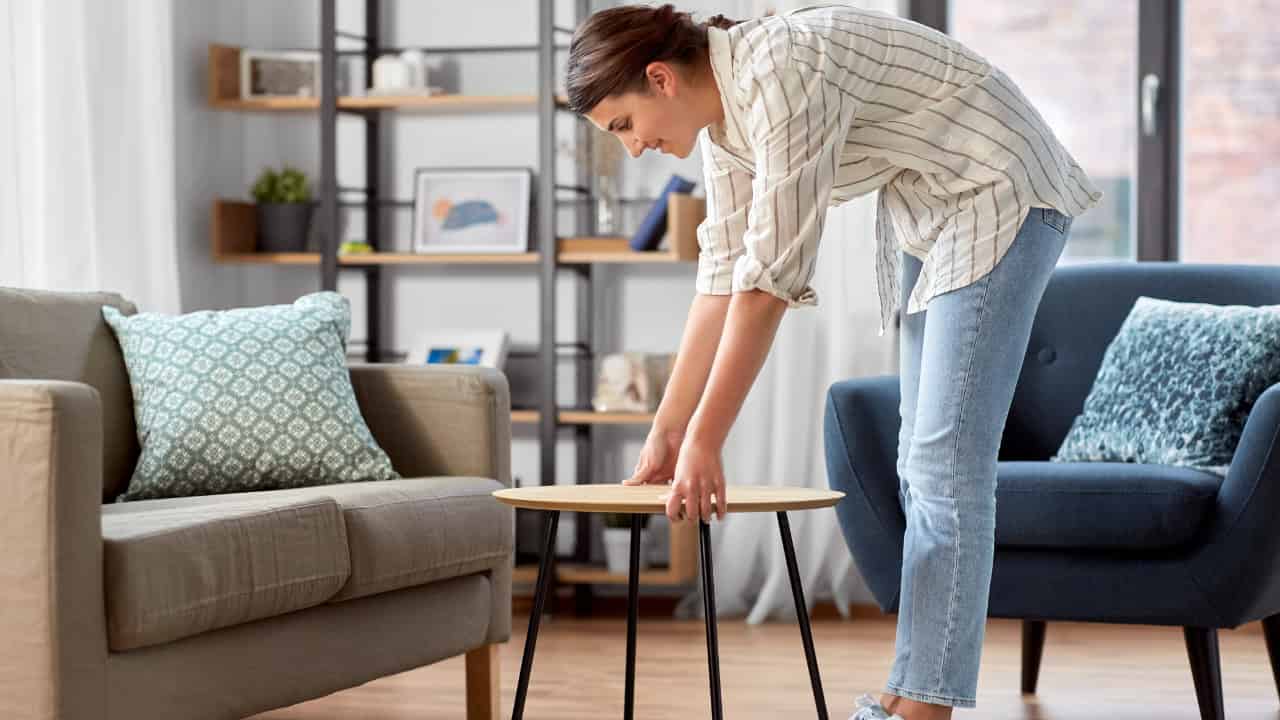
Cheap furniture might seem like a good deal at first, but it often doesn’t last and can end up costing more in the long run. It also contributes to environmental waste.
Invest in high-quality, durable furniture that will last. It might cost more upfront, but it’s a better investment in the long run.
8. Disposable Items
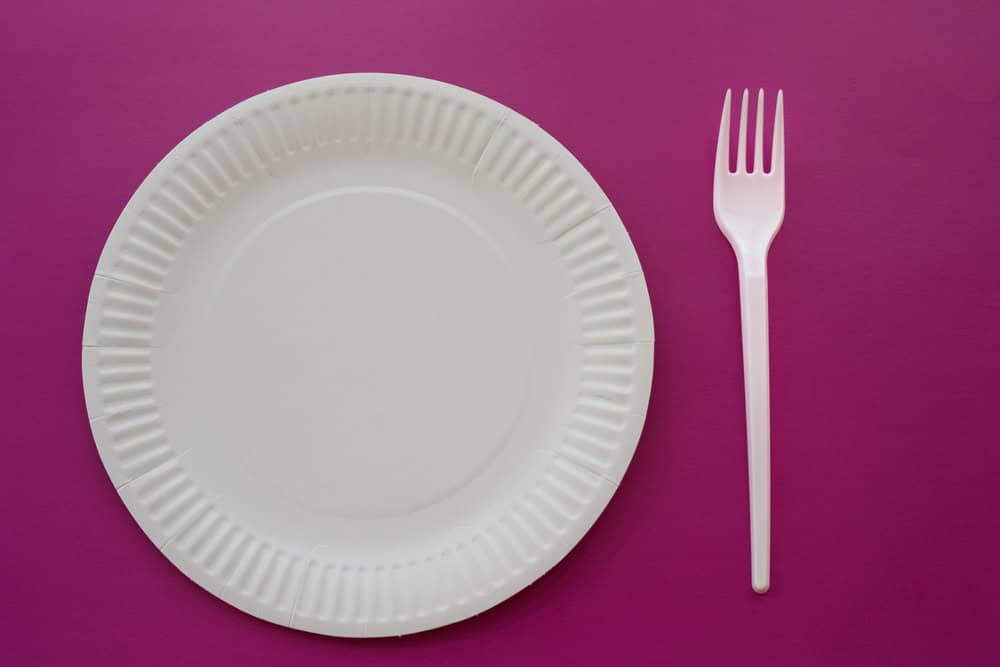
Disposable items, like single-use plastic cutlery or paper plates, create waste and require constant repurchasing.
Consider investing in reusable alternatives. Not only will you save money in the long run, but you’ll also reduce your environmental impact.
9. Fast Fashion

Fast fashion items are often poorly made and quickly go out of style. This contributes to a cycle of constant buying and discarding.
Invest in high-quality, timeless clothing pieces that will last. It’s better for your wallet and the environment.
10. Excess Beauty Products
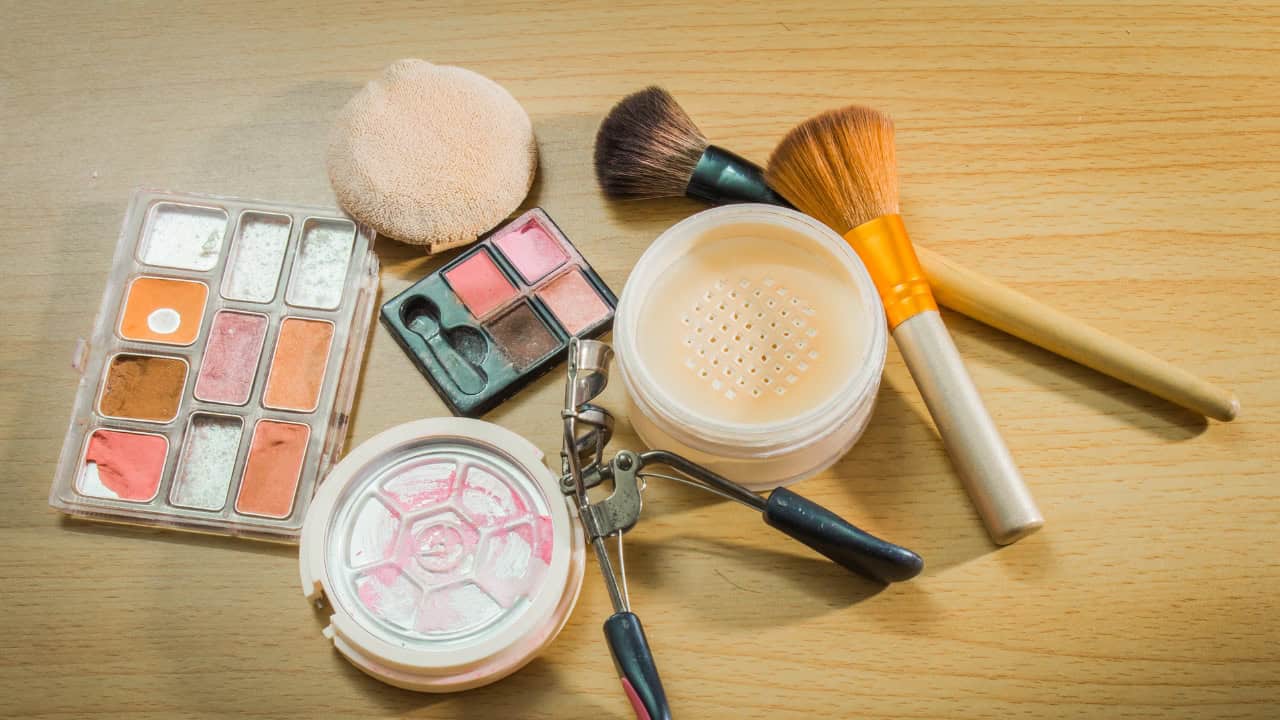
It can be tempting to buy every new beauty product that hits the market, but they can quickly accumulate and become clutter.
Focus on finding a few products that work well for you and stick with them. Your skin and wallet will thank you.
11. Physical Media

Physical media, like DVDs and CDs, take up a lot of space and can often be replaced with digital alternatives.
Consider streaming movies and music instead. You’ll save space and still have access to your favorite media.
12. Seasonal Decor

Seasonal decor can be fun, but it takes up a lot of storage space and is only used for a small portion of the year.
Consider choosing a few versatile decor items that can be used year-round. You can add small, seasonal touches with things like candles or flowers.
13. Unused Exercise Equipment
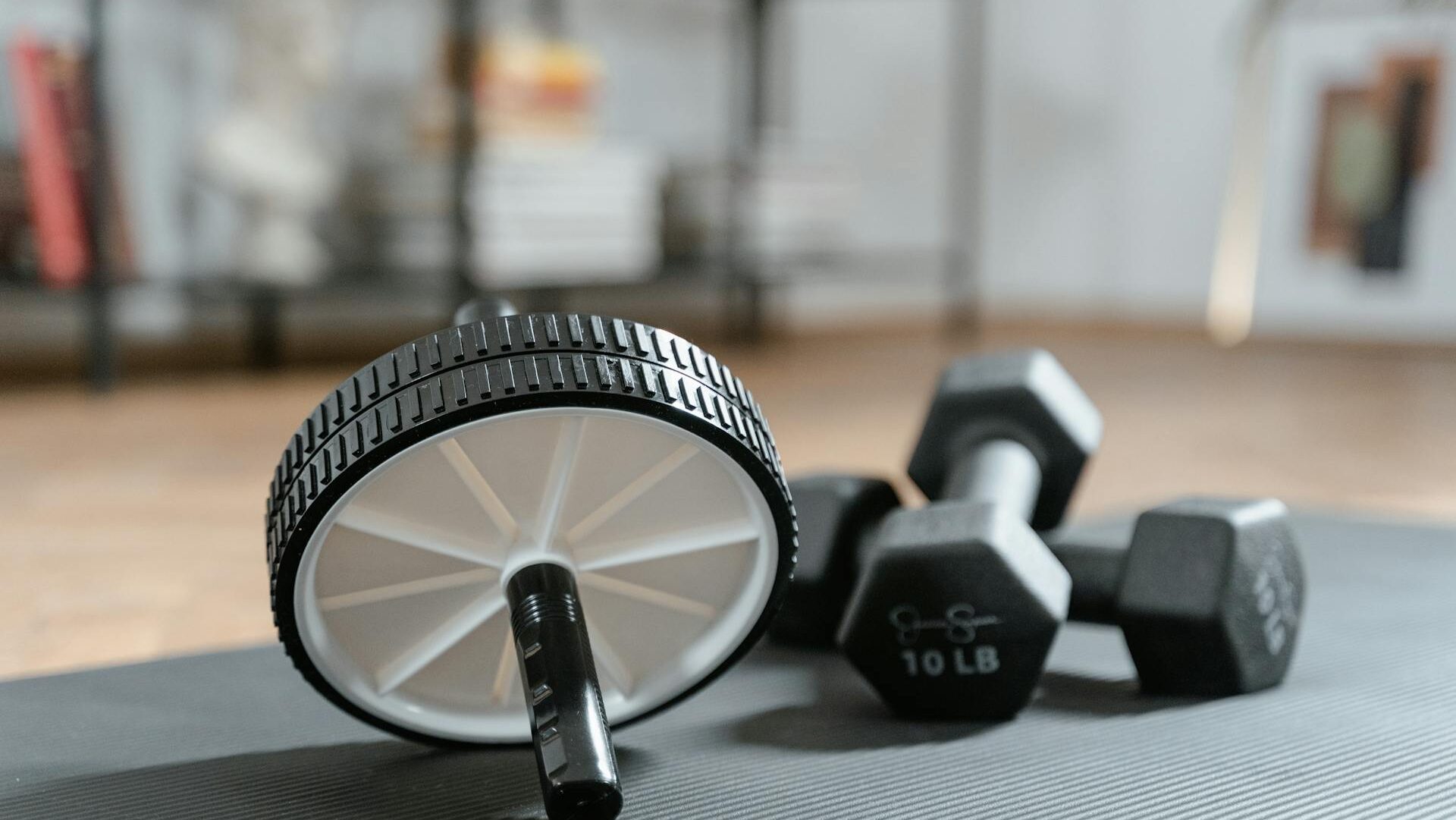
Exercise equipment can be bulky and often ends up collecting dust in a corner.
Consider joining a gym or finding ways to exercise outdoors. If you prefer to exercise at home, choose equipment that is compact and easy to store.
14. Impulse Buys

Impulse buys often lead to regret and clutter. They’re usually items we don’t need and won’t use.
Try to shop with a list and stick to it. If you see something you want, wait a few days before deciding to buy it. You might find that you don’t want it as much as you thought.
15. Junk Food

Junk food not only takes up pantry space, but it’s also bad for your health.
Instead, invest in healthy, nourishing food. Your body and mind will thank you.