We’ve all been there. You stroll into your local grocery store, list in hand, and leave with a trolley full of items that you didn’t plan on buying. It’s easy to get drawn into the attractive packaging, discount deals, or convenience of pre-prepped meals. But, do you ever stop to think about whether you’re actually getting good value for your money? This list of 15 grocery store rip-offs will help you navigate the aisles with more confidence and save money on your weekly shop. Knowledge is power, after all.
1. Pre-Cut Fruits and Vegetables
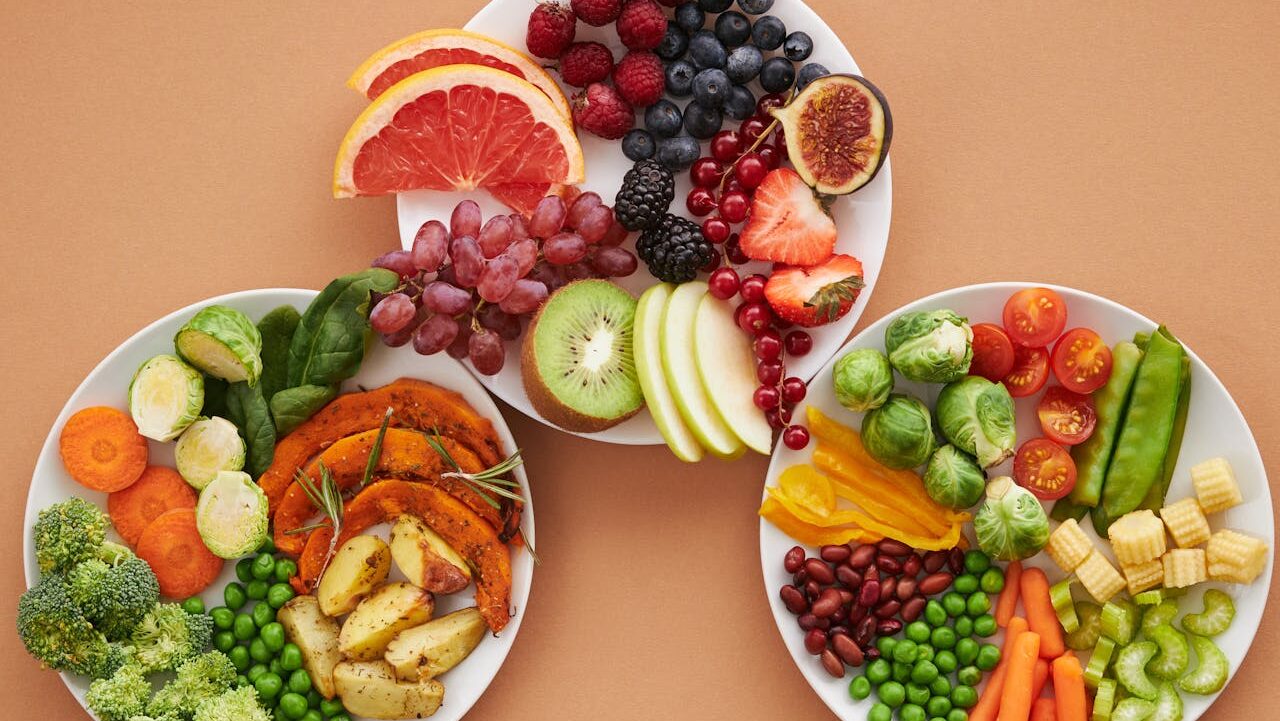
Pre-cut fruits and vegetables may seem like a convenient option, especially if you’re short on time. However, you’re paying a premium for this convenience. The markup on pre-cut produce can be as much as 350 percent compared to whole fruits and vegetables. In addition, pre-cut produce tends to spoil faster, whereas whole fruits and vegetables can last much longer in your fridge.
Advertisement
It’s not just about the money, though. The nutrient content of fruits and vegetables begins to degrade as soon as they’re cut, meaning you could be getting less nutritional bang for your buck. So, if you’re able to, buy whole fruits and vegetables and do the chopping yourself. Your wallet and your health will thank you.
2. Brand-Name Products

When it comes to grocery shopping, brand loyalty can cost you. Brand-name products often come with a higher price tag than their store-brand counterparts, even though the ingredients and quality are often comparable. In fact, many store-brand products are made by the same manufacturers that produce the name-brand items!
Next time you’re at the supermarket, compare the ingredients and nutritional information between the brand-name product and the store-brand equivalent. You might be surprised to find that they’re virtually identical. Making the switch to store-brand items can lead to significant savings over time.
3. Bottled Water
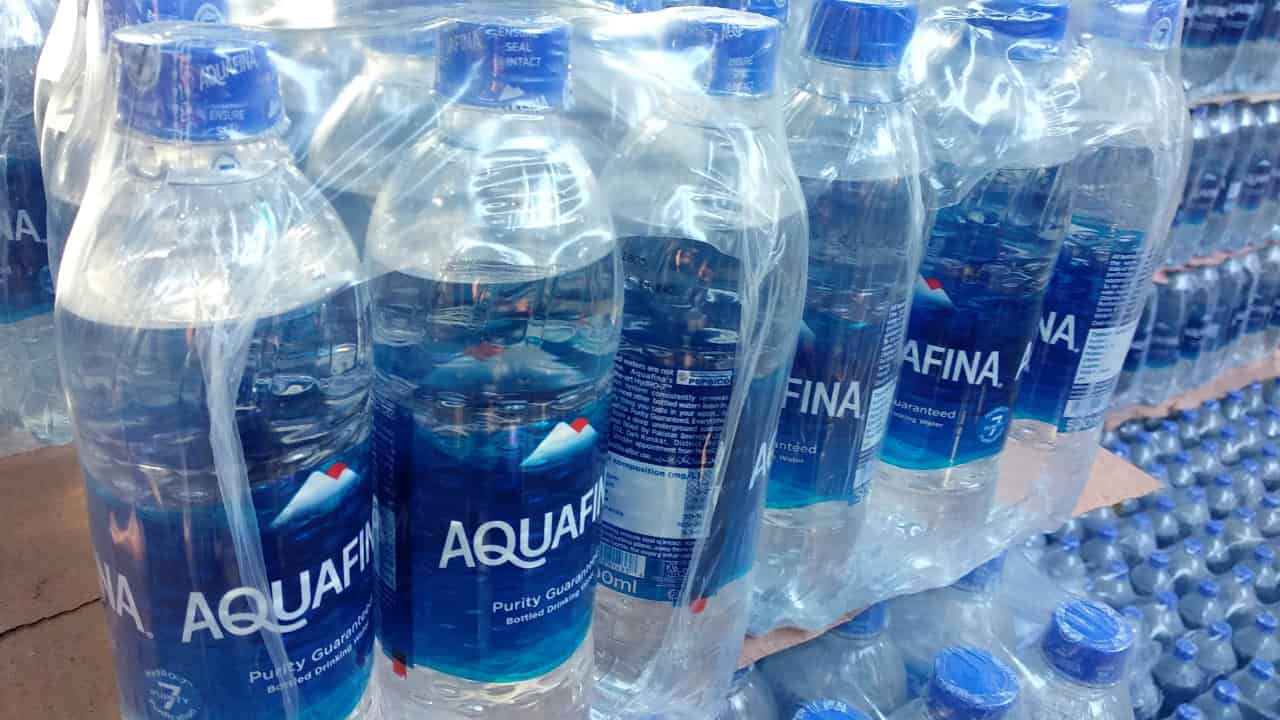
Bottled water is one of the biggest rip-offs in the supermarket. Not only does it carry a hefty price tag, but it’s also terrible for the environment. In many cases, the water in those bottles is simply filtered tap water.
Instead of buying bottled water, invest in a good-quality water filter and a reusable water bottle. Not only will you save money, but you’ll also be doing your part to reduce plastic waste.
4. Pre-Packaged Salads
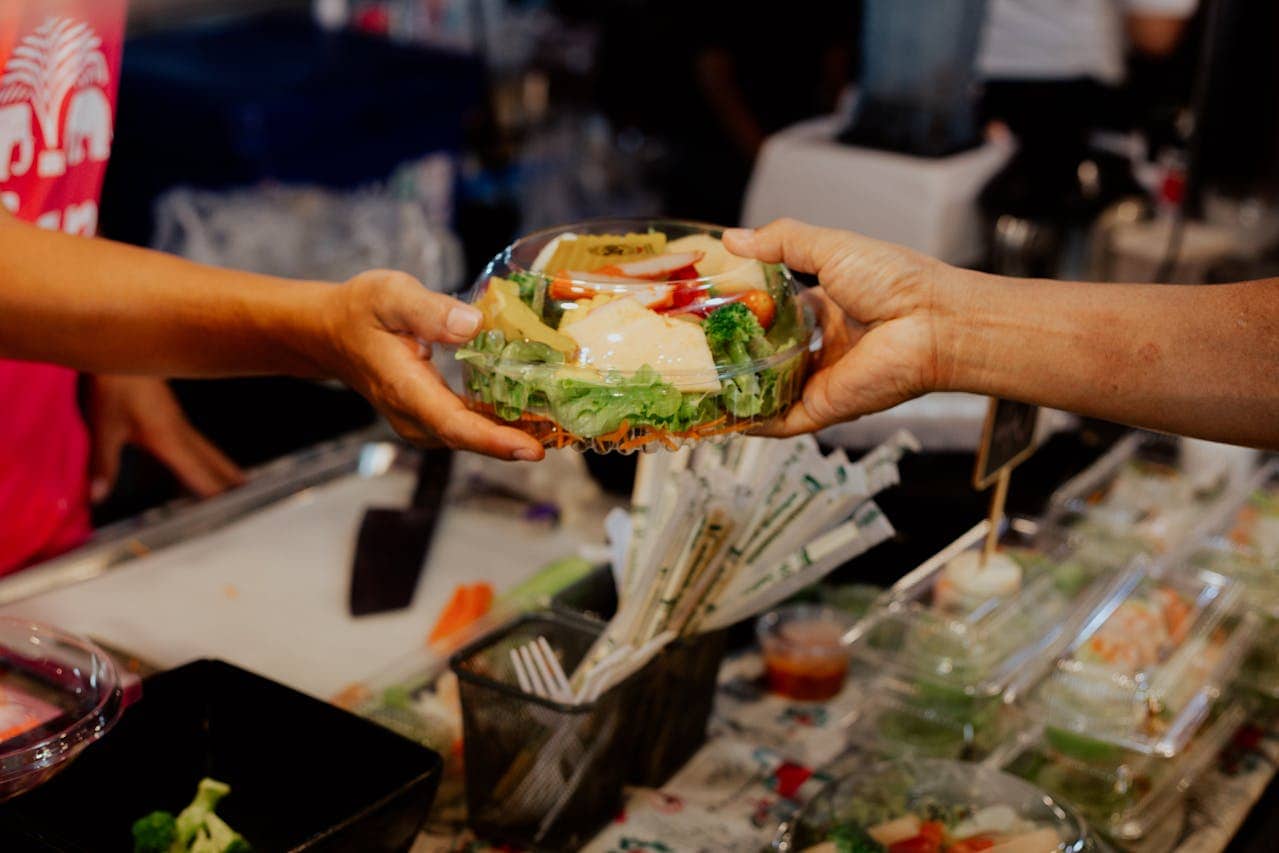
Pre-packaged salads might seem like a healthy and convenient option, but they’re often not worth the price. These salads are usually marked up significantly and can go bad quickly. Plus, the dressings and toppings that come with them can be high in sodium and unhealthy fats.
Instead, consider making your own salads at home. You can buy a head of lettuce, some fresh vegetables, and your favorite dressing for a fraction of the cost of a pre-packaged salad. Plus, you’ll be able to control the ingredients to ensure you’re eating a healthy and delicious meal.
5. Spice Mixes
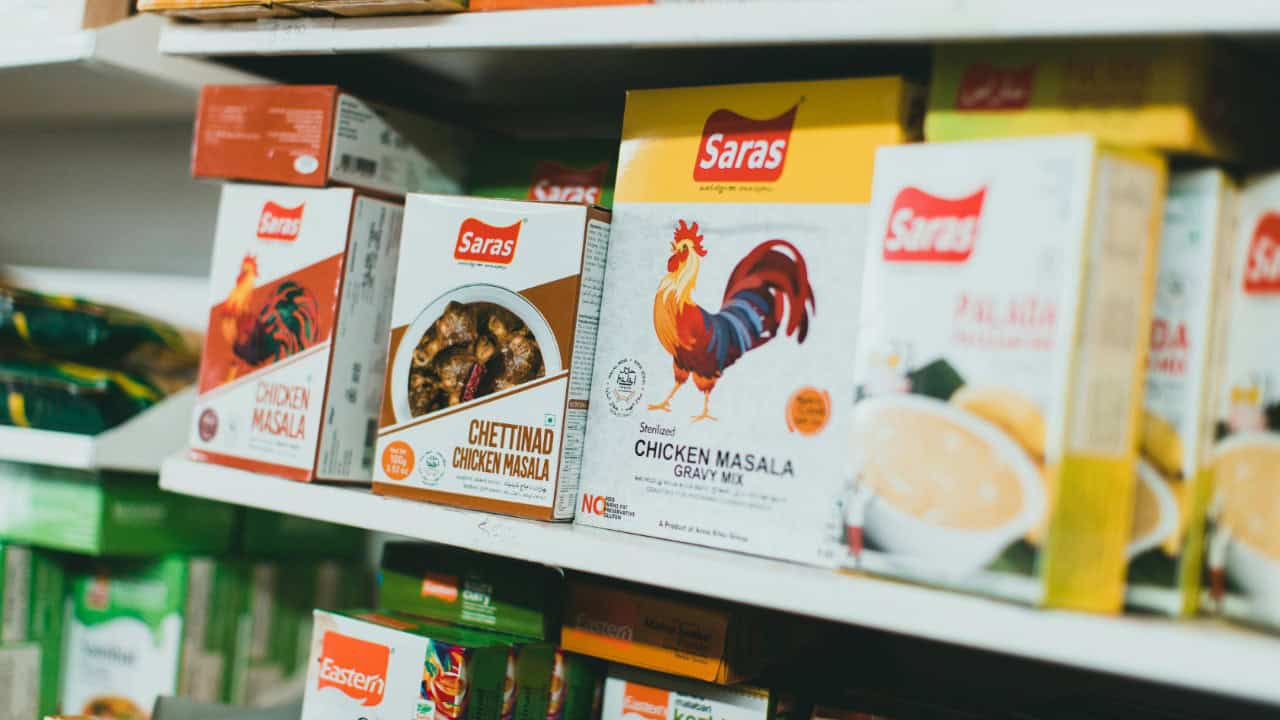
Spice mixes can be a major rip-off. They often contain a lot of salt and other fillers, and they can be quite pricey compared to buying individual spices.
Instead of buying pre-made spice mixes, consider making your own. It’s easy to do, and you can customize them to your taste. Plus, you’ll be able to keep your spice cabinet more organized.
6. Gourmet Cheese
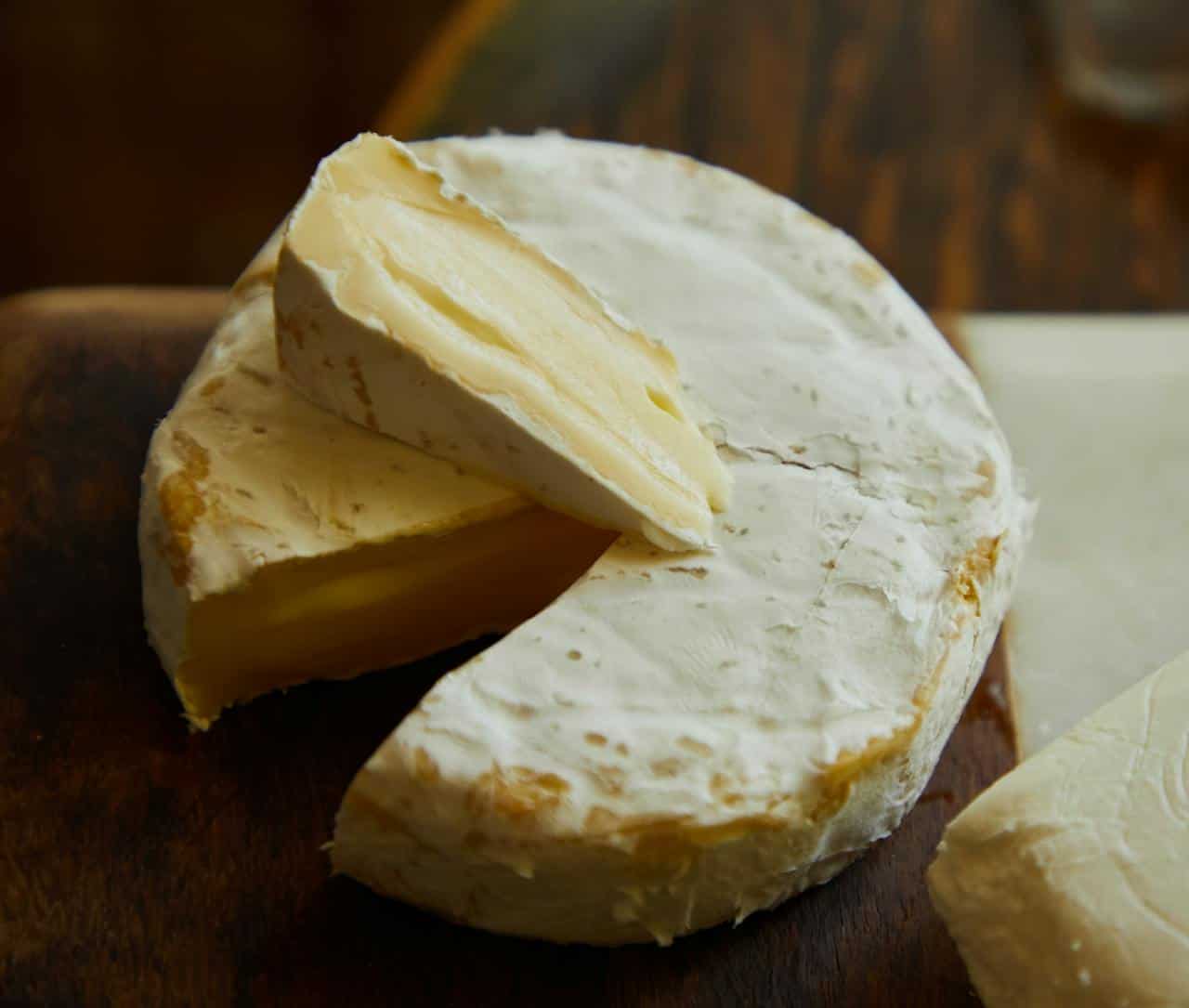
Gourmet cheese can be a delicious treat, but it can also be a major rip-off. Many gourmet cheeses are marked up significantly compared to regular cheese.
Instead of buying expensive gourmet cheese, consider trying some less expensive alternatives. There are many delicious cheeses out there that don’t come with a hefty price tag.
7. Premium Ice Cream
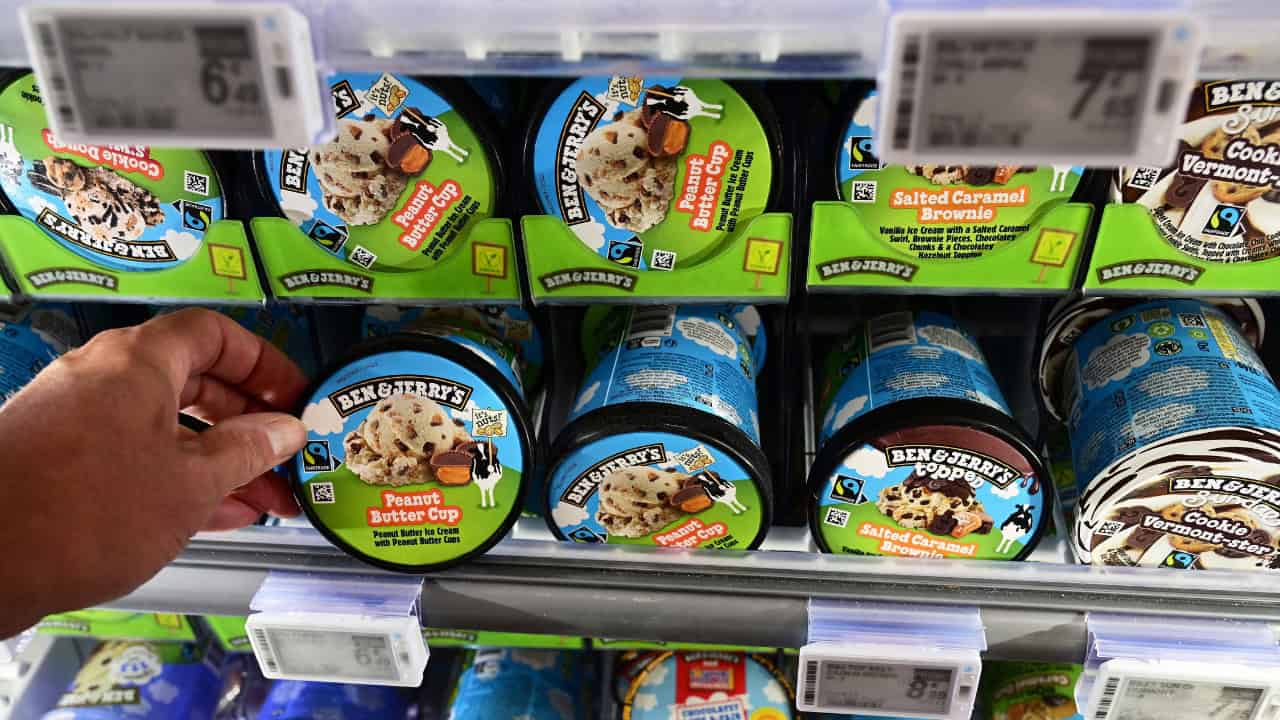
Premium ice cream often comes with a premium price tag. But is it really worth the extra cost? In many cases, the answer is no.
Instead of buying expensive premium ice cream, consider trying some less expensive alternatives. There are many delicious ice creams out there that don’t come with a hefty price tag.
8. Pre-made Sandwiches

Pre-made sandwiches are often marked up significantly compared to making your own sandwich at home. Plus, they often contain a lot of unhealthy ingredients like processed meats and high-fat sauces.
Instead of buying pre-made sandwiches, consider making your own. You can control the ingredients and make a healthier and cheaper sandwich at home.
9.Single-serve snacks

Single-serve snacks are convenient, but they’re also a major rip-off. You’re paying a premium for the packaging, not the food.
Instead of buying single-serve snacks, consider buying in bulk and portioning out your own snacks. You’ll save money and reduce waste.
10.Prepared deli foods

Prepared deli foods can be a major rip-off. They’re often marked up significantly compared to making your own meals at home.
Instead of buying prepared deli foods, consider making your own. You can control the ingredients and make a healthier and cheaper meal at home.
11. Pre-made Smoothies
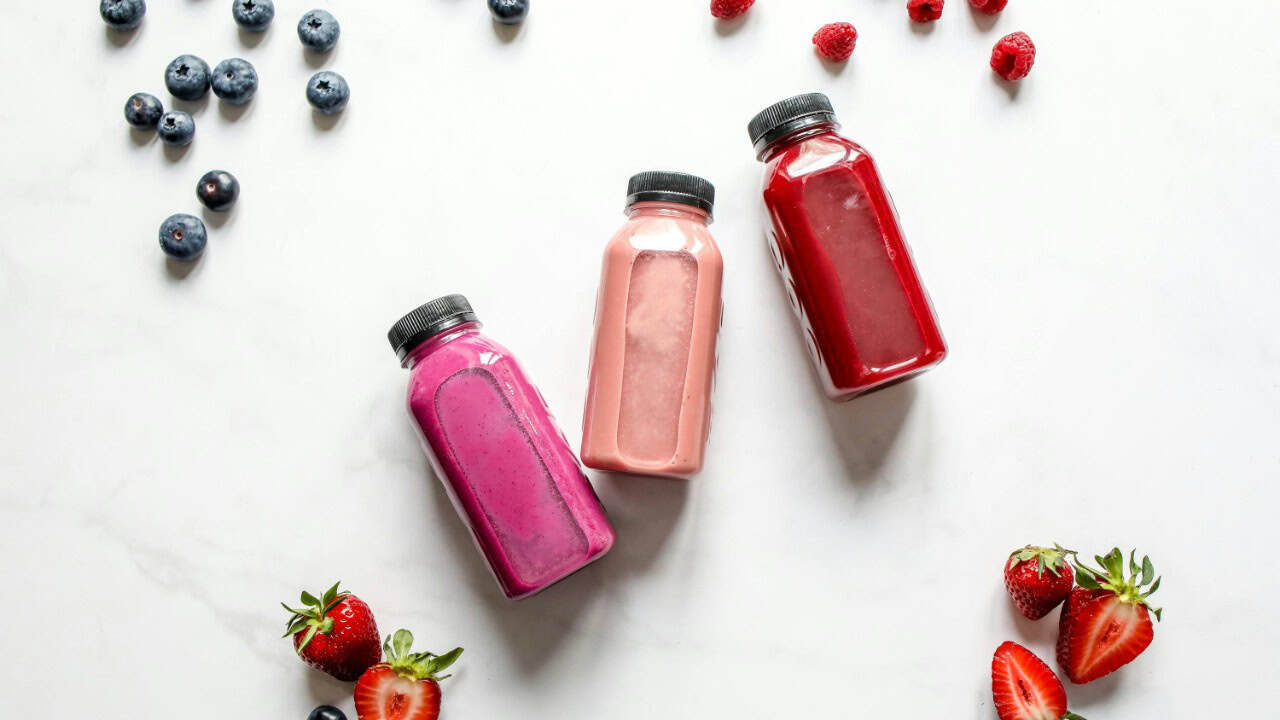
Pre-made smoothies are often marked up significantly compared to making your own smoothie at home. Plus, they often contain a lot of sugar and other unhealthy ingredients.
Instead of buying pre-made smoothies, consider making your own. You can control the ingredients and make a healthier and cheaper smoothie at home.
12. Gluten-Free Foods
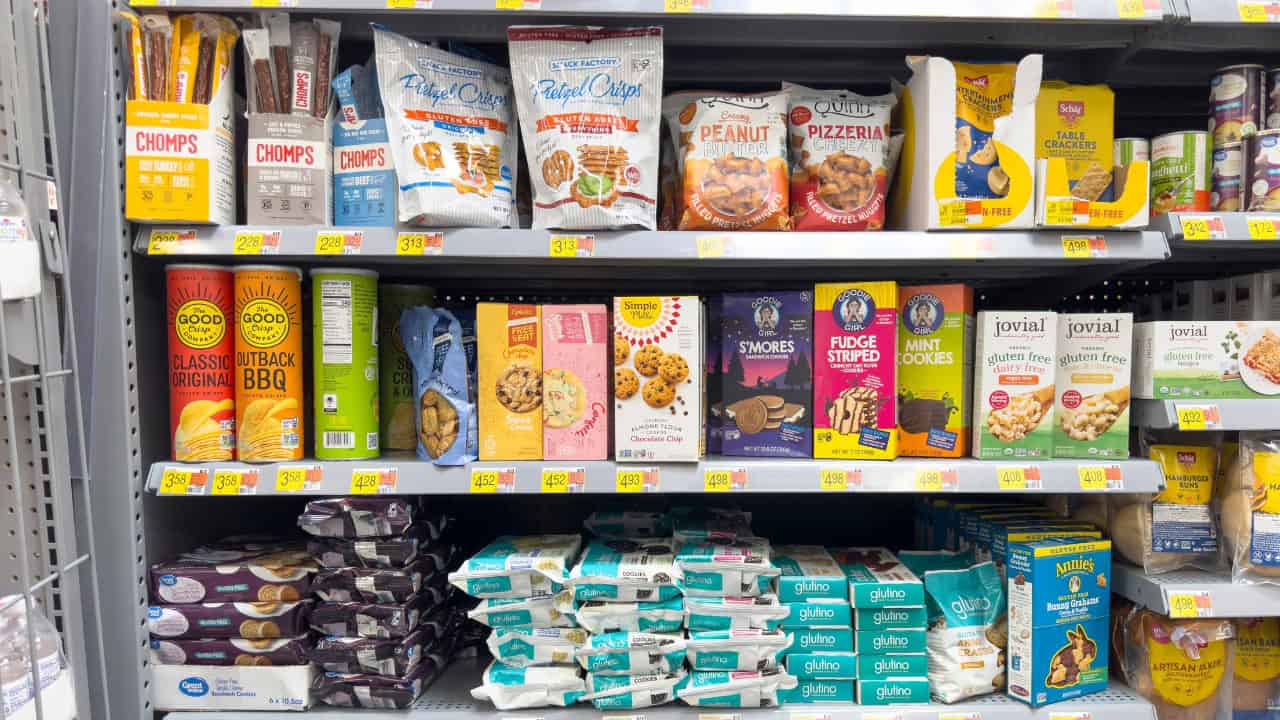
Gluten-free foods are often marked up significantly compared to their gluten-containing counterparts. Unless you have a medical need for a gluten-free diet, these foods are usually not worth the extra cost.
Instead of buying expensive gluten-free foods, consider eating a naturally gluten-free diet. Many whole foods like fruits, vegetables, and lean meats are naturally gluten-free and much cheaper than processed gluten-free foods.
13. Organic Produce
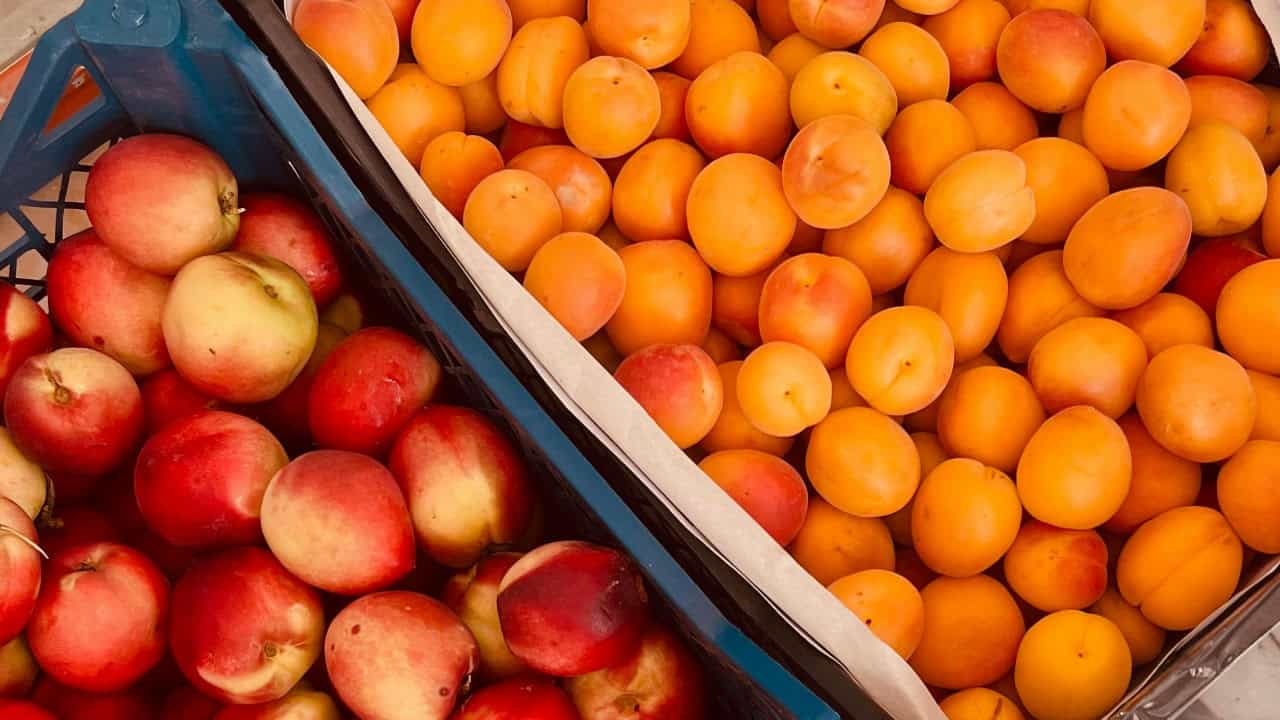
Organic produce can be significantly more expensive than conventional produce. While organic farming practices can be better for the environment, not all organic produce is created equal. Some studies have shown that the nutritional difference between organic and conventional produce is minimal.
Instead of buying all organic produce, consider buying organic for the fruits and vegetables that are most likely to be contaminated with pesticides (like strawberries and spinach), and stick to conventional for others.
14. Coffee Pods
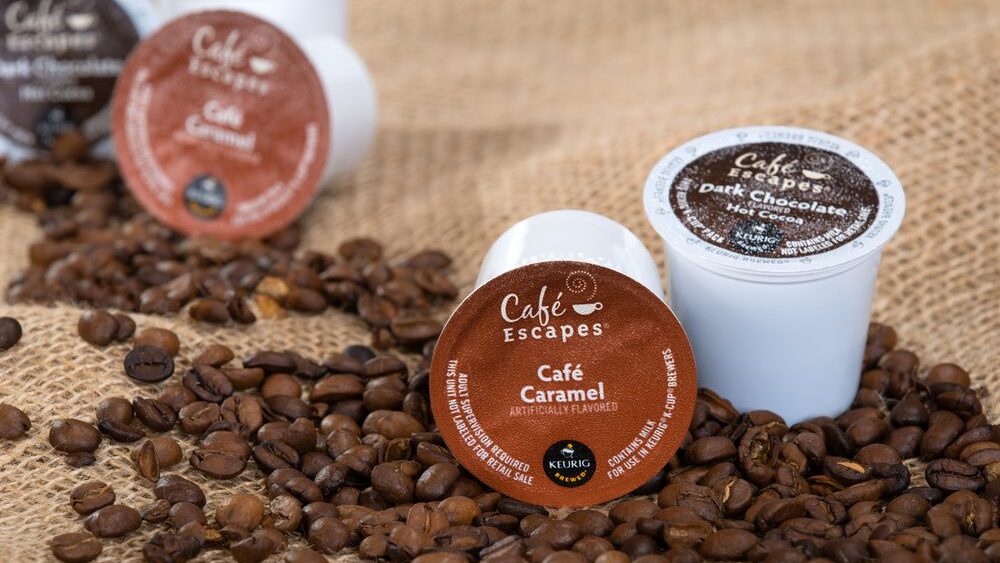
Coffee pods can be convenient, but they’re also a major rip-off. They’re significantly more expensive per serving than ground coffee or coffee beans.
Instead of buying coffee pods, consider investing in a coffee maker and buying ground coffee or coffee beans. You’ll save money and reduce waste.
15. Non-dairy Milks

Non-dairy milks like almond milk and oat milk can be a major rip-off. They’re often significantly more expensive than cow’s milk, and they can contain a lot of added sugars and other unhealthy ingredients.
Instead of buying non-dairy milks, consider making your own. It’s easy to do, and you can control the ingredients to ensure you’re getting a healthy product.