
Gardening is a passion for many, a pastime that brings joy and satisfaction. And while we all love to browse through the glossy pages of garden design magazines, it’s important to remember that not all trends translate well into real-life scenarios. As with anything, the world of gardening has its share of trends that simply do not work in the reality of a real garden. Here, we explore 19 such trends that have proven time and again to be more trouble than they are worth.
1. Overcrowding Plants

Overcrowding plants may give your garden a lush, dense look but it doesn’t work in the real world. Plants need space to grow and breathe. When you overcrowd plants, they compete for resources like sunlight, water, and nutrients. This can lead to unhealthy plants that are more susceptible to pests and diseases.
Moreover, overcrowding can cause plants to grow into each other, resulting in an untidy look. It’s better to plan your garden with enough space for each plant to grow to its full potential. Remember, less is often more in gardening.
2. Exotic Plants

It’s tempting to include exotic plants in your garden to give it a unique look. But exotic plants are often not suited to the local climate and soil conditions. This means they require more care and are more prone to disease and pest problems.
Instead, opt for native plants that are adapted to your local conditions. They are easier to care for and will be healthier and more robust. Plus, native plants often attract local wildlife like birds and butterflies, adding to the beauty of your garden.
3. Over-reliance on Annuals

While annuals can add a burst of color to your garden, relying too heavily on them can be problematic. Annuals only live for a year and then need to be replaced, which can be costly and time-consuming.
Perennials, on the other hand, come back year after year and often grow larger and more robust with each passing season. By incorporating more perennials into your garden, you can reduce maintenance and still enjoy a beautiful, colorful display.
4. Excessive Lawn Space
Maintaining a large lawn can be a time-consuming and resource-intensive task. Regular mowing, watering, and fertilizing can take up a significant amount of time and money.
Instead, consider reducing your lawn space and replacing it with low-maintenance shrubs, ground covers, or a vegetable garden. This not only reduces maintenance but also adds interest and variety to your garden.
5. Neglecting the Soil

Many gardeners focus on the plants and neglect the soil. But healthy, fertile soil is the foundation of a successful garden. If your soil is poor, your plants will struggle to grow and thrive.
Regularly adding organic matter like compost or well-rotted manure can improve the fertility and structure of your soil. It’s also important to get your soil tested to determine its pH and nutrient levels. This allows you to make specific adjustments to suit the needs of your plants.
6. Ignoring the Local Climate

Choosing plants that are not suited to your local climate is a common mistake. These plants will struggle to survive and require much more care than plants that are adapted to your local conditions.
Instead, choose plants that are suited to your climate. They will be more robust, require less care, and be more likely to thrive.
7. Planting Too Deep

Planting too deep is a common mistake that can lead to a host of problems. When plants are planted too deep, their roots can’t get the oxygen they need. This can lead to root rot and other problems.
Instead, plant at the correct depth. The top of the root ball should be level with or slightly above the soil surface. This allows the roots to breathe and the plant to thrive.
8. Neglecting Wildlife

Many gardeners view wildlife as a nuisance. But wildlife can play a crucial role in your garden ecosystem, pollinating plants, controlling pests, and adding to the overall beauty and interest of your garden.
Instead of trying to keep wildlife out, try to attract them. Plant flowers that attract bees, butterflies, and birds. Install a bird bath or a bee house. These simple measures can make your garden more wildlife-friendly.
9. Overwatering
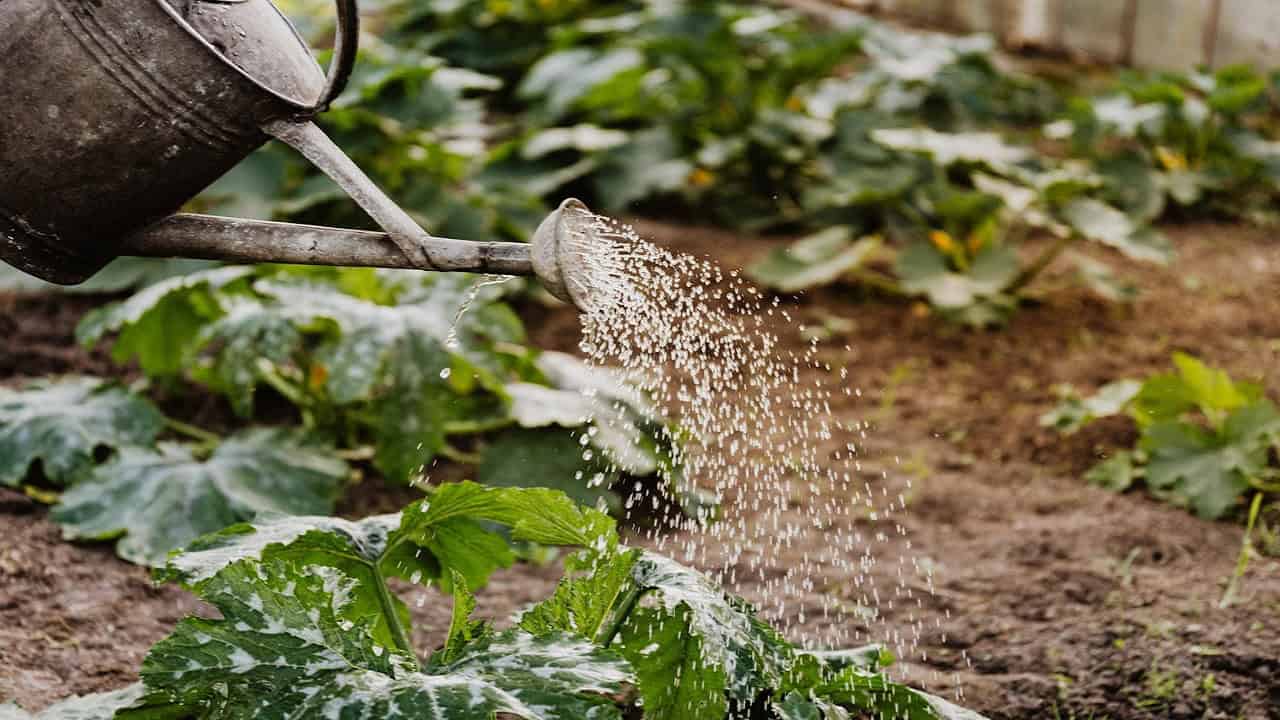
Overwatering is one of the most common mistakes made by gardeners. While plants need water to survive, too much water can be just as harmful as too little. Overwatering can lead to root rot and other problems.
Instead, learn to water your plants correctly. Most plants prefer a good soak followed by a period of dryness. The amount of water your plants need will depend on their species, the local climate, and the time of year.
10. Lack of Mulching
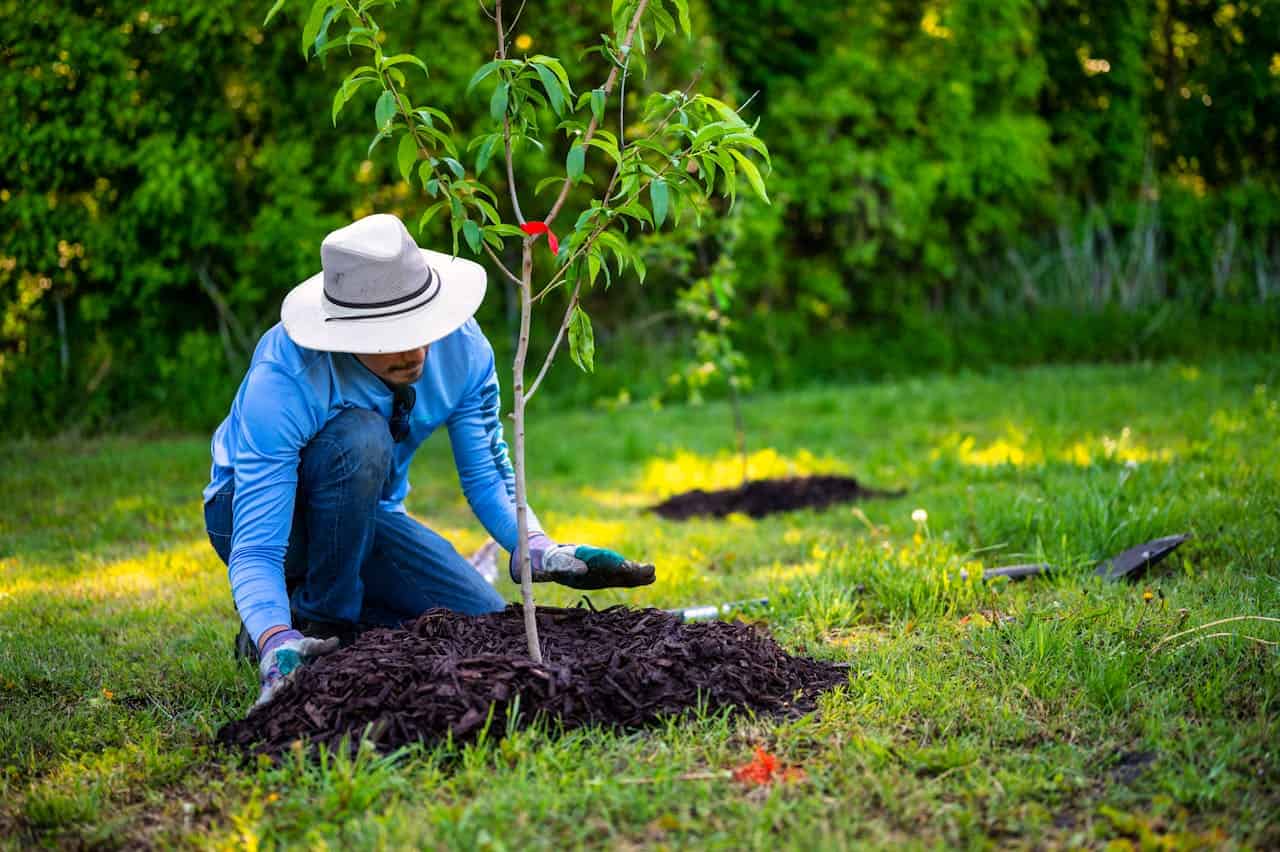
Many gardeners neglect to mulch their gardens. But mulching provides numerous benefits. It helps to conserve soil moisture, suppress weeds, and improve soil fertility.
Use organic mulch like wood chips, straw, or compost. Apply a layer of mulch around your plants, but be sure to leave some space around the base of each plant to prevent rot.
11. Planting Inappropriate Sizes

It’s important to consider the mature size of a plant before you plant it. Many gardeners make the mistake of planting large trees and shrubs too close to buildings, fences, or other plants.
This can lead to a host of problems down the line, including damage to buildings and competition for resources. Always consider the mature size of a plant and give it enough space to grow.
12. Over-fertilizing

While fertilizers can provide essential nutrients, over-fertilizing can harm your plants. Over-fertilization can lead to excessive growth, making plants more susceptible to pests and diseases. It can also harm the soil and local waterways.
Instead of over-fertilizing, aim to provide a balanced diet for your plants. Regularly adding organic matter to your soil can provide a slow-release source of nutrients. Also, consider getting your soil tested to determine what nutrients it is lacking.
13. Ignoring Plant Zones

Plant zones are a useful tool for determining which plants will thrive in your local climate. Ignoring these zones can lead to frustration and disappointment as your plants struggle to survive.
Instead, use plant zones as a guide when choosing plants for your garden. This can help ensure that your plants will thrive in your local conditions.
14. Neglecting to Prune

Pruning is an essential part of plant care, but it’s often neglected. Without regular pruning, plants can become overgrown and unhealthy.
Pruning helps to maintain the shape and size of your plants, promotes healthy growth, and can even increase flowering in some species. Learn how to prune your plants correctly and make it a regular part of your gardening routine.
15. Planting in the Wrong Place

Planting in the wrong place is a common mistake. Many plants have specific light, soil, and moisture requirements, and if these are not met, the plant will struggle to thrive.
Before you plant, take the time to research the needs of your plants and find a suitable location in your garden. This can save you a lot of time and frustration in the long run.
16. Overlooking Disease and Pest Problems

Ignoring disease and pest problems can lead to serious damage in your garden. By the time you notice the problem, it may be too late to save your plants.
Regularly check your plants for signs of disease and pests. If you notice a problem, take action immediately. The sooner you catch and deal with the problem, the better chance your plants have of surviving.
17. Neglecting to Plan

A well-planned garden is more likely to be successful than one that is not. Without a plan, you may end up with a haphazard collection of plants that don’t complement each other or your garden space.
Take the time to plan your garden before you start planting. Consider the size and shape of your space, the local climate and soil conditions, and the types of plants you want to grow.
18. Choosing Style Over Substance

19. Neglecting to Enjoy the Process


