There is more to your garden than just aesthetic beauty. It is also a source of unique and delicious ingredients. In this article, we’ll introduce you to 12 surprising edible plants and flowers that can add distinct flavors and nutrition to your meals. From vibrant blossoms to leafy greens, get ready to discover some delicious and perhaps unexpected additions to your plate.
Dahlia

This information may surprise you, but Dahlia tubers are edible. The indigenous people of Southern Mexico historically used them for food and medicine. Their flavor can range from yams and sweet potatoes to yacons or carrots. For the best culinary experience, cook them like potatoes: wash, peel, wash again, then boil or roast.
Advertisement
Hibiscus
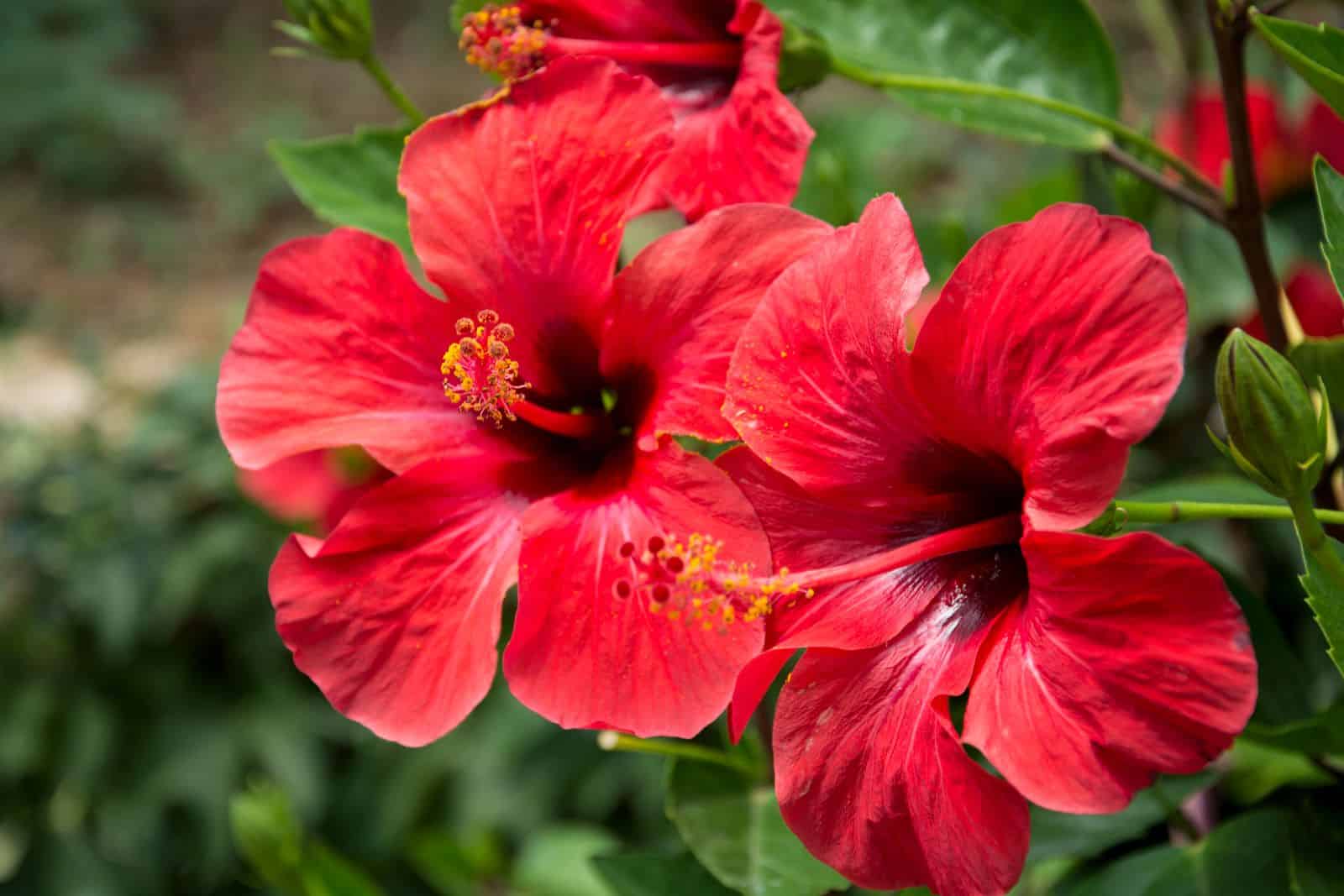
Hibiscus is much more than just a pretty garden plant. This bright pink flower is not only beautiful but also nutritious and sweet. You can use these flowers to make refreshing tea, jellies, jams, relishes, and candy petals for desserts. Hibiscus is also a powerhouse for health benefits, including lowering blood sugar, reducing cholesterol levels, improving insulin resistance, and increasing healthy cholesterol.
Pot Marigold

Pot marigold adds intense color and a peppery taste to soups, stews, and puddings. The edible florets often brighten salads and serve as a garnish instead of saffron. While the leaves are also edible, they generally aren’t palatable, though historically used in potherbs and salads. You can also make tea from the plant. Ancient Greek, Roman, Middle Eastern, and Indian cultures used pot marigold flowers as a medicinal herb.
Hostas
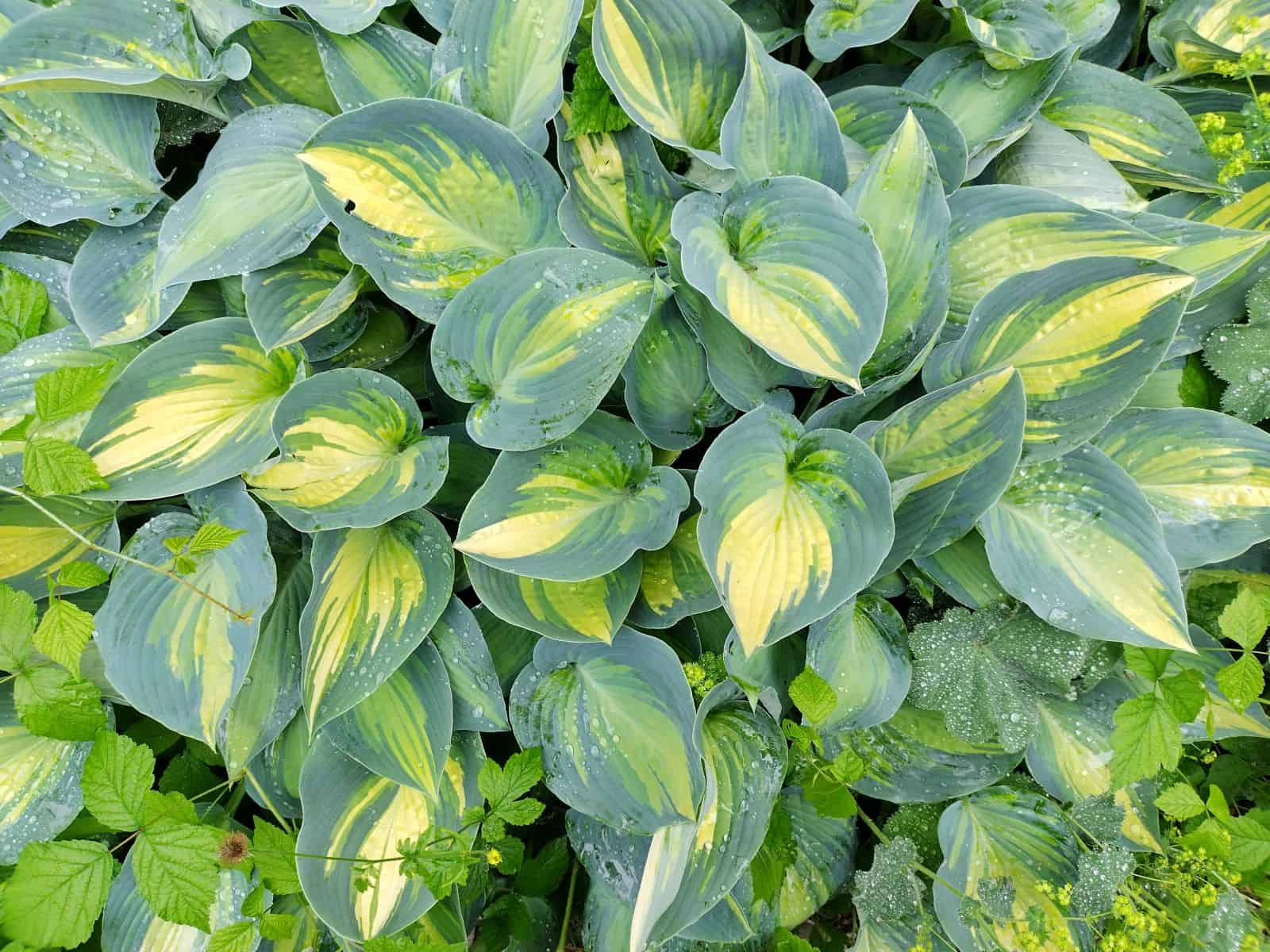
Hostas are considered a delicacy in some parts of the world. In Japan, they’re cultivated specifically for their tender spring shoots, which are a popular addition to salads and various recipes. While the flowers are also edible, the mature leaves are not palatable, though they are not harmful. The young shoots that appear in spring and the lilac flowers that bloom towards the end of summer are both edible. This multi-purpose plant can be a great addition to your vegetable garden.
Nasturtiums
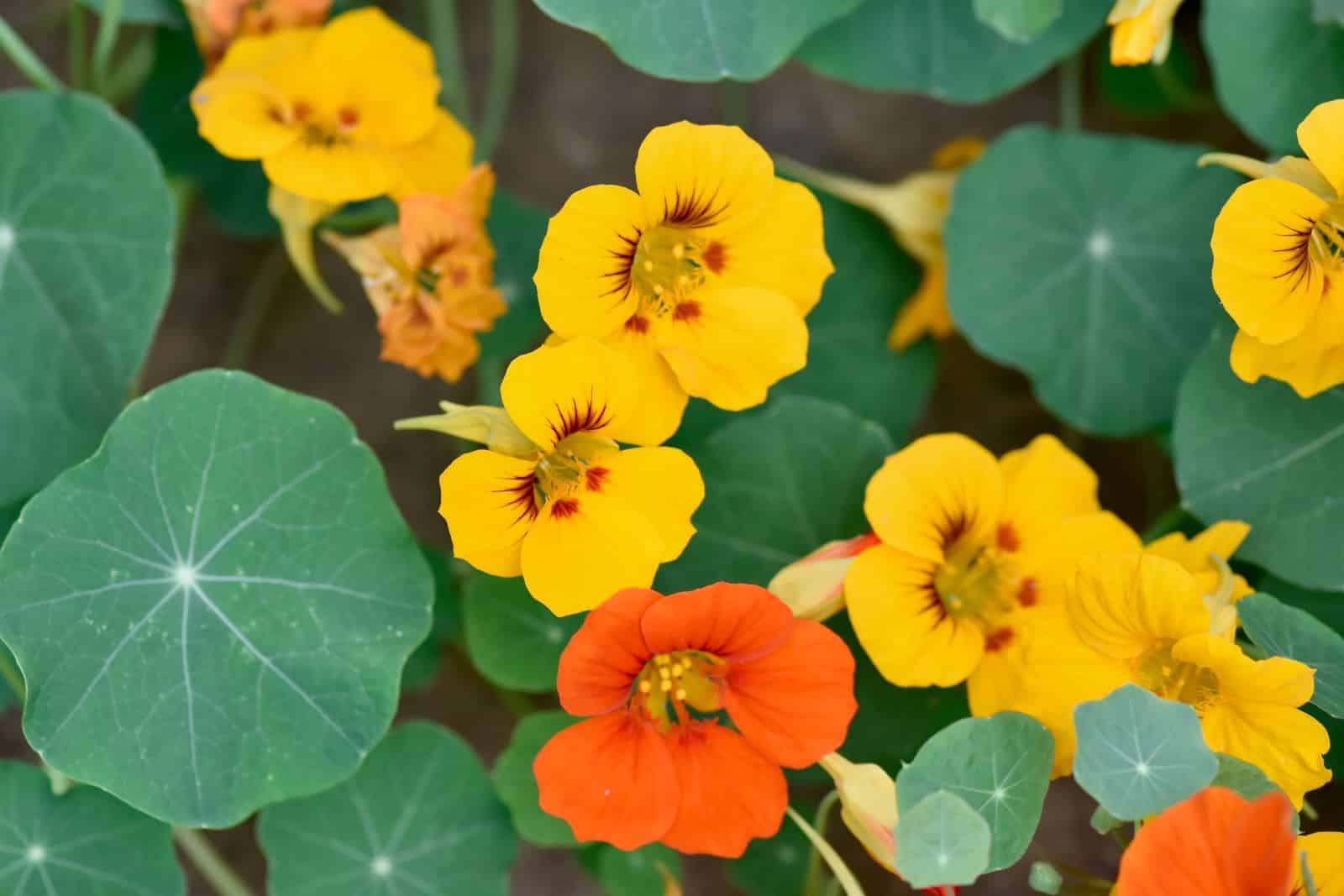
You can eat the entire Nasturtium plant, including flowers, leaves, stems, and immature seeds. Each part has a distinct peppery flavor, akin to radishes, with the seeds being the spiciest and the flowers the mildest. Use the flowers and leaves in salads and pickle the seeds as a caper substitute. Nasturtium flowers also add color and flavor to vinegar or alcohol infusions. Although the leaves are slightly bitter, they are still palatable and versatile for culinary use.
Borage

Borage’s pretty blue flowers have a cucumber-like taste, making them perfect for summer drinks and various recipes. The leaves and flowers are also edible and are used as a garnish, dried herb, or vegetable in multiple dishes. The leaves and flowers are best used fresh, with younger leaves being less hairy and more palatable. Borage has long been valued for its health-promoting properties, adding both flavor and nutritional benefits to your meals.
Chrysanthemums
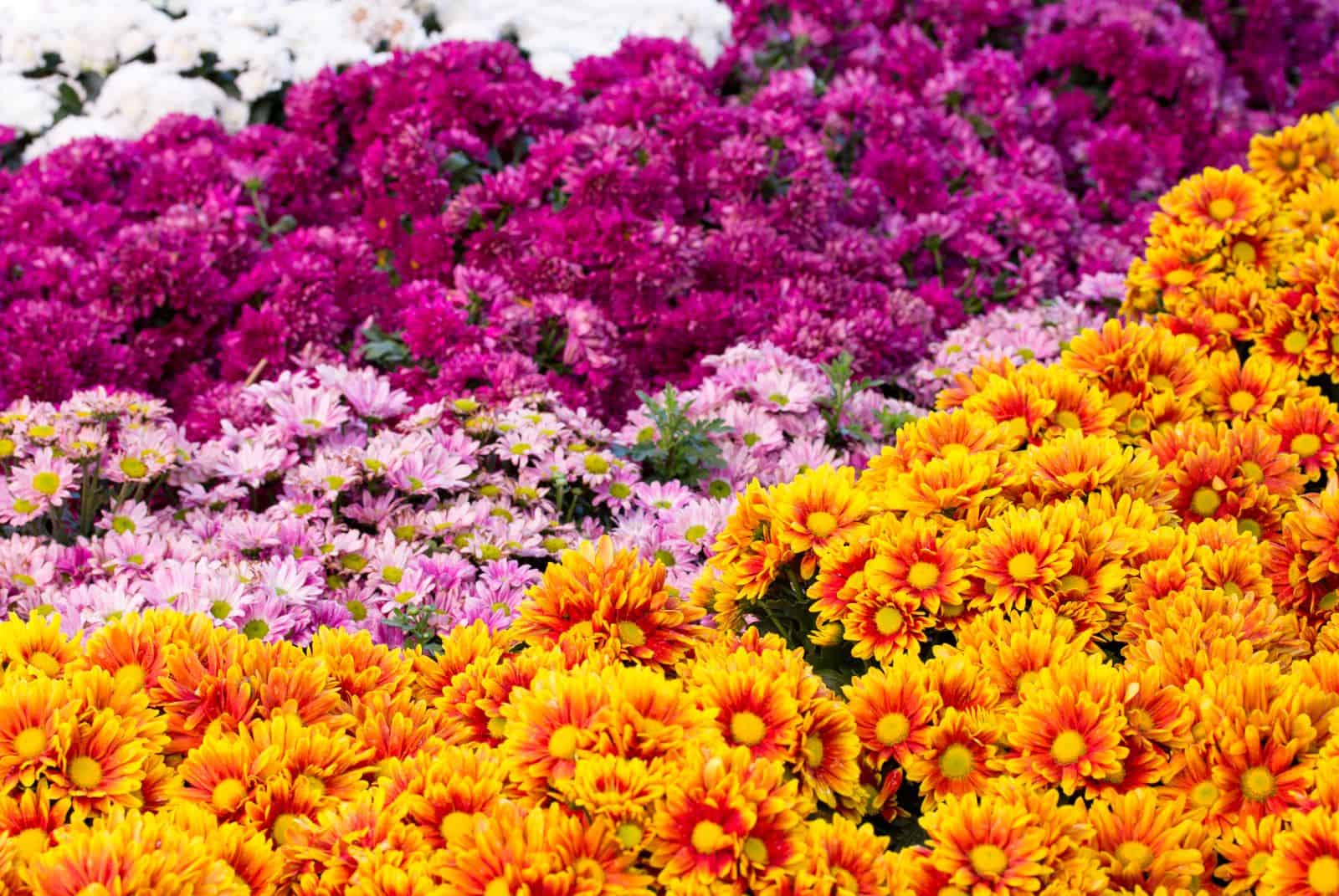
All chrysanthemum flowers are edible, with flavors ranging from hot and peppery to mild or sweet. It’s worth sampling different varieties to find your favorite taste. People often make chrysanthemum tea from yellow or white flowers. You can cook Garland chrysanthemum greens, known as Shungiku, which are mild and great for stir-fries. Blanch and add the flowers to salads or use them as garnishes. You can also make chrysanthemum wine from the blossoms.
Impatiens Walleriana

Impatiens Walleriana, commonly known as busy Lizzies, are popular in shady garden spots and surprisingly versatile in the kitchen. Their sweet and crisp petals are perfect for cocktails, desserts, salads, and sandwiches. While the flowers are the highlight, other parts of the Impatiens plant, such as leaves, stems, seeds, and oil, are edible but tend to be bitter.
Sunflowers

You may know you can eat sunflower seeds, but did you know you can also eat the petals? The vibrant yellow petals enhance salads and teas with their color and unique flavor. You can cook the buds harvested before they fully bloom and enjoy them as a delightful vegetable.
Lotus

Many parts of the lotus are edible. With their honeydew-like flavor, the flowers can be stuffed, battered, fried, or added to soups and salads. Eat the seeds raw or cooked, and cook young leaves like spinach, while older leaves make great wraps. Use the blossoms for teas and garnishes. Enjoy the tubers raw if grown in sanitary conditions or cooked like potatoes, as they remain crisp with a sweet, starchy flavor.
Passionflowers

Passionflowers may look alien-like, but they are delicious and nutritious. The edible parts of passionflowers include the flowers, leaves, and fruit, each offering unique flavors and benefits. The petals taste tart and sweet, perfect for both iced and hot teas. You can also use them to make a cordial or chop them to add to desserts. Passionflowers are known for their calming effects and are rich in vitamins A and C.
Sweet William
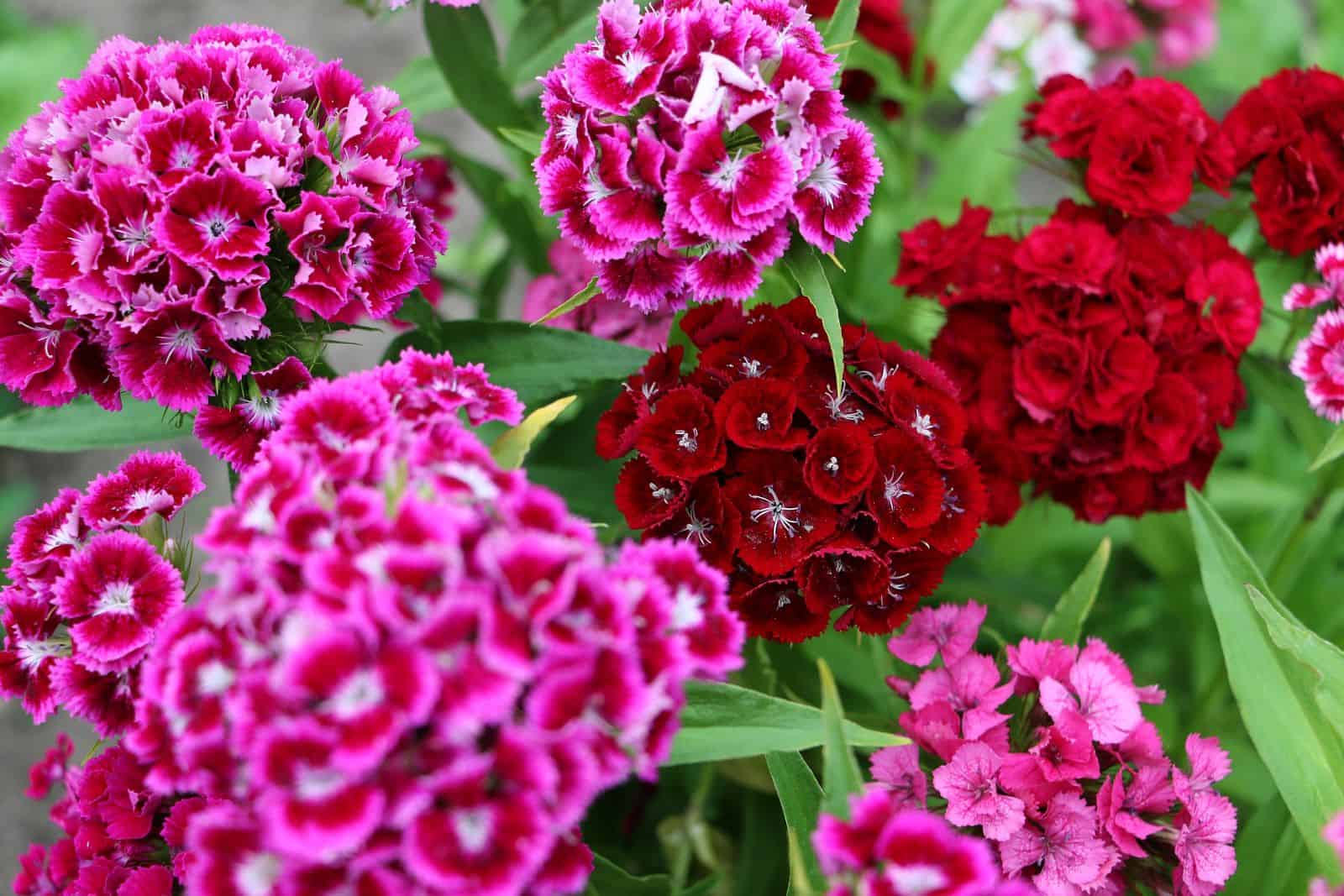
Sweet William is often overlooked as an edible flower, unlike the more commonly seen nasturtiums and violets. However, it is among the tastiest flowers, offering a spicy flavor that complements sweet and savory dishes. You can candy the petals, toss them in salads, soups, and cocktails, or use them to cover a cheese log served with crackers.
Gladioli
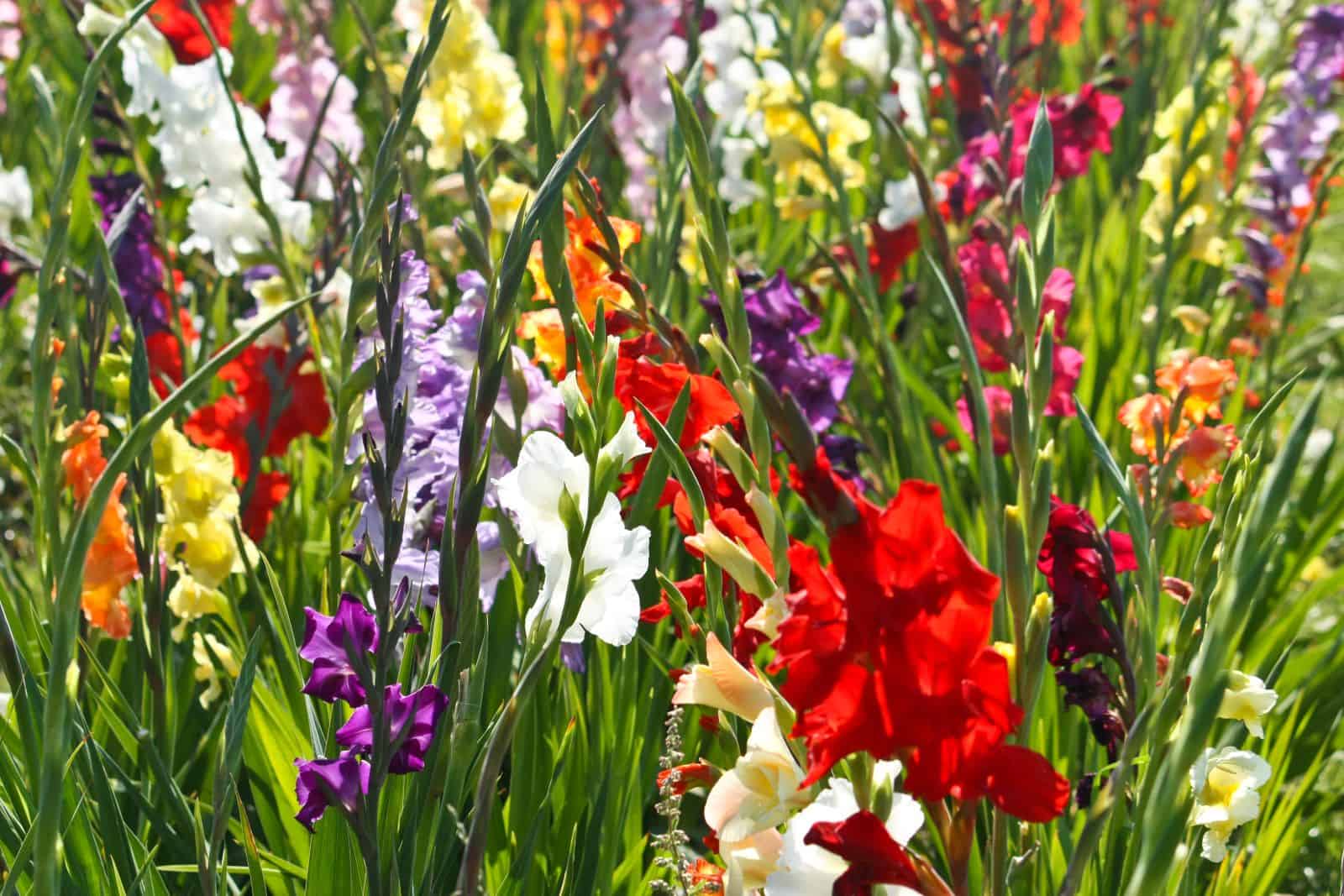
You can eat all parts of the gladiolus plant. Stuff gladioli flowers to create delicious dishes, or eat the individual petals, which have a mild lettuce-like taste. Gladiolus bulbs, rich in fiber, vitamins, and minerals, are a healthy addition to your diet. They also support digestive health and contribute to a well-rounded eating plan.
Mallow
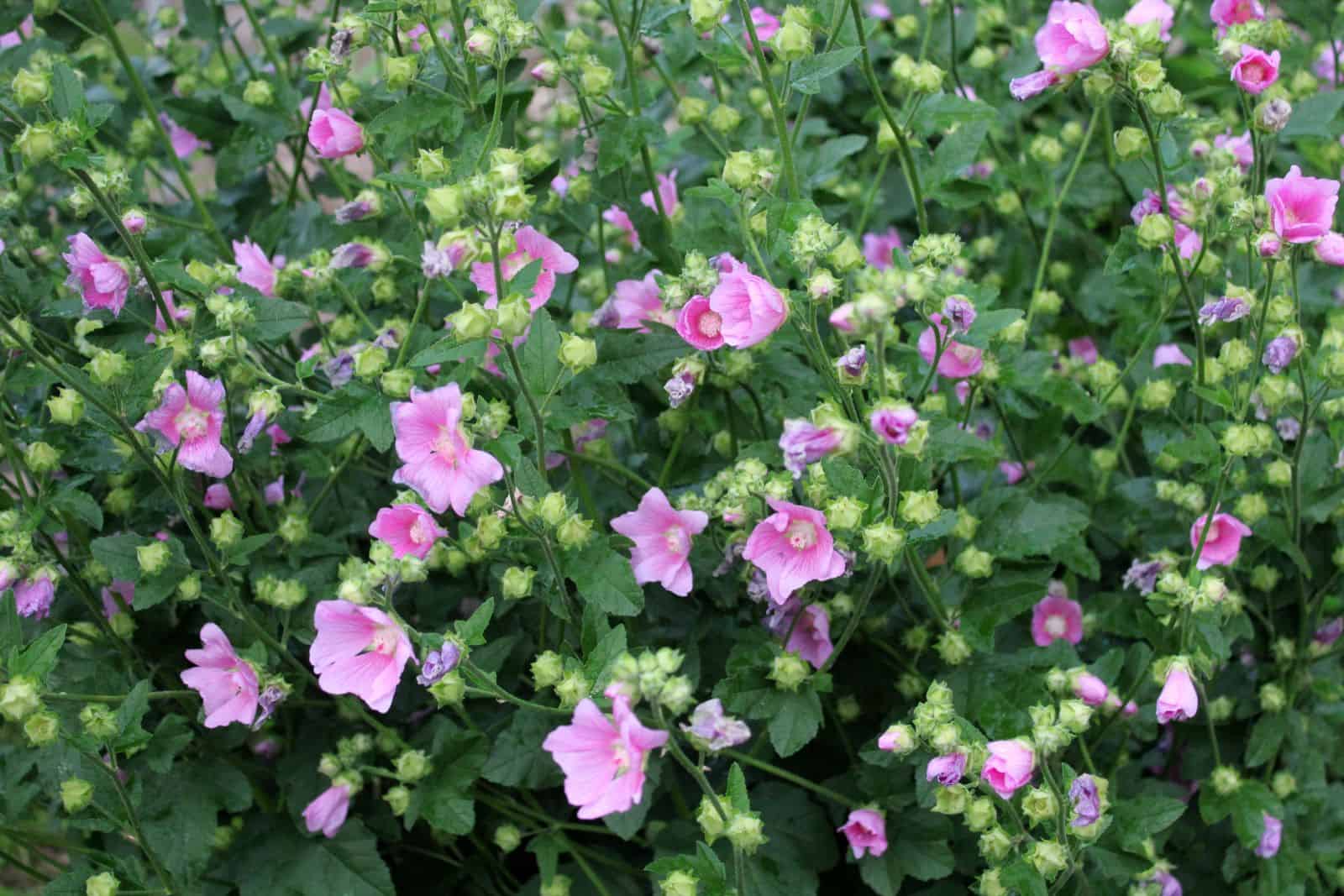
Mallow is valued more for its texture than its flavor. The gelatinous leaves can be used as a thickener in soups, while the petals, whether cooked or raw, are mild but should be tested for texture first. The viscous mouthfeel may not be to everyone’s liking, but this makes mallow ideal for absorbing flavors, similar to tofu. Use it in soups, salads, or stir-fries, just as you would use okra.
Camelias

You probably know camellias are the source of black and green tea, but did you know their flowers are also edible? These beautiful blooms add a unique twist to culinary creations. Dry the leaves to make tea, and use fresh petals in salads or sandwiches. Garnish salads, desserts, or drinks with camellia flowers or candy them for a sweet treat. Their elegant appearance and delicate flavor make camellias a visual and culinary delight.