The fruits, vegetables, and herbs you enjoy may seem quintessentially American but could actually trace their roots to far-off lands. Gardening these plants might feel like you’re embracing tradition, yet they bring stories of travel and adaptation.
Tomatoes

Tomatoes, often considered a quintessential part of American cuisine, aren’t native to the U.S. They originally came from South America and were introduced to Europe by Spanish explorers. Early Americans thought they were poisonous because they belonged to the nightshade family. It wasn’t until the mid-1800s that tomatoes became popular in the U.S. Today, they are a kitchen favorite in salads, sauces, and drinks. For home gardens, grow them in sunny spots with well-drained, nutrient-rich soil.
Advertisement
Potatoes
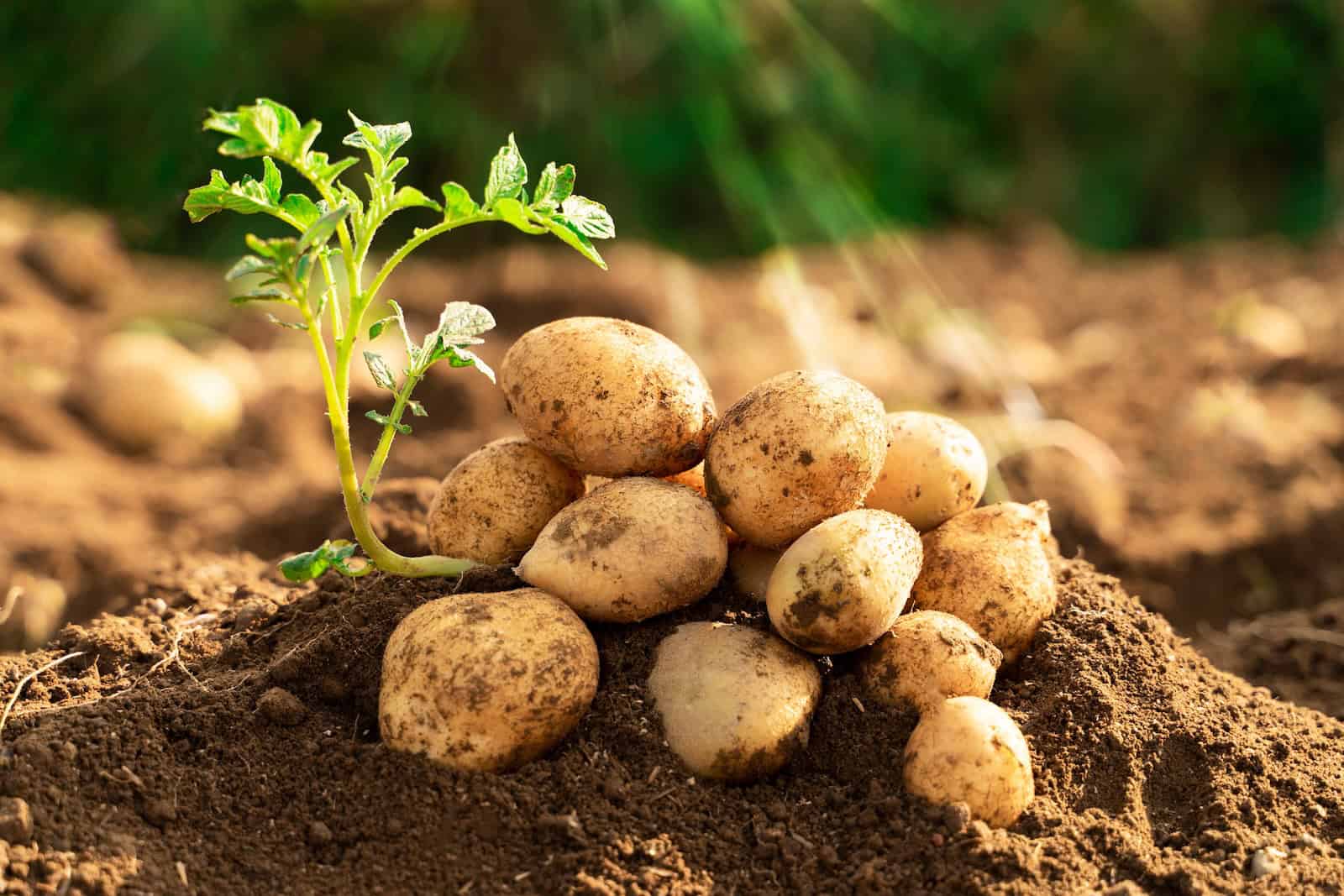
Initially cultivated for animal feed, potatoes became a dietary staple for humans. Like many nightshades, they originated in South America, where diverse ancient varieties still exist. The Makah Ozette potato, introduced by Spanish explorers in the 1790s, reached the Makah people in the Pacific Northwest. For home gardens, plant seed potatoes in loose, well-aerated soil.
Bananas

While bananas have become a household favorite in North America, they trace their roots to Southeast Asia. Over centuries, they traveled to the Americas and flourished. In warmer parts of the U.S., such as Florida, you can grow bananas by providing plenty of water and rich organic soil. Protect them from frost to ensure fruiting.
Onions

Onions have been a part of human diets for over 5,000 years, with evidence tracing their use back to the Bronze Age. While their exact origin is unclear, research suggests they were first cultivated in regions like modern-day India, Uzbekistan, and Afghanistan. Onions thrive in loose, well-draining soil and require consistent watering for optimal growth.
Garlic
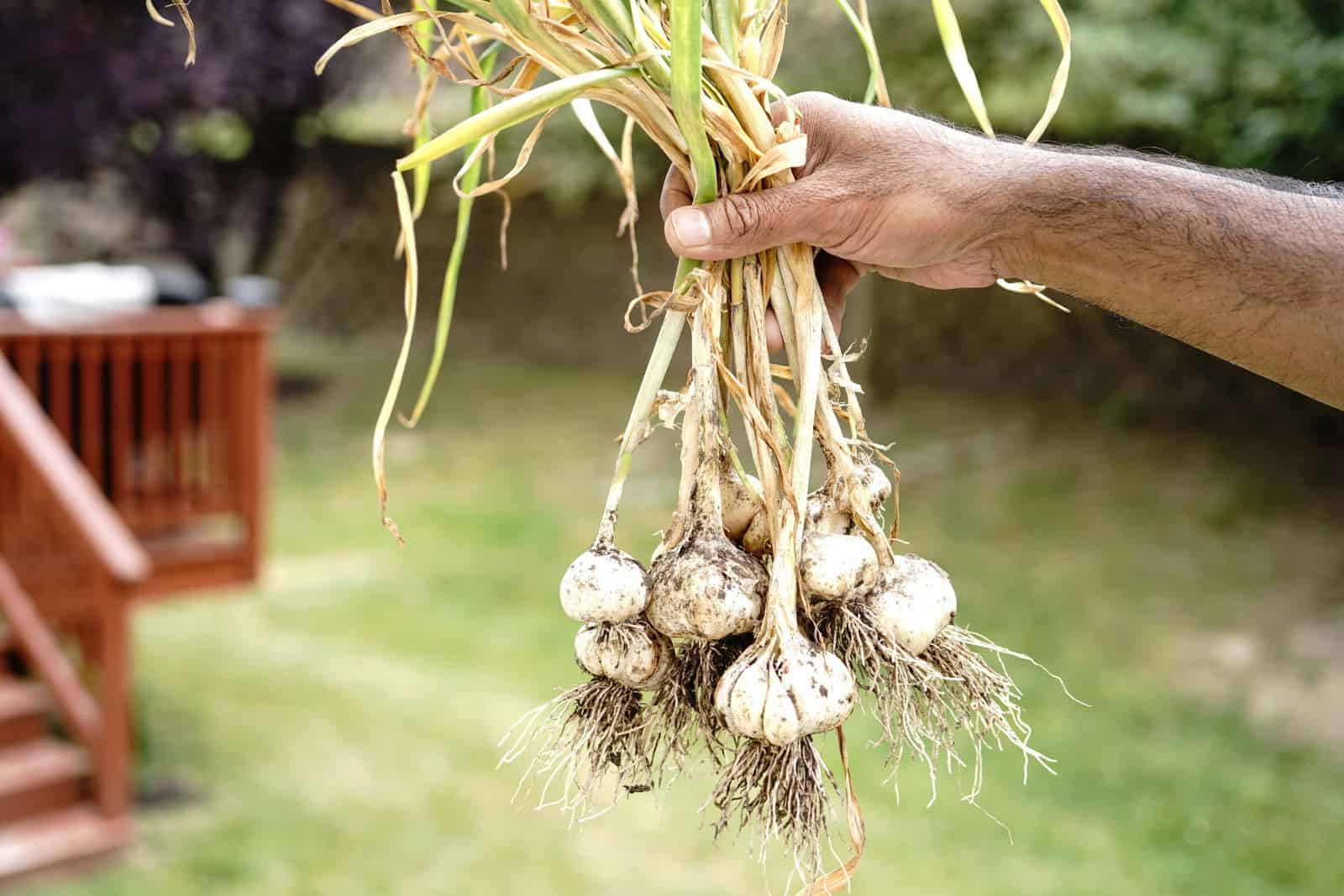
Originating from Central Asia and parts of Iran, garlic has been cultivated as a seasoning and medicinal plant for centuries. It was highly valued by ancient Egyptians for its medicinal benefits and served as a dietary staple among lower-class Romans. A member of the leek family, garlic grows best in cool weather. Plant cloves in autumn for a summer harvest.
Cucumbers

Cucumbers originated in the northern plains of India over 3,000 years ago and spread to Europe during Roman times. Christopher Columbus introduced them to the Americans in the late 15th century. Thriving in temperate, tropical, and subtropical climates, cucumbers need full sun and humidity to grow well. Ensure consistent watering and well-drained soil for the best results in your garden.
Carrots
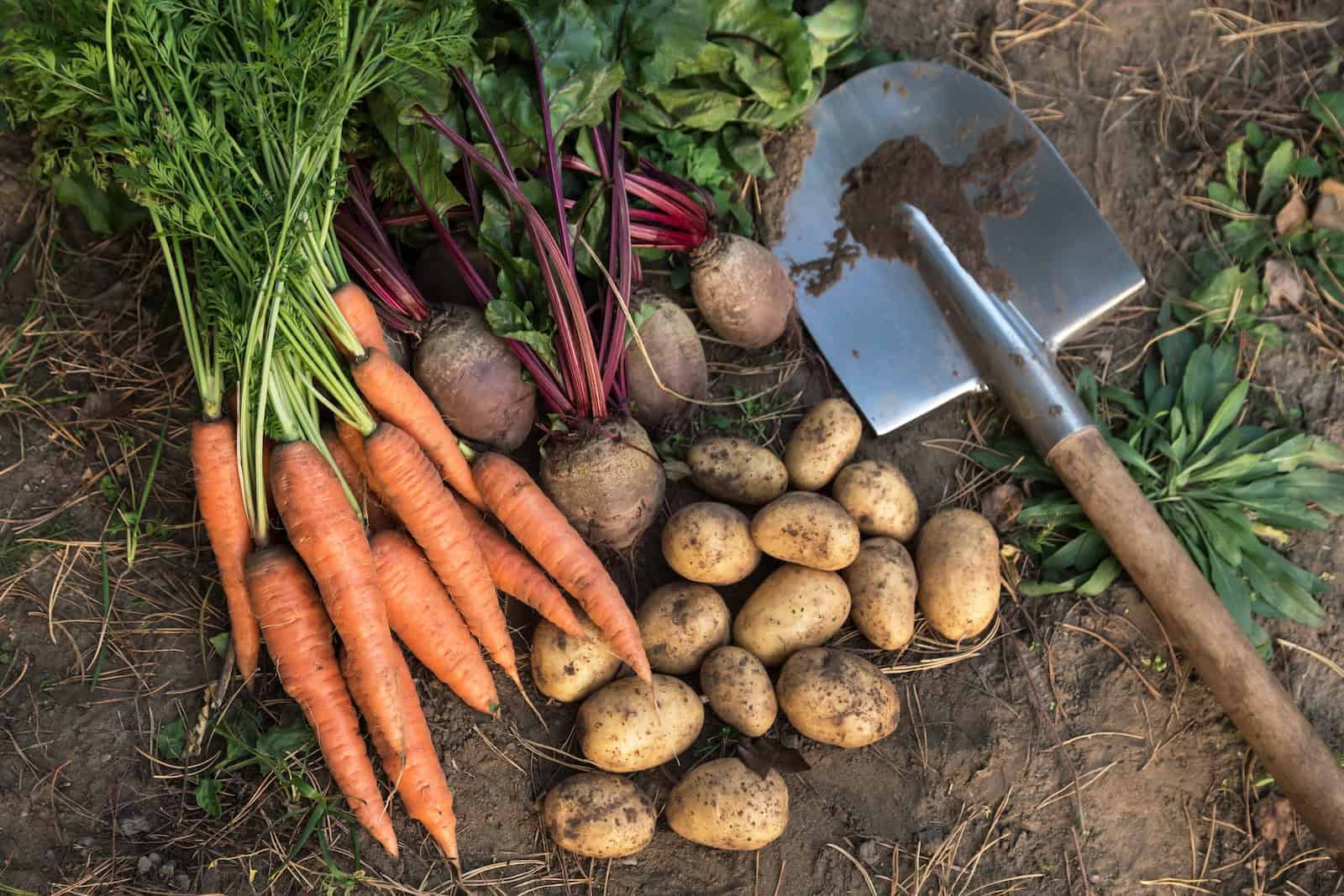
Carrots, domesticated initially from the wild Daucus carota native to Europe and Southwestern Asia, have been cultivated since around 3000 B.C. The wild variety is tougher and less flavorful, unlike the sweeter orange carrots we know today, which emerged in the 17th-century Netherlands. Carrots gained popularity in the U.S. after World War I when returning soldiers brought back seeds. They grow best in loose, well-drained soil and require consistent moisture.
Spinach

Spinach, originally from Central and Western Asia, is a quick-growing plant that thrives in cool seasons and is valued for its soft, nutritious leafy greens. It’s typically harvested when the leaves reach their peak size, perfect for both fresh use and preservation through freezing, canning, or drying. Plant spinach seeds in well-drained, nutrient-rich soil during cooler months and ensure consistent moisture for healthy leaves.
Eggplants

Eggplants were first domesticated in Southeast Asia, specifically India and China. They were introduced to Europe and the Americas through trade. These glossy fruits prefer hot weather and require well-drained, fertile soil. As they mature, eggplants can get heavy, so it’s essential to provide support to prevent the stems from breaking.
Cilantro (Coriander)

Cilantro seeds are believed to have originated in the Mediterranean and date back to ancient Egyptian pharaohs. It then spread to China and India, where its aromatic leaves became essential in transforming local dishes. Cilantro thrives in cool weather and requires well-drained soil. Sow seeds directly and harvest leaves regularly to encourage continuous growth throughout the season.
Peas
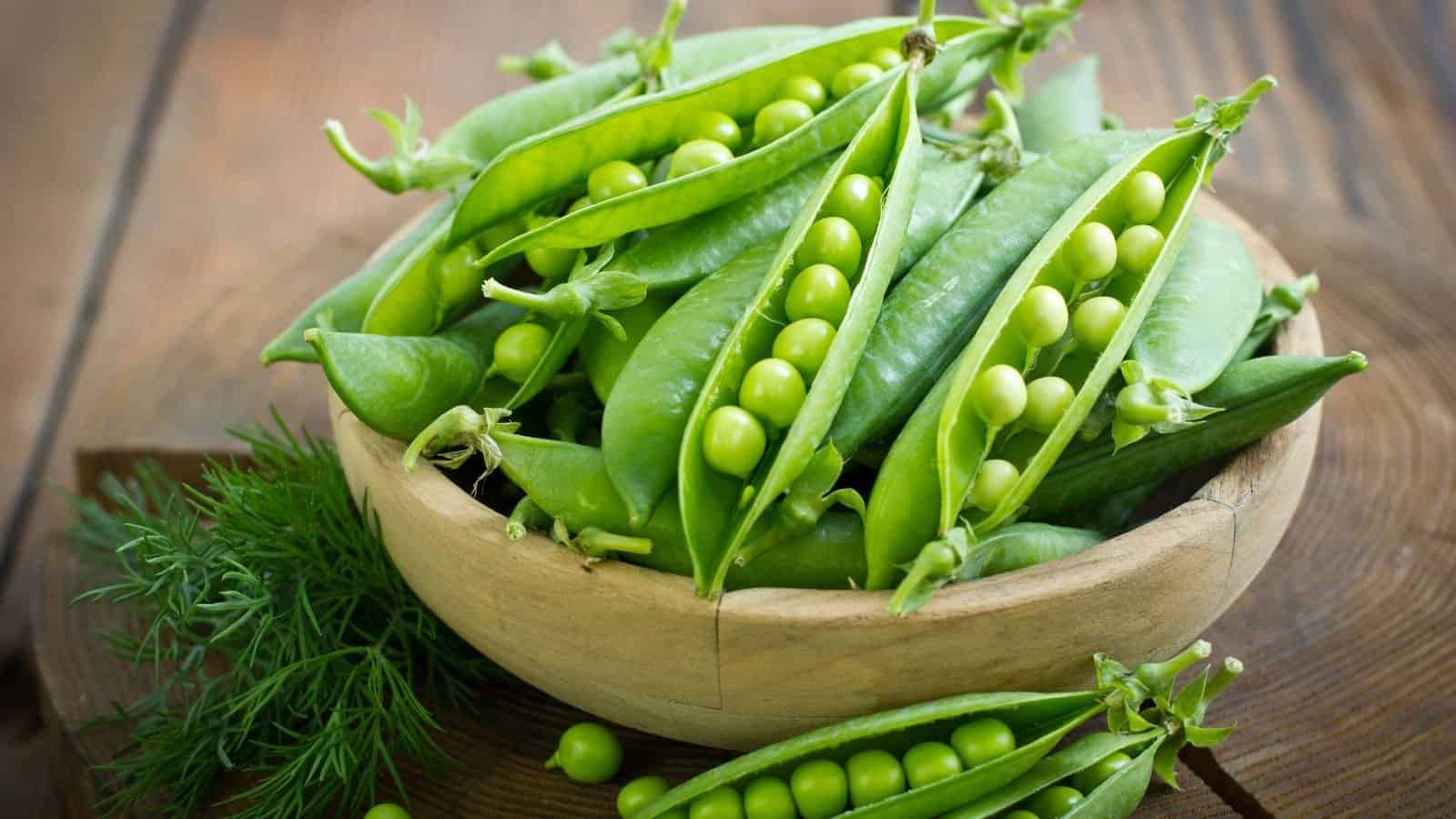
Peas are among the earliest domesticated crops, with their wild ancestors originating in the Mediterranea. Archaeological evidence from the late Neolithic Period shows their presence in the Middle East. European colonization spread peas worldwide. In the 1800s, Gregor Mendel famously used peas in Austria to study heredity. Peas flourish in cooler climates and are best sown in early spring, using a trellis or support structure to aid their growth.
Brassicas (Cabbage, Kale, Broccoli, and More)
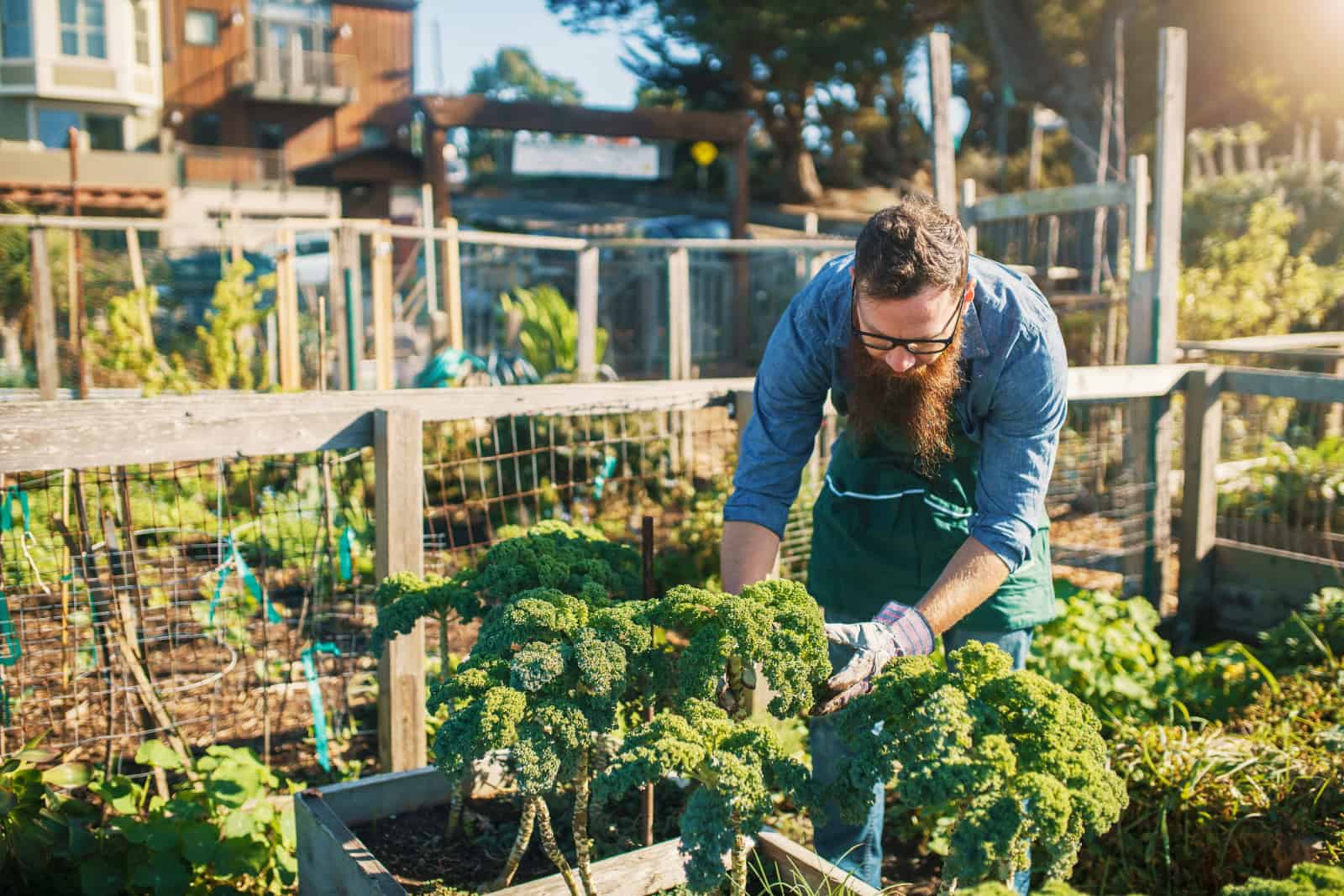
Brassicas, a group of 37 species from the mustard family, are native to Europe and temperate Asia, primarily the Mediterranean. Popular crops include broccoli, cabbage, cauliflower, kale, and turnips. These hardy plants thrive in cooler climates, ideal for spring and fall planting. They prefer nutrient-rich, well-drained soil and regular watering. Protect them from pests like aphids and cabbage worms for a healthy harvest.
Watermelons
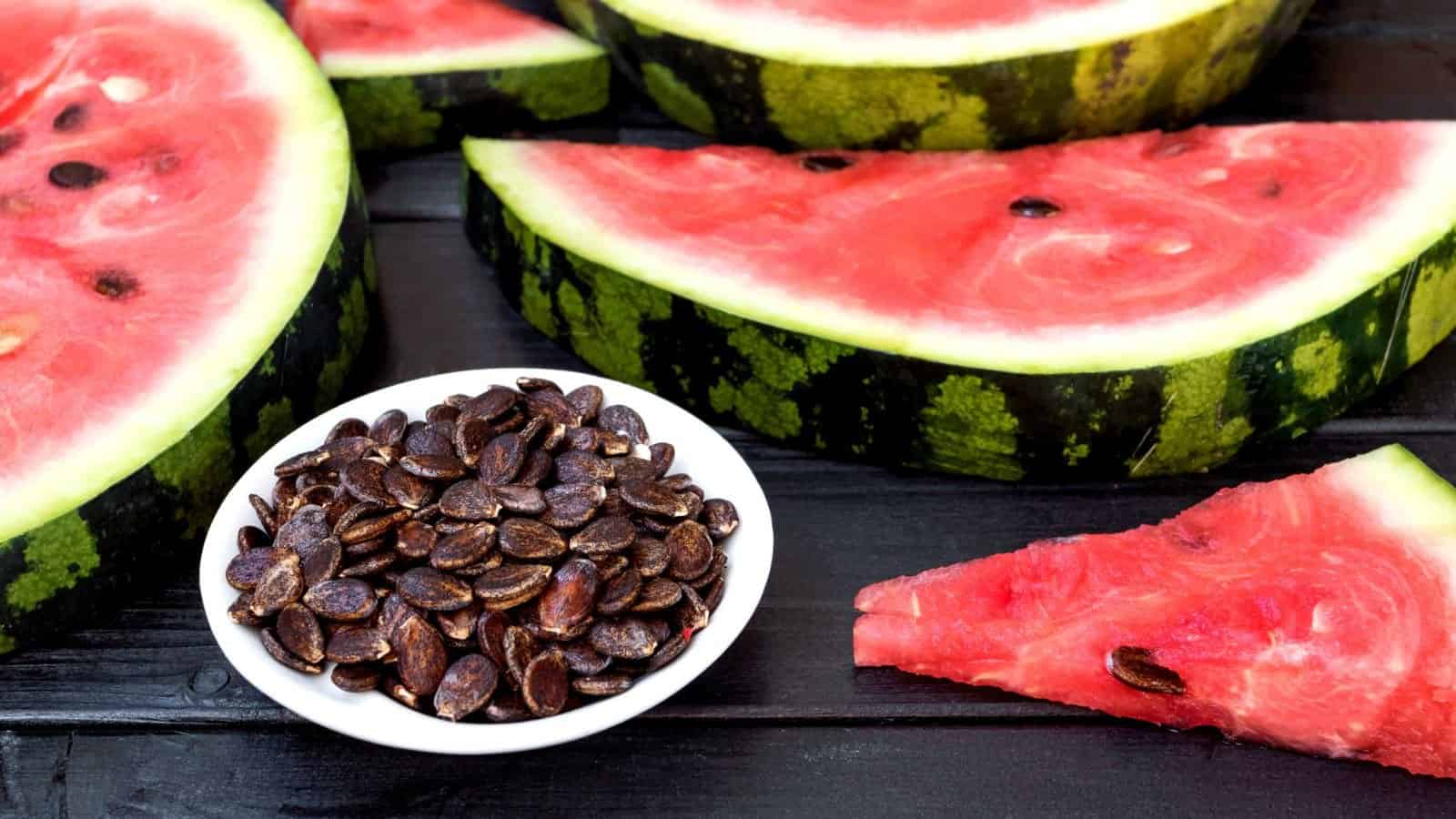
Watermelon is thought to have originated in Africa’s arid regions, where it was first cultivated for its hydration and nutritional benefits. Evidence of its cultivation dates back over 5,000 years in ancient Egypt. European explorers introduced watermelon to the Americas in the 16th century, where it flourished in the warm, fertile soils of the southern U.S. Watermelons need full sun and well-drained soil for optimal growth.
Mangoes

Mangoes are native to southern Asia, particularly Myanmar and India’s Assam state. Over centuries, a variety of cultivars has been developed across the region. Mangoes, prized for their delicious, succulent flesh, are a global tropical favorite. To flourish, mango trees need a warm, frost-free environment. Plant them in well-drained, sandy soil with ample sunlight for the best growth and fruit yield.