
A thriving garden doesn’t have to come with high water bills or constant upkeep. With the right plant choices, you can create a beautiful, low-maintenance landscape that practically takes care of itself. These drought-tolerant plants are perfect for busy homeowners who want stunning results without all the watering and work.
Rosemary
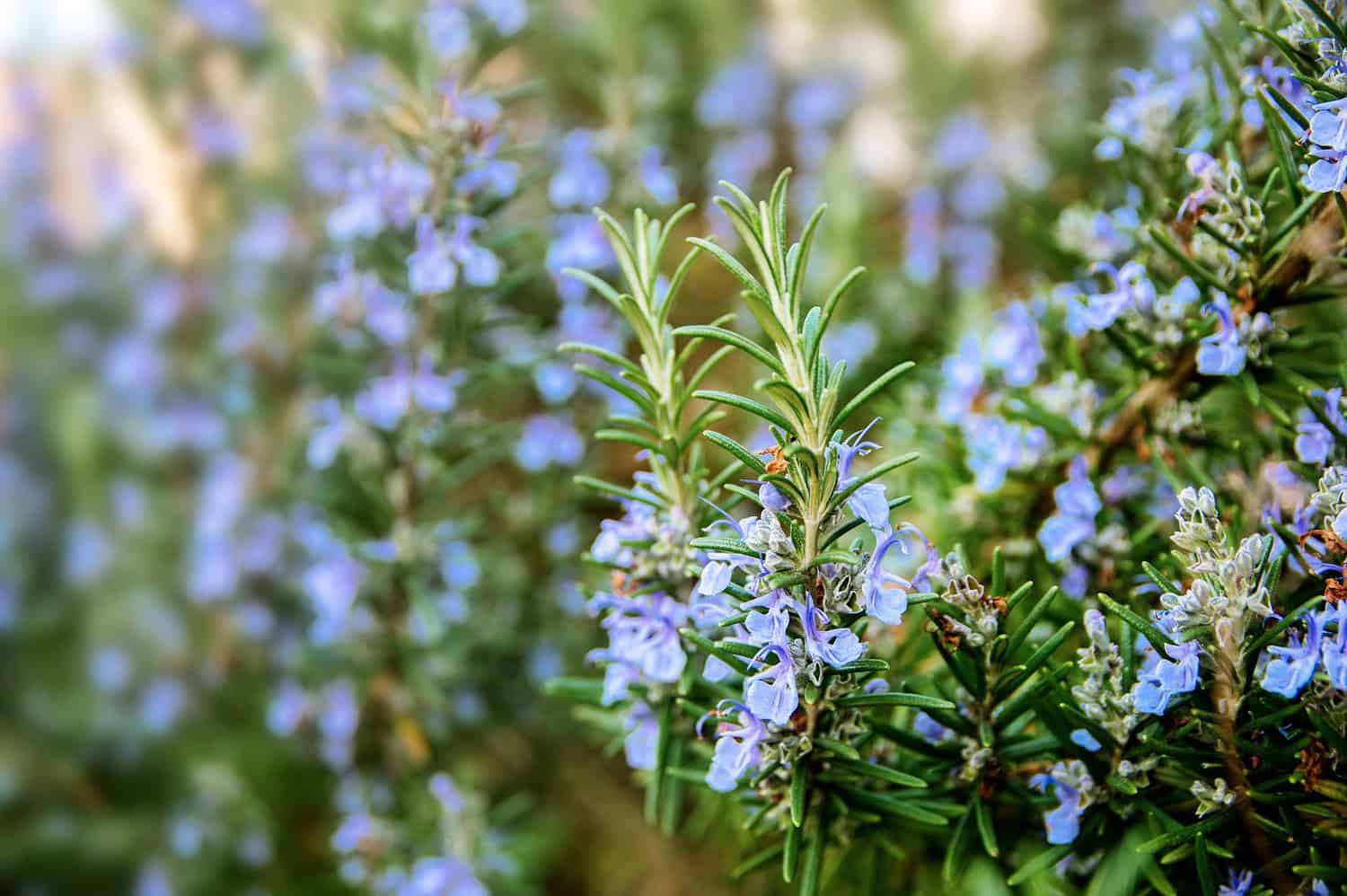
Rosemary thrives in Mediterranean-like conditions with minimal water needs. This evergreen herb produces purple-blue flowers that attract pollinators throughout spring and summer. It has fragrant leaves which are great additions to your cooking. You can plant it in well-drained soil under full sun and water deeply but infrequently for strong root development. This helps it withstand long dry spells.
Ornamental Purslane
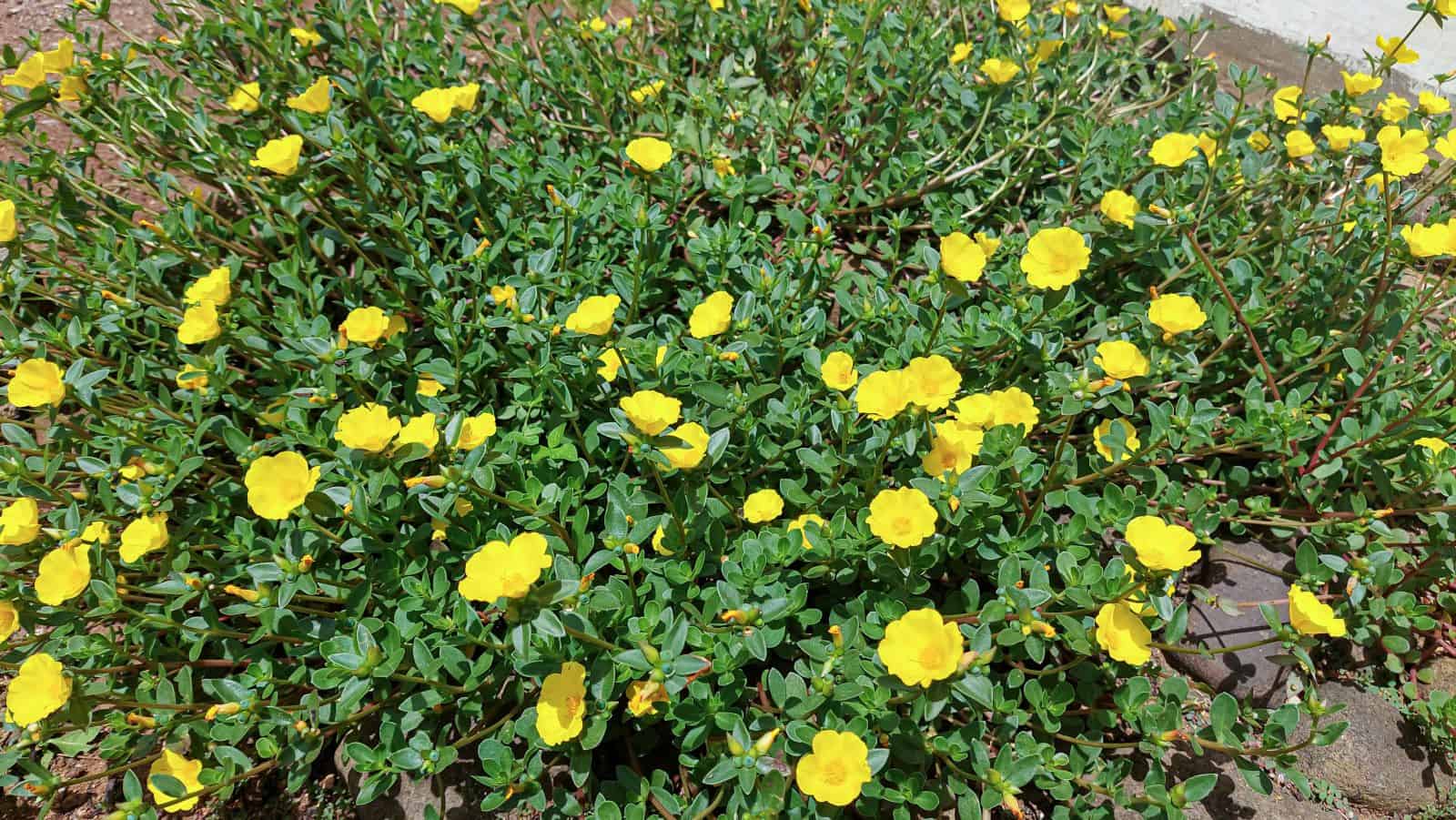
Ornamental purslane creates a stunning display with its succulent leaves and bright flowers. They are in shades of red, orange, yellow, and white. This ground cover opens its blooms in the morning sunlight and closes them at dusk. This plant resists drought because of its water-storing leaves. It thrives in poor soil conditions and is perfect for rock gardens and hanging baskets.
Sage

Sage stands out with its silvery-green leaves and spikes of purple, pink, or white flowers. They bloom from late spring to fall. This hardy herb adapts well to dry conditions and actually performs better with less water. Sage is both ornamental and practical. It offers aromatic leaves for cooking while providing a striking presence in your garden.
Alyssum

Alyssum creates a carpet of tiny, fragrant flowers that bloom from spring through fall. It grows in a variety of colors such as white, purple, or pink. This low-growing plant thrives in rocky soil and can handle long periods without water once established. It is particularly useful for filling gaps between pavers, spilling over wall edges, or creating soft borders in flower beds. Alyssum also attracts beneficial pollinators to your garden.
Lavender

Lavender combines beautiful purple flowers with intensely fragrant silvery leaves. This Mediterranean native plant excels in hot, dry conditions and produces more oils and stronger fragrance when slightly stressed by the lack of water. It provides long-lasting color, attracts pollinators, and offers aromatic flowers for your cooking and crafting.
Poppy

Poppies add dramatic bursts of color with their paper-thin petals in vibrant reds, oranges, and pinks. These drought-tolerant flowers prefer dry, well-drained soil. They rot in wet conditions. Poppies self-seed readily, creating naturalized patches that return year after year. Their distinctive seed pods enhance the visual of your garden throughout the winter.
Black-Eyed Susans

These plants have daisy-like flowers with golden petals surrounding dark centers. These native wildflowers bloom prolifically from summer through fall. They withstand heat and drought while attracting butterflies and bees. These plants also naturalize easily and form drifts that require minimal care and no supplemental watering.
Aloe

Aloe thrives in desert-like conditions with its thick, fleshy leaves storing water for long periods. This succulent produces tall spikes of orange or yellow tubular flowers that attract hummingbirds. Beyond its ornamental value, the gel inside its leaves offers medical properties. This makes aloe both beautiful and practical for gardens if you are busy.
Butterfly Bush

Butterfly bush produces long, arching spikes covered in tiny, nectar-rich flowers that attract butterflies and hummingbirds all summer. This fast-growing shrub handles heat and drought with ease. They quickly bounce back from dry spells. Butterfly bush comes in purple, pink, or white color and provides continuous bloom.
Catmint
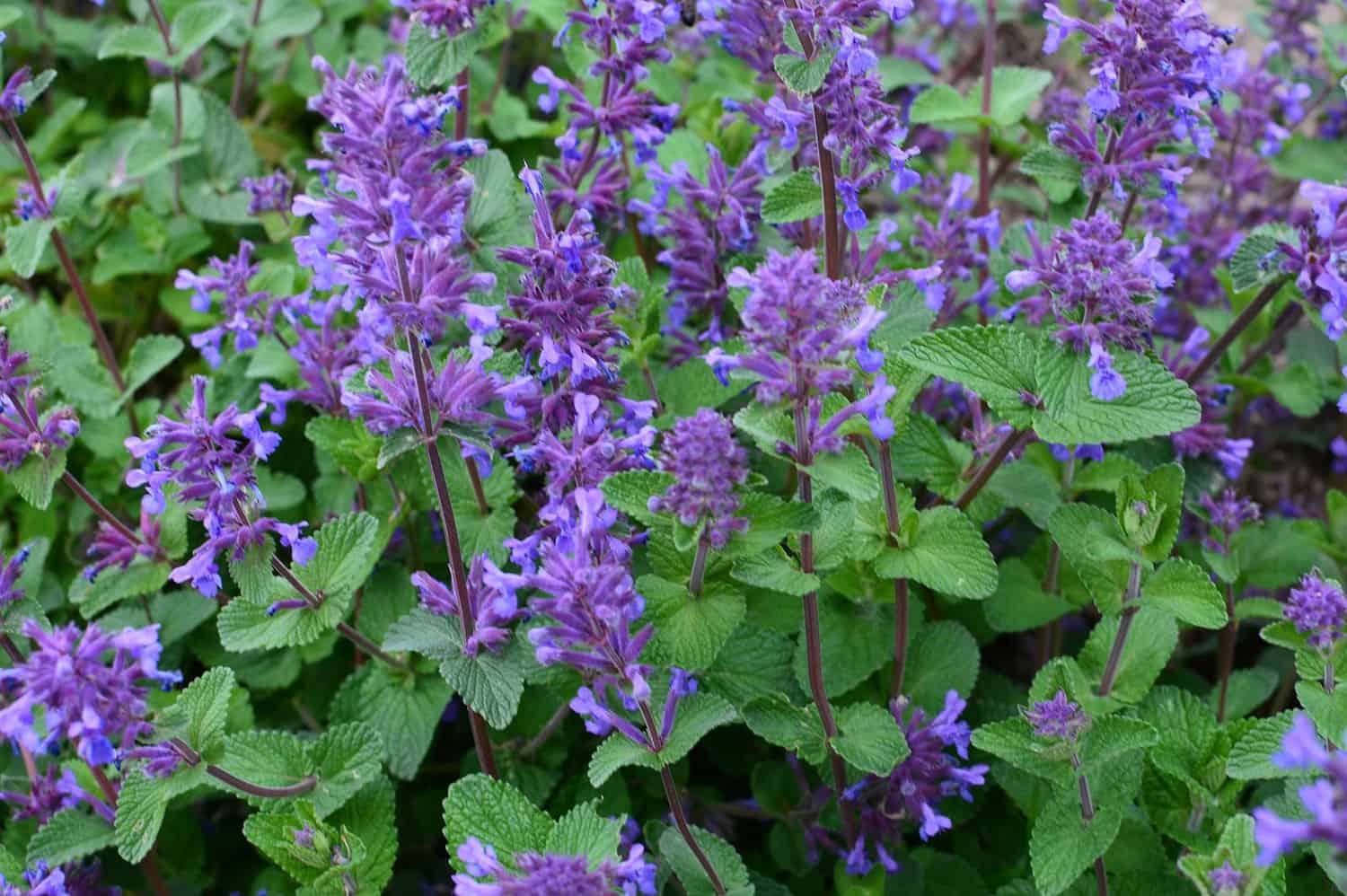
Catmint offers clouds of lavender-blue flowers above aromatic gray-green leaves. This long-blooming perennial starts flowering in late spring and continues through fall with minimal care. It bounces back quickly from the lack of water, repels deer and rabbits, and attracts beneficial insects. It also requires almost no supplemental water once it is fully rooted and adapted to its growing environment.
Sago Palm

Sago palm brings a tropical environment to dry gardens. It has stiff, dark green fronds arranged in a symmetrical crown. This ancient plant species handles drought exceptionally well, requiring minimal water once established. Despite its name, it is not a true palm bit cycad. This makes it even more resilient to harsh conditions.
Stonecrop

Stonecrop’s fleshy leaves and star-shaped clusters create eye-catching displays in your garden. This succulent ground cover comes in various colors, from bright green to deep purple, with flowers in pink, yellow, or white. It excels in poor soil and thrives without much care. Stonecrop is a perfect choice for challenging garden spots.
Houseleeks

Houseleeks form tight rosettes of thick, pointed leaves in various colors and textures. These plants, also known as sempervivums, heavily multiply readily to create living carpets in gardens with plants arranged among rocks or pots. They store water in their unique geometric pattern leaves, allowing them to survive extended dry periods.
Dianthus

This plant produces masses of spicy-scented flowers in pink, red, or white above blue-green leaves. These tough little plants handle heat and lack of water with ease. They flower repeatedly throughout the season if you regularly cut off the old or faded flowers. Dianthus work beautifully in rock gardens, borders, or pots, requiring minimal water to maintain their neat appearance.

