Our backyards can be a haven for wildlife if we make the right choices. It’s not just about making a space that’s visually appealing for ourselves, but also creating a welcoming environment for birds, pollinators, and other native wildlife. This is more important than ever, as urban development continues to encroach on wildlife habitats. By making our yards more wildlife-friendly, we can contribute to biodiversity and enjoy the natural spectacle that comes with it.
Here are 13 ways I made my backyard more wildlife-friendly.
Advertisement
1. Plant Native Species
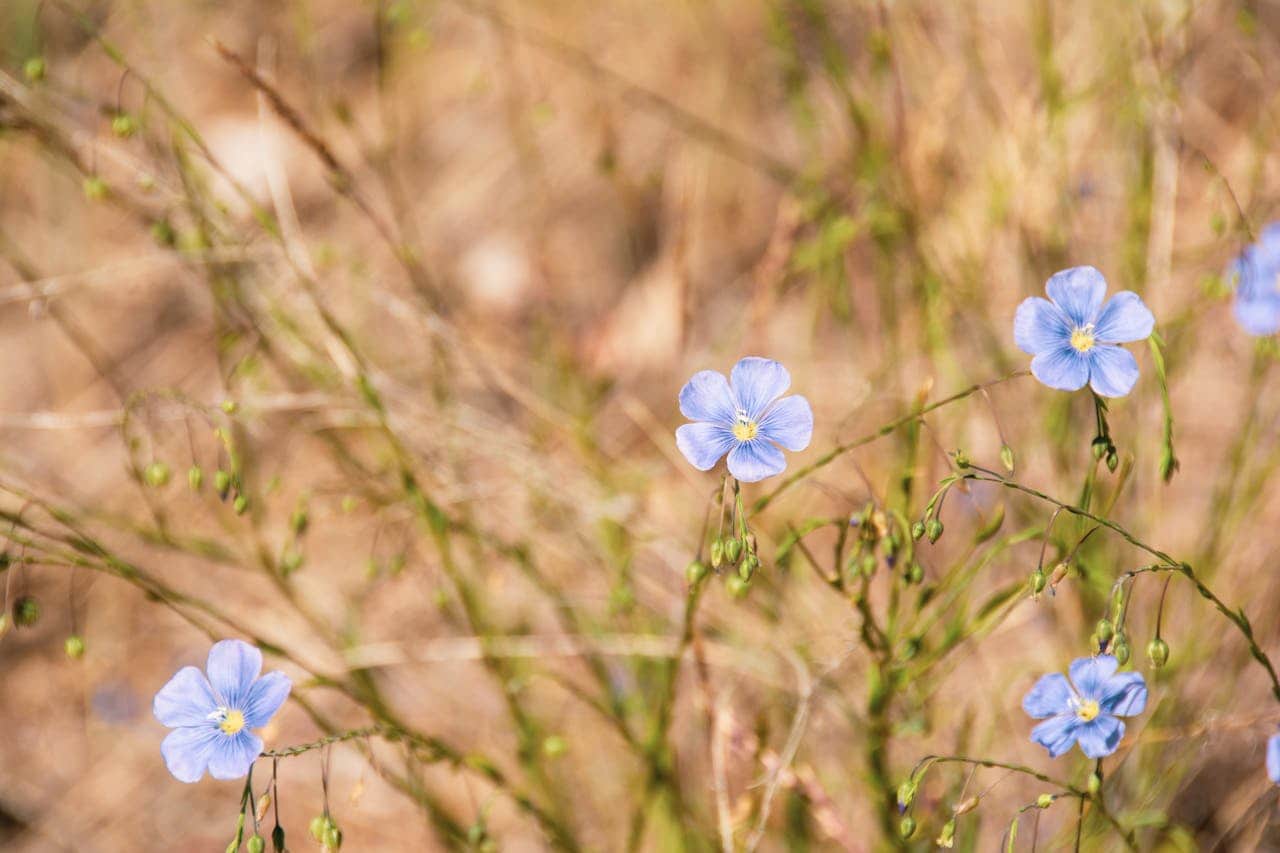
One of the best ways to attract local wildlife is by planting native species. These plants are already adapted to the local climate and soil conditions, making them easier to care for. Additionally, local wildlife will be more likely to visit your garden as they recognize these plants as a source of food and shelter.
For example, in my backyard, I planted Blue Flax and California Poppies which are native to my region. This attracted a variety of local bees and butterflies, while also adding a splash of color to my garden. Check with your local nursery or extension service to find out which plants are native to your area.
2. Provide Water Sources
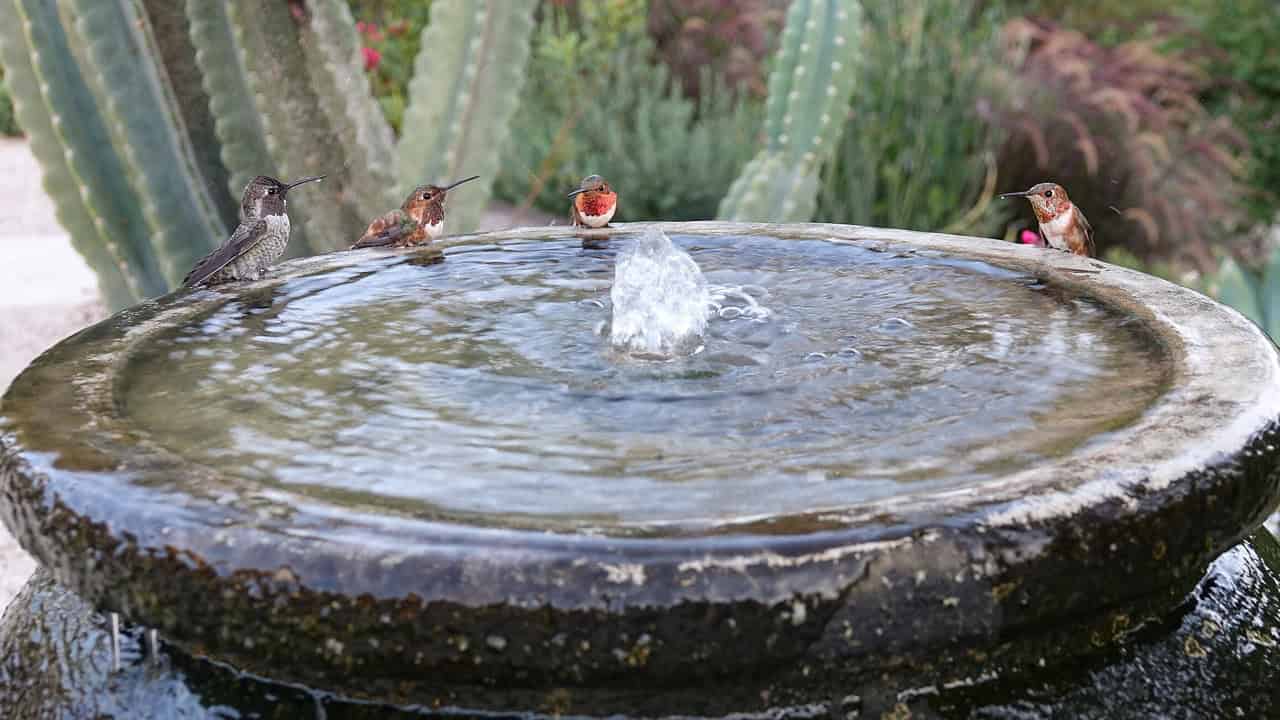
Water is essential for all forms of life. By providing a water source in your backyard, you can attract a wide variety of wildlife. This can be as simple as a bird bath or as elaborate as a pond.
I installed a small bird bath in my backyard and it’s been a hit with the local bird population. I also added a small pond with a recirculating pump. This has attracted frogs and beneficial insects. Just make sure to keep the water clean to prevent the spread of diseases.
3. Install Bird Feeders and Houses

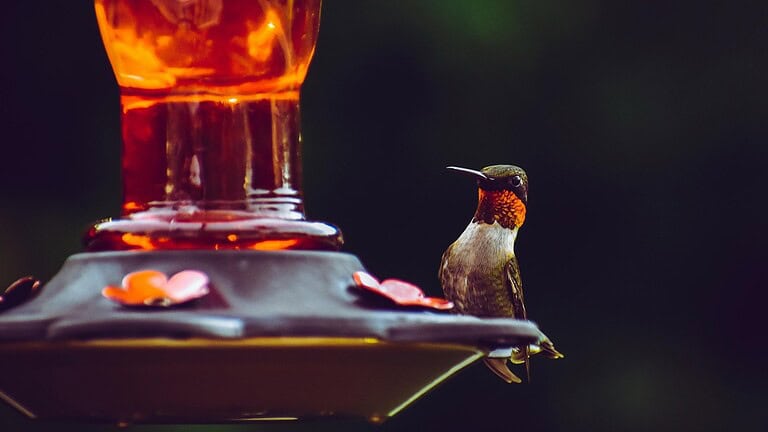
Bird feeders and houses can provide food and shelter for birds. This can be particularly helpful during the colder months when food is scarce.
I’ve installed several bird feeders throughout my backyard filled with different types of seed to attract a variety of bird species. I also built a few birdhouses which have attracted several nesting pairs. It’s been a joy to watch the parent birds care for their young.
4. Reduce Lawn Area
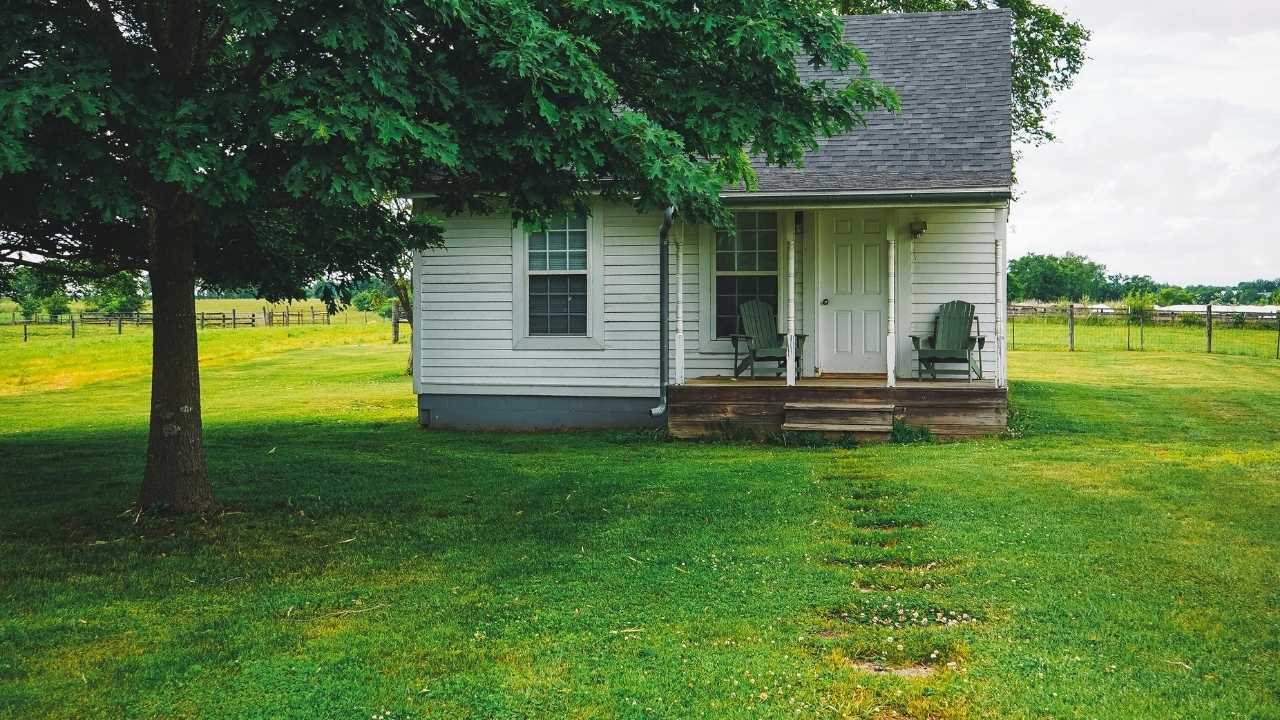
The traditional green lawn is a food desert for most wildlife. By reducing lawn area and replacing it with diverse plantings, you can create a much more attractive habitat for wildlife.
In my backyard, I replaced a large portion of my lawn with a mixture of native grasses and wildflowers. This has not only reduced my water usage but also attracted a wider variety of insects and birds.
5. Minimize Use of Pesticides

Pesticides can have a devastating impact on non-target wildlife. By minimizing their use, you can create a healthier environment for all creatures.
Instead of using chemical pesticides, I’ve opted for organic pest control methods. For example, I encourage beneficial insects like ladybugs and lacewings which help control pest populations.
6. Create Sheltering Spaces
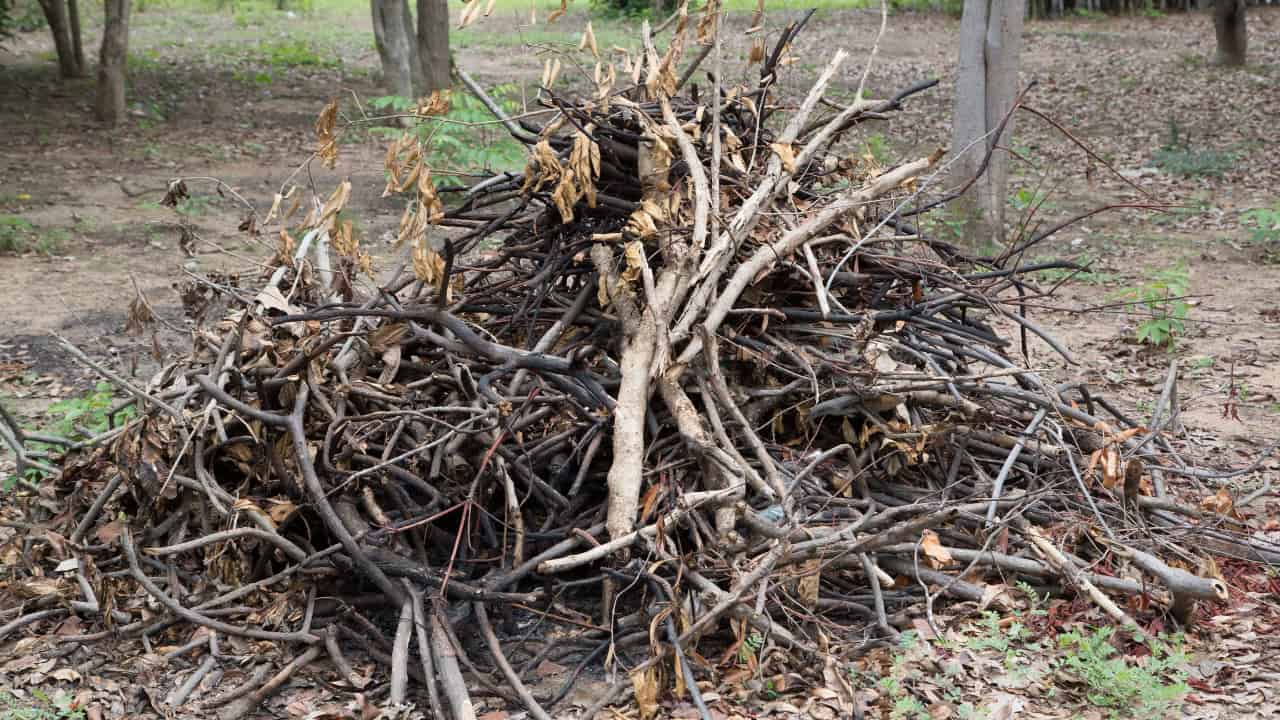
Wildlife need places to hide from predators and shelter from the elements. By providing these spaces, you can make your backyard a safe haven for wildlife.
I’ve created several sheltering spaces in my backyard. This includes a brush pile, a rock pile, and several log piles. These have all been popular with a variety of critters.
7. Plant a Variety of Blooming Plants
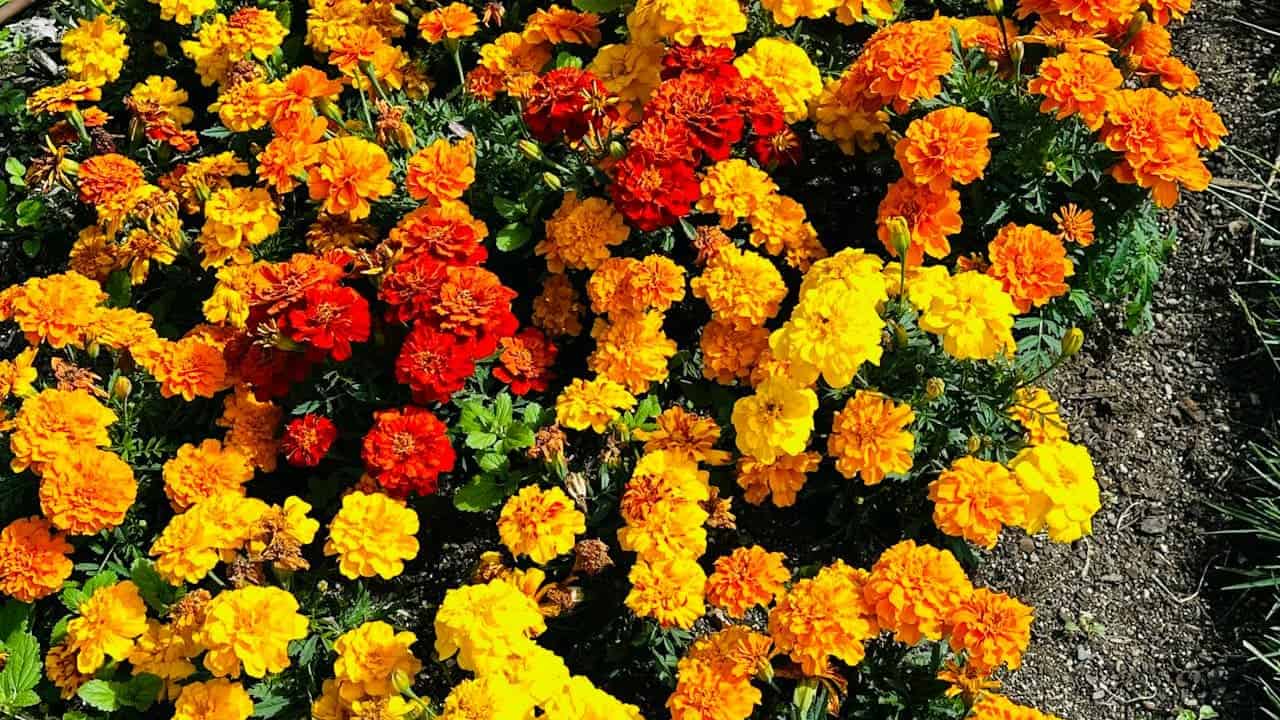
By planting a variety of blooming plants, you can provide a continuous food source for pollinators. Try to select plants that bloom at different times of the year to ensure there’s always something in flower.
In my backyard, I’ve planted a mix of early, mid, and late-season bloomers. This ensures that there’s always something in flower from spring through fall.
8. Install a Bat Box
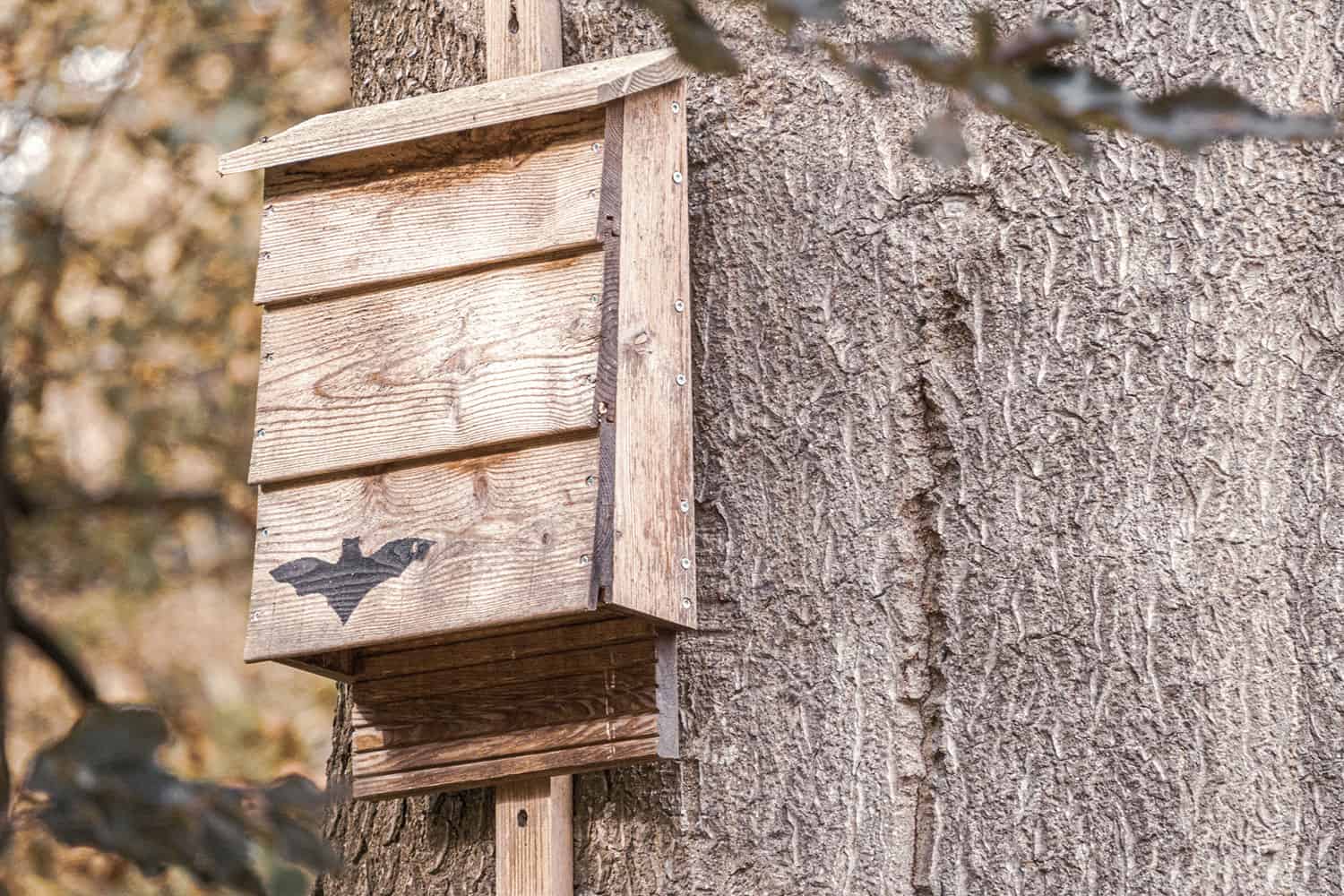
Bats are beneficial creatures that can help control insect populations. By installing a bat box, you can provide a roosting spot for these helpful critters.
I installed a bat box on a tree in my backyard. It took a while, but eventually, a small colony of bats moved in. It’s been fascinating to watch them emerge at dusk to hunt for insects.
9. Keep Cats Indoors

Cats are natural hunters and can have a devastating impact on local bird populations. By keeping your cats indoors, you can help protect local wildlife.
I have two cats and both are indoor-only. This not only protects local wildlife but also keeps my cats safe from traffic and disease.
10. Provide Nesting Materials
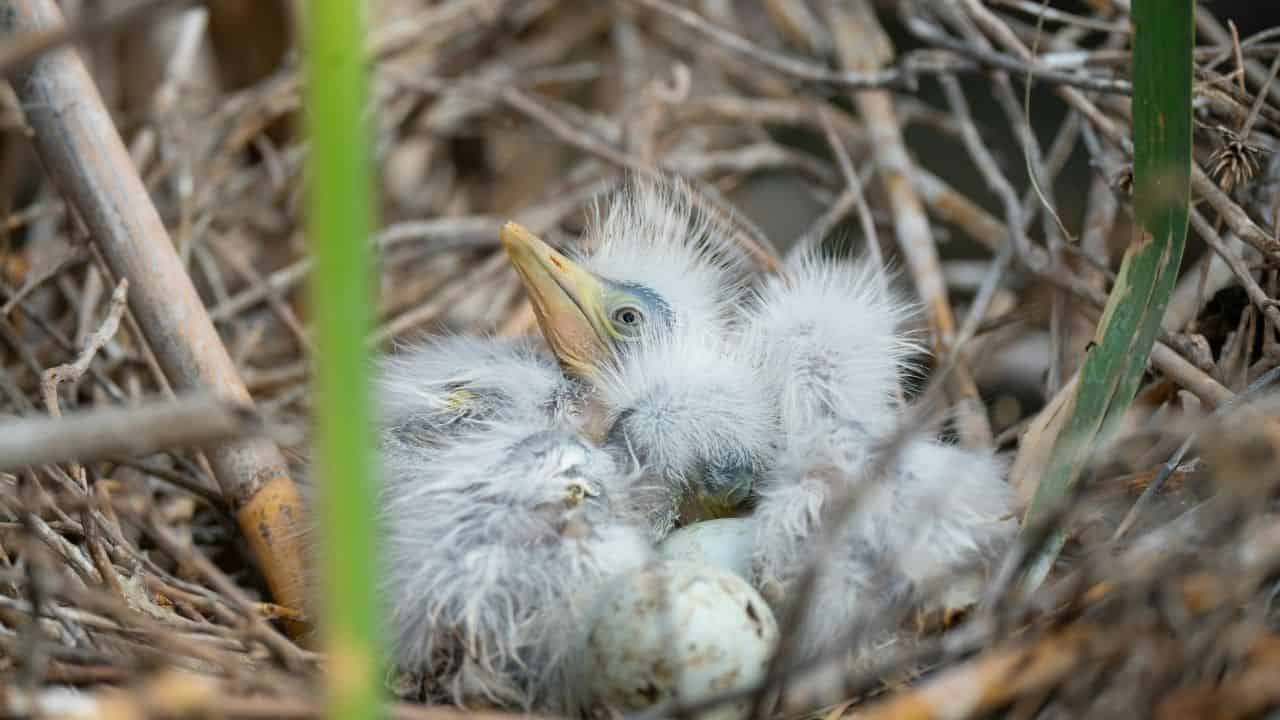
Many birds use natural materials to build their nests. By providing these materials, you can encourage birds to nest in your yard.
I leave small piles of twigs, leaves, and grass clippings in my backyard. These have been popular with the local bird population, particularly in the spring when they’re building their nests.
11. Create a Compost Heap
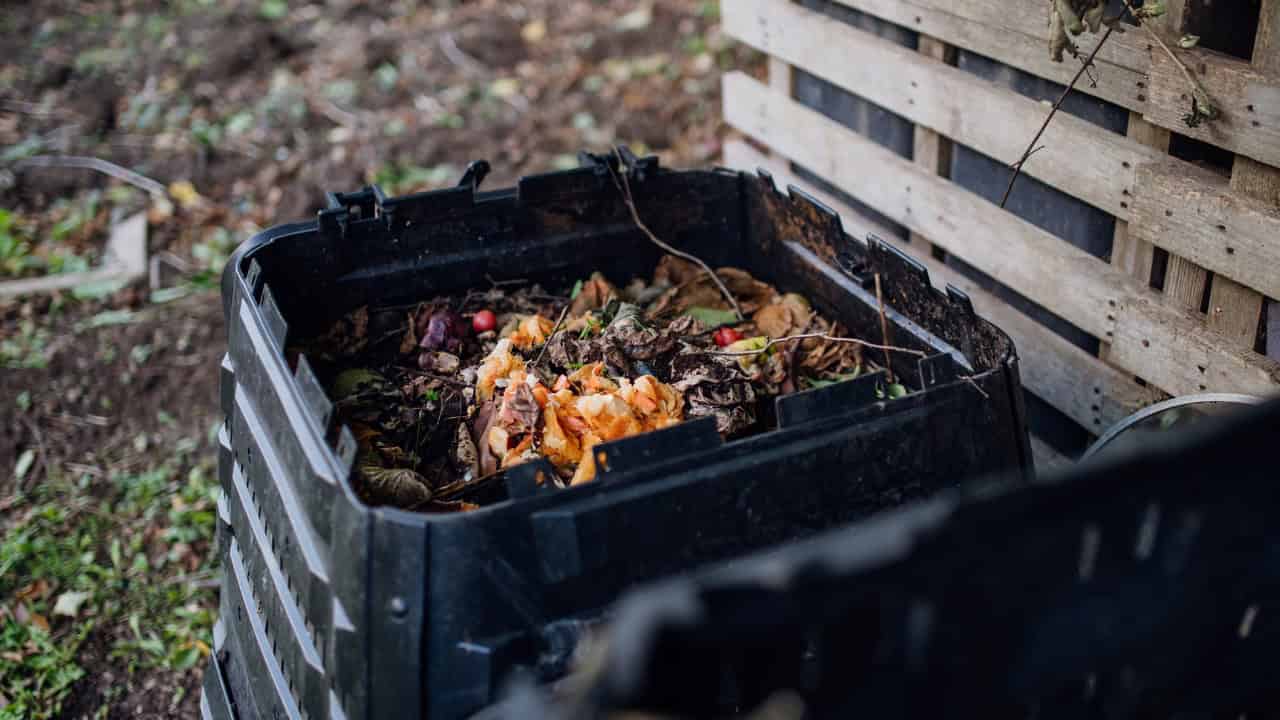
A compost heap is not only a great way to recycle kitchen waste, but it can also provide a habitat for beneficial insects and other creatures.
I’ve created a compost heap in a corner of my backyard. It’s been a hit with a variety of creatures, from earthworms to beetles.
12. Leave Dead Trees Standing

Dead trees, also known as snags, provide important habitat for a variety of creatures. If it’s safe to do so, consider leaving dead trees standing.
I have a dead tree in my backyard that I’ve left standing. It’s provided a home for a variety of creatures, from woodpeckers to squirrels.
13. Certify Your Yard as a Wildlife Habitat

Finally, consider getting your yard certified as a wildlife habitat. This can be a rewarding way to recognize your efforts and inspire others to do the same.
I’ve certified my backyard as a wildlife habitat through the National Wildlife Federation. It’s been a great conversation starter with neighbors and has helped spread the word about the importance of creating wildlife-friendly habitats.