
Landscaping can seem straightforward at first, but it’s easy to make mistakes that affect how your yard looks and feels. Over time, you might notice things that just don’t work or look quite right, and it can be frustrating to figure out how to fix them.
This article shares common landscaping mistakes you might relate to and how to correct them, helping you improve your outdoor space without starting from scratch. Whether you’re new to gardening or have some experience, learning from these fixes can save you time and effort.
Ignoring proper site preparation before planting

One of the biggest mistakes you can make is skipping site preparation. If you don’t clear debris, test your soil, or improve drainage, your plants might struggle or die.
Taking time to loosen the soil and add compost sets your garden up for success. Proper preparation means your plants get the nutrients and space they need to thrive.
Ignoring this step often leads to long-term problems that are harder to fix later. For more tips on avoiding landscaping pitfalls, check out these common landscape design mistakes.
Planting sun-loving plants in shady spots
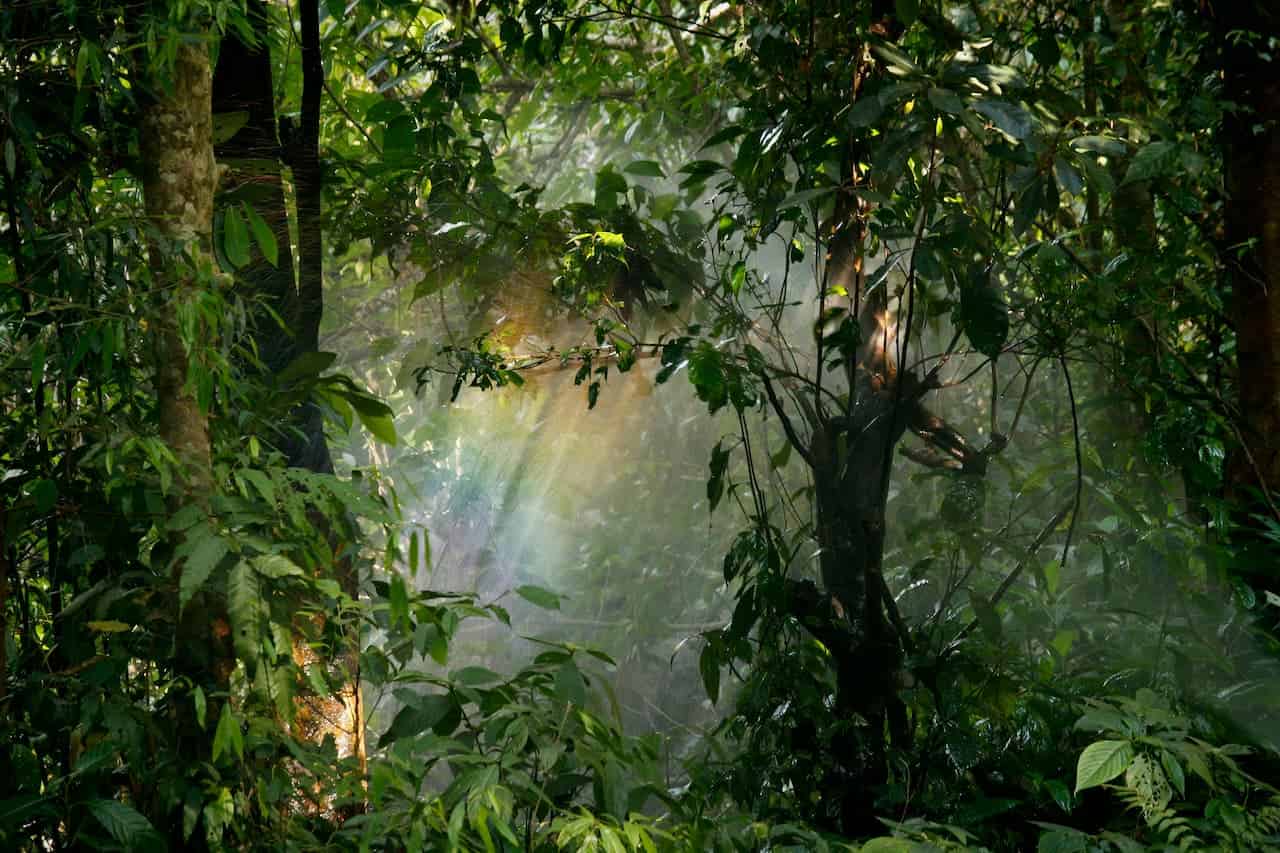
One mistake I made was putting sun-loving plants where they barely got any light. These plants just struggled and looked unhappy.
If you want healthy growth, you need to match plants with the right light conditions. Shade-loving plants like ferns or hostas do better in low light.
Trying to force sun plants into shady areas wastes time and effort. Learning about shade gardening helped me fix this problem and made my yard look much better. For tips, check out this shade gardening guide.
Overcrowding plants without enough space to grow

You might think packing lots of plants close together looks lush, but overcrowding can actually hurt their growth. When plants don’t have enough space, they compete for sunlight, water, and nutrients.
This makes them weaker and more prone to disease. Giving each plant room to breathe helps them thrive and stay healthy.
If you want tips on how to avoid this, check out how to avoid overplanting your garden and landscape.
Choosing plants not suited for local climate

You might pick plants that look great but just don’t thrive where you live. I learned the hard way that some plants need specific conditions to grow well.
If the plant isn’t suited for your climate, it will struggle or even die. For example, some favorites need cooler temperatures or more moisture than your area provides.
Make sure you know your local climate before buying. It saves time and effort, and your garden will look way better. Check out tips on choosing the right plants for your area here.
Failing to consider soil type and quality

You might think all soil is the same, but it really isn’t. If your soil is too sandy or clay-like, plants won’t thrive.
Testing your soil before planting helps you understand what it needs. Adjusting pH or adding organic matter can make a big difference.
Ignoring soil quality can cause poor drainage or nutrient problems. Fixing this early saved my garden from struggling later on. For tips, see common mistakes about soil quality.
Skipping a comprehensive landscaping plan
Not having a full plan from the start can really slow you down. You might plant things that don’t work well together or end up rearranging everything later.
Taking time to map out your space helps you see where each plant or feature fits. It saves you from wasting effort and money.
A clear plan makes your project go smoother and helps avoid common mistakes like mismatched plants or awkward layouts. Check out tips on landscaping mistakes for more ideas.
Neglecting ongoing maintenance needs

You might think planting is the hardest part, but keeping up with maintenance is just as important. Skipping regular tasks like watering, pruning, and weeding can quickly undo your hard work.
If you ignore these needs, your yard can look overgrown or unhealthy. Setting a simple schedule helps you stay on top of it without feeling overwhelmed. For tips on maintaining your garden, check this guide on gardening mistakes to avoid.
Putting trees too close to the lawn causing competition

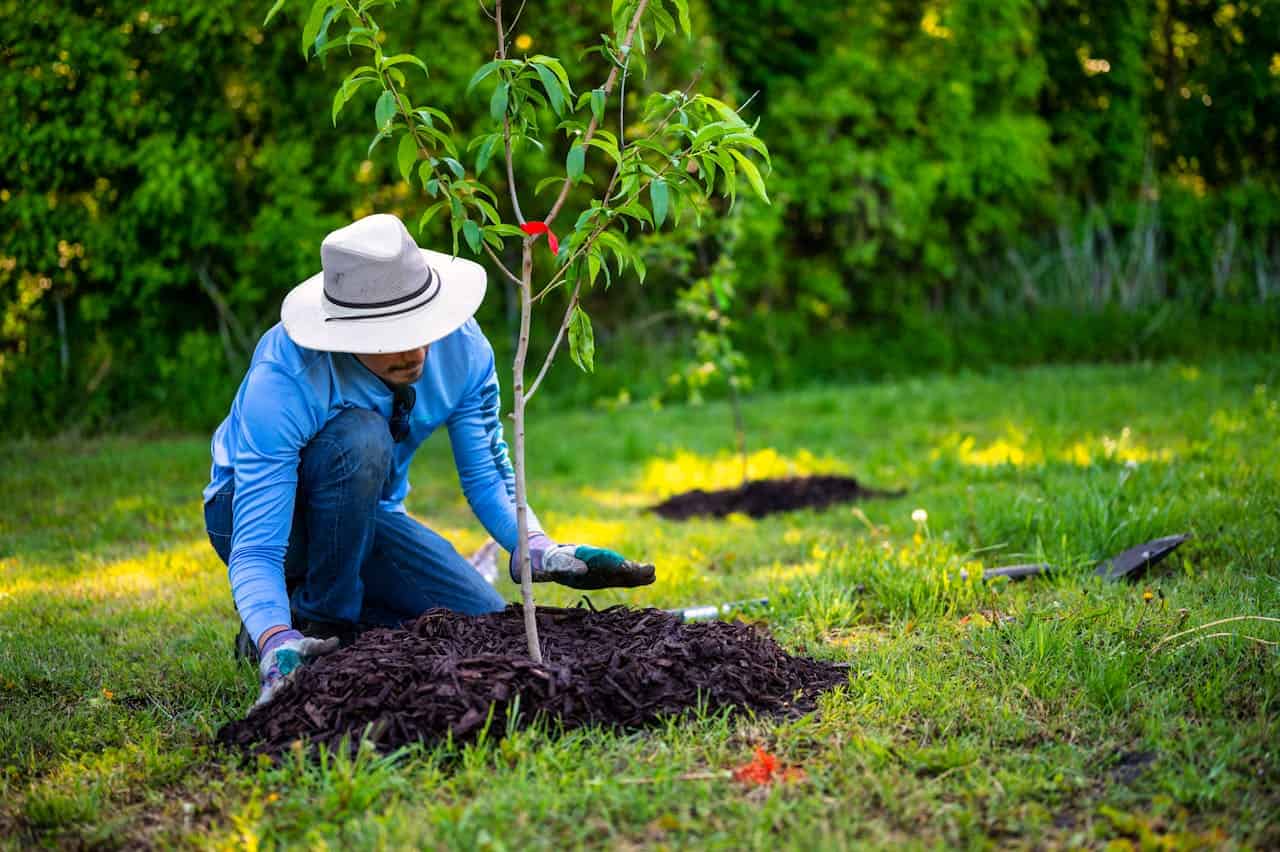
When you plant trees too close to your lawn, they end up fighting for sunlight, water, and nutrients. This competition can stunt both your trees and grass, leaving the area looking patchy.
You want to give trees enough space to grow without crowding the lawn. This helps both thrive without one struggling for resources. For more on this, check out advice on common garden layout mistakes.
Using too much mulch leading to poor soil health

When you pile on too much mulch, it can suffocate your soil. Your plants might struggle because roots need air and moisture balance to stay healthy.
Excess mulch can hold too much moisture, leading to root rot and poor soil conditions. It also slows down water reaching the roots.
Keeping mulch at about 2-3 inches thick helps protect your soil without causing problems. If you want to learn more, check out common mulch mistakes.
Ignoring irrigation needs and water drainage

If you don’t plan your irrigation system well, your plants might not get enough water or could get too much. Overwatering can drown roots, while underwatering stresses plants.
You also need to think about water drainage. Poor drainage causes puddles or runoff that can damage your yard and neighbor’s property.
A well-managed soil mix with good air and mineral balance helps. Fixing these issues makes your garden healthier and your irrigation system more efficient. For tips, check common irrigation system mistakes.
Not dividing plants that spread via rhizomes
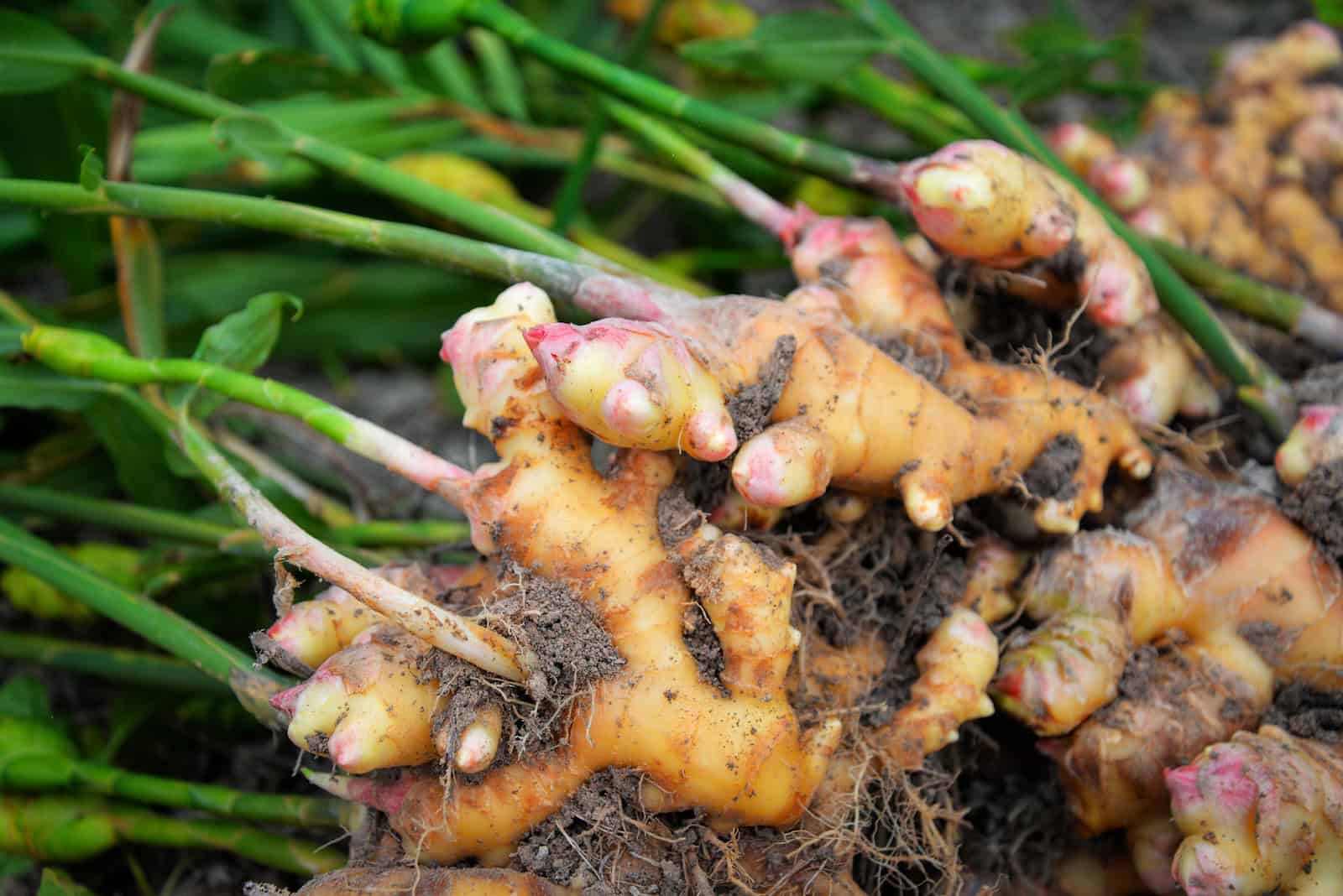
If you let plants with rhizomes grow without dividing them, they can quickly take over your space. This can make your garden look messy and crowded.
Dividing these plants keeps them healthy and helps control their spread. You’ll get fuller, more vigorous growth by giving each section enough room.
Don’t wait too long to divide. Early spring or fall is usually best to avoid stressing your plants. For more tips, check this guide on dividing perennials.

