
Taking care of your lawn can sometimes feel straightforward, but small habits might actually be holding your grass back. Many people unknowingly follow routines that don’t help their lawn thrive the way they want.
If you want greener, healthier grass, you’ll need to change a few common lawn care habits that could be doing more harm than good. This article will walk you through the 12 habits I had to break to see real improvement in my yard’s look and health.
Cutting the grass too short

If you cut your grass too short, it stresses the plants and weakens their roots. This can lead to dry soil and easier weed invasion.
Short grass traps less sunlight, which means your lawn makes less food to grow strong. Aim to leave your grass a bit longer to stay healthy and green.
Most people mow too low without realizing it. Try adjusting your mower height to improve your lawn’s overall look and health. For more details, check out this guide on why cutting grass too short is a problem.
Overwatering the lawn daily

If you water your lawn every day, you might actually be hurting it. Too much water can make grass roots shallow and weak instead of strong.
Your lawn can turn yellow or patchy when it’s overwatered. Instead, water deeply but less often to encourage roots to grow deeper.
Try soaking the soil thoroughly 2-3 times a week rather than daily. This helps your grass get stronger and greener over time. For more details, check out advice on fixing an overwatered lawn.
Using chemical fertilizers constantly

You might think using chemical fertilizers all the time will keep your lawn perfect. But it can actually harm the soil by killing beneficial microorganisms.
These chemicals often add too much nitrogen, which wastes money and can burn your grass.
Plus, the runoff from fertilizers can pollute nearby water. Using them constantly isn’t the best way to get greener grass or a healthier yard. You can learn more about this impact from Natural Garden News.
Ignoring annual aeration

If you skip aerating your lawn each year, your soil can get compacted. This makes it harder for water, air, and nutrients to reach the roots.
Aeration isn’t always needed annually but helps a lot if your lawn feels hard or water pools after rain.
Giving your grass some breathing room by aerating can make a noticeable difference in its health and color. Check out tips on how often to aerate your lawn here.
Skipping overseeding in thin spots

If you skip overseeding in thin areas, those spots can stay bare and weak. Your lawn won’t fill in naturally without new seed.
Even if your grass spreads well, thin spots often need a little help to look fuller. Overseeding is an easy way to boost growth and improve your lawn’s density.
Ignoring overseeding might save time now, but it can cost you green in the long run. For tips on overseeding, check out this guide on overseeding and when to do it.
Mowing with dull blades

When your mower blades get dull, they don’t cut the grass cleanly. Instead, they tear or shred the grass, which can stress it out.
This rough cut makes your lawn more vulnerable to disease and pests. Keeping your blades sharp helps your grass heal faster and look healthier.
Try sharpening your mower blades at least once per season to avoid damaging your lawn. For more details, check out this guide on blades and lawn health.
Walking on wet grass frequently

Walking on wet grass can damage the blades and soil underneath. Your footsteps might create compacted areas that make it harder for grass roots to get air and water.
If you often need to cross wet spots, try using stepping stones or wait until the lawn dries. This helps keep your grass healthier and looking greener.
Neglecting to adjust watering in spring

You might keep watering your lawn the same way all year round, but spring calls for changes. Grass starts waking up, needing less frequent but deeper watering.
If you water too often or too lightly, roots stay shallow and weak. Try watering your lawn every 2-3 days with about half an inch of water each time to encourage stronger roots and healthier grass. For more tips on adjusting watering during warm weather, check out this advice on helping your lawn when temps are over 85°.
Ignoring soil testing

You might think skipping soil testing saves time, but it can leave you guessing about your lawn’s needs. Without knowing your soil’s nutrient levels, you might over- or under-fertilize.
A simple soil test shows what your grass really needs to grow stronger. It’s like getting a health check for your lawn. If you want to skip the test, at least check your soil’s texture and color by digging a small section to see if it looks healthy and crumbly.
For more insight, check out this discussion on soil testing and lawn care.
Not removing weeds promptly

If you let weeds hang around, they’ll quickly take over your lawn.
Weeds compete with your grass for water, nutrients, and sunlight, making it harder for your grass to thrive.
The key is to spot and remove them as soon as you see them. Keeping on top of weeds prevents bigger problems down the line.
For tips on early weed control, check out ways to prevent and eliminate broadleaf weeds.
Raking leaves infrequently

You don’t have to rake every single leaf as soon as it falls. Leaving some leaves on your lawn can actually help protect the grass and add nutrients back into the soil as they break down.
Try raking only once or twice a season, especially if the leaves aren’t thick enough to smother your grass. Letting leaves decompose naturally can act like a light fertilizer for your lawn. For more insights, check out this advice on why you might want to drop the rake.
Using fast-release fertilizers only
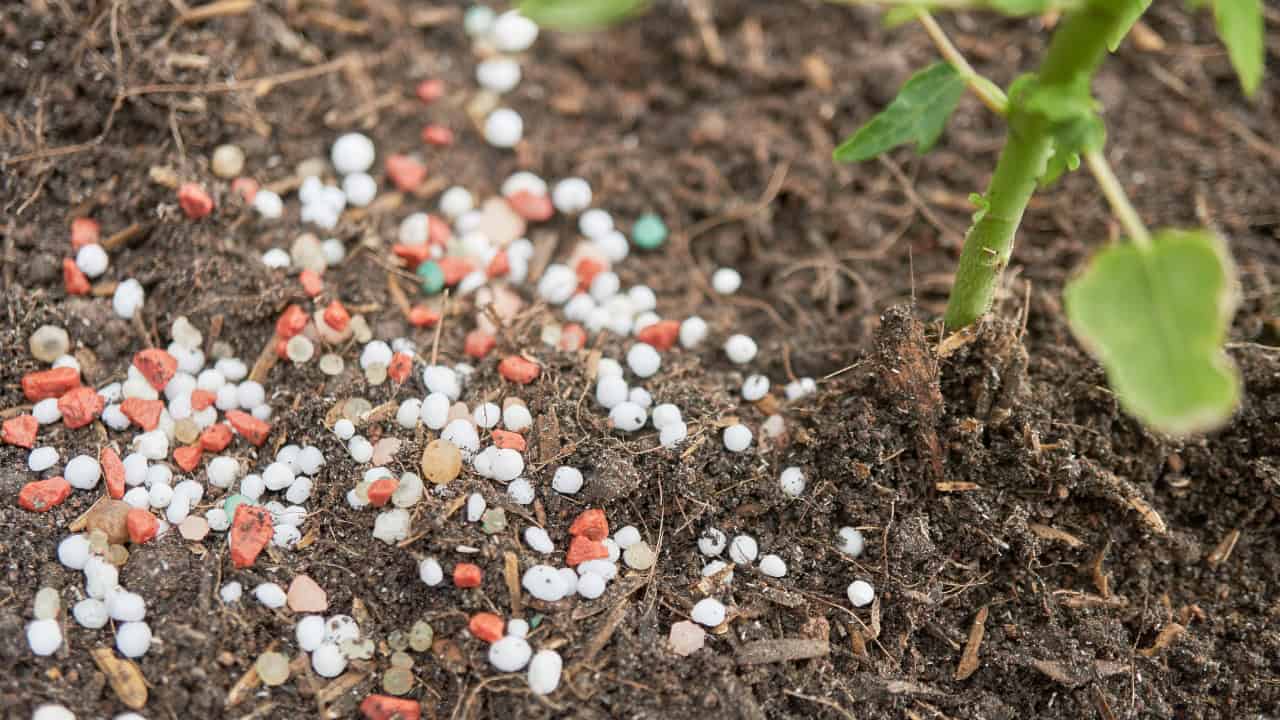
If you rely on fast-release fertilizers all the time, your grass might get a quick boost but then fade fast. These fertilizers work quickly, often within a week, but don’t provide lasting nutrients.
You’ll need to apply them more often, which can get expensive and time-consuming. Mixing in slow-release options can save you work and give your lawn steady feeding without the ups and downs. For more on the differences, check out this slow release vs. fast release fertilizer guide.

