When you welcome guests into your home, the design choices you make can greatly impact their comfort and overall experience. Some decisions might seem harmless to you but can unintentionally create discomfort or frustration for your visitors.
Knowing which design elements to avoid helps you create a space where guests feel truly welcome and relaxed. Paying attention to these details ensures your home leaves a positive impression without unnecessary distractions.
Advertisement
Dim, uninviting lighting
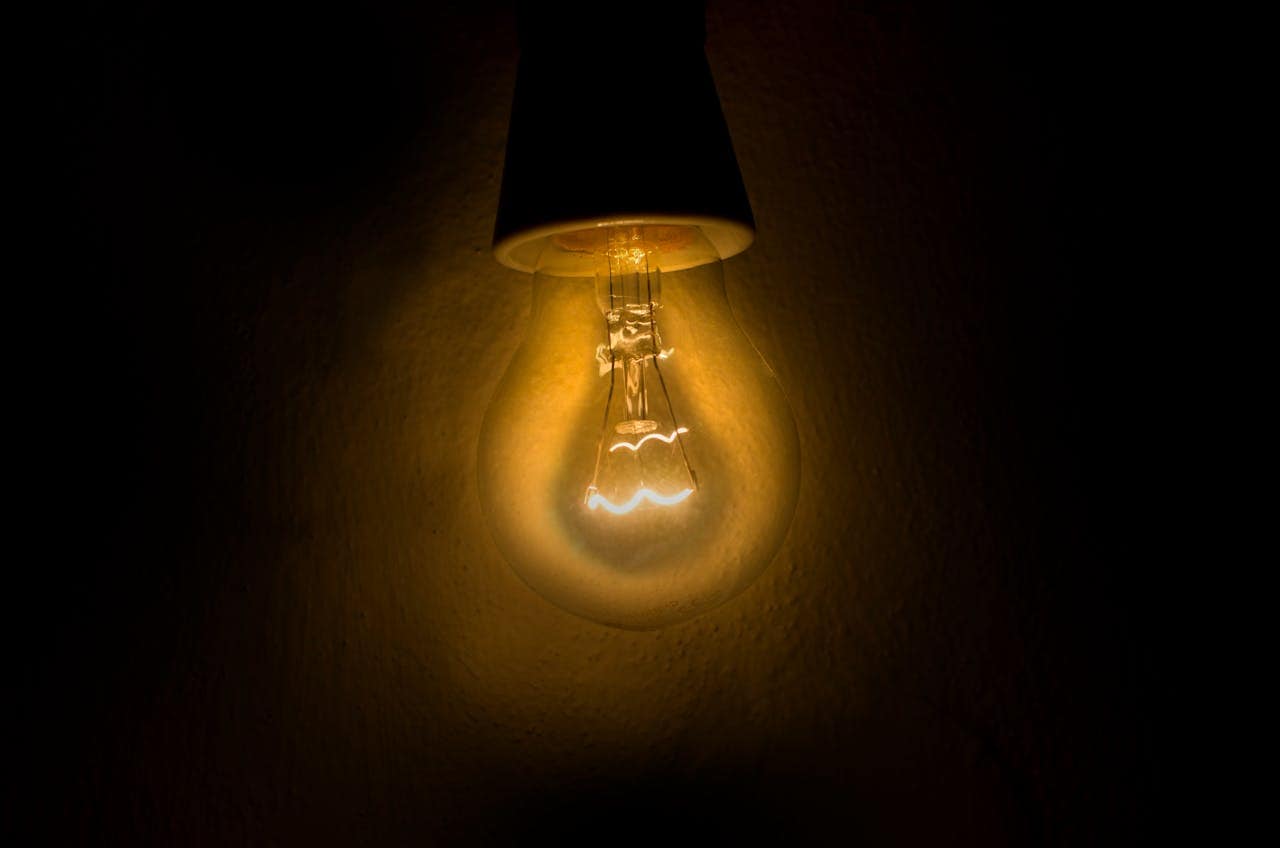
If your lighting is too dim, guests might feel uncomfortable or disconnected. It can create a gloomy atmosphere that doesn’t encourage socializing.
You want your space to feel warm and welcoming, not shadowy or hard to navigate. Simple bedside or table lamps that are easy to control can make a big difference.
Avoid flickering or harsh lighting, as it can be distracting or annoying. Aim for balanced light that highlights the room without overwhelming it.
Uncomfortable seating
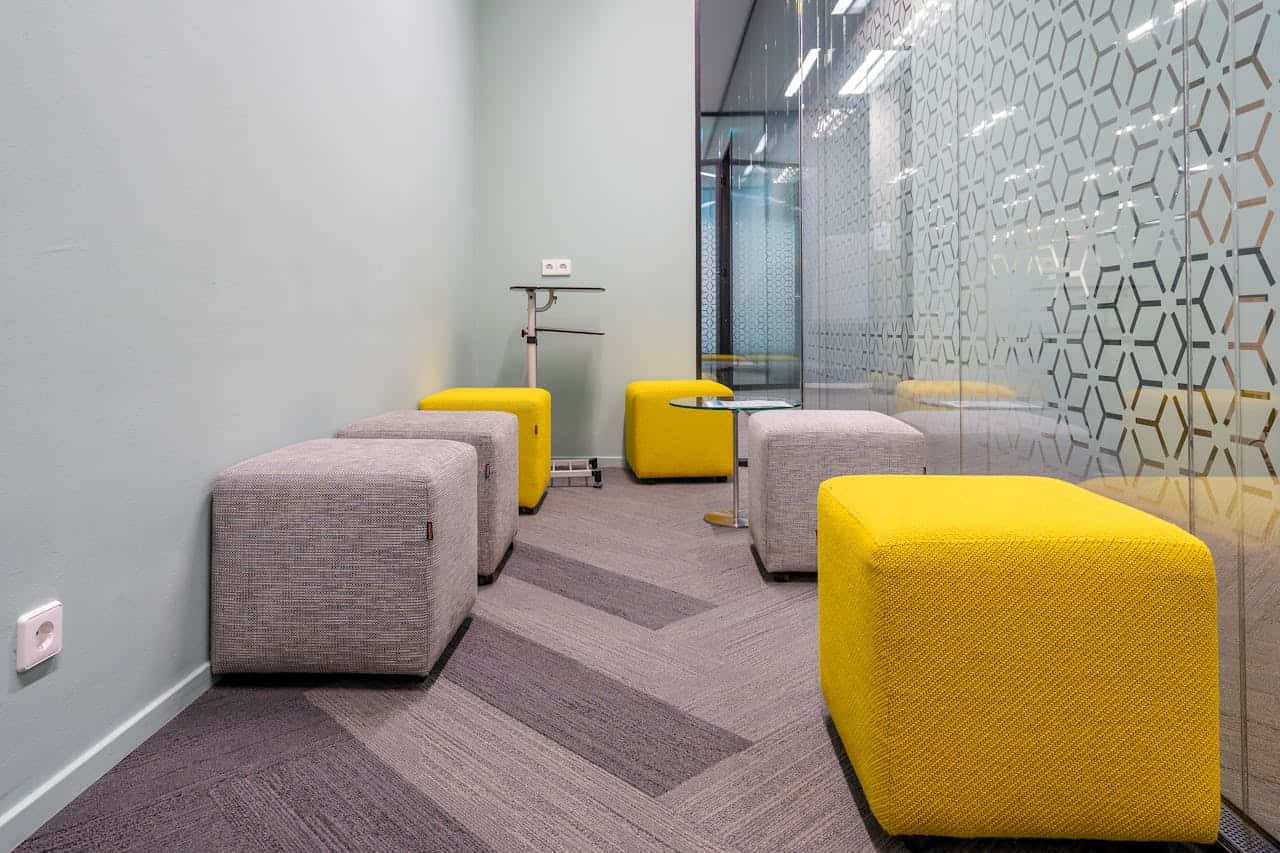
When your seating is hard or awkward, guests quickly feel uneasy. Uncomfortable chairs can make people leave sooner than you want.
Choosing seats that look nice but don’t support comfort often backfires. Your guests appreciate a balance of style and coziness.
Think about how your furniture impacts their mood. Comfortable seating helps guests relax and enjoy their time with you.
Cluttered spaces

When your space is cluttered, guests often feel uncomfortable right away. Too many items on counters, piles of mail, or scattered keepsakes can make your home look crowded and chaotic.
Clearing surfaces and organizing storage help your space feel open and inviting. Try removing excess decor or oversized furniture that can overwhelm a room.
Strong, overpowering scents

When guests enter your home, strong scents can be overwhelming and unpleasant. You want your space to smell fresh, but not like a chemical storm.
Using subtle fragrances helps create a welcoming atmosphere without annoying anyone. Remember, too much scent can make people uncomfortable or even give them headaches. Keep it light and natural for the best impression.
Outdated or peeling paint

If your paint is peeling or looks old, it immediately makes your space feel neglected. Guests notice this kind of wear, and it can create a negative first impression.
Peeling paint can also signal deeper issues like moisture problems. Fixing it with proper paint and preparation shows you care about your home’s upkeep. Fresh paint brightens your space and makes it inviting.
Lack of natural light
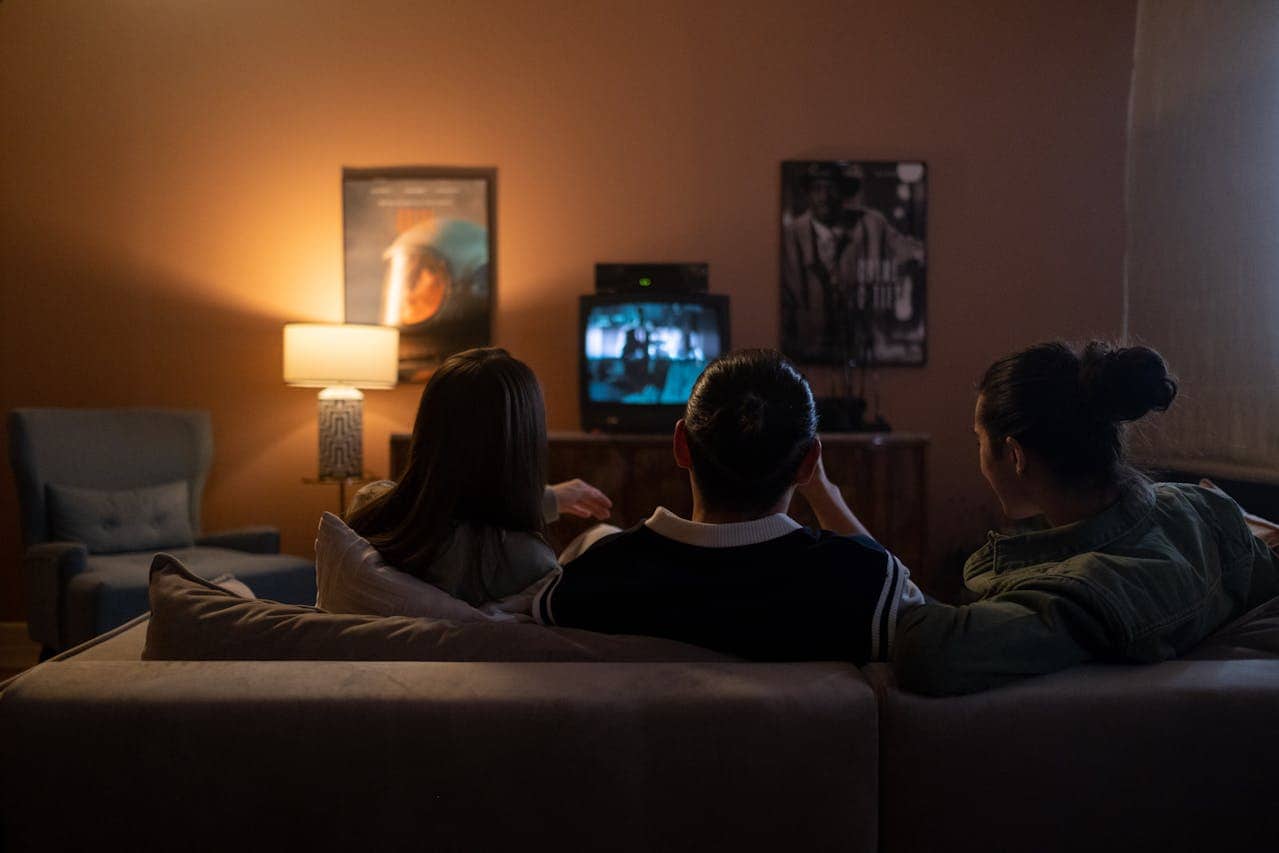
When your space feels dark and gloomy, it can make guests uncomfortable. You want your home to feel inviting, which natural light helps create.
If you don’t have many windows, try using mirrors to reflect any light you do have. Choosing light-colored walls and keeping ceilings white can also brighten the room and open up the space.
Cold, sterile décor
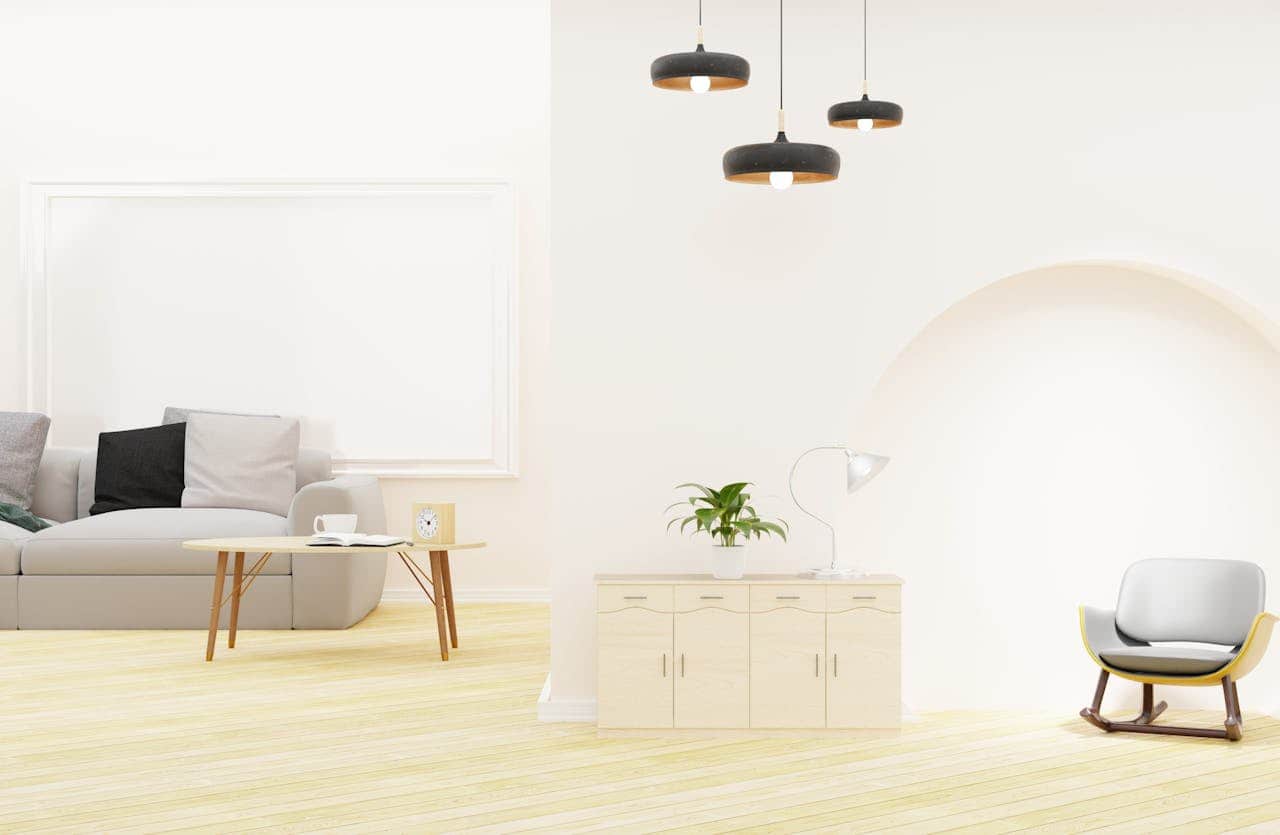
When your space feels too cold or sterile, guests might find it uninviting. Avoid harsh white walls and overly sleek surfaces that lack warmth.
Introducing soft textures, warm lighting, and personal touches can make your home feel cozy. Balance modern elements with comfort to keep your space friendly and approachable.
Poorly maintained furniture
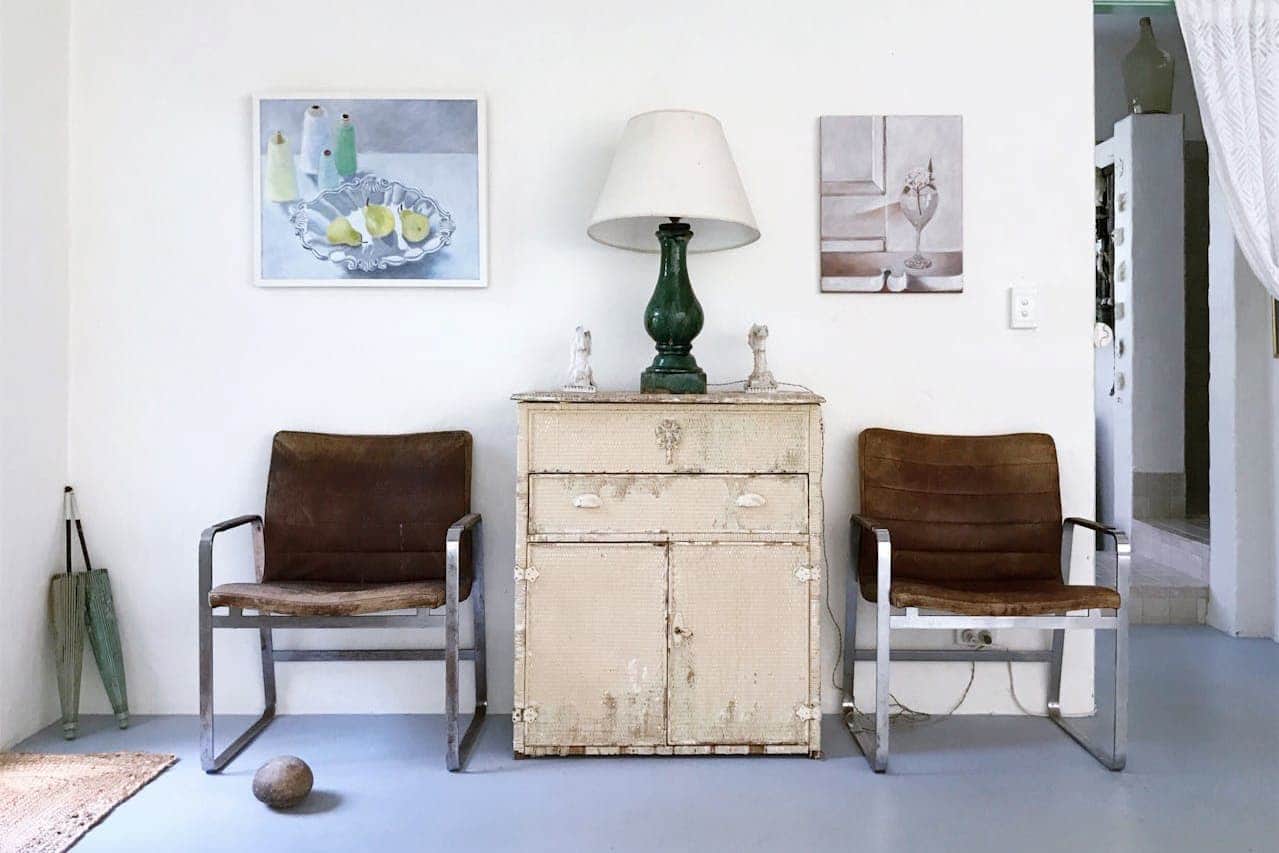
If your furniture looks worn or stained, guests will notice. It can make your whole space feel neglected.
Keep an eye on pieces that show wear, like faded fabric or scratched wood. Simple fixes, like cleaning or touch-ups, make a big difference.
Choosing durable materials also helps you avoid constant upkeep while keeping your home inviting.
Overly dark wall colors
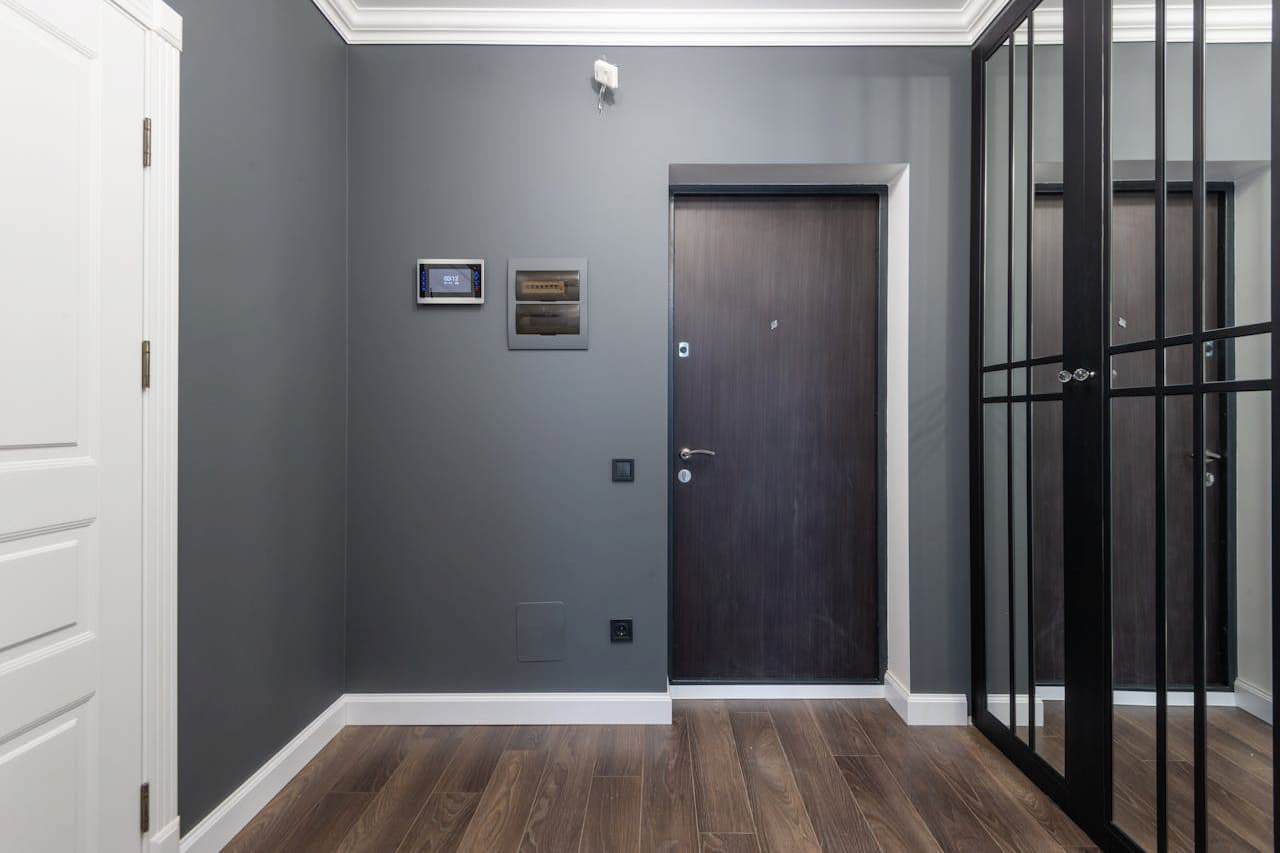
If your walls are too dark, your space might feel smaller and less inviting.
Dark colors can create a cozy vibe, but overdoing it can make rooms seem gloomy or heavy.
Guests might find it hard to feel relaxed in a room that lacks natural light or balance.
Consider adding lighter accents or brighter lighting to keep your space welcoming.
Noisy appliances running
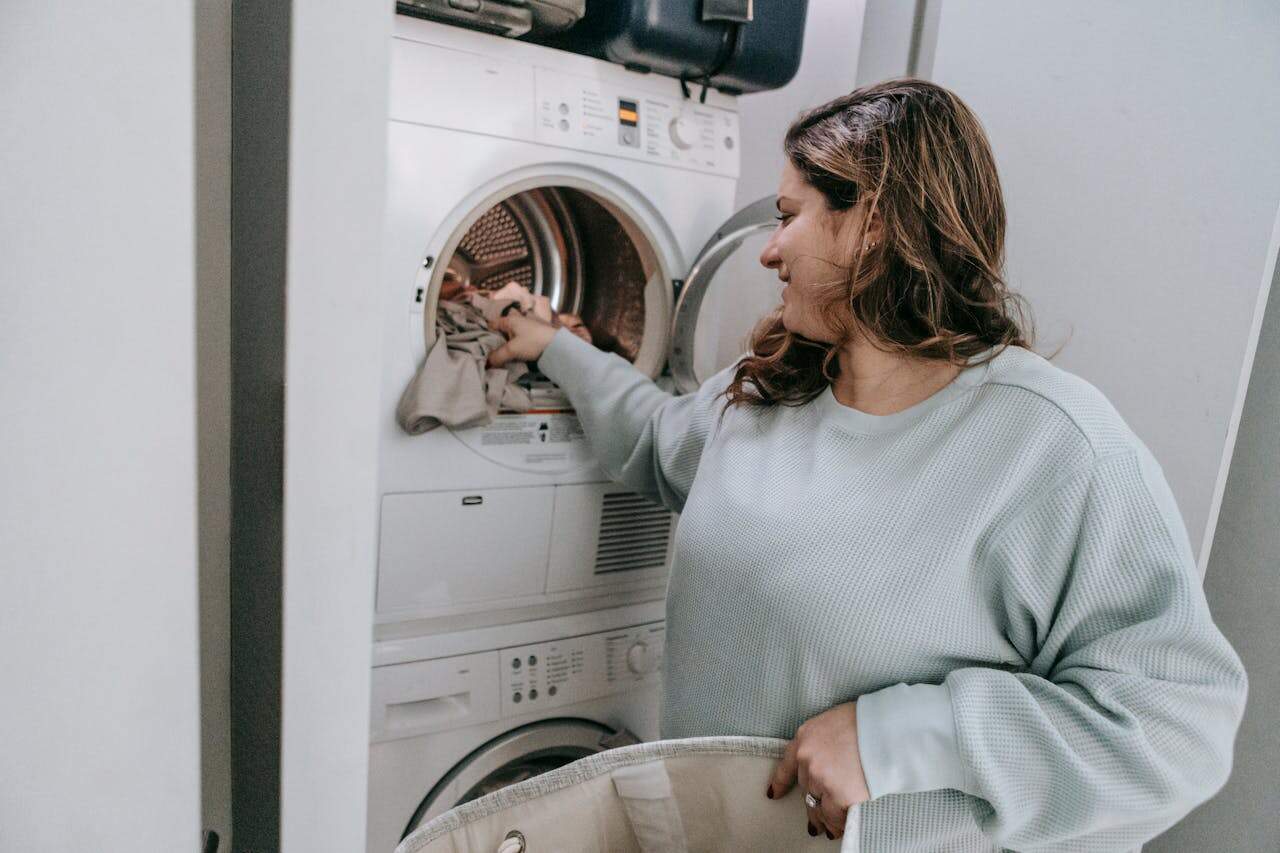
When your appliances are loud, they can make your space feel uncomfortable. Guests might struggle to hear conversations or relax with constant background noise.
Choosing quieter models or running noisy appliances before guests arrive can help. Your dishwasher, washing machine, or even a buzzing refrigerator can disrupt the atmosphere if left on during visits.
Sticky or dirty surfaces

When guests touch sticky or dirty surfaces, it instantly creates a sense of neglect. Sticky residue on tables, counters, or door handles makes your home feel unclean.
Pay special attention to areas that get frequent use, like kitchen counters and light switches. A quick wipe can make a big difference to your guests’ comfort.
Unpleasant odors
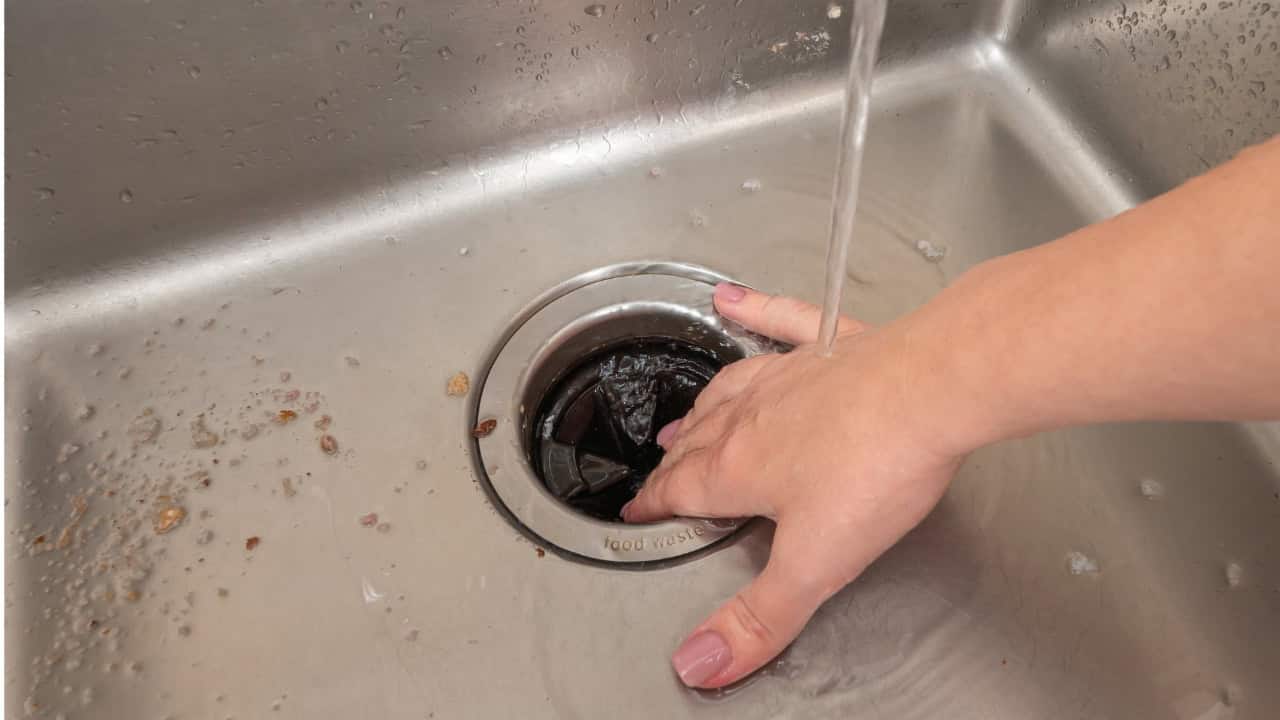
If your home smells musty or stale, guests might notice right away. Unpleasant odors can come from poor ventilation, pets, or even old furniture.
Using natural scents like mandarin or patchouli can help create a welcoming atmosphere. You might also consider odor absorbers like charcoal, which neutralize smells instead of just covering them up.
No designated guest space
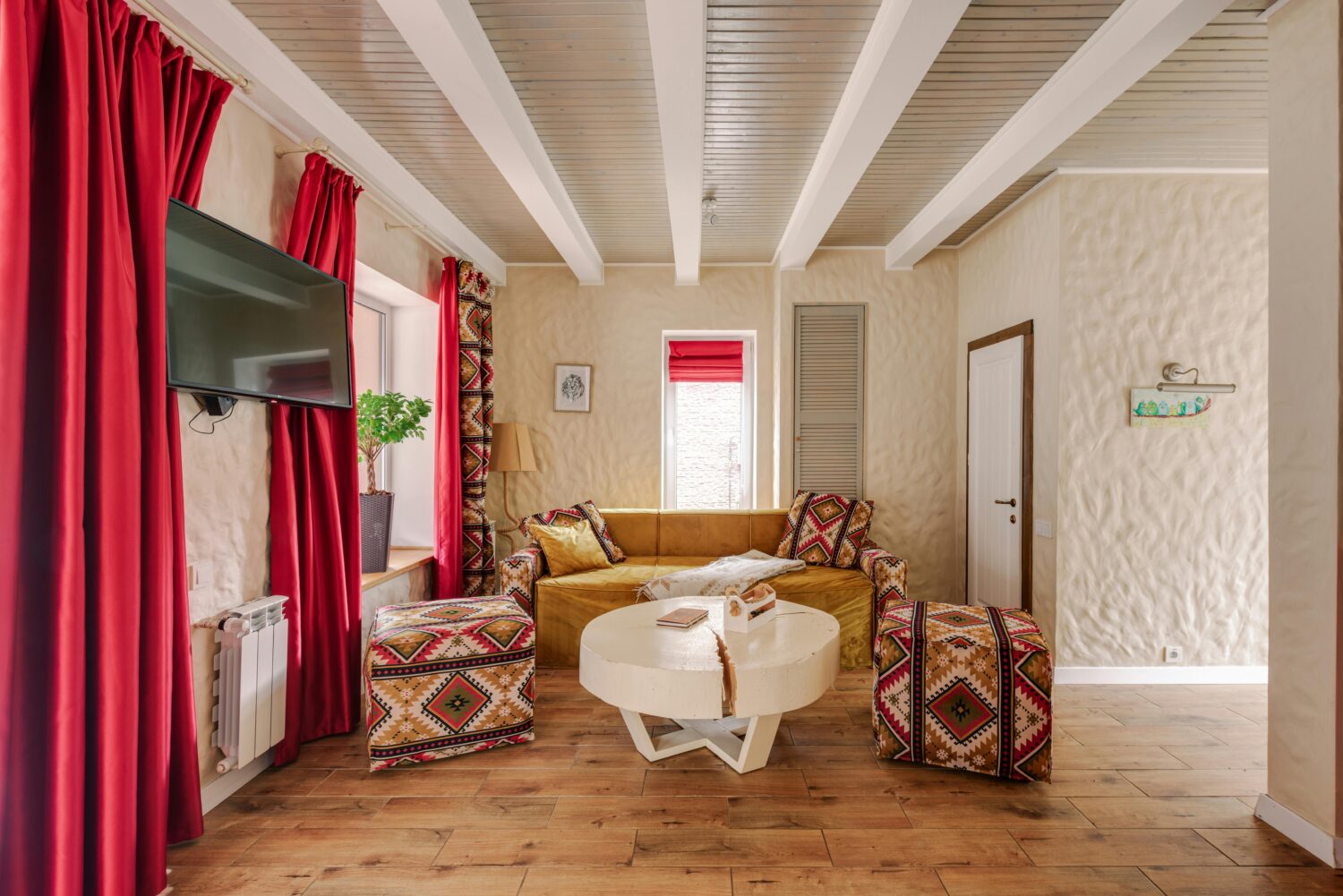
If you don’t have a dedicated guest room, it can feel like your visitors don’t have a place to truly relax. A regular couch or floor space may not offer the comfort they need.
Consider a sleeper sofa, futon, or air mattress to create a temporary spot that feels welcoming. Even small touches can make a big difference in making guests feel at home.