Gardening can be a rewarding hobby, but it often comes with unexpected costs that add up over time. Many gardeners don’t realize how routine habits and purchases quietly drain their budgets each month.
Understanding where your garden might be wasting money helps you make smarter choices and keep more cash in your pocket. By recognizing these common pitfalls, you can enjoy your garden without overspending or unnecessary expenses.
Advertisement
Buying annual flowers every spring instead of switching to perennials
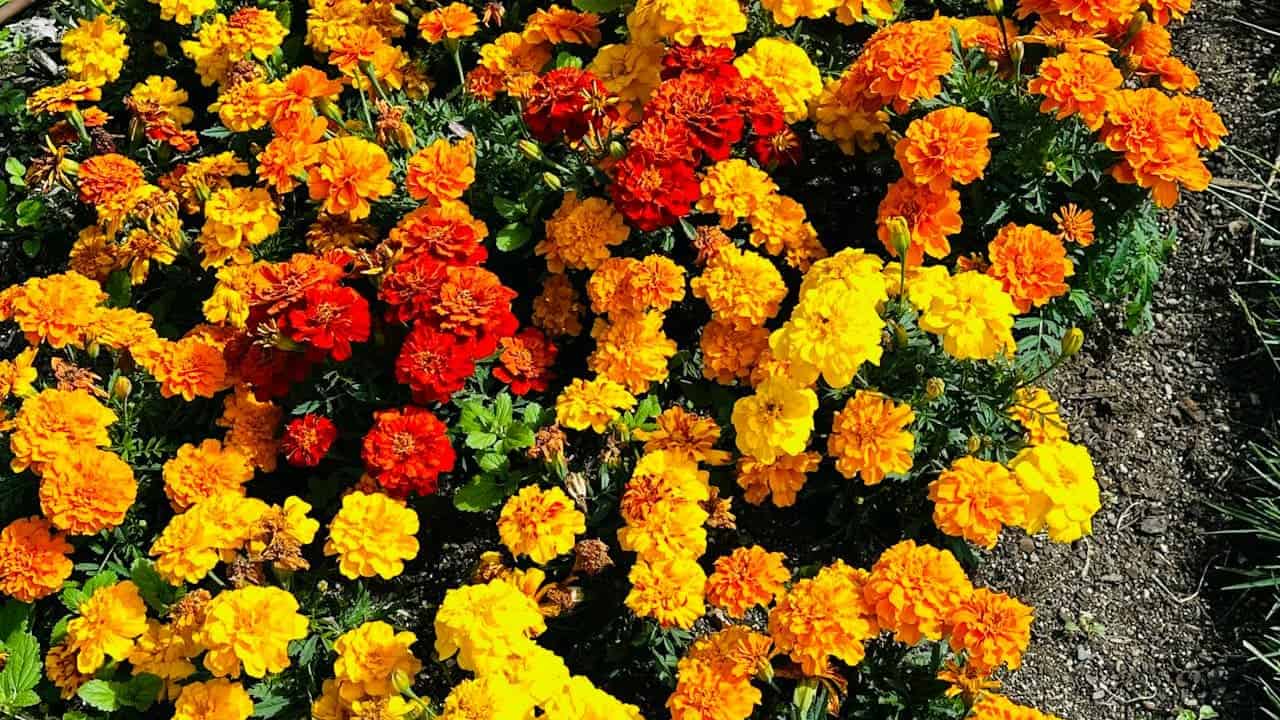
Buying annual flowers each spring can add up quickly. These plants only live for one season, so you need to replace them every year to keep your garden colorful.
Perennials may cost more up front, but they come back year after year. This saves you money and effort in the long run.
Switching to perennials means less work planting each spring, and you still enjoy vibrant blooms for many seasons.
Purchasing bagged soil instead of buying soil in bulk

Buying bagged soil may seem convenient, but it often costs more per cubic foot than bulk soil. When you buy in bags, you pay extra for packaging and brand premiums.
If you have a large garden, bulk soil from a yard waste center or garden supplier can save you money. It’s usually sold by the cubic yard, which is more cost-effective.
Keep in mind, bulk soil may require more effort to transport and handle. But if you’re looking to reduce monthly expenses, bulk buying is a smart choice.
Overpaying for plants with low deer resistance that get damaged

You might spend a lot on plants advertised as “deer resistant,” only to find deer still nibbling them. No plant is completely deer-proof since deer tastes change with seasons and conditions.
Choosing truly deer-resistant plants like herbs or certain perennials can help protect your garden. It saves money by reducing the need to replace damaged plants regularly.
Frequent replacement of raised beds instead of investing in durable ones
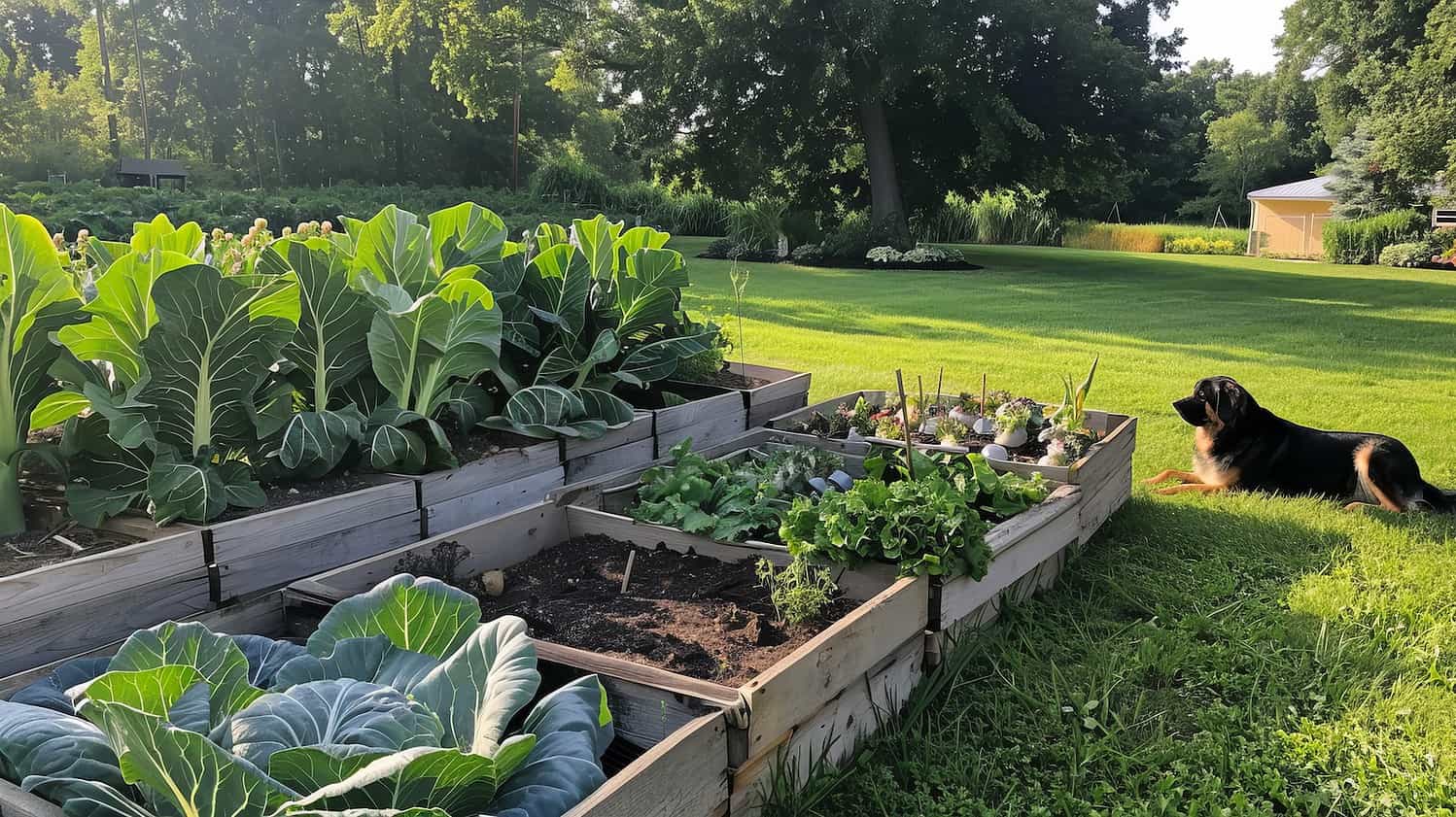
If you build raised beds with cheap materials, you might find yourself replacing them often. This repeated spending can add up quickly, draining your budget each month.
Investing in durable raised beds made from quality wood or metal can save you money over time. They require less maintenance and last longer, so you avoid the hassle and cost of frequent repairs or rebuilds.
Using expensive weed barriers that don’t last
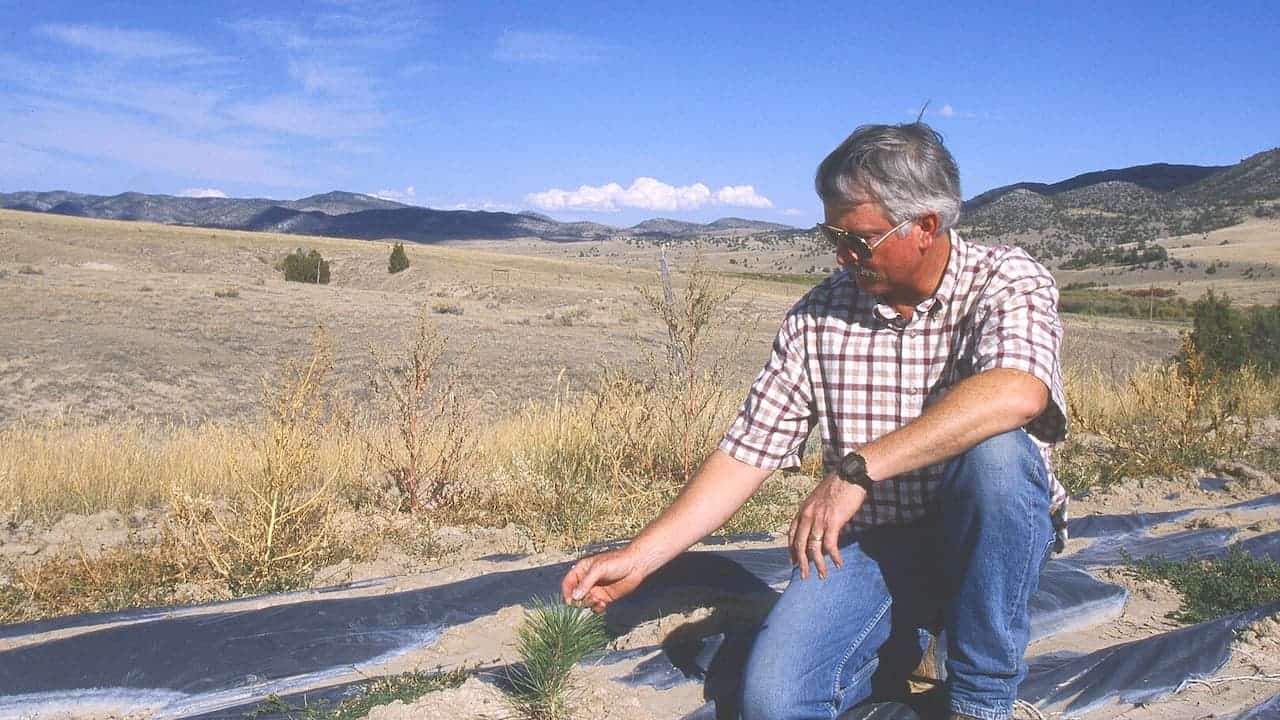
You might spend a lot on weed barriers expecting long-term relief. However, many fabrics degrade quickly or don’t fully stop weeds.
Some cheaper options can tear easily, making you replace them sooner than planned. Even higher-quality materials sometimes allow weeds to grow around or through them.
Investing in the right type and width helps, but remember, no fabric completely eliminates weed maintenance. Your money can be better spent combining barriers with regular garden care.
Spending on unnecessary garden tools with limited use
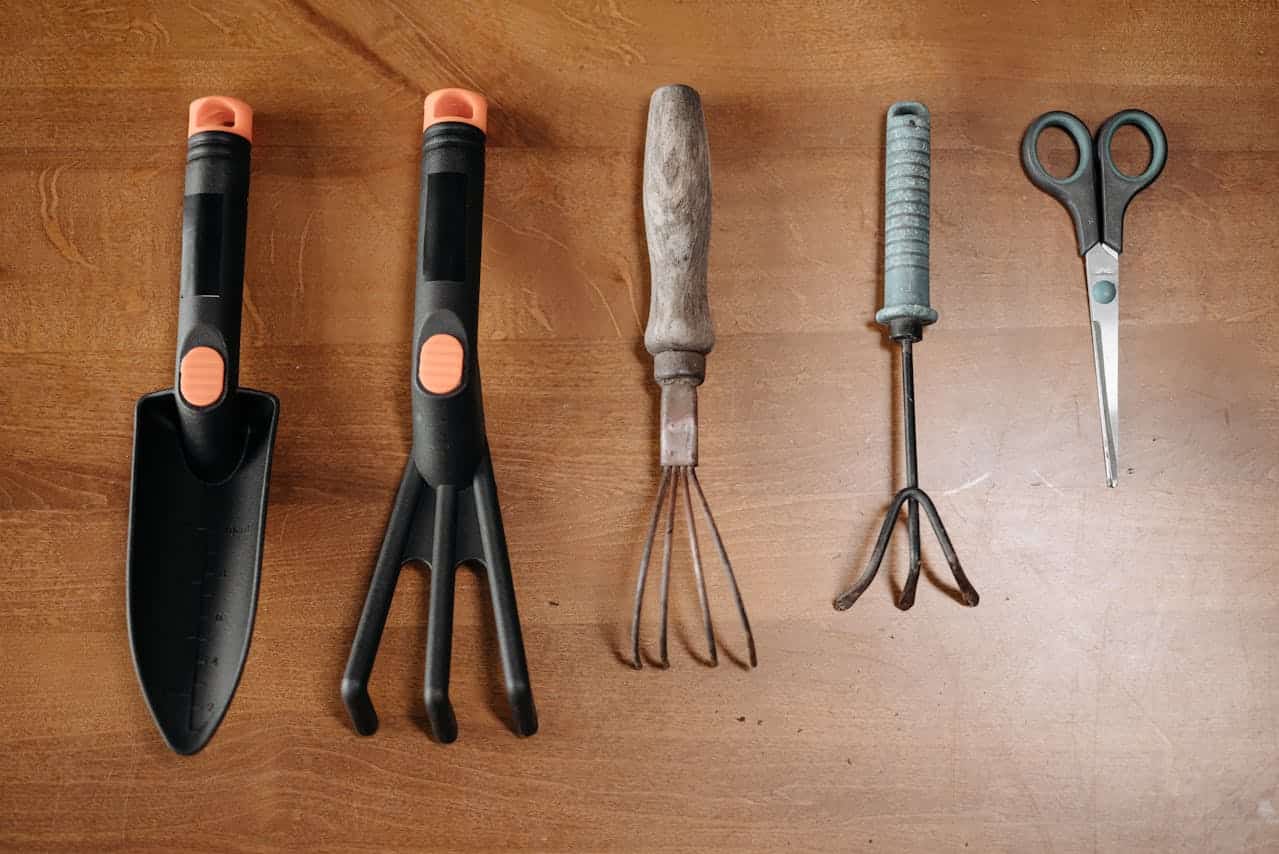
You might be tempted to buy every trendy gardening gadget, but many tools don’t get enough use to justify their cost. Spending on specialty tools that serve only one or two tasks can quickly add up without improving your garden’s health.
Stick to basic, durable tools that cover most jobs. This way, your budget supports quality over quantity, and you avoid cluttering your space with items that gather dust.
Buying plants out of season leading to higher prices

When you buy plants out of season, prices tend to be higher. Nurseries often charge more for plants that aren’t naturally available at certain times of the year.
This can add up quickly if you’re trying to fill your garden. Planning your purchases around the right season helps you save money and get healthier plants.
Waiting for the right time also means you avoid spending extra on plants that may not thrive.
Ignoring seed exchanges and buying new seeds every time

You might be spending more than necessary by buying new seeds every season. Participating in seed exchanges helps you access a variety of seeds without added cost.
Sharing and swapping seeds with others can introduce you to unique plants. It also reduces waste by using leftover seeds from your own garden.
Seed exchanges can make gardening more affordable and fun. Plus, you get the chance to connect with fellow gardeners who share your interests.
Watering excess lawn or garden areas leading to higher water bills

You might be watering more lawn or garden space than needed, which can quickly raise your water bill. Overwatering often happens when irrigation systems run too long or cover areas without plants.
Turning off sprinklers during rain and adjusting timers can help you save water. Focus watering only on healthy plants and avoid watering sidewalks or driveways. This simple change can lower your expenses noticeably.
Purchasing pre-potted plants instead of growing from seed
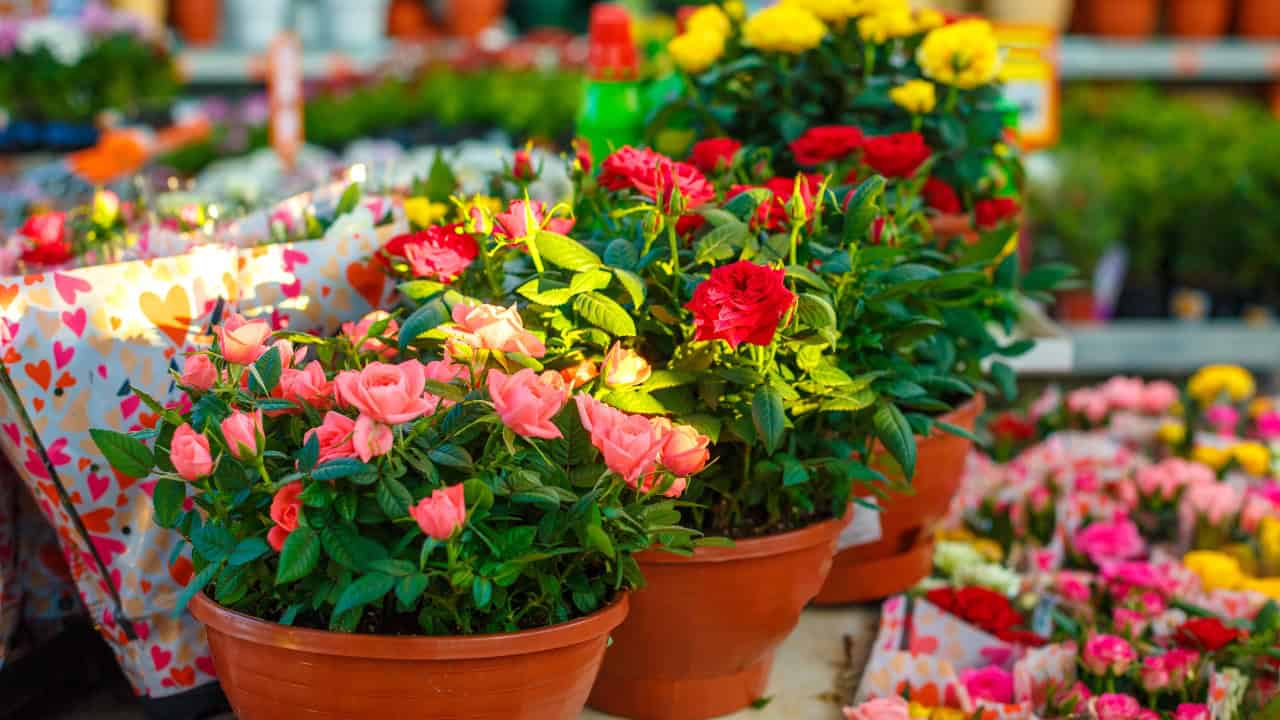
Buying pre-potted plants can save you time, but it often costs more than starting from seed. You pay extra for the convenience, and the price adds up quickly if you want many plants.
Starting from seed takes patience and some initial setup. However, it’s cheaper long-term and lets you grow a wider variety of plants. If you’re looking to save money monthly, seeds are the better choice.
Paying extra for patio or garden decor that quickly deteriorates
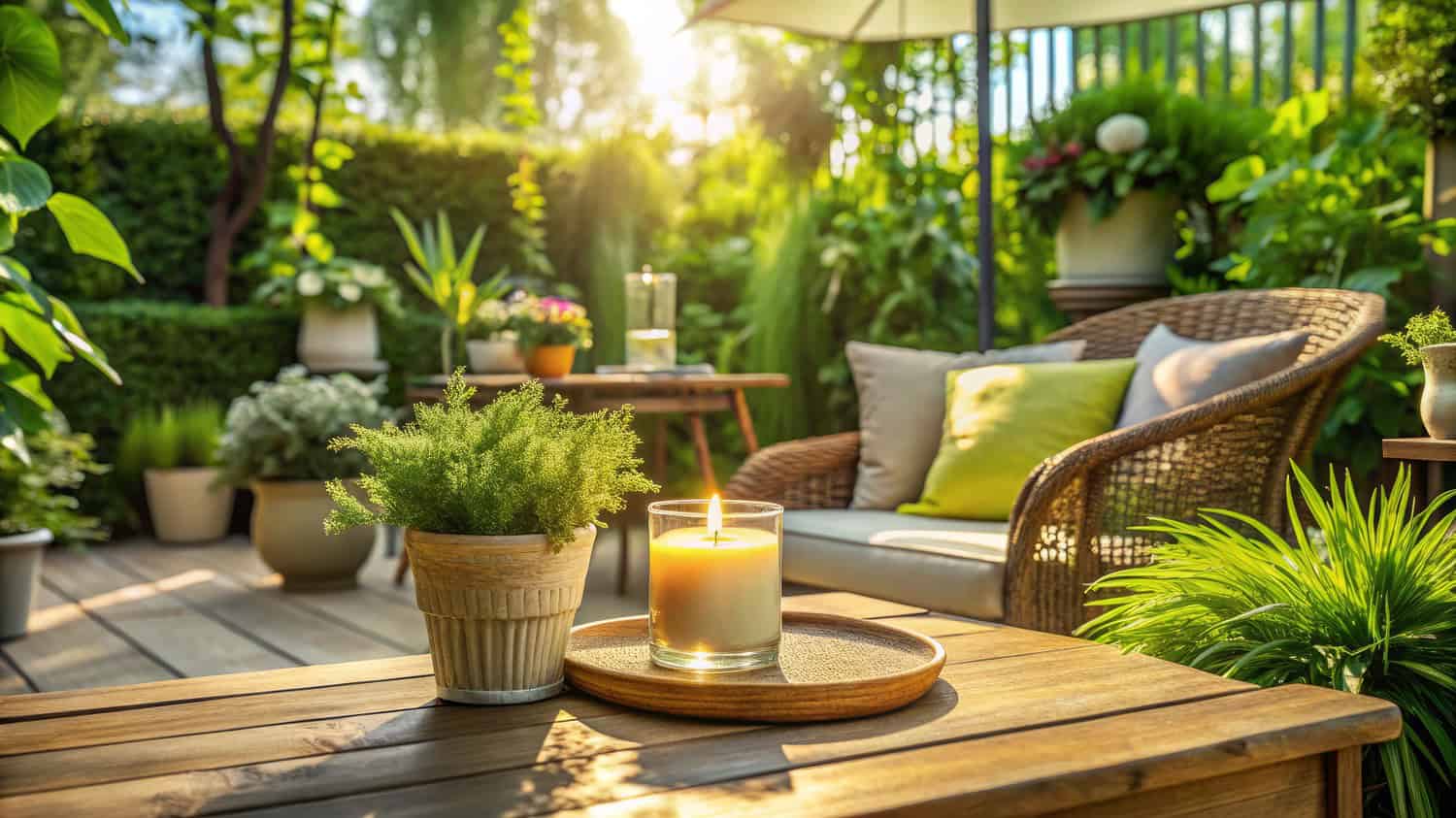
You might spend a lot on garden decor that looks nice at first but doesn’t last long. Cheap materials can fade, crack, or break quickly under weather exposure.
Instead, consider using recycled or upcycled items. These options often cost less and add unique character to your outdoor space without frequent replacement. This way, you avoid wasting money on decor that wears out fast.
Over-planting vegetables that don’t get harvested and go to waste
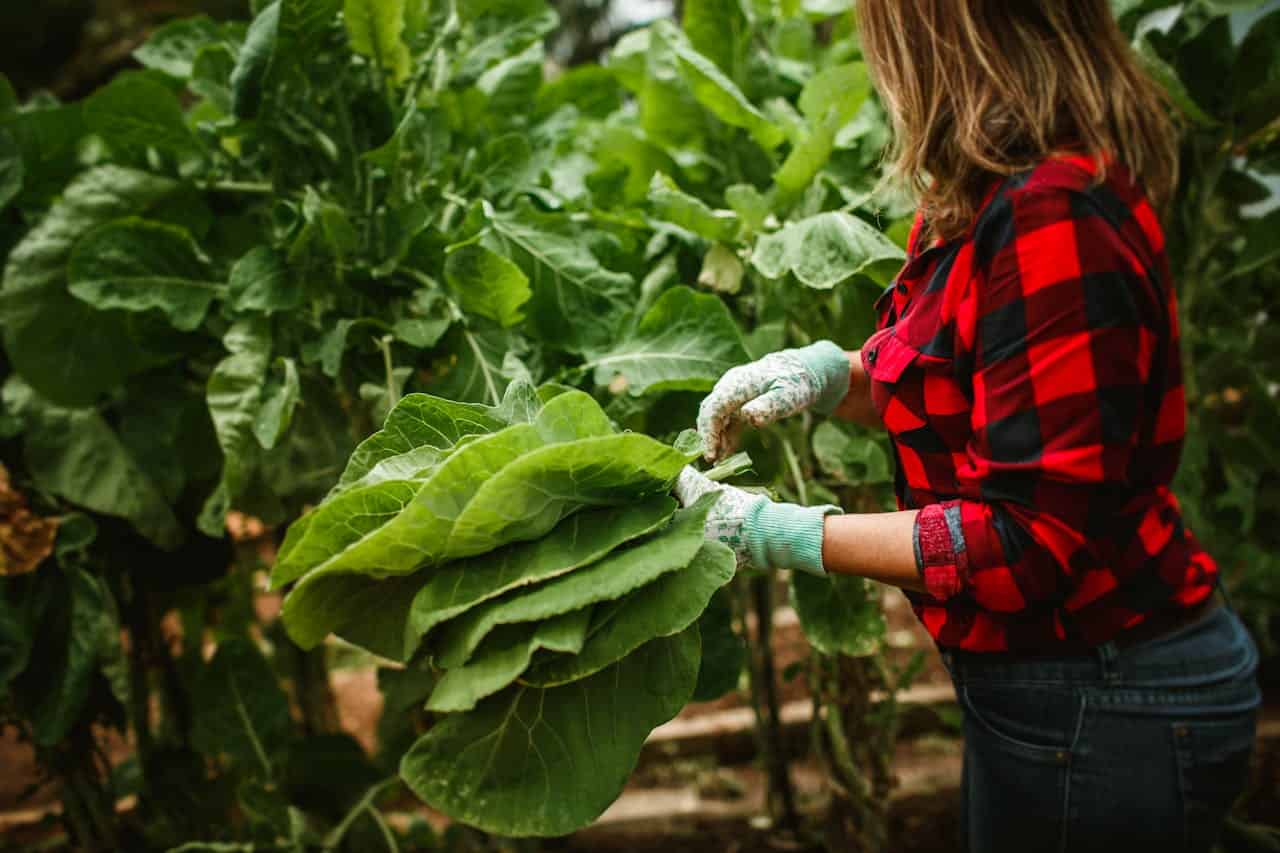
When you plant more vegetables than you can harvest, you risk letting some go to waste. Extra produce that rots in the garden or fridge means money spent on seeds and care is lost.
Try planning your garden based on how much you and your family actually eat. This helps you save money and reduces food waste.