Summer brings warm weather and more time spent at home, but it also means certain pests may try to invade your space. These unwelcome guests can make your living areas uncomfortable and cause damage if not controlled properly.
Knowing which pests are common in the summer and how to prevent them can help you protect your home effectively. This guide will introduce you to the most frequent summer invaders and offer practical tips to keep them out.
Advertisement
Seal cracks and gaps around doors and windows
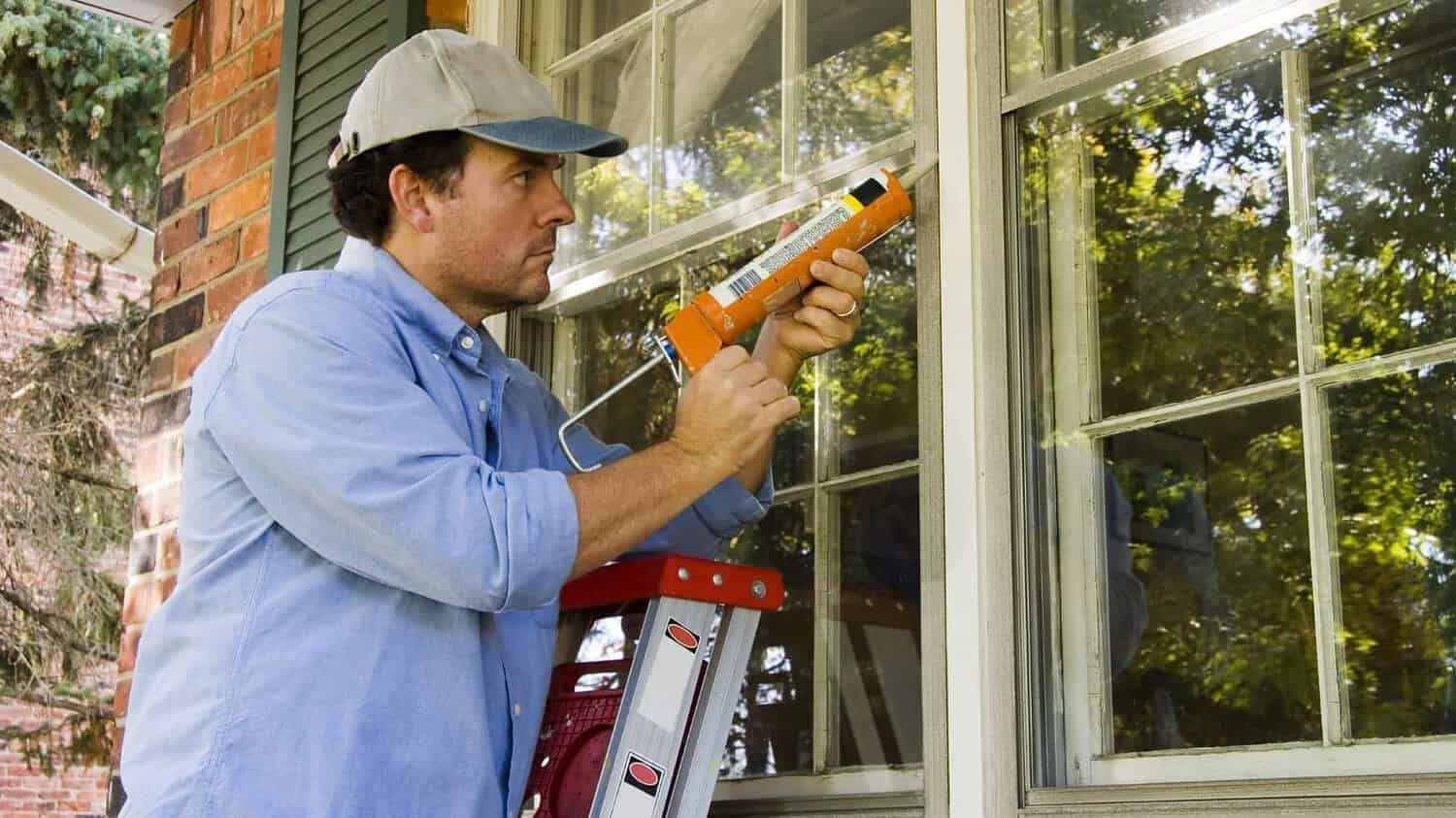
You can keep summer pests out by sealing cracks and gaps around your doors and windows. Weatherstripping works well around edges, and caulk is great for filling smaller cracks.
For larger gaps, use expandable foam to block entry points. This simple step helps stop bugs from sneaking inside your home.
Install fly screens on doors, windows, and vents
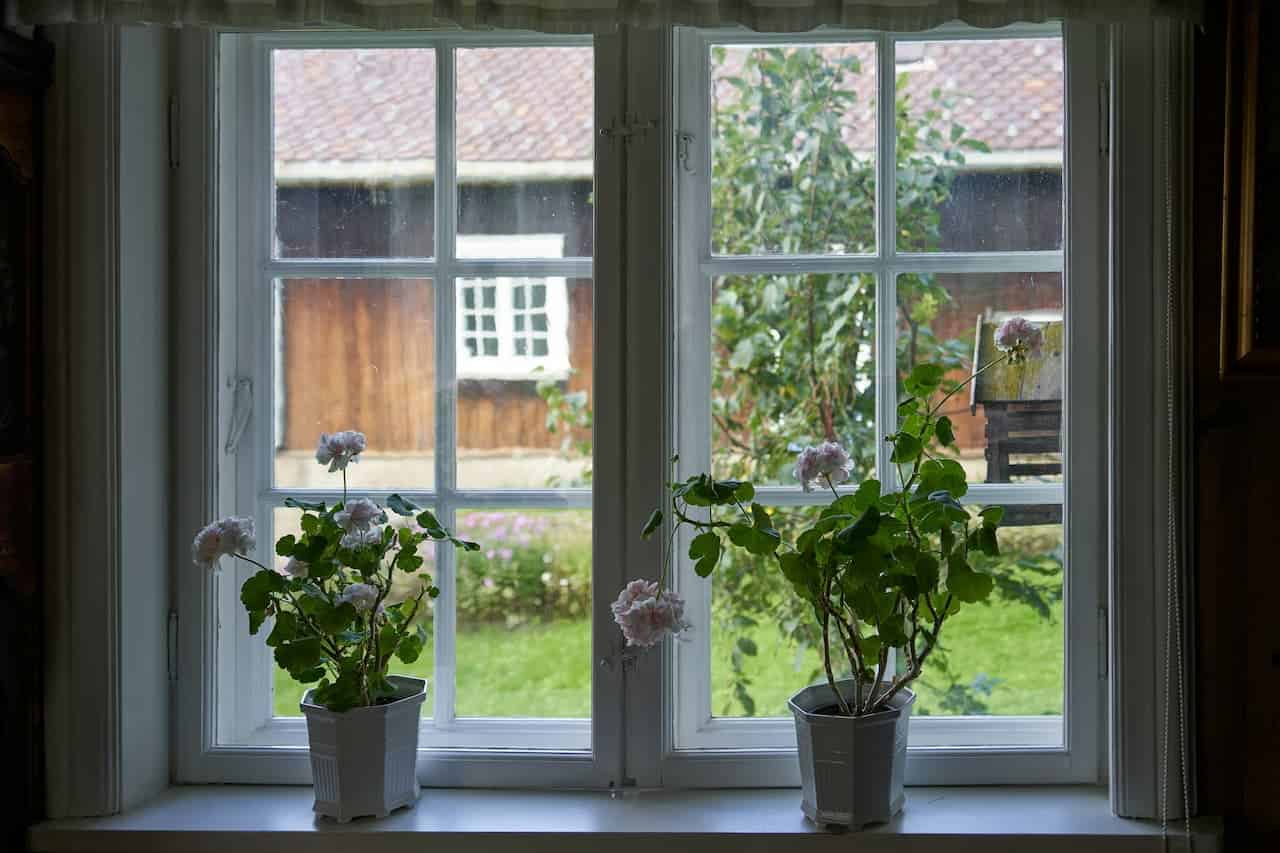
You can keep many summer pests out by installing fly screens on your doors, windows, and vents. Screens block larger insects like flies and mosquitoes from entering your home while letting fresh air in.
Make sure your screens fit well and have no holes or gaps. Magnetic or sleek modern designs can be easy to install and remove when needed.
Keep doors and windows closed when not in use
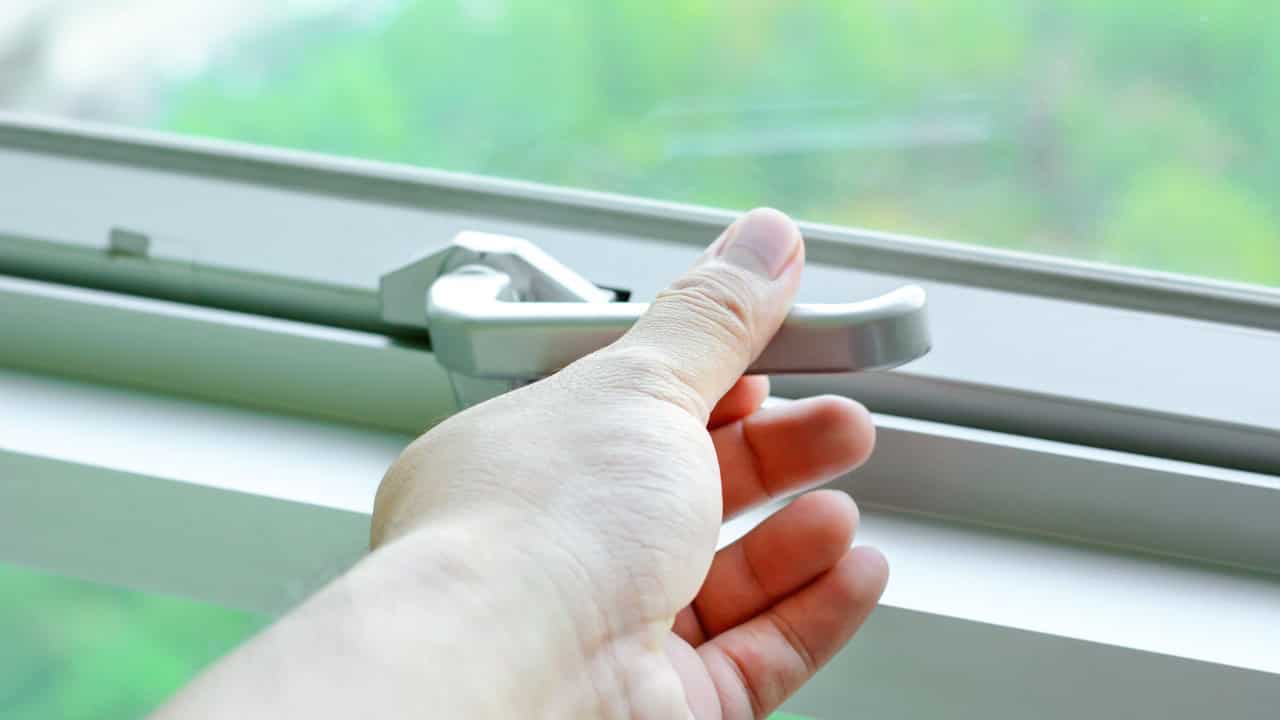
You can reduce the number of pests entering your home by keeping doors and windows shut when you’re not using them. Open windows and doors create easy access points for insects like flies, mosquitoes, and wasps.
If you want fresh air, use screens to keep bugs out while still letting airflow in. Checking that screens are intact and fit well helps prevent small insects from sneaking inside.
Use mint and rosemary plants to repel insects

You can plant mint near entryways or windows to help keep mosquitoes and ants away. Its strong scent is effective but be careful—mint spreads fast, so use containers to control it.
Rosemary is another good choice. It helps repel blood-sucking insects and adds a nice aroma to your garden or porch. Both plants are easy to grow and natural options to reduce pests around your home.
Grow citronella-containing plants like lemongrass and geraniums
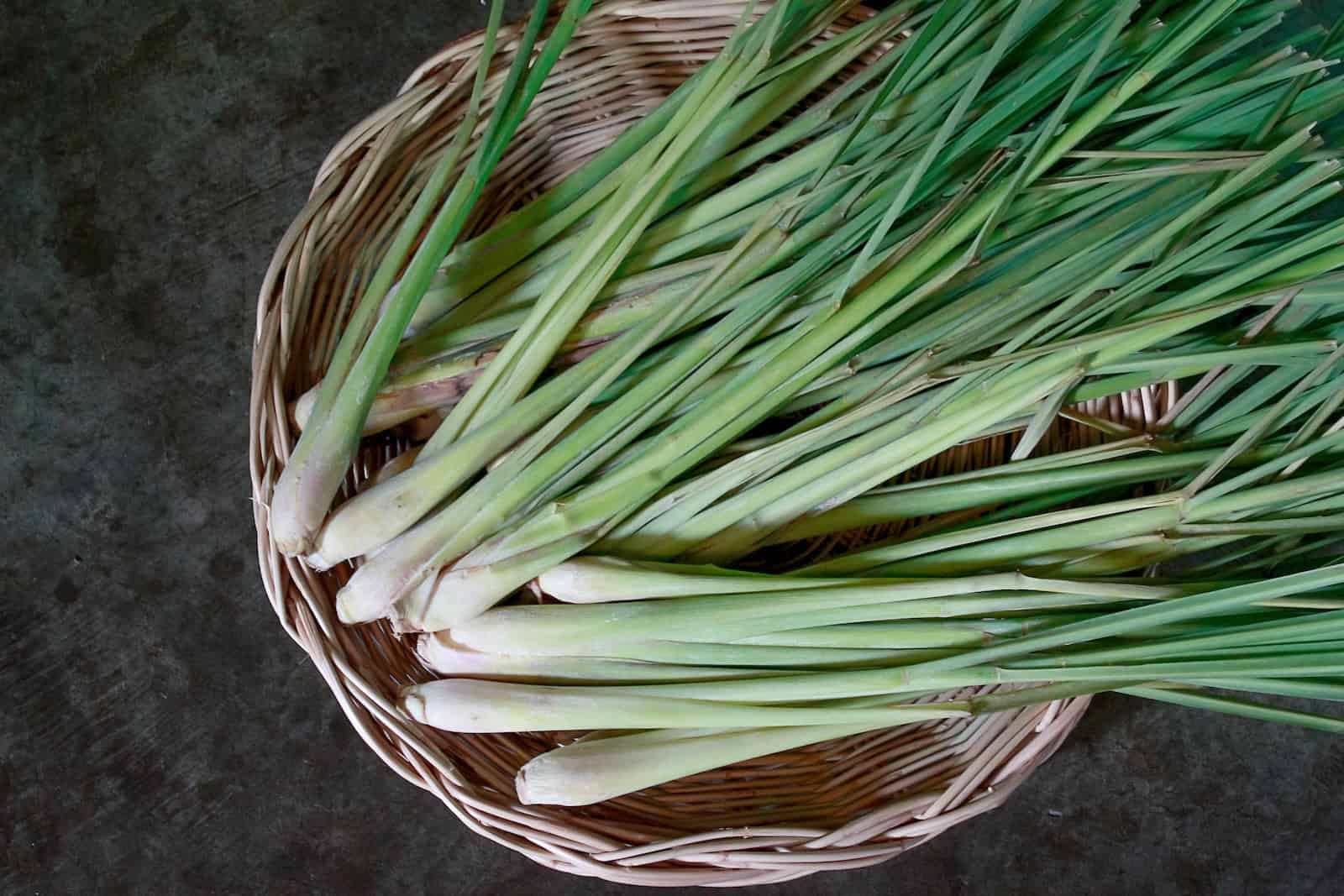
You can plant citronella, lemongrass, or scented geraniums around your home to help keep mosquitoes away. These plants produce oils that have a mild repellent effect.
Simply rubbing their leaves on your skin or keeping them near windows and doors may reduce the number of pests entering your space. They also add a fresh, lemony scent to your garden.
Maintain a clean home to remove food sources
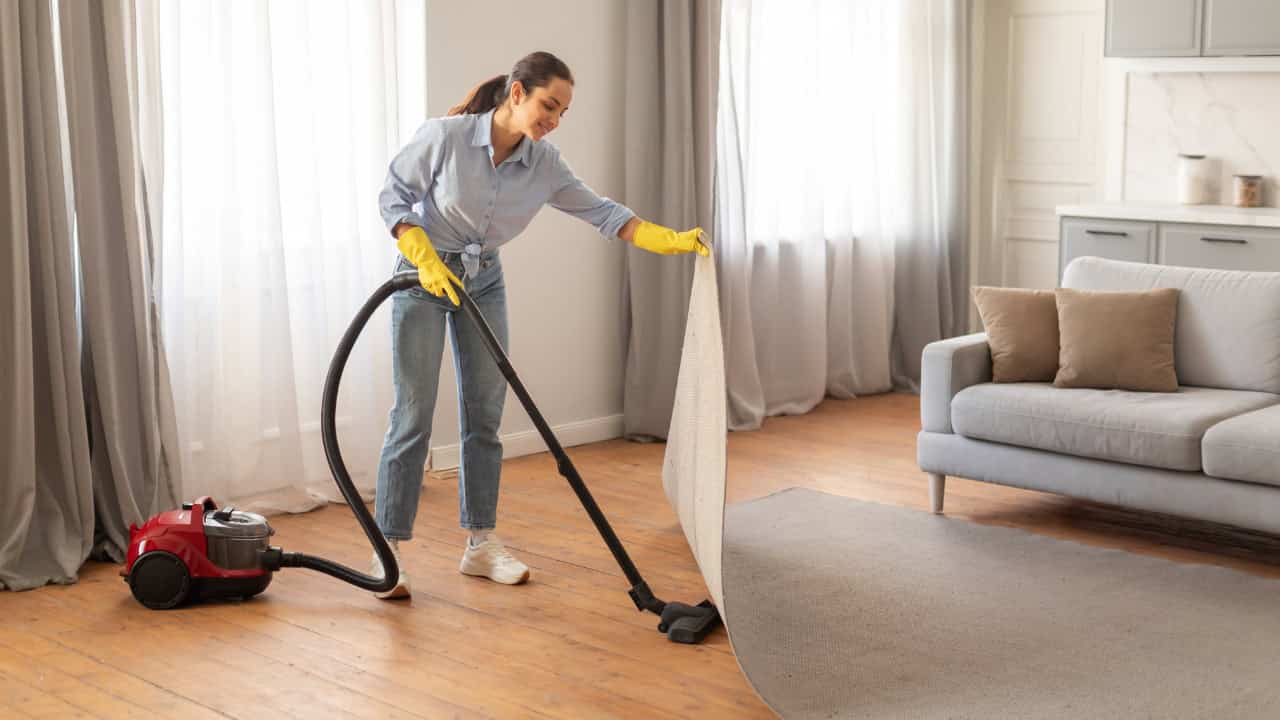
Keeping your kitchen clean is key to stopping pests. Wipe counters and sweep floors regularly to get rid of crumbs and spills.
Store food in sealed containers to prevent bugs from getting in. Don’t forget to empty your garbage often, so food waste doesn’t attract pests.
Cleaning shelves and cupboards helps remove any hidden food bits. A tidy home makes it harder for pests to find a meal.
Regularly groom your yard to reduce pest habitats

You can reduce pests by keeping your yard neat and tidy. Trim overgrown bushes and mow your lawn regularly to eliminate hiding spots for insects.
Removing debris like leaves and grass clippings also helps. This prevents pests from finding shelter near your home. A well-maintained yard makes it harder for pests to settle in.
Fix moisture problems in basements and crawl spaces
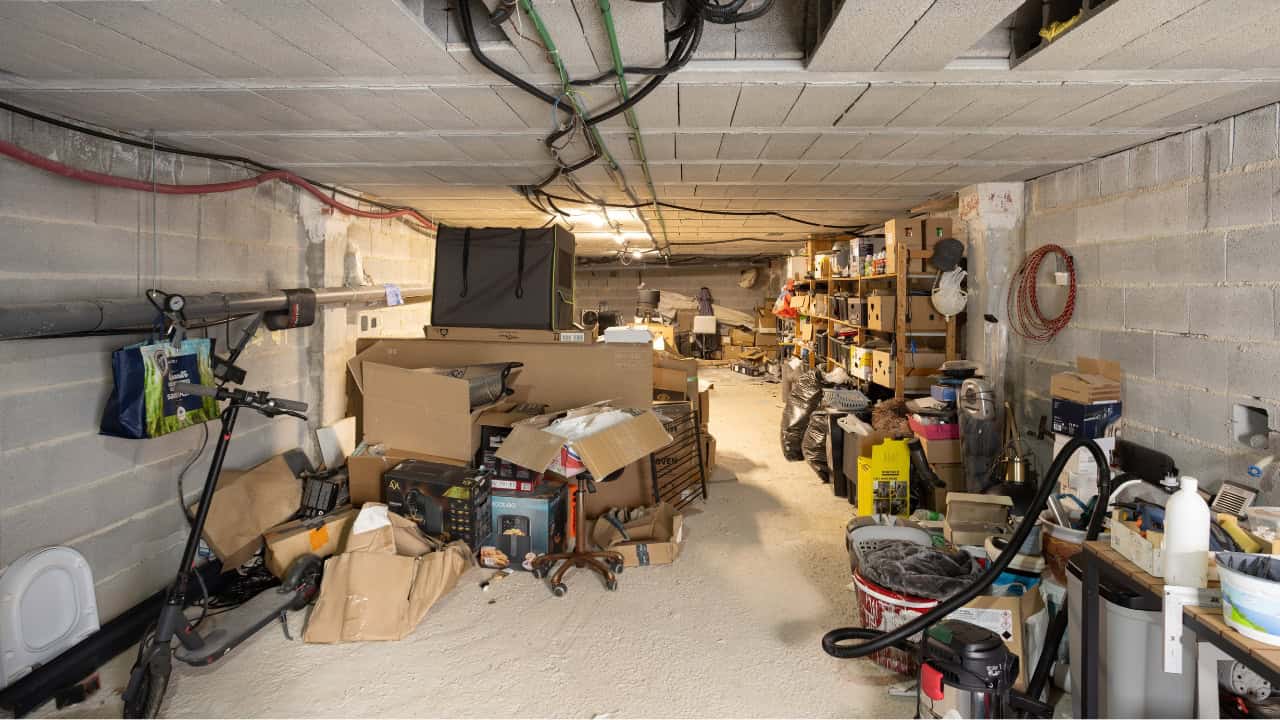
You can stop many pests by controlling moisture in your basement or crawl space. Use a dehumidifier to keep humidity levels low and air fresh.
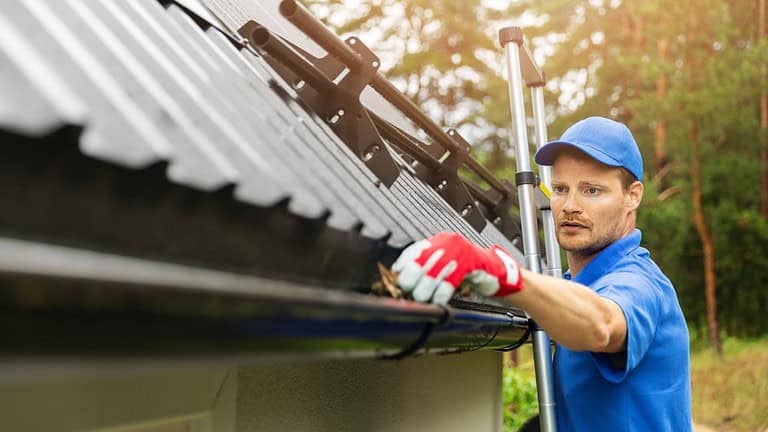
Adding a vapor barrier or sealing your crawl space helps block dampness that attracts bugs. Also, check gutters and downspouts to make sure water drains away from your home properly.
Remove plant debris close to your home

You should clear away dead leaves, branches, and other plant debris near your house. These materials create a welcoming environment for pests like ants and spiders.
Keeping the area clean reduces hiding spots and breeding grounds for bugs. Regularly removing debris helps keep your home less attractive to unwanted summer visitors.
Use basement or crawl space waterproofing

You can reduce pest problems by waterproofing your basement or crawl space. Keeping these areas dry makes them less inviting to insects and rodents.
Waterproofing helps control moisture and stops water from seeping in. This simple step can make a big difference in keeping unwanted pests out of your home.
Inspect and repair window screens often
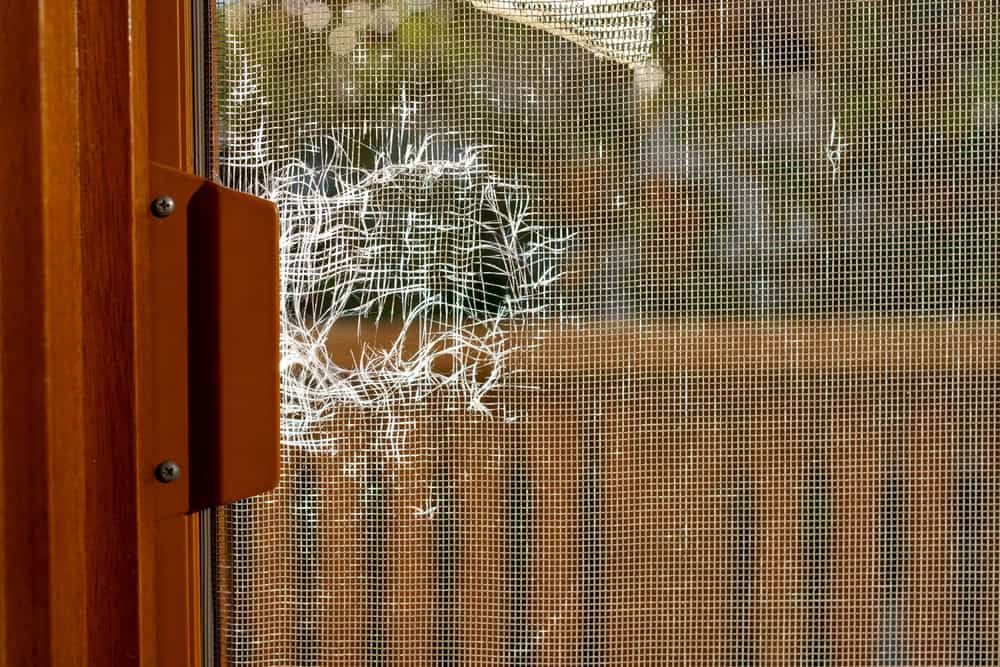
You should check your window screens regularly for holes or tears. Even small gaps can let pests inside.
If you find damage, fix it quickly to keep bugs out. Replacing worn screen strips helps seal windows better.
Keeping your screens in good shape is an easy way to reduce the number of insects entering your home during summer.
Turn off outdoor lights at night to avoid attracting bugs

You can reduce bugs around your home by turning off outdoor lights when you don’t need them. Many insects are attracted to artificial light, especially at night.
If you want to keep some lighting, use warm yellow or orange bulbs instead. These colors attract fewer bugs and make your space more comfortable after dark.