Perennial vegetables and herbs are a gardener’s best friend. These plants reduce the effort and cost of replanting annually and provide a continuous supply of fresh produce if you have limited space. In this article, we’ll explore 12 perennial vegetables and herbs you can easily grow in pots.
Kale
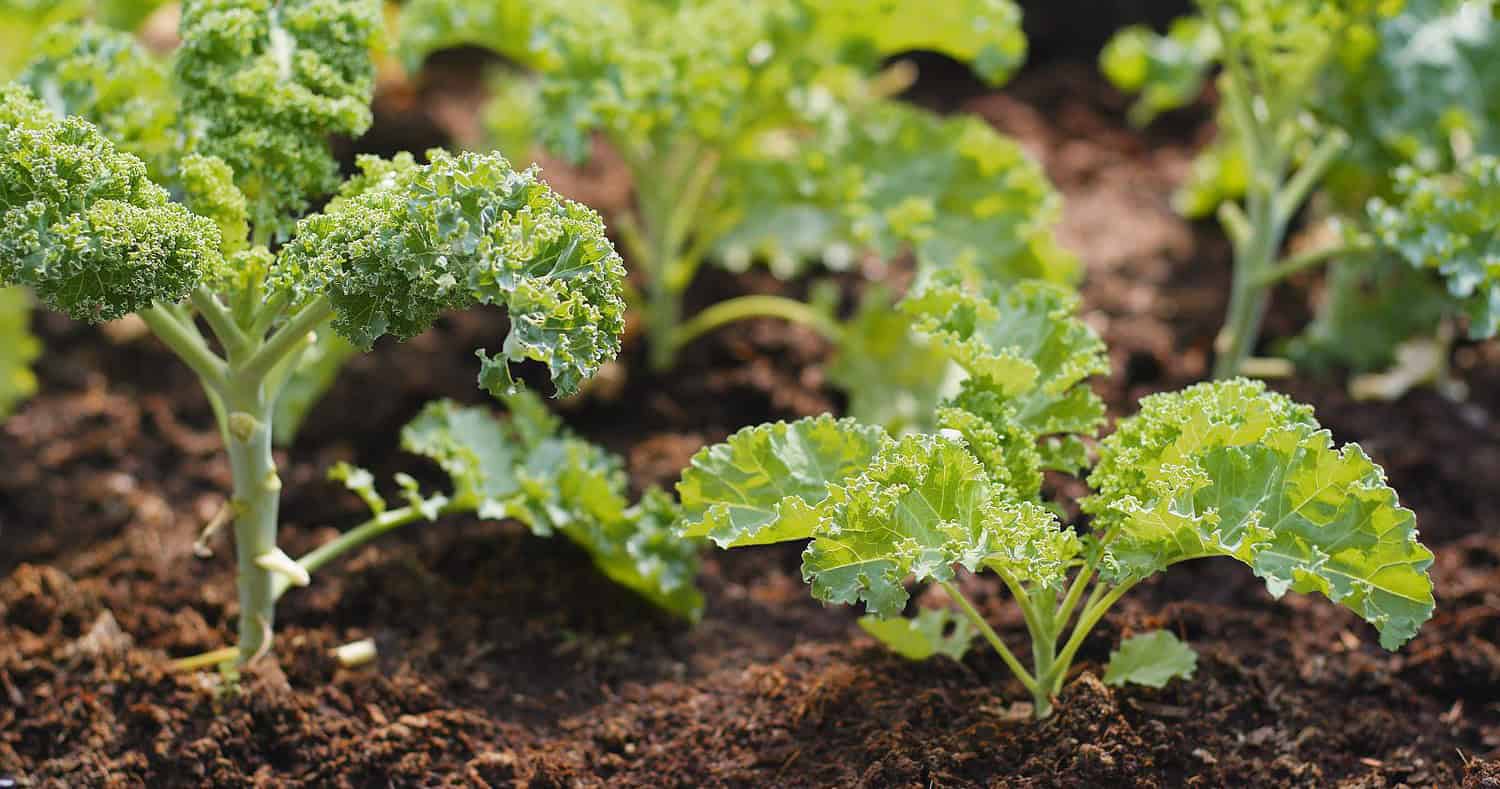
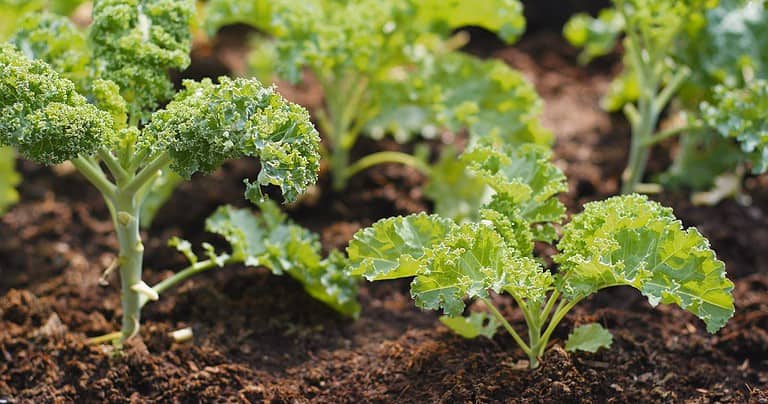
Kale is hardy and can be grown in pots, which makes it an excellent option for perennial gardening. Though it is often treated as an annual, kale is actually a biennial plant. It produces numerous nutritious leaves in the first year and can withstand cold winters with proper mulching or row covers. When you allow it to overwinter, kale can regrow in the spring, providing fresh shoots and leaves. This makes it possible to harvest kale for years with minimal effort.
Advertisement
Garlic
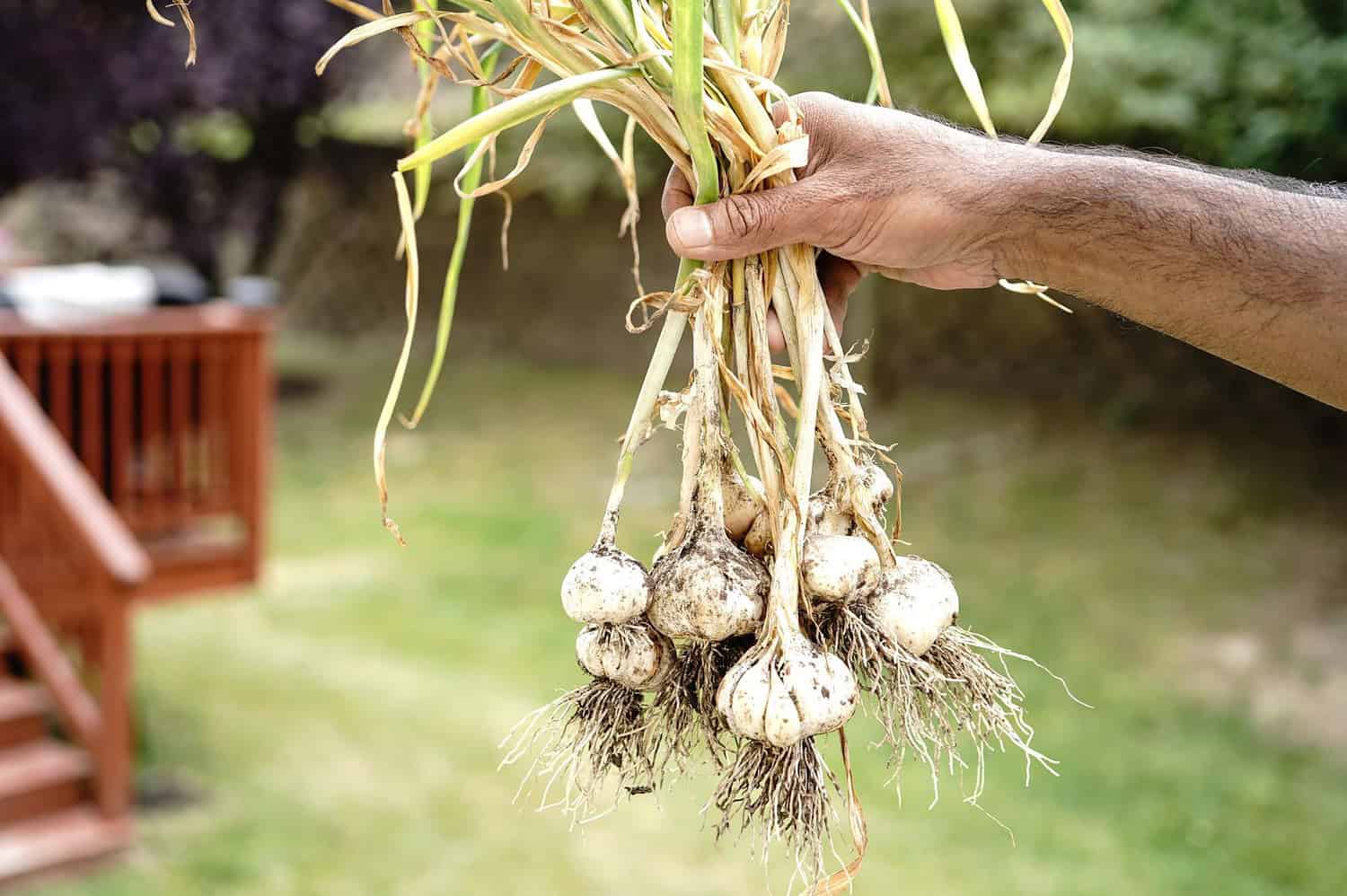
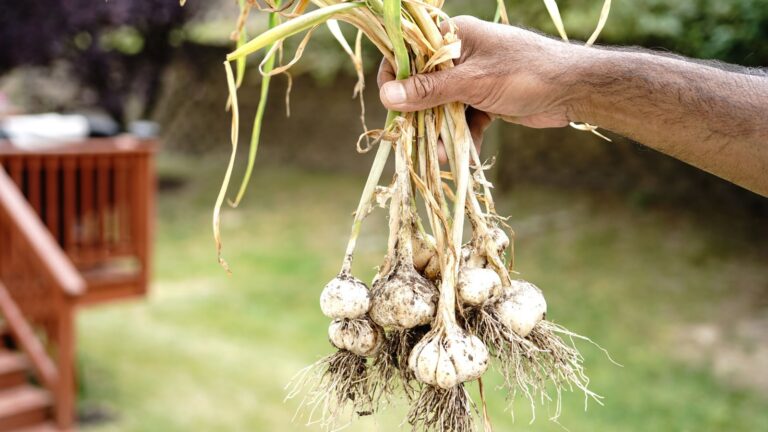
Garlic is a kitchen staple in many households, and growing it is simple. It thrives in bright sun and requires minimal care—keep the soil moist and weed-free. You can harvest the bulbs in late spring or early summer. You can also enjoy garlic scapes, and edible flower stems in early summer. So, you can plant garlic once and enjoy its benefits for years.
Asparagus
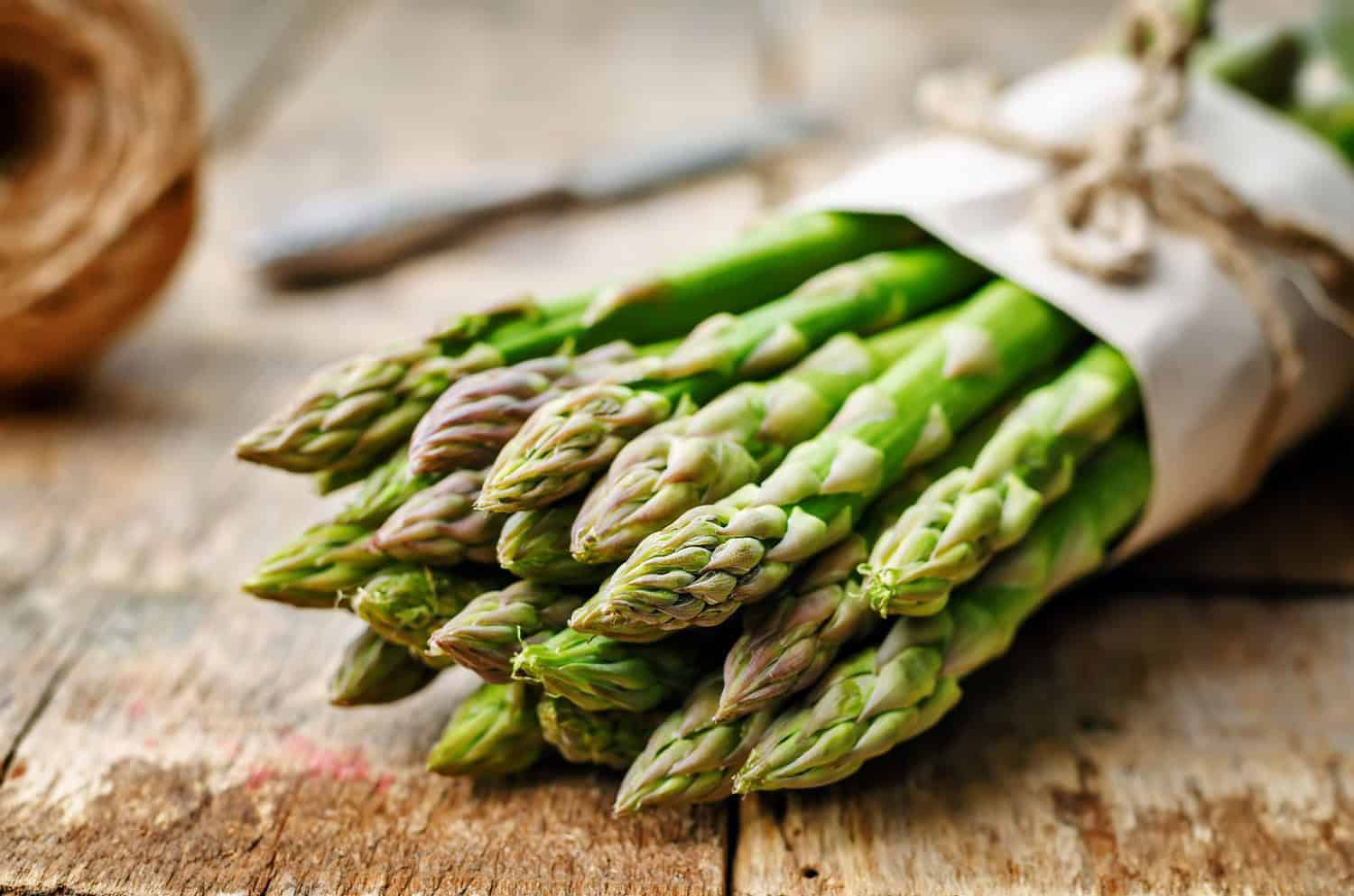
Asparagus is a nutrient-dense vegetable that you can grow in pots for years. This plant requires a deep container, at least 18 inches deep and wide, to accommodate its long roots. You can plant one-year-old asparagus crowns in well-drained, organic-rich soil in early spring. Place the container in a sunny spot in your garden, water it consistently, and apply fertilizer in the spring to encourage growth. Although it takes about two to three years for the plants to become established, once they do, you can enjoy fresh asparagus spears for up to 20 years.
Mint
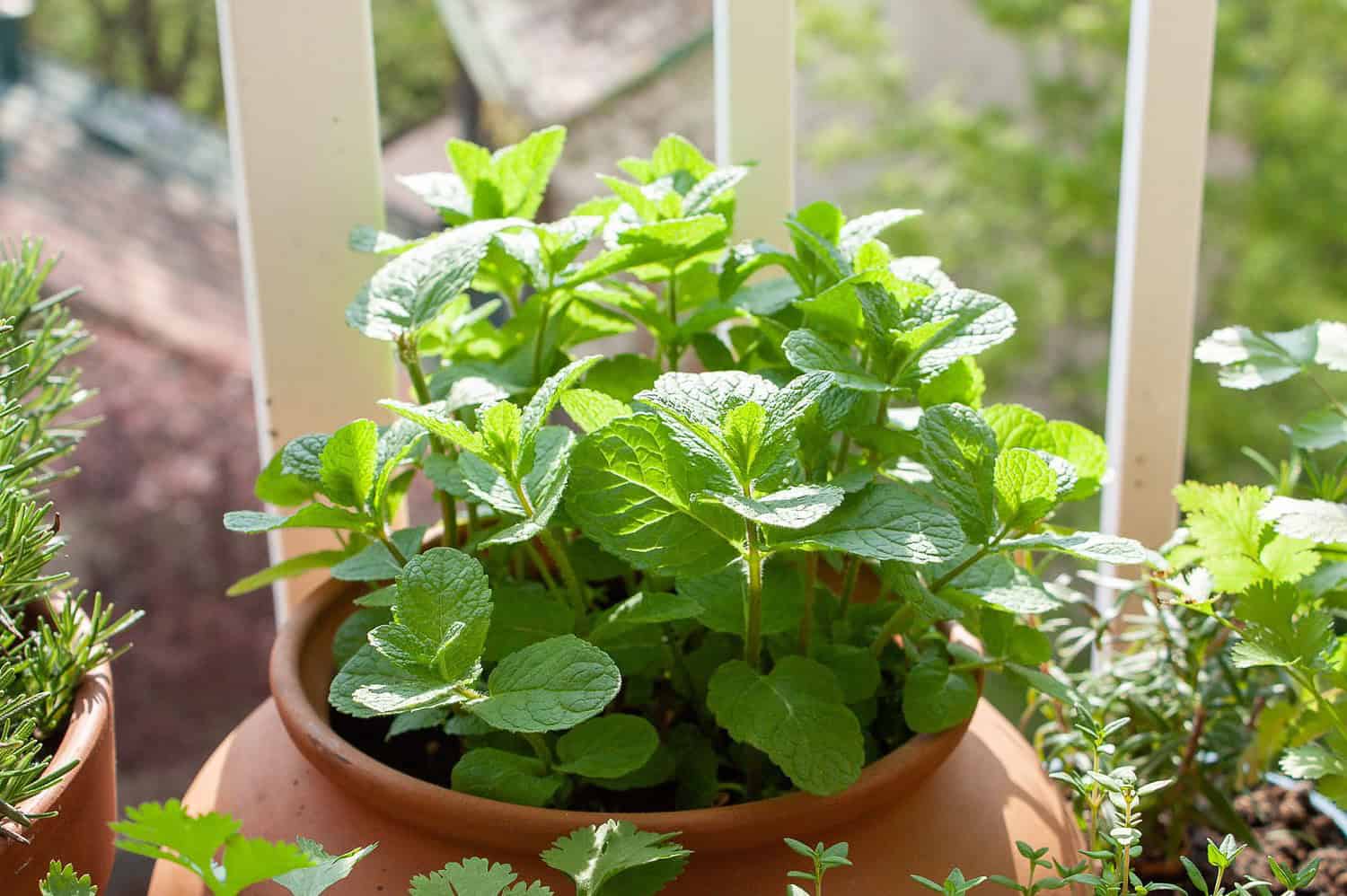
Mint has a refreshing flavor and is ideal for growing in pots. Native to Asia and Europe, it thrives in well-drained soil and requires regular watering. Choose a deep container to accommodate the rapid spread of this aromatic herb. Place the container in a partially shaded spot. This low-maintenance herb will provide fresh leaves for many years, making it a perfect addition to your perennial container garden.
Horseradish
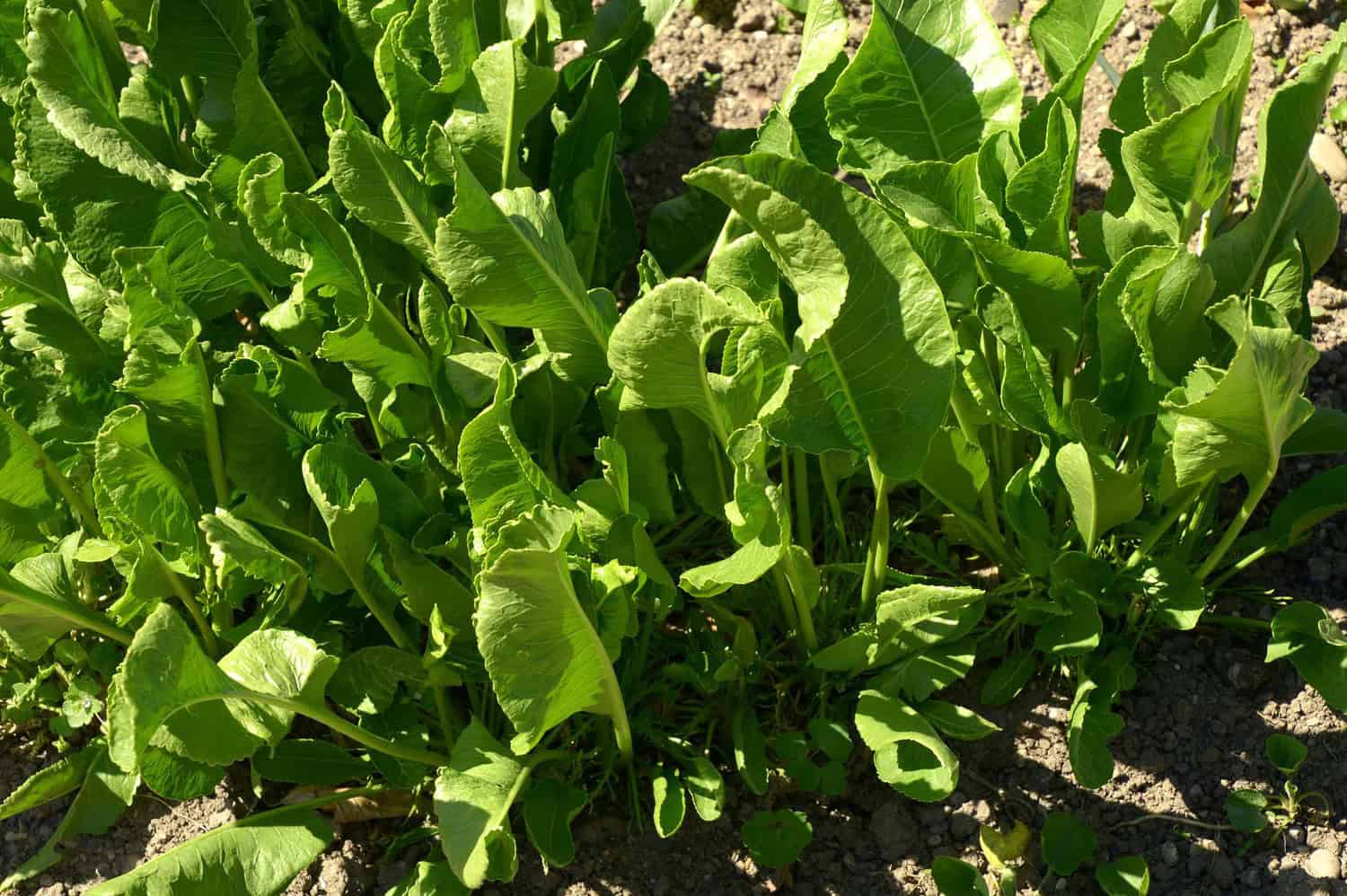
Horseradish is a hardy plant that requires no maintenance other than regular weeding and watering. Plant horseradish crowns two inches deep with the growing crown pointing up, ensuring the crowns are just below the soil surface. Harvest it in late fall after a few cold snaps, leaving some small roots behind to regrow in spring.
Sorrel
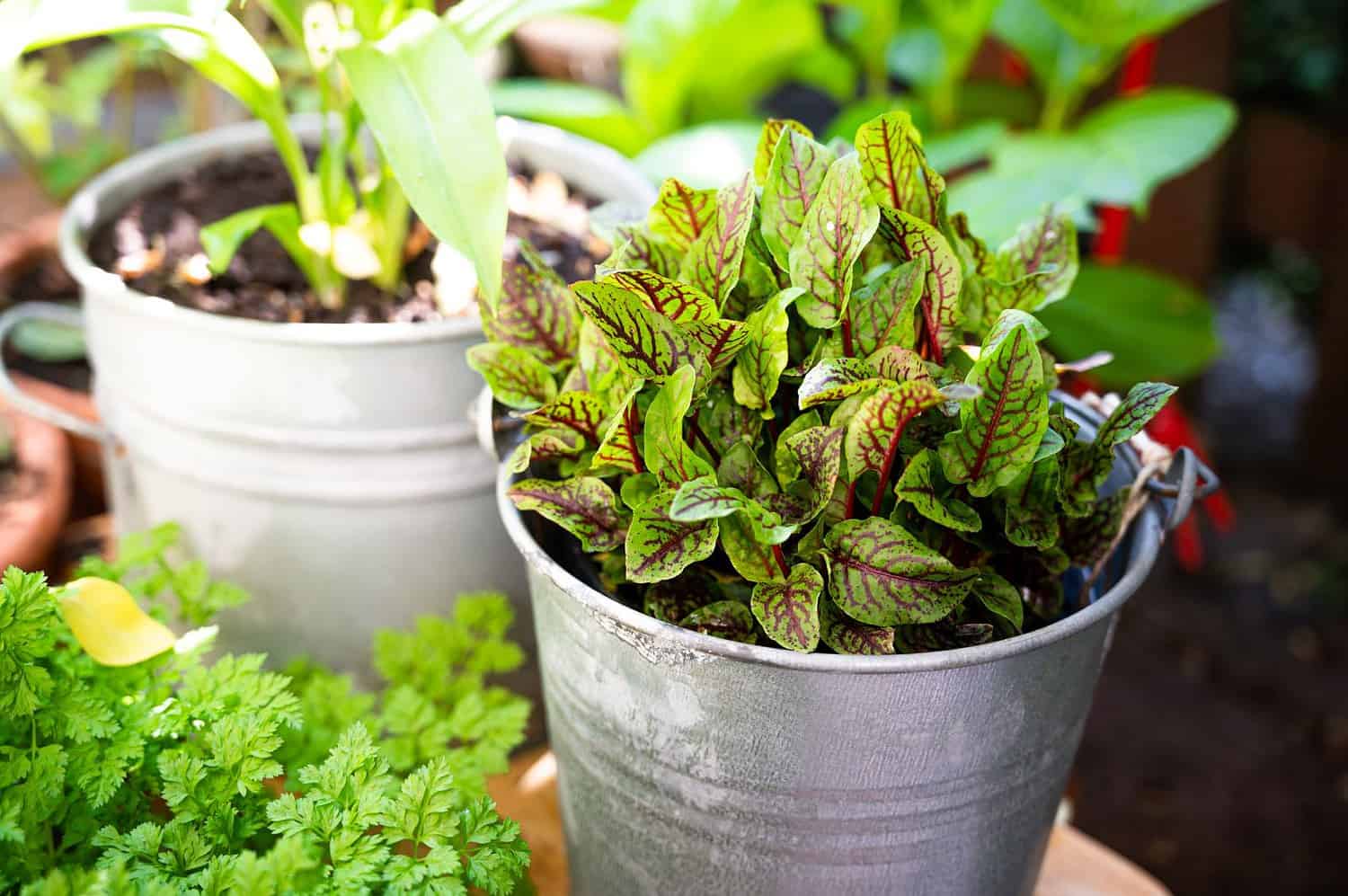
Sorrel has tangy, lemony leaves, making it a great alternative to spinach. Ideal for salads, soups, and sauces, sorrel thrives in pots with well-drained, fertile soil. Plant seeds or transplants in early spring or fall in a container at least 12 inches deep and wide. Place the container in partial shade and ensure regular watering. You can harvest sorrel leaves throughout the growing season. Regularly trim the plant to encourage new growth. With minimal care, sorrel will return year after year, providing fresh, flavorful greens.
Watercress
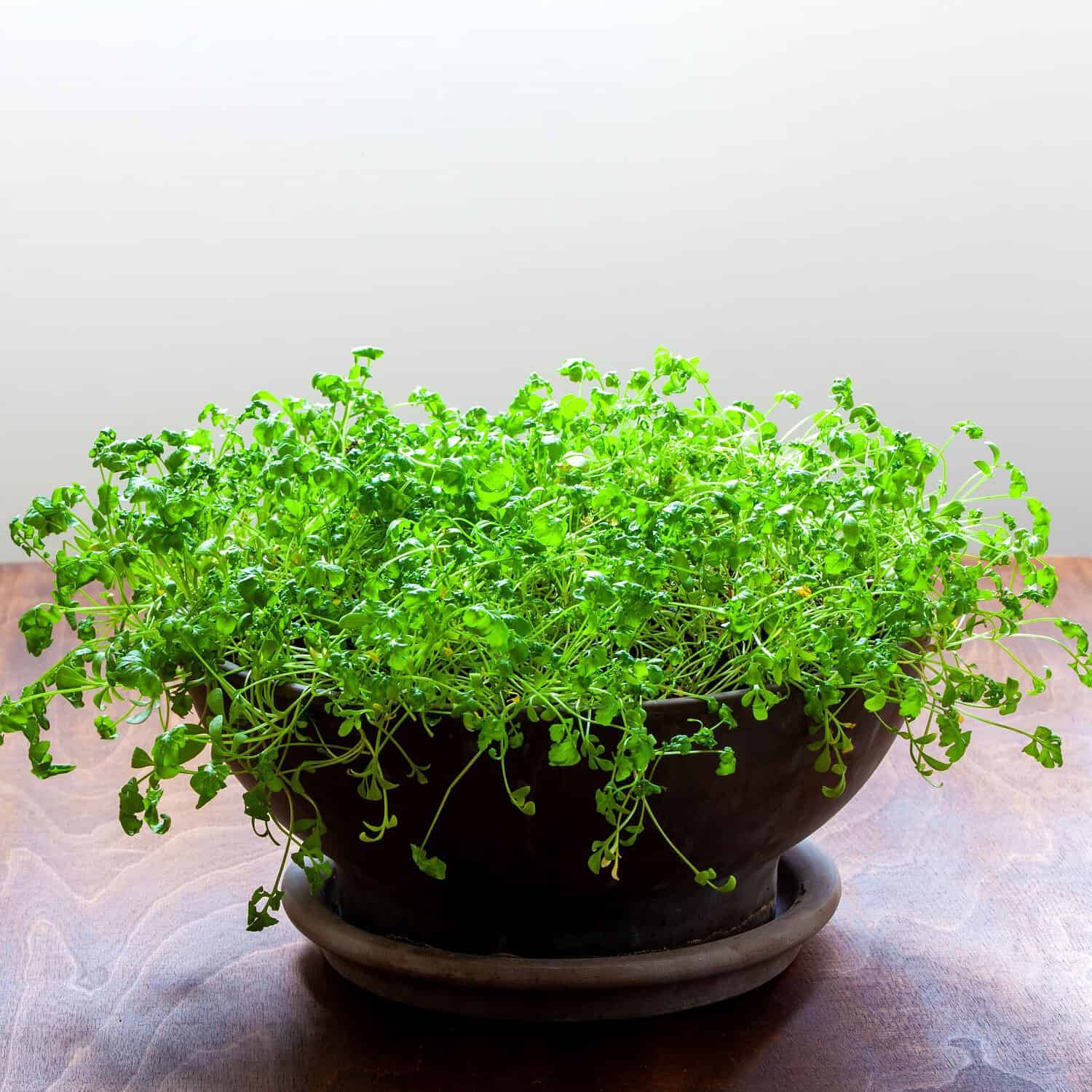
Watercress is a sun-loving perennial plant that grows along running waterways and offers a peppery taste similar to arugula. This nutrient-rich green contains iron, calcium, folic acid, and vitamins A and C. Place your watercress containers near a water feature in your garden for it to grow well. The flavor is best during cooler months and diminishes once the plant flowers or temperatures rise above 85°F. Harvest by cutting back to 4 inches (10 cm) and allow it to regrow.
Egyptian Walking Onions
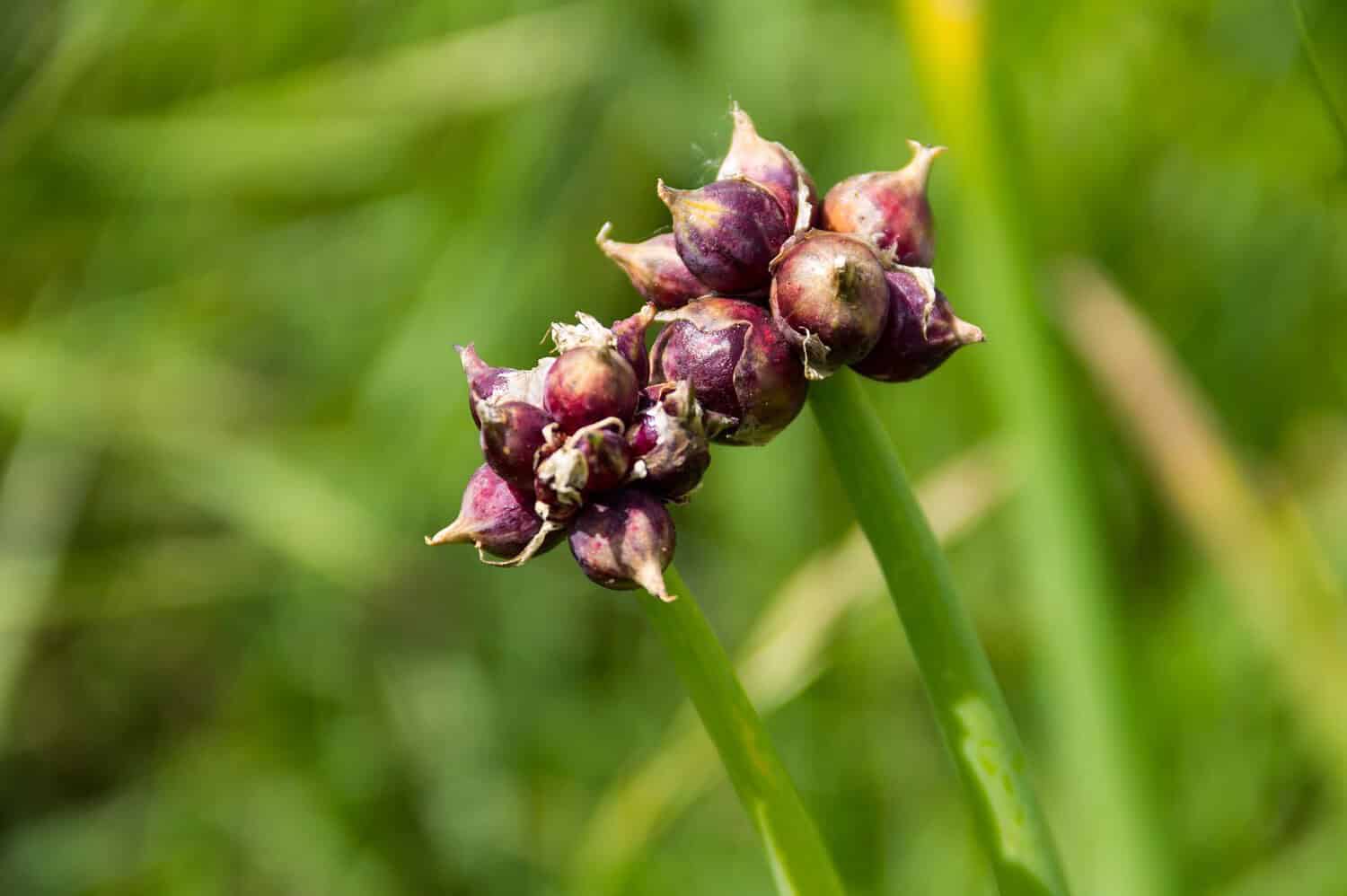
Egyptian Walking Onions are unique perennials that multiply and spread naturally in your garden. They produce bulbils in the summer, which can sprout while still attached to the plant, causing the main stalk to bend and root in the ground, making it seem like your onion patch is “walking.” These onions can thrive in various growing conditions and are perfect for ground and container gardening. Egyptian Walking Onions are a hardy, low-maintenance option for gardeners looking for an easy-to-grow perennial onion.
Rhubarb
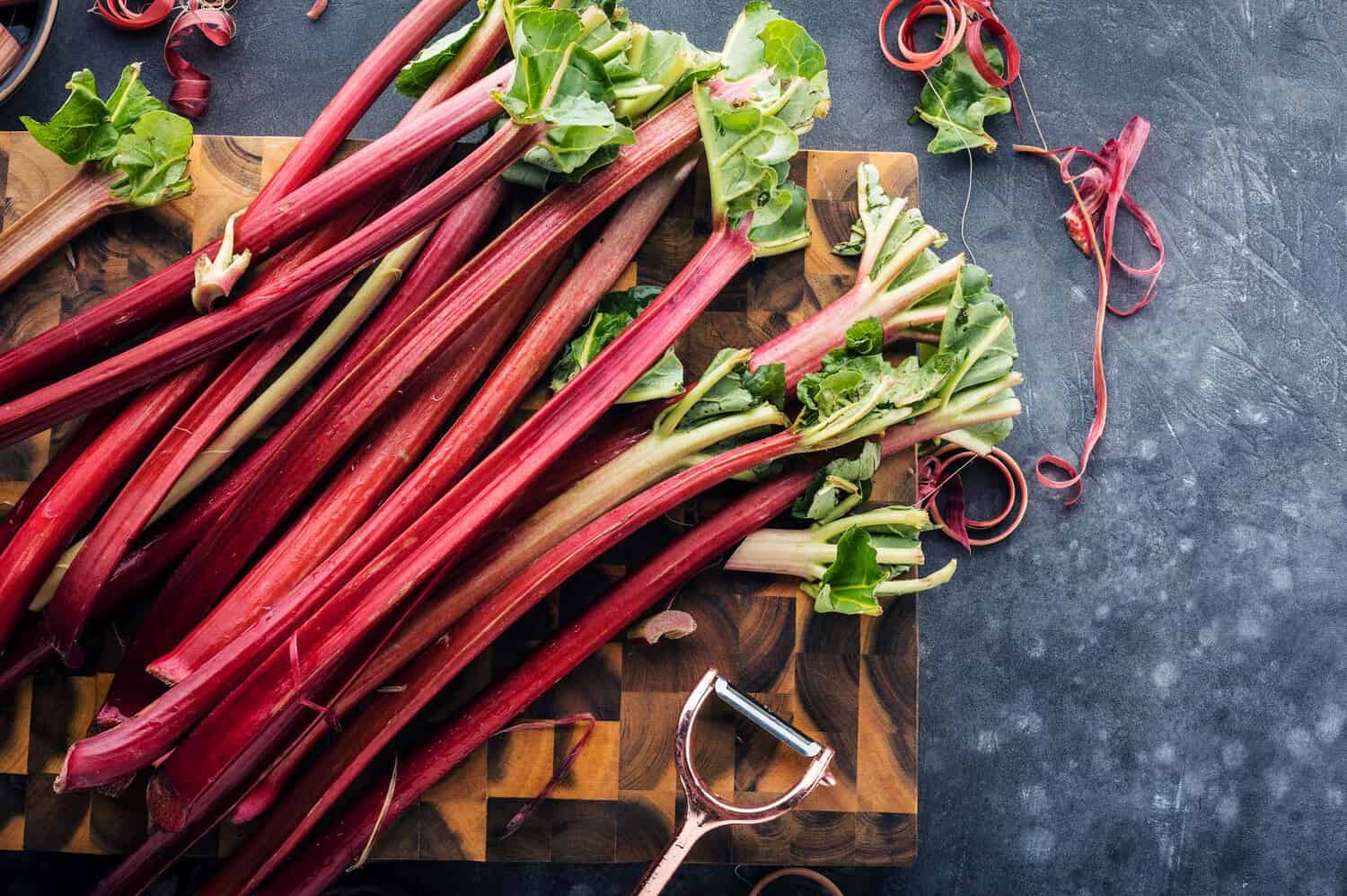
Rhubarb is known for its rich and tart stalks. It is often used to make pies and jams or to enjoy with sugar. Plant it in a container at least 18-22 inches deep and wide to fit the plant’s extensive root system. You can plant rhubarb crowns 4 to 6 weeks before the last frost date or in autumn. It takes about 2 to 4 years to harvest fully. However, with proper care, rhubarb can come back larger each year.
Globe Artichokes
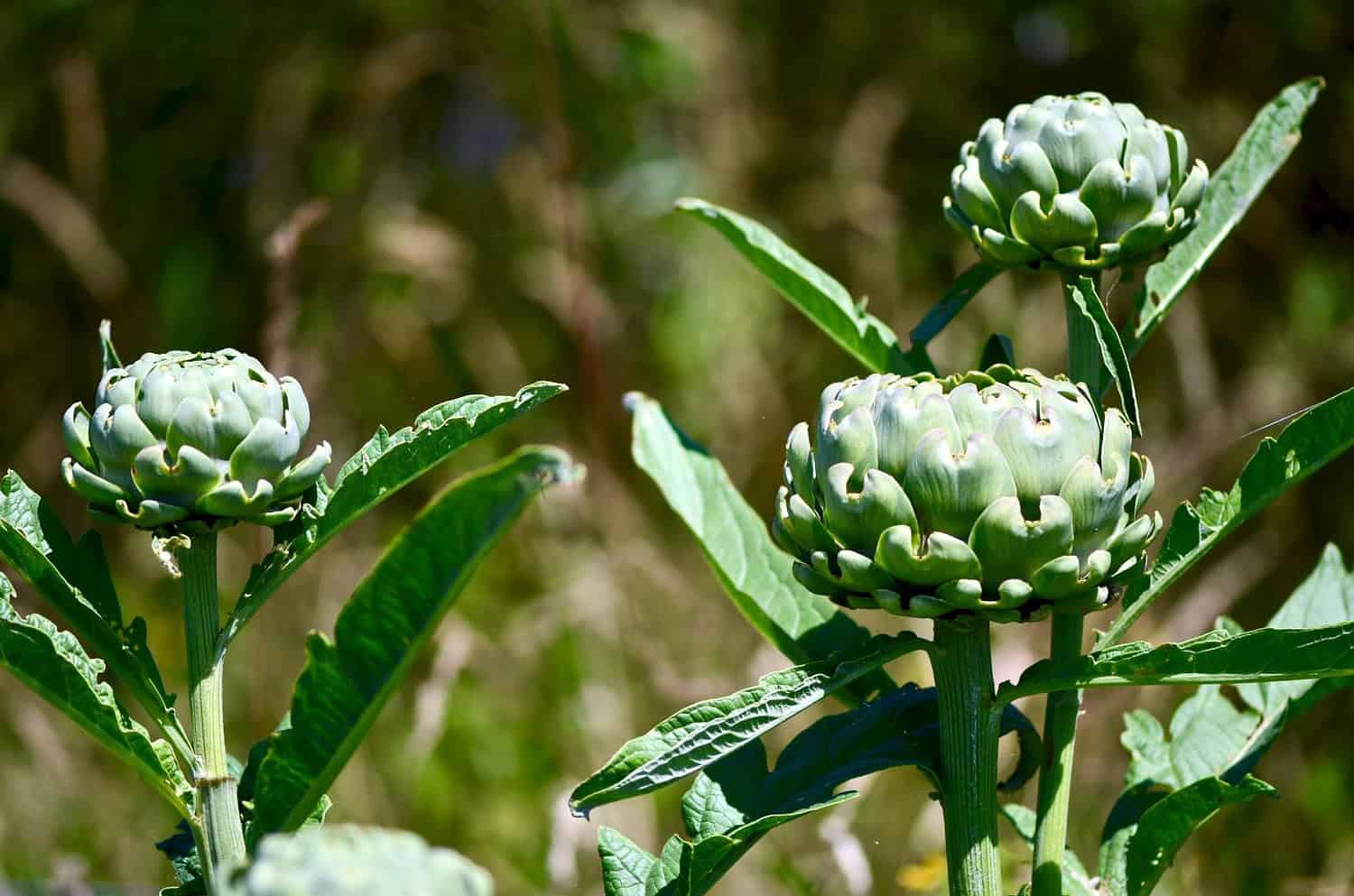
Globe artichokes need bright sun and well-draining soil enriched with compost to grow well. Plant one-year-old crowns in early spring. Artichokes usually take up to two years to reach the first harvest. With proper care, you can enjoy a good harvest for many years, making them a versatile and rewarding addition to your potted garden.
Good King Henry
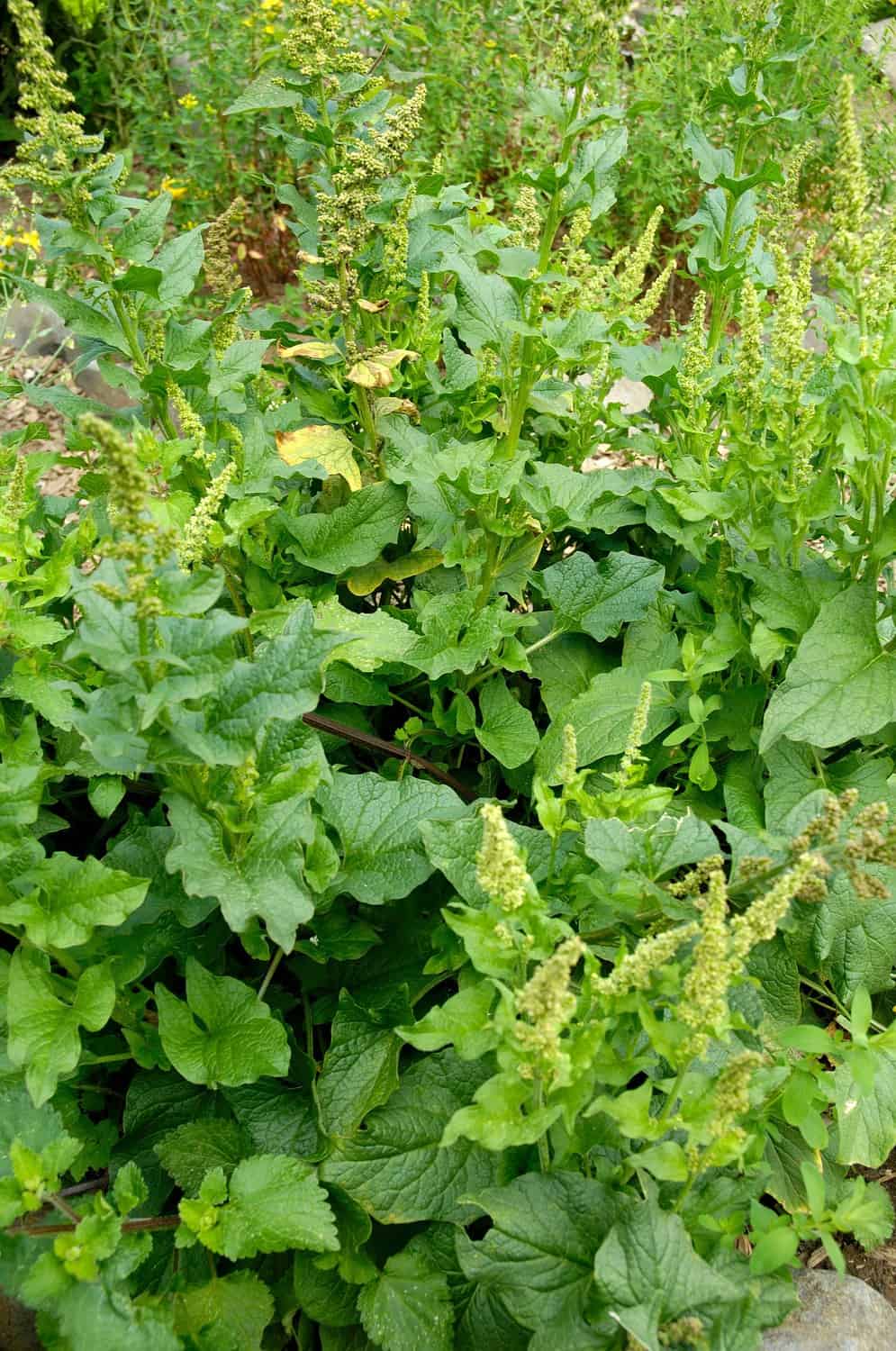
Good King Henry is a perennial green native to Europe and Asia. It adapts to various soil conditions and can grow in both partial and full sunlight. Known for its mild flavor, similar to spinach with a hint of asparagus, Good King Henry offers a dual harvest. In early spring, the plant produces thick pencil shoots that can be used like asparagus. The leaves, stalks, and flower buds are also edible and can be eaten raw, steamed, boiled, or sautéed. Harvesting the leaves regularly ensures that the plant stays productive, which makes it a valuable addition to any garden.
Chives
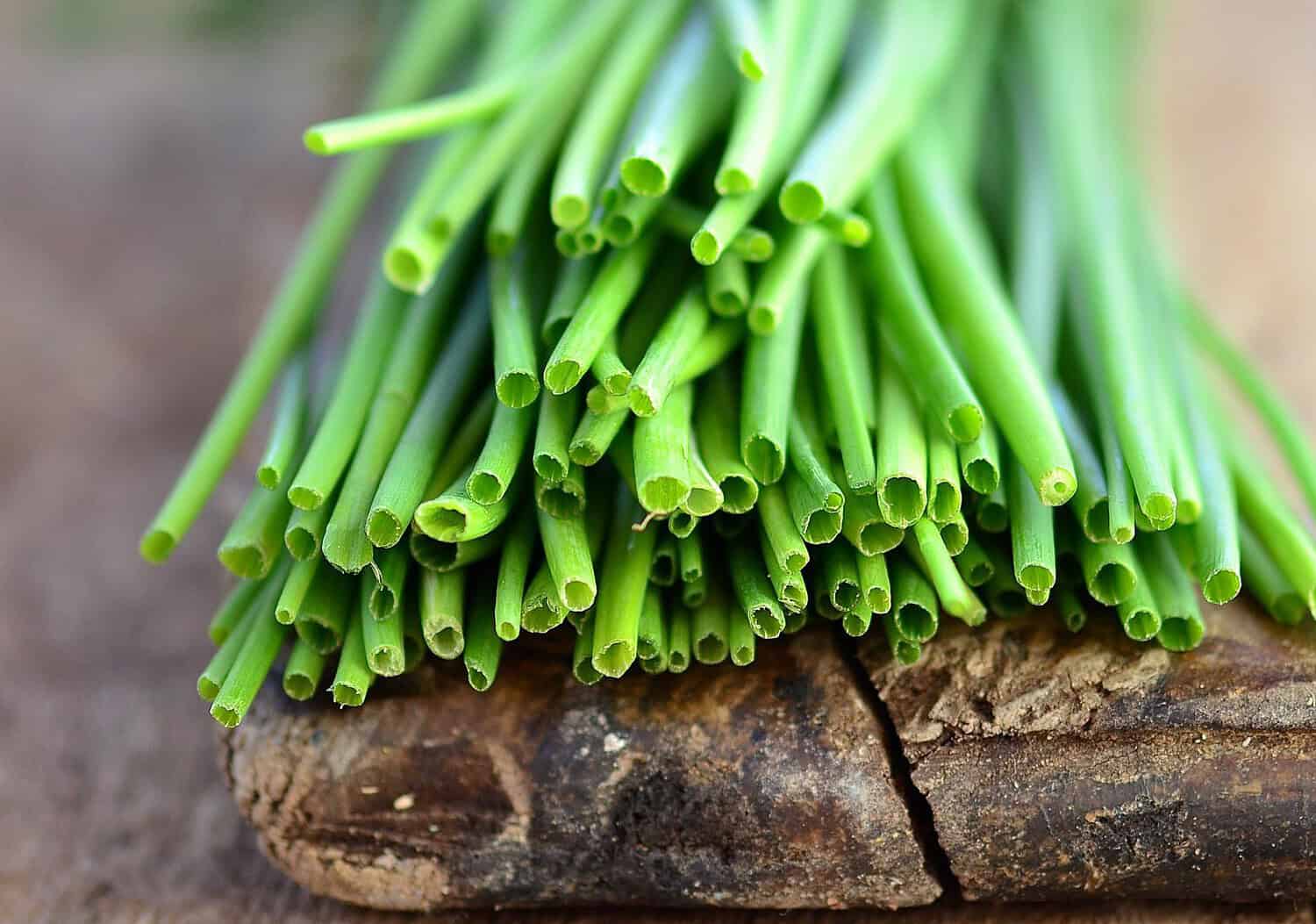
Chives are an ideal plant for container gardening. Plant chives in a well-drained potting mix in an 8-inch-deep container and place it in a sunny spot. Chives are low-maintenance and require minimal watering. Regularly snip the leaves to promote new growth and enjoy their fresh flavor in salads, soups, and garnishes. This perennial herb requires division every few years.