Weeds can be a nuisance in any garden. They make your garden look untidy and steal nutrients and water from your plants. Though traditional methods like insecticides or manually pulling out weeds are effective, you can opt for a much simpler and natural approach—planting ground covers. In this article, we’ll introduce you to 12 excellent ground cover plants that combat unwanted weeds, simplifying garden maintenance.
Ground Clover
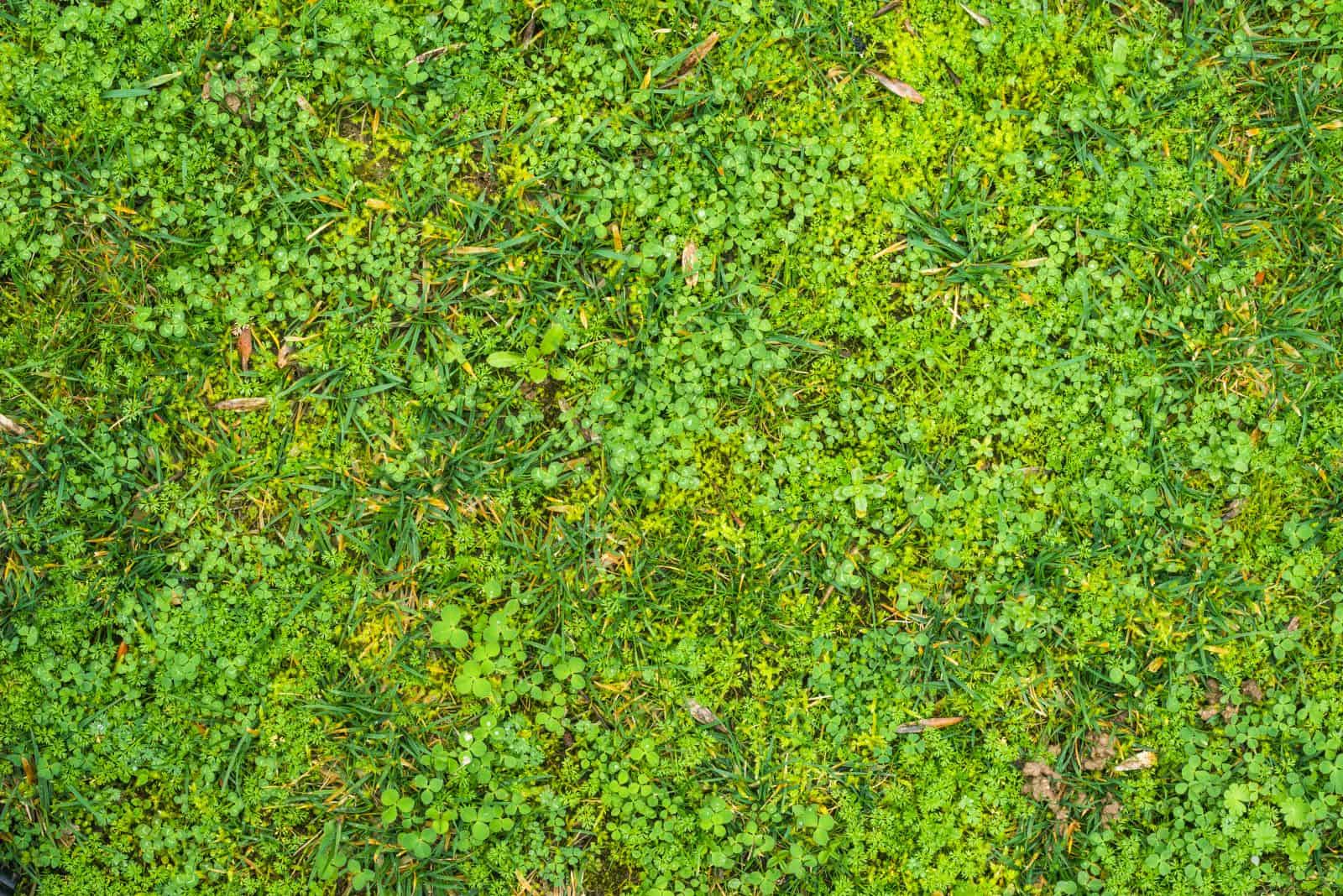
Ground clover is a low-growing, nitrogen-fixing perennial with trifoliate leaves and pink or white flowers. Its dense foliage blocks sunlight, which helps prevent weed germination. Its extensive roots improve the soil and help control weeds by depriving them of water and nutrients. Ground clover can adapt to different light conditions and soil types and thrives in well-draining soil.
Advertisement
Creeping Jenny
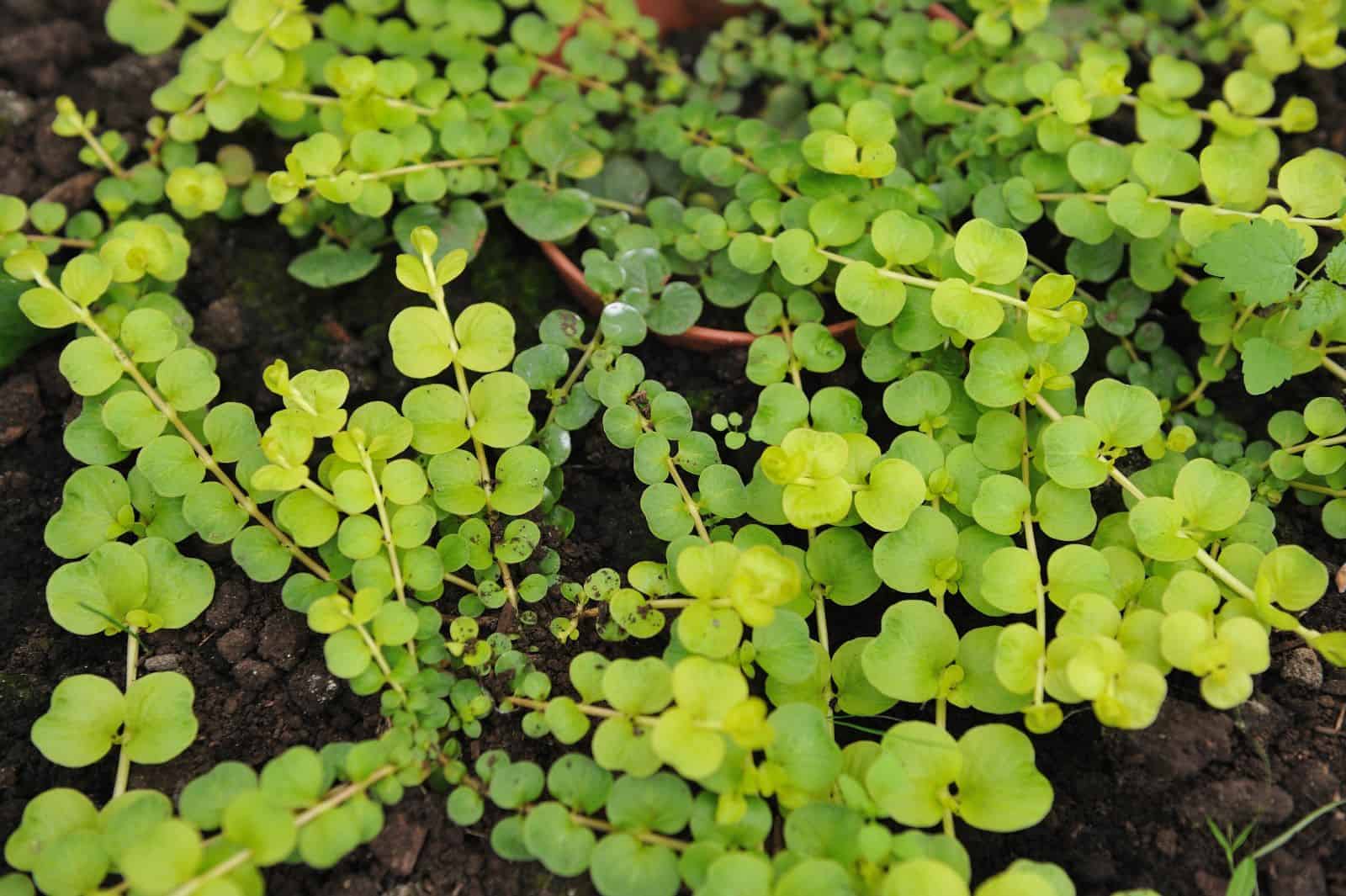
Creeping Jenny is a fast-growing ground cover known for its bright yellow-green leaves. Its cascading foliage can brighten any garden. It forms a thick, weed-suppressing carpet, especially in areas with partial to full sun. This delightful perennial is suitable for different types of garden settings, such as containers, garden beds, and around stepping stones. It is low maintenance and easy to grow.
Periwinkle
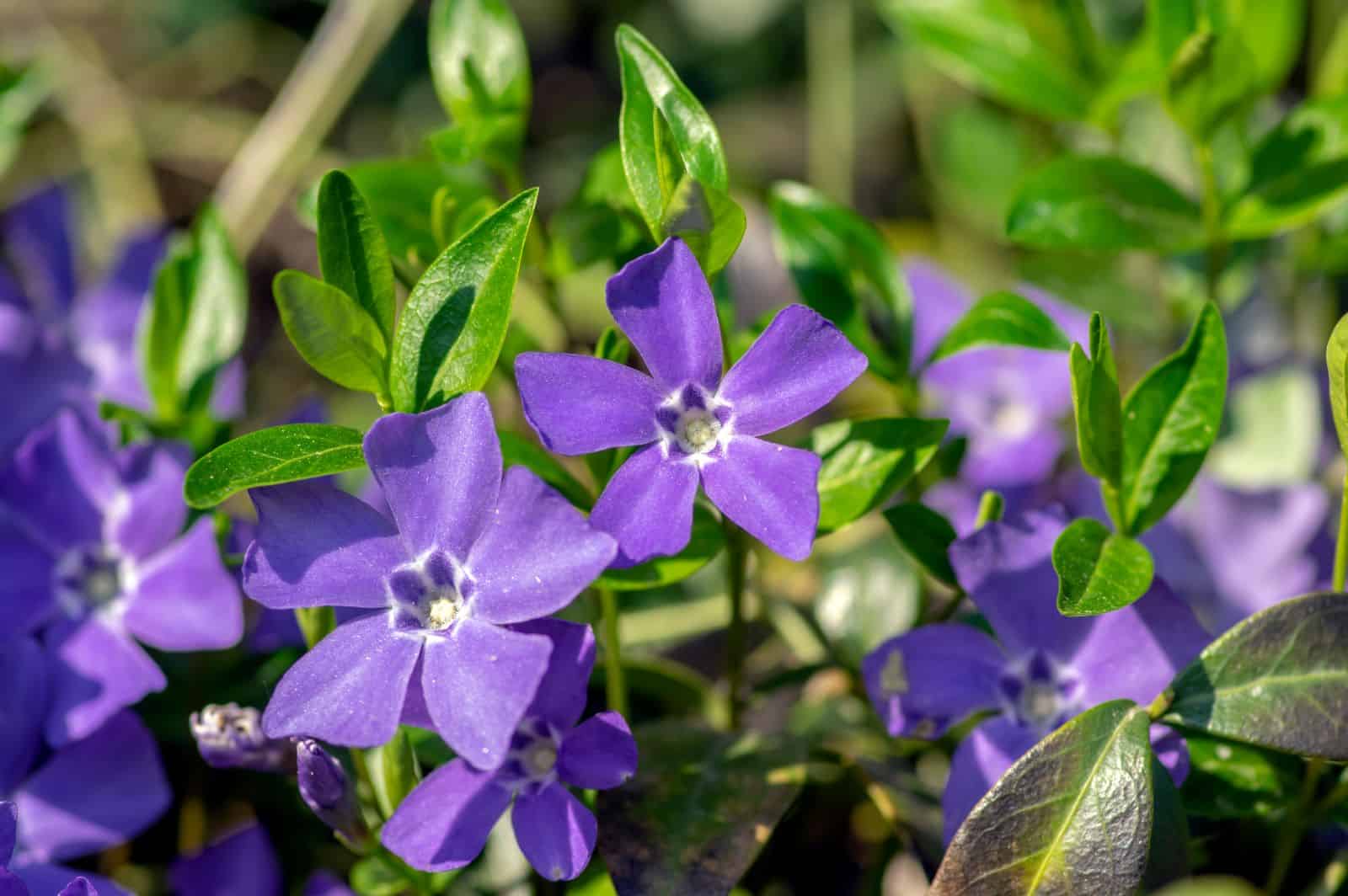
Periwinkle has glossy leaves that stay green throughout the year. This low-maintenance plant is drought-tolerant and adapts to sun and shade. Its star-shaped flowers bloom in shades of purple or blue, which add a splash of color to shady areas. This makes it just right for under trees or in low-light gardens. It blooms profusely during mid- to late spring, sometimes making the lawn appear more blue than green, with occasional smaller blooms in summer and fall.
Ice Plant
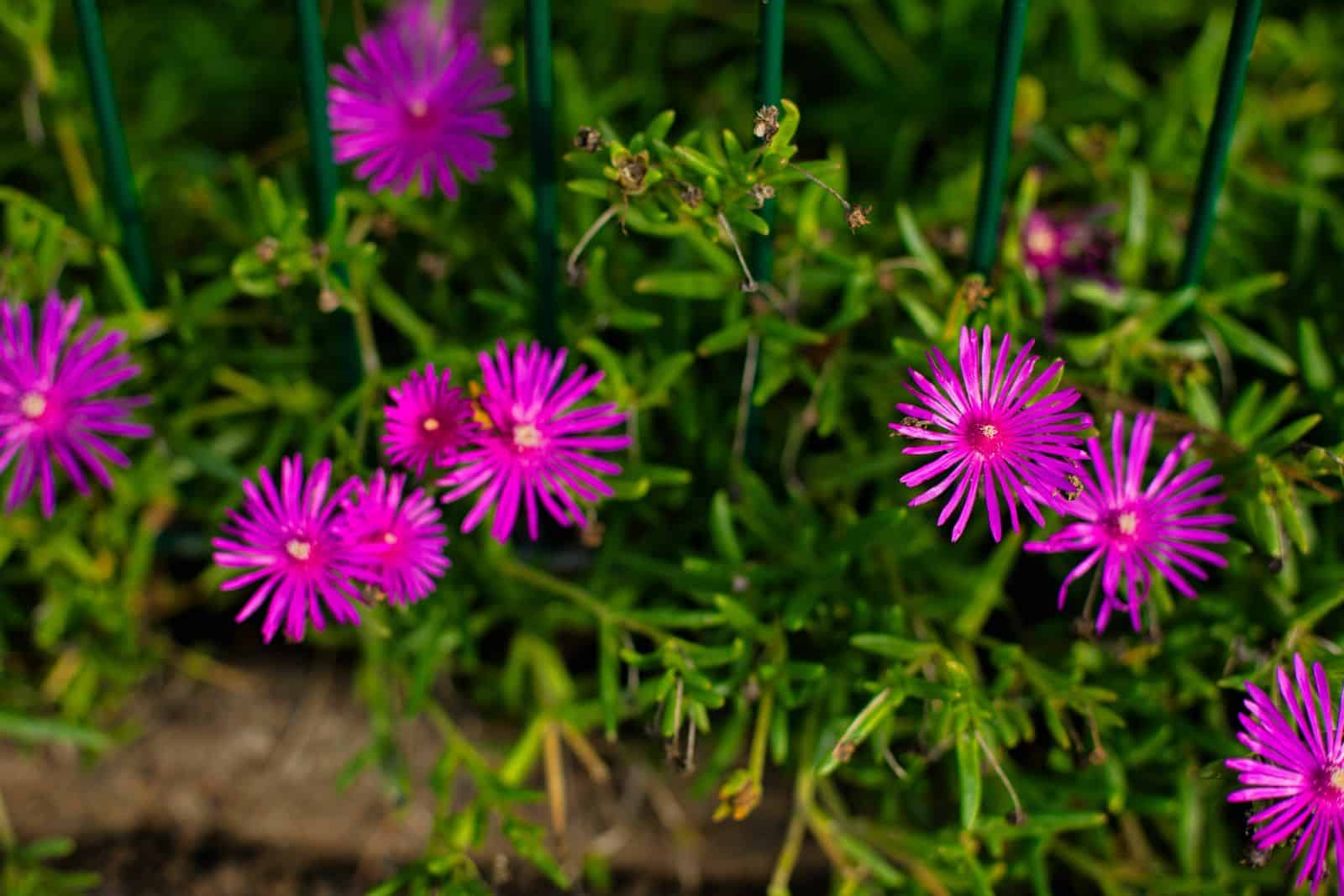
The Ice Plant is a versatile and hardy succulent native to the East Coastal Plains of South Africa. Its vibrant flowers, which bloom in various colors, including bright pinks, purples, yellows, and whites, make it easy to identify. The beautiful creeper grows well in sunny, well-drained areas and forms a dense, spreading mat that effectively suppresses weeds. It grows well in sandy or gravel-based soil, making it an excellent ground cover for neglected spots in your garden.
Creeping Thyme

Creeping thyme is an aromatic, low-growing perennial herb you can grow as a ground cover. Its dense, ground-hugging mat of small, fragrant leaves and lovely white, purple, or pink flowers help to choke out weeds. It also releases chemicals that prevent weed growth. This evergreen herb is drought and salt-resistant. It thrives in sunny, well-drained, and sandy soils, which makes it perfect for coastal areas. Creeping thyme also attracts pollinators like butterflies, especially the ‘Magic Carpet’ variety.
Bugleweed (Chocolate Chip)
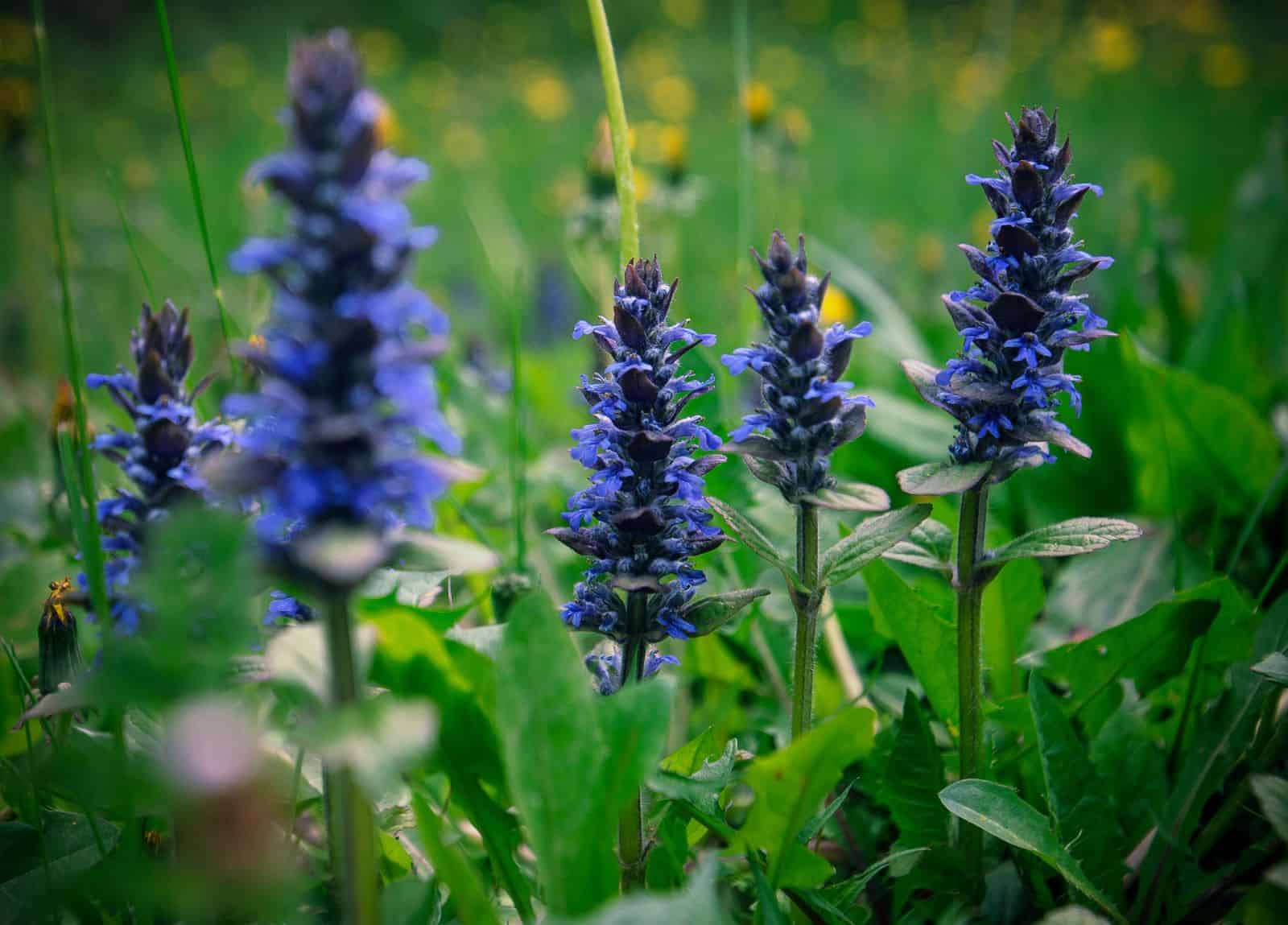
The Chocolate Chip variety of Bugleweed forms a dense mat of chocolate-colored leaves with burgundy accents, rarely growing taller than three inches. It thrives in partial shade and adapts well to most soil types, though it prefers rich, moist soil with plenty of organic material. While pest-resistant, it can suffer from crown rot without adequate air circulation. The plant blooms with pretty purple flowers in spring.
Lamium
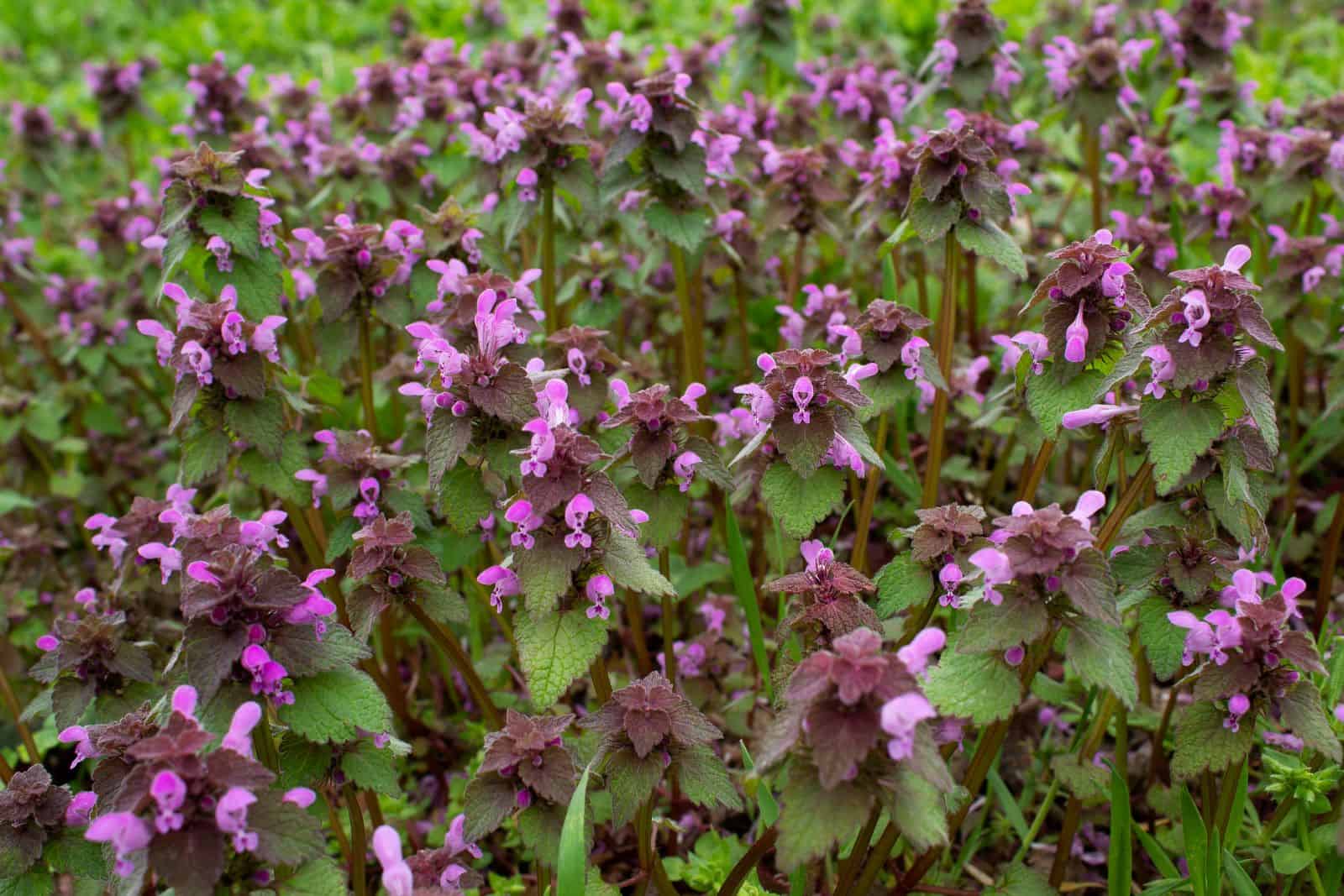
Lamium, also known as Dead Nettle, is a fast-growing plant that thrives in shady garden areas. With its long-blooming flowers and colorful foliage, it is a popular option for enhancing the beauty of your garden and keeping weeds at bay. Deadheading the plant every few weeks will encourage continuous blooming. It requires well-draining, moderately rich soil. Lamium forms a dense covering that helps suppress weeds by shading out weed seeds. This low-maintenance plant is ideal for gardeners of all skills.
Box Honeysuckle
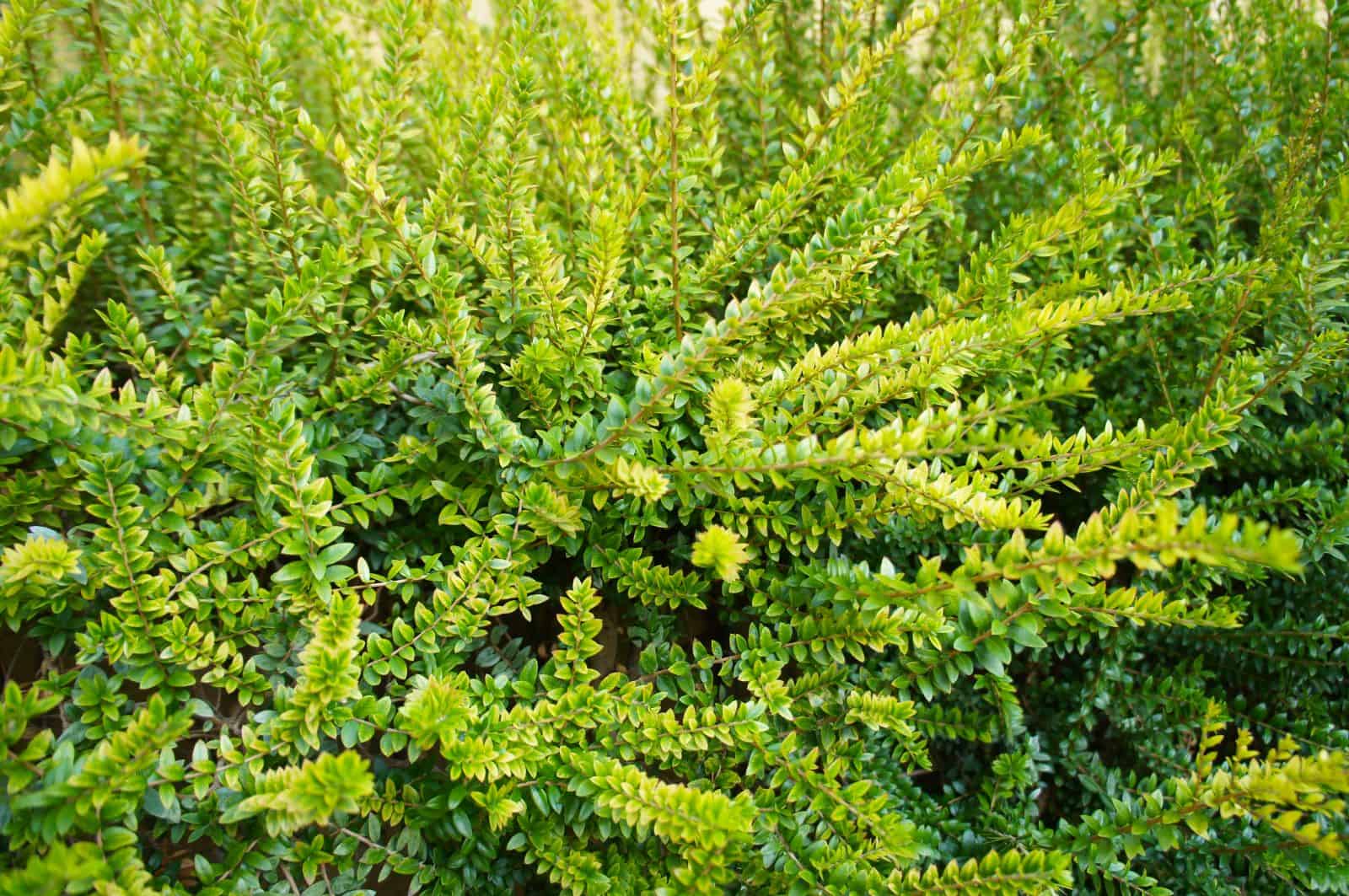
Box Honeysuckle is well-known for its small, rounded leaves and tiny, fragrant spring flowers. Native to China, this plant grows in well-drained soil and can handle full sun and partial shade. Its low, horizontal branches root in and spread over time, making it an excellent option for ground cover, especially on banks or slopes. Prune the plant regularly to encourage dense growth, which then helps smother weeds. Box Honeysuckle is also suitable for coastal areas because it is salt and drought-tolerant.
Bearberry Cotoneaster

Bearberry Cotoneaster is a resilient and versatile shrub. Its dense foliage, bright red berries, and petite white flowers make it a prime choice for ground cover. This low-growing shrub thrives in sunny and partially shaded areas and is low-maintenance. When regularly watered, this evergreen provides excellent erosion control and weed suppression.
Wild Ginger
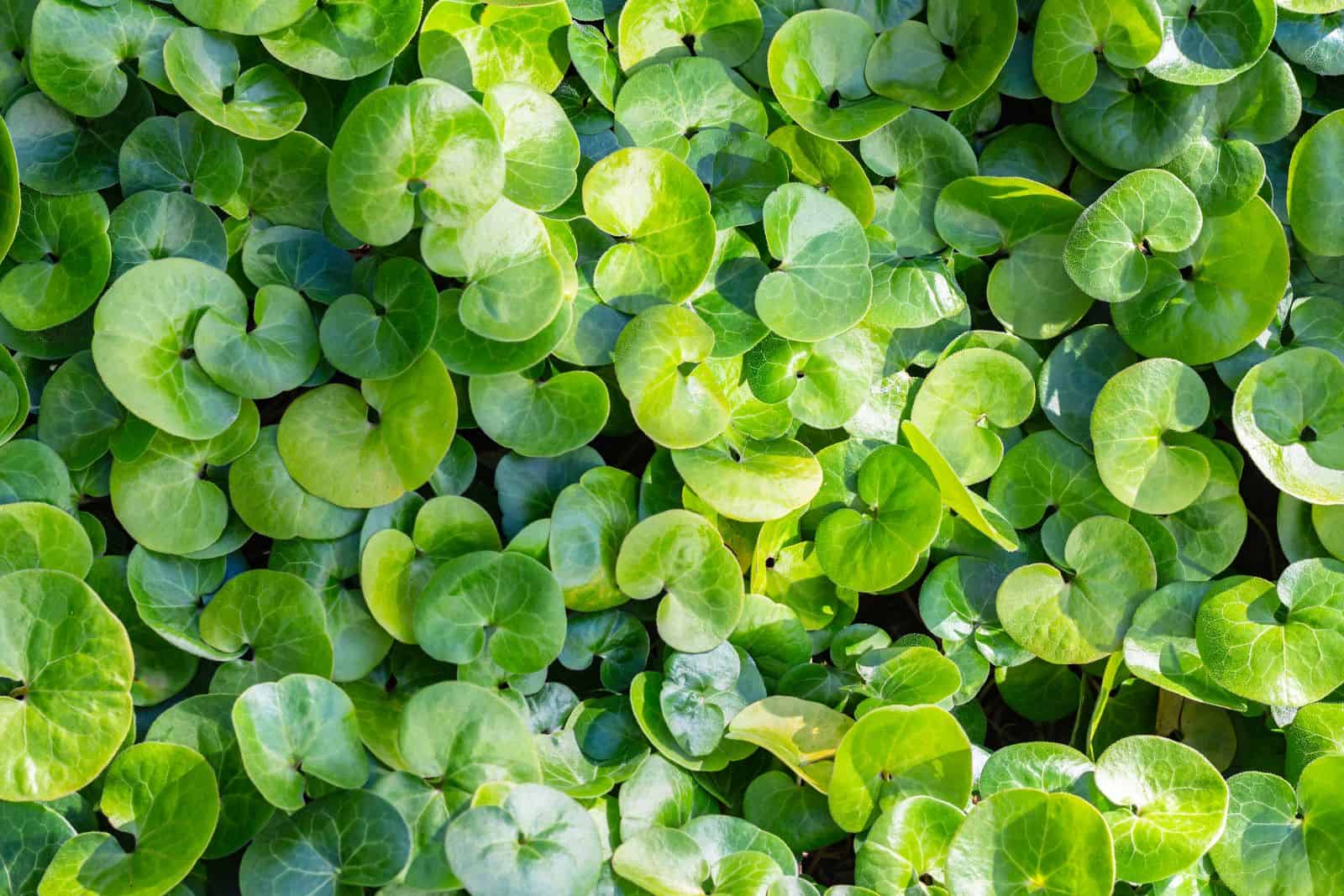
Wild ginger can be easily grown in shaded areas. It loves moist, rich soil and spreads through underground rhizomes to form a cover of glossy, heart-shaped leaves. Though it produces inconspicuous mauve-brown flowers close to the ground, its lush foliage is its main attraction. This low-care plant effectively suppresses weeds and does not appear on invasive lists. Wild ginger has a long history of medicinal use by Native American communities and works well for filling tricky, darker spots in the garden.
Sedum
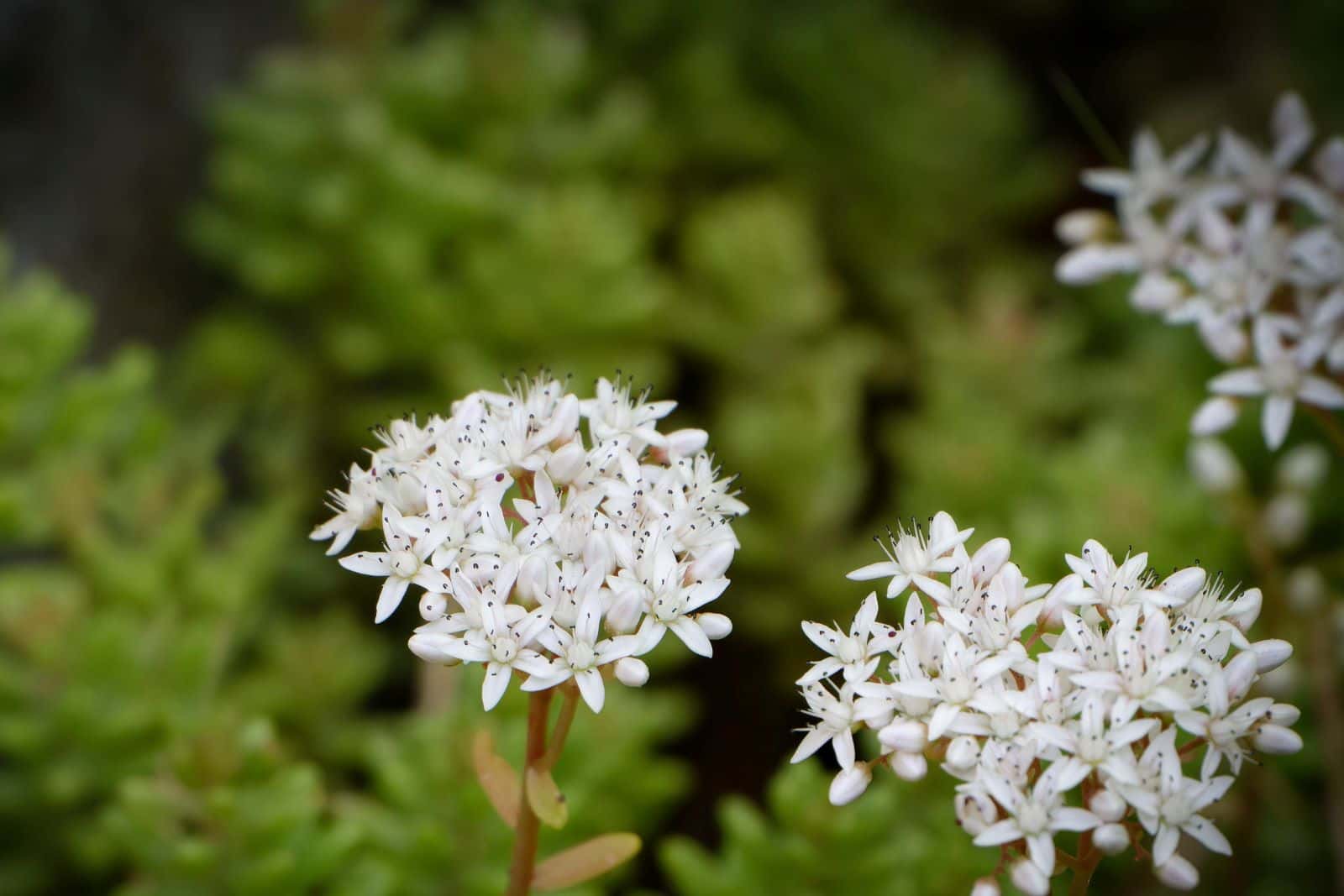
Sedum is the best choice for sunny, dry areas of your garden. Thriving in poor soil and harsh conditions, it forms a dense cover that suppresses weeds, conserves moisture, and prevents erosion. Its succulent leaves come in various shapes and colors, such as green, blue, red, and purple. Sedum produces clusters of star-shaped flowers that attract pollinators and add vibrant color to gardens from late summer to fall. Low-growing varieties of Sedum are perfect for paths, rock gardens, or stone walls.
Creeping Phlox
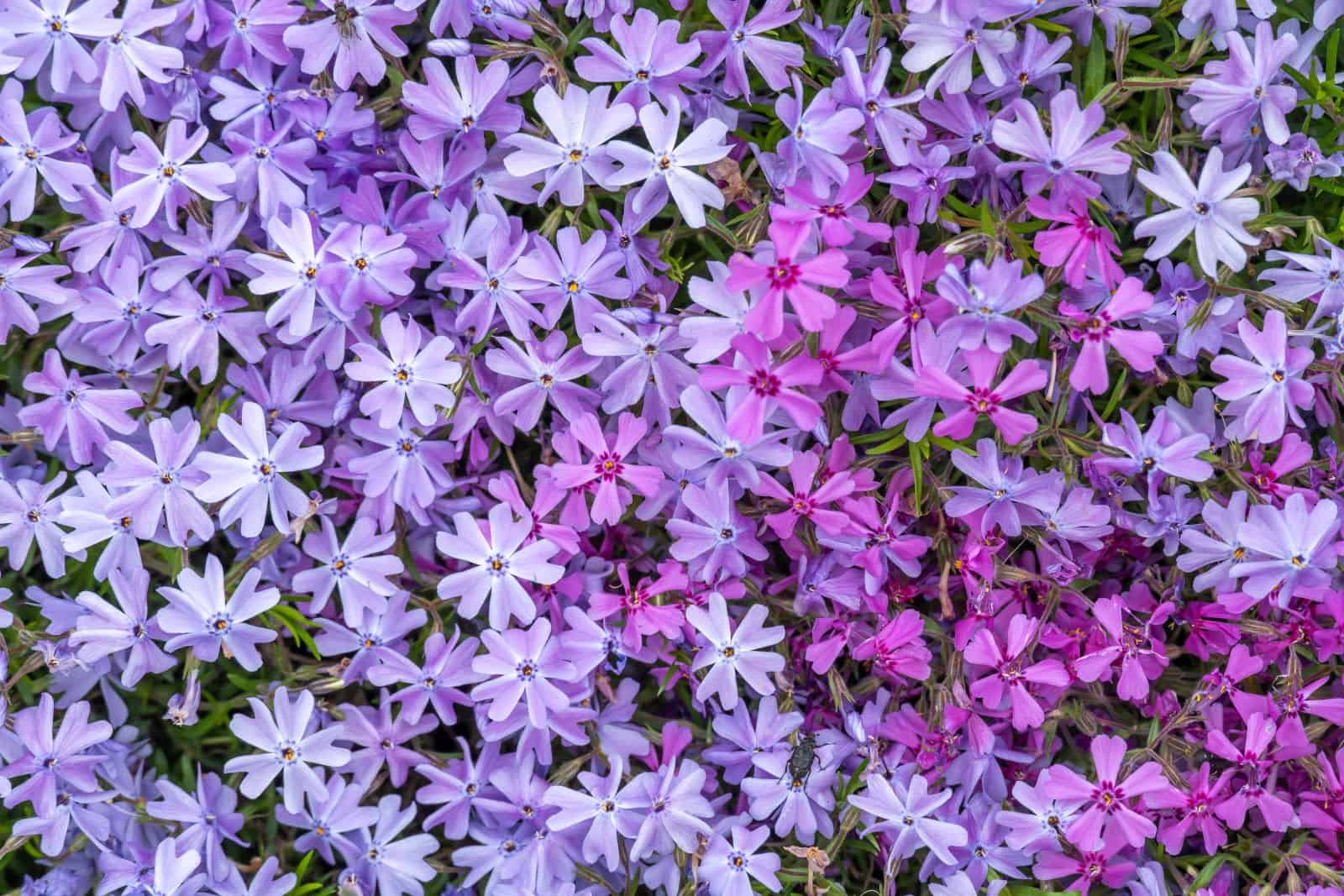
Creeping phlox is a plant that produces mats of tiny, fragrant flowers in shades of purple, pink, blue, and white that bloom in late spring. Its mat-forming growth habit and abundant foliage help prevent soil erosion and limit weed seed germination by shading the soil. It thrives in bright sun as well as partial shade and is drought-tolerant. This beautiful and practical ground cover attracts beneficial pollinators like butterflies and hummingbirds, adding vibrant color and ecological value to gardens.