Taking care of houseplants can be a rewarding hobby, but it’s easy to make mistakes that unintentionally harm them. Many people struggle with keeping their plants healthy because common errors often go unnoticed.
This article will guide you through some of the most frequent problems and how to avoid them.
Advertisement
Overwatering leading to root rot

If you water your houseplants too often, the soil can stay soggy for too long. This creates a perfect environment for root rot to develop.
When roots sit in wet soil, they start to decay, which prevents your plant from absorbing water and nutrients. You might notice wilted or drooping leaves even though the soil is moist.
Let the soil dry out between waterings and make sure your pots have good drainage.
Using cold water instead of room temperature

Using cold water on your houseplants can shock their roots. This shock may slow down growth or cause leaves to drop.
It’s best to use water that’s close to room temperature. This helps your plants absorb moisture smoothly and stay healthy.
Placing plants too close to heaters or radiators
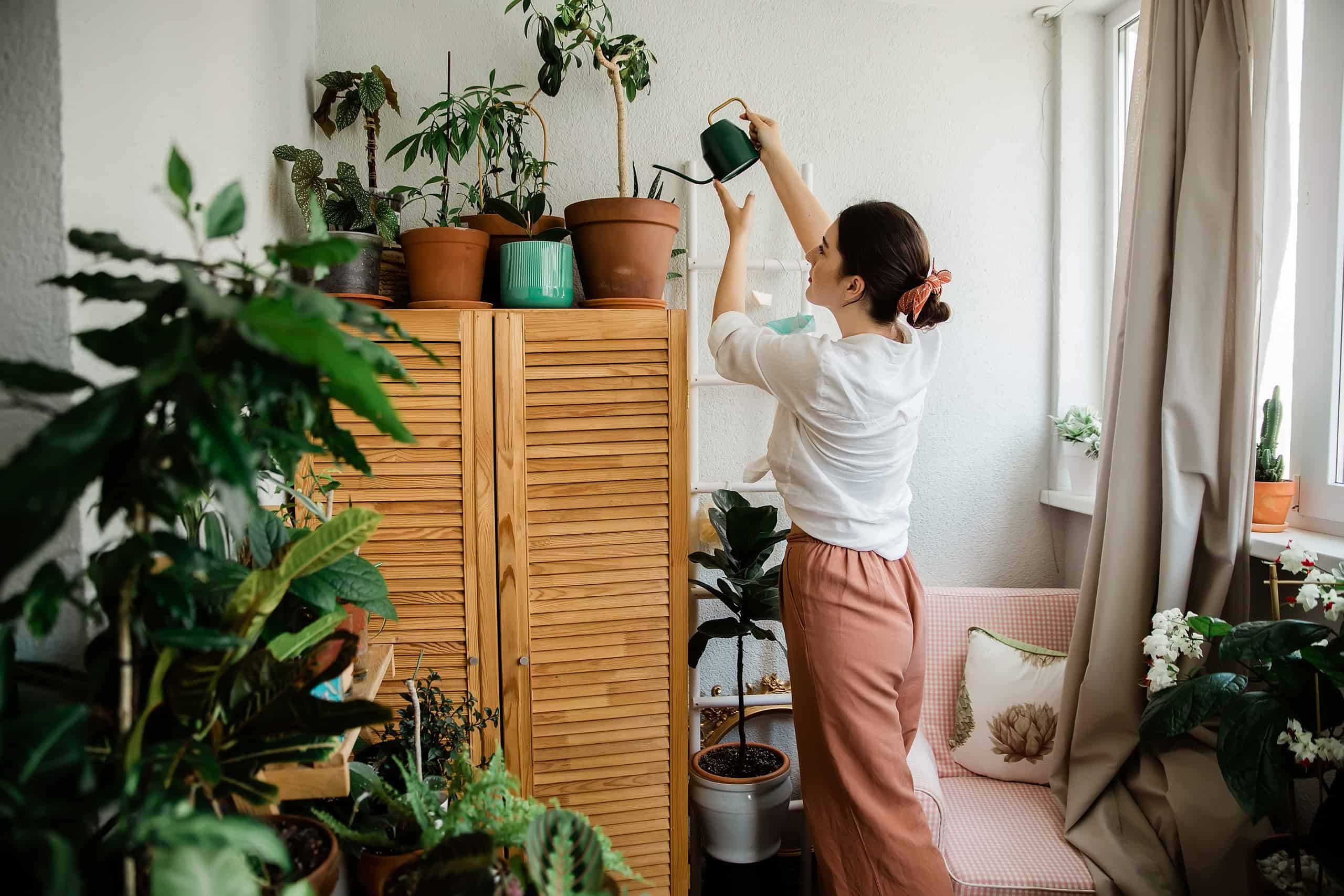
You should avoid placing your plants directly on or near heaters and radiators. The heat can dry out the soil and leaves quickly, causing stress to your plants.
If your room has central heating, try using a cool mist humidifier nearby to keep the air from getting too dry.
Exposing plants to drafty windows or doors
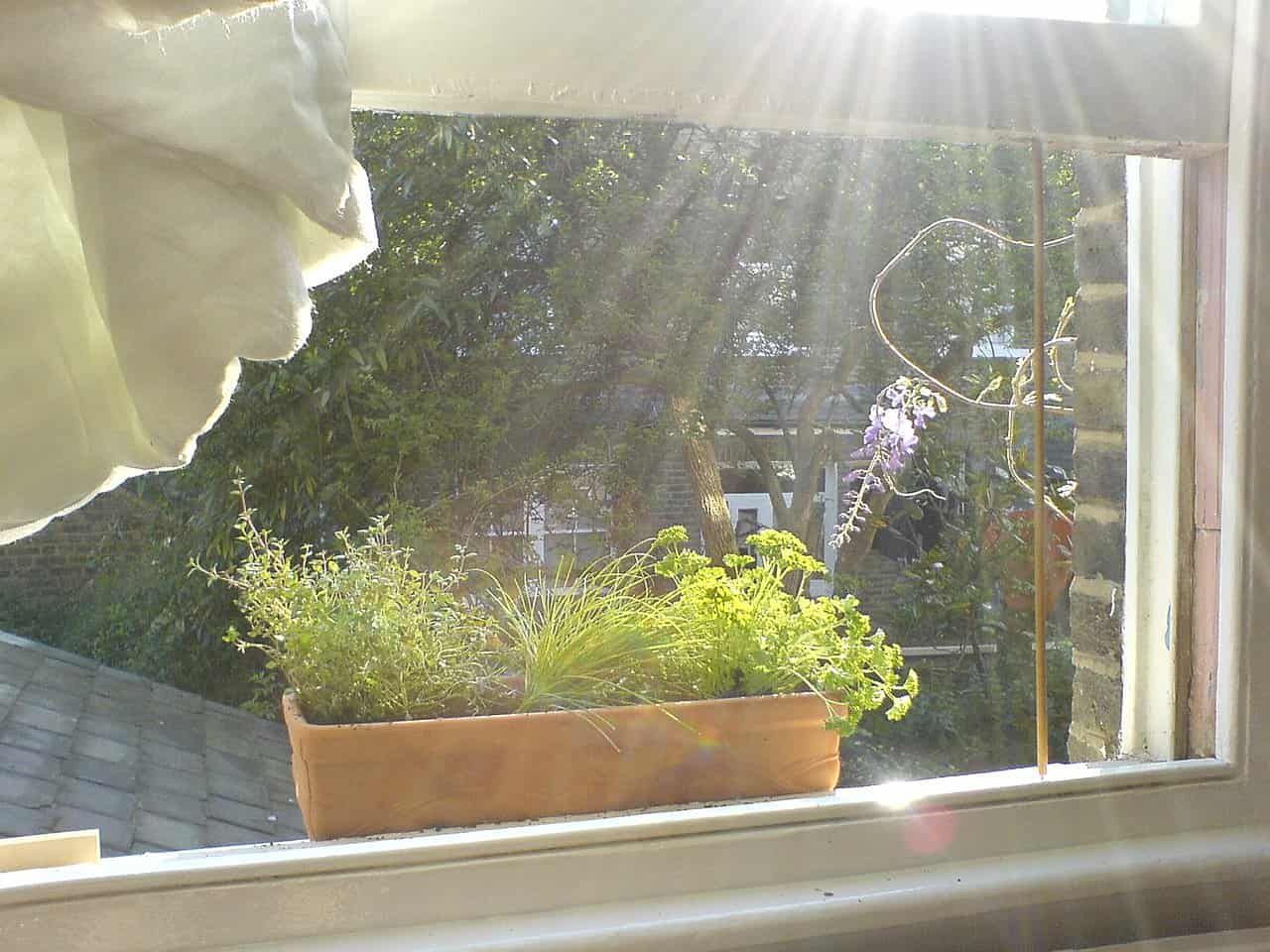
You should avoid placing your plants near drafty windows or doors. Cold or hot air drafts can dry out their leaves and cause stress.
Even if your plant is getting enough light, frequent drafts can harm its health. Try to keep your plants in stable, draft-free spots to help them thrive.
Not providing enough natural or artificial light
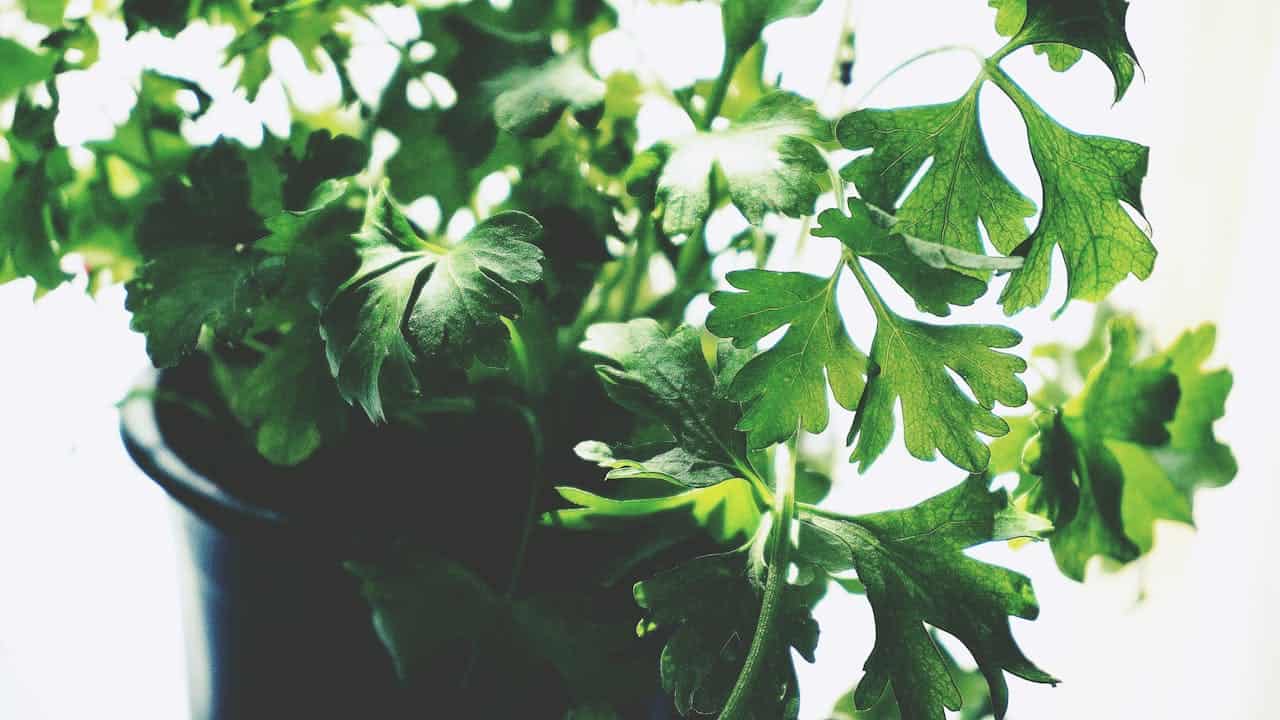
Your houseplants need the right amount of light to thrive. If they don’t get enough, they can become weak and stop growing.
Try to place your plants where they receive at least a few hours of indirect sunlight. If natural light is limited, using grow lights can help keep your plants healthy and vibrant.
Skipping research on specific plant care needs

You might assume all houseplants thrive the same way, but each type has unique needs. Light, water, and humidity preferences can vary widely.
Taking a few minutes to learn about your specific plant helps you give it the right care and avoid common mistakes.
Using tap water with high chemicals
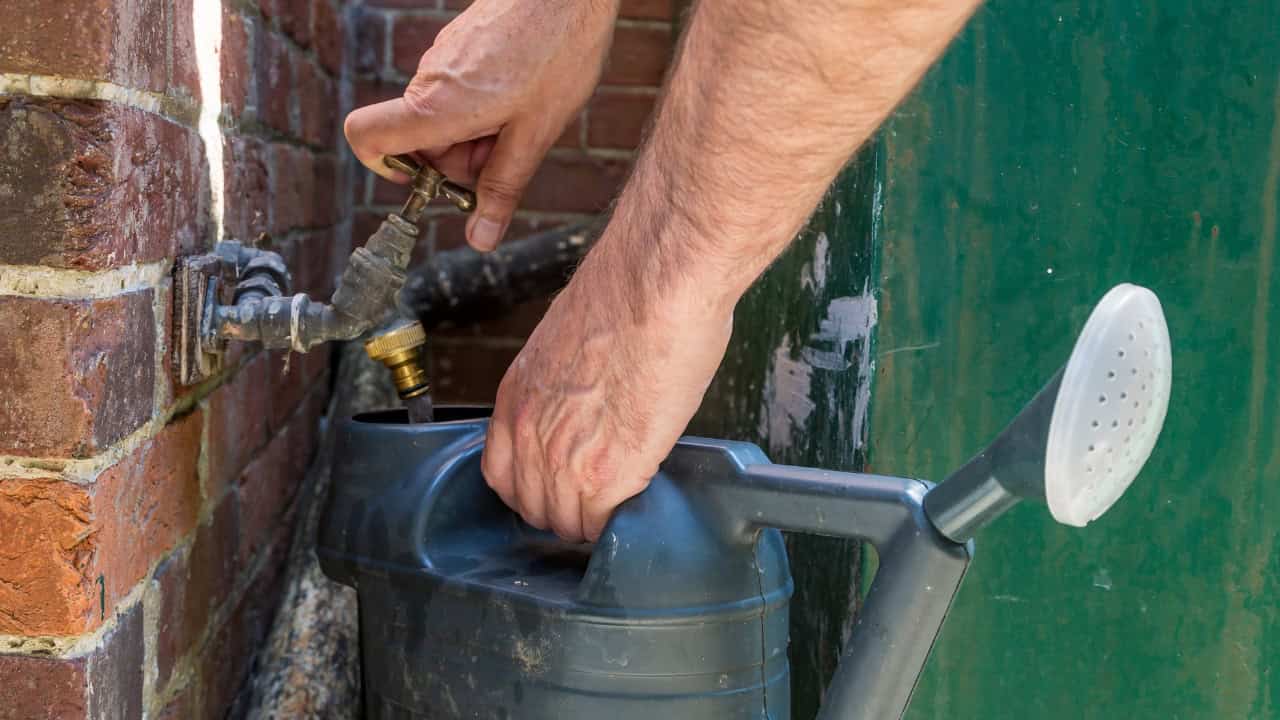
If your tap water contains chlorine, fluoride, or heavy minerals, it can affect your houseplants. Chlorine may dry out leaves, while fluoride can cause brown spots or leaf burn.
Try leaving your tap water out for 24-48 hours before watering. You can also use filtered or rainwater if possible.
Neglecting to fertilize during growing seasons
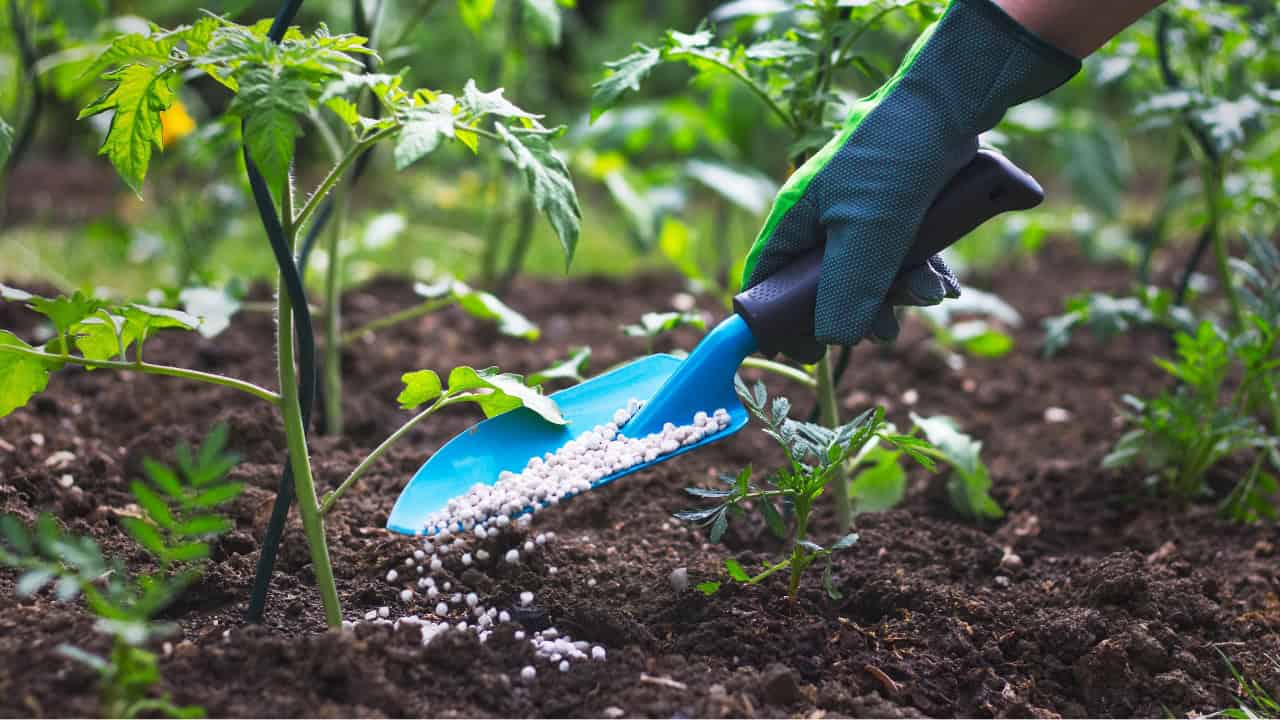
You might think watering is enough, but your plants need nutrients to thrive, especially during their active growing season. Fertilizing supplies essential minerals that help leaves, stems, and roots develop properly.
Just remember to use fertilizer sparingly and follow the instructions to avoid overfeeding.
Choosing the wrong soil type for the plant
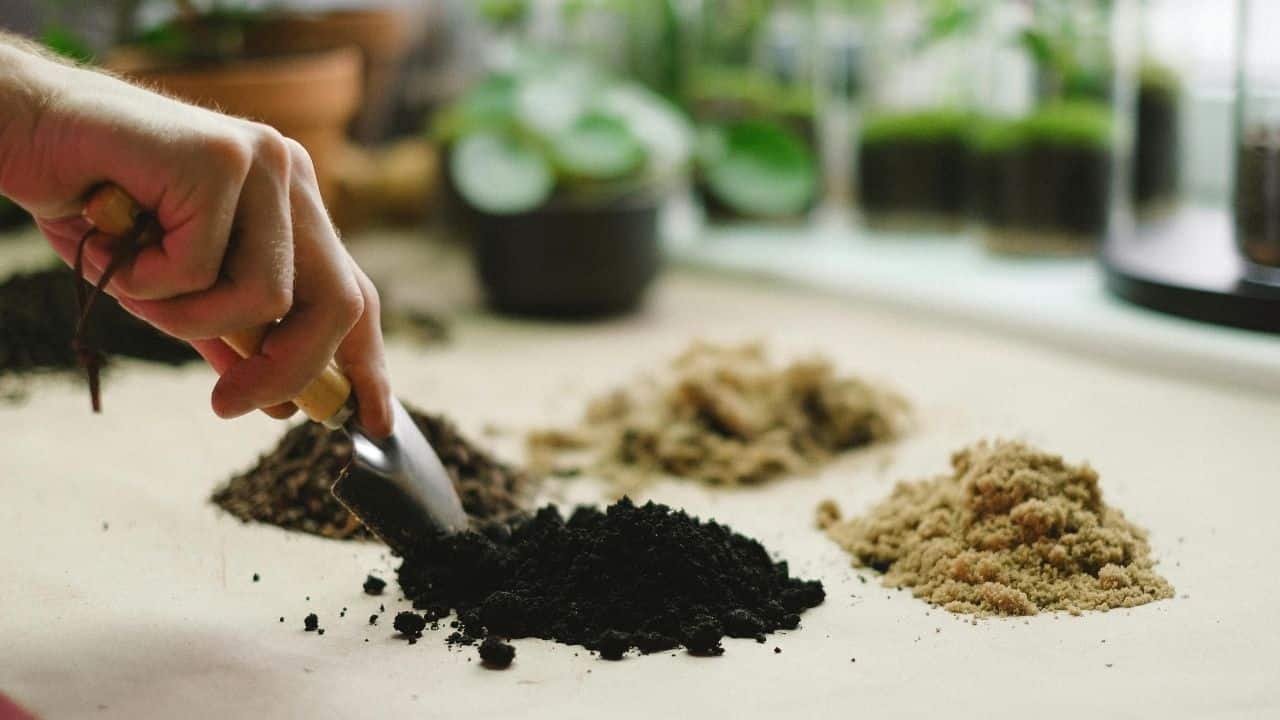
Using the wrong soil can stunt your plant’s growth or even cause root problems. Succulents need fast-draining soil to avoid waterlogging, while tropical plants prefer richer, moisture-retaining mixes.
Check your plant’s natural needs before picking soil.
Changing plant positions frequently causing stress
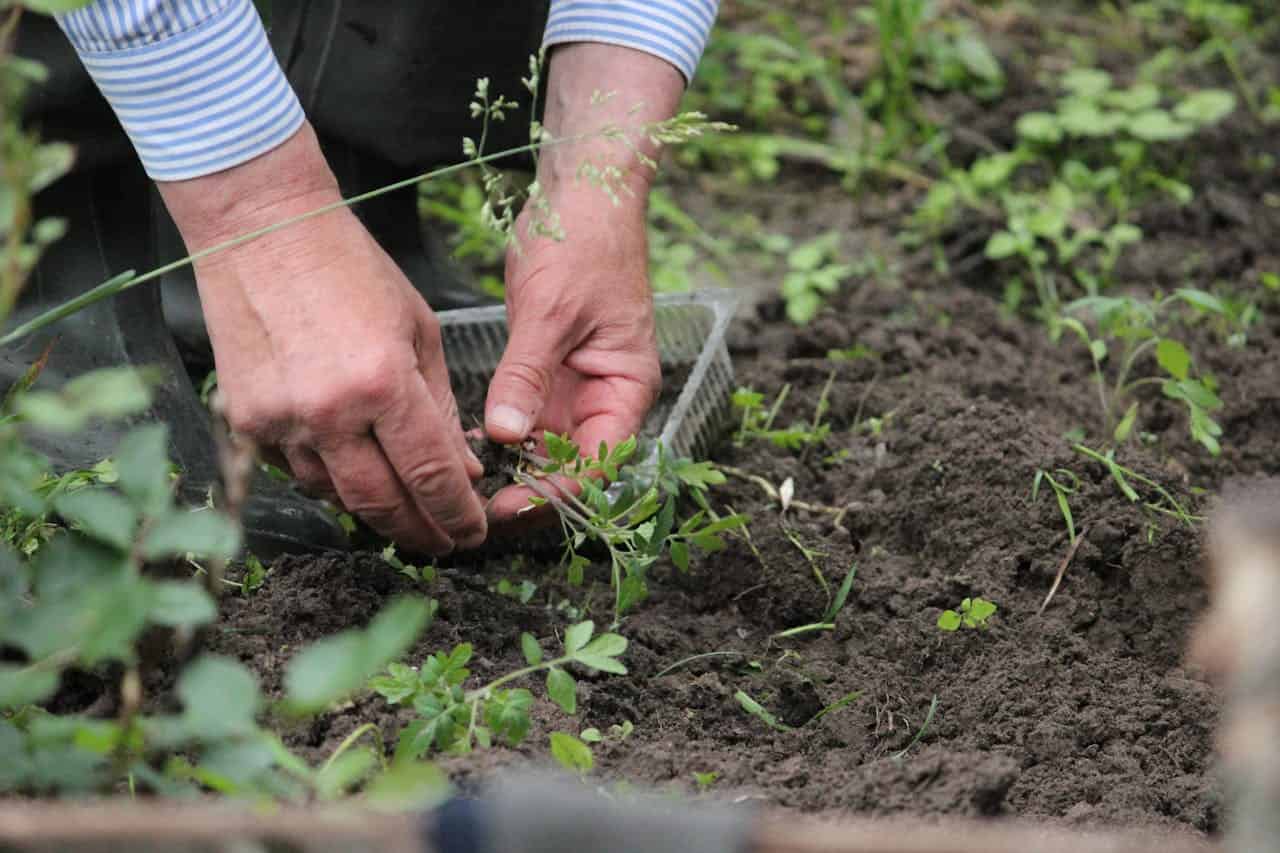
When you move your houseplants too often, they can become stressed. Plants rely on consistent light and temperature to grow well.
Sudden changes can disrupt their adjustment and slow down growth. Try to find a good spot and stick with it for a while.
Using pots without proper drainage holes

Using pots without drainage holes can cause water to build up at the bottom of the pot. Your plant’s roots may stay too wet, which can lead to root rot.
If you choose pots without holes, you’ll need to check the soil often. Water only when the top feels dry to avoid soggy roots.