Starting a vegetable garden can feel a bit overwhelming, especially if you’re new to it. You might wonder what you need to do to get things growing and how to keep your plants healthy. Knowing the right tips can make your gardening experience smoother and more rewarding.
You don’t need a huge space or lots of experience to grow your own veggies. With some simple guidance, you can create a garden that fits your lifestyle and brings fresh produce right to your door.
Advertisement
Choose a sunny spot with at least 6 hours of sunlight daily
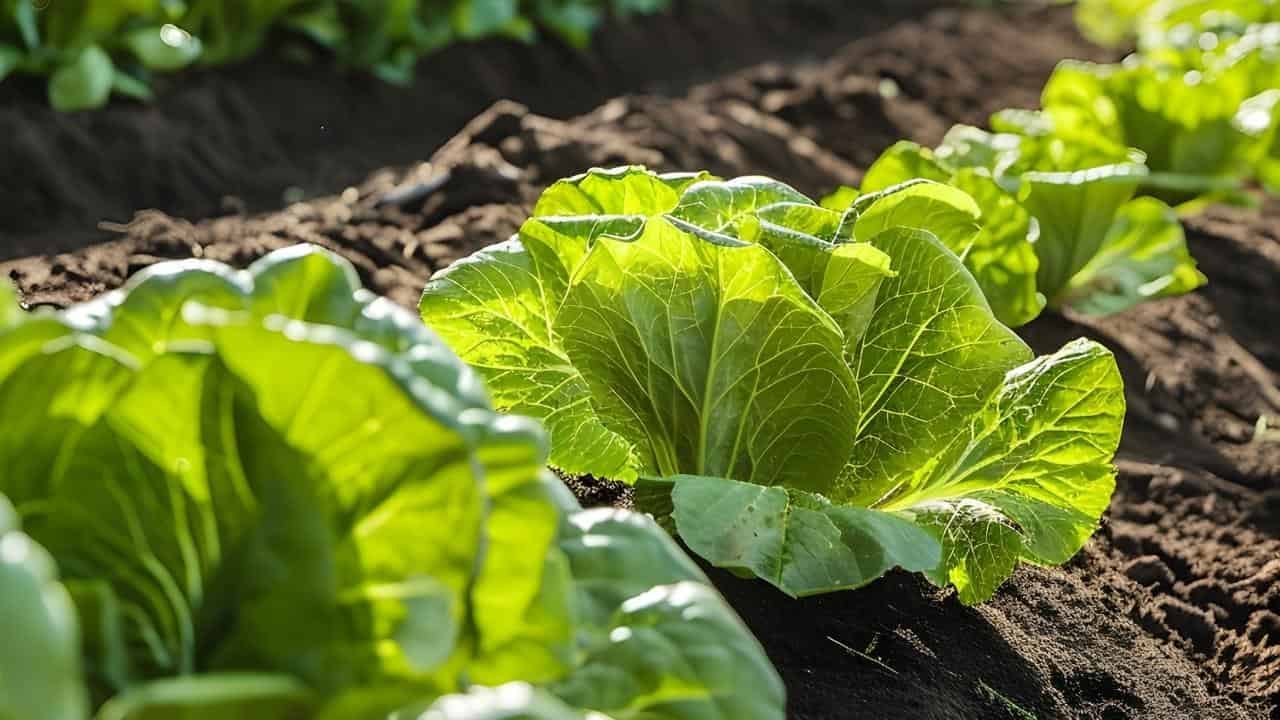
Pick a place in your yard that gets plenty of sun—at least six hours per day is key. Most vegetables need this to grow well.
Avoid areas near big trees or shrubs since they can block sunlight and steal water and nutrients. If you want more details, check out this guide on vegetable garden location.
Start small to avoid getting overwhelmed
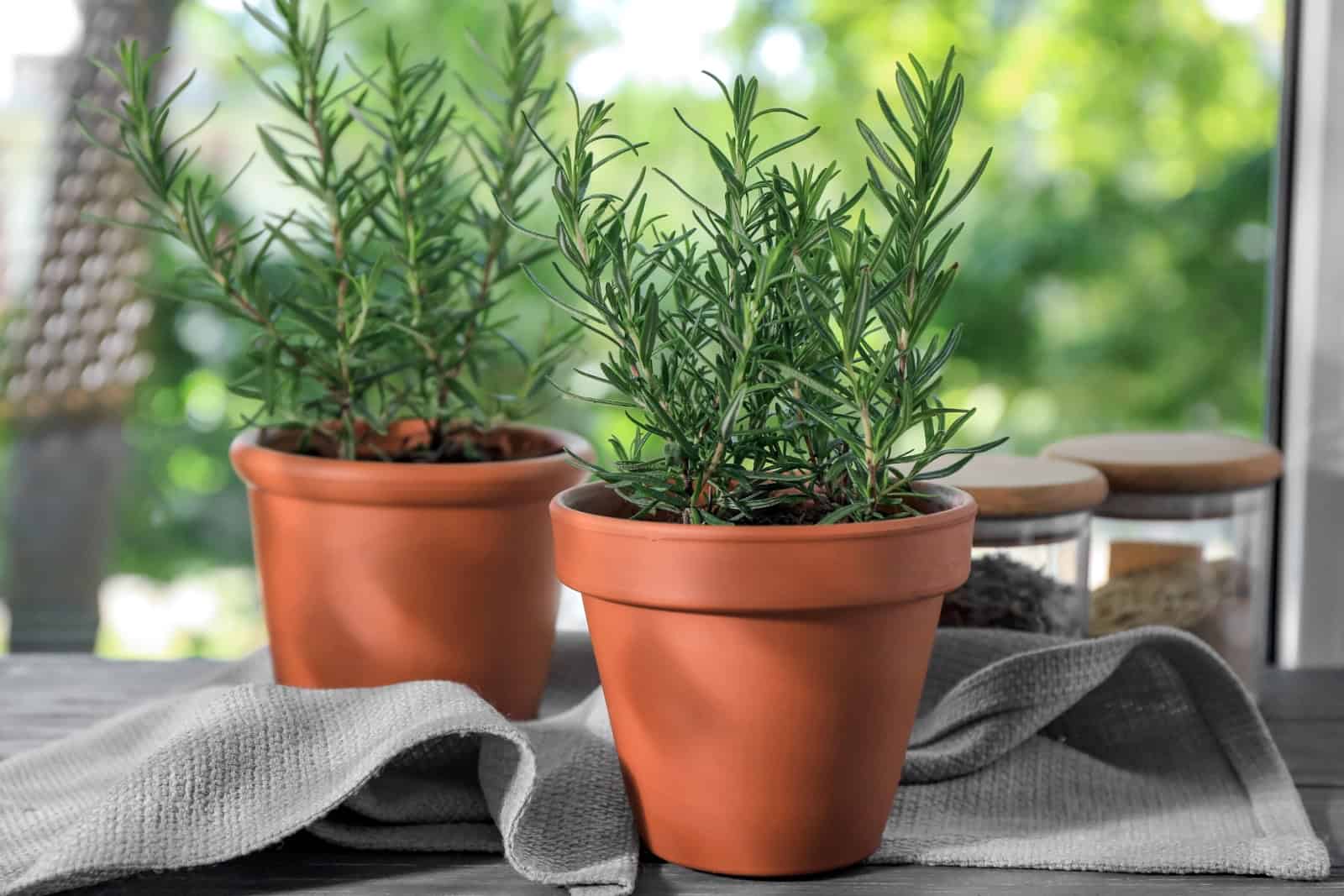
When you’re just starting out, keep your garden small. A few plants mean less work and less stress.
You can focus on learning good habits without feeling swamped. It also helps you adjust and grow your garden over time. Starting small lets you enjoy the process and avoid burning out before you really get going. Check out these beginner tips for more ideas.
Pick vegetables you actually like to eat
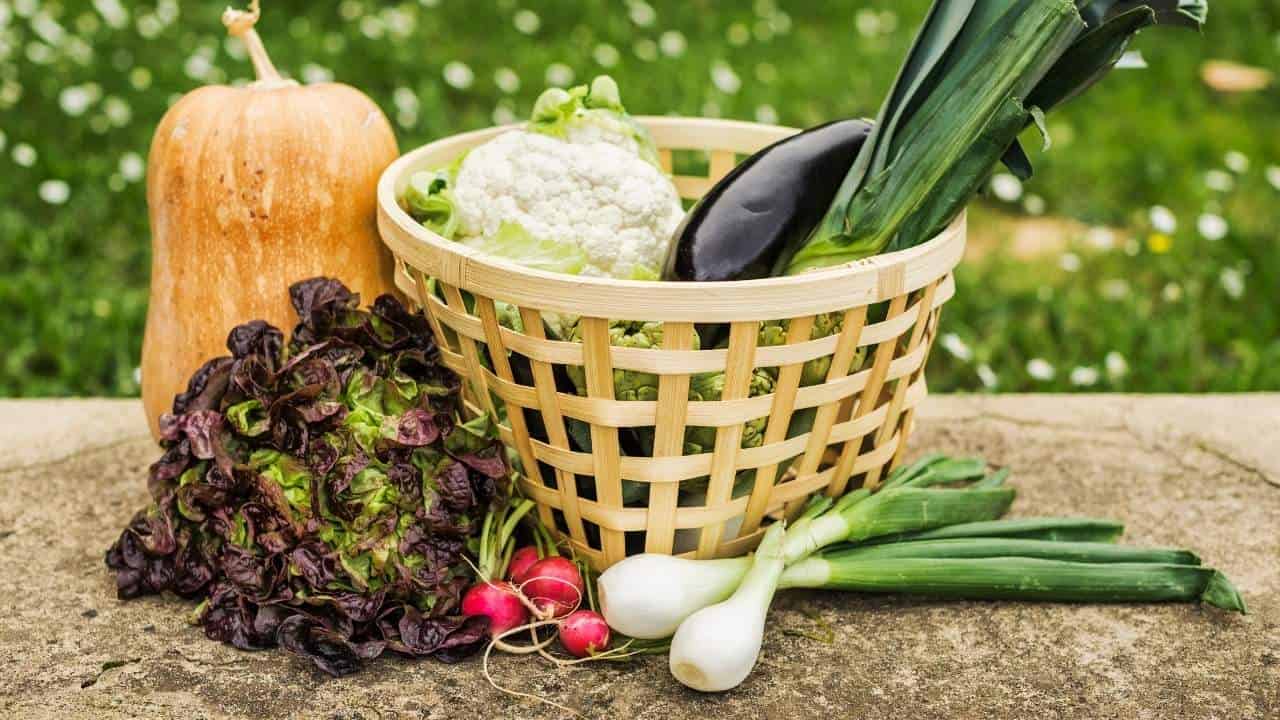
Growing vegetables you enjoy will make your garden more rewarding. If you don’t like a certain vegetable, you probably won’t want to harvest or cook it.
Focus on what you eat regularly or want to try. This way, your garden matches your taste and reduces waste. For practical advice on choosing crops, check out recommendations for beginners here.
Test your soil and add compost if needed
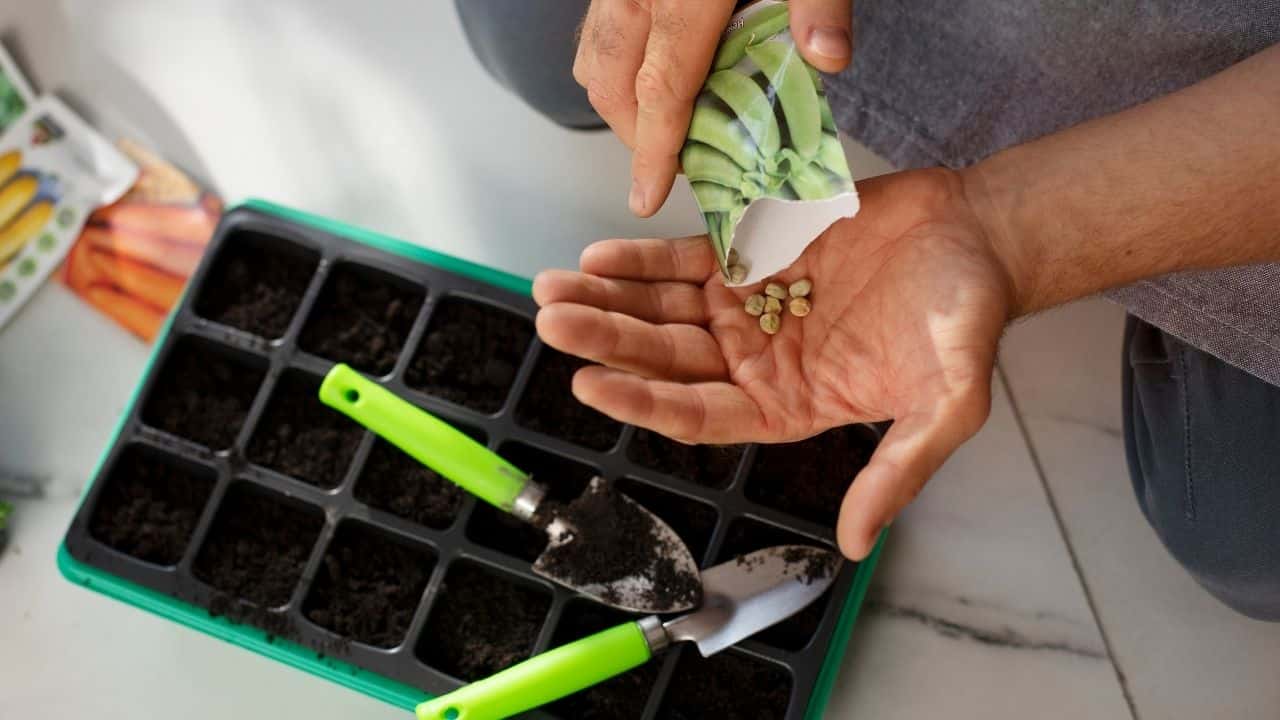
Before planting, check your soil to see if it has the right nutrients. You can get a soil test kit or send a sample to a local extension service. If your soil lacks nutrients or is too compact, mixing in compost will help. Compost improves soil texture and gives plants the food they need to grow strong.
Adding compost also boosts drainage and airflow, which are key for healthy roots. It’s an easy way to create a better environment for your garden. For more tips, check out this guide on preparing garden soil for planting.
Plant lettuce and spinach early—they like cooler temps
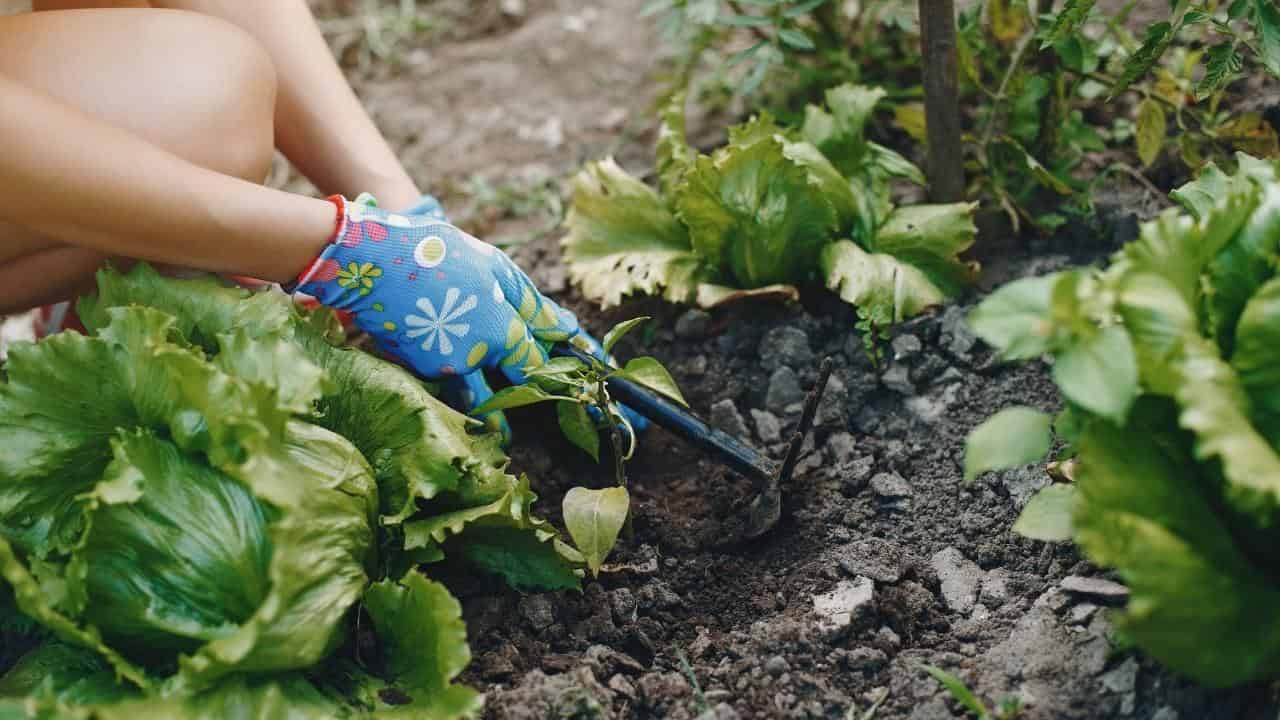
You’ll want to start lettuce and spinach as soon as the soil can be worked. These veggies thrive in cooler weather and can handle a light frost.
Planting them early gives you a head start before the heat arrives. Keep an eye on your local climate, as these greens don’t do well in hot conditions. For more tips, check out this guide on cool season vegetables.
Use a garden trowel for easy planting
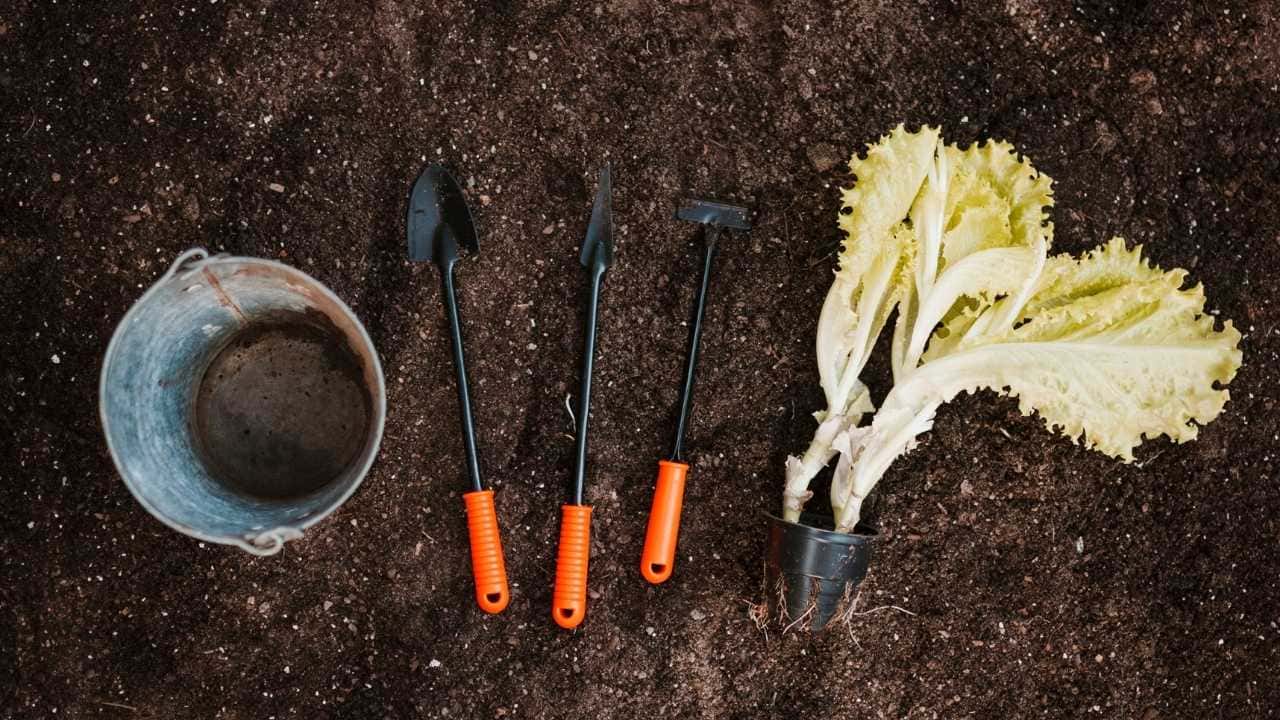
A garden trowel is your best friend when starting a vegetable garden. It helps you dig small holes for seeds or seedlings without making a mess.
Using a trowel saves time and effort, especially if your soil is tough or compacted. It’s a simple tool that makes planting a lot easier and more precise. Consider getting one like the hori hori for extra versatility.
Space your plants properly to avoid crowding

You want to give each plant enough room to grow without bumping elbows. Crowding can lead to poor air circulation and increase the risk of disease.
For example, vegetables like cabbage need about 15 to 18 inches between plants. Check spacing guidelines for each type to help your garden thrive.
Walking paths between rows, about 18 inches wide, make it easier to tend your plants without damaging them. More details can be found at Plant Spacing Made Easy.
Water consistently but don’t overdo it
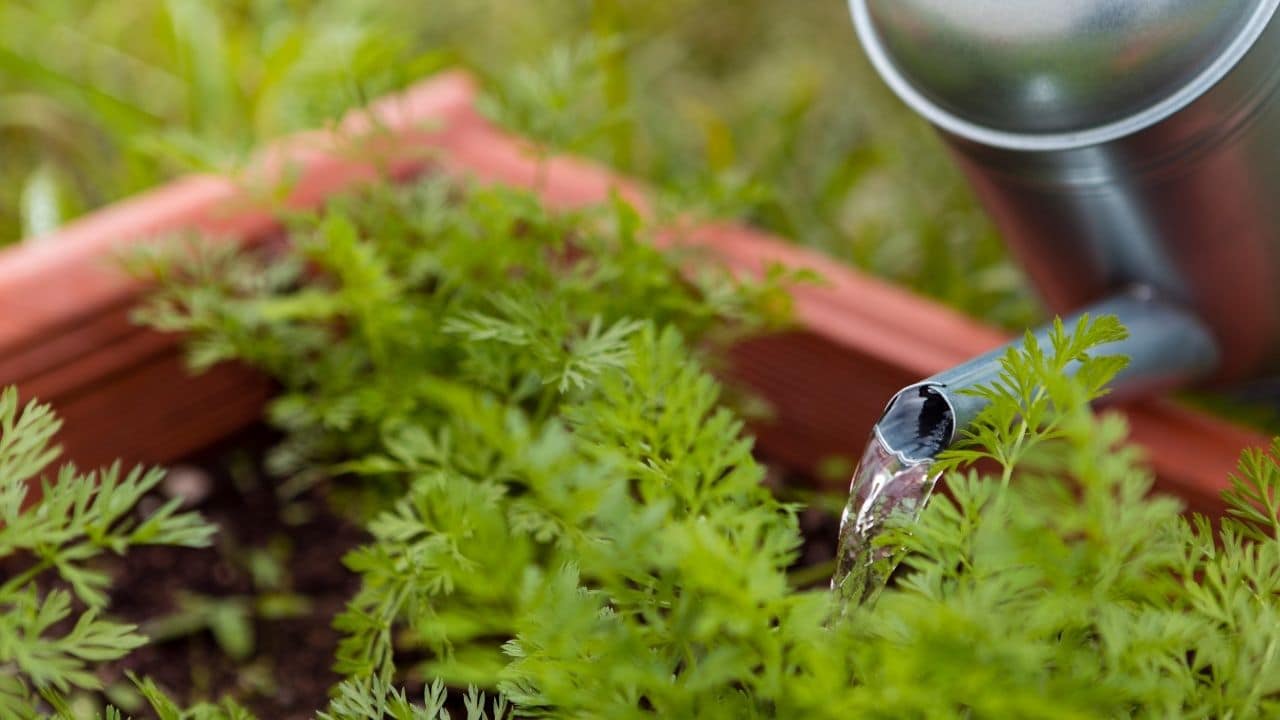
You want to keep your garden moist without drowning it. Water your plants deeply so the moisture reaches the roots, encouraging strong growth.
Try to water in the morning when the soil can absorb water before the heat of the day. Using drip irrigation or a soaker hose helps you give the right amount of water directly to the base of your plants. Most vegetables need about 1 to 2 inches of water each week, including rainfall.
Start some seeds indoors if you want a jumpstart
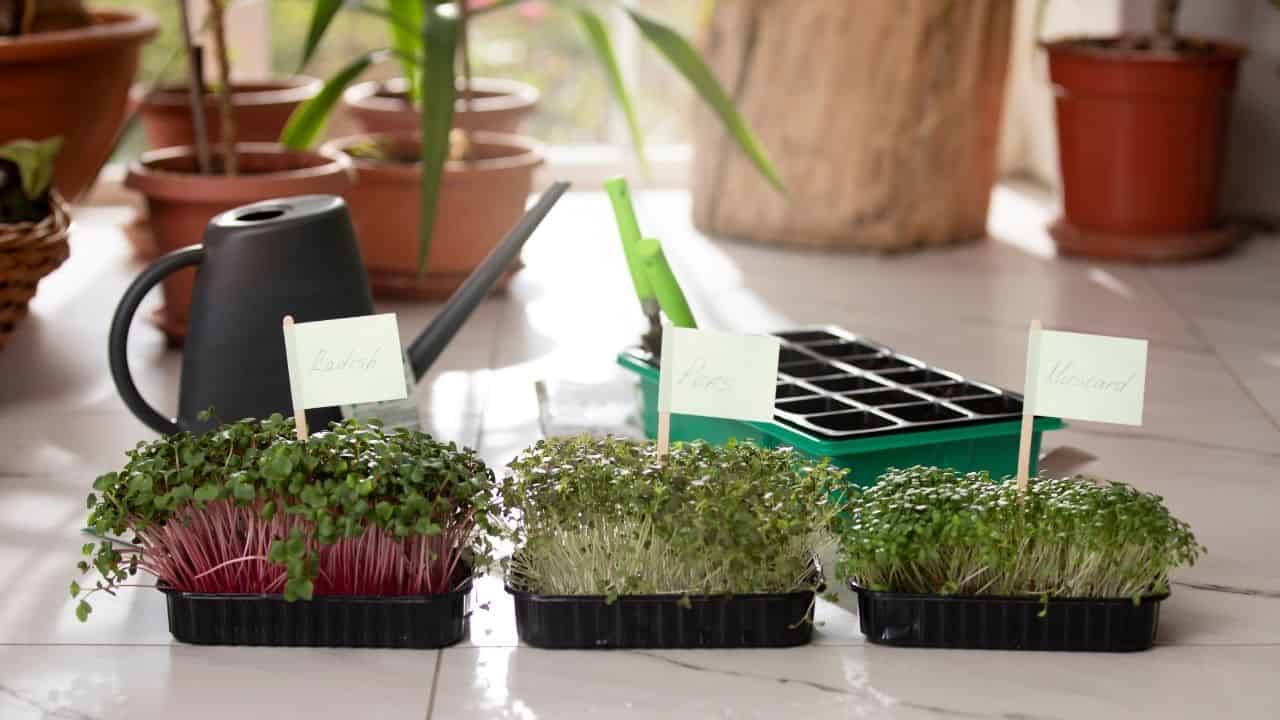
If you want your garden to get an early lead, try starting seeds indoors. This lets you control the temperature and light, so your plants can grow before the outdoor season begins.
You usually start seeds about 6 weeks before your last frost date. Using clean pots and good soil will help your seedlings grow strong.
Keep them near a sunny window or use a grow light to make sure they get enough light. This way, your young plants will be ready to move outside when the weather is right. For more tips, see how to start seeds indoors correctly.
Use stakes or cages for tomatoes and beans
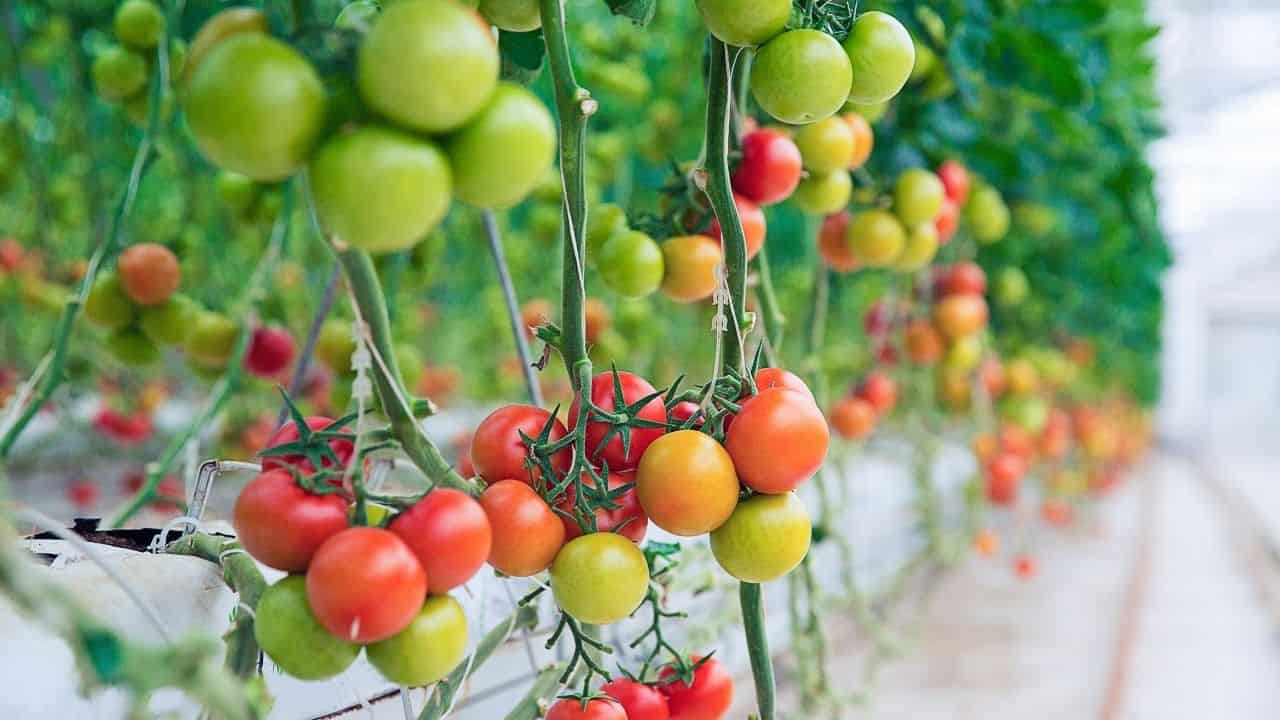
You’ll want to support your tomato plants with stakes or cages to keep them upright and healthy. Cages should be tall and sturdy to hold the weight as the tomatoes grow.
For beans, especially pole beans, using a trellis or stakes gives them something to climb on and makes harvesting easier. Simple options include bamboo sticks or twine setups.
Check out this guide on staking tomatoes for easy methods to try.
Keep an eye out for pests and try natural remedies first
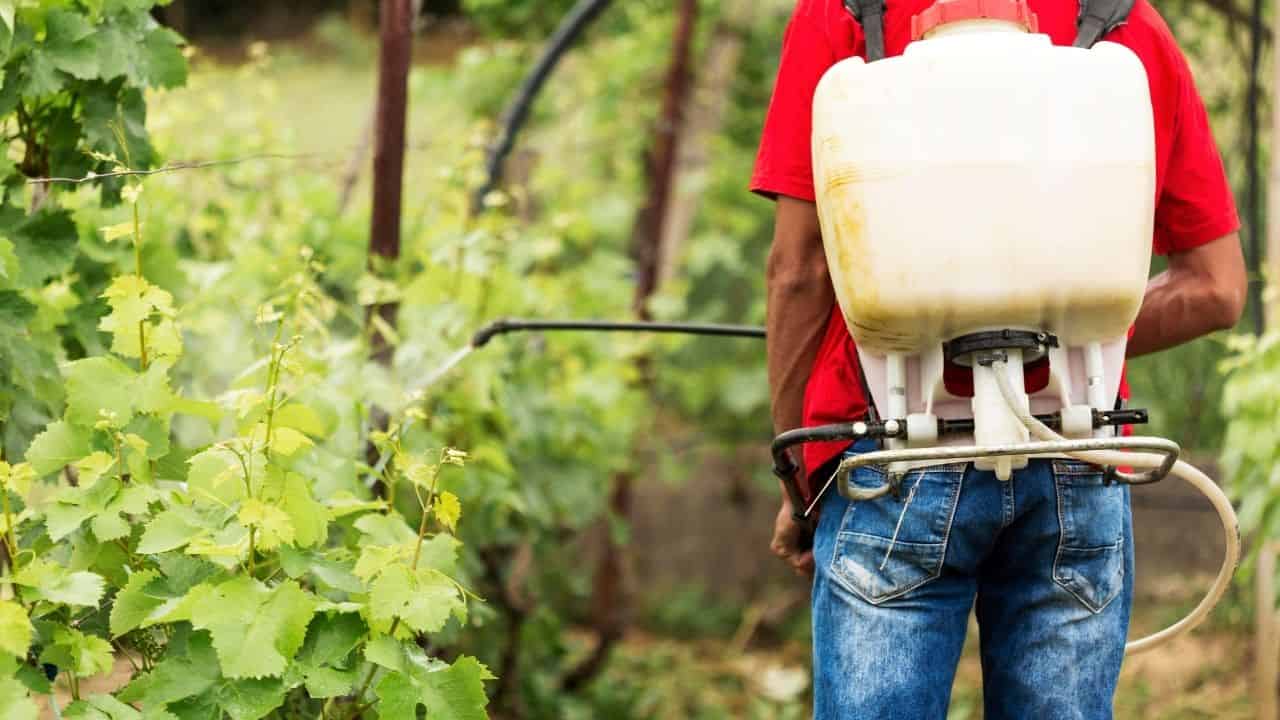
Check your plants regularly, including the undersides of leaves, for any signs of pests or eggs. Catching them early can save you a lot of trouble later.
Before reaching for harsh chemicals, try natural remedies like handpicking pests or using insecticidal soap. You can also attract beneficial bugs by planting flowers nearby to help control harmful insects naturally. For more tips, see this guide on pest monitoring and control.