Your water bill can sometimes feel like a mystery, especially when it unexpectedly spikes. Understanding the daily habits that use more water than you realize can help you take control and avoid unnecessary costs.
Many common activities in your home quietly add up and increase your water bill without you noticing. By being aware of these habits, you can make simple changes to save both water and money.
Advertisement
Leaky toilet flapper valve
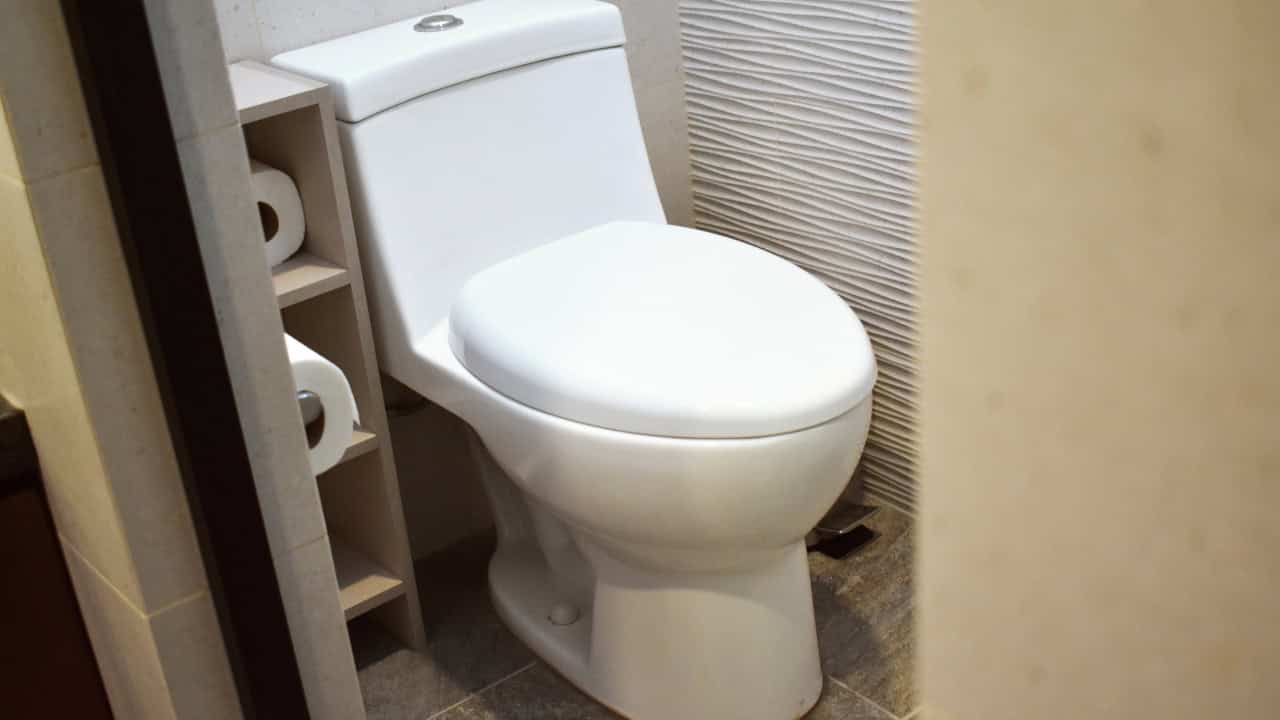
If your water bill is higher than usual, a leaky toilet flapper valve might be the cause. This small rubber part can wear out and let water continuously flow from the tank to the bowl.
You may not hear the leak since it can be very quiet, but it can waste a surprising amount of water daily. Checking and replacing a faulty flapper is a simple fix.
Dripping kitchen or bathroom faucets
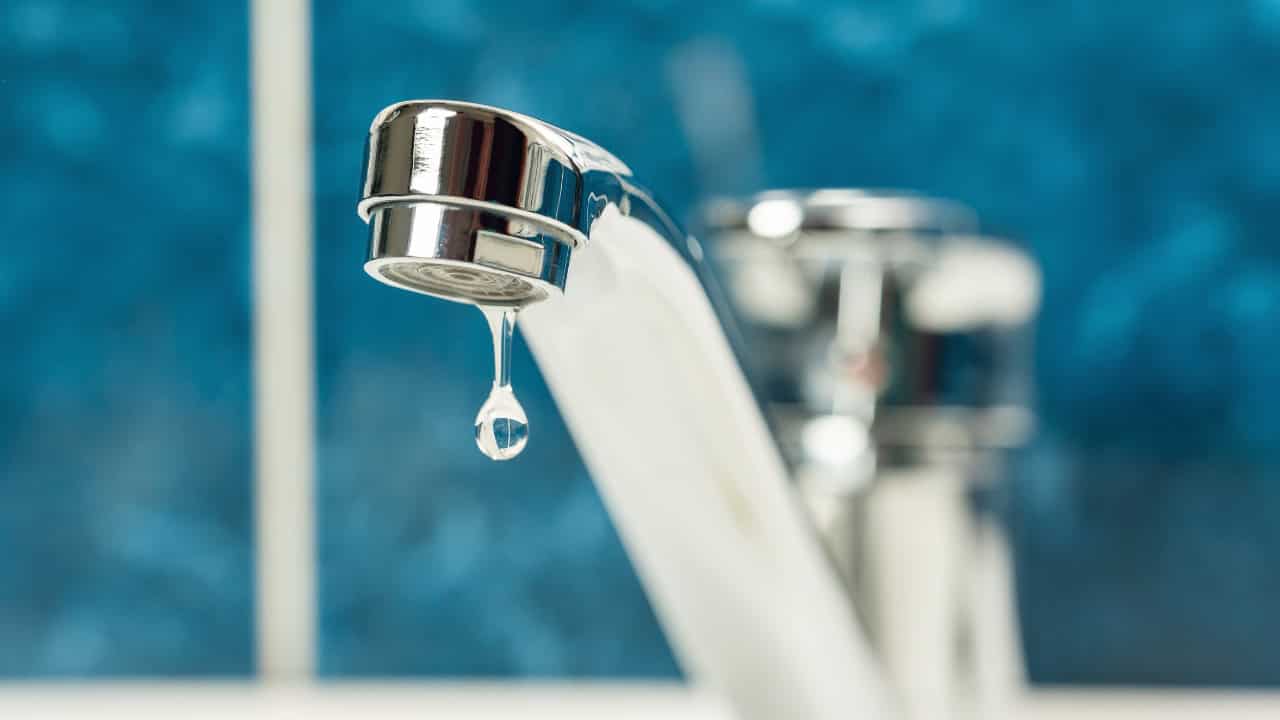
A dripping faucet might seem like a small problem, but it can add up over time. Even a slow drip can waste several gallons of water each day.
Fixing leaks in your kitchen or bathroom faucets helps reduce your water bill and saves water. You don’t need to wait for a big leak—small drips can make a difference.
Running sprinklers during rain

If you run your sprinklers while it’s raining, you’re wasting water and increasing your bill unnecessarily. Rain provides natural watering, so additional irrigation often isn’t needed.
Turning off your sprinklers during rain helps save water and keeps your lawn healthy by preventing overwatering.
Overwatering lawns and gardens

You might be using more water than needed by watering your lawn or garden too often. This not only raises your water bill but can also harm plants.
Try watering early in the morning or late in the evening to reduce evaporation. Adjust your irrigation system to avoid watering on rainy days.
Frequent long showers
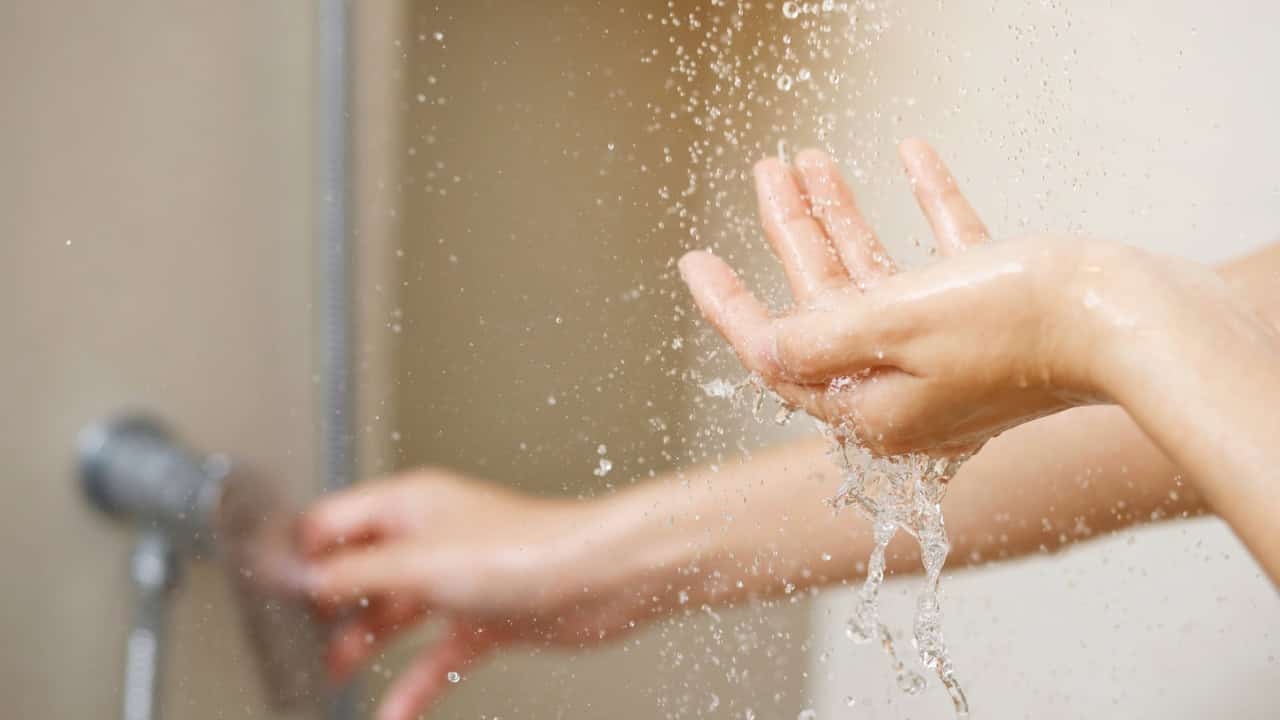
Taking long showers uses a lot of water, which can quickly increase your water bill. On average, a 10-minute shower uses about 25 gallons of water.
If you often shower for 20 minutes or more, try cutting down to 5-6 minutes.
Not fixing small leaks promptly
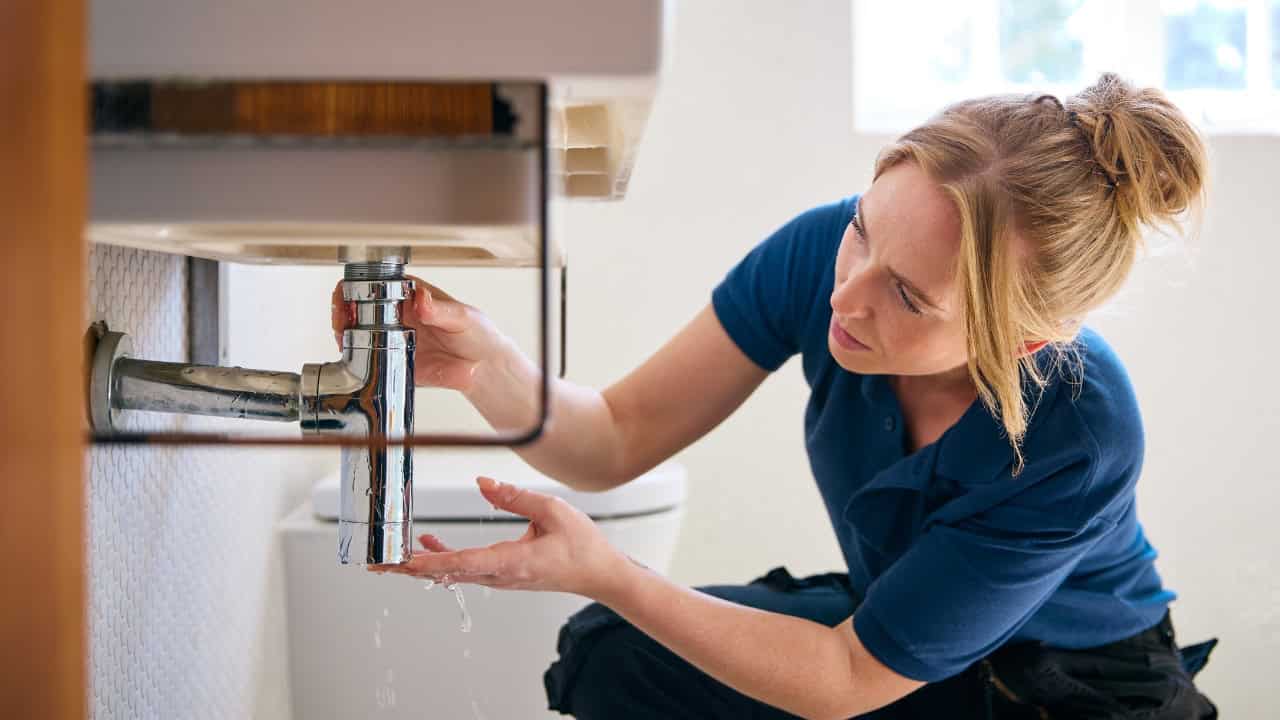
When you ignore small leaks, they can quietly waste a lot of water over time. A dripping faucet or a running toilet might seem minor, but it adds up quickly on your bill.
Checking for leaks regularly helps you catch problems early. Fixing them right away saves water and money.
Using old, inefficient appliances
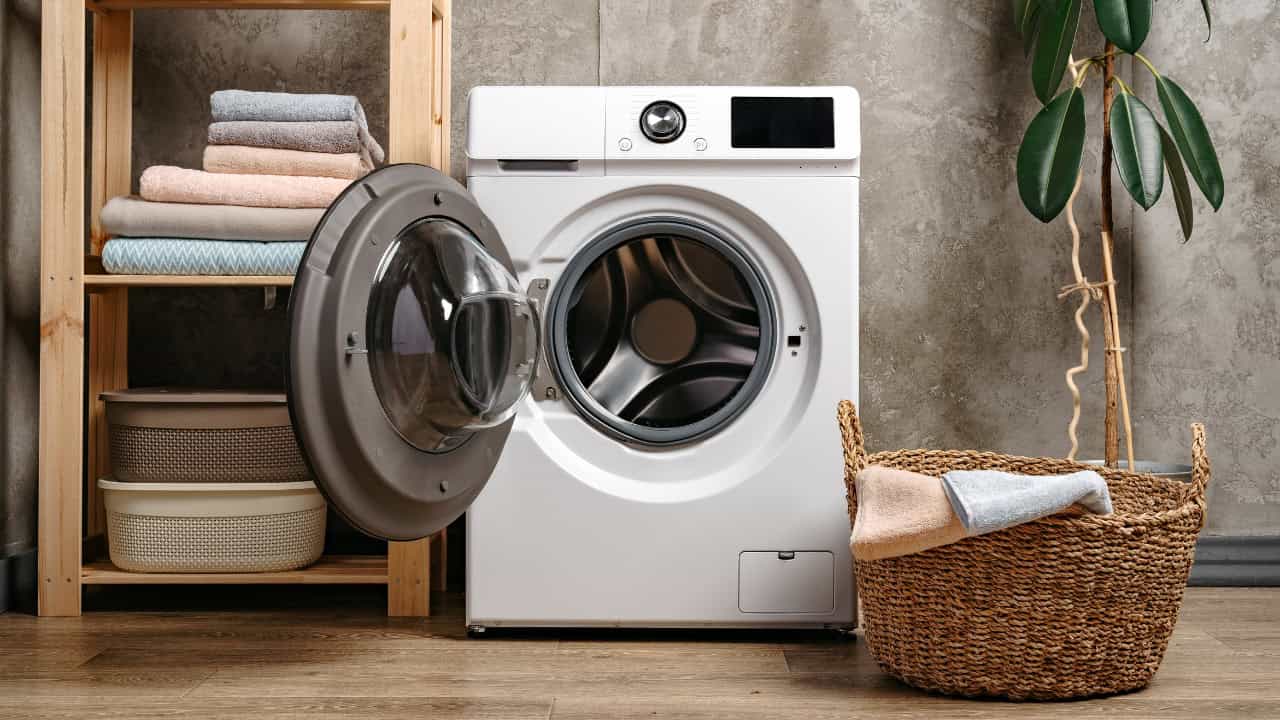
If your appliances are older, they likely use more water than newer models. For example, older washing machines can use nearly twice the water of modern, efficient ones.
Upgrading these appliances can help lower your water bill.
Leaving outdoor hoses connected
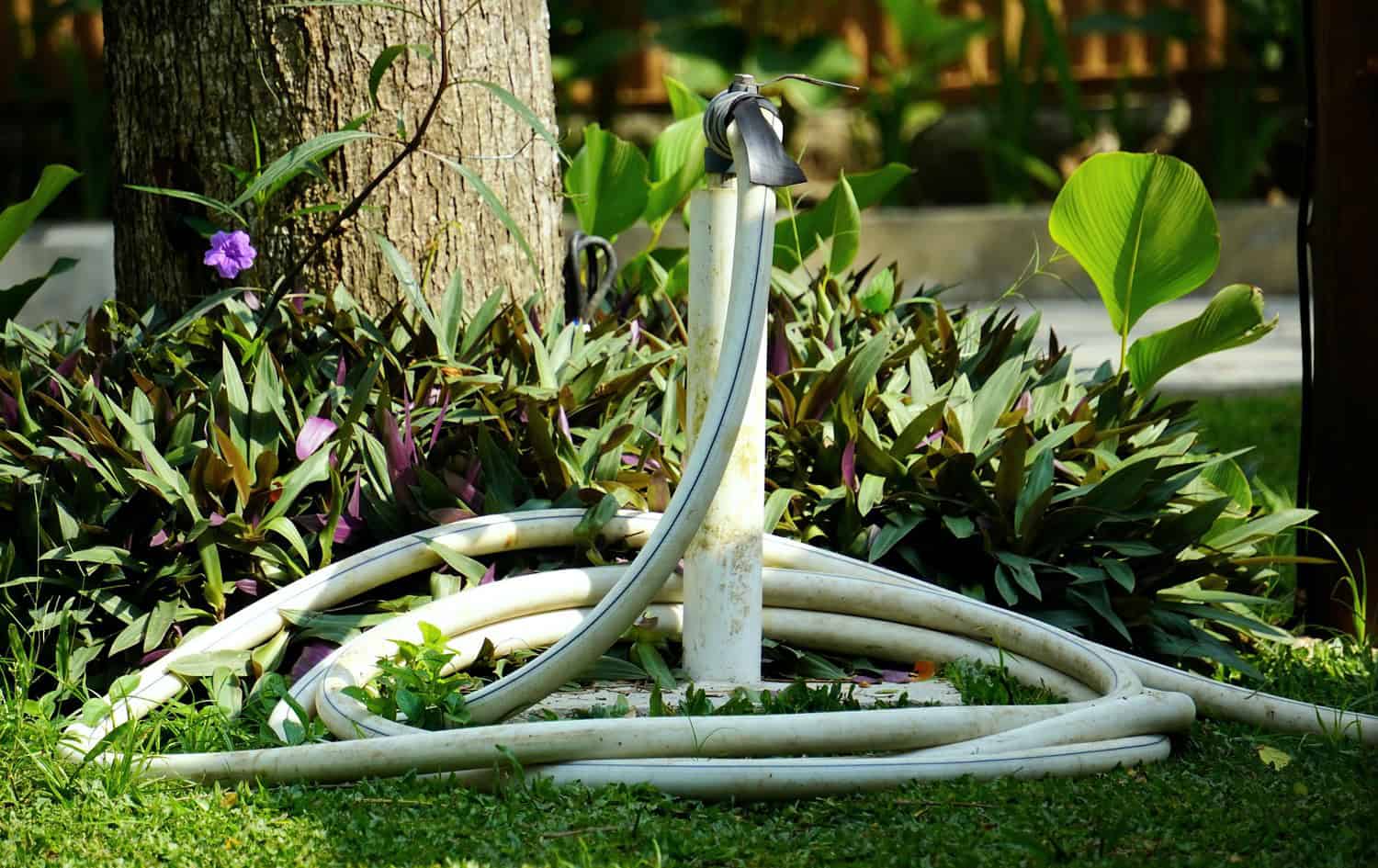
Leaving your outdoor hose connected can increase water pressure but won’t waste water if the nozzle is off. Water only flows when the spigot is on and the nozzle allows it.
However, keeping a hose pressurized for long periods can wear it out faster due to heat and pressure. It’s best to disconnect hoses when not in use.
Washing small loads of laundry often
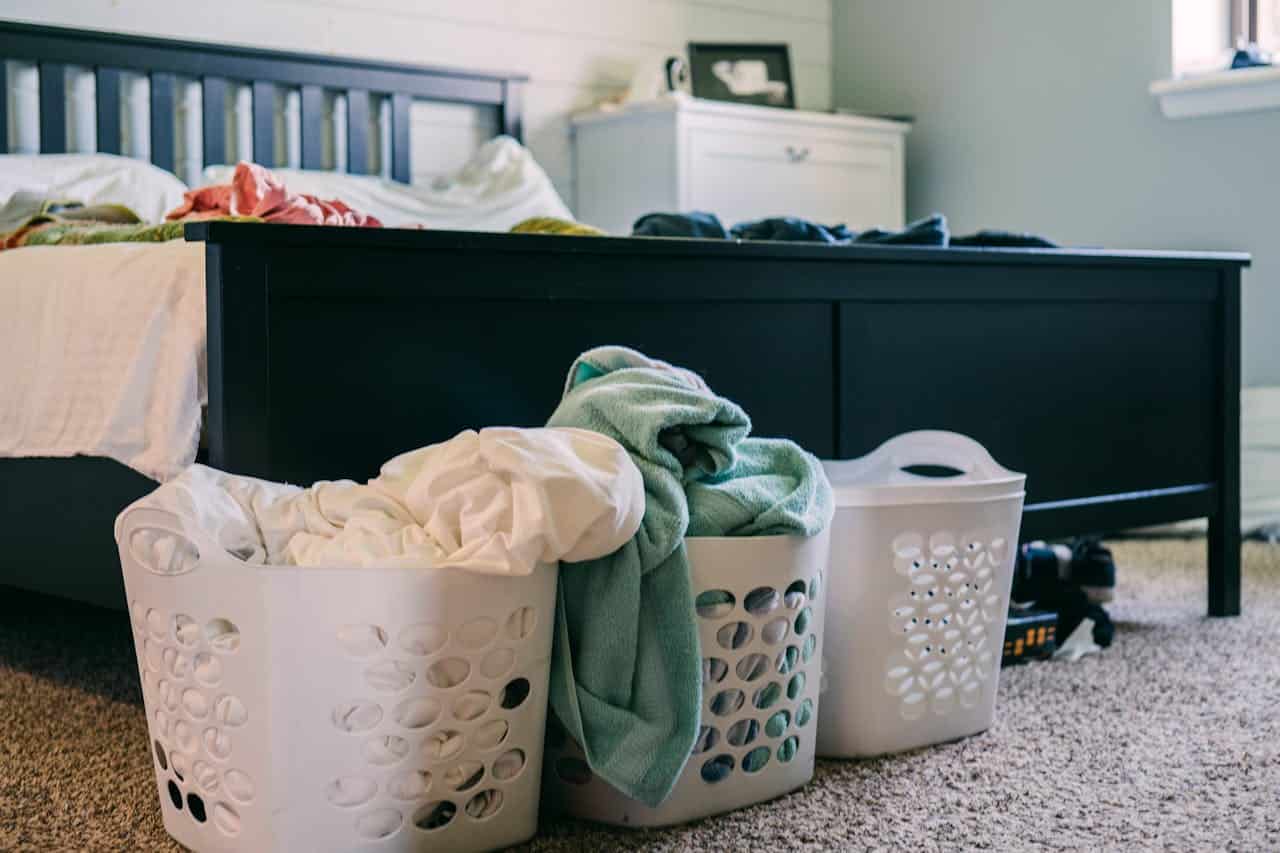
If you wash small loads frequently, you use more water than necessary. Washing machines use almost the same amount of water for a small load as they do for a full one.
Try to run only full loads to save water and reduce your bill.
Ignoring soggy spots in the yard

If you notice a soggy spot in your yard that doesn’t dry out, it could be a sign of a hidden water leak.
This wet area may waste water continuously without you realizing it. Checking and fixing these leaks can help reduce your water bill.