Gardening is a rewarding hobby that many people enjoy. However, it’s not without its challenges, and one of the biggest issues gardeners face are pests. These unwanted visitors can wreak havoc on your beautiful blooms and bountiful vegetable crops. Knowing how to identify and deal with these common garden pests is essential for maintaining a healthy and vibrant garden. In this post, we’ll introduce you to 10 common garden pests and provide useful tips on how to identify and control them.
1. Aphids

Aphids are small, pear-shaped bugs that are often green but can also be black, yellow, or pink. They have long antennae and two tubes projecting rearward from their abdomen. Aphids suck the sap out of plant leaves, causing them to wilt and yellow.
Advertisement
Most aphids prefer feeding on new growth, so if you notice curled, yellowing, or distorted leaves, you may have an aphid problem. You can control aphids by spraying your plants with water to knock them off or by introducing beneficial insects, like ladybugs, that feed on aphids.
2. Slugs and Snails
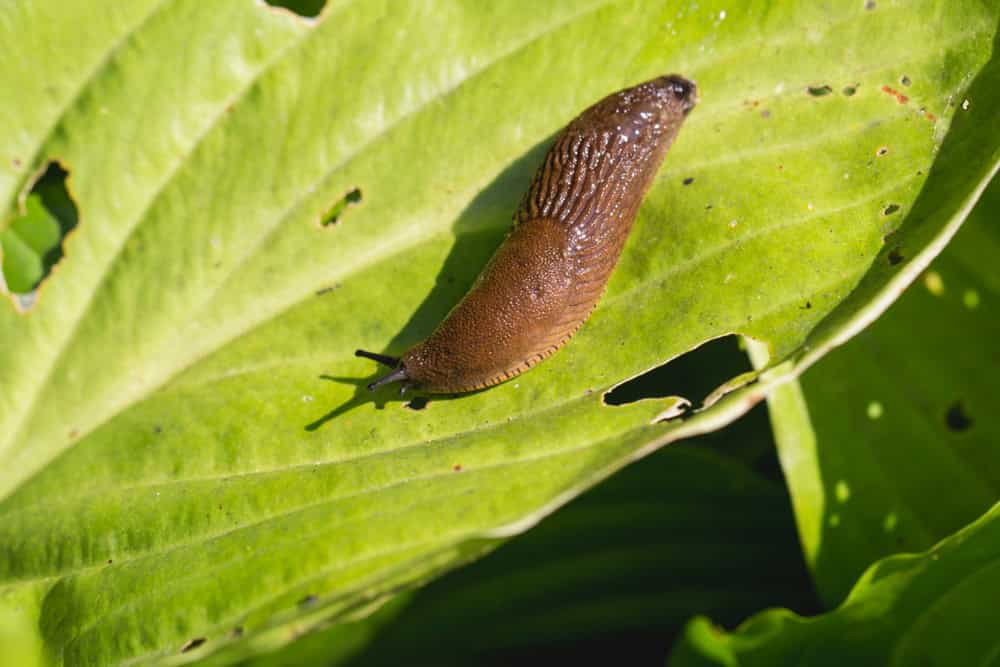
Slugs and snails are notorious pests that can cause a lot of damage to your garden. They are usually active at night and on rainy or overcast days. They feed on a variety of plants, munching on leaves, stems, and flowers.
You can identify slug and snail damage by the irregular, ragged holes they leave in your plants’ foliage. To control these pests, you can handpick them from your plants at night or use slug and snail baits.
3. Japanese Beetles

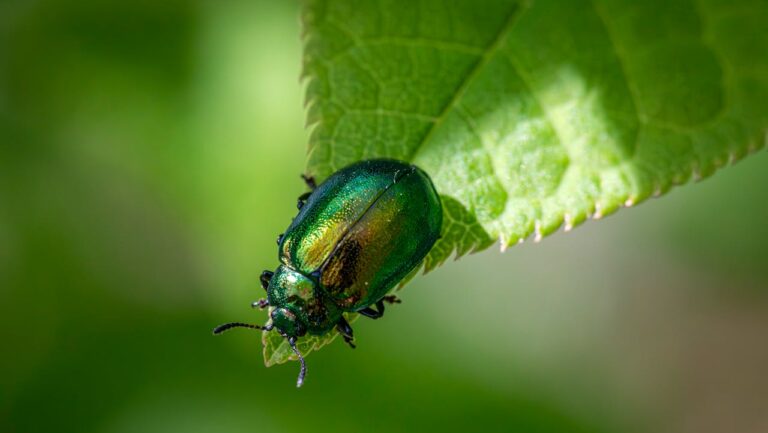
Japanese beetles are metallic blue-green bugs about ½-inch long with bronze wing covers. These beetles can cause significant damage to a wide variety of plants, eating the tissue between the veins of the leaves and leaving a skeleton-like appearance.
If you notice skeletonized leaves or entire defoliated plants, you may have a problem with Japanese beetles. You can control these pests by handpicking them from your plants or using a specific pesticide.
4. Cabbage Worms
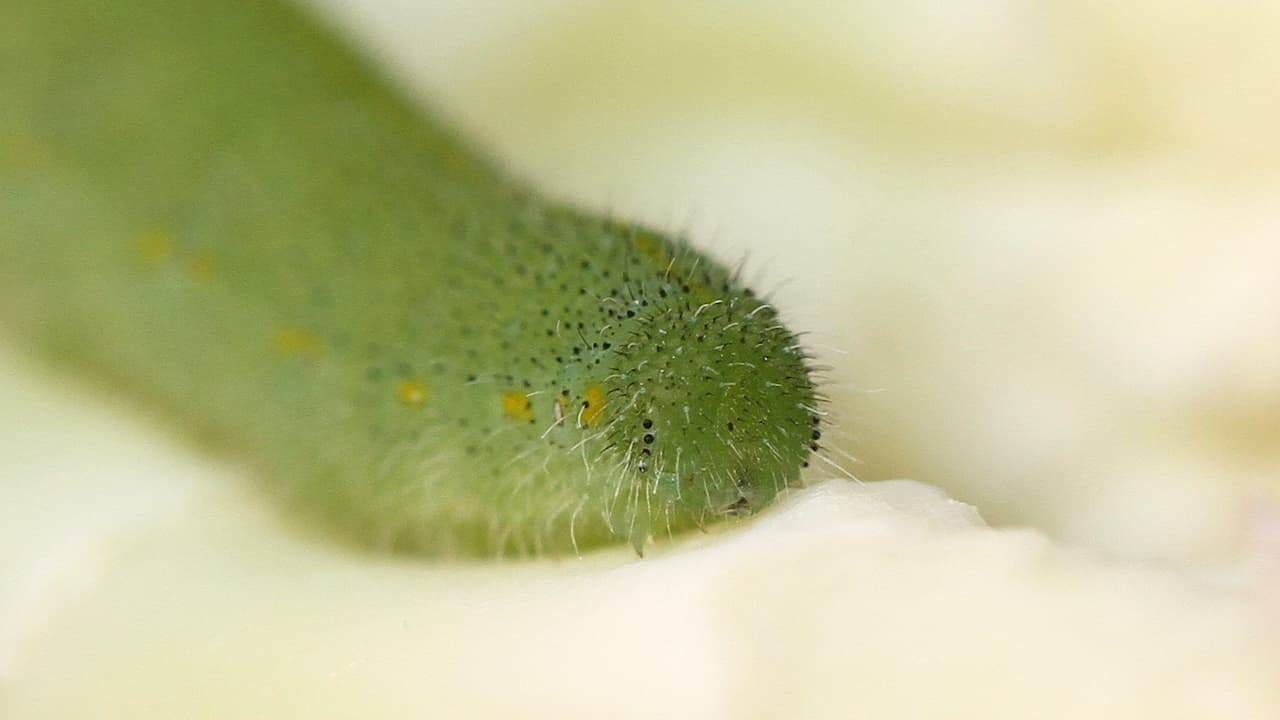
Cabbage worms are small, green caterpillars that love to eat the leaves of cabbage, kale, broccoli, and other plants in the Brassica family. These pests can quickly defoliate your plants if not controlled.
Cabbage worm damage is easily recognized by the large, irregular holes they chew in leaves. To control these pests, you can handpick them from your plants or use a specific pesticide.
5. Cutworms

Cutworms are thick, grayish-brown caterpillars that feed on plant stems at the base, cutting them off. They are most active at night and can be found curled up in the soil during the day.
If you notice severed plants or plants that are wilting for no apparent reason, you may have a cutworm problem. You can control cutworms by handpicking them from the soil or using a specific pesticide.
6. Tomato Hornworms
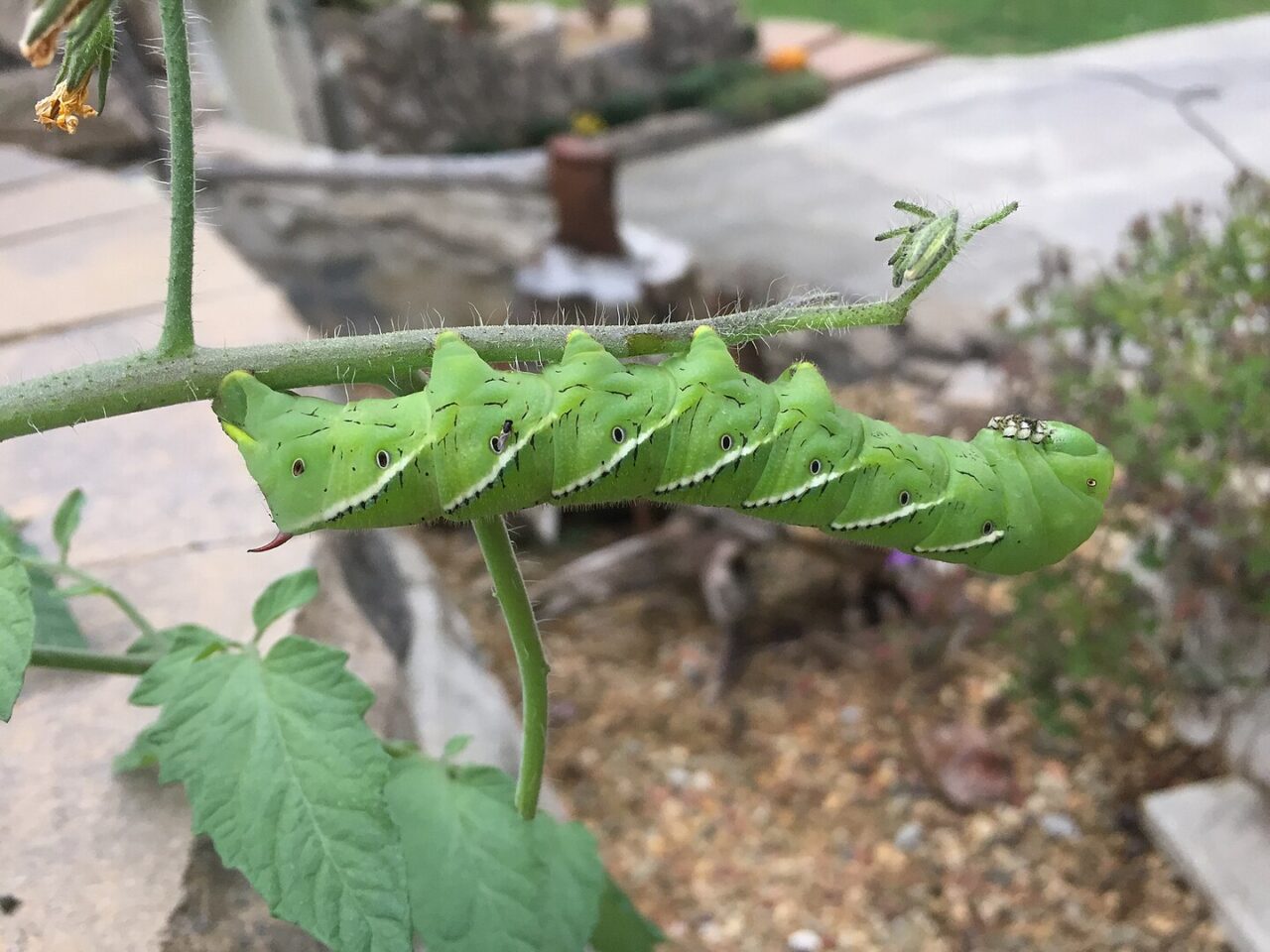
Tomato hornworms are large, green caterpillars with a distinctive horn on their rear end. They are a common pest of tomato plants but can also feed on peppers, eggplants, and potatoes.
These pests cause damage by defoliating plants and sometimes feeding on the fruit. If you notice large, irregular holes in leaves or fruit, you may have a tomato hornworm problem. You can control these pests by handpicking them from your plants or using a specific pesticide.
7. Spider Mites

Spider mites are tiny, spider-like pests that infest the undersides of plant leaves. These pests suck the sap out of leaves, causing them to yellow and drop prematurely.
Spider mites are difficult to see with the naked eye, but you can spot their damage by the yellow, speckled appearance of infested leaves. You can control spider mites by spraying your plants with water to knock them off or by introducing beneficial insects, like ladybugs, that feed on spider mites.
8. Whiteflies

Whiteflies are small, white, moth-like insects that suck the sap from plant leaves. These pests can cause leaves to yellow, wilt, and drop prematurely.
Whiteflies are easily recognizable by the cloud of tiny, white insects that fly up when an infested plant is disturbed. You can control whiteflies by spraying your plants with water to knock them off or by introducing beneficial insects, like ladybugs, that feed on whiteflies.
9. Leaf Miners

Leaf miners are tiny larvae that tunnel inside leaves, creating winding trails that are visible from the outside. These pests can cause significant damage to a wide variety of plants.
Leaf miner damage is easily recognized by the squiggly lines or blotches they leave in leaves. You can control leaf miners by removing and discarding infested leaves or using a specific pesticide.
10. Scale Insects

Scale insects are small, round or oval bugs that attach themselves to plant stems and leaves. These pests suck the sap out of plants, causing them to yellow and drop prematurely.
Scale insects are easily recognized by the small, shell-like bumps they form on plant surfaces. You can control scale insects by rubbing them off with a soft cloth or using a specific pesticide.