

Container gardening is a fabulous way to add color, variety, and beauty to your home. It is perfect for those who don’t have a lot of space, or who simply want to add a touch of greenery to their patios, balconies, or indoor spaces. The best part is, with the right selection of plants, you can create a stunning display that lasts all year round. In this post, we’ll detail the 10 best flowers for container gardening and provide helpful tips on how to grow them in pots.
1. Petunia
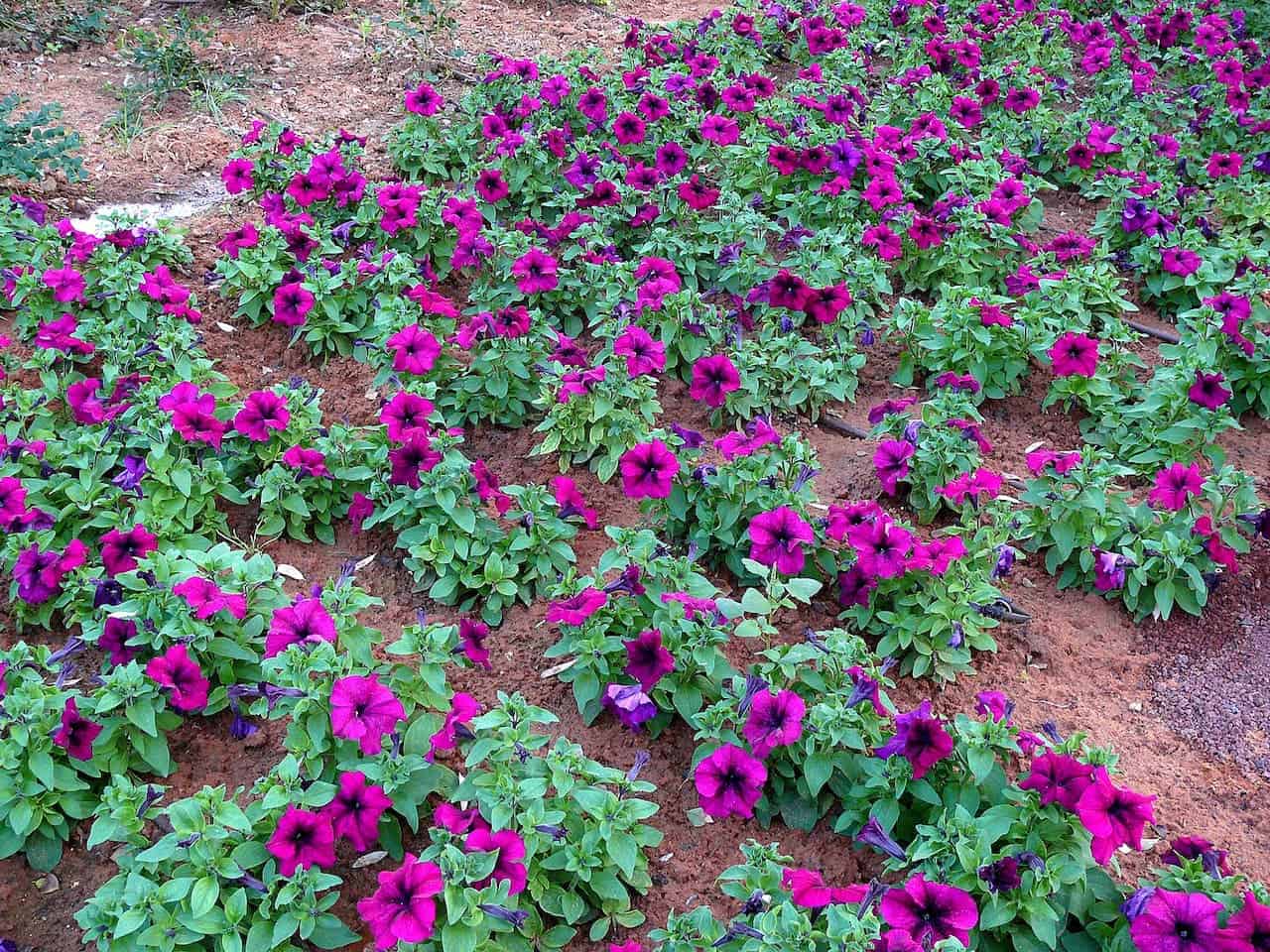
Petunias are one of the most popular flowers for container gardening due to their vibrant and colorful blooms. They are highly versatile and can be grown either as a bushy plant or trailing from hanging baskets. Petunias prefer full sun, so position the pot in a sunny spot. Watering should be done when the top inch of soil is dry, and during hot periods, this might mean daily watering.
Petunias are heavy feeders, so a slow-release fertilizer added to the potting mix at planting time will keep them blooming throughout the summer. Deadheading, the removal of spent flowers, also encourages more blooms. For a lush, full growth, pinch off the growing tips when the plants are about six inches tall.
2. Geraniums
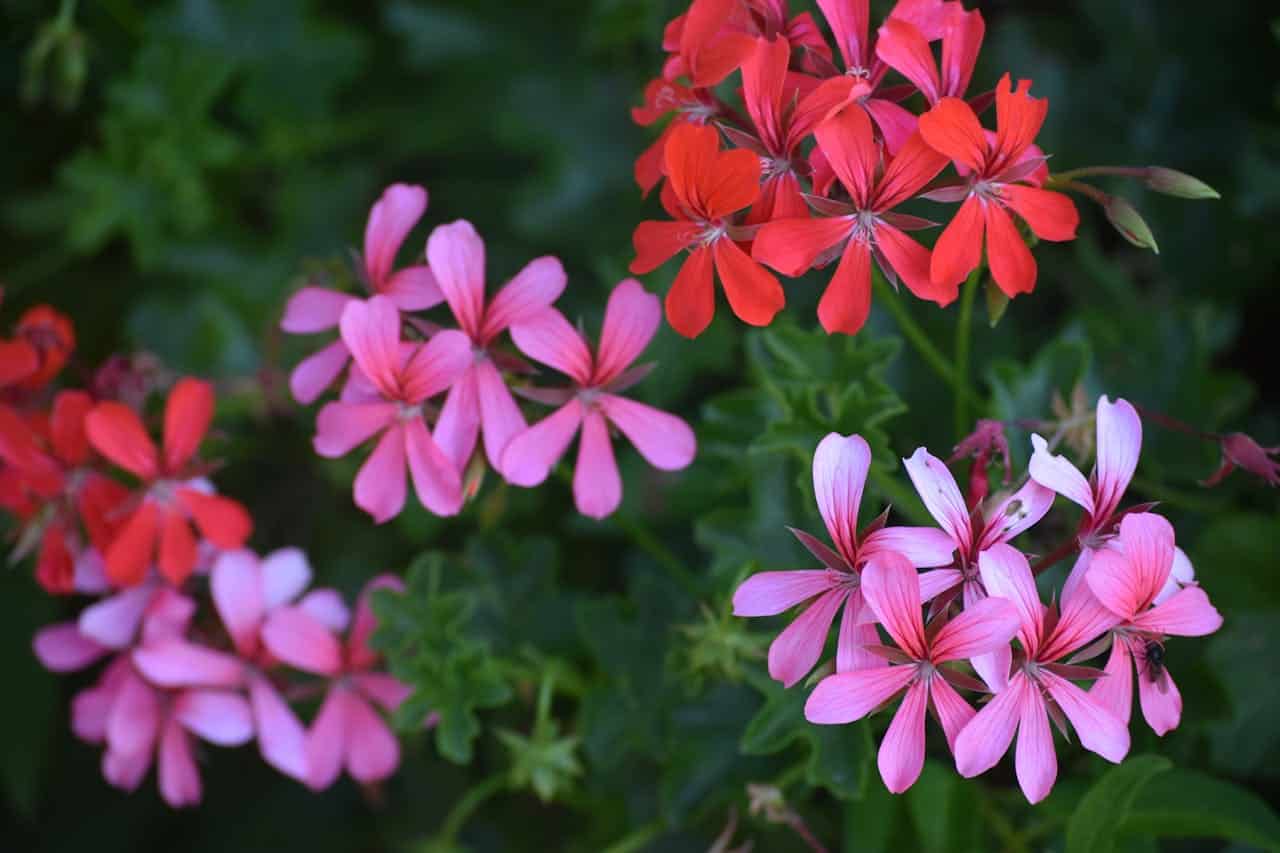
Geraniums are another excellent choice for container gardening. They produce a profusion of blooms in various colors, from white to pink, red, and sometimes even purple. Geraniums are sun-lovers but can tolerate a bit of shade. They prefer well-drained soil and are susceptible to root rot if overwatered, so let the soil dry out between watering.
Geraniums benefit from weekly feeding with a balanced liquid fertilizer. Regular deadheading will promote more blooms. Also, consider giving the plant a light prune in mid-summer to encourage bushy growth and a new flush of flowers.
3. Begonias
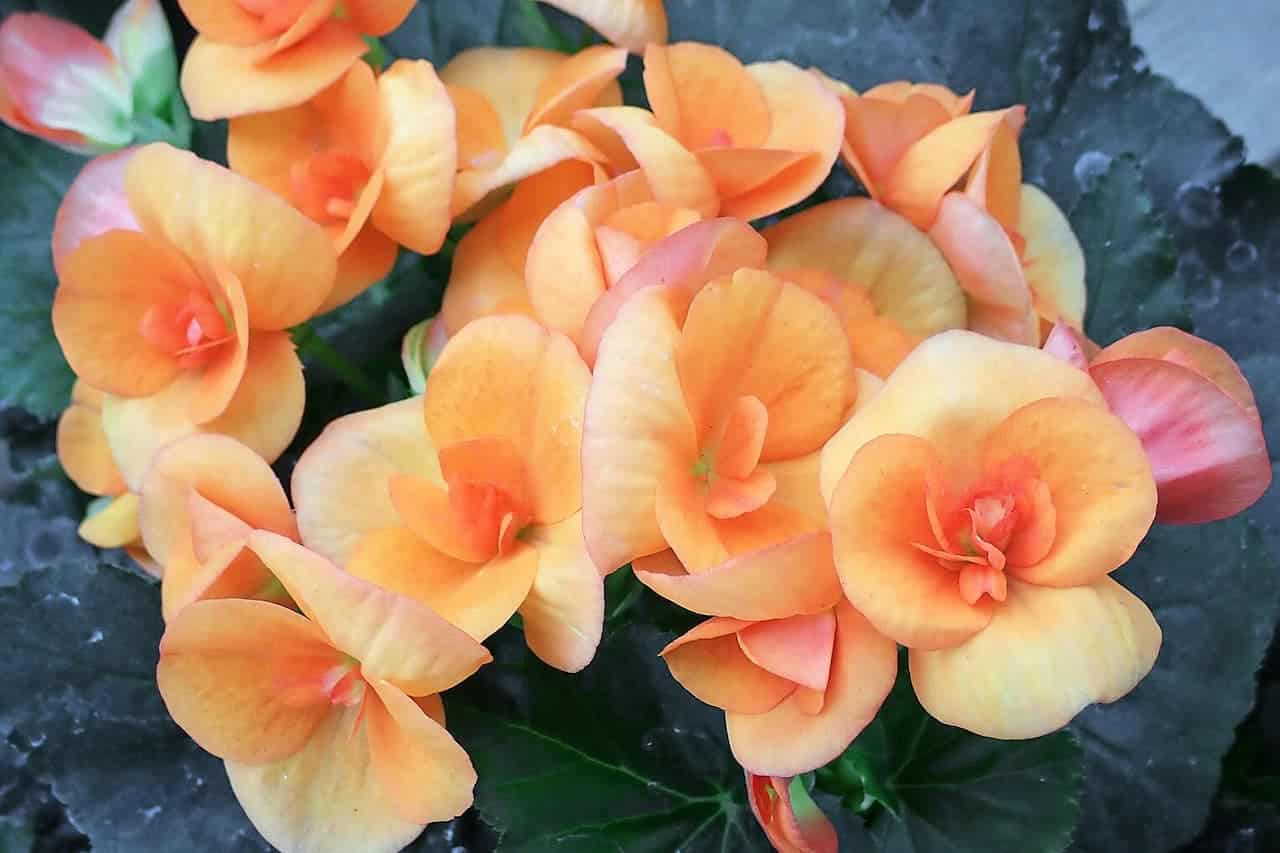
Begonias are a great container plant that offers attractive foliage and beautiful flowers. They can thrive in sun or shade, but prefer a spot where they get morning sun and afternoon shade. Keep the soil consistently moist, but not waterlogged.
Begonias don’t require much feeding — a slow-release fertilizer added to the potting mix at planting should be enough for the season. Remove spent flowers and leaves to keep the plant looking neat and tidy, and to help prevent disease.
4. Impatiens
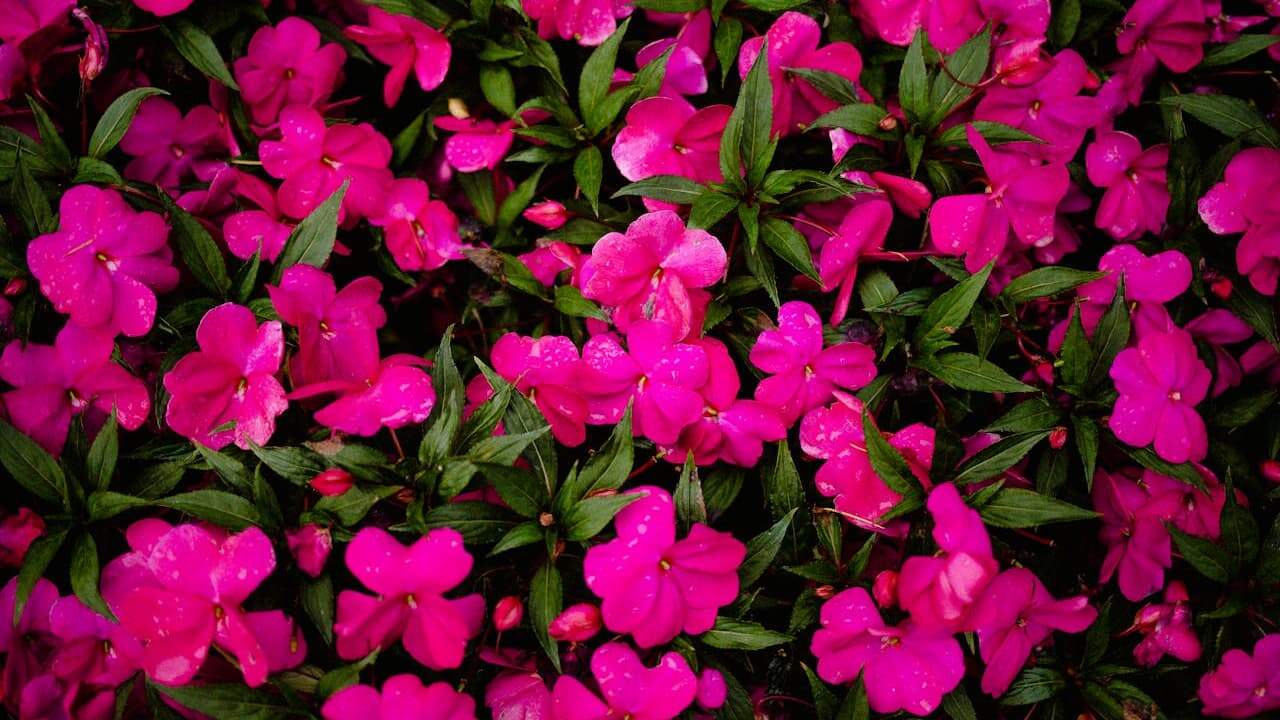
Impatiens are perfect for brightening up shady corners of your patio or balcony. They produce a mass of vibrant blooms in a wide range of colors. Impatiens prefer rich, well-drained soil and partial to full shade. The soil should be kept consistently moist, but not soggy.
Impatiens are pretty low maintenance — they don’t need much feeding or deadheading. However, if you notice the blooms starting to diminish in the heat of summer, cut the plants back by half to encourage a new flush of growth and flowers.
5. Pansies

Pansies are a fantastic choice for adding a splash of color to your container garden. They’re hardy plants that can tolerate cool temperatures and even a touch of frost. Pansies prefer a sunny or partially shaded spot and well-drained soil. Keep the soil evenly moist, but be careful not to overwater.
Regular feeding with a balanced liquid fertilizer will keep your pansies blooming. Deadhead spent flowers to encourage more blooms. In hot weather, pansies may stop blooming, but they’ll often perk up and start flowering again in the cooler temperatures of fall.
6. Marigolds

Marigolds are a container garden favorite due to their bright, cheerful flowers. They’re also easy to grow, making them perfect for beginners. Marigolds prefer a sunny spot and well-drained soil. Watering should be done when the top inch of soil is dry.
Marigolds don’t require much feeding. A slow-release fertilizer added to the potting mix at planting time should be enough for the season. Regular deadheading will promote more blooms. Also, marigolds are known for their pest-repelling properties, making them a great companion plant in your container garden.
7. Lobelia
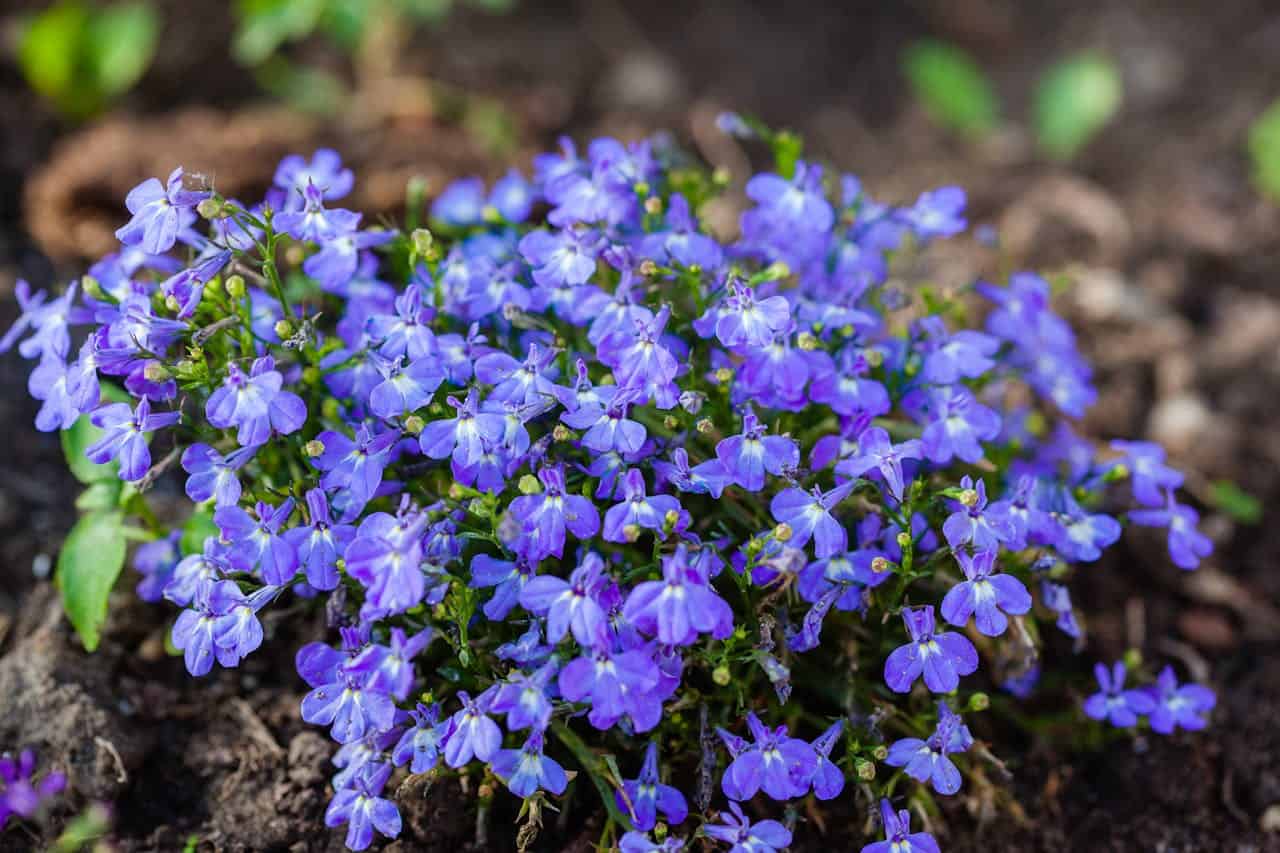
Lobelia is a delightful plant that produces masses of tiny, vibrant flowers. It’s perfect for adding a touch of drama to your container garden. Lobelia prefers a sunny or partially shaded spot and well-drained soil. Keep the soil consistently moist, but not waterlogged.
Lobelia doesn’t need much feeding — a slow-release fertilizer added to the potting mix at planting time should be enough for the season. Deadhead spent flowers to encourage more blooms. In the heat of summer, the plants may stop blooming and start to look straggly. If this happens, cut them back by half to encourage a new flush of growth and flowers.
8. Nasturtiums

Nasturtiums are a fantastic choice for container gardening. Not only do they produce a profusion of colourful blooms, but their leaves and flowers are also edible! Nasturtiums prefer a sunny spot and well-drained soil. They’re drought-tolerant, so be careful not to overwater.
Nasturtiums actually prefer poor soil and don’t require feeding. In fact, too much fertilizer will result in lush foliage but few flowers. Deadhead spent flowers to encourage more blooms. And remember to harvest the leaves and flowers for a peppery addition to salads!
9. Fuchsia
Fuchsia is a stunning plant that produces unusual, dangling flowers in a range of vibrant colors. It’s perfect for adding a touch of exotic flair to your container garden. Fuchsia prefers a partially shaded spot and well-drained soil. Keep the soil consistently moist, but not waterlogged.
Fuchsia benefits from weekly feeding with a balanced liquid fertilizer. Regular deadheading will promote more blooms. Also, fuchsia plants can be quite bushy, so consider giving them a prune in mid-summer to maintain a neat shape.
10. Sweet Alyssum
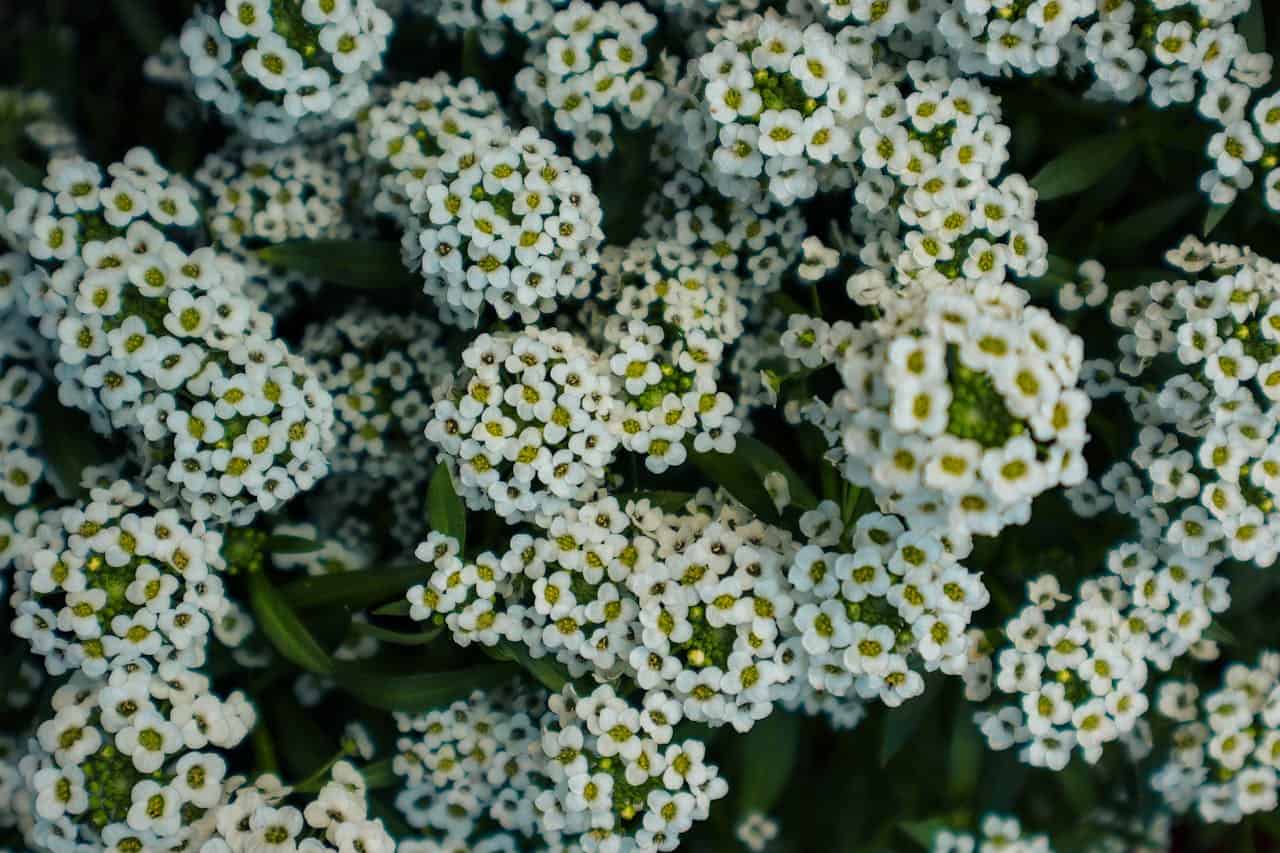
Sweet Alyssum is a charming plant that produces masses of tiny, sweetly-scented flowers. It’s perfect for creating a carpet of color in your container garden. Sweet Alyssum prefers a sunny or partially shaded spot and well-drained soil. Keep the soil consistently moist, but not waterlogged.
Sweet Alyssum doesn’t need much feeding — a slow-release fertilizer added to the potting mix at planting time should be enough for the season. Deadhead spent flowers to encourage more blooms. In the heat of summer, the plants may start to look straggly. If this happens, cut them back by half to encourage a new flush of growth and flowers.