A lush, green lawn is the pride of any homeowner, but keeping it healthy isn’t as simple as just mowing and watering. In fact, many common lawn care habits do more harm than good, leaving you with patchy, yellowing, or thinning grass. If you’ve been struggling to keep your yard looking its best, you might be making one (or more) of these mistakes.
Here are 10 common yard mistakes that could be killing your grass—and what you can do to fix them.
Advertisement
1. Mowing Too Short

It’s tempting to cut your grass extra short to delay the next mow, but this can actually do serious damage. Scalping your lawn weakens the grass, leaving it vulnerable to heat stress, disease, and weed infestations.
Most lawns thrive when mowed to a height of 2.5 to 4 inches, depending on the grass type. Taller grass shades the soil, reducing moisture loss and keeping weeds from taking over. Instead of cutting too short, aim to remove no more than one-third of the blade length per mow.
2. Overwatering or Underwatering
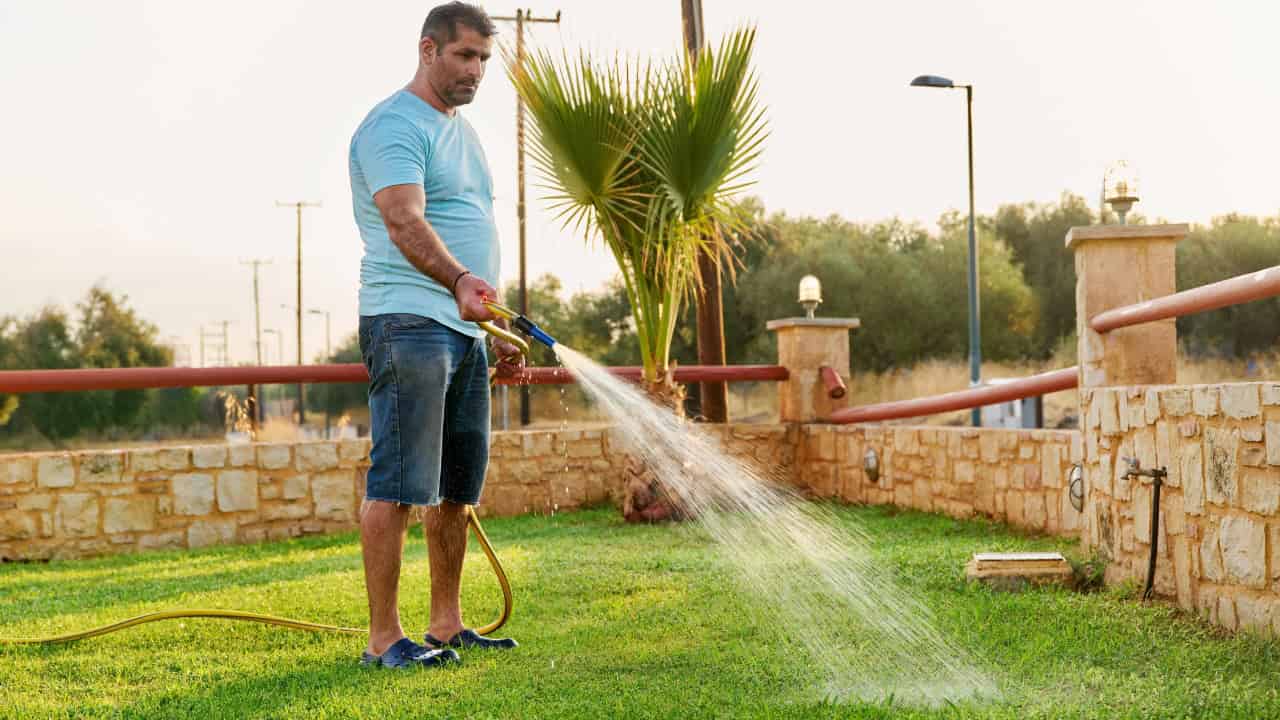
Watering is essential for healthy grass, but too much or too little can cause problems. Overwatering suffocates the roots and leads to fungal diseases, while underwatering causes dry, brittle grass that turns brown.
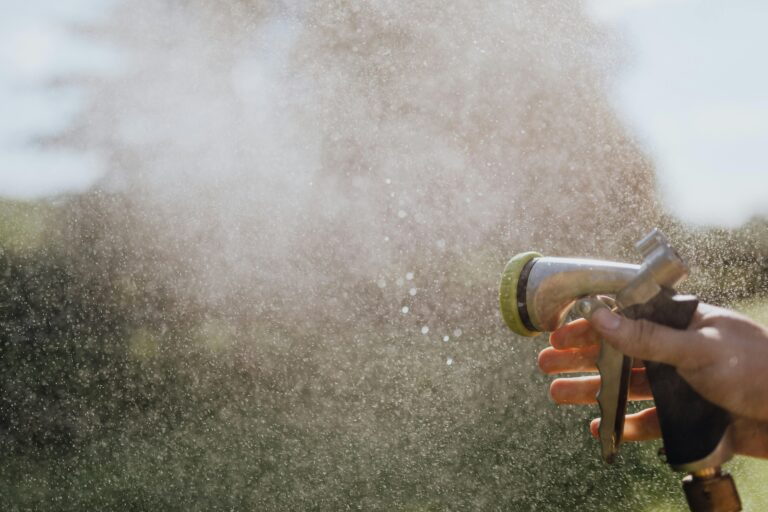
The sweet spot? 1 to 1.5 inches of water per week, including rainfall. It’s best to water deeply but infrequently, about twice a week, to encourage deep root growth. Watering in the early morning (before 10 AM) prevents evaporation and fungal issues.
3. Watering at the Wrong Time

Timing is everything when it comes to watering your lawn. If you’re watering in the evening, you’re creating the perfect conditions for mold, mildew, and fungal diseases to thrive. On the flip side, watering in the middle of the day causes too much evaporation, meaning the grass doesn’t get the moisture it needs.
The best time to water? Early in the morning, between 6 AM and 10 AM. This allows the water to soak in before the heat of the day kicks in, while also giving the grass time to dry before nightfall.
4. Using the Wrong Fertilizer (or Using Too Much)
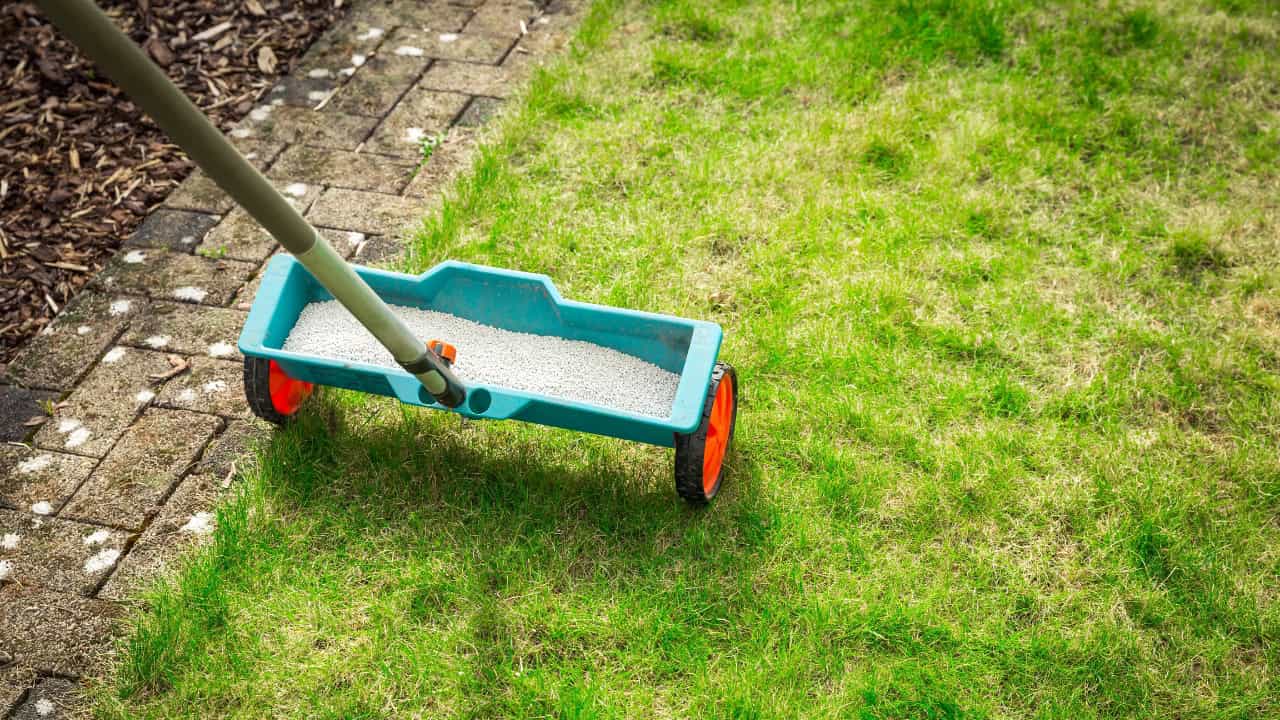
Fertilizer can be your lawn’s best friend—or its worst enemy. Using the wrong type or applying too much can lead to burned grass, weak roots, and excessive thatch buildup. Synthetic fertilizers, in particular, can overload your lawn with nitrogen, causing rapid growth that weakens the overall health of the grass.
A good rule of thumb is to test your soil before applying fertilizer to determine exactly what nutrients your lawn needs. Slow-release, organic fertilizers are a safer bet, and applying fertilizer in the fall and spring is usually the best schedule.
5. Ignoring Soil Compaction

If your lawn gets a lot of foot traffic (kids, pets, or backyard parties), the soil underneath can become hard and compacted, making it difficult for water, air, and nutrients to reach the roots. This leads to thin, struggling grass and encourages weed growth, since weeds thrive in compacted soil.
The fix? Aerate your lawn once a year, preferably in the fall or early spring. Aeration loosens up compacted soil, allowing your grass to develop stronger, deeper roots. You can rent an aerator or hire a professional to do the job.
6. Using Dull Mower Blades

Ever notice your grass looks ragged or brown after mowing? It’s likely because your mower blades are dull, which tears the grass instead of cutting it cleanly. These jagged edges dry out quickly and make your lawn more susceptible to disease and pests.
Mower blades should be sharpened at least twice a season. If you mow frequently, consider sharpening them every 25 hours of mowing time. A sharp blade gives a cleaner cut, which promotes healthier, greener grass.
7. Letting Thatch Build Up

Thatch is the layer of dead grass, roots, and organic material that sits between the soil and the living grass. A little thatch (less than ½ inch) is beneficial because it helps retain moisture. But too much thatch chokes your lawn, preventing water and nutrients from reaching the roots.
To manage thatch, dethatch your lawn once a year using a rake or a dethatching machine. If your lawn is prone to thatch buildup, avoid over-fertilizing and overwatering, as these encourage excessive thatch growth.
8. Planting the Wrong Grass for Your Climate

Not all grass types thrive in every region. If your lawn is constantly struggling despite your best efforts, you might be using the wrong grass variety for your climate.
For example, cool-season grasses (like Kentucky bluegrass and fescue) thrive in northern regions but struggle in hot, dry climates. Meanwhile, warm-season grasses (like Bermuda and St. Augustine) love the heat but turn brown in colder regions.
Do some research on what grass types grow best in your area and consider overseeding with a more suitable variety to improve your lawn’s resilience.
9. Letting Weeds Take Over

Weeds like dandelions, crabgrass, and clover don’t just look bad—they steal water, nutrients, and sunlight from your grass, making it weaker and more susceptible to disease. The more weeds you have, the harder it is for your lawn to grow strong and thick.
The best defense? A healthy, dense lawn. Thick grass naturally crowds out weeds, preventing them from getting established. Mowing at the right height, watering properly, and fertilizing correctly all contribute to a weed-resistant lawn. If you already have a weed problem, use a pre-emergent herbicide in early spring and spot-treat existing weeds before they spread.
10. Overlooking Seasonal Lawn Care

Lawn care isn’t a one-size-fits-all approach—your grass has different needs in spring, summer, fall, and winter. Ignoring seasonal care can lead to weak roots, dead patches, and a lawn that struggles year after year.
Spring: Start with aeration, dethatching, and fertilizing to give your lawn a strong start.
Summer: Water deeply, mow properly, and avoid over-fertilizing to prevent stress.
Fall: This is the best time to overseed, fertilize, and aerate to prepare for winter.
Winter: Avoid heavy foot traffic, clear off debris, and let the lawn rest.
Paying attention to what your lawn needs each season ensures it stays healthy and green all year long.
*this article was created with the help of AI.