Keeping houseplants alive shouldn’t be this hard, right? But somehow, no matter how much attention (or neglect) they get, they end up looking sad and wilted. One day, they’re thriving, and the next, they’re dropping leaves like they’ve given up on life.
The good news? Most plant problems come down to a handful of common mistakes—things that are easy to fix once you know what’s going wrong. Whether your plants are turning yellow, drying out, or just refusing to grow, there’s probably a simple reason behind it. Here’s what might be killing your indoor plants—and exactly how to turn things around.
Advertisement
1. You’re Overwatering

Too much love can kill a plant—literally. Overwatering suffocates the roots, leading to yellow leaves, mushy stems, and sometimes even fungus or gnats. If the soil stays wet for too long, roots start to rot, and your plant won’t be able to take in nutrients properly.
An easy way to tell if you’re overwatering is by checking the soil before adding more water. If it’s still damp a couple of inches down, hold off on watering. Even plants that like moisture need time to dry out a bit between drinks.
How to Fix It:
First, stop watering for a few days and let the soil dry out. If root rot has set in (you’ll see black, mushy roots), trim off the damaged parts and repot in fresh, well-draining soil. Using a pot with drainage holes also helps prevent water from pooling at the bottom.
For future watering, try the “finger test.” Stick your finger about an inch into the soil—if it’s dry, go ahead and water. If it’s still damp, wait a little longer. This simple habit can save a lot of plants.
2. You’re Underwatering
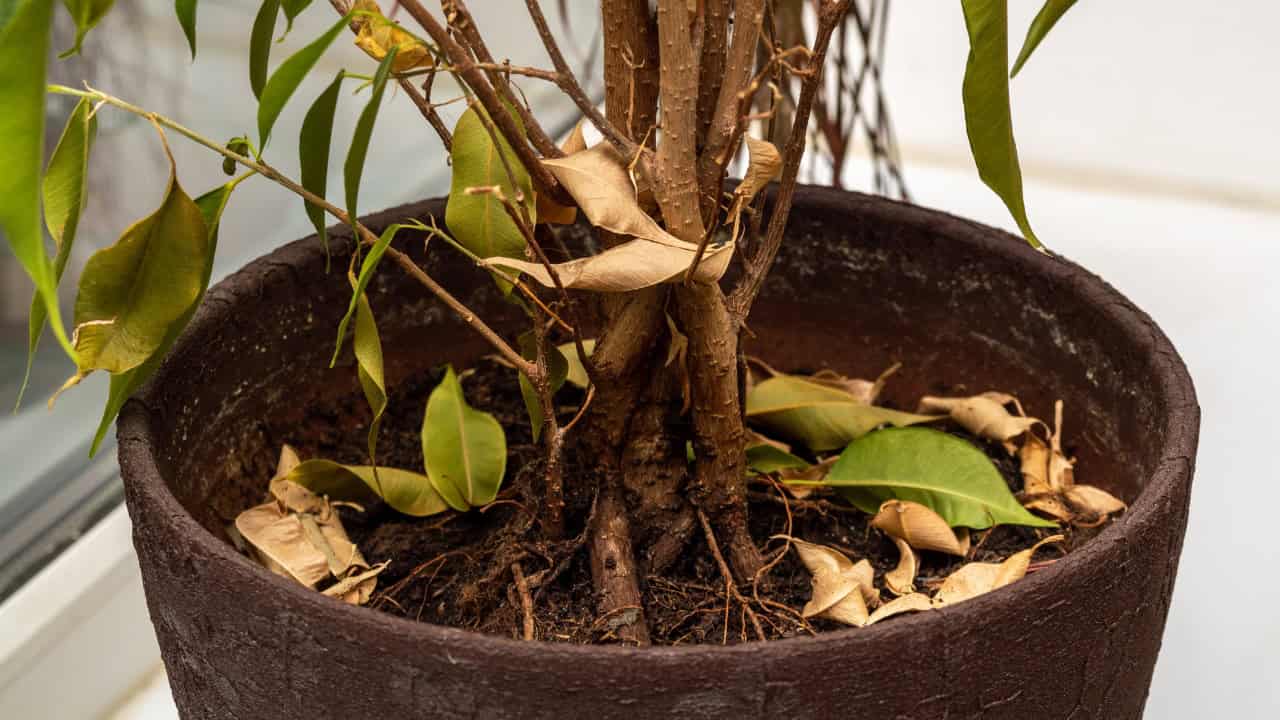
On the flip side, letting a plant dry out too much can be just as harmful. If the leaves are dry, crispy, or drooping, your plant is probably screaming for water. Some plants are more forgiving than others, but eventually, dehydration will slow growth and cause leaves to drop.
Skipping waterings too often weakens the plant over time, making it more vulnerable to stress and pests. If your soil is pulling away from the sides of the pot or feels bone dry, it’s time to give your plant a deep drink.
How to Fix It:
Water deeply until you see excess draining from the bottom of the pot. If the soil has gotten too dry and is repelling water, soak the pot in a tray of water for about 15 minutes so the roots can rehydrate.
Going forward, set a watering schedule based on the type of plant you have. Some need more frequent watering, while others (like succulents) prefer to dry out between waterings. Consistency is key.
3. Your Plant Isn’t Getting Enough Light
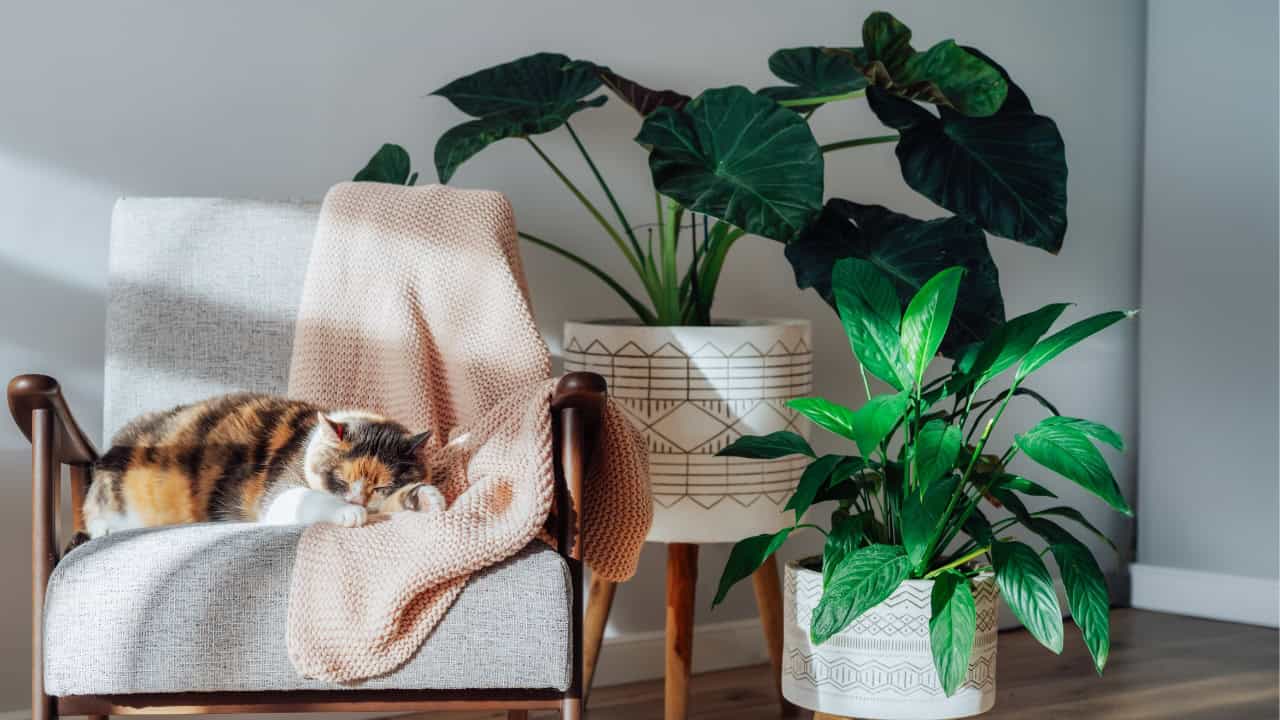
Plants need light to survive, and if they don’t get enough, you’ll notice slow growth, pale or yellowing leaves, and leggy stems reaching for sunlight. If your plant looks stretched out or the leaves are smaller than usual, it’s probably craving more light.
Even low-light plants need some level of brightness to stay healthy. Leaving them in a dim corner or far from windows can make them weak and stressed.
How to Fix It:
Move your plant closer to a window with better natural light. South-facing windows provide the most sun, while east- and west-facing windows offer a good balance. If natural light is limited, a grow light can make a huge difference.
Rotate your plant every few weeks so all sides get even exposure. If leaves are still struggling, consider switching to a plant that naturally thrives in low light, like a snake plant or pothos.
4. Your Plant Is Getting Too Much Sun
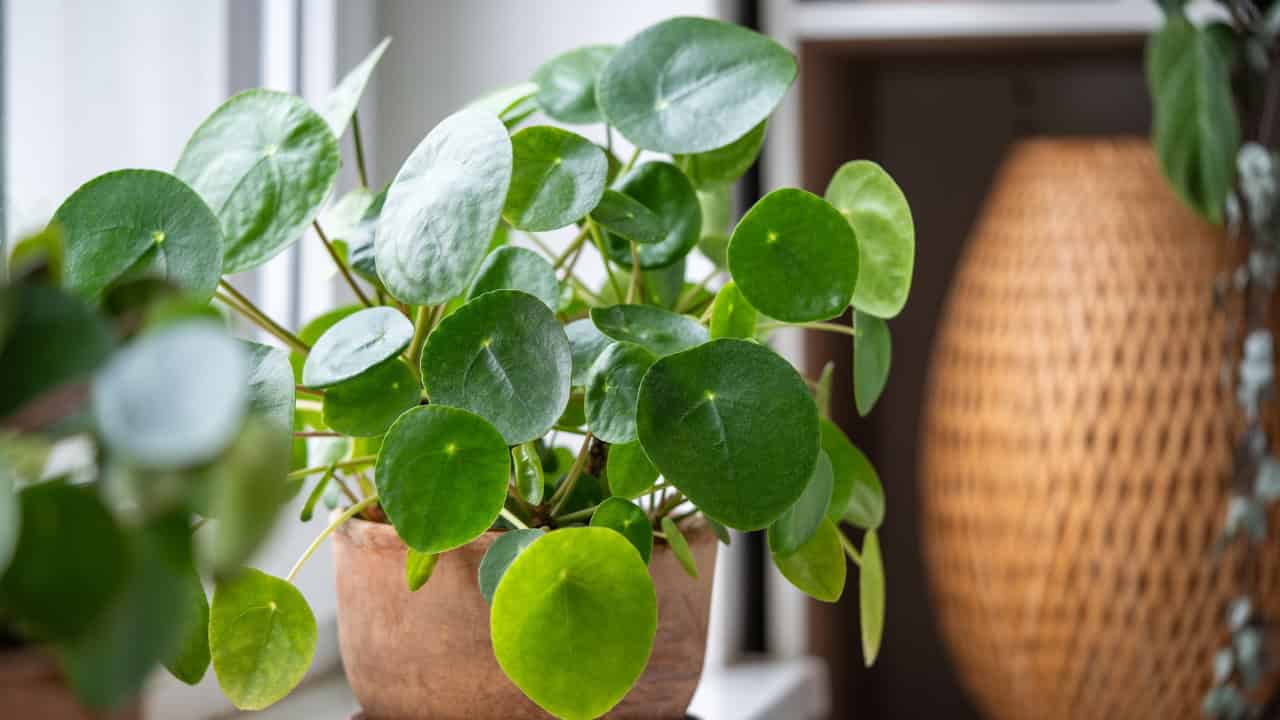
While some plants love direct sunlight, too much exposure can be a problem. If your plant’s leaves are turning brown, curling, or looking scorched, it’s likely getting more sun than it can handle.
Plants that need indirect light can struggle if placed in a bright, sunny window. The intense heat can dry them out quickly, even if you’re watering regularly.
How to Fix It:
Move your plant to a spot with filtered light or indirect sun. If you can’t move it, sheer curtains can help soften the intensity of direct sunlight.
Check the soil more often—plants in bright spots may need water more frequently. If damage has already happened, trim off any crispy leaves to encourage new, healthy growth.
5. Your Pot Doesn’t Have Good Drainage
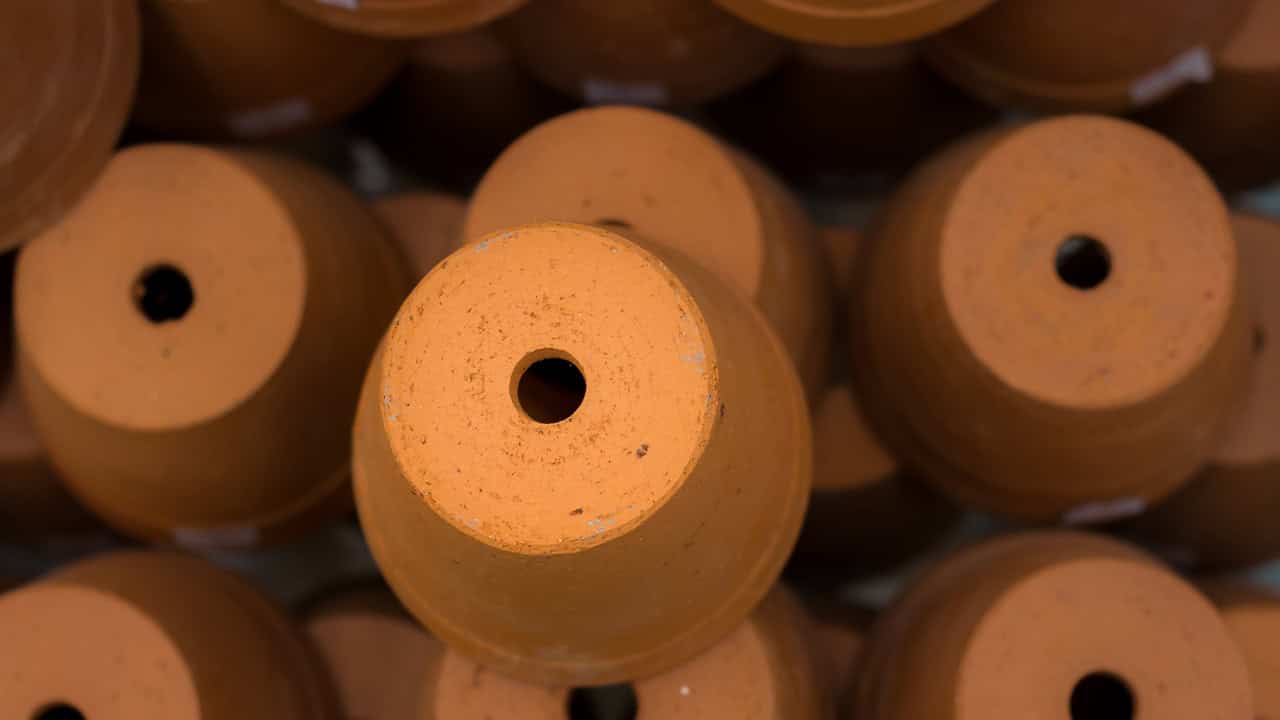
A plant can be watered perfectly but still struggle if its pot doesn’t drain well. Water needs a way to escape; otherwise, it just sits there, leading to root rot.
If your soil stays wet for too long, or if water pools at the bottom of the pot without draining, your plant’s roots will slowly suffocate.
How to Fix It:
Always use pots with drainage holes. If you love a decorative pot that doesn’t have one, keep your plant in a plastic nursery pot and place it inside the decorative one. Just remove it when watering to let the excess drain out.
Mixing in perlite or sand with your soil can improve drainage. Also, avoid using pots that are too big—oversized pots hold more moisture, which can make the problem worse.
6. Pests Are Taking Over
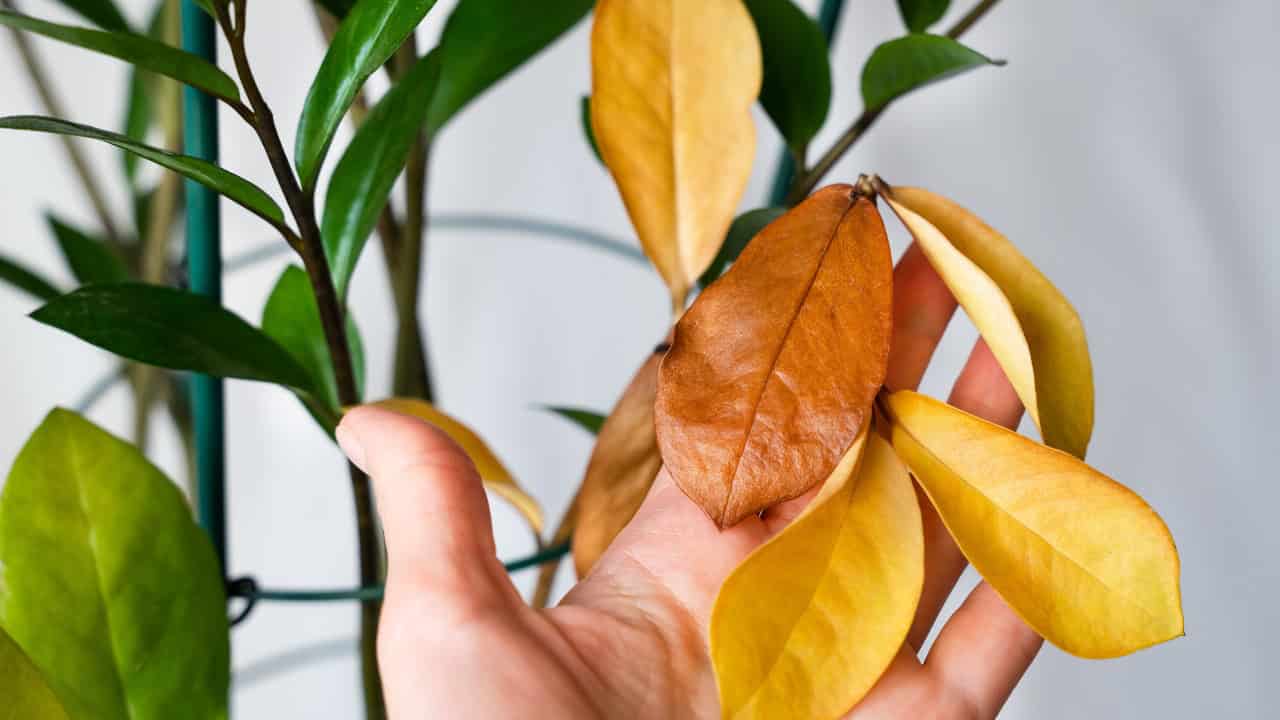
If your plant’s leaves are yellowing, curling, or covered in tiny dots or webbing, pests might be the problem. Common indoor plant pests like spider mites, aphids, and fungus gnats can weaken your plant fast.
These bugs feed on plant sap, making it harder for your plant to get the nutrients it needs. If left unchecked, they can spread to other plants.
How to Fix It:
Check under leaves and along stems for bugs. If you spot any, rinse the plant off with water, wipe the leaves with insecticidal soap, or use neem oil.
For fungus gnats, let the soil dry out more between waterings. Placing sticky traps nearby can also help reduce their numbers.
7. The Air Is Too Dry
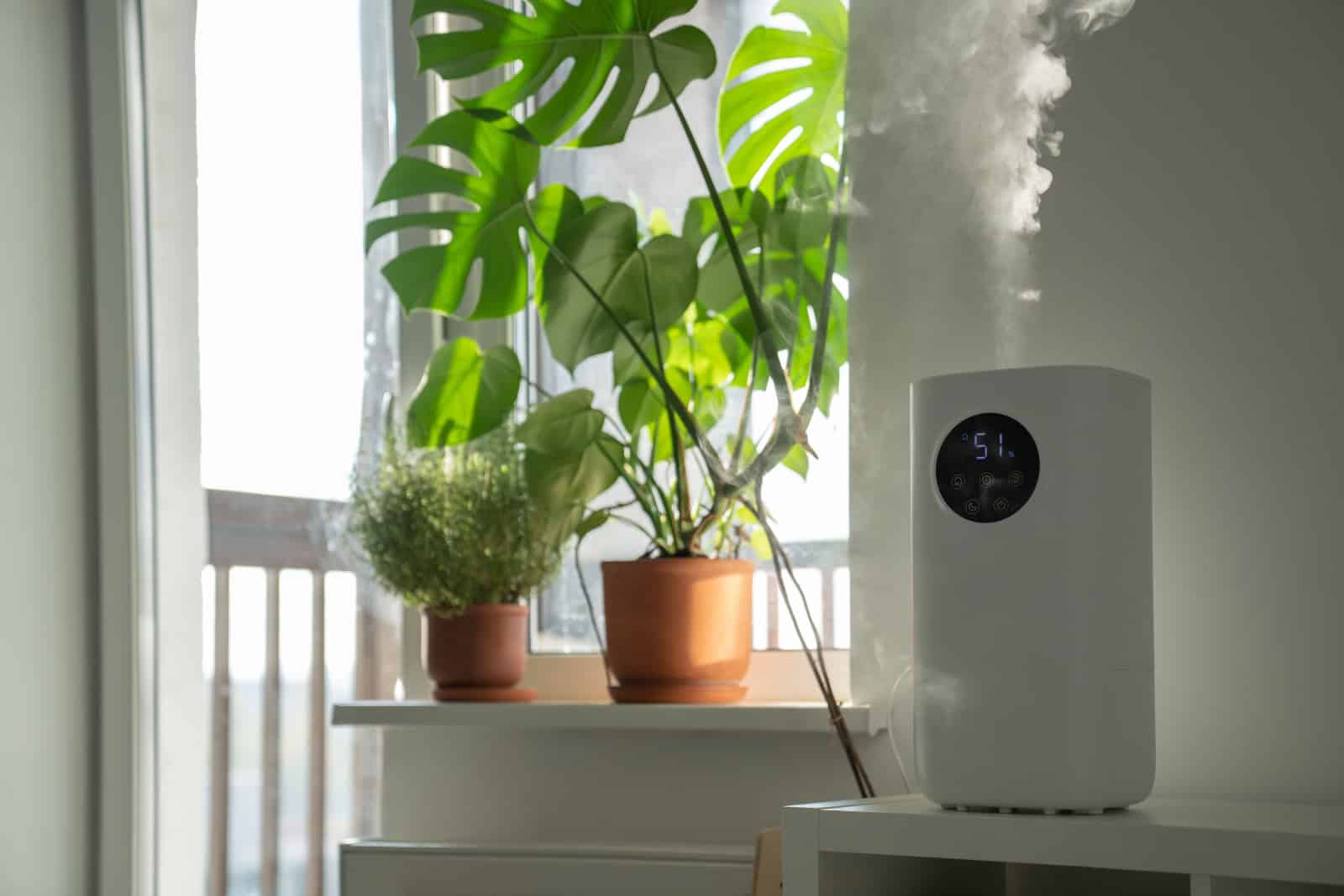
Many popular houseplants come from tropical environments where humidity is high. If your home’s air is too dry, you might notice brown leaf tips or crispy edges, especially on plants like ferns, calatheas, and peace lilies.
Winter months and indoor heating can make dry air even worse, stressing out plants that rely on moisture to thrive.
How to Fix It:
Increase humidity by misting the leaves, using a pebble tray with water, or placing a small humidifier nearby. Grouping plants together can also help create a more humid microclimate.
If your plant is struggling, consider moving it to a naturally more humid spot, like the bathroom or kitchen, where steam from showers or cooking adds moisture to the air.
8. It’s Too Hot or Too Cold
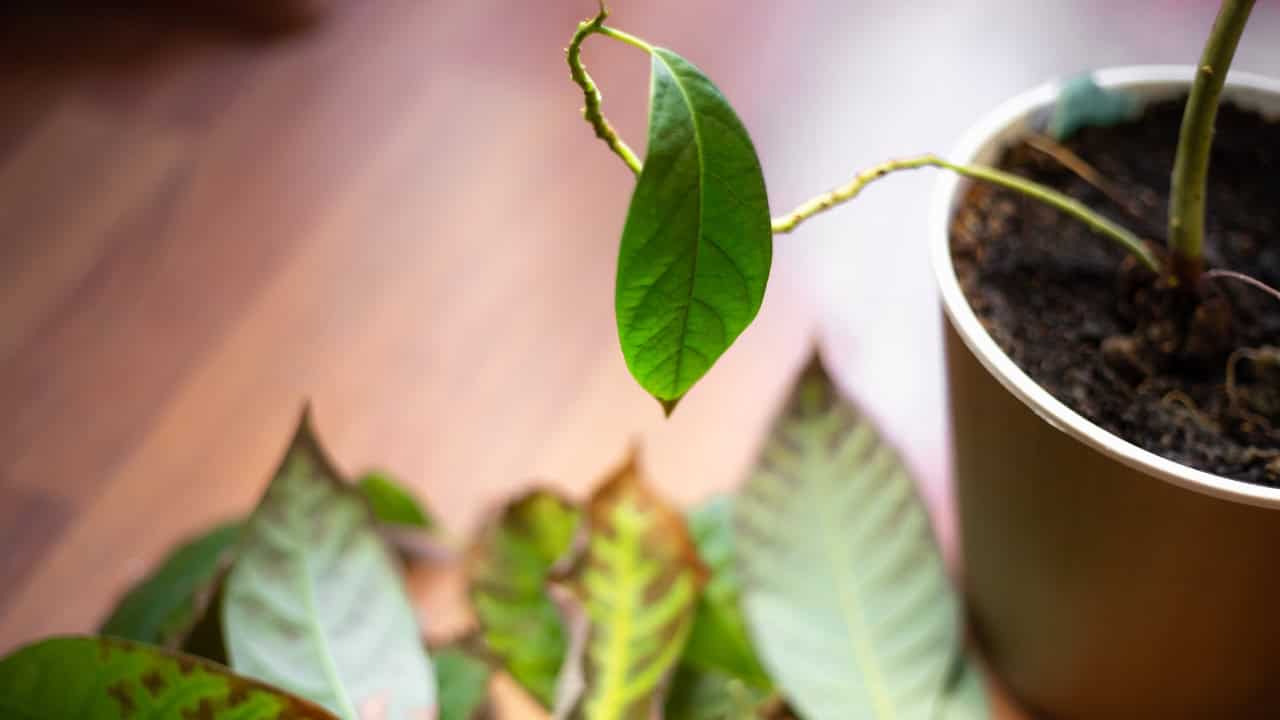
Indoor plants are sensitive to sudden temperature changes. If they’re placed near a drafty window in winter or too close to an AC vent in summer, they can struggle with stress and leaf drop.
Some plants can handle cooler temps, but others—like tropical varieties—need warmth to stay healthy.
How to Fix It:
Keep plants away from vents, drafty windows, and doors that open frequently. If your plant seems cold-sensitive, make sure it’s not touching cold glass during winter.
A stable room temperature between 65-75°F is best for most houseplants. If you’re unsure, research your plant’s preferred range and adjust accordingly.
9. Your Plant Needs Nutrients

If your plant’s leaves are pale, yellowing, or showing weak growth, it might not be getting enough nutrients. Over time, soil loses its nutrients, and without fertilizer, plants can struggle.
Some plants are fine with minimal feeding, but others need regular boosts to stay healthy.
How to Fix It:
Use a balanced liquid fertilizer once a month during the growing season (spring and summer). Avoid over-fertilizing, as too much can burn the roots.
If your plant hasn’t been repotted in years, refresh its soil to replenish nutrients. Adding compost or organic matter can also help improve soil quality.
*This article was created with the assistance of AI.