Water is the life-blood of any garden. It’s the nourishing nectar that helps your plants grow strong, vibrant, and healthy. However, not all watering practices are created equal. In fact, watering less frequently but more deeply can actually promote healthier, more resilient plants. Let’s delve into why this approach to watering can be a game-changer for your garden.
1. Encourages Deep Root Growth
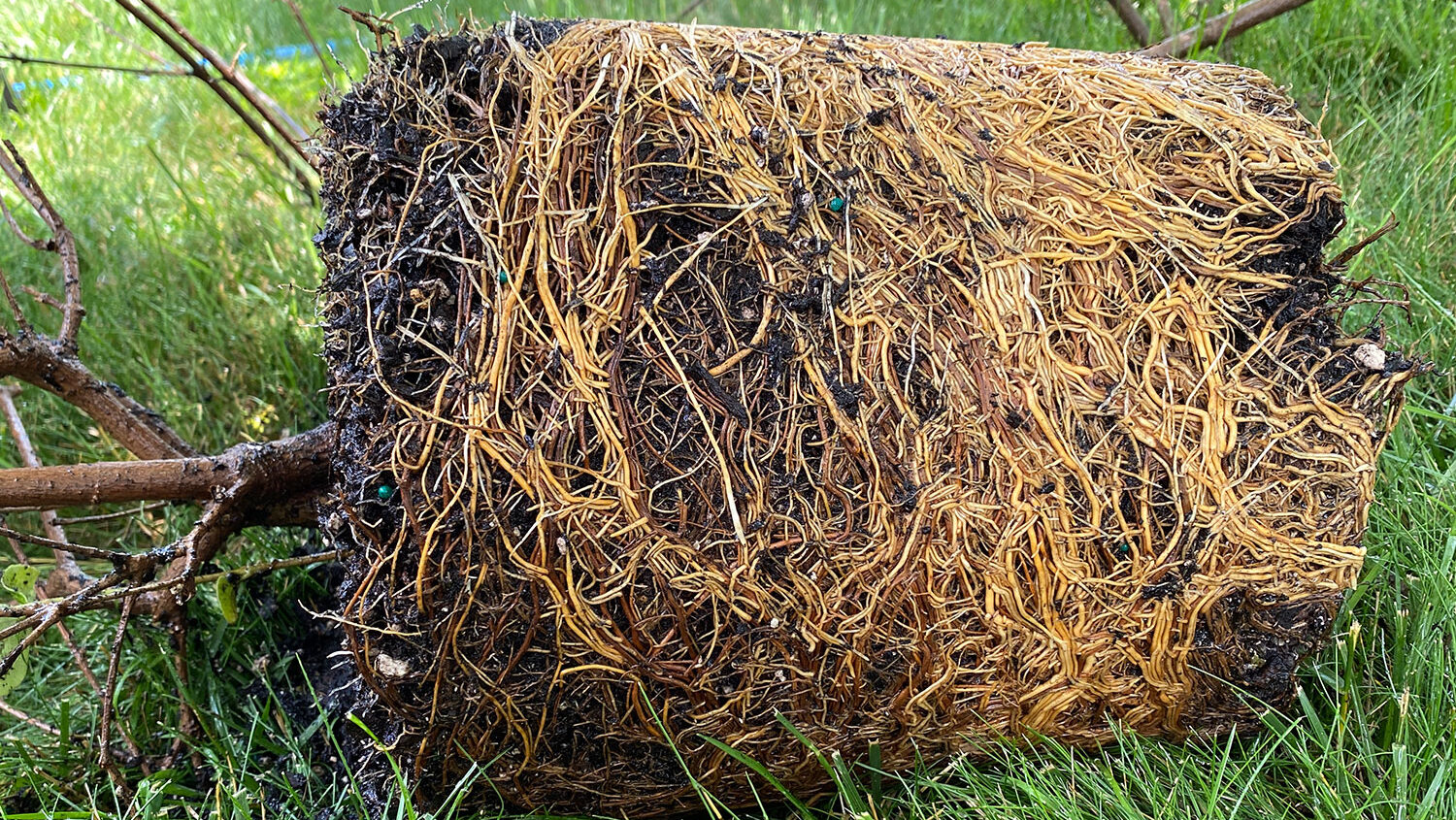 When you water your plants deeply but less frequently, you encourage the roots to grow deeper into the soil. This is because the water penetrates deep into the soil, and the roots naturally follow the water source.
Advertisement
A plant with deep roots is less likely to be affected by surface-level problems such as weather fluctuations, pests, diseases, and competition from other plants. A deep-rooted plant is also better equipped to access nutrients that are further down in the soil, leading to a healthier and more robust plant overall.
2. Conserves Water
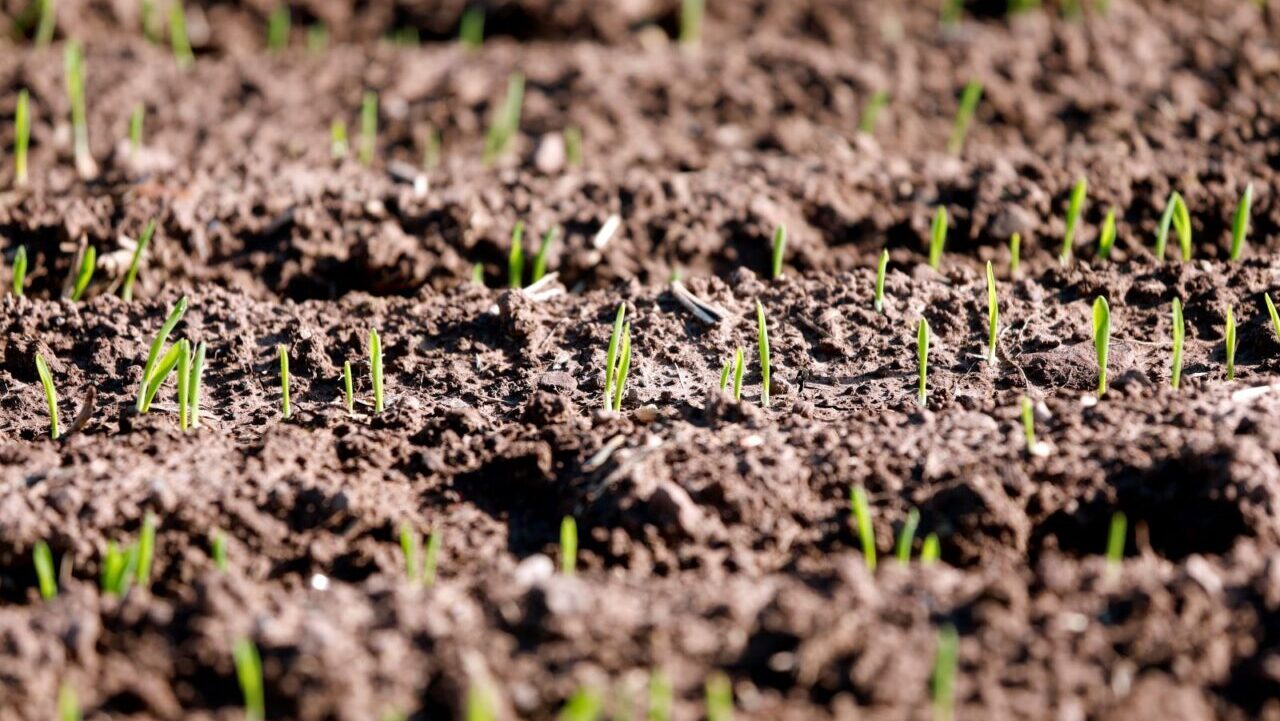
Watering less often but more deeply is also an effective way to conserve water. When you water frequently but shallowly, much of the water evaporates before the roots can absorb it.
Deep watering, on the other hand, allows the water to penetrate the soil and reach the roots before it has a chance to evaporate. This means that less water is wasted, and your plants get more of the hydration they need. Over time, this can lead to significant water savings, which is good for both your wallet and the environment.
3. Reduces Weeds
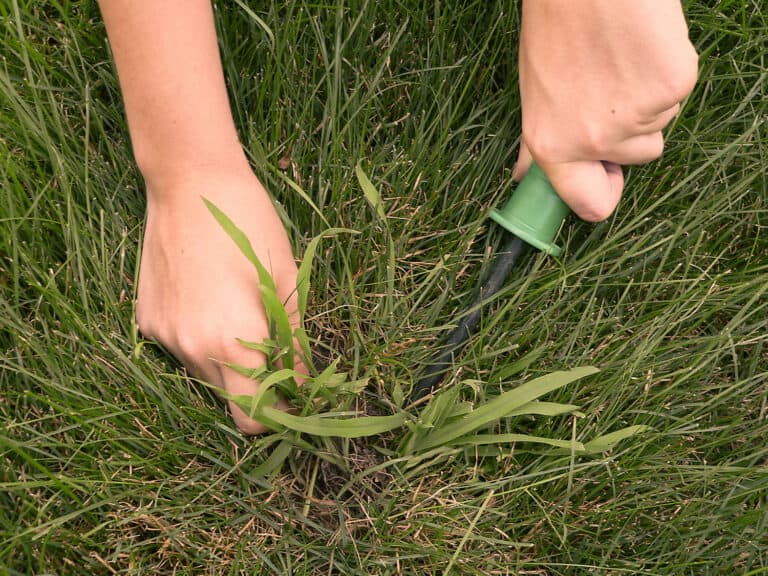
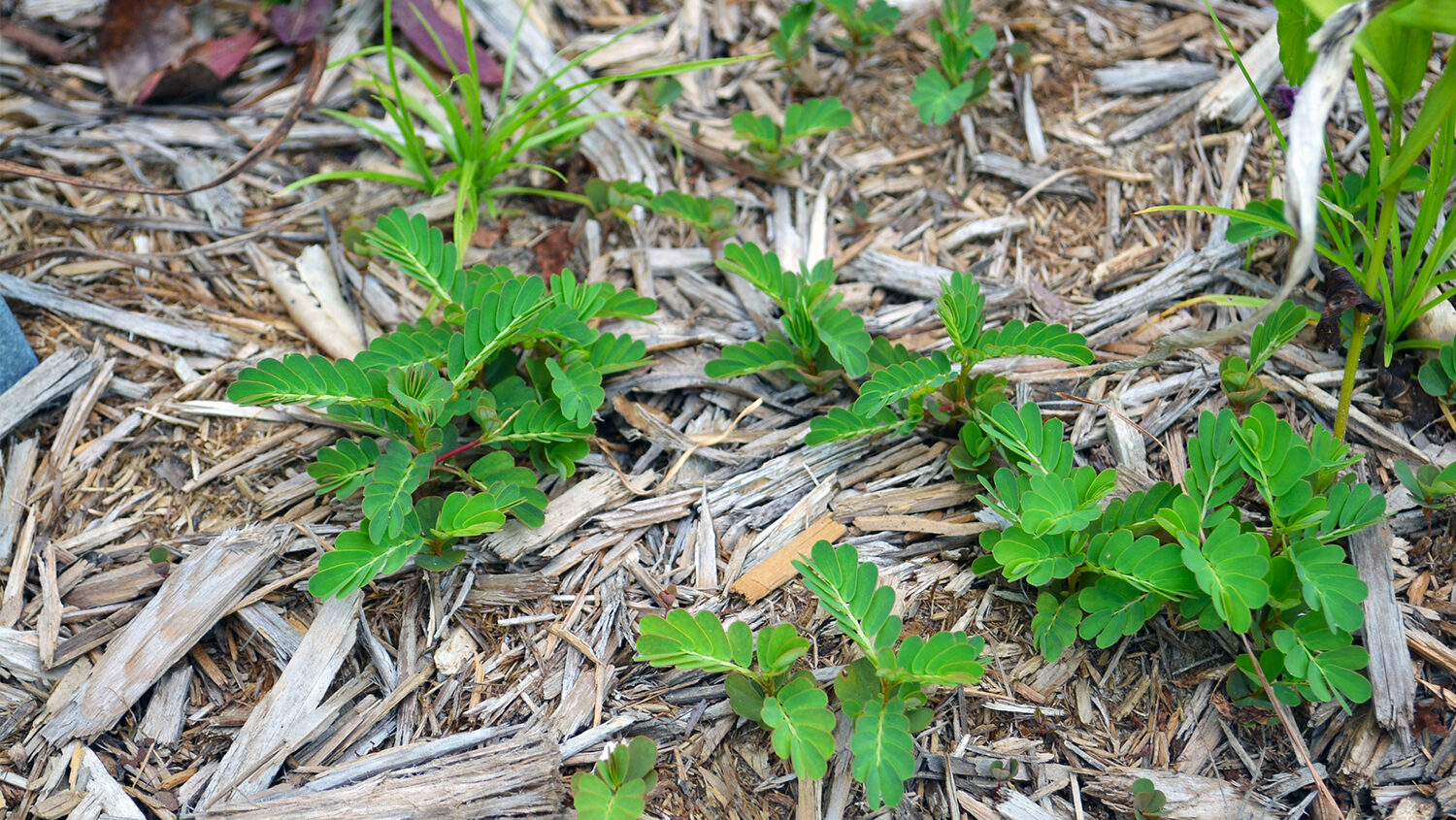 Watering deeply can also help control weeds in your garden. When you water frequently and shallowly, you create a moist environment at the soil surface that is ideal for weed seeds to germinate.
By watering less frequently and more deeply, you keep the soil surface drier, making it less hospitable for weed seeds. This can reduce the number of weeds you have to deal with and save you time and energy in the long run.
4. Promotes Disease Resistance
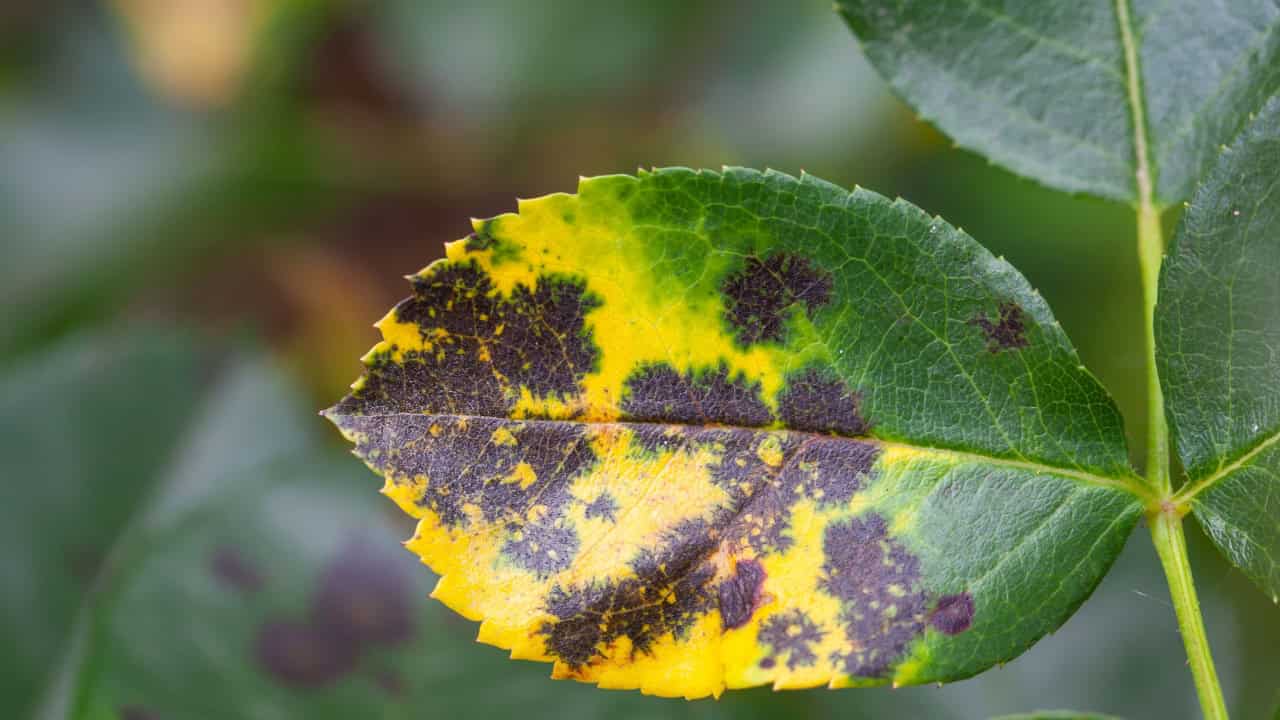
Plants that are watered deeply and less frequently are generally healthier and more resistant to diseases. This is because frequent, shallow watering can create a damp environment that is perfect for fungal and bacterial diseases to thrive.
Deep watering, on the other hand, allows the top layer of soil to dry out between waterings, making it less conducive to disease development. This can lead to fewer disease problems and healthier plants overall.
5. Reduces Stress on Plants

Watering deeply and less frequently can also reduce stress on your plants. When you water frequently and shallowly, the soil can dry out quickly, especially in hot weather, causing stress to your plants.
By watering deeply, you ensure that there is always a reservoir of water deep in the soil that the plants can access, even if the surface of the soil dries out. This can help your plants cope better with heat and drought conditions, reducing stress and helping them stay healthy and vibrant.
6. Improves Nutrient Uptake

Deep watering can also improve your plants’ ability to take up nutrients from the soil. When you water deeply, the water carries nutrients down into the root zone where they can be absorbed by the roots.
Frequent, shallow watering, on the other hand, can cause nutrients to be washed away from the root zone before the plants have a chance to absorb them. This can lead to nutrient deficiencies and poor plant health.
7. Makes Plants More Resilient
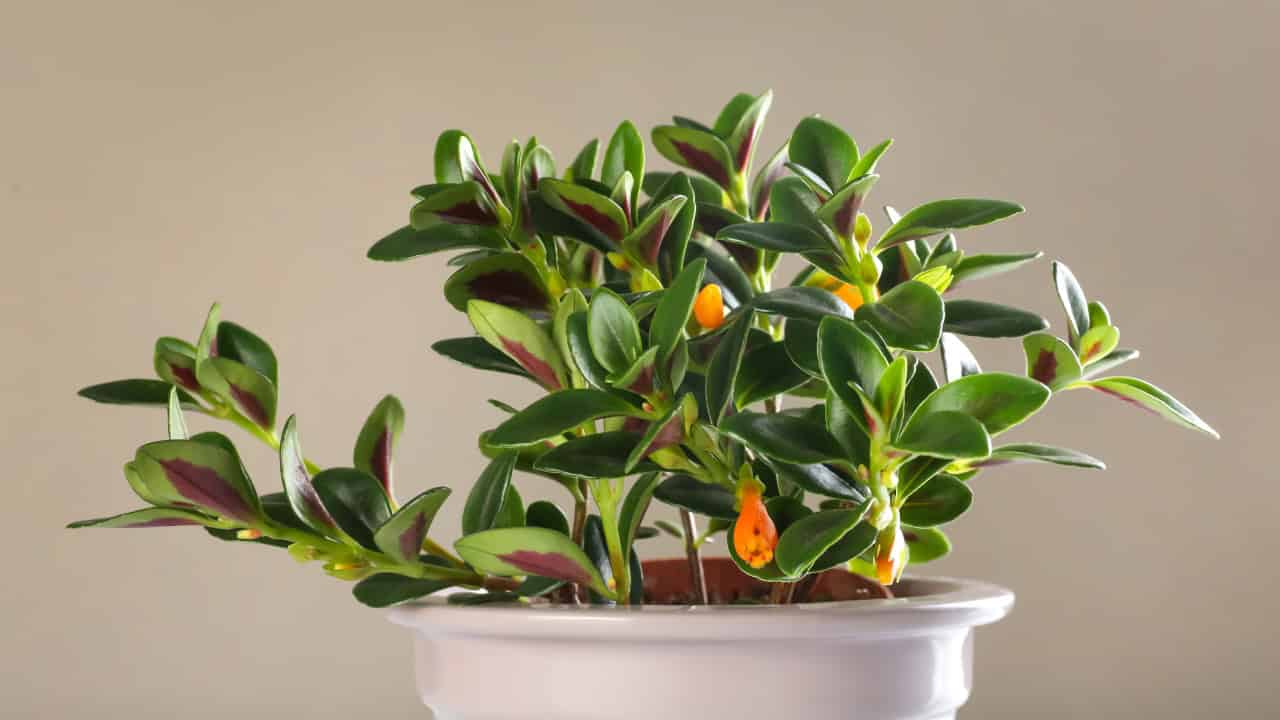
Plants that are watered deeply and less frequently are generally more resilient and better able to cope with adverse conditions. They are less likely to succumb to pests, diseases, and weather fluctuations and are better equipped to recover from these challenges when they do occur.
This is because deep watering encourages strong, deep root growth, which gives plants a solid foundation to draw on in times of stress. So, if you want your plants to be tough and resilient, deep watering is the way to go.
8. Saves Time
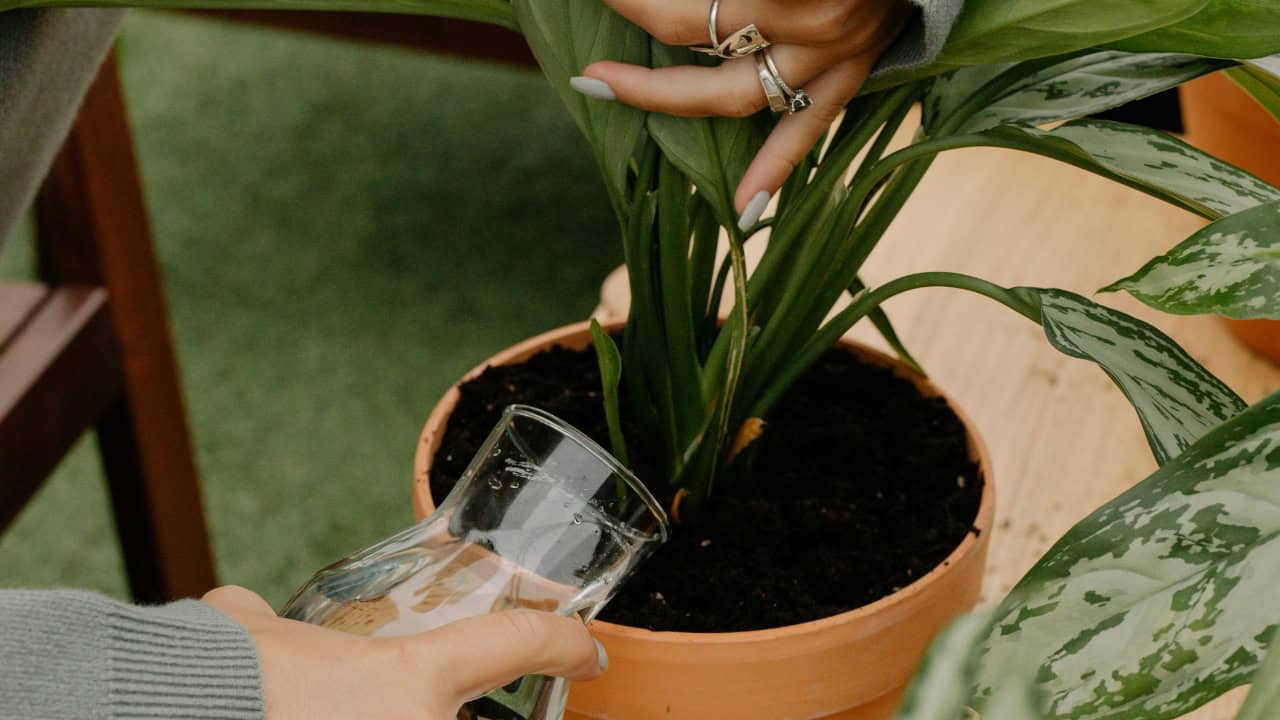
Watering less often but more deeply can also save you time. By watering deeply, you ensure that your plants have a good supply of water that they can draw on for several days, meaning you don’t need to water as often.
Plus, deep watering is often more efficient than shallow watering, as you can water several plants at once rather than having to water each plant individually. This means you can spend less time watering and more time enjoying your garden.
9. Supports Healthy Soil
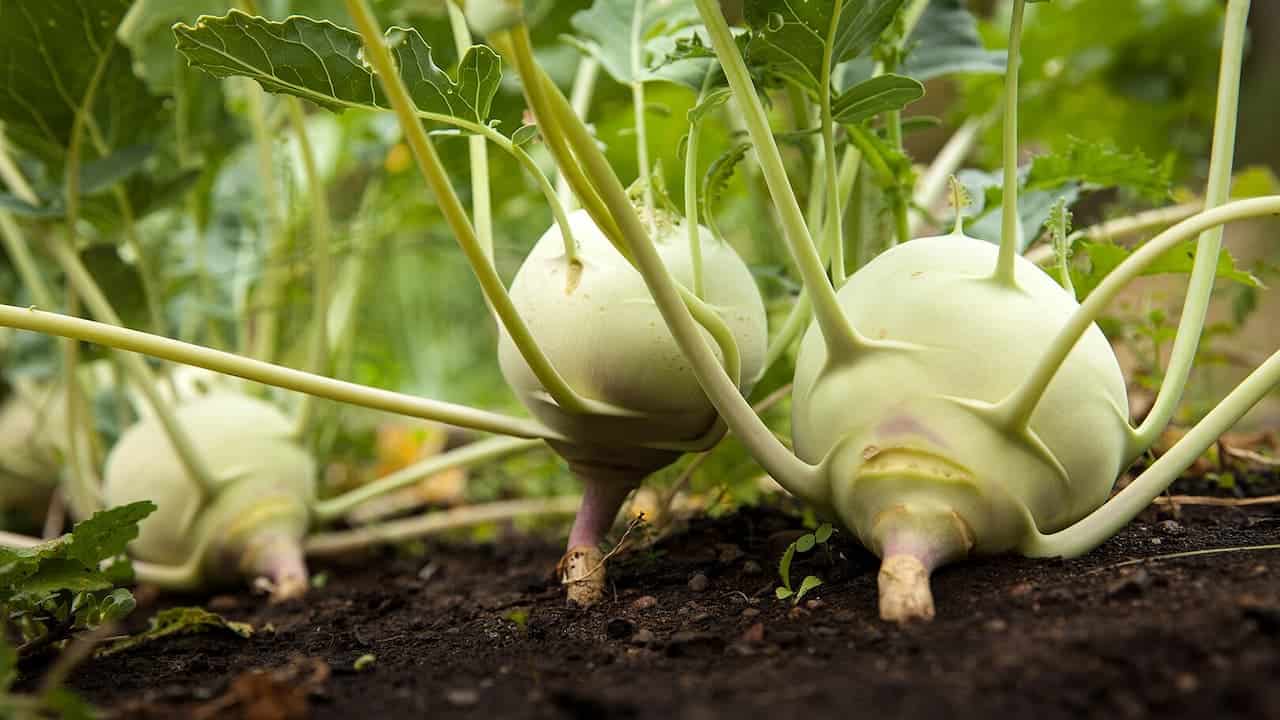
Deep watering is also beneficial for your soil. By watering deeply, you encourage the water to penetrate deep into the soil, helping to maintain its structure and prevent compaction.
Frequent, shallow watering, on the other hand, can lead to soil compaction, which can make it harder for plant roots to penetrate the soil and can reduce the soil’s ability to retain water and nutrients.
10. Creates More Beautiful Plants
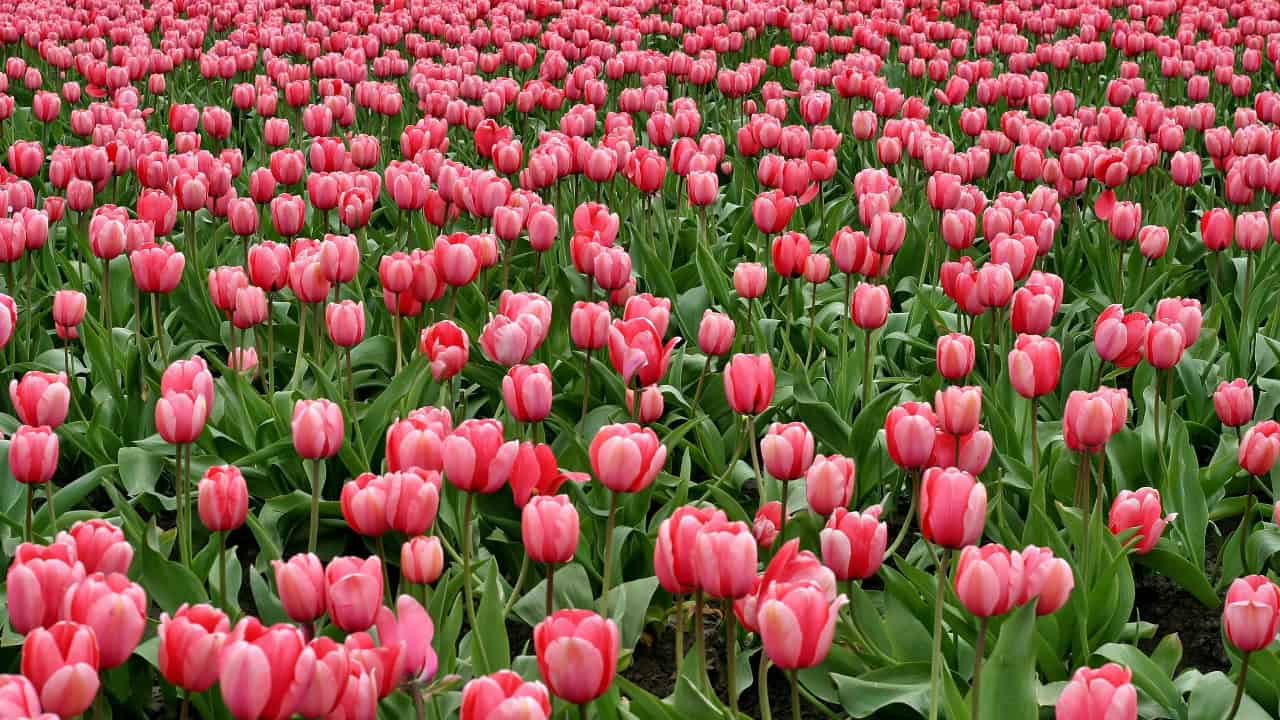
Last but not least, deep watering can help your plants look more beautiful. Deeply watered plants are generally healthier, more vigorous, and more vibrant than their shallowly watered counterparts.
They are more likely to produce lush, abundant foliage and vibrant, long-lasting flowers. So, if you want your garden to be the envy of all your neighbors, deep watering is the way to go.