If you’re a gardener or homeowner who takes pride in maintaining a beautiful landscape, then you’re probably familiar with bark mulch. Bark mulch is a popular choice for garden beds and borders, and it’s easy to see why. It’s cheap, easy to apply, and gives your garden a neat, clean appearance.
But what if I told you that using bark mulch might be doing more harm than good? There are actually several compelling reasons to ditch bark mulch this year. Let’s explore them together.
Advertisement
1. Bark Mulch Can Attract Pests

Many gardeners are unaware of the fact that bark mulch can actually attract a variety of pests. From termites to slugs, many pests view bark mulch as an ideal habitat.
Termites are particularly attracted to bark mulch because it provides them with the wood they need for sustenance. Once they’ve established themselves in the mulch, it’s only a matter of time before they start eyeing your home. Slugs and snails, on the other hand, are attracted to the moisture that bark mulch retains. If you’re trying to grow plants that these pests love to eat, such as hostas, this can spell disaster.
2. Bark Mulch Can Lead to Nutrient Imbalance

Bark mulch is often high in carbon but low in nitrogen, which can lead to nutrient imbalances in your soil. As the mulch breaks down, it can tie up the nitrogen in your soil, making it unavailable to your plants.
This can lead to nitrogen deficiency, which can cause your plants to become yellow and stunted. If you’re using bark mulch, it’s important to monitor your soil’s nutrient levels and add additional nitrogen if necessary. However, this is an extra step that can be avoided by simply choosing a different type of mulch.
3. Bark Mulch Can Cause Water Repellency
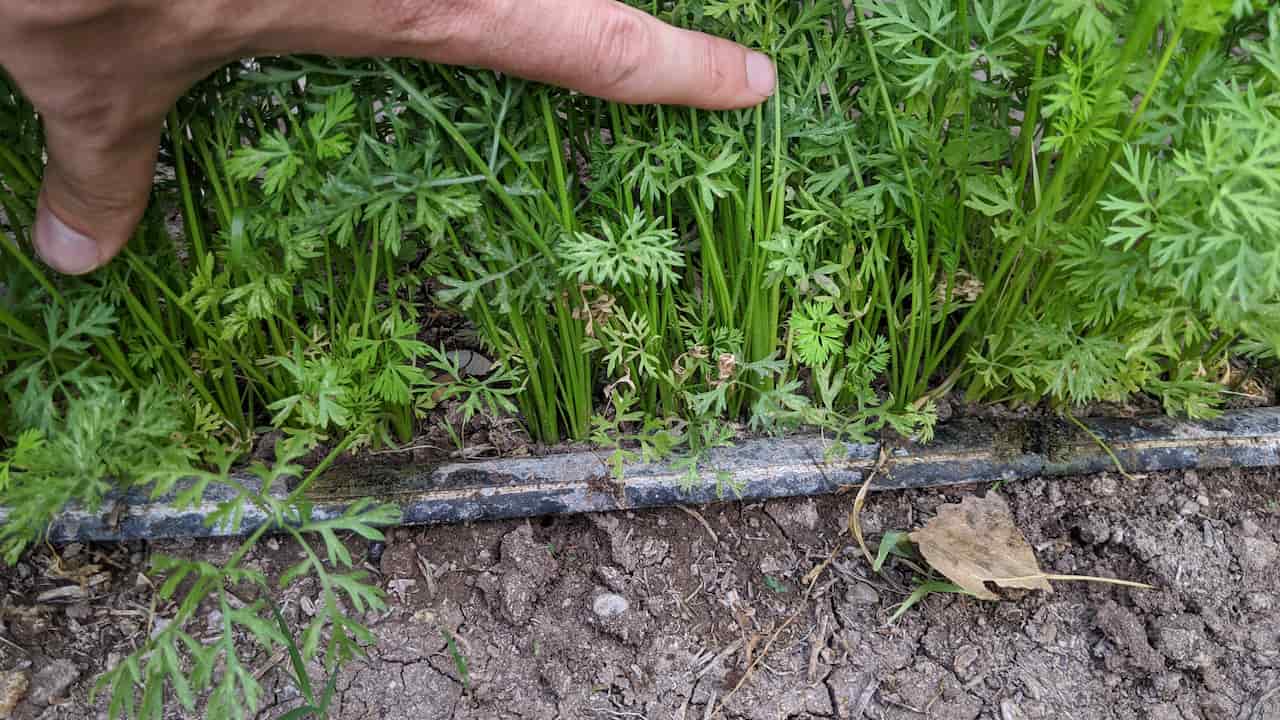
Bark mulch can become water repellent over time, which means that water will simply run off the surface rather than soaking into the soil. This can lead to water waste and can make it difficult for your plants to get the water they need.
This is particularly problematic in areas with dry climates or during periods of drought. If water can’t penetrate the layer of mulch to reach the soil, your plants may become stressed and could even die.
4. Bark Mulch Can Spread Disease
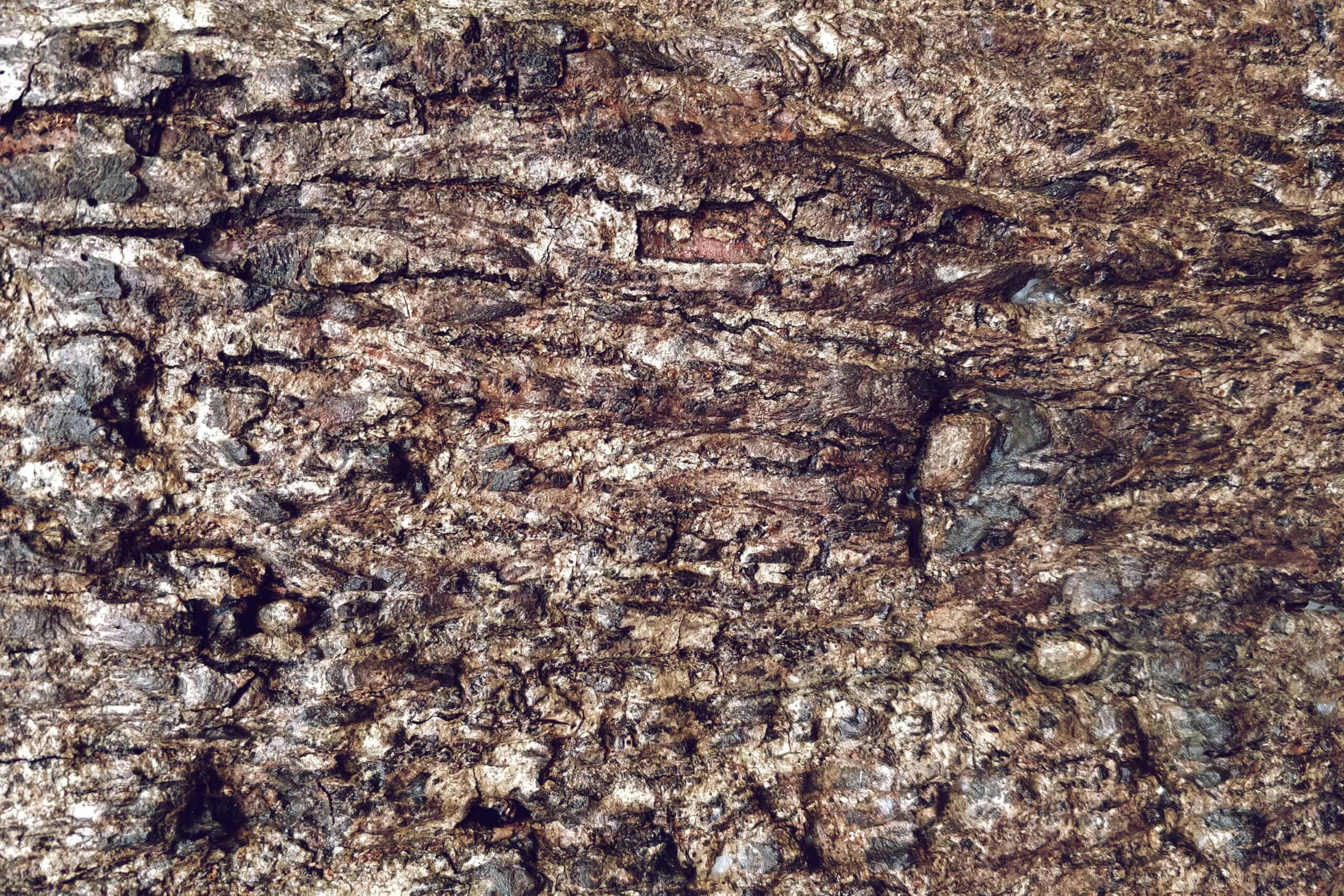
Bark mulch can harbor diseases that can spread to your plants. This is particularly true if the mulch is made from diseased trees.
For example, bark mulch made from pine trees that were killed by the pine bark beetle can spread the fungus that the beetles carry. This fungus can then infect healthy trees in your landscape. To avoid this, it’s important to know the source of your mulch and to avoid using mulch made from diseased trees.
5. Bark Mulch Can Be Acidic
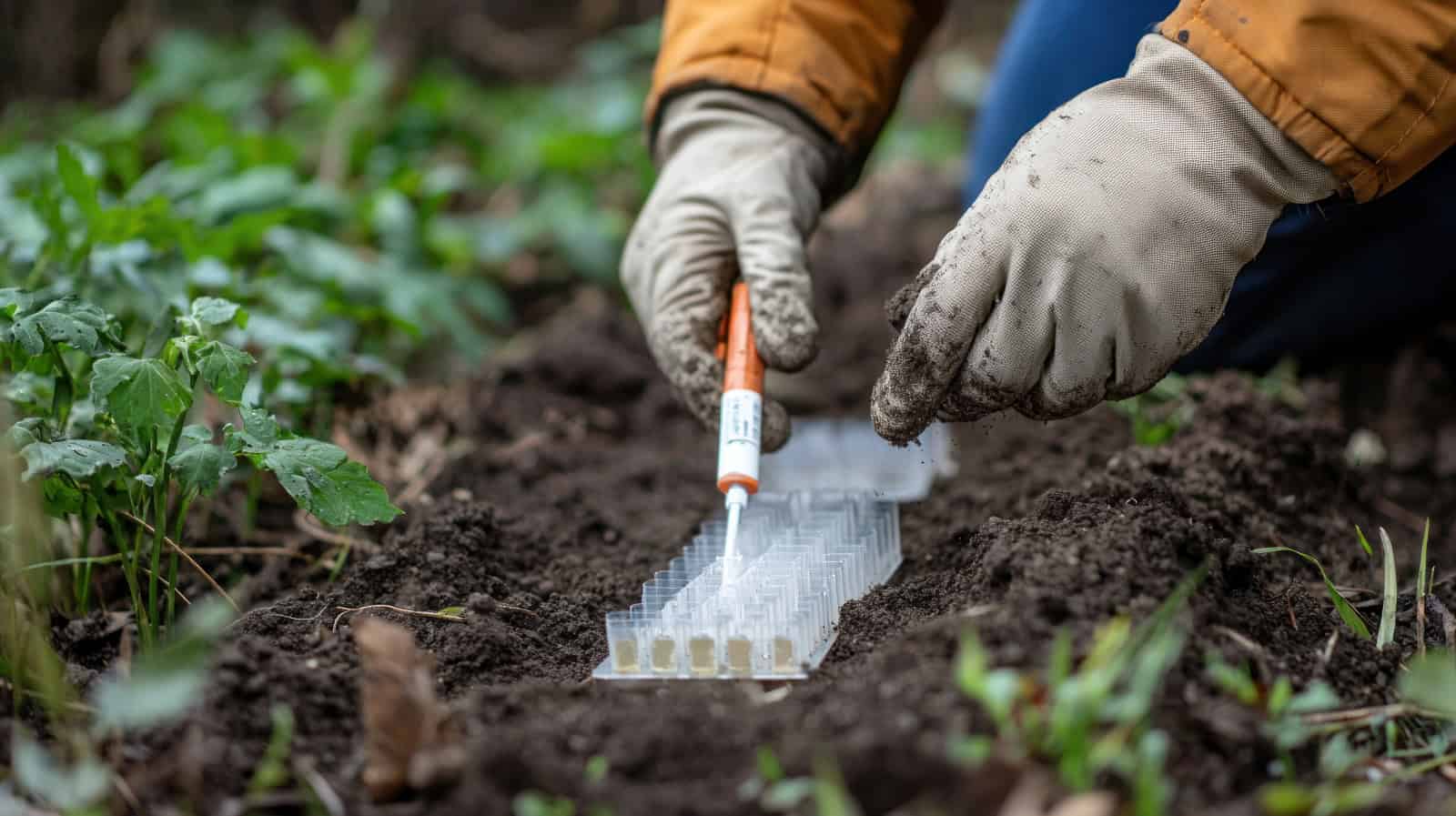
Many types of bark mulch, such as pine bark, are acidic. While this can be beneficial for acid-loving plants like blueberries and azaleas, it can be detrimental for plants that prefer neutral or alkaline soils.
If you’re using bark mulch in your garden, it’s important to test your soil’s pH regularly and adjust it as necessary. However, this can be a hassle and is another reason to consider using a different type of mulch.
6. Bark Mulch Can Suppress Plant Growth
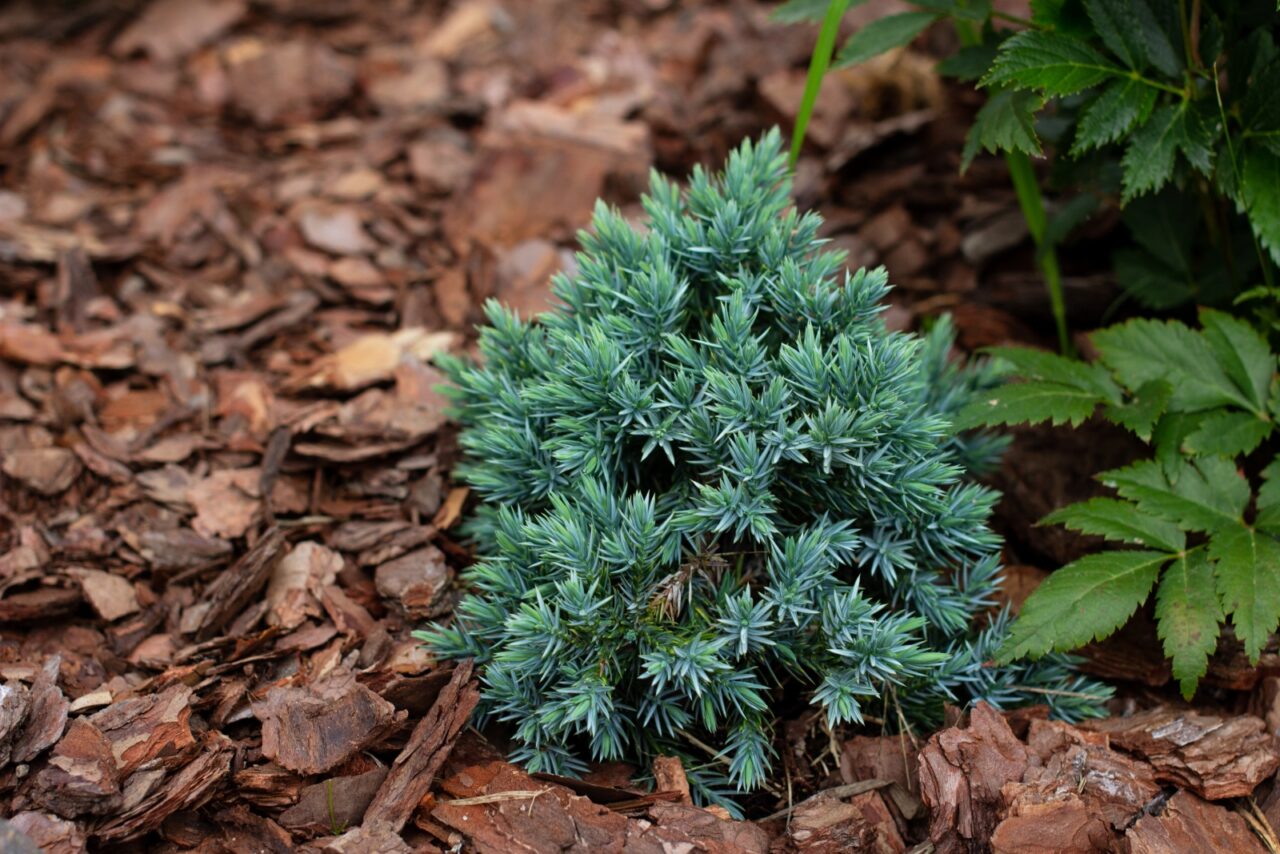
While mulch is generally used to suppress weed growth, bark mulch can also suppress the growth of your desired plants. This is especially true if the mulch is applied too thickly.
A thick layer of bark mulch can create a physical barrier that prevents seeds from germinating and seedlings from breaking through. If you’re using bark mulch, it’s important to apply it carefully and not to let it build up too much.
7. Bark Mulch Can Be Unsustainable
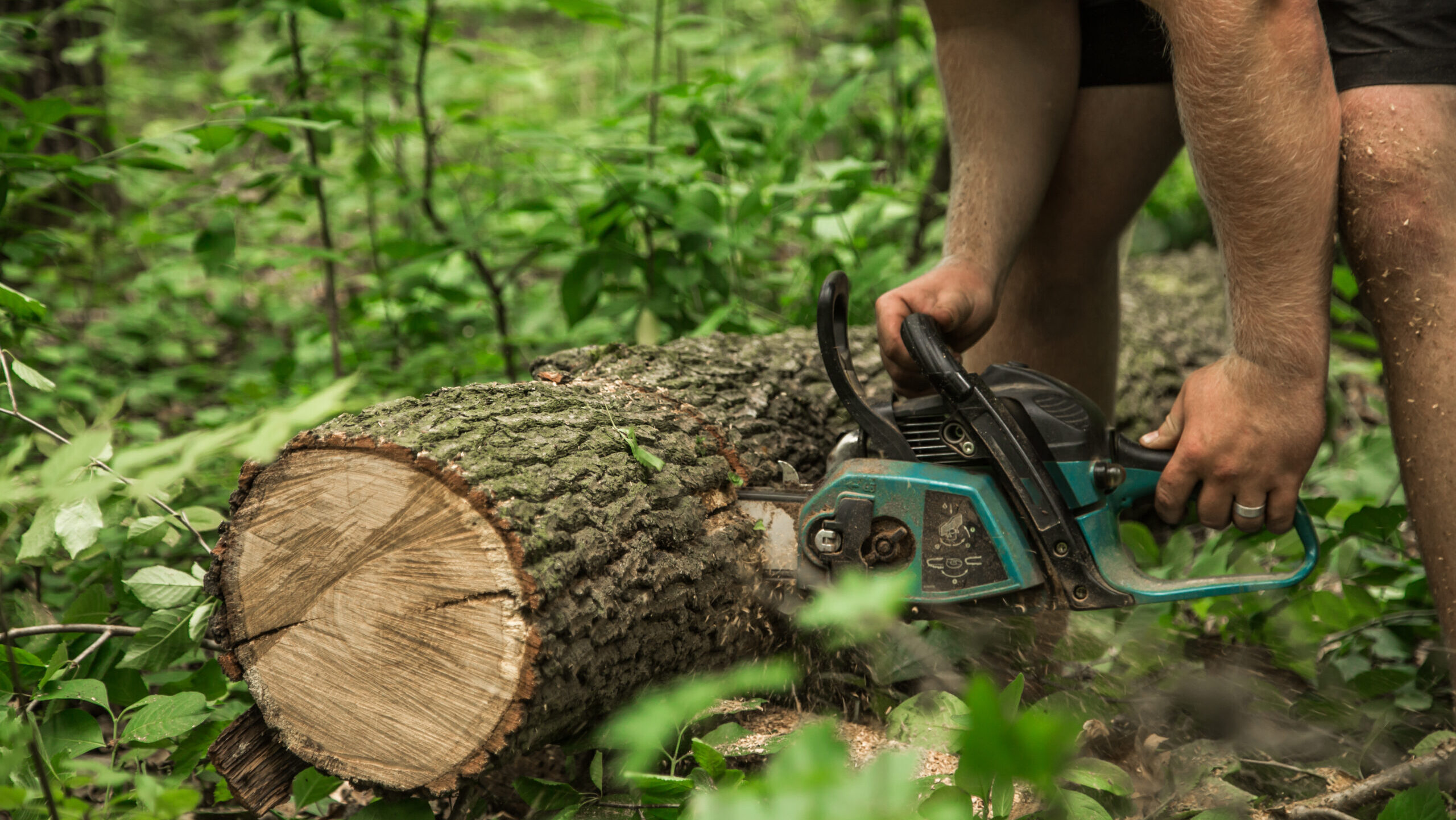
Bark mulch is often made from the bark of trees that were logged for other purposes. However, in some cases, trees are logged specifically for their bark, which is not a sustainable practice.
If you’re concerned about sustainability, it’s important to know the source of your mulch. Consider using a more sustainable type of mulch, such as leaf mulch or compost.
8. Bark Mulch Can Be Messy
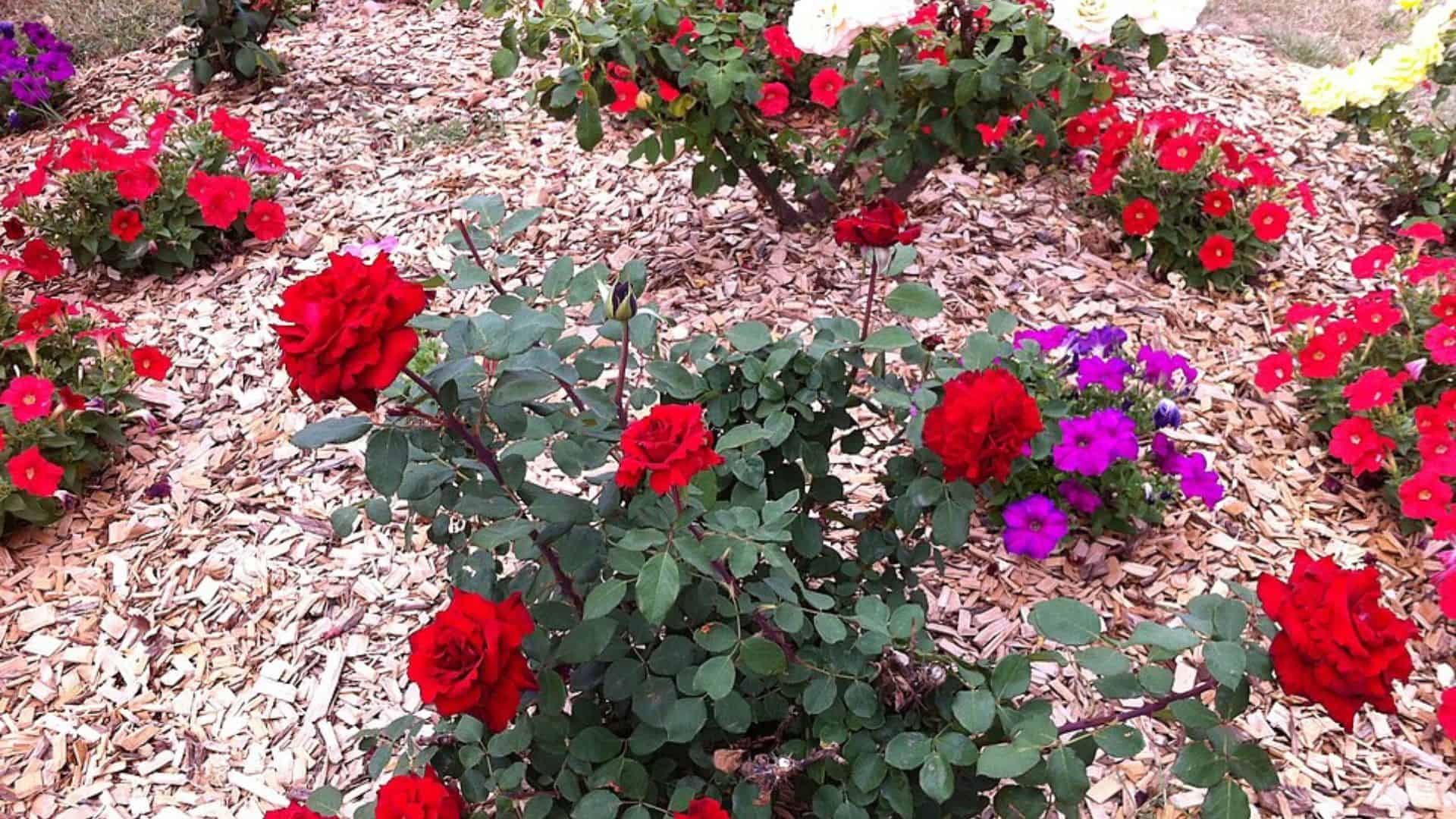
Bark mulch can be messy. It can blow around in the wind, get washed away by heavy rain, and can even stain your clothes or skin.
If you’re tired of constantly having to tidy up your mulch or deal with stains, consider using a type of mulch that’s less messy. For example, stone mulch is heavy and won’t blow around, while compost mulch won’t stain your clothes or skin.
9. Bark Mulch Can Take a Long Time to Decompose

While it’s true that bark mulch can help to improve the soil as it decomposes, the fact is that it can take a very long time to break down. This means that it can take several years for the benefits to become apparent.
If you want to improve your soil quickly, consider using a type of mulch that decomposes more rapidly, such as compost or leaf mulch.
10. Bark Mulch Can Be Expensive
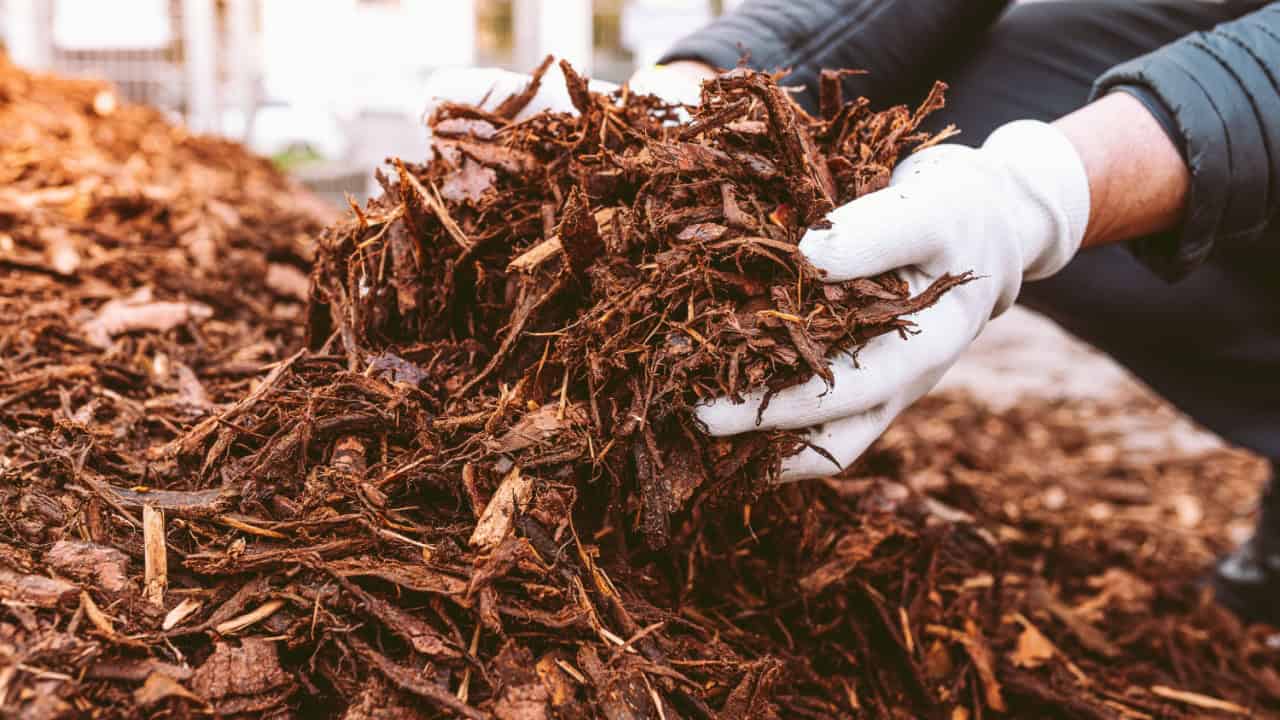
Finally, while bark mulch is often touted as a cheap option, the fact is that it can actually be quite expensive, especially if you have a large area to cover.
In addition, the cost of bark mulch doesn’t end when you purchase it. You’ll also need to invest time and money in maintaining it, replacing it, and potentially dealing with the problems it can cause. Consider using a type of mulch that’s cheaper or that offers better value for money.