As the leaves begin to fall and the first signs of winter approach, it’s time to think about planting garlic. This powerful and flavorful bulb is a staple in many kitchens, but not everyone knows that it’s best to plant garlic before the first frost. Garlic needs a long growing season and an important period of cold to develop properly, so planting it in the fall is key.
Not only will you enjoy a bountiful harvest the following summer, but the process of planting and nurturing your garlic can be a rewarding and therapeutic endeavor. Here are ten reasons why you should plant your garlic before the first frost.
Advertisement
1. Better Bulb Development
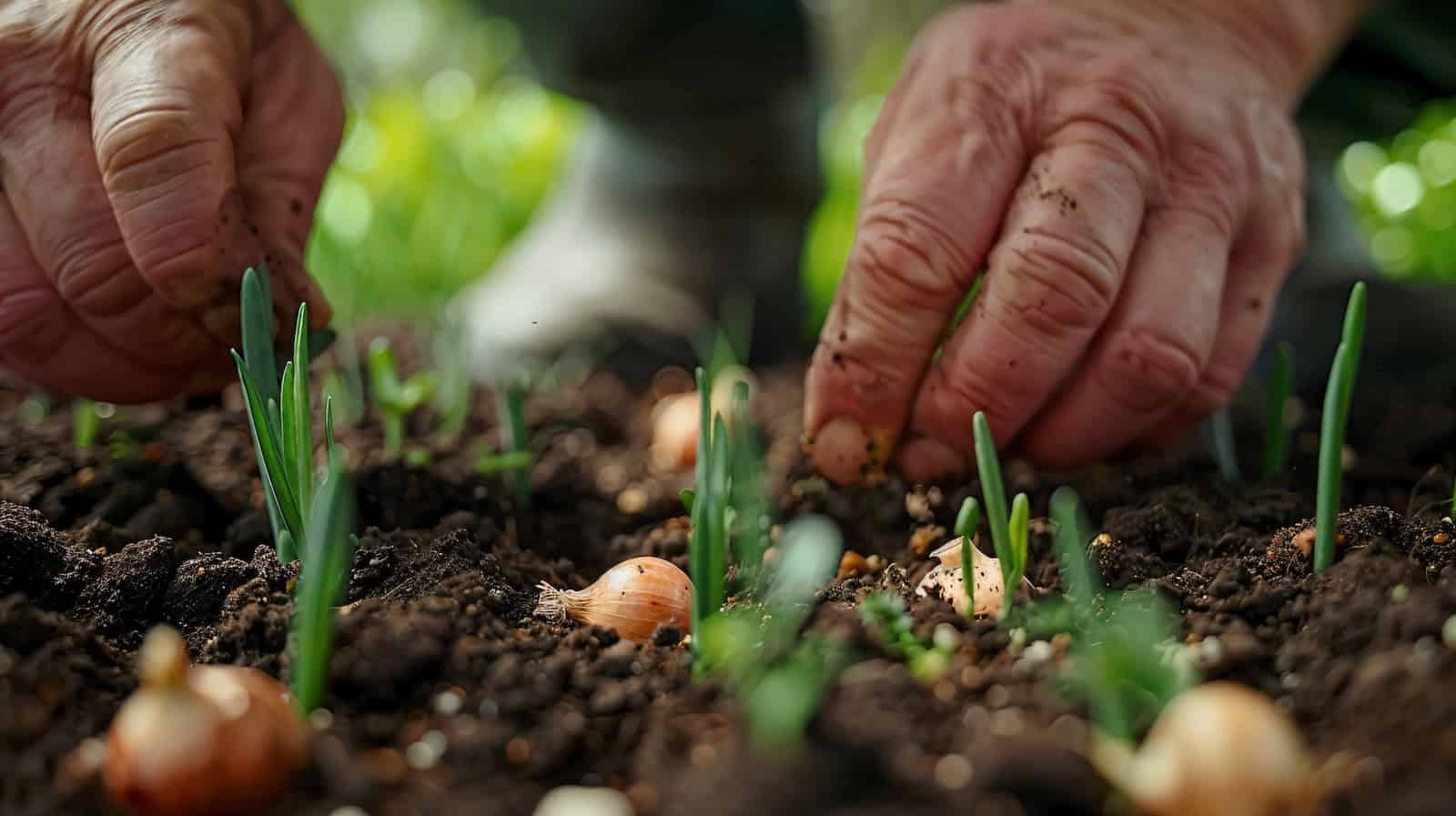
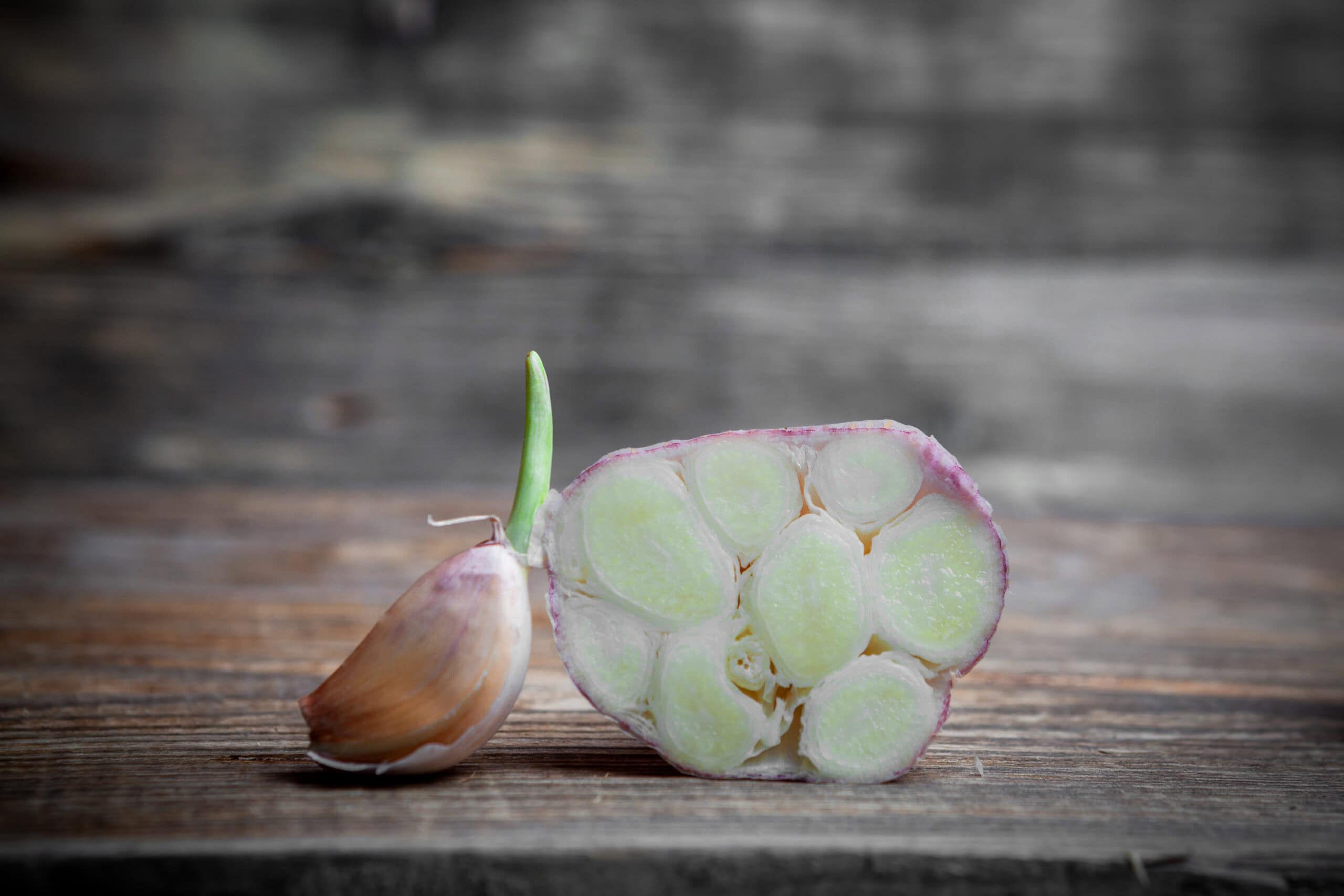
Planting garlic before the first frost allows for better bulb development. Garlic bulbs need a period of chilling, a process known as vernalization, to separate into cloves. The cold temperatures of winter trigger this process, leading to bigger and better-formed bulbs.
For example, if you plant garlic in the spring, the bulbs might not separate into cloves, resulting in a single, large bulb rather than multiple individual cloves. On the other hand, garlic planted before the first frost will have time to develop properly, resulting in a better yield.
2. Longer Growing Season

Planting garlic before the first frost provides a longer growing season. Garlic needs a lot of time to grow, typically around nine months. By planting in the fall, you give your garlic a head start, allowing it to establish roots before the ground freezes.
This extended growing season can result in larger, more robust bulbs. For example, growers who plant their garlic in the fall often report larger bulb sizes compared to those who plant in the spring. A longer growing season also allows the plant more time to absorb nutrients from the soil, leading to more flavorful bulbs.
3. Less Competition with Weeds

Fall planting means less competition with weeds. Garlic is a slow-growing crop and can easily be outcompeted by faster-growing weeds. By planting garlic before the first frost, you give it a head start over many common weeds that germinate in the spring.
This means less work for you in terms of weeding and a healthier, more robust garlic crop. For example, garlic planted in the fall will have a strong root system established by spring, allowing it to outcompete any emerging weeds.
4. Less Risk of Disease
Planting garlic before the first frost can reduce the risk of disease. Many garlic diseases, such as white rot, are more prevalent in the spring and summer months. By planting in the fall, you can avoid these peak disease periods.
For example, white rot, a common garlic disease, produces spores in the spring and summer. By planting in the fall, your garlic has a chance to establish itself before these spores become active.
5. Easier Soil Preparation

Fall is an ideal time for soil preparation. The soil is often drier and easier to work with in the fall compared to the spring, when it can be wet and heavy. This makes planting easier and less labor-intensive.
For example, if you’ve ever tried to dig a hole in wet, heavy soil, you know how difficult it can be. Fall planting allows you to avoid this issue, making the planting process a breeze.
6. Encourages Strong Root Development
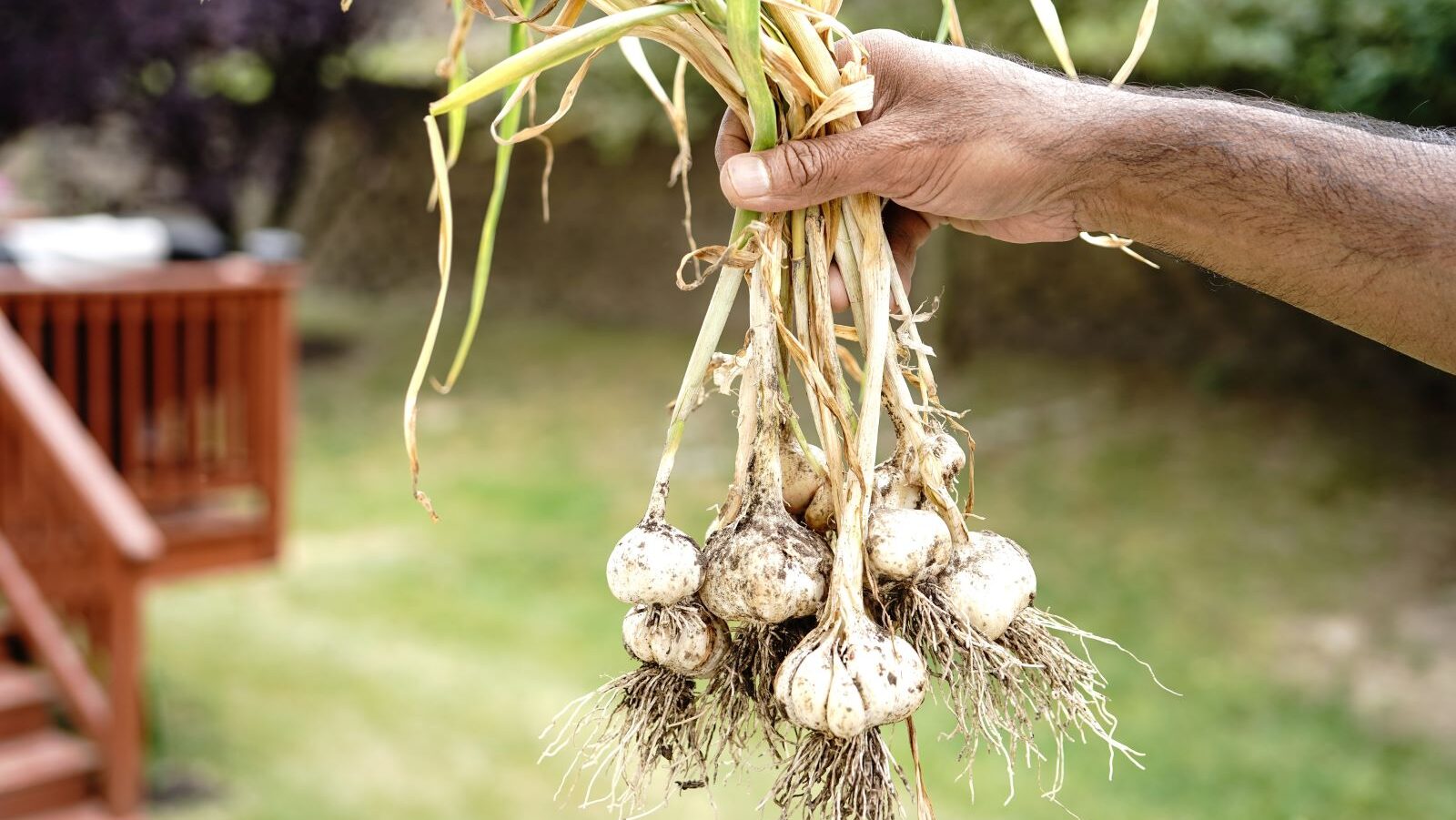
Planting garlic before the first frost encourages strong root development. When planted in the fall, garlic has several months to establish a strong root system before the ground freezes.
This strong root system allows the garlic to absorb more nutrients from the soil, resulting in healthier, more robust plants. For example, garlic planted in the fall often has thicker, more vigorous stems and larger, more flavorful bulbs compared to garlic planted in the spring.
7. Takes Advantage of Natural Cycles
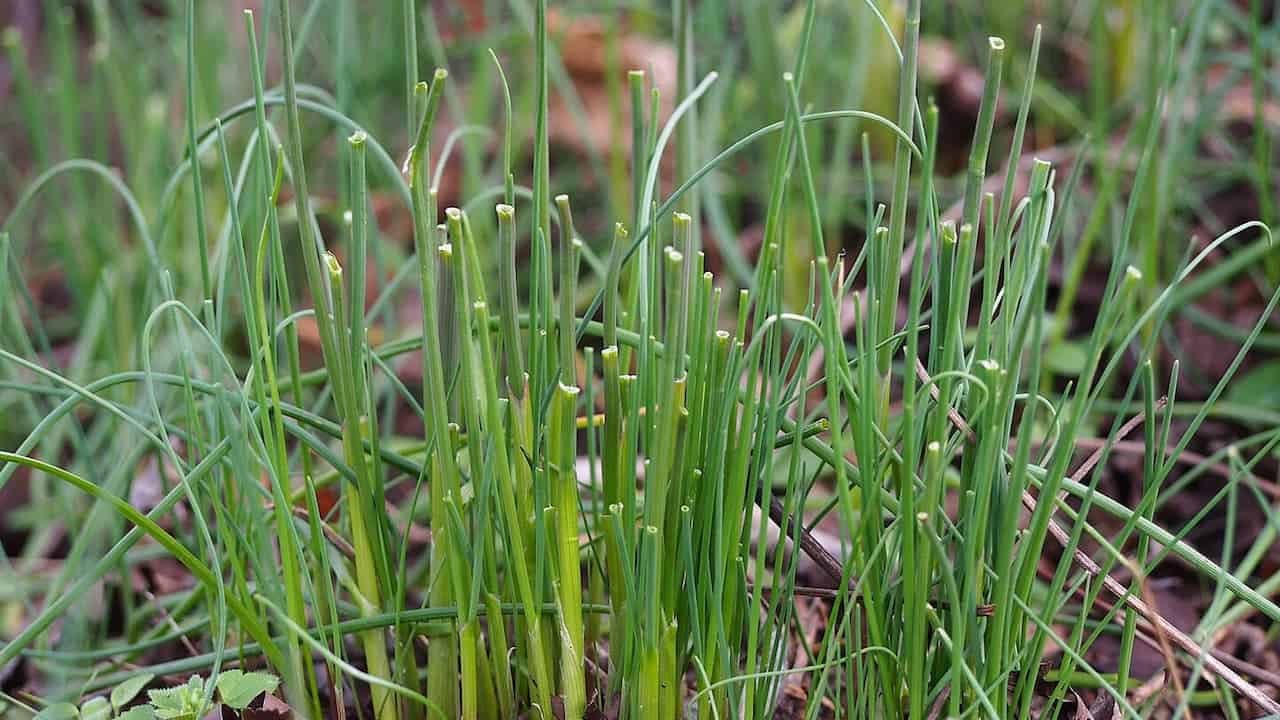
By planting before the first frost, you’re taking advantage of natural cycles. Garlic is a hardy plant that’s adapted to survive winter. By planting in the fall, you’re allowing your garlic to follow its natural growth cycle.
For example, wild garlic naturally germinates in the fall and overwinters in the ground before sprouting in the spring. By planting your garlic in the fall, you’re mimicking this natural cycle, which can lead to healthier, more robust plants.
8. Reduces the Risk of Frost Heave
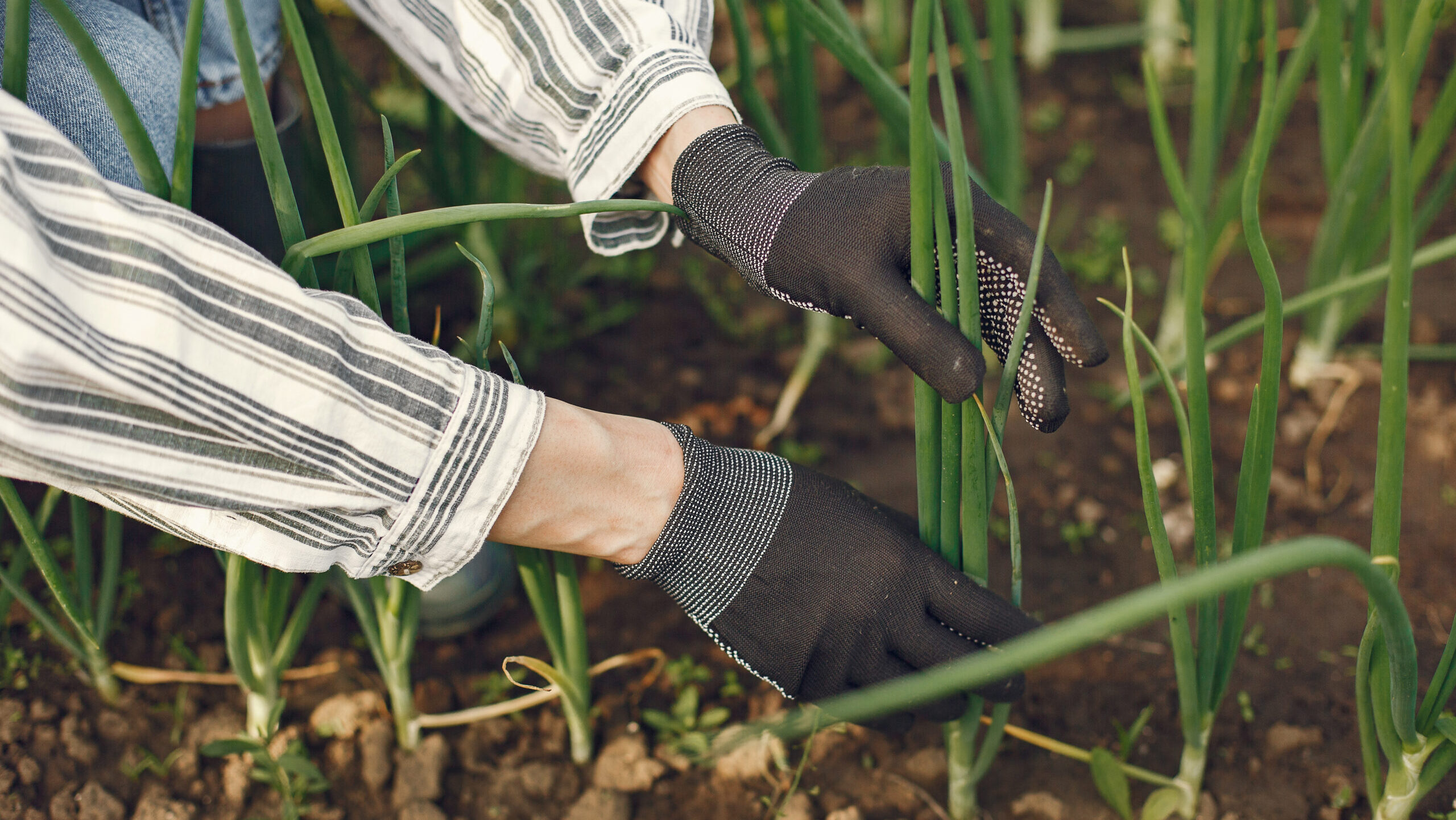
Planting garlic before the first frost can reduce the risk of frost heave. Frost heave is a common issue in colder climates, where the freeze-thaw cycle of winter can push plants out of the ground.
By planting before the first frost, you give your garlic more time to establish a strong root system, which can help anchor it in the ground and reduce the risk of frost heave. For example, garlic planted in the fall has a better chance of remaining securely in the ground throughout the winter compared to garlic planted in the spring.
9. More Variety Available
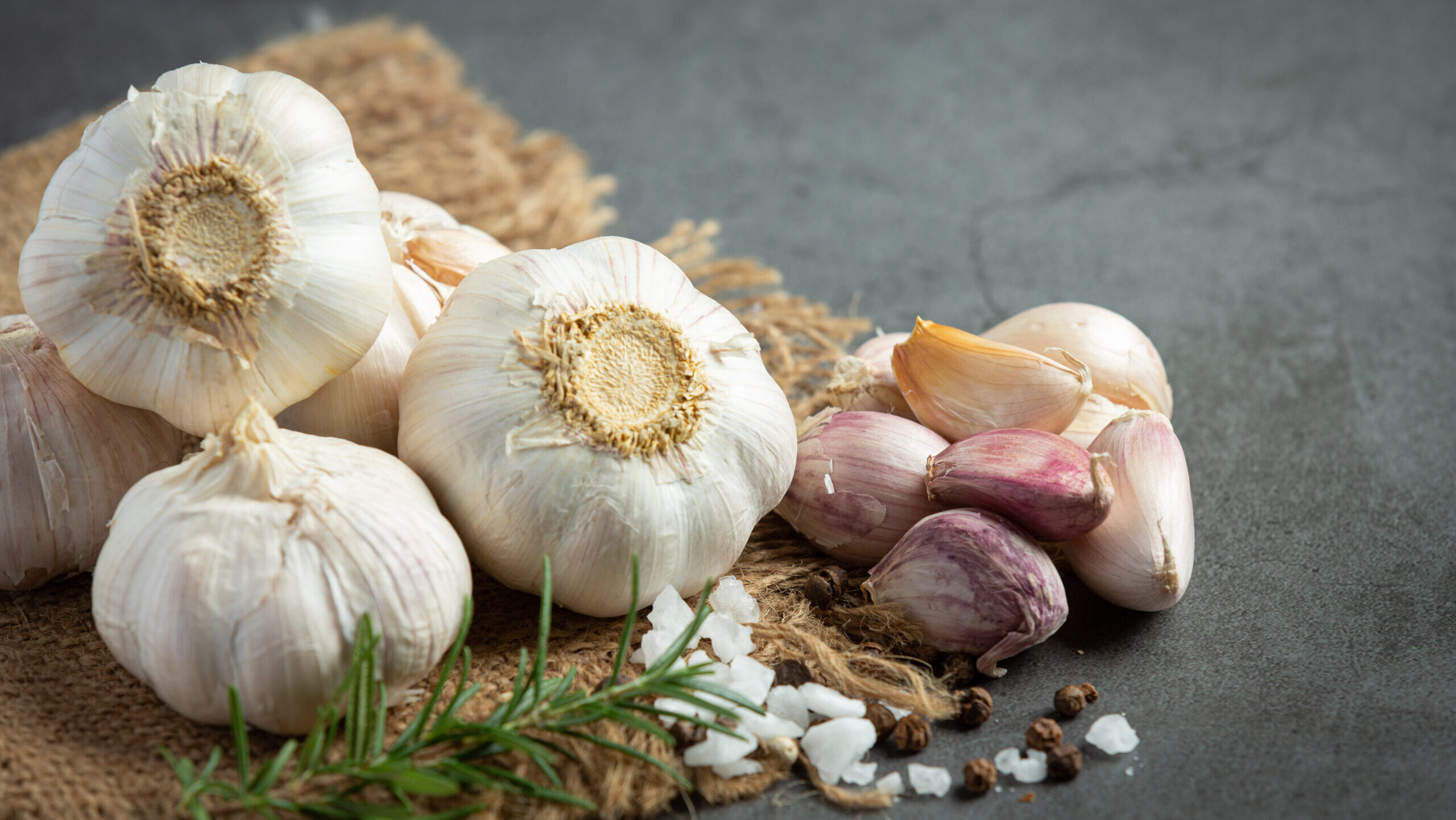
There is often more variety available for fall planting. Many garlic varieties are sold out by spring, so by planting in the fall, you have a wider selection to choose from.
For example, if you’re a fan of hardneck garlic, which produces tasty garlic scapes in addition to bulbs, you’ll have a better chance of finding it in the fall. Additionally, some varieties of garlic, like Rocamboles and Porcelains, perform better when planted in the fall.
10. It’s a Great Way to End the Gardening Season
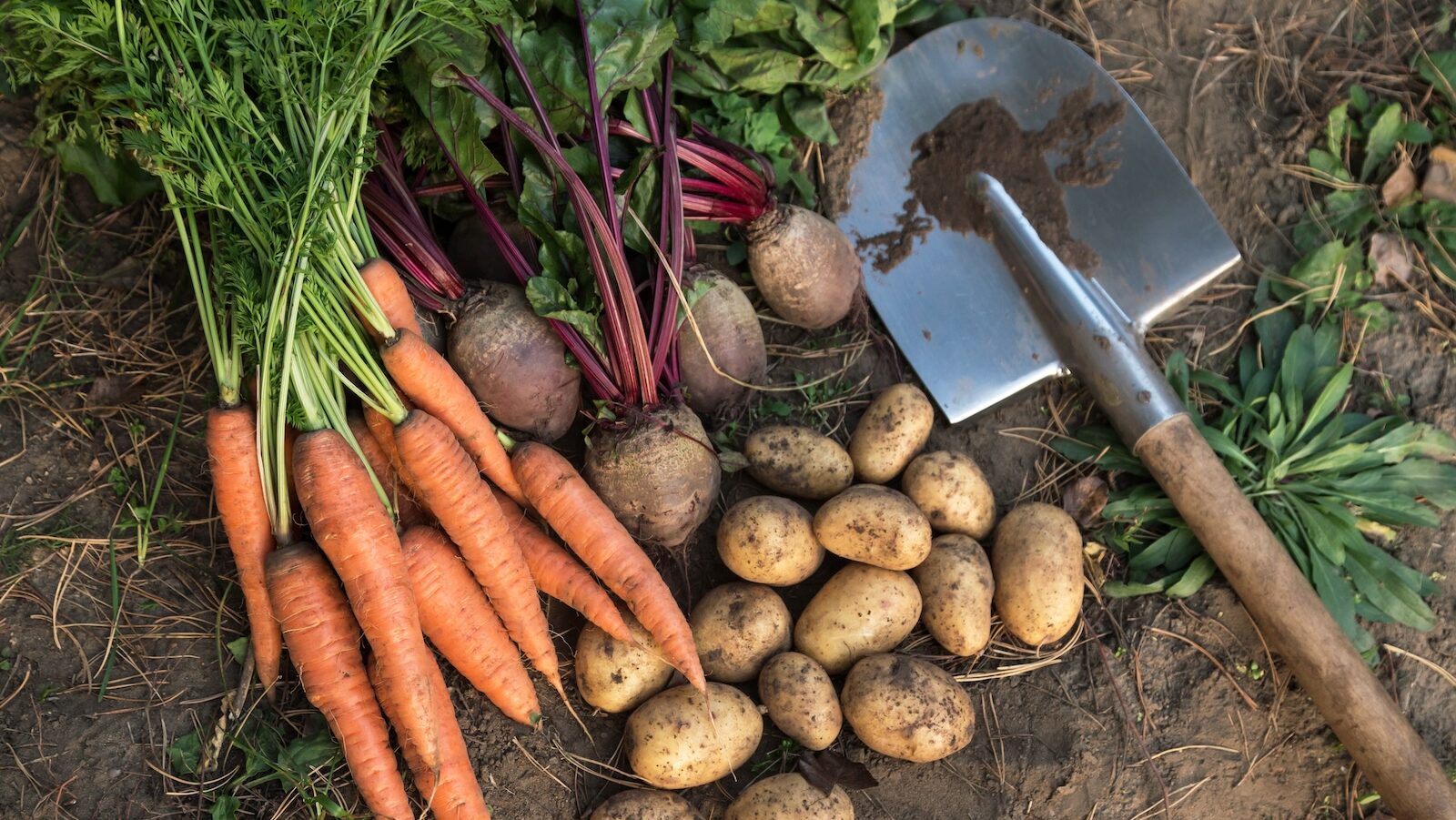
Finally, planting garlic before the first frost is a great way to end the gardening season. It’s a final act of faith in the power of nature, a promise of the harvest to come. Plus, it’s a great way to get outside and enjoy the crisp fall air before winter arrives.
For example, after you’ve harvested your summer crops and prepared your garden for winter, planting garlic can be a satisfying final task. You can then look forward to harvesting your garlic the following summer, a wonderful reminder of your hard work and dedication.