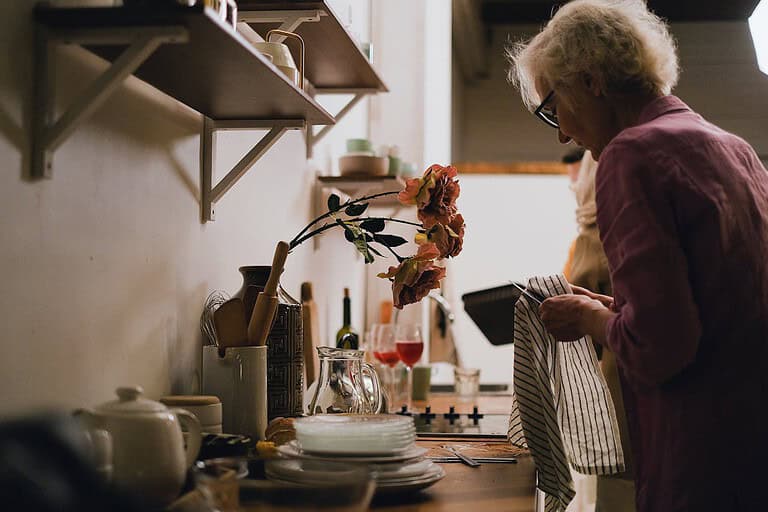
Modern homes are continuously evolving, adapting to various lifestyle changes, preferences, and trends. For a long time, minimalism has been a dominating trend, characterized by clutter-free, clean, and simple designs. However, the tide is gradually shifting as homeowners yearn for more warmth, personality, and a sense of belonging in their homes.
This article sheds light on what’s replacing minimalism in modern homes, offering a refreshing and exciting perspective on interior design trends.
Advertisement
1. Biophilic Design
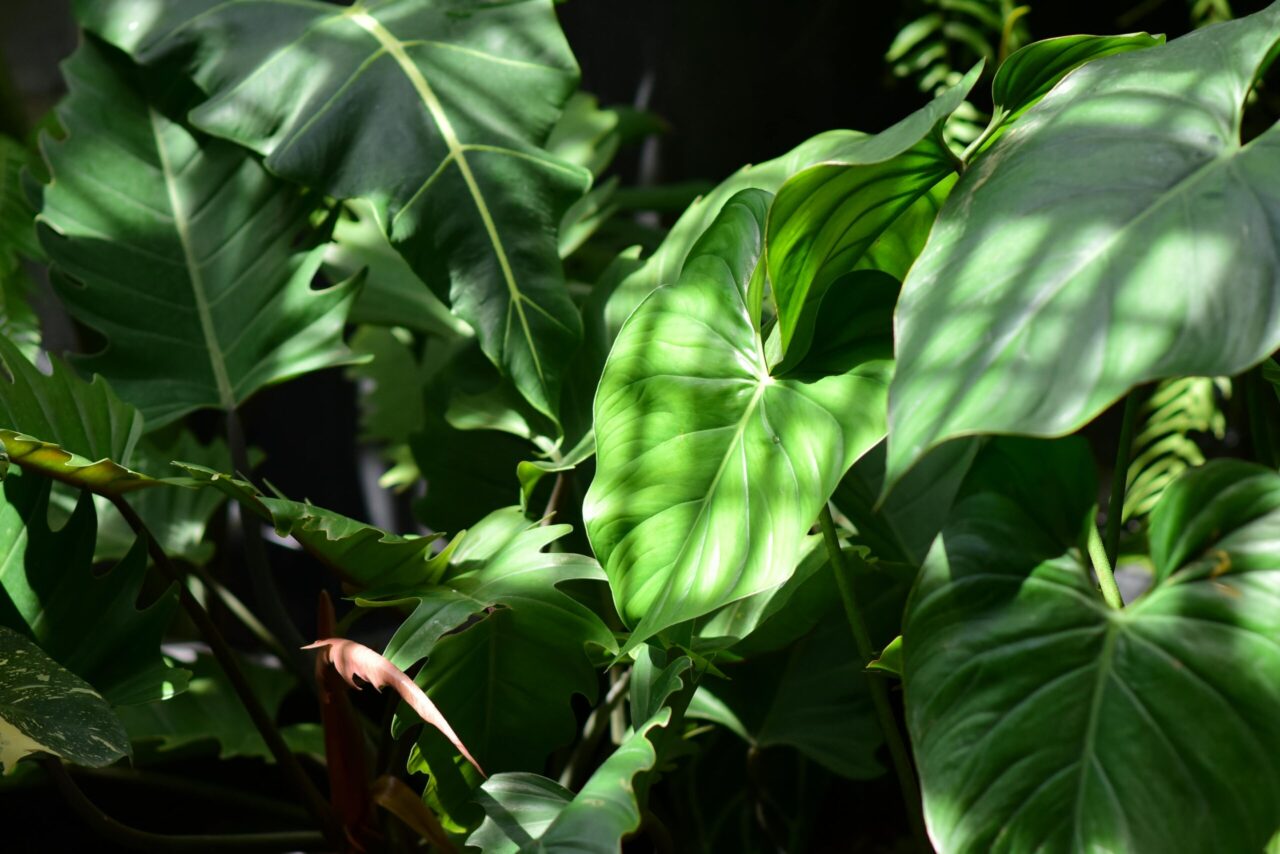
Biophilic design is a fresh concept that incorporates natural elements into the home. It creates a serene, calming environment by introducing elements of nature such as plants, natural light, and organic materials.
The concept is based on the idea that humans have an inherent desire to connect with nature. Incorporating this design into your home can increase comfort and well-being. For instance, you can add large windows to let in natural light, use natural materials like wood and stone, and incorporate indoor plants.
2. Maximalism
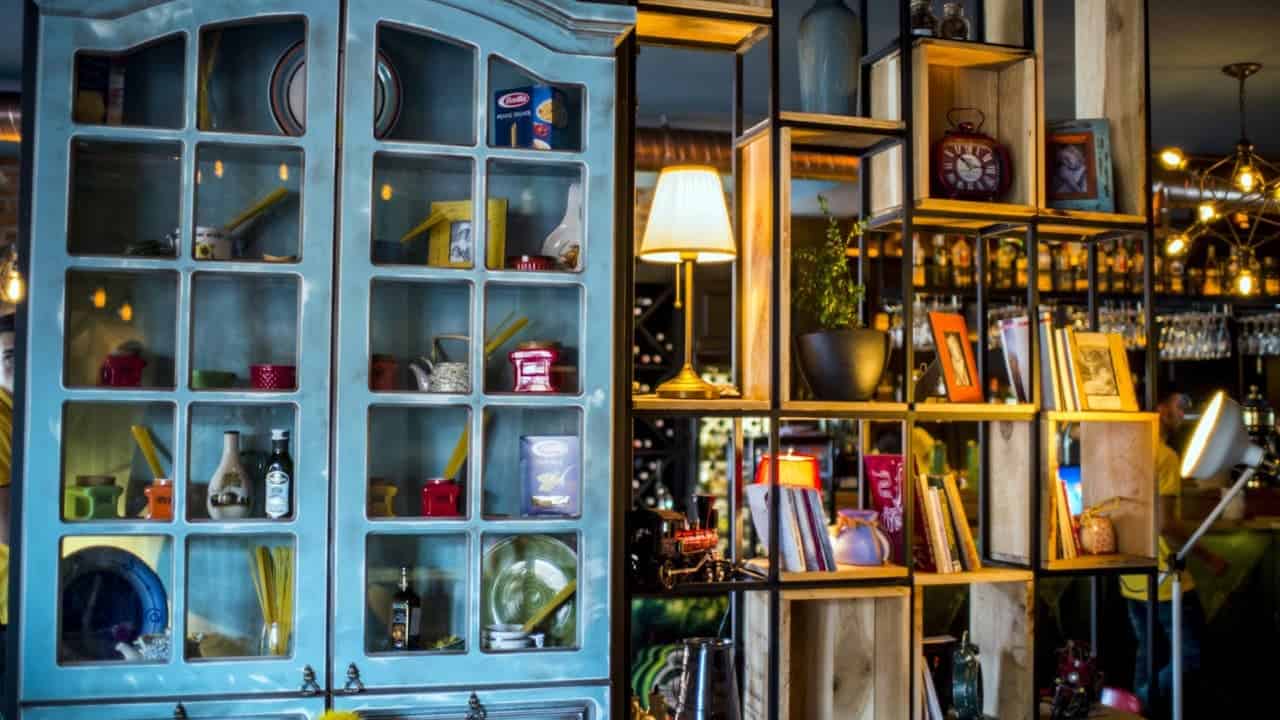
Maximalism is the antithesis of minimalism. Instead of focusing on simplicity and order, maximalism encourages homeowners to incorporate various colors, patterns, and textures in their homes.
This style is characterized by bold, vibrant colors, eclectic furniture, and unique decorations. It’s all about expressing individuality and creating a space that tells a story. For example, you can use vintage rugs, family heirlooms, and art pieces that reflect your personal style.
3. Sustainable Design
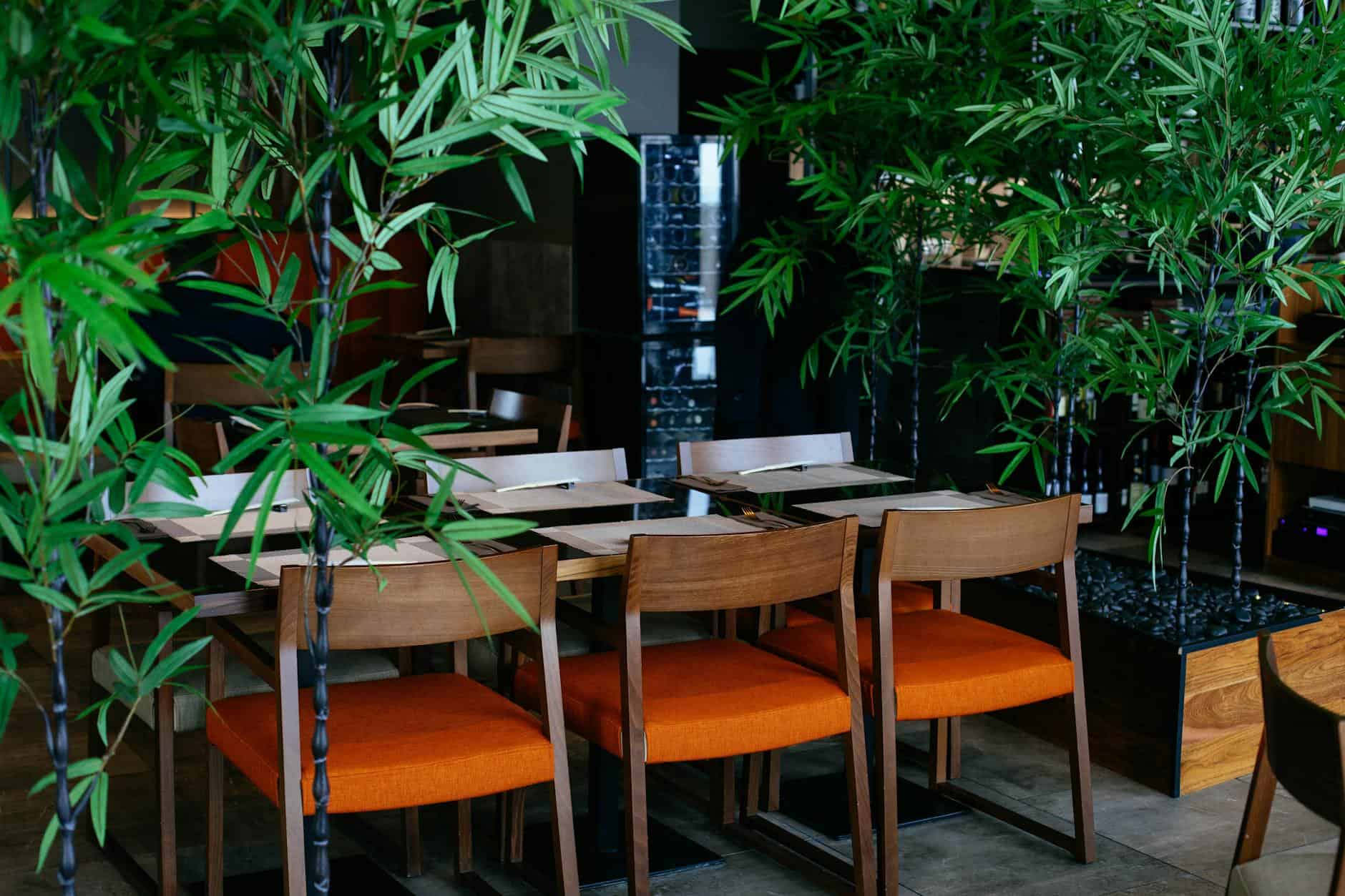
Sustainable design is becoming increasingly popular as more homeowners become aware of the environmental impact of their choices. This design focuses on using eco-friendly materials and energy-efficient appliances.
Incorporating sustainable design into your home not only helps the environment but can also save you money in the long run. For example, you can install solar panels, use low VOC paint, and buy furniture made from recycled materials.
4. Hygge
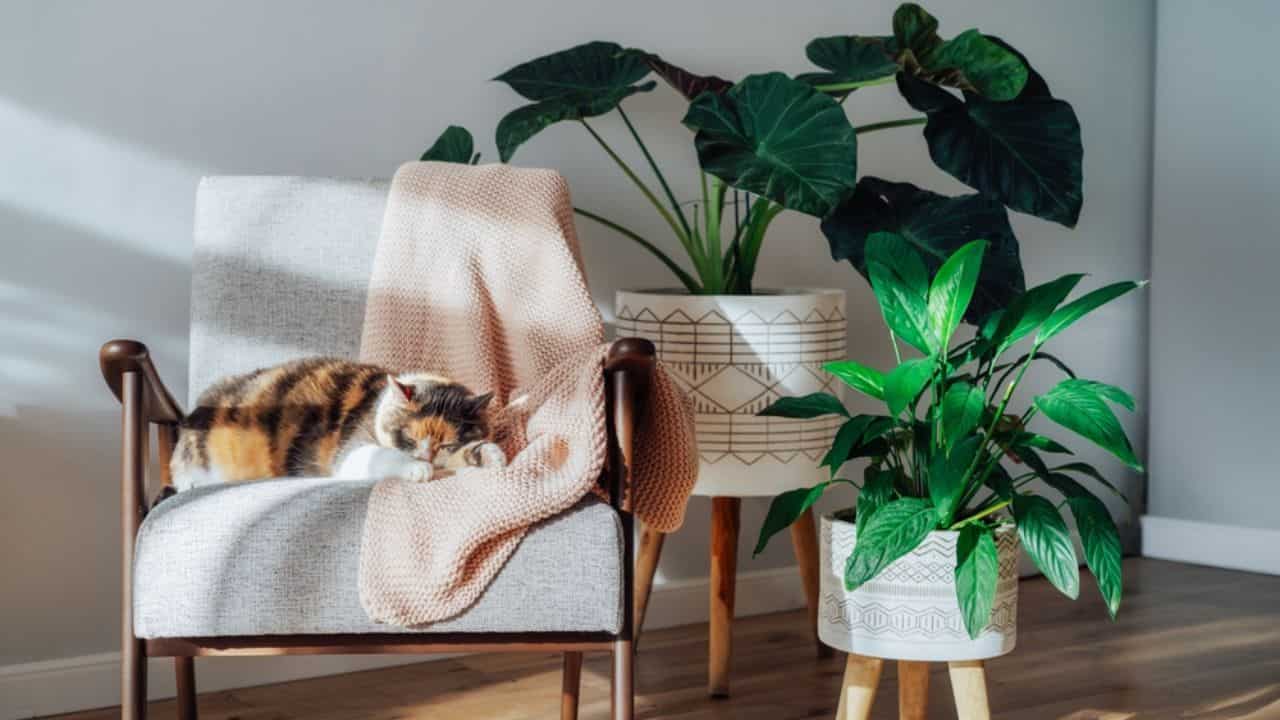
Hygge is a Danish concept that emphasizes comfort, coziness, and contentment. It’s all about creating a warm, inviting atmosphere that makes you feel good.
You can incorporate Hygge into your home by adding soft lighting, comfortable furniture, and cozy textiles. For instance, you can add a soft rug, throw blankets, and candles to create a cozy ambiance.
5. Japandi
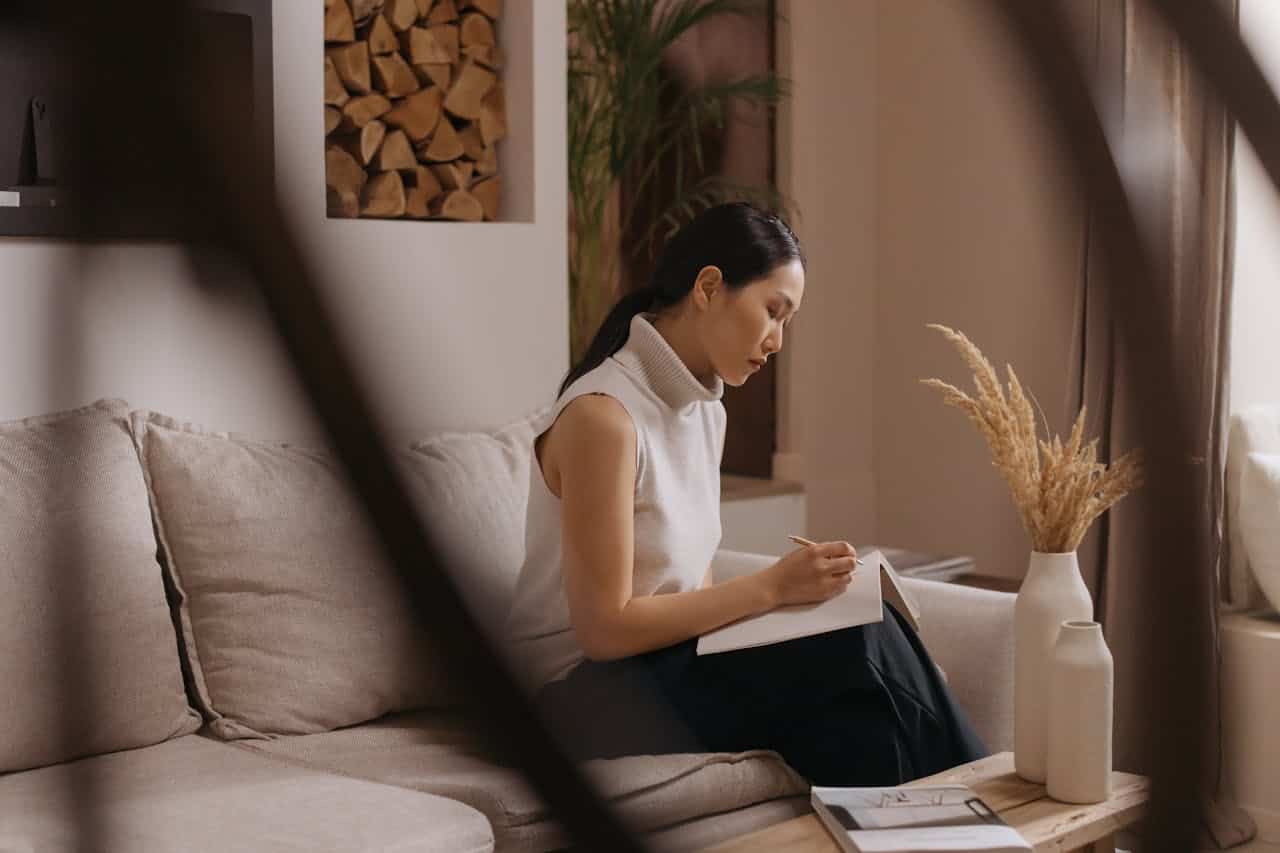
Japandi is a blend of Scandinavian and Japanese design. It combines the simplicity and functionality of Scandinavian design with the elegance and minimalism of Japanese design.
This style is characterized by clean lines, neutral colors, and functional furniture. For example, you can incorporate Japandi into your home by using neutral colors, minimal decorations, and well-crafted furniture.
6. Industrial Design
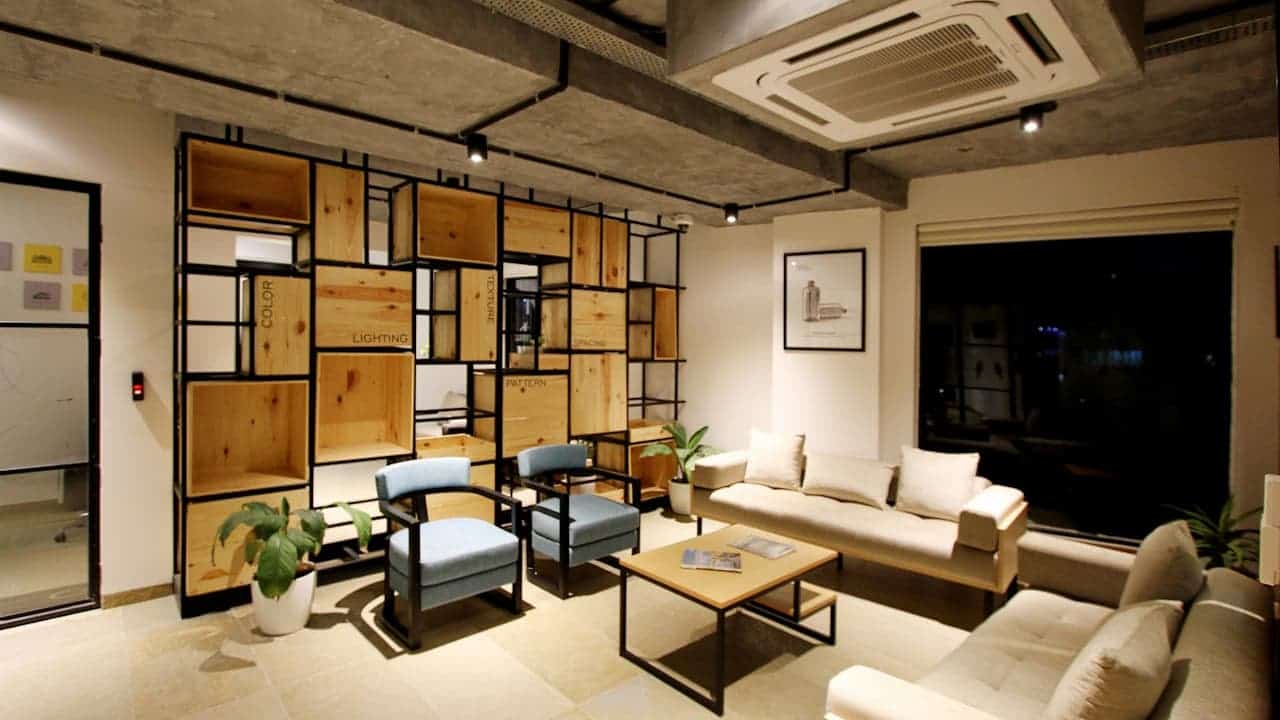
Industrial design is a style that draws inspiration from warehouses, factories, and other industrial structures. It features raw and unfinished materials like exposed brick, metal, and concrete.
This style can give your home a unique, edgy look. For example, you can incorporate industrial design into your home by using steel furniture, exposed bricks, and concrete flooring.
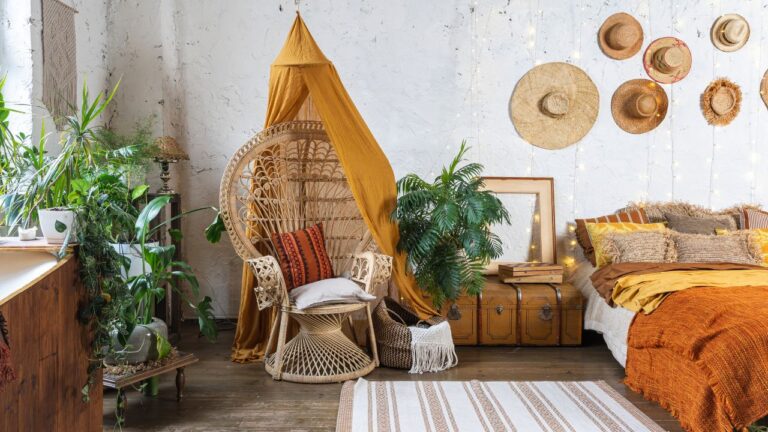
7. Bohemian Design
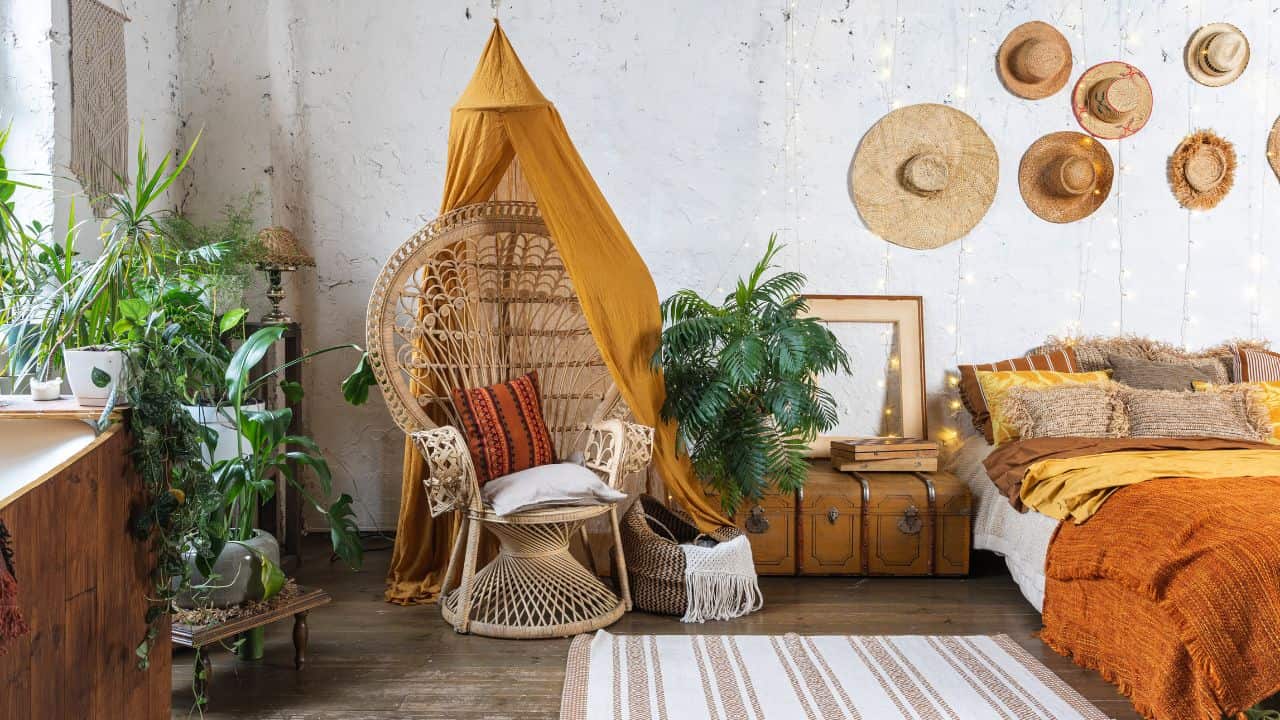
Bohemian design is a vibrant, eclectic style that combines various colors, patterns, and textures. It’s all about expressing individuality and creativity.
You can incorporate Bohemian design into your home by using colorful rugs, patterned pillows, and unique decorations. For instance, you can add a macrame wall hanging, Moroccan rug, and vintage furniture to create a bohemian vibe.
8. Mid-Century Modern Design
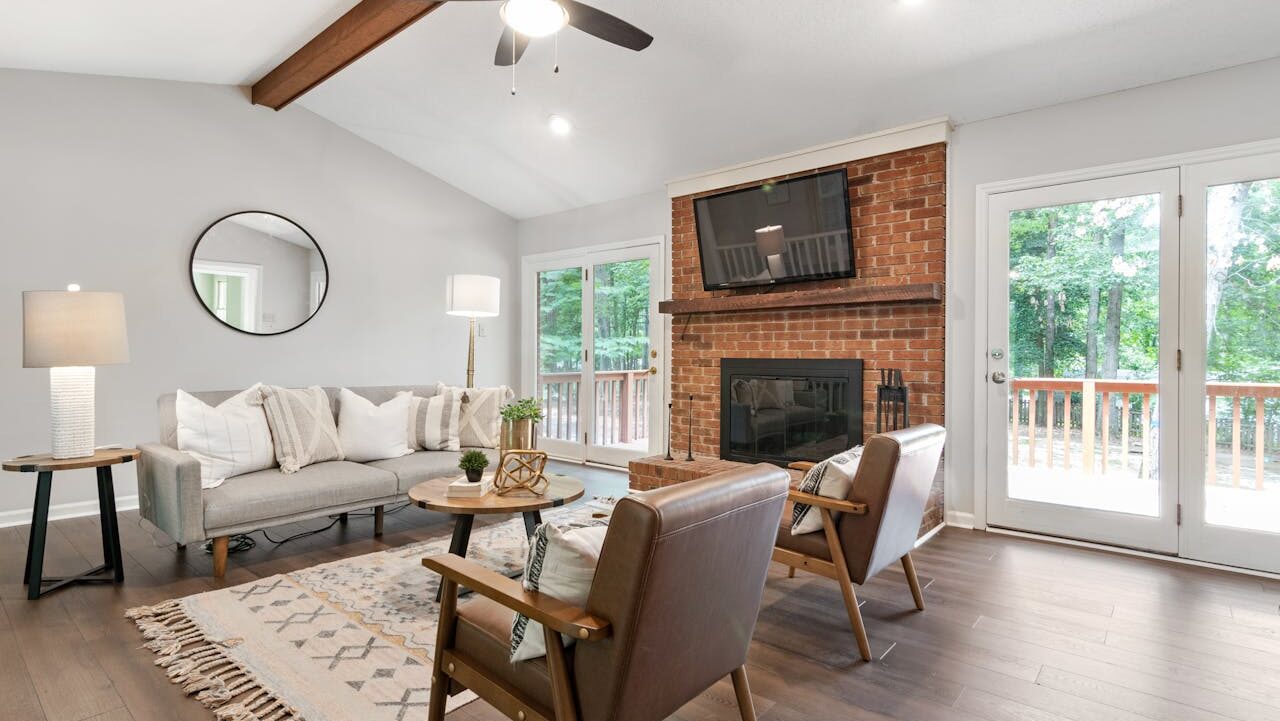
Mid-century modern design is a style that was popular in the mid-20th century. It features clean lines, organic shapes, and simple functionality.
This style can give your home a timeless, elegant look. For example, you can incorporate mid-century modern design into your home by using sleek furniture, geometric patterns, and warm colors.
9. Coastal Design
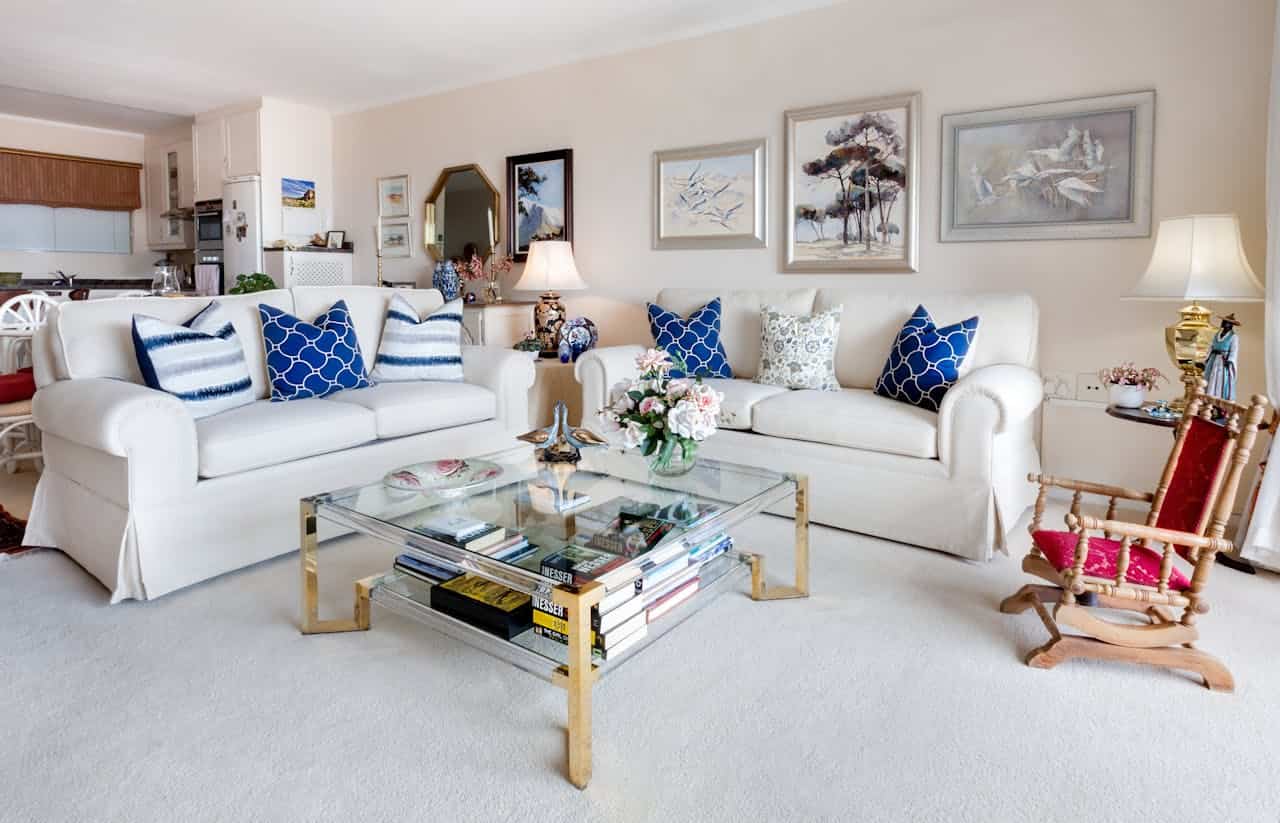
Coastal design is a style that’s inspired by the beach and the ocean. It incorporates natural materials, light colors, and coastal elements like seashells and driftwood.
You can incorporate coastal design into your home by using light colors, natural materials, and coastal decorations. For instance, you can add a seashell mirror, driftwood table, and blue and white textiles to create a coastal vibe.
10. Farmhouse Design
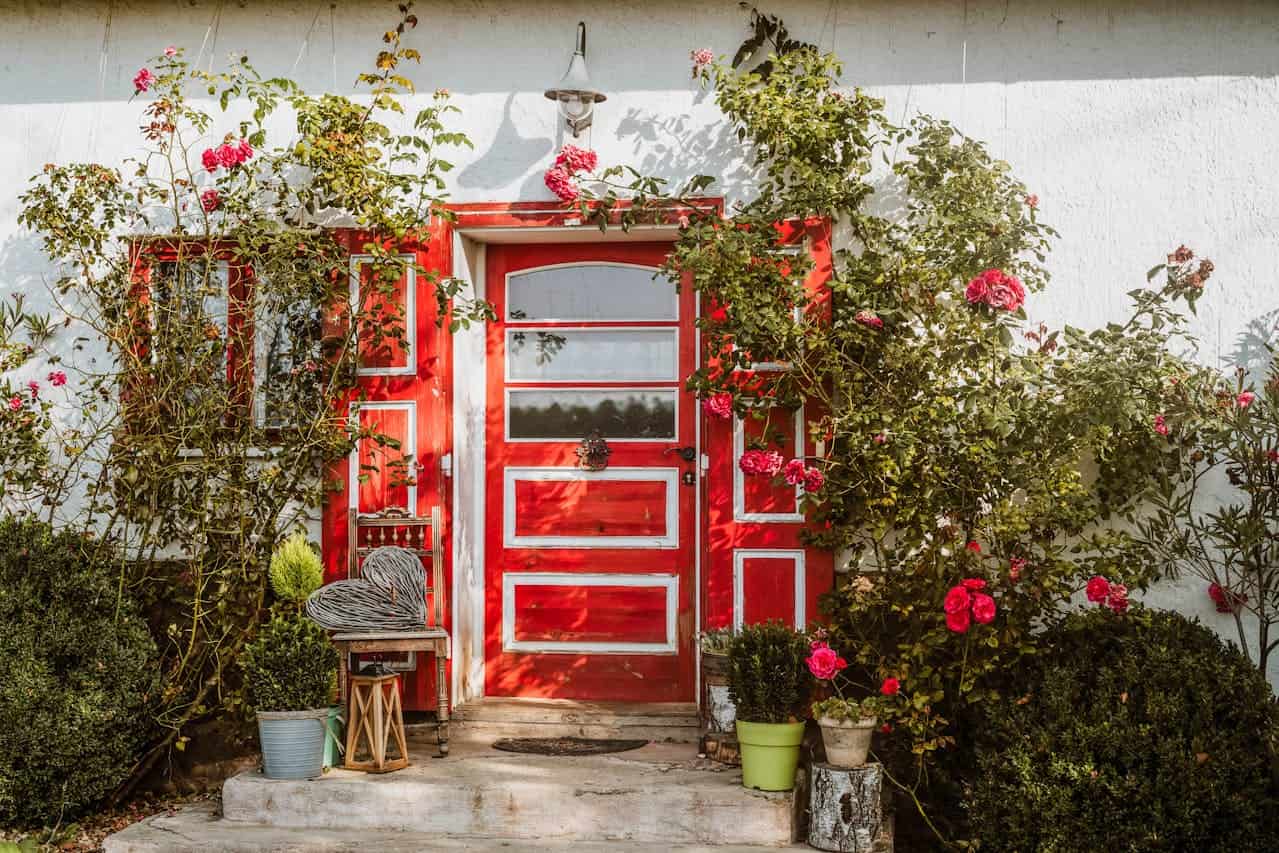
Farmhouse design is a style that’s inspired by the countryside. It incorporates rustic materials, vintage furniture, and cozy elements like fireplaces and wooden beams.
You can incorporate farmhouse design into your home by using rustic materials, vintage furniture, and cozy elements. For instance, you can add a vintage wooden table, a rustic fireplace, and a cozy quilt to create a farmhouse vibe.