It’s the time of year when we all start to spend more time in our yards, enjoying the warm weather and the lush greenery of our lawns. However, if you’ve noticed brown patches appearing in your lawn, you might be concerned about the health of your grass. There are numerous reasons why these unsightly patches can appear, and understanding the cause can be the first step towards finding a solution. In this blog post, we’ll explore the top ten reasons for brown patches in lawns this year.
1. Drought Stress

During the hot summer months, a lack of water can cause your lawn to turn brown. Drought stress is a common cause of brown patches in lawns, particularly in areas where rainfall is scarce.
Advertisement
When the grass doesn’t get enough water, the roots can’t absorb the nutrients they need, and the grass blades begin to turn brown. To prevent this, water your lawn regularly, especially during periods of high heat or dry weather. However, be careful not to overwater, as this can cause other problems such as root rot or fungal diseases. A good rule of thumb is to water your lawn deeply but infrequently.
2. Fungal Diseases
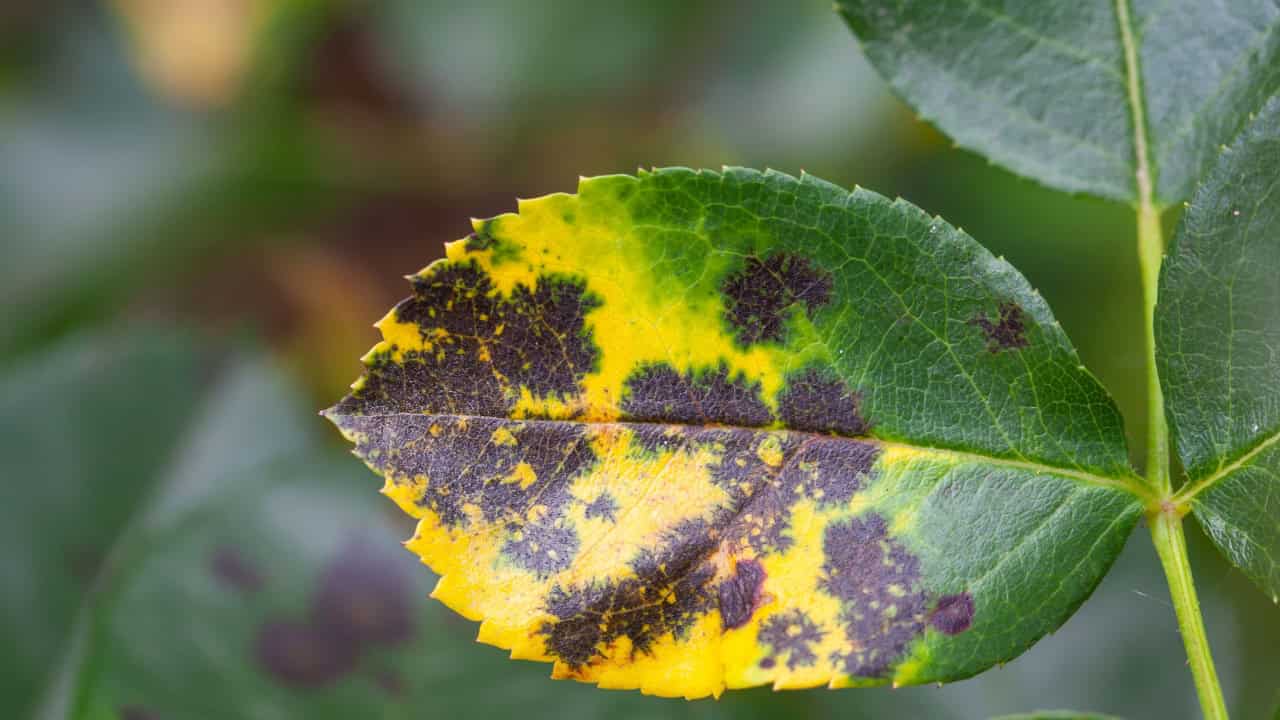
Fungal diseases such as brown patch, dollar spot, and summer patch can cause brown patches in your lawn. These diseases thrive in humid, warm weather and can spread quickly if not treated promptly.
If you notice irregular brown patches in your lawn, especially during humid weather, it could be a fungal disease. To prevent these diseases, avoid watering your lawn in the evening, as this can create a damp environment that encourages fungal growth. Instead, water your lawn in the morning to allow it to dry out during the day. If you suspect a fungal disease, consider applying a fungicide to your lawn.
3. Insect Damage
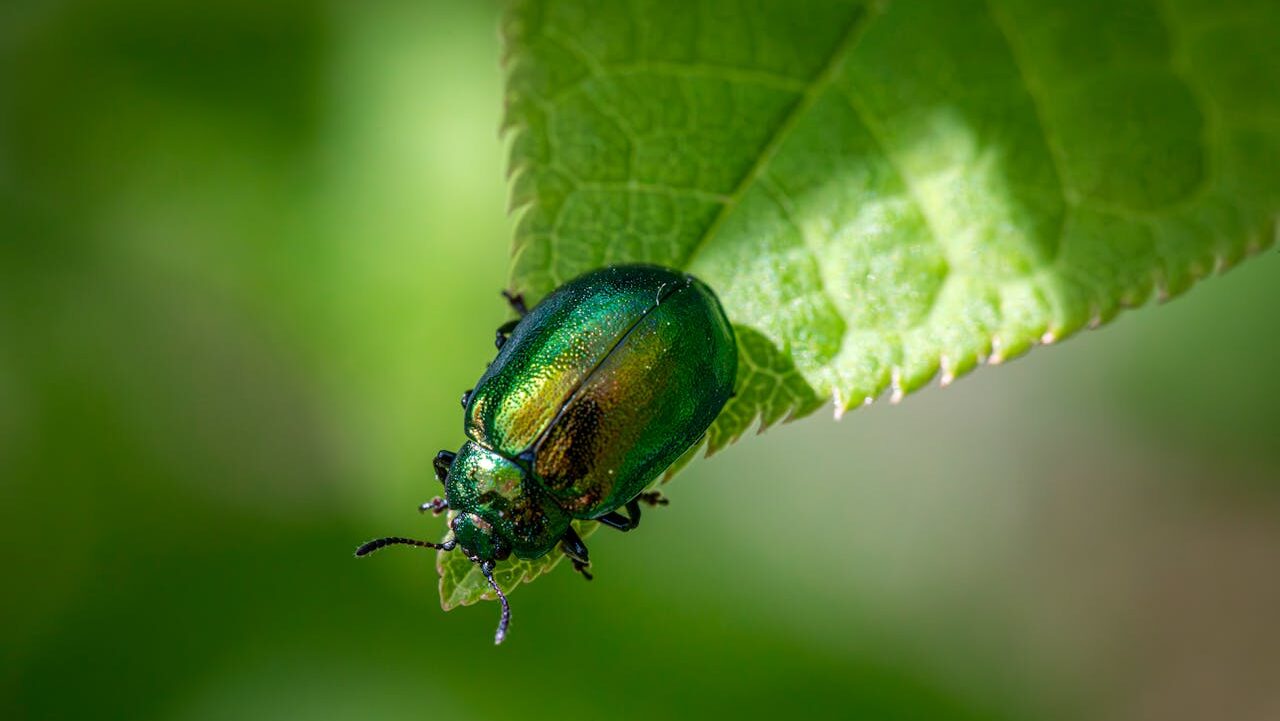
Insects such as grubs, chinch bugs, and sod webworms can cause brown patches in your lawn by feeding on the grass roots. This damage can cause the grass to die and turn brown.
If you notice brown patches appearing in your lawn and suspect insect damage, look for signs of insect activity. This could include patches of grass that easily pull away from the soil or the presence of the insects themselves. If you confirm insect damage, consider applying an insecticide to your lawn to control the pests.
4. Poor Soil Quality
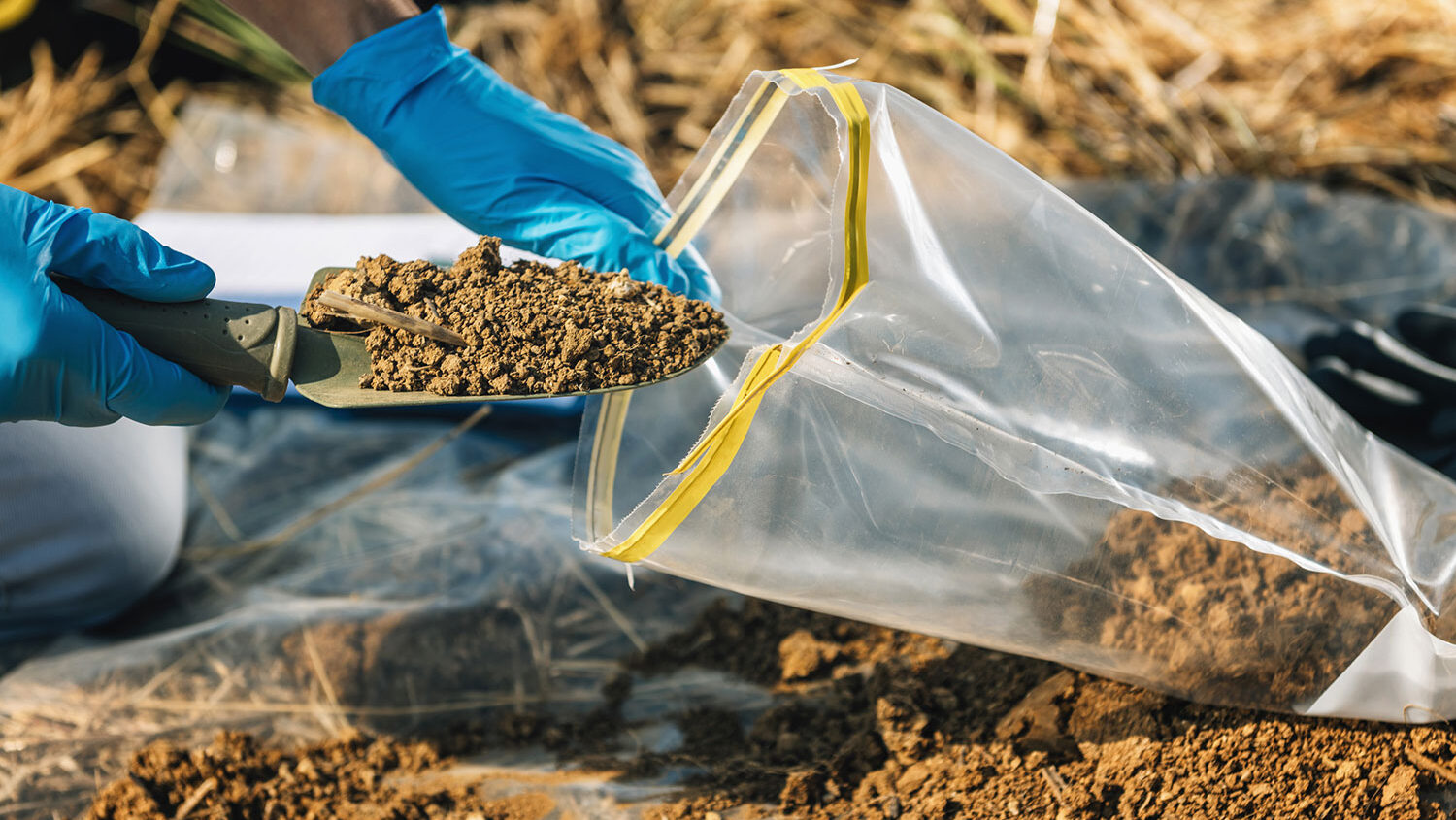
Poor soil quality can also contribute to brown patches in your lawn. If your soil lacks the necessary nutrients or has poor drainage, it can cause the grass to turn brown.
To improve soil quality, consider having a soil test performed to determine what nutrients your soil may be lacking. Based on the results, you can then add the necessary fertilizers to improve the health of your soil. Additionally, consider aerating your lawn to improve drainage and allow more oxygen to reach the grass roots.
5. Dog Urine

If you have a pet dog, their urine can cause brown patches in your lawn. This is due to the high nitrogen content in dog urine, which can burn the grass.
To prevent this, consider training your dog to urinate in a specific area of your yard that is not grassy, such as a gravel or mulch area. Additionally, watering the area immediately after your dog urinates can help to dilute the nitrogen and prevent grass damage.
6. Compacted Soil

Compacted soil can lead to brown patches in your lawn by preventing water and nutrients from reaching the grass roots. This can cause the grass to die and turn brown.
To prevent soil compaction, avoid walking on your lawn when it is wet, as this can compact the soil. Additionally, consider aerating your lawn once a year to loosen the soil and improve drainage.
7. Overfertilization
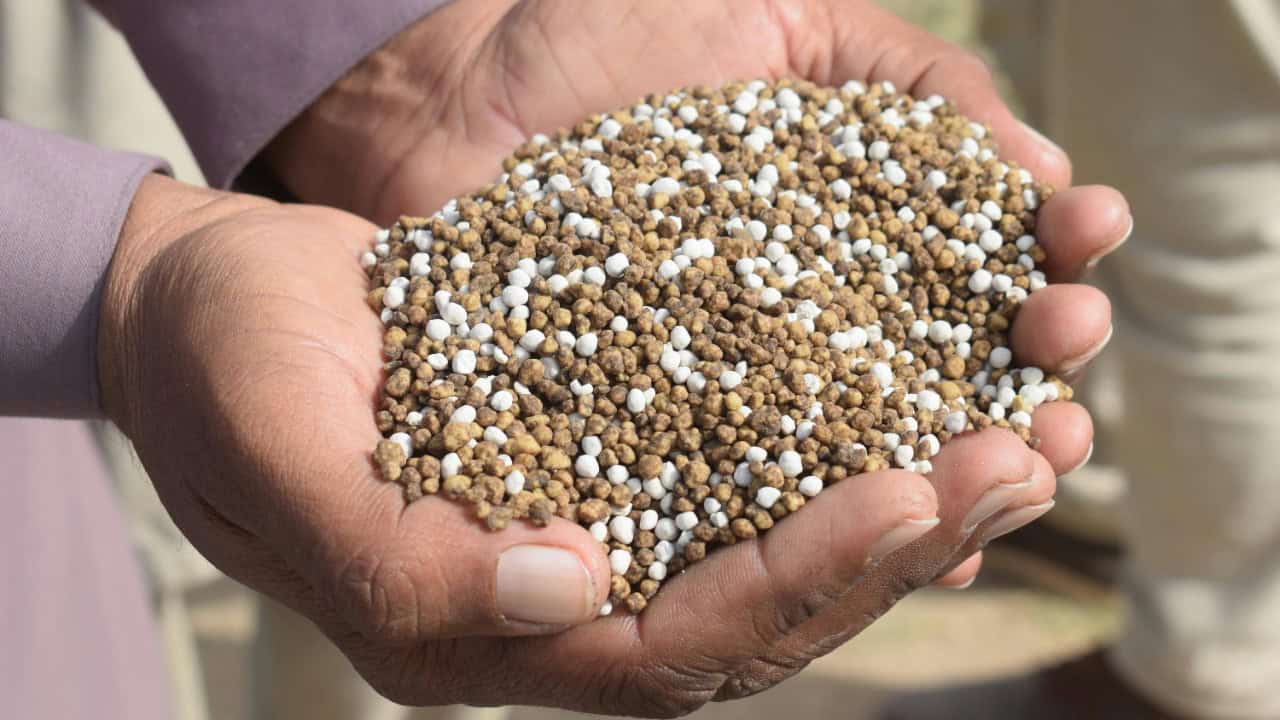
While fertilizers can help to improve the health of your lawn, overfertilizing can actually cause brown patches. This is due to the high salt content in fertilizers, which can burn the grass.
To prevent overfertilization, always follow the manufacturer’s instructions when applying fertilizers. Additionally, consider using a slow-release fertilizer, which releases nutrients over a longer period of time and reduces the risk of overfertilization.
8. Mowing Too Short
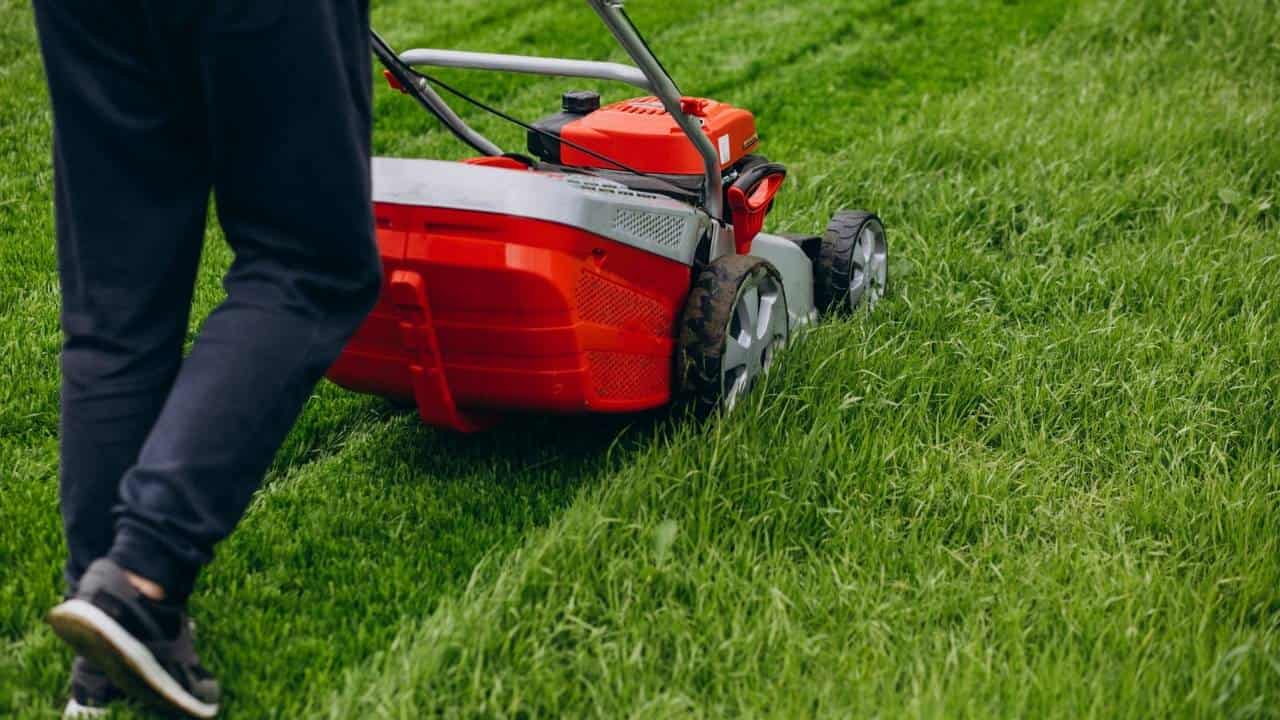
Mowing your grass too short can cause it to turn brown. This is because short grass blades have less leaf surface to absorb sunlight, which is necessary for photosynthesis.
To prevent this, always mow your lawn at the recommended height for your specific type of grass. As a general rule, never cut more than one-third of the grass blade at a time.
9. Shade

If your lawn is in a shaded area, it can lead to brown patches. This is because grass needs sunlight to perform photosynthesis and grow.
If you have trees or structures that are casting too much shade on your lawn, consider pruning them to allow more sunlight to reach your grass. Alternatively, consider planting shade-tolerant grass varieties in these areas.
10. Disease or Pest Infestation
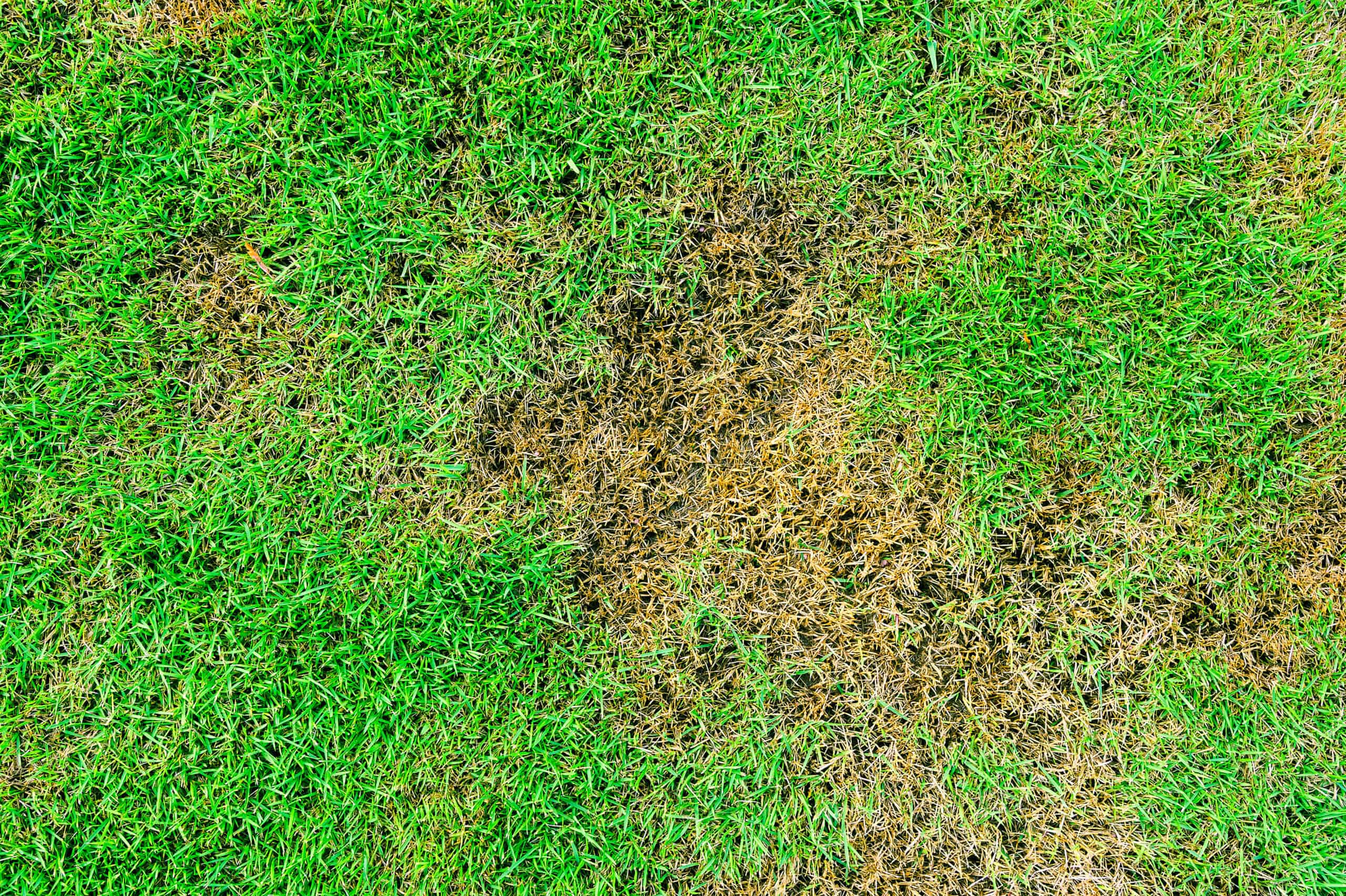
Lastly, if your lawn is suffering from a disease or pest infestation, it can lead to brown patches. Diseases such as brown patch or dollar spot, as well as pests like grubs or chinch bugs, can cause significant damage to your lawn.
If you suspect a disease or pest infestation, it’s important to identify the specific problem and treat it accordingly. This may involve applying a fungicide or insecticide, or in severe cases, reseeding or sodding the affected areas of your lawn.
In conclusion, there are numerous factors that can cause brown patches in lawns. By identifying the cause and taking the appropriate action, you can help to restore your lawn to its former lush, green glory.