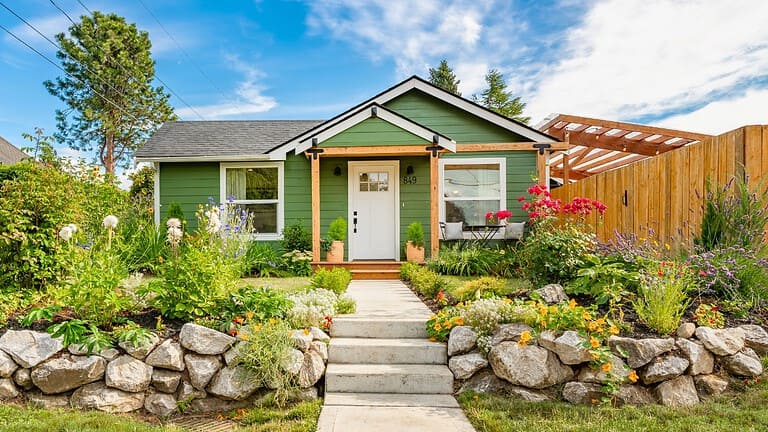
In the last few years, a significant shift in gardening trends has been observed. Traditional grass lawns are being replaced by innovative and eco-friendly alternatives. These alternatives are not only aesthetically pleasing but also easier to maintain and more environmentally friendly.
This trend is of particular interest to those who wish to reduce their carbon footprint, conserve water, and invest their time and resources into more sustainable landscaping options. Let’s take a look at what gardeners are growing instead of grass in 2025.
Advertisement
1. Clover Lawns
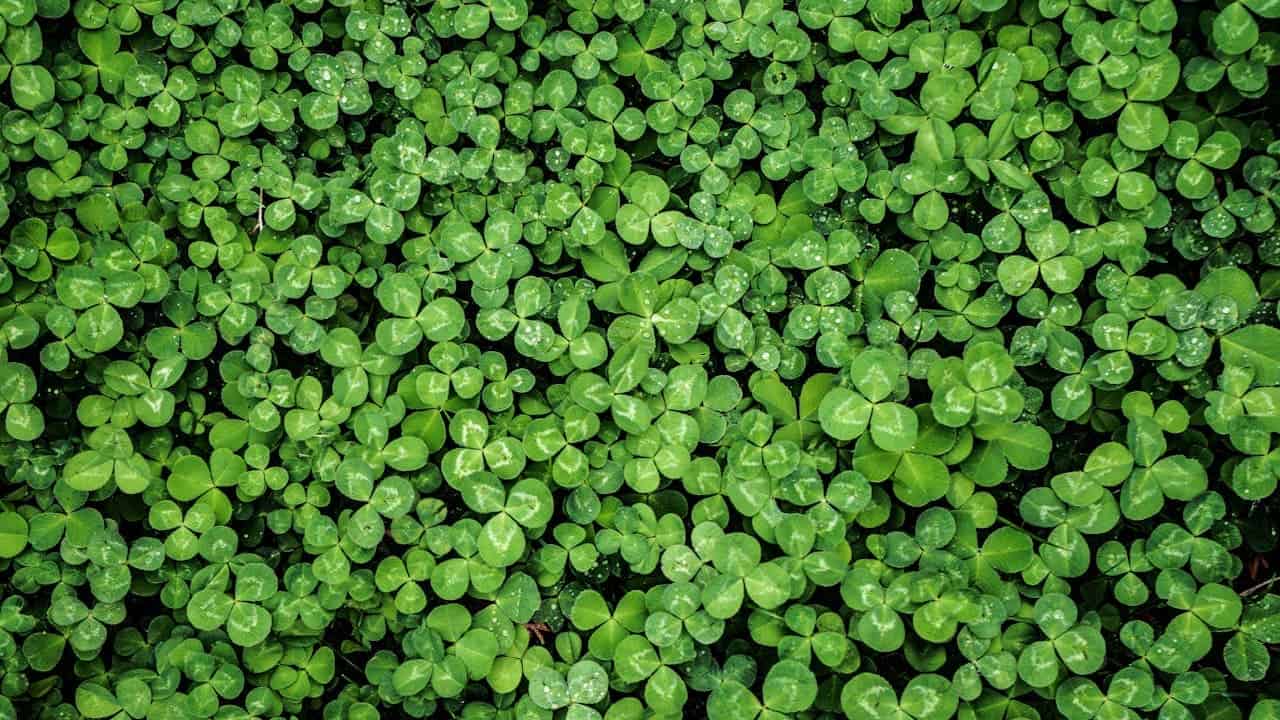
In the year 2025, many gardeners are ditching their grass lawns in favor of clover. Clover lawns are an excellent grass alternative as they are low maintenance, requiring less mowing and watering than traditional grass lawns. Additionally, clover lawns are known for their ability to thrive in poor soil conditions where grass may struggle.
Clover lawns are also beneficial to the environment. They naturally fertilize the soil by fixing nitrogen, reducing the need for synthetic fertilizers. Furthermore, clover is highly resistant to pests and diseases, reducing the need for harmful pesticides. This makes it a highly sustainable choice for the eco-conscious gardener.
2. Native Plant Gardens
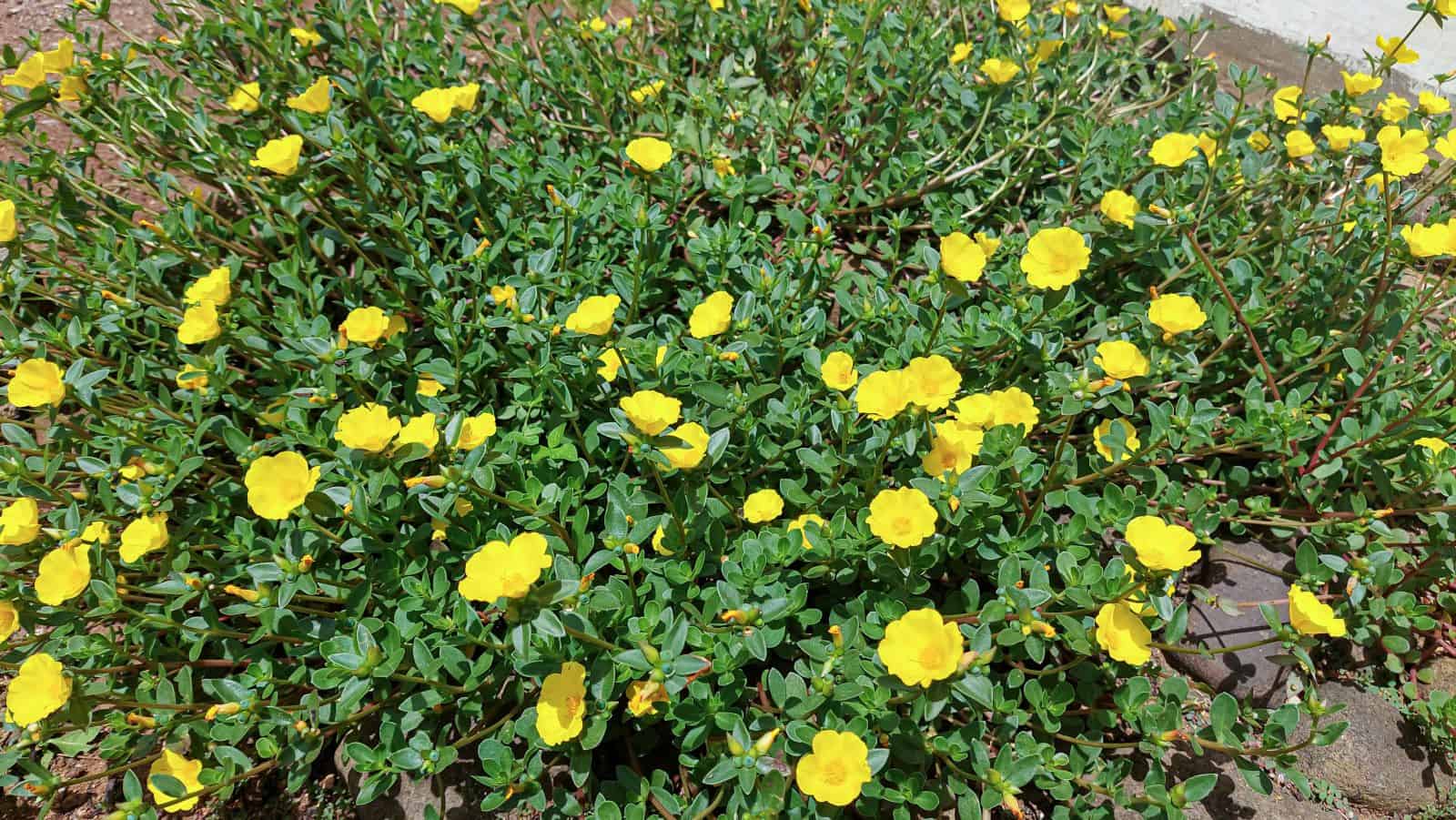
Another popular trend among gardeners in 2025 is the cultivation of native plant gardens. These gardens are designed with plants that are native to the gardener’s local region, which are naturally adapted to the local climate and soil conditions. This makes them more resilient and less dependent on additional watering and fertilizers.
Native plant gardens are not only practical, but they also support local biodiversity. These gardens can provide essential habitats and food sources for local wildlife, including birds, bees, and butterflies. Gardening with native plants is a great way to enjoy a beautiful, low-maintenance garden while also contributing to local conservation efforts.
3. Edible Landscaping
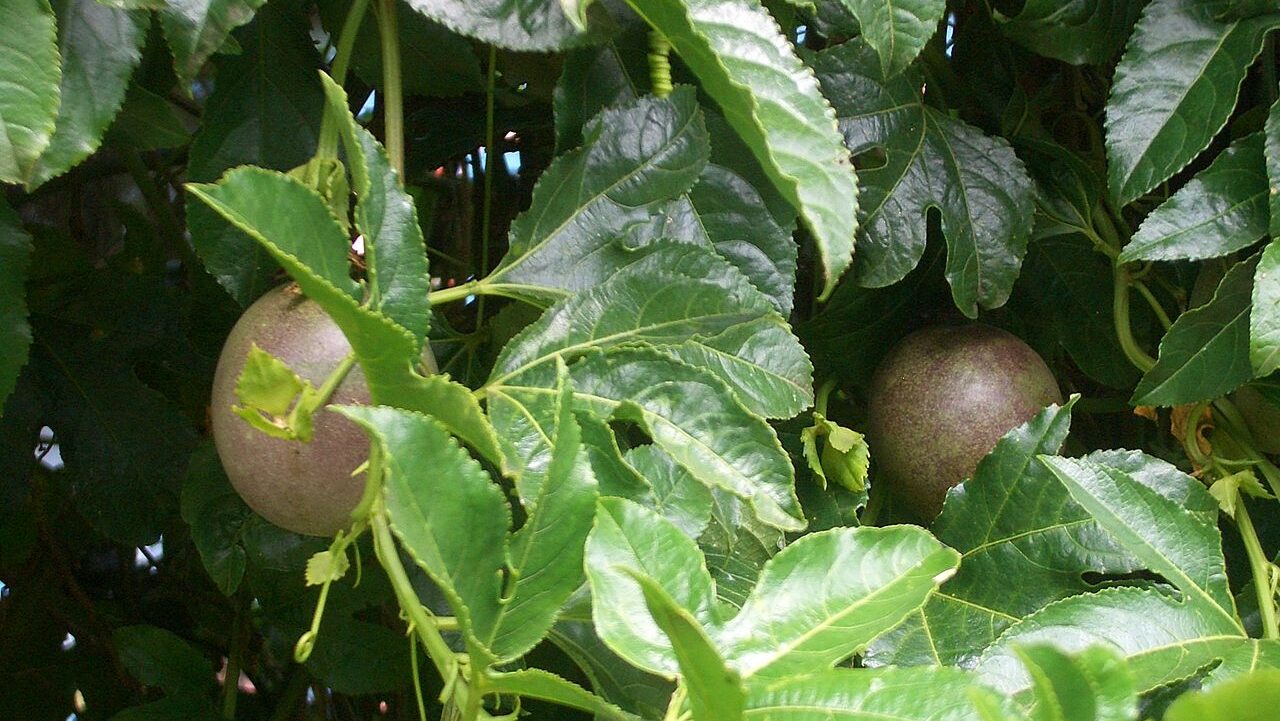
Edible landscaping, another growing trend in 2025, involves replacing traditional grass lawns with plants that produce fruits, vegetables, herbs, and even edible flowers. This not only provides a source of fresh, organic produce for the household, but also creates a vibrant and diverse landscape that’s pleasing to the eye.
Edible landscaping doesn’t mean you need to give up on aesthetics. Many edible plants, such as blueberry bushes, chard, and artichokes, are as visually appealing as they are delicious. With careful planning and design, an edible landscape can be just as beautiful as a traditional ornamental garden, but with the added benefit of providing fresh produce.