
Keeping deer out of your garden can feel like an endless battle. But nature offers many beautiful plants that deer naturally avoid. You can create a garden that stays safe from hungry deer by choosing the right plants.
Aster

Aster plants burst into masses of daisy-like flowers in late summer and fall. They grow between 1 and 4 feet tall depending on the type. Deer avoid their rough stems and leaves, and hence, stay away from them. The plants provide important late-season food for bees and butterflies.
Butterfly Bush

Butterfly bush grows long spikes of purple, pink, or white flowers from summer until frost. Modern types stay compact at about 5 feet tall. Deer dislike the slightly fuzzy leaves and strong flowering scent. The plant attracts lots of hummingbirds and butterflies.
Thyme

This low-growing herb creates thick green carpets in gardens and smells wonderful to humans but not to deer. Thyme grows well between stepping stones and along garden edges. You can use the leaves fresh or dried in cooking. The plant stays green most of the year and produces tiny purple flowers.
Lily of the Valley

Lily of the Valley creates thick patches of green leaves with small white bell flowers in spring. These plants contain strong natural poisons that deer won’t touch. They spread quickly in shady areas and need no special care. The sweet smell attracts butterflies but not deer.
Pampas Grass

Most gardeners love pampas grass because it grows tall and fills empty spaces nicely. Deer stay away from its rough sharp edges that can hurt their mouths. The grass grows up to 12 feet tall and spreads wide, making a natural fence. It stays pretty all year long, even turning a nice tan color in winter.
Dusty Miller

Dusty Miller plants have silver-white leaves that feel like velvet. They grow about 1 foot tall and spread out wide. The fuzzy texture makes deer avoid them completely. These plants handle heat and drought very well and look great all season.
Larkspur

Larkspur brings tall spikes of blue, purple, or pink flowers to gardens. These plants naturally keep deer away because they taste bad and are poisonous. They grow straight and tall, perfect for the back areas of flower beds. The seeds easily spread and make new plants each year.
Snapdragon

Snapdragon produces spikes of spikes of flowers in nearly every color except blue. They can grow from six inches to three feet tall. Deer don’t like strange flower shapes or bitter taste. They bloom best in cool weather.
Foxglove

Foxglove produces tall spikes of spotted purple, pink, or white bell flowers. The plants grow 2 to 5 feet tall and bloom in early summer. All parts contain natural toxins that keep deer away. They often reseed themselves and pop up in new garden spots each year.
Garden Sage

Garden sage has a very strong smell that deer hate. It makes the plant perfect for protecting other plants. The silvery-green leaves add nice color to any garden and you can use them in cooking. Sage grows well in sunny spots and does not need much water. It comes back every year and spreads slowly to fill empty spaces.
Monkshood

Monkshood produces deep purple flowers on tall stems that deer never eat. The whole plant contains natural chemicals that keep animals away. It grows best in cool, shady spots, and needs rich soil. The flowers last for many weeks in late summer,
Catmint

Catmint grows into mounds of gray-green leaves covered in purple flowers. The strong minty smell keeps deer away while attracting butterflies and bees. It blooms from early summer until fall frost. The plant spreads slowly and makes good ground cover.
American Holly

American Holly trees grow naturally in many parts of North America and can reach 50 feet tall. Their thick, spiky leaves make it painful for deer to eat them. The bright red berries appear in winter and last for months. Female plants need male plants nearby to produce berries.
Hellebore

Hellebore flowers appear in late winter, often through snow. The leathery leaves stay green all year, and deer won’t eat them because they are poisonous. Flowers come in white, pink, purple, or green and face downward. They spread slowly into large clumps.
Forget-Me-Not

These small blue flowers bring early color to gardens when spring arrives. The leaves have tiny hairs that deer find uncomfortable to eat. Forget-me-nots spread easily and come back year after year. They grow well in shady spots and need regular watering to stay healthy.
Calendula
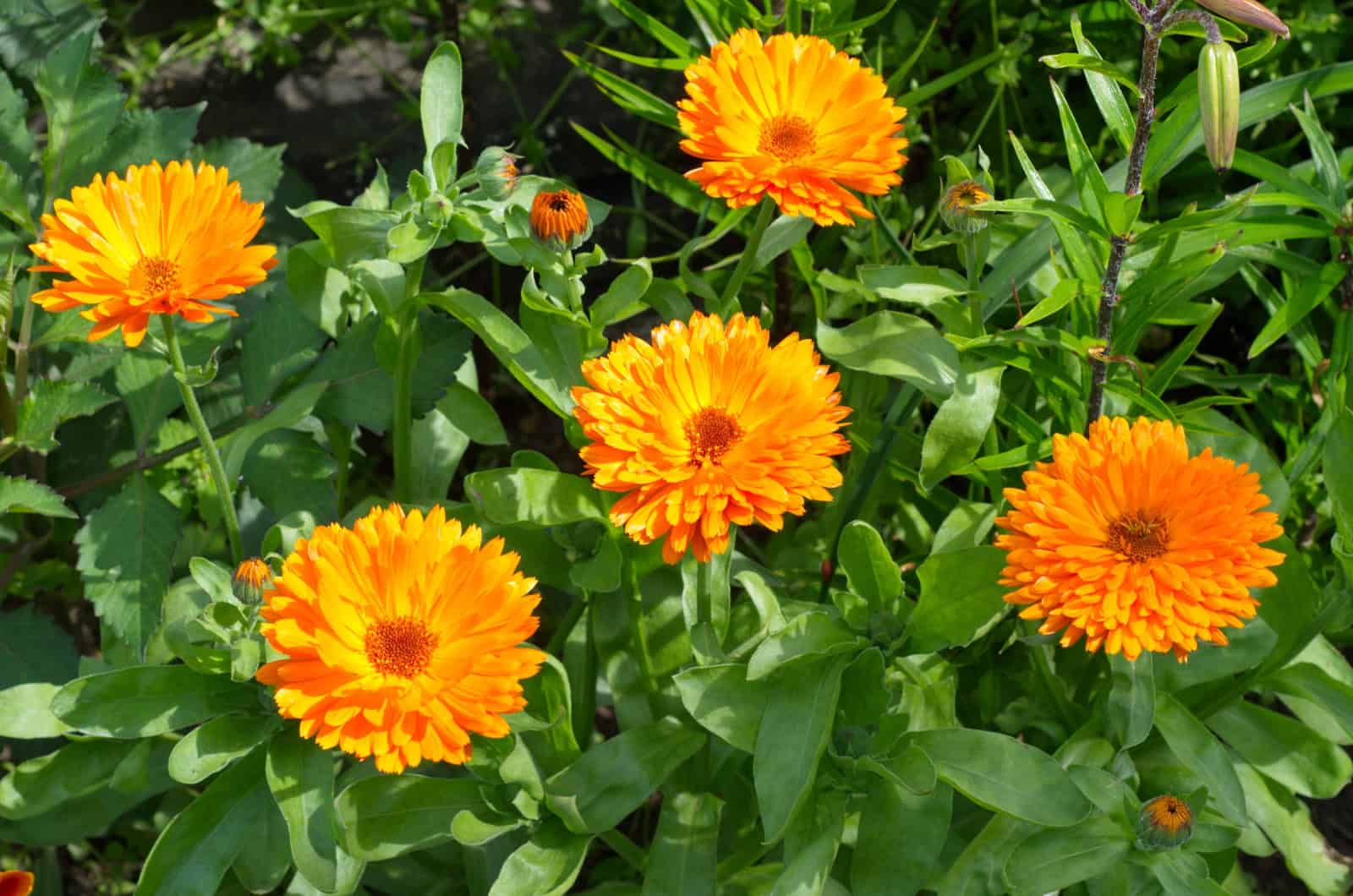
Calendula flowers look like bright orange and yellow daisies. They bloom from spring until the first hard frost hits. The strong-smelling leaves and flowers keep deer away naturally. Plants grow about 18 inches tall and reseed themselves easily each year.
Meadow Rue

This tall plant has small, delicate flowers that look like tiny butterflies. Deer avoid meadow rue because of its bitter taste. The plant grows well in partly shady spots and does not need much care. It comes back every spring and grows taller each year.
Buttercups

Buttercups might look pretty with their bright yellow flowers, but they taste bitter to deer. These flowers spread quickly across garden beds and open areas. They bloom early in spring and keep flowering for many weeks. The plants are tough and can handle different types of soil.
Bleeding Heart

Bleeding heart plants produce rows of heart-shaped pink or white flowers in spring. The plant grows well in shady areas under trees. Deer avoid it because all parts contain natural chemicals that taste bad. The plant goes dormant in summer after flowering.
Anise

Anise plants feathery leaves and produce clusters of small white flowers in summer. The entire plant gives off a strong licorice smell that deer hate. It grows about 3 feet tall and needs full sun. The seeds can be harvested in late summer for cooking or tea.

