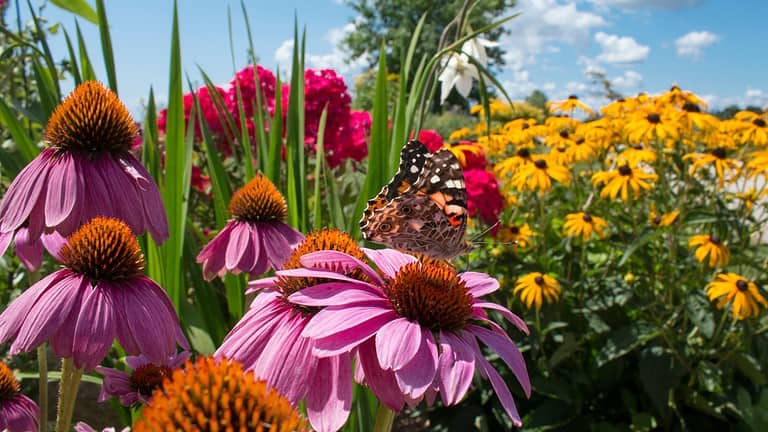
With declining bee populations, it’s more important than ever to support these essential creatures. Bees, butterflies, and other pollinators play a crucial role in our ecosystem, helping to pollinate over 85% of the world’s flowering plants. By turning your backyard into a pollinator paradise, you not only contribute to pollinator preservation, but also create a vibrant, lively garden full of buzzing activity and beauty. Here are 8 ways to transform your backyard into a haven for pollinators.
1. Choose Native Plants
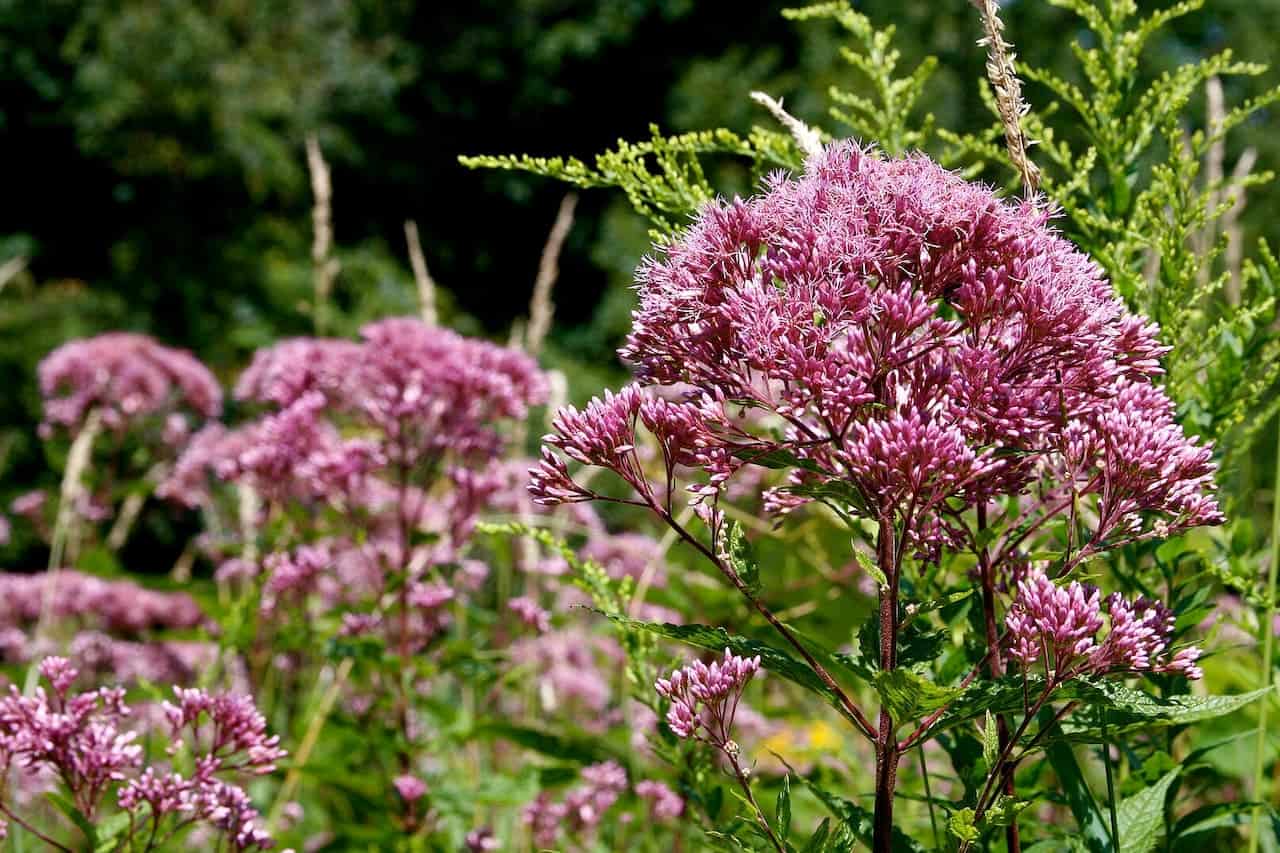
Choosing native plants for your garden can be an effective way to attract local pollinators. These plants have co-evolved with the indigenous pollinator species and thus, are best suited to provide the food and habitat these creatures require.
Advertisement
Take time to research the plants that are native to your region. Consider their needs in terms of sunlight, soil type, and watering. Also, try to choose a variety of plants that bloom at different times to provide a continuous food supply for pollinators. For example, if you live in the northeastern U.S., you might consider planting Joe-Pye weed, wild bergamot, or New England asters.
2. Create a Bee Bath
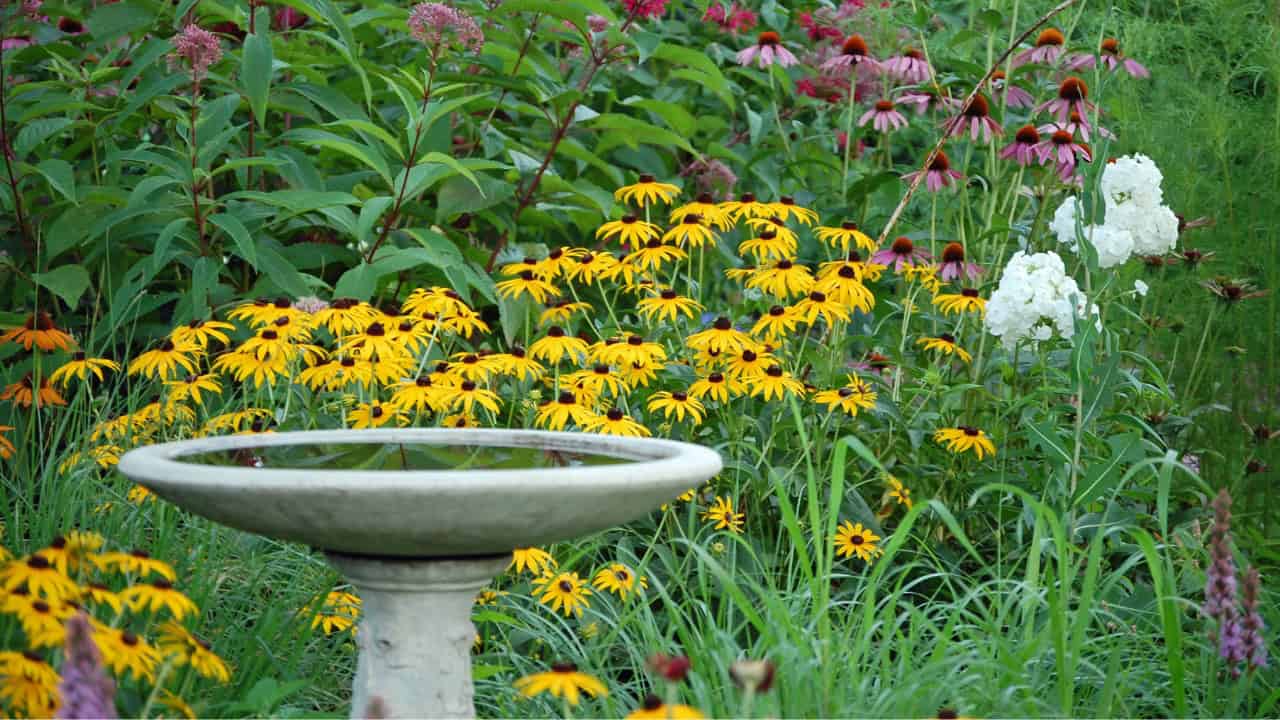
Just like birds, bees need water too. But unlike their feathered friends, bees need a safe place to land when they drink, as they can easily drown in deep water. A bee bath can be a simple and fun way to provide this essential resource.
You can create a bee bath by filling a shallow dish or birdbath with pebbles or marbles and adding water. The pebbles provide a safe landing spot for the bees. Remember to refresh the water every couple of days to prevent mosquito breeding and keep the bees coming back.
3. Limit or Eliminate Pesticides

Pesticides are harmful to pollinators. Even so-called “bee-safe” pesticides can harm bees and other pollinators by contaminating their food sources.
Instead of using pesticides, explore organic and natural methods of pest control. For example, you can attract beneficial insects, like ladybugs and praying mantises, which are natural predators of many common garden pests. Companion planting, where certain plants are grown together to enhance growth or deter pests, can also be an effective strategy.
4. Plant a Butterfly Bush
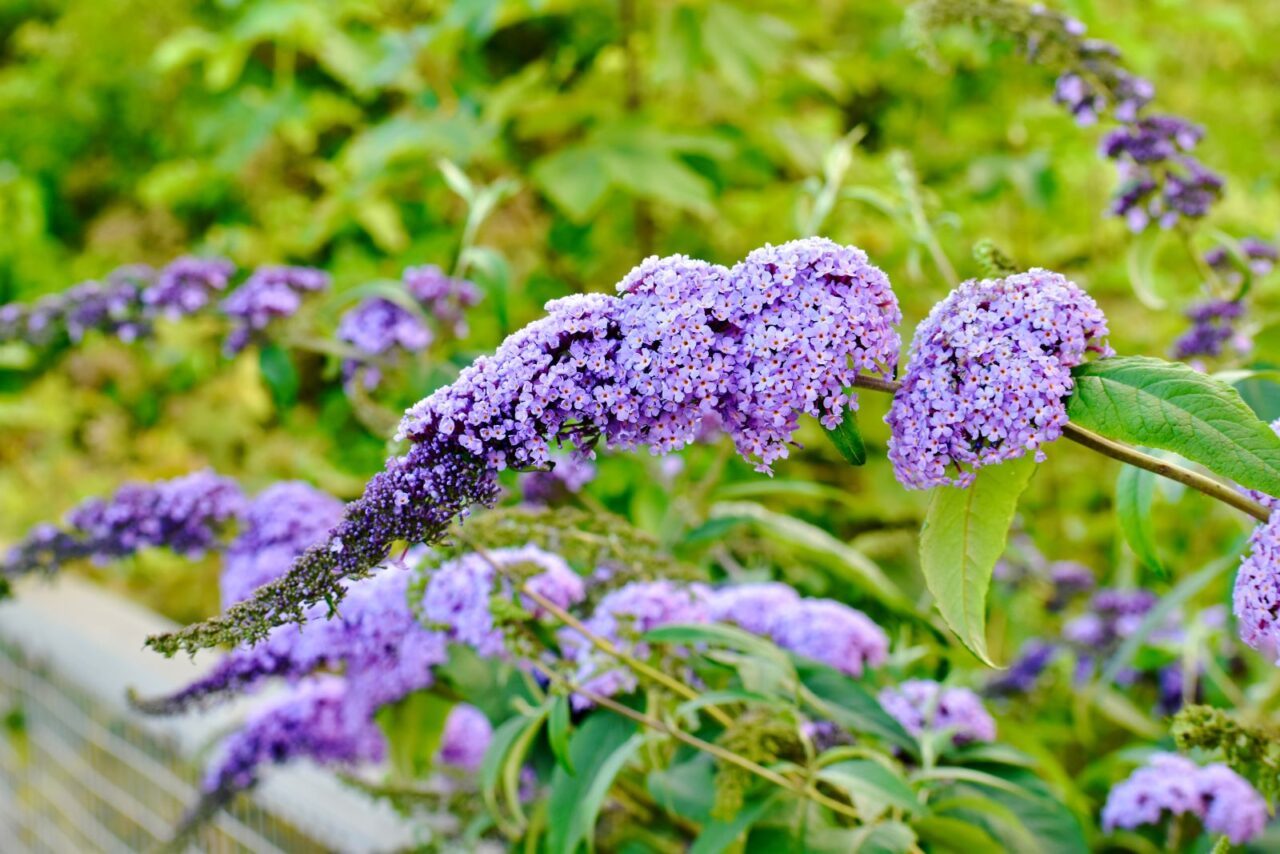
Butterfly bushes are like magnets for butterflies. Their bright, fragrant blossoms attract butterflies and other pollinators throughout the summer months.
When planting a butterfly bush, choose a sunny location with well-drained soil. Remember, these bushes can grow quite large, so give them plenty of space. And while butterfly bushes are not native to North America, they are generally not invasive and can be a great addition to your pollinator garden.
5. Provide Nesting Sites

Many species of bees are solitary and need places to nest. Providing nesting sites can be as simple as leaving a patch of your garden undisturbed or setting up a bee house.
For ground-nesting bees, leave some areas of your garden bare, without mulch or grass. For wood-nesting bees, you can set up a bee house or leave piles of brush or fallen logs. Just make sure these nesting areas are in a sunny location, as bees prefer warm nesting sites.
6. Grow a Herb Garden
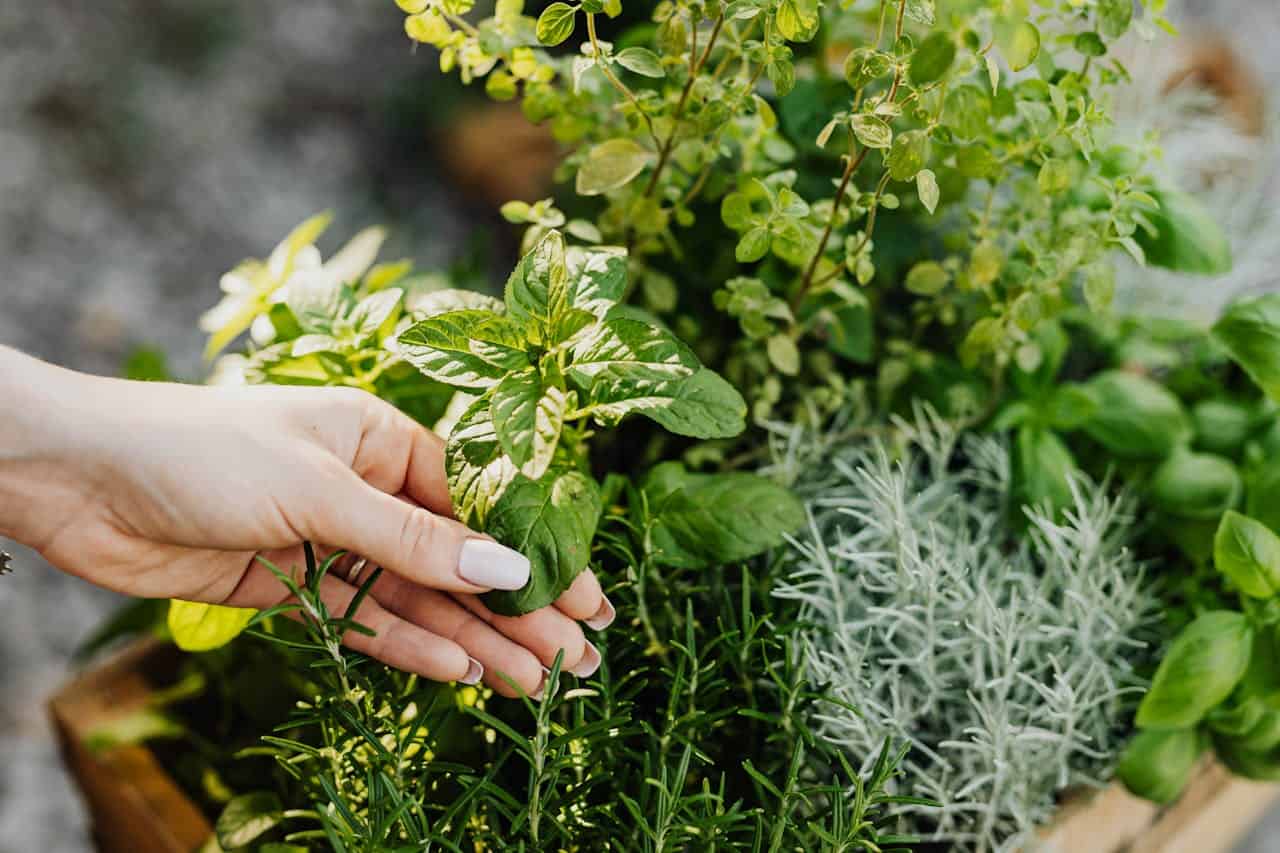
Herbs are not only great for your cooking; they’re also loved by bees, butterflies, and other pollinators. Plus, they’re generally easy to grow, making them a great choice for novice gardeners.
Consider planting herbs like basil, oregano, rosemary, and thyme. Let some of your herbs flower, as these blossoms are particularly attractive to pollinators. And as a bonus, flowering herbs can also add a pop of color to your garden.
7. Plant in Clusters
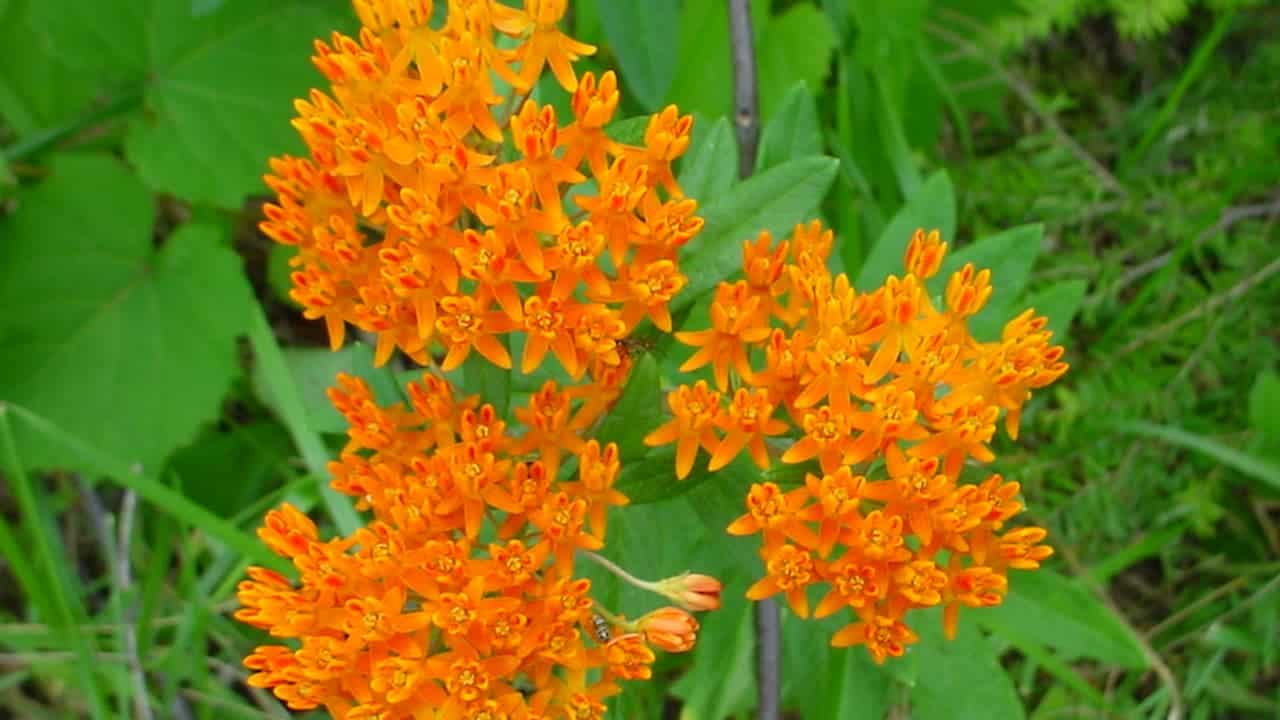
Bees and other pollinators prefer to feed on a single type of flower at a time. By planting in clusters, you can make it easier for them to find and collect nectar and pollen.
Try to create clusters of the same plant that are at least one square meter in size. This not only helps the pollinators, but it also creates a visually appealing display in your garden.
8. Add a Butterfly Feeder
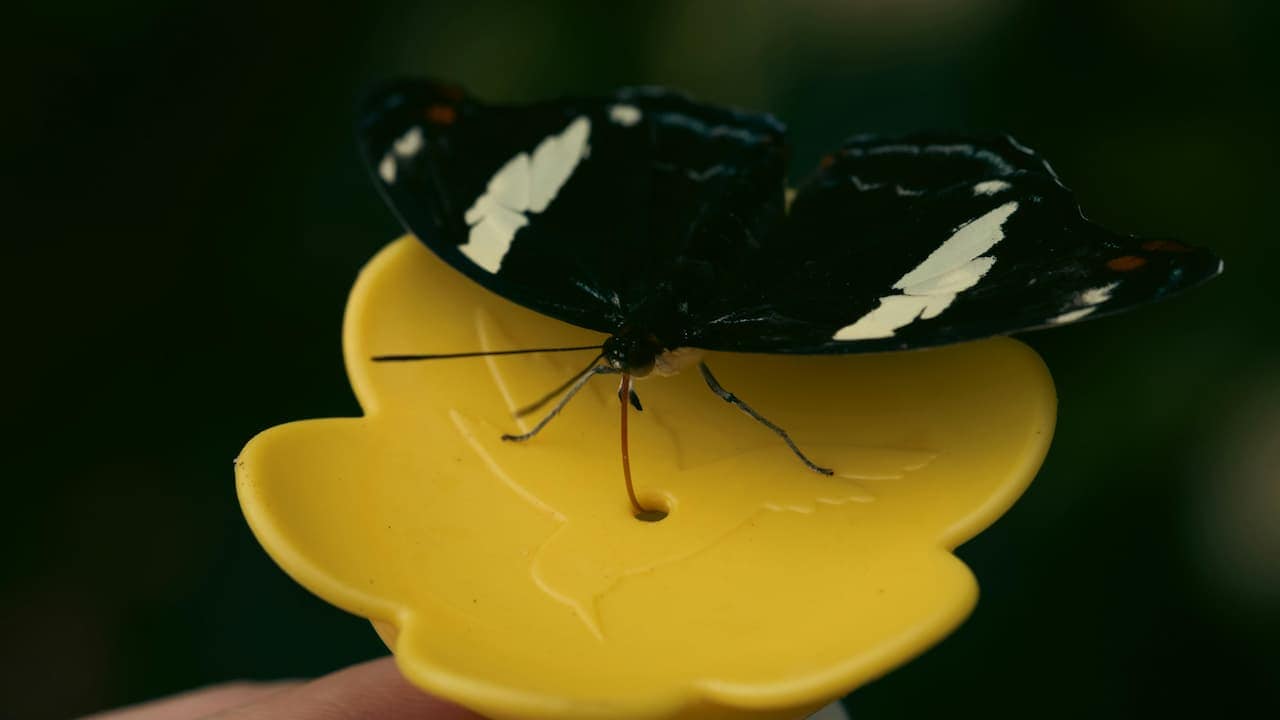
Butterfly feeders can be a great way to attract butterflies to your garden, especially if you don’t have a lot of space for plants. They’re also a fun project to do with kids.
You can make a simple butterfly feeder with a plate, some overripe fruit, and a little water. Place the feeder in a sunny spot, preferably near some butterfly-friendly plants. And remember, just like with the bee bath, you’ll need to refresh the food every few days.