As a garden enthusiast, I look forward to the arrival of spring with the same anticipation that a child feels on Christmas morning. The promise of new growth, vibrant colors, and the therapeutic joy of digging in the dirt is a siren call I cannot resist.
However, to ensure my garden thrives and provides the bounty I anticipate, there are a few crucial tasks I never skip. These tasks not only prepare my garden for the growing season but also help prevent issues that could hinder its progress. In this post, I’ll share my 12 must-do spring garden tasks for a thriving, vibrant garden.
Advertisement
1. Testing the Soil
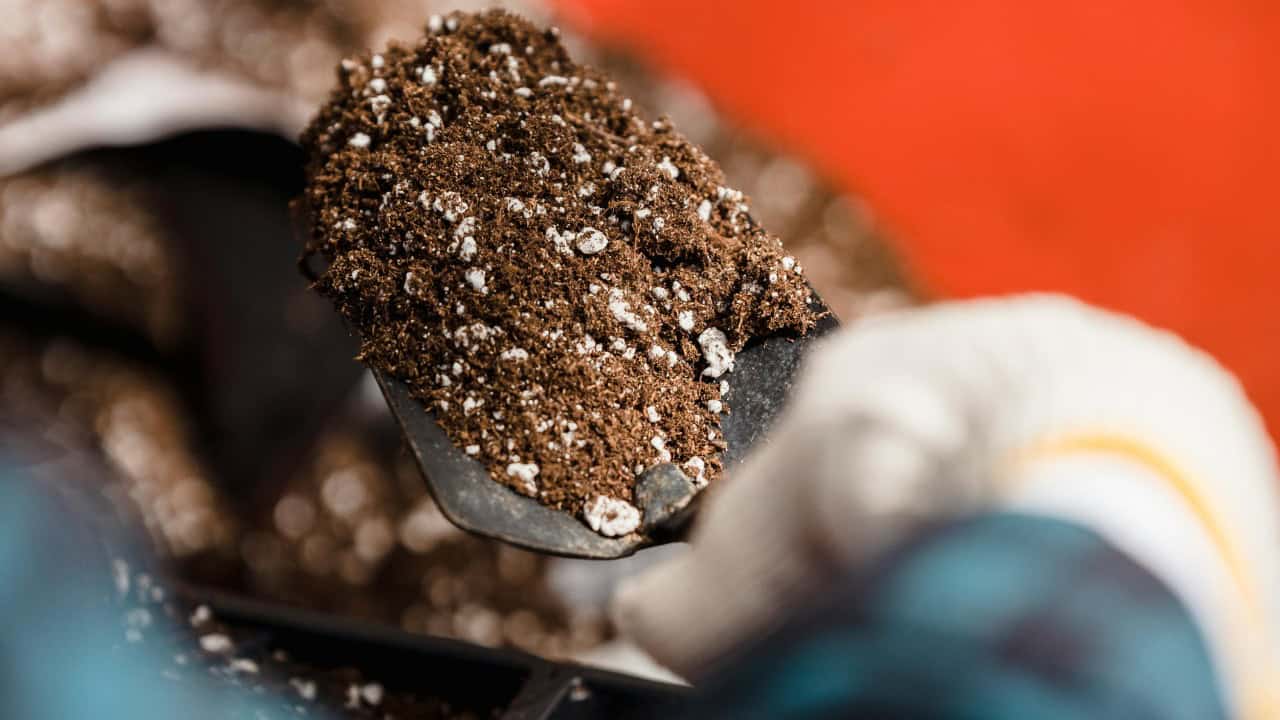
No matter how expert a gardener you are, without a healthy soil, your effort will bear no fruit. I always start my spring gardening by testing the soil. This helps me understand its pH level and nutrient content, both crucial for the healthy growth of plants.
You can either use a home testing kit or send a sample to your local cooperative extension. Once you have the results, you can amend the soil accordingly. For instance, if the soil is too acidic, you can add lime to balance the pH level.
2. Cleaning Up Winter Debris
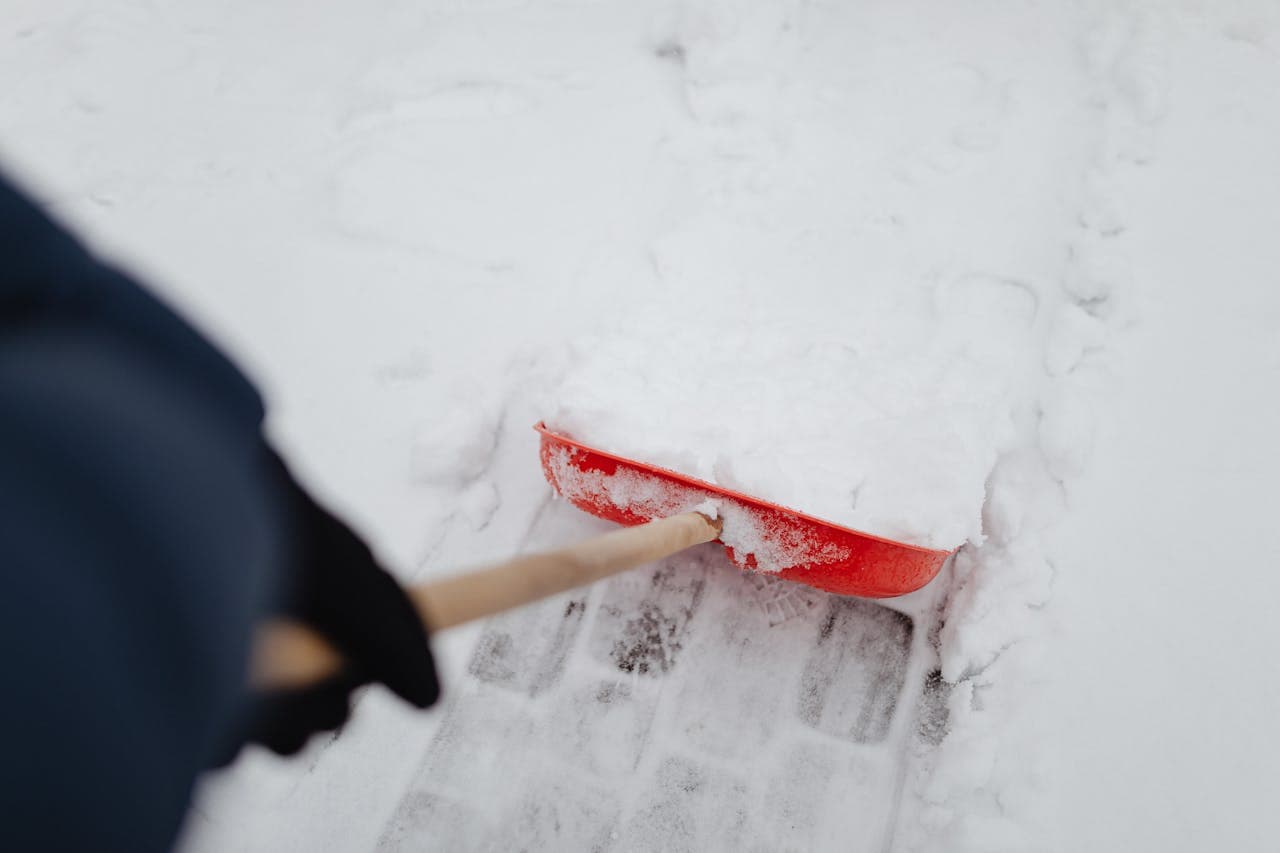
Spring cleaning is not just for your home. I spend a good chunk of my early spring days cleaning up my garden. I rake up leaves, pick up fallen branches, and clear out dead plants from the previous season.
This cleanup is not just about aesthetics. Dead leaves and plant debris can harbor disease organisms and pests. By cleaning up, you reduce the chances of these issues affecting your new plants.
3. Pruning and Trimming

Pruning and trimming are essential tasks to ensure the healthy growth of your plants and trees. Pruning helps to remove any damaged or diseased branches, thus promoting new growth.
When you prune, make sure to disinfect your tools between each cut to prevent the spread of disease. And remember, the best time to prune flowering shrubs is just after they bloom.
4. Preparing the Beds

Preparing the beds is another critical task. This involves turning the soil, adding compost or manure, and smoothing out the topsoil.
Turning the soil helps to aerate it and break up any compacted areas. Adding organic matter improves the structure and nutrient content of the soil, ensuring your plants have the best possible growing conditions.
5. Planting Spring Bulbs
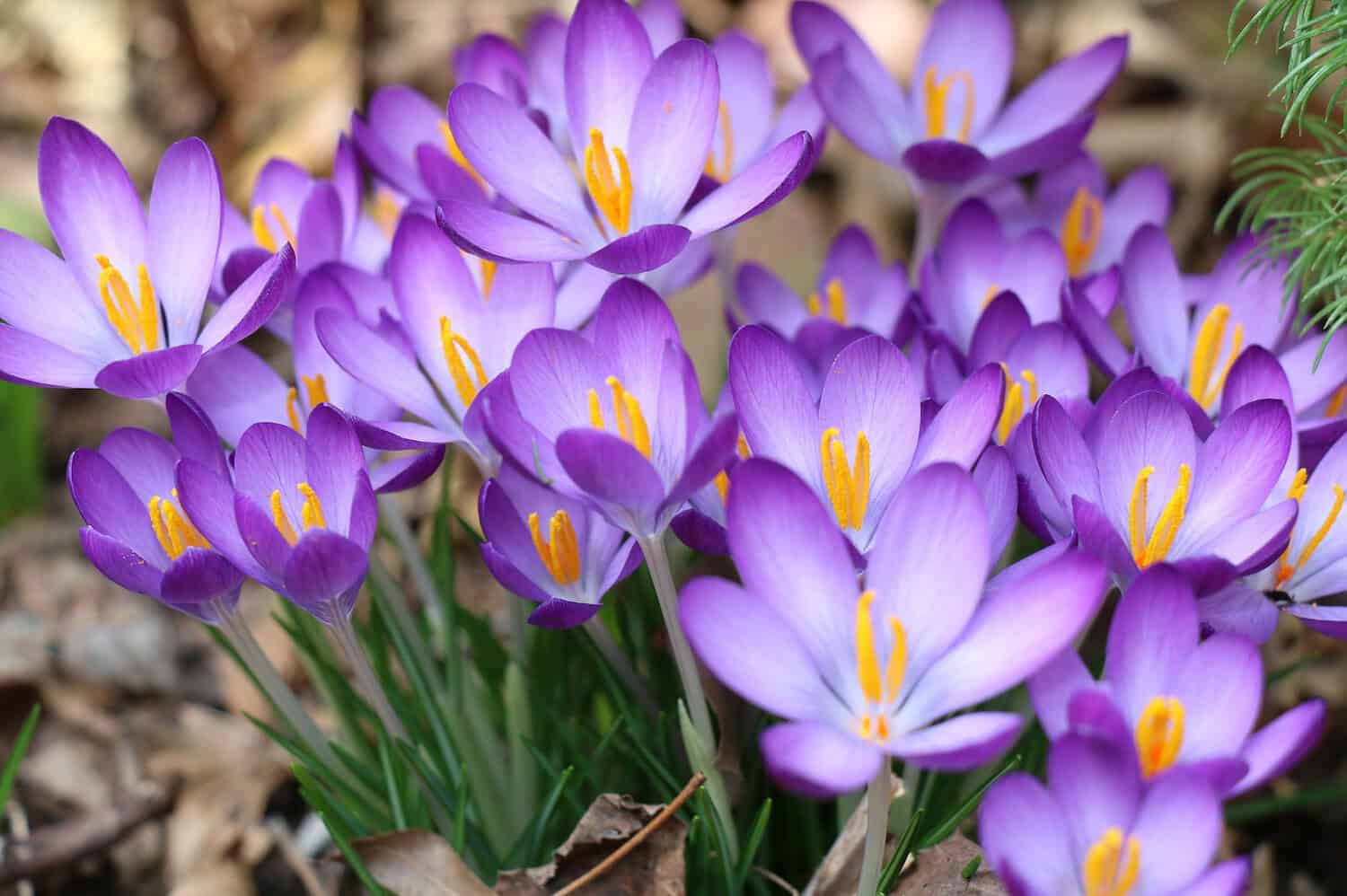
One of the joys of spring is the explosion of color from blooming bulbs. I always make sure to plant plenty of spring bulbs, such as tulips, daffodils, and hyacinths.
Remember, these bulbs need to be planted in the fall. If you forgot, don’t worry. You can buy potted bulbs in the spring and transplant them to your garden.
6. Starting Seeds Indoors

To get a head start on the growing season, I start many of my seeds indoors. This is especially helpful for plants with a long growing season, such as tomatoes and peppers.
Starting seeds indoors allows you to control the growing conditions and gives your plants a healthy start. Remember, however, that these seedlings will need to be hardened off before planting outside to acclimate them to outdoor conditions.
7. Fertilizing the Lawn
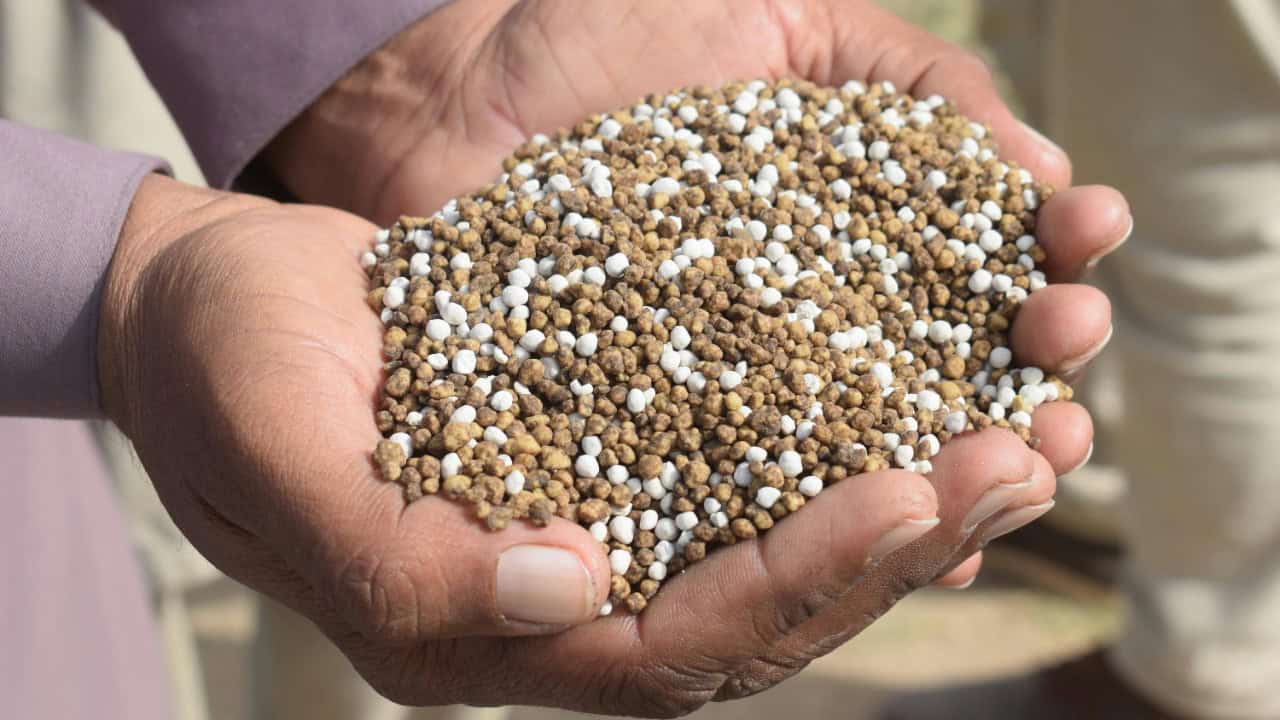
Spring is the perfect time to give your lawn a boost with some fertilizer. This helps to promote healthy growth and gives your lawn a lush, green appearance.
When choosing a fertilizer, look for one that is high in nitrogen, which promotes leaf growth. Also, be sure to follow the package instructions for application to avoid over-fertilizing.
8. Mulching the Beds
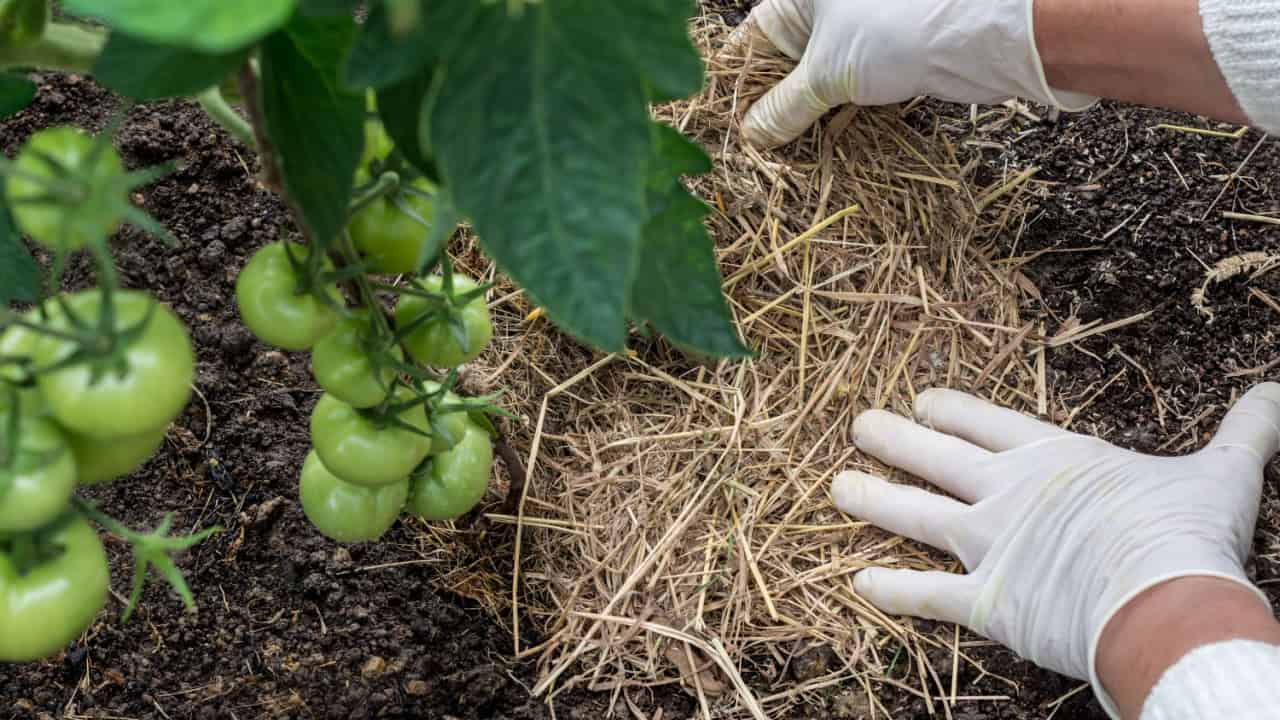
Mulch is a gardener’s best friend. It helps to retain soil moisture, suppress weeds, and improve the soil structure as it breaks down.
I like to apply a fresh layer of mulch in the spring, once the soil has warmed up. Be careful not to mulch too early, as it can keep the soil cool and delay plant growth.
9. Planting Cool-Season Veggies
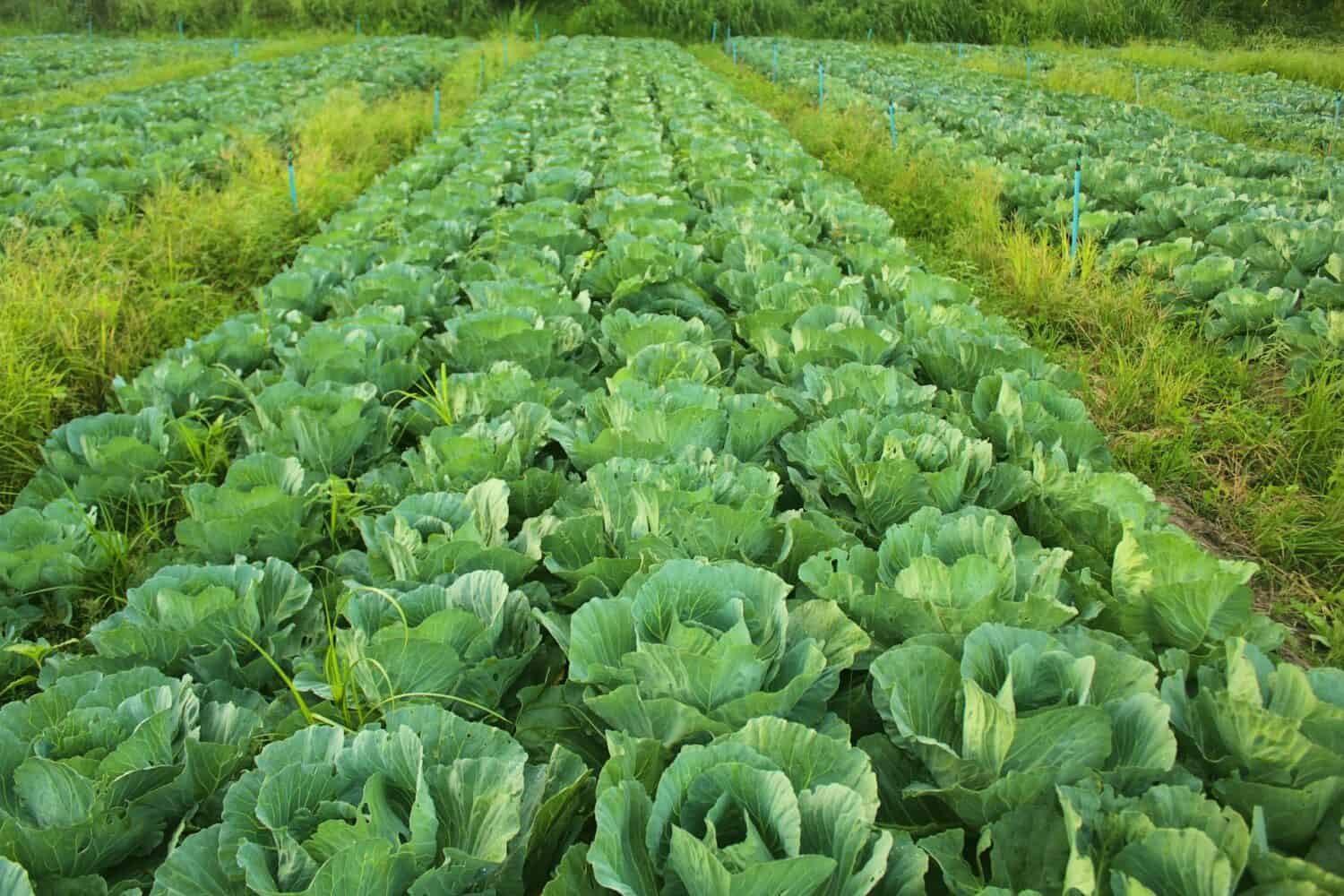
Early spring is the perfect time to plant cool-season veggies, such as peas, lettuce, and spinach. These plants can tolerate a little frost and actually prefer cooler temperatures.
Remember to prepare the soil well before planting, adding plenty of compost or manure to provide nutrients.
10. Staking Tall Plants
Plant supports are not just for tomatoes. Any tall or climbing plants, such as sweet peas or clematis, will benefit from some support.
I like to get my stakes and trellises in place in early spring, before the plants start their rapid growth. This avoids damaging the plants later in the season.
11. Checking Irrigation Systems
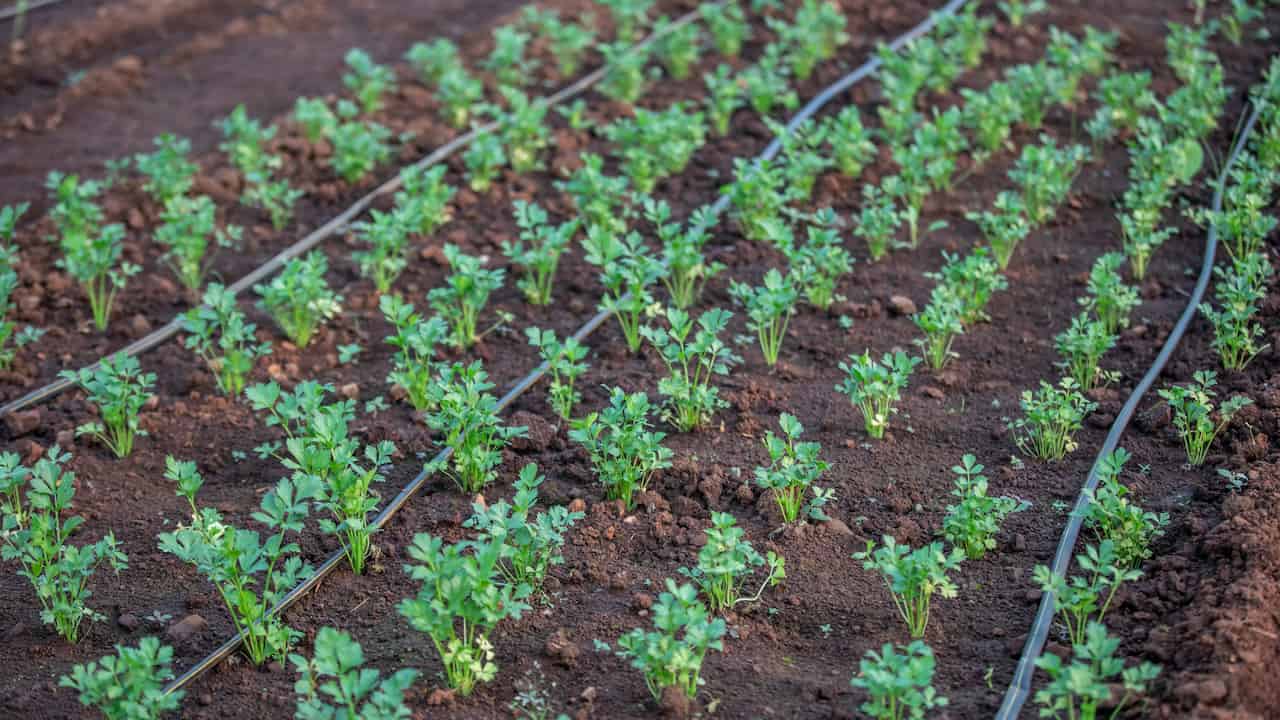
Before the dry summer months arrive, I make sure to check my irrigation systems. This includes checking for leaks, cleaning filters, and making sure all the sprinkler heads are working properly.
A well-functioning irrigation system is crucial to ensure all your plants receive adequate water, especially during hot, dry spells.
12. Watching for Pests and Diseases
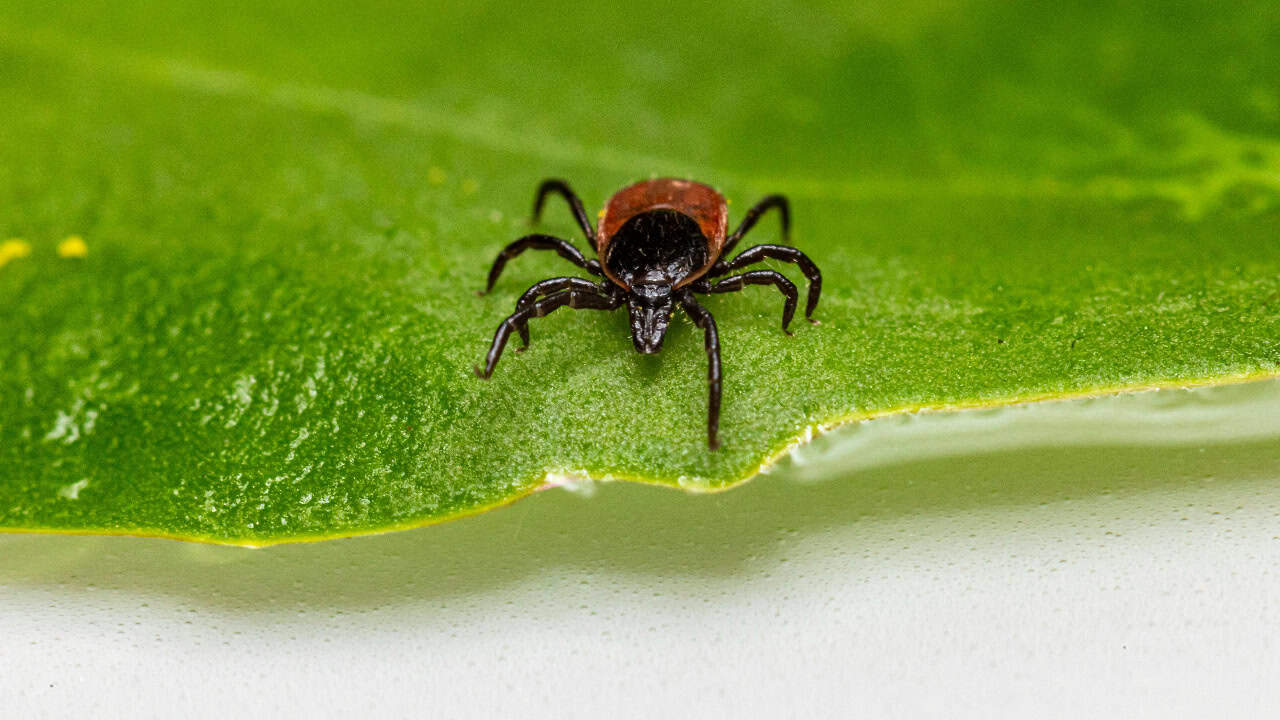
Early detection is the key to managing garden pests and diseases. I make it a habit to regularly inspect my plants for signs of trouble.
Look for discolored leaves, spots, or insects on your plants. If you spot anything unusual, take a sample to your local garden center or cooperative extension for identification and advice.