
Keeping your home clean and organized can be a challenge, especially when it comes to deciding what to get rid of. Professional cleaners have learned that discarding certain items is a key part of maintaining a tidy, healthy space.
Knowing which items professional cleaners always discard can help you simplify your home and improve your cleaning routine. This article will guide you through those items so you can create a cleaner, more organized environment.
Dried-out markers and pens

You probably have markers and pens that no longer write properly. These items can clog and dry out over time, making them frustrating to use.
Professional cleaners usually discard them because reviving markers or pens doesn’t always work well. While you can try soaking the tip in rubbing alcohol or hot water, it’s often more efficient to replace them.
Keeping fresh writing tools helps you avoid messes and saves time. It’s a simple way to keep your workspace clean and organized.
Empty glue sticks

When your glue sticks run out, it’s time to toss them. Keeping empty sticks only takes up space and adds clutter.
If you want to recycle, make sure to rinse the container and put the cap back on before recycling with plastics. This helps keep your recycling clean.
Avoid leaving dried glue sticks lying around—they can become messy and attract dust. Clearing them out keeps your workspace neat and ready for your next project.
Stubby crayons

If your crayons are too short to hold comfortably, it’s time to let them go. Stubby crayons can be frustrating to use and often break easily.
Keeping fresh, full-length crayons makes coloring more enjoyable and less messy. You can recycle the broken bits or use them for craft projects instead of storing unusable pieces.
Battered notebooks

You probably have a few notebooks that have seen better days. Torn pages, scribbles, and outdated notes can quickly turn them into clutter.
Keeping battered notebooks can make it harder to find the information you need. Toss out those that no longer serve a purpose.
If there’s anything important inside, transfer it to a fresh notebook or digital file. This helps keep your space tidy and your thoughts organized.
Expired cleaning sprays

When your cleaning sprays pass their expiry date, they start losing their effectiveness. You might notice they don’t clean as well or leave streaks behind.
Most sprays last about two years from the manufacture date. If you’re unsure, check for a batch number or contact the manufacturer to confirm.
It’s best to replace old sprays because expired products may not sanitize properly. Dispose of them safely, following your local hazardous waste guidelines.
Worn-out microfiber cloths

You rely on microfiber cloths for streak-free cleaning and polishing. But when they become worn out, they lose their effectiveness and can even spread dirt instead of removing it.
If your microfiber cloths start to feel rough or leave lint behind, it’s time to replace them. Keeping fresh cloths ensures your cleaning stays efficient and streak-free every time.
Scuffed sponges

When your sponge looks scuffed or worn, it’s time to toss it. These sponges can harbor bacteria, making them less effective and unhygienic.
Regularly replacing sponges helps keep your kitchen cleaner and safer. If you want to extend their life, disinfect them often, but don’t wait too long to throw them away.
Using a fresh sponge keeps your cleaning routine more effective and reduces the risk of spreading germs.
Old disposable gloves

You should never reuse old disposable gloves. Once worn, they can carry germs and harmful substances that put your health at risk. After using them, remove the gloves carefully to avoid touching the outside. Then, throw them in a trashcan with a lid.
Make sure to tie the trash bag securely before disposal. This helps keep everyone safe and prevents contamination.
Rusty scrub brushes

If your scrub brush has rusted, it’s time to toss it. Rust can harbor bacteria and make cleaning less effective. Using a rusty brush can also scratch delicate surfaces. Instead, choose a new brush with sturdy, non-rusting bristles.
Keep your brushes dry after use to prevent rust. This helps your tools last longer and stay safe for cleaning.
Used dusters past their prime
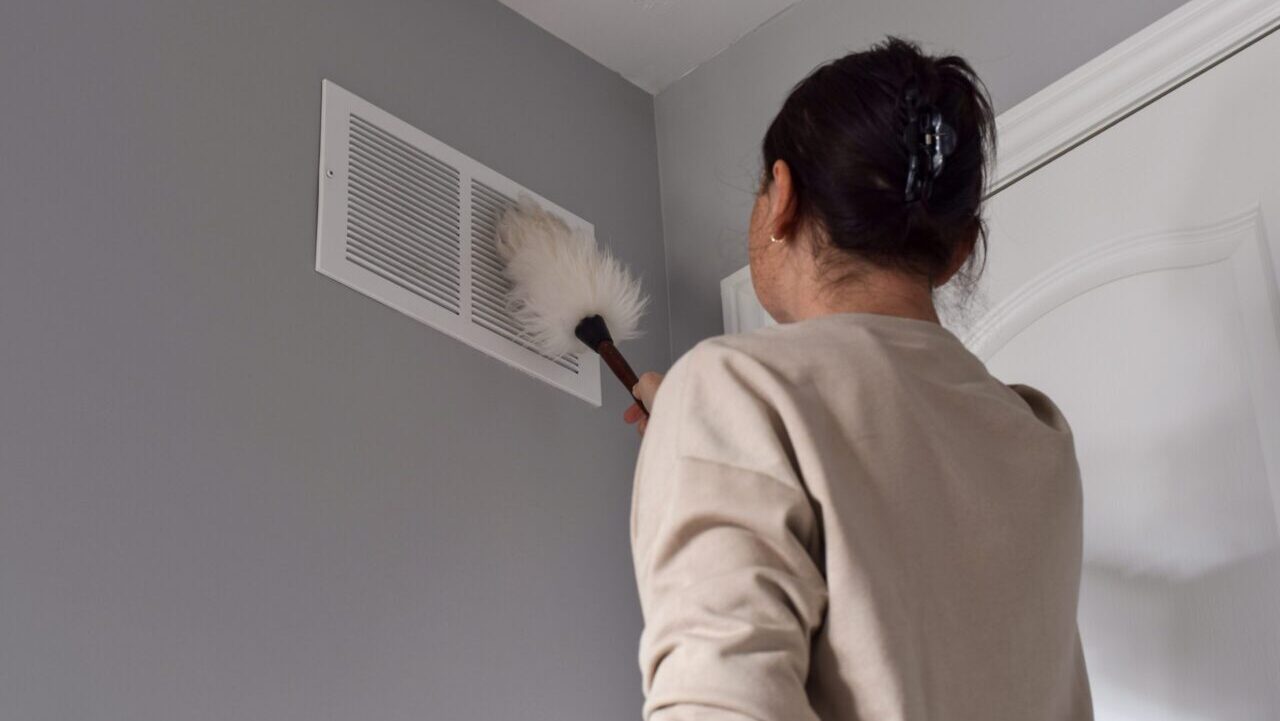
You should replace dusters once they start to lose effectiveness. Over time, dusters collect dirt and oils that are hard to remove completely.
If your duster is no longer trapping dust well, it can just move particles around. Cleaning and drying your duster after each use helps, but eventually, it’s better to swap it out.
Wet or heavily used dusters wear out faster. Don’t hesitate to discard them if they smell or look damaged. This keeps your cleaning tools fresh and your home truly clean.
Empty spray bottles

When your spray bottles are empty, it’s best to toss them out or recycle if possible. Residue inside can be tricky to fully clean, which might affect what you spray next time.
If you recycle, check local guidelines to see if spray bottles need special handling. This helps keep waste management safe and efficient.
Using new bottles ensures your cleaning stays effective and avoids mixing chemicals unintentionally.
Cracked spray nozzles
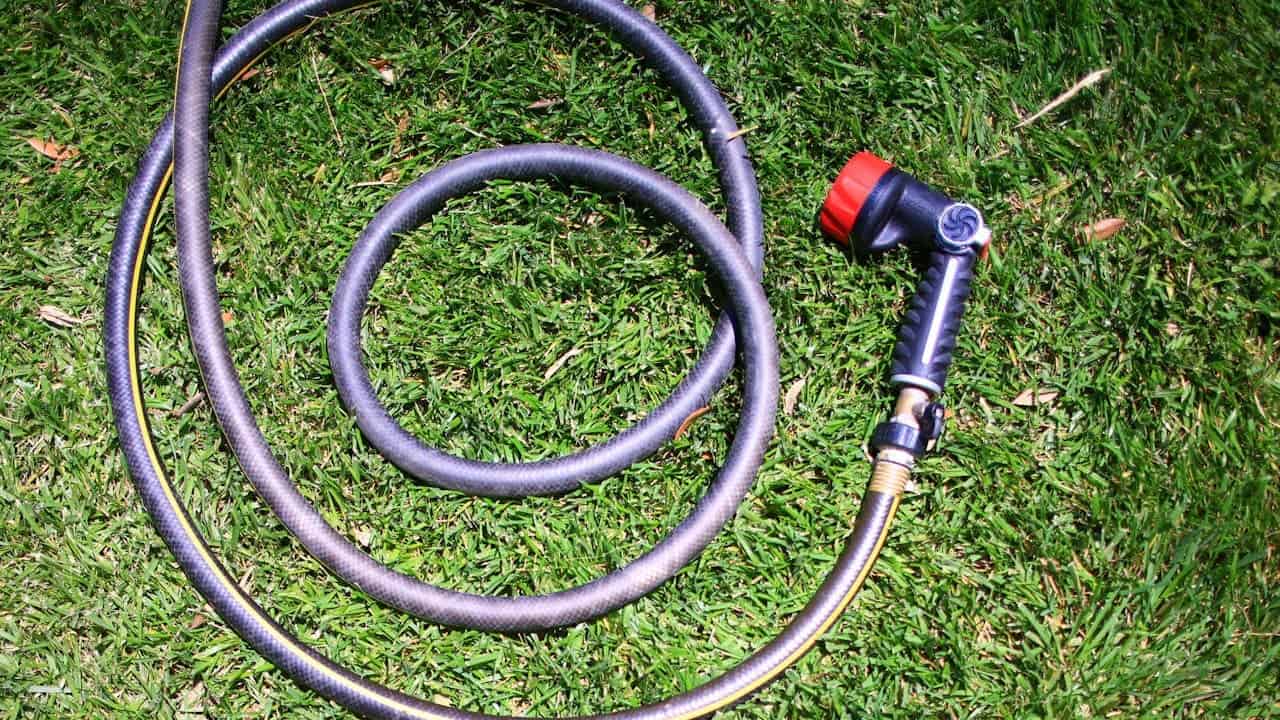
You should replace spray nozzles if you notice any cracks. Cracks can cause uneven spraying and reduce the nozzle’s effectiveness.
Using a cracked nozzle might also lead to leaks or damage to your equipment. It’s safer and more efficient to discard and swap in a new one.
Regular inspection helps you catch cracks early. This way, your spraying tasks stay precise and hassle-free.