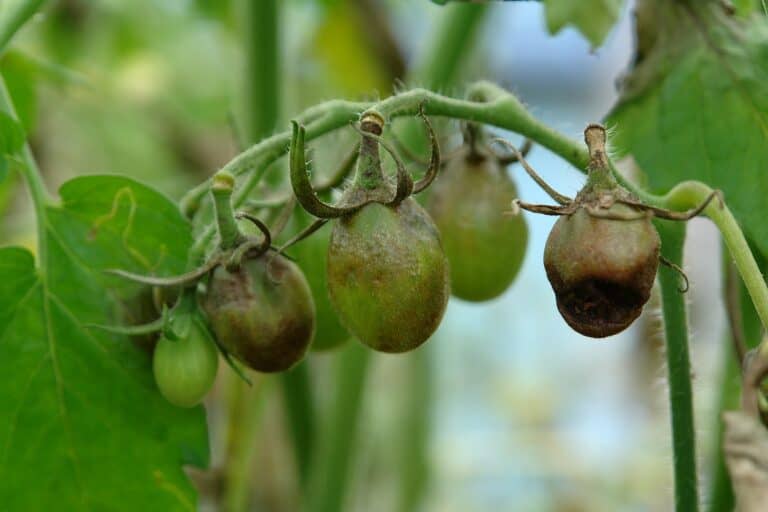
When you hear the word “bug”, your first instinct might be to squish it or shoo it away. This is especially true when you find them in your garden, munching on your precious plants. But did you know that not all bugs are bad? In fact, some can actually be beneficial for your garden. In this post, we’ll explore those tiny, often overlooked garden allies that can help your plants thrive.
1. Ladybugs

Ladybugs, with their iconic red and black spotted coats, are a gardener’s best friend. They are natural predators of common garden pests like aphids and mites. A single ladybug can eat up to 50 aphids a day, helping to keep your plants healthy and pest-free. Ladybugs also lay their eggs among aphid colonies, ensuring that their larvae have plenty to eat once they hatch.
Advertisement
To attract ladybugs to your garden, consider planting herbs like dill, fennel, and parsley. These plants are known to attract ladybugs. You can also buy ladybugs online and release them into your garden. But remember, ladybugs will only stick around if there’s enough food (aphids) for them to eat.
2. Green Lacewings
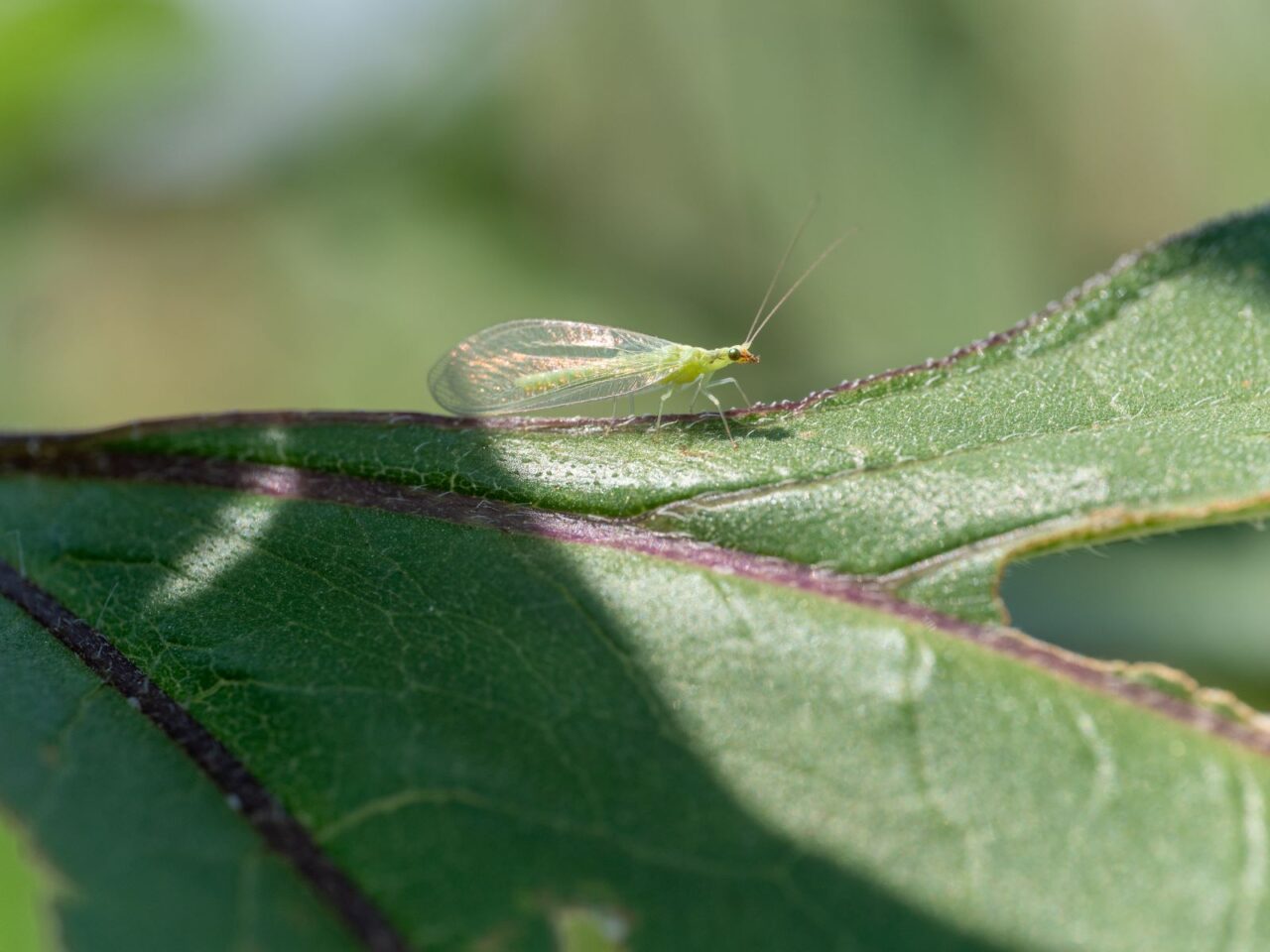
Green lacewings are another beneficial insect that can help control pests in your garden. Their larvae, often called “aphid lions”, are voracious predators that feed on aphids, mites, and other soft-bodied insects. Adult lacewings, on the other hand, feed on nectar, pollen, and honeydew, playing a vital role in pollination.
To attract green lacewings to your garden, plant a variety of flowers and herbs that produce nectar and pollen. Some good choices include sunflowers, daisies, and angelica. You can also buy green lacewing eggs online and release them into your garden, but just like ladybugs, they’ll need a steady food source to stick around.
3. Predatory Mites

Not all mites are bad for your garden. Predatory mites, as their name suggests, prey on harmful mites like the two-spotted spider mite. These beneficial bugs are tiny and often go unnoticed, but they can be a big help in keeping pest populations under control.
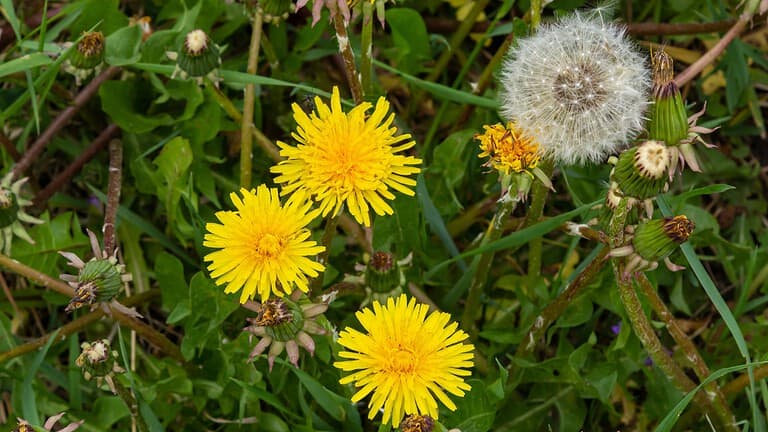
Predatory mites can be attracted to your garden by planting a variety of plants that provide them with shelter and alternative food sources. Examples include clover, dandelions, and alfalfa. You can also introduce predatory mites to your garden by buying them online and releasing them into your garden.
4. Ground Beetles
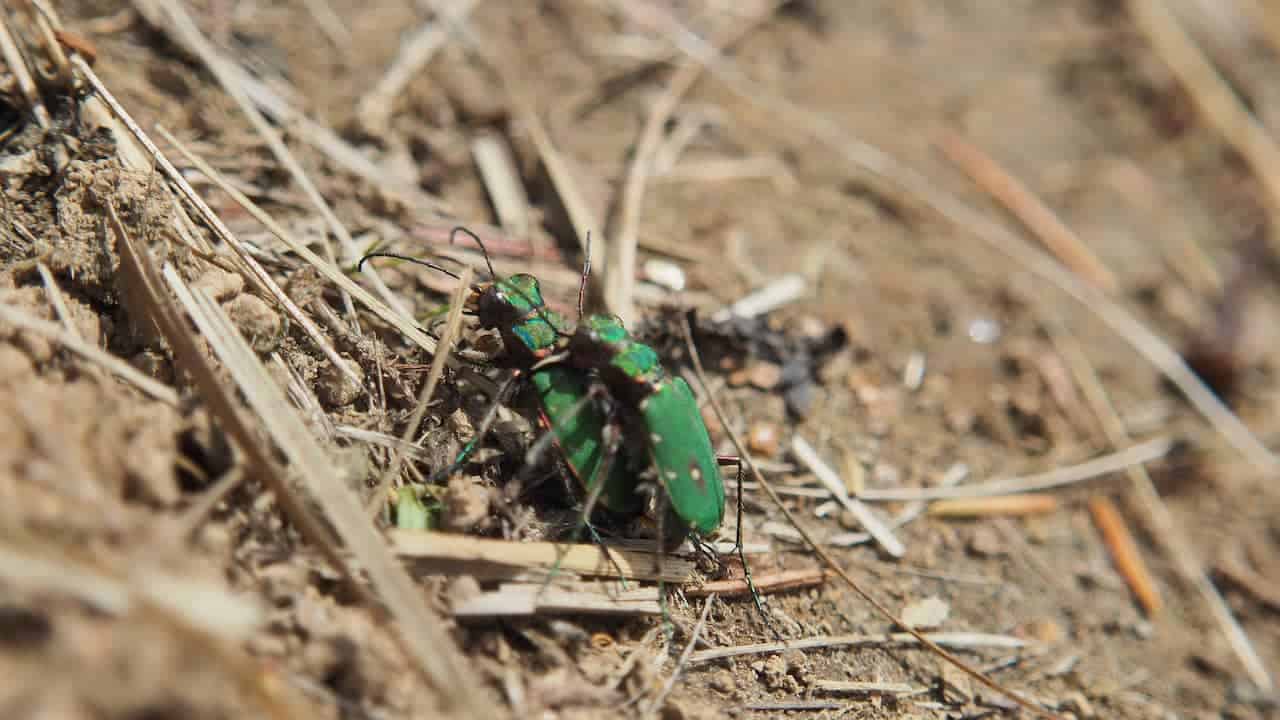
Ground beetles are nocturnal insects that feed on a variety of garden pests, including slugs, caterpillars, and cutworms. They can be a great help in keeping these pests under control, especially in vegetable gardens.
To attract ground beetles to your garden, provide them with plenty of hiding places. They like to hide under rocks, logs, and leaf litter during the day. You can also plant perennials in your garden to provide ground beetles with shelter and food throughout the year.
5. Spiders
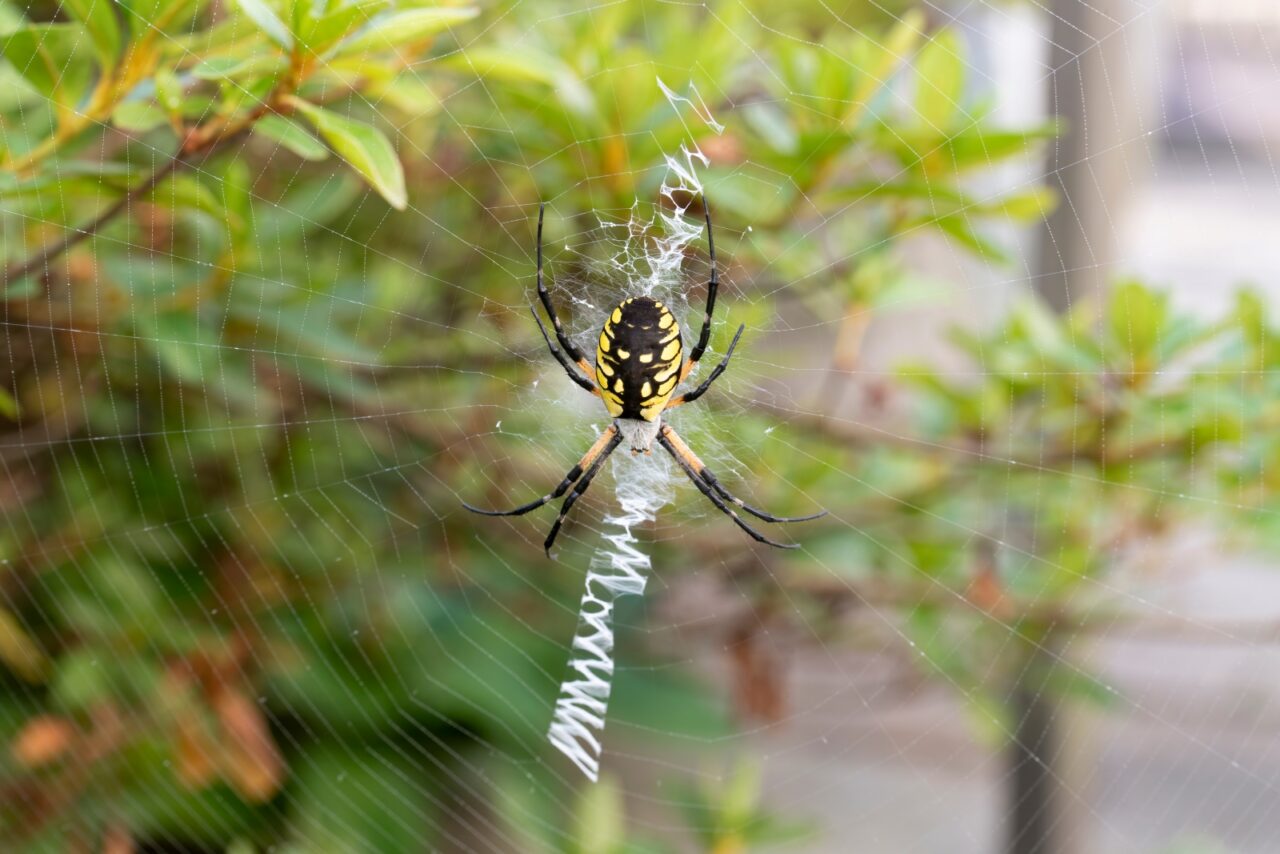
While not technically insects, spiders are worth mentioning because they’re excellent pest controllers. They eat a wide range of insects, including aphids, flies, and mosquitoes.
To encourage spiders to set up shop in your garden, avoid using pesticides, which can kill them along with the pests. Also, provide plenty of hiding spots for them, like shrubs, tall plants, and piles of rocks or wood.
6. Praying Mantises
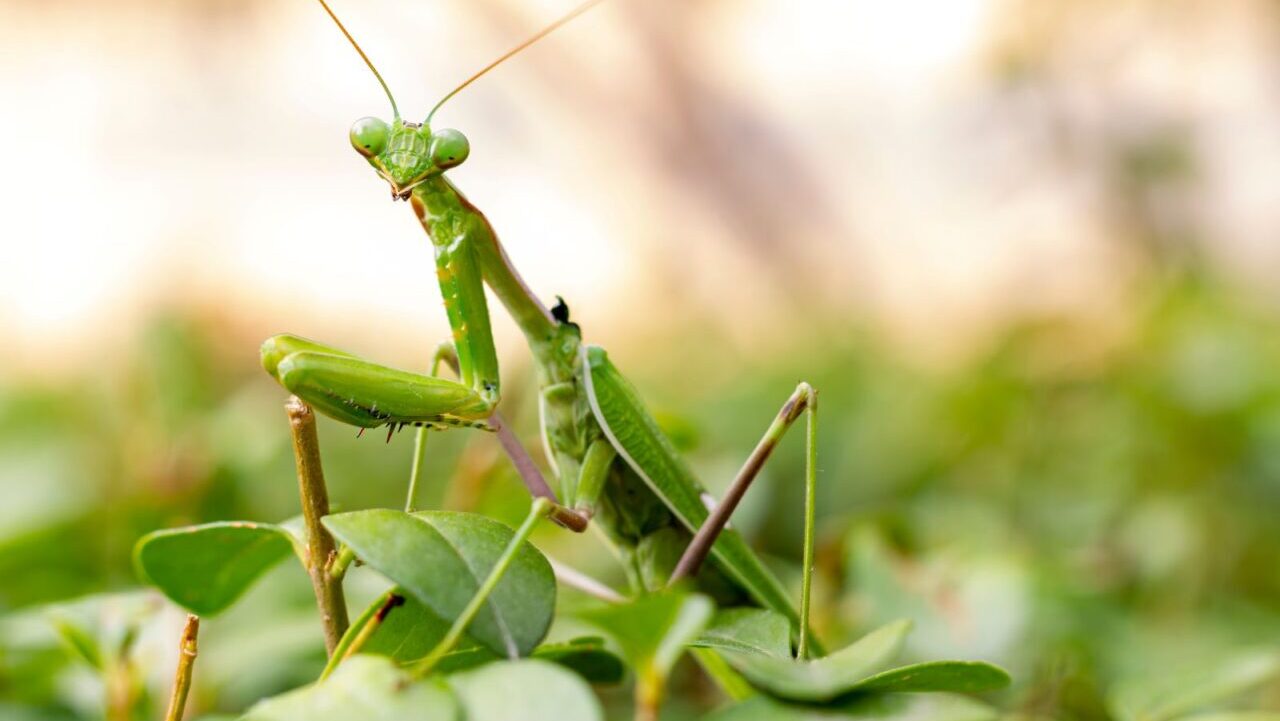
Praying mantises are well-known for their predatory skills. These fascinating insects will eat almost any insect they can catch, including flies, moths, and beetles.
To attract praying mantises to your garden, provide plenty of tall plants where they can hide and hunt. You can also buy praying mantis egg cases online and hatch them in your garden. Just be aware that praying mantises aren’t picky eaters and may also eat beneficial bugs.
7. Parasitic Wasps

Don’t let the name scare you. Parasitic wasps are actually beneficial for your garden. They lay their eggs inside or on top of other insects. When the eggs hatch, the larvae feed on the host insect, eventually killing it.
To attract parasitic wasps to your garden, plant a variety of flowers and herbs that produce nectar. Some good choices include yarrow, dill, and fennel. You can also buy parasitic wasps online and release them into your garden.
8. Hoverflies
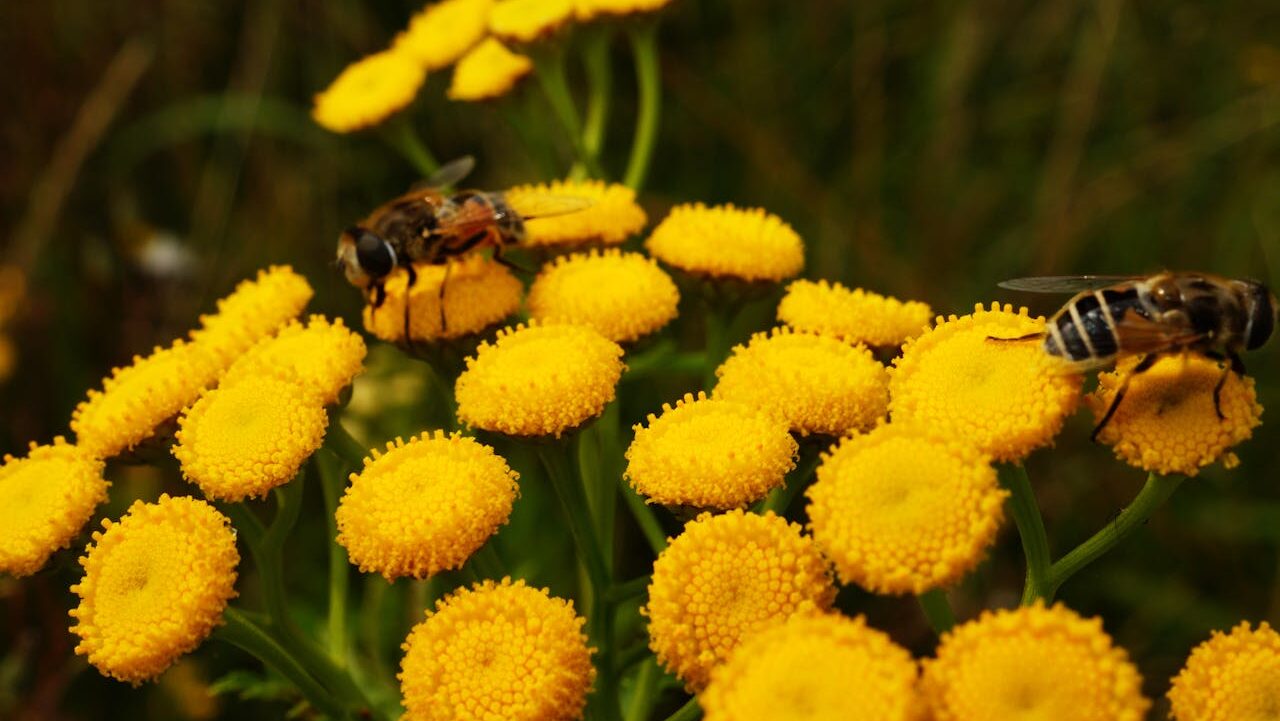
Hoverflies, also known as flower flies, are important pollinators. But it’s their larvae that are particularly beneficial for your garden. Hoverfly larvae feed on aphids, thrips, and other soft-bodied insects, helping to keep these pests under control.
To attract hoverflies to your garden, plant plenty of flowers, especially those in the daisy family. You can also provide a shallow dish of water for hoverflies to drink from.
9. Honeybees
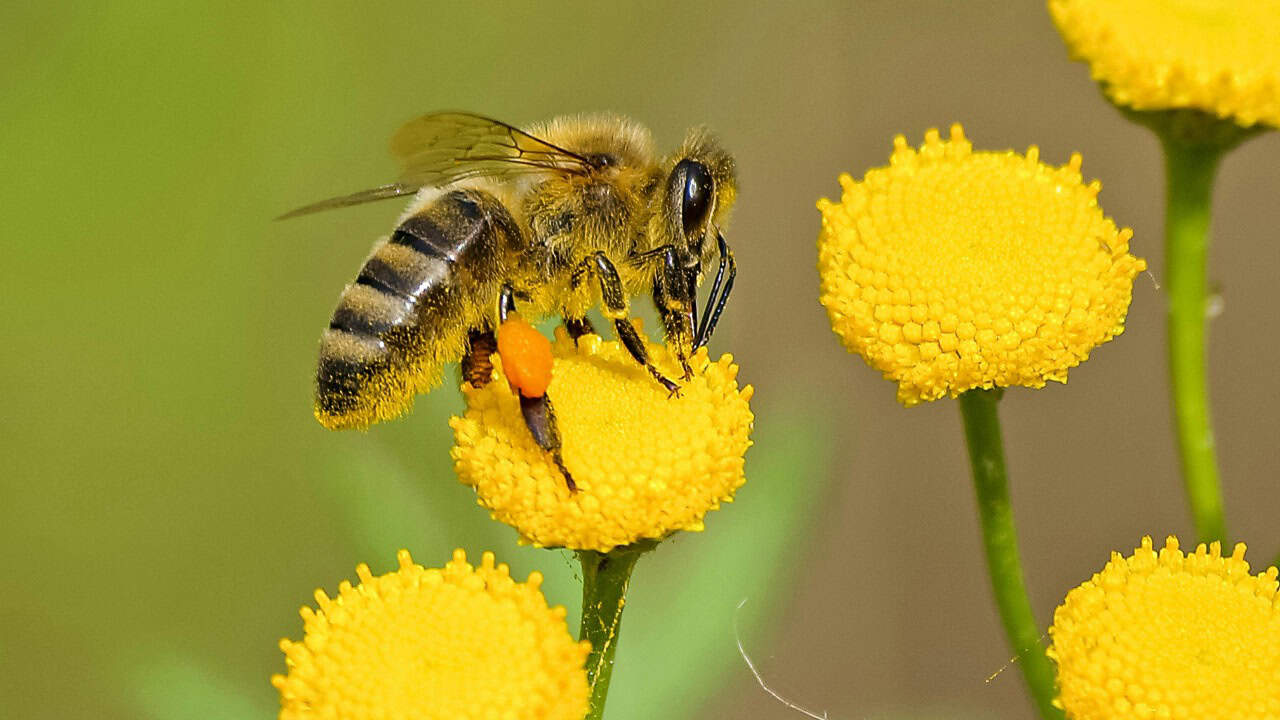
Honeybees are one of the most well-known beneficial insects. They play a crucial role in pollination, helping plants to produce fruit and seeds.
To attract honeybees to your garden, plant plenty of nectar and pollen-rich flowers. Some good choices include lavender, rosemary, and sunflowers. You can also install a bee house in your garden to provide shelter for solitary bees.
10. Earthworms

Last but not least, earthworms. These humble creatures are great for your soil. They break down organic matter, improving soil structure and fertility.
To attract earthworms to your garden, add organic matter like compost and manure to your soil. Avoid using pesticides and synthetic fertilizers, which can harm earthworms. You can also buy earthworms online and introduce them to your garden.
So, the next time you see a bug in your garden, think twice before squishing it. It might just be one of these helpful critters.