You might have noticed that your grocery bill seems to be creeping up lately. With ongoing trade disputes and tariffs impacting food imports, costs are going up on a variety of staple items. These changes affect not just specialty products but everyday essentials that many people rely on.
As a consumer, navigating these price hikes can be frustrating. In this article, you’ll discover which foods are seeing the biggest increases due to tariffs and what that means for your wallet at the supermarket.
Advertisement
Avocados

If you’re a fan of avocados, you’re in for a surprise at the checkout. Recent tariffs on imports from Mexico, which is a major supplier, will likely raise the prices you see.
You’ll notice the cost of your favorite avocado toast or guacamole may climb. It’s not just a little bump; some estimates say it could hit your grocery bill pretty hard.
So, if you plan to stock up, be ready to spend a bit more. Keep an eye on those prices the next time you’re shopping!
Strawberries
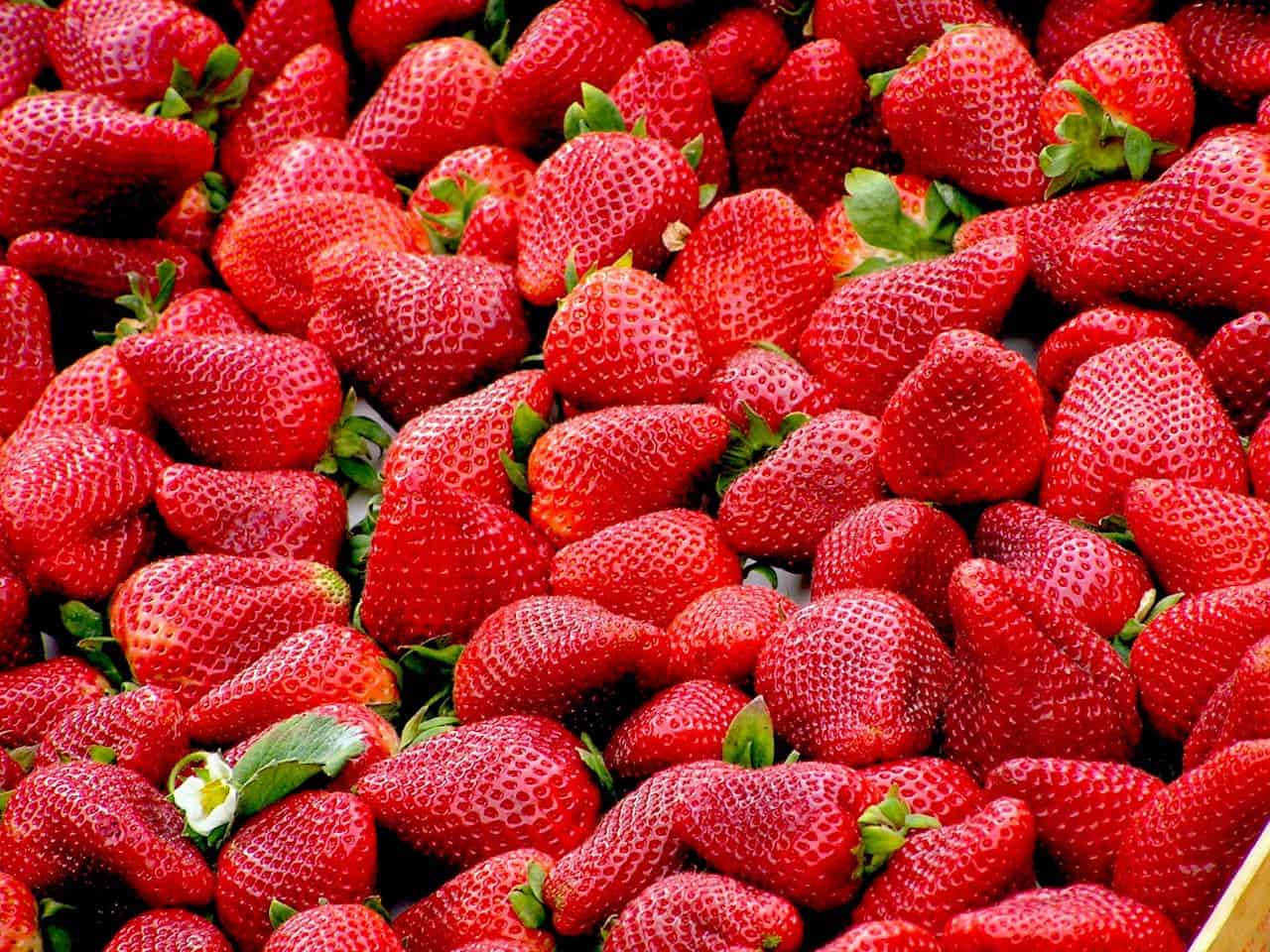
Get ready to pay more for strawberries. Due to tariffs affecting imports, prices are set to rise. This means when you hit the store, your favorite berry might cost you extra.
Strawberries not only taste great but are also packed with vitamins and antioxidants. Higher prices might make you think twice before grabbing that pint.
Keep an eye on sales or consider local options to save a bit. Enjoying strawberries in the warmer months might still be a must, even if they’re a little pricier.
Peppers
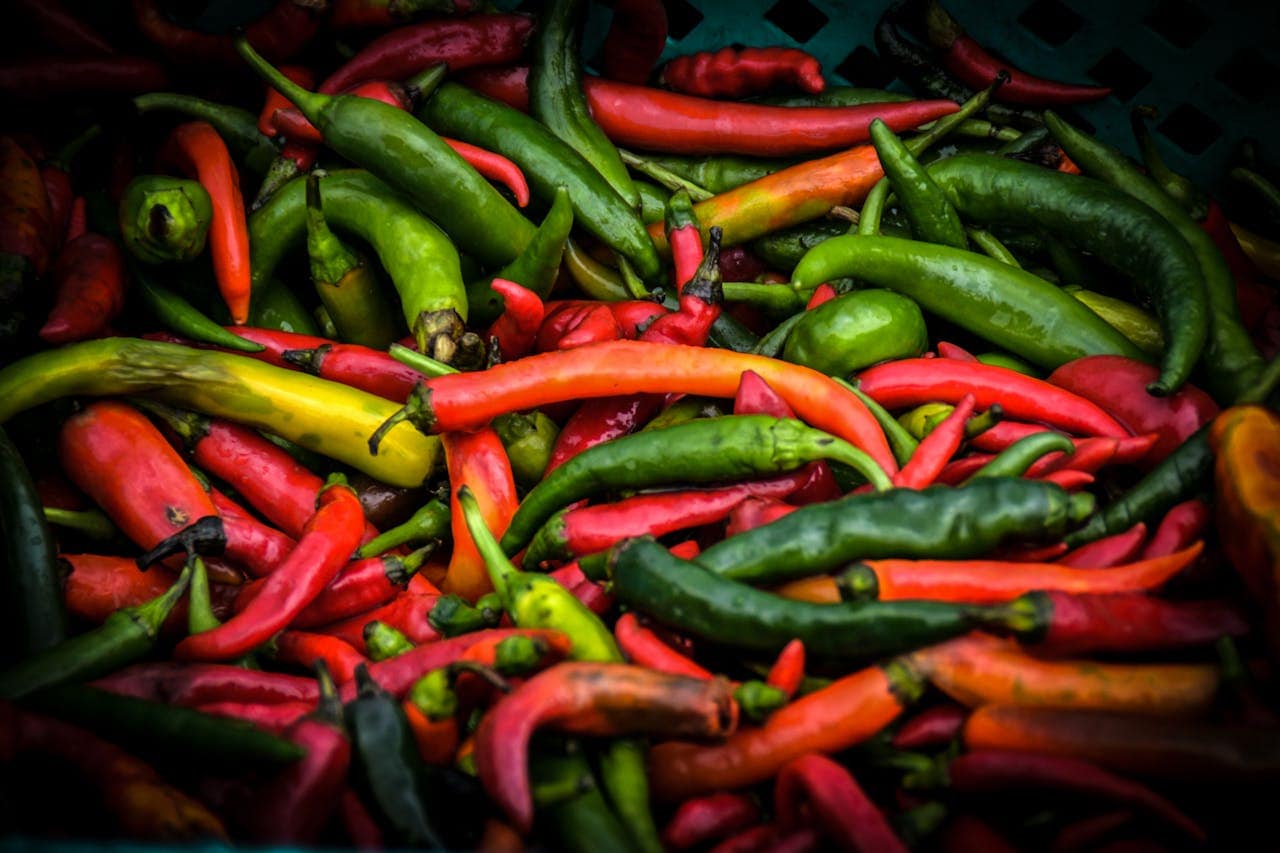
Get ready for your grocery bill to go up when it comes to peppers. Tariffs on imports can push prices higher, especially for popular varieties like bell peppers and jalapeños.
You might notice the impact in your favorite recipes. With the costs rising, those vibrant peppers that add flavor to your meals could become a bit pricier.
Keep an eye on your shopping list. The next time you grab peppers, you may find yourself paying more than usual.
Nuts
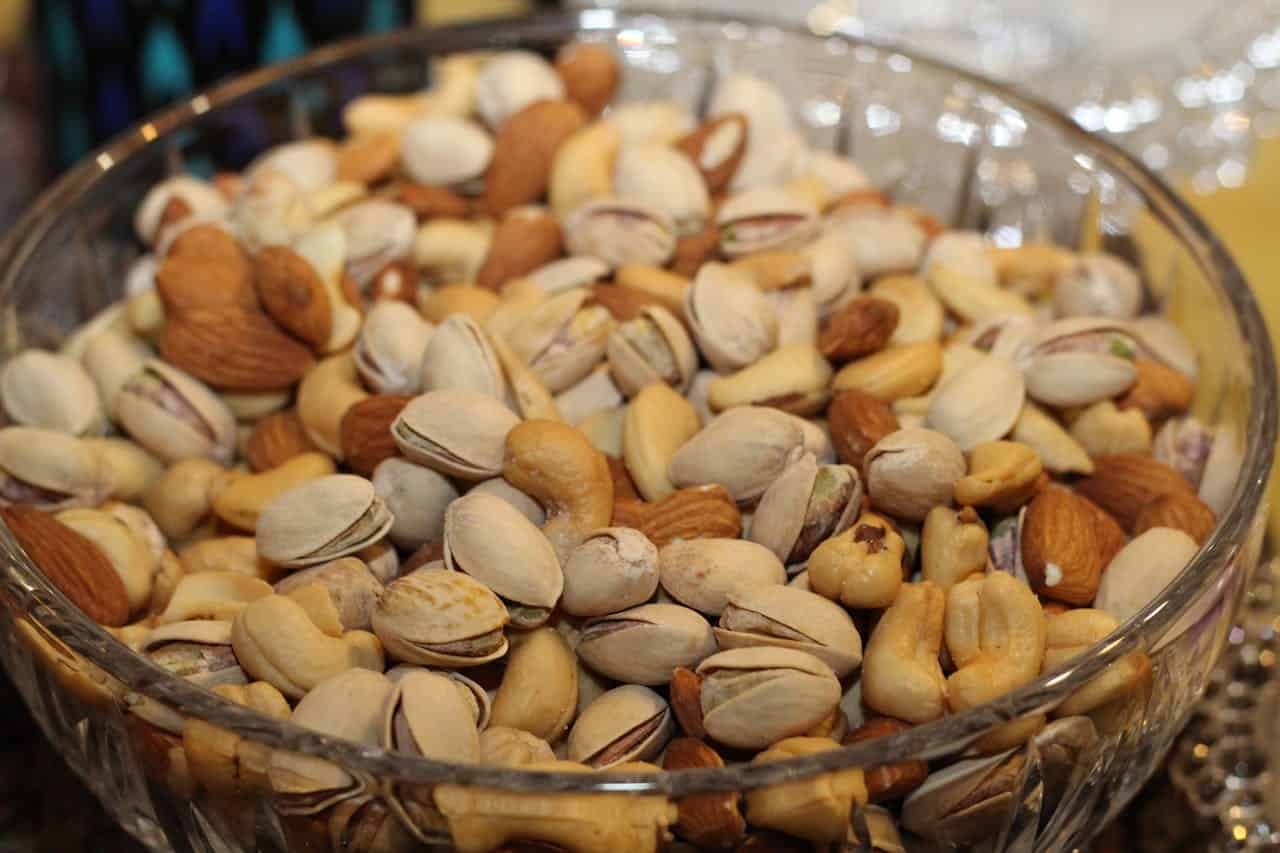
Nuts are a tasty and nutritious snack, but they’re about to get pricier. Many nuts consumed in the U.S. come from abroad, making them vulnerable to tariff increases.
You might notice the prices for almonds, walnuts, and peanuts creeping up at your local store. Tariffs affect the cost of importing these snacks, which can lead to higher prices on your favorite varieties.
It’s a good idea to keep an eye on the prices if you enjoy adding nuts to your meals or snacks!
Beer

If you enjoy a cold beer, be prepared for rising prices. Tariffs on imported ingredients will likely cause breweries to pass on these costs to customers.
You might notice increases in your favorite craft beers, as hops and barley imported from other countries become more expensive.
This could also affect international beers you love, with costs shifting as import tariffs take effect. Stock up while you can to enjoy your brews without breaking the bank!
Cooking Oil
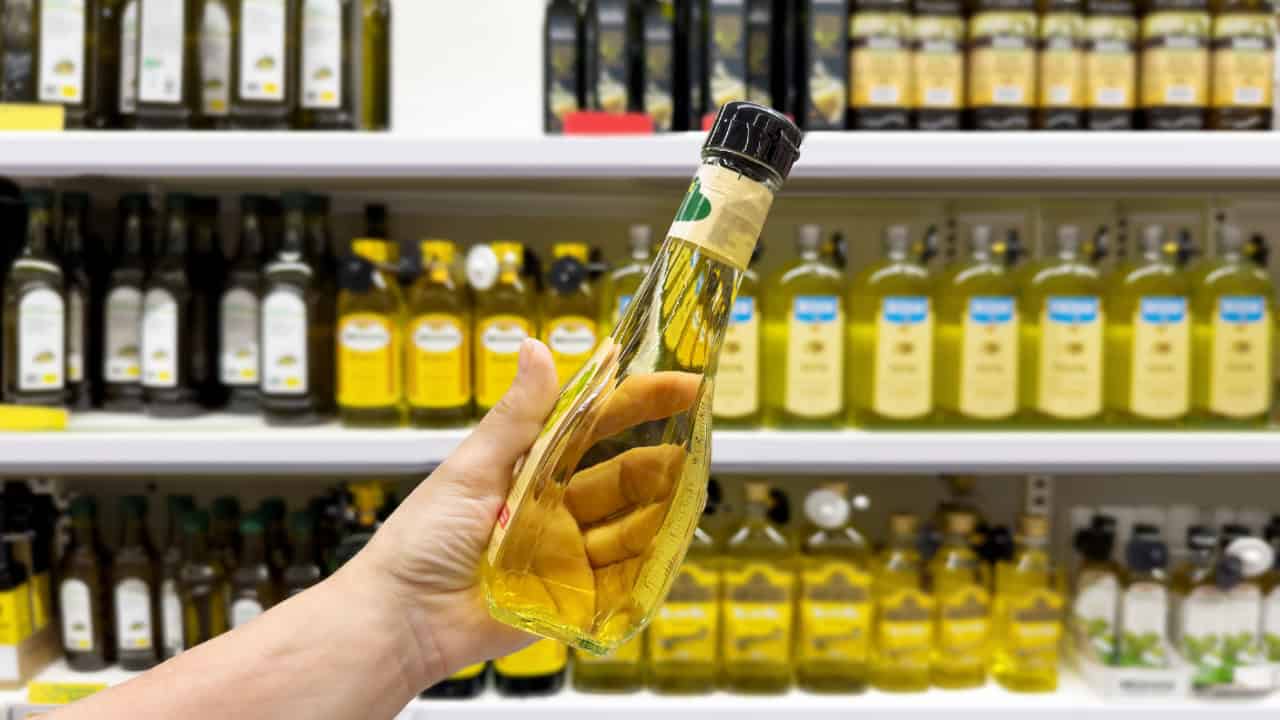
Cooking oil is one of those kitchen staples you might soon see climbing in price. Recent tariffs on imports mean that oils from certain countries will cost more, so you may want to keep an eye on your budget.
Whether you’re frying, sautéing, or baking, that extra cost can hit your wallet. Popular choices like olive oil and canola oil could see noticeable price increases, so stock up when you find a good deal.
Seafood

You might want to brace yourself if you enjoy seafood. Tariffs have the potential to hike prices on popular items like shrimp, salmon, and crab.
Many seafood imports come from overseas, making them particularly vulnerable to price increases.
As these costs rise, your favorite dishes might take a bigger bite out of your wallet. Keep an eye on the seafood section when you’re grocery shopping.
Maple Syrup

You’ll notice the price of maple syrup is likely to rise thanks to tariffs. As a delicious staple in many households, its import costs are expected to increase, which means you might pay more at the store.
Enjoying pancakes or waffles with that sweet syrup could become a bit pricier. If you’re a fan of this sticky treat, keep an eye on those price tags. It’s just one of the many foods affected by recent tariff changes.
Beef
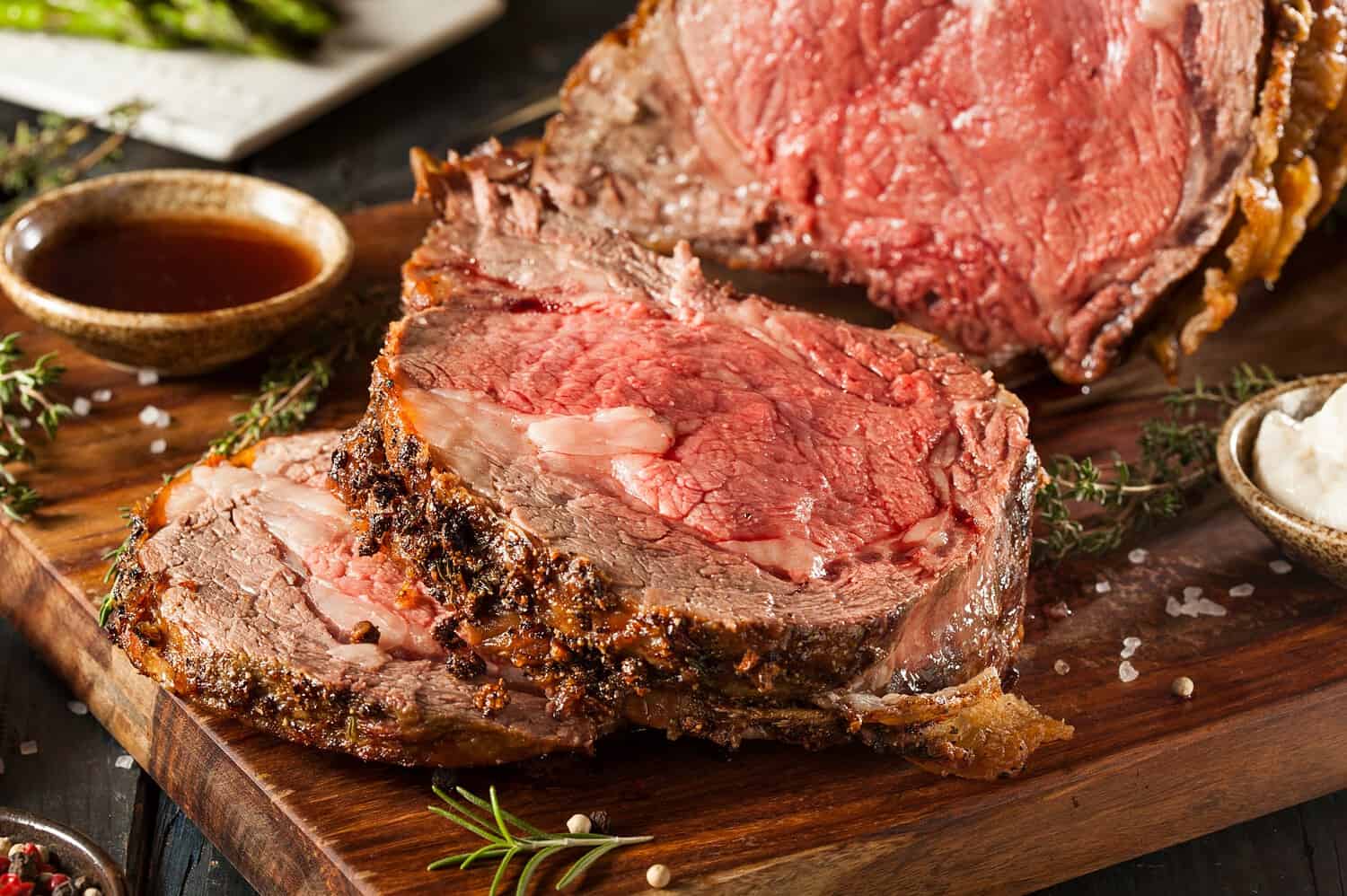
Beef prices are set to rise due to new tariffs. If you enjoy a good steak or burger, you might notice the cost of your favorites increasing.
The 25% tariffs on imported beef can lead to higher prices at the grocery store. This means your usual meal choices may put a bigger dent in your wallet.
With the added costs, consider how often you buy beef. Exploring other protein options could help your budget while still keeping your meals satisfying.
Tomatoes
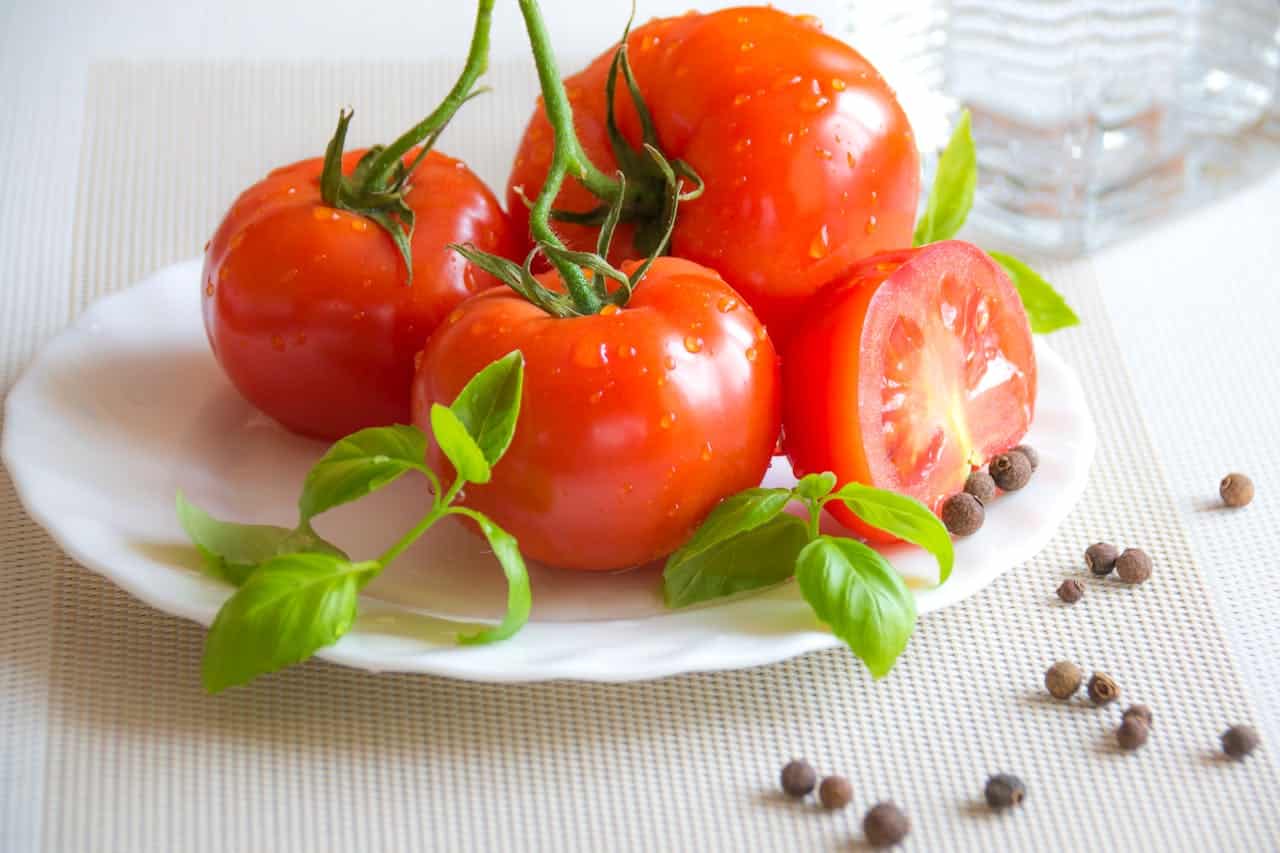
You might notice your grocery bill increasing if you love tomatoes. Tariffs on imports from Mexico, which supplies a large portion of tomatoes to the U.S., could push prices up.
Expect a significant rise in costs. These tariffs can lead to a 25% increase on those juicy tomatoes you enjoy. If you use them in salads or sauces, budgeting for higher prices will be essential.
Cereals

If you love your morning bowl of cereal, expect to pay a little more soon. Tariffs on imports can push prices higher for options like cornflakes and oatmeal.
Many cereals rely on grains imported from countries affected by these tariffs, especially those from Canada and Mexico.
As prices rise, you might want to stock up while you can. Keeping an eye on your favorite brands can help you navigate the upcoming changes.
Legumes
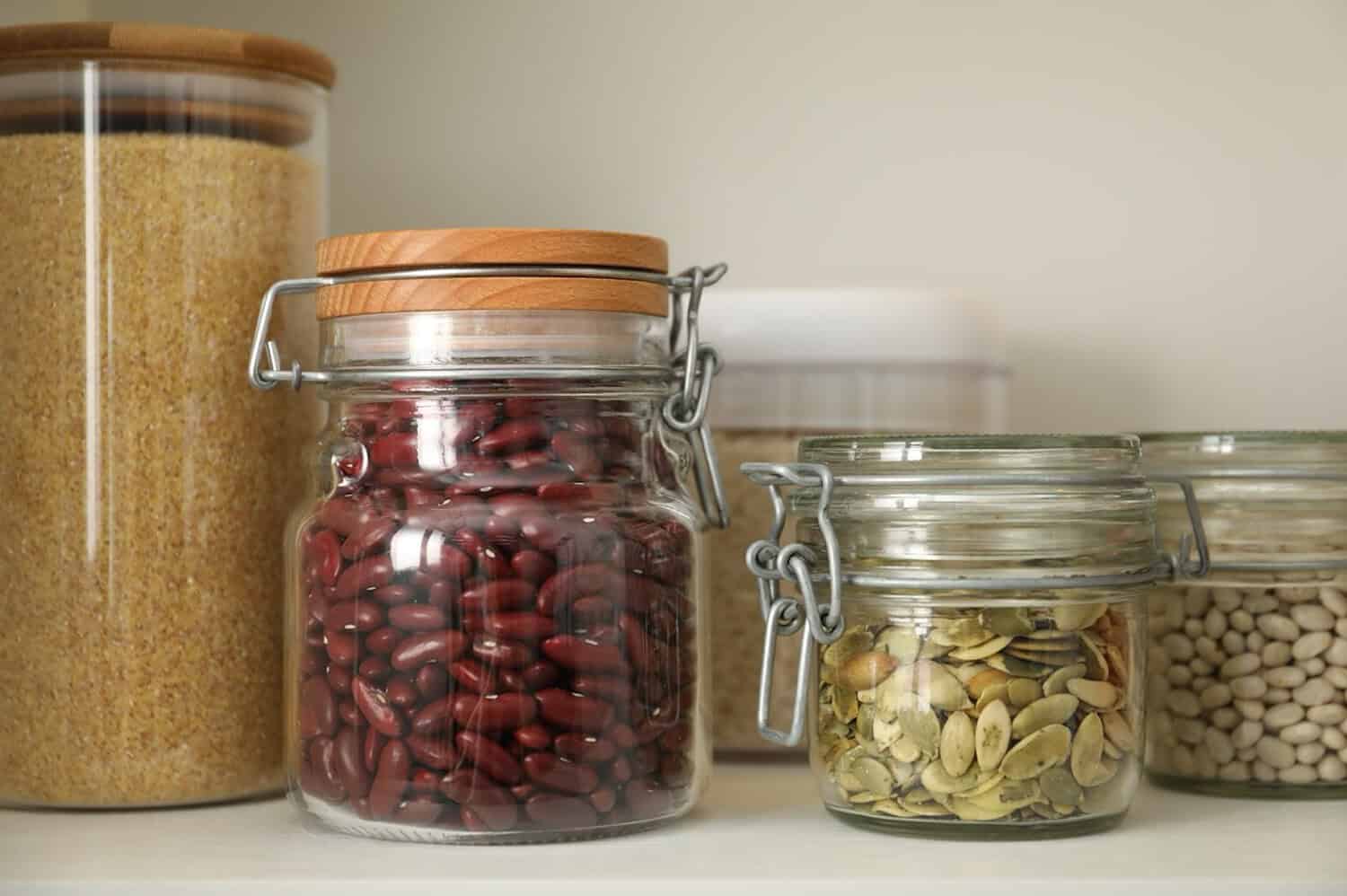
You’ll want to pay attention to legumes like beans and lentils. They are nutritious and budget-friendly staples that might see price hikes soon.
With new tariffs coming into play, items such as chickpeas and black beans could cost more than before. Stocking up could help you save in the long run.
Legumes are versatile, making them perfect for soups, salads, and stews. They’re packed with protein and fiber, so they’re worth considering for your pantry.
Pork
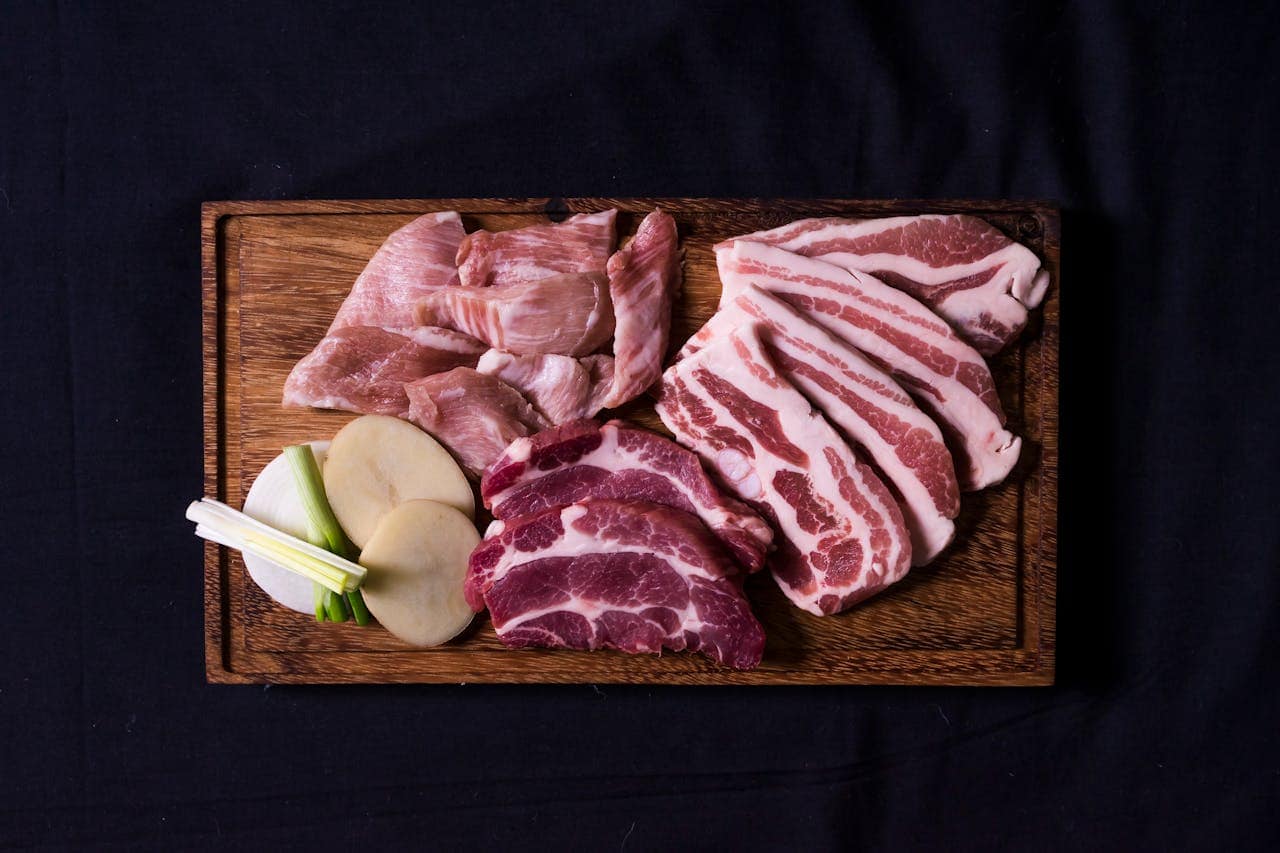
Pork prices are set to rise due to tariffs imposed on imports from Canada and Mexico. With a 25% tax on Canadian and Mexican pork, you’ll notice higher costs at the grocery store.
If you enjoy bacon or pork chops, expect to pay more as these tariffs trickle down to consumers. It’s a good idea to check prices or consider alternatives to stay within your budget.
Dairy Products

Dairy products are feeling the pinch from tariffs. With recent measures in place, you’re likely to see prices for items like milk, cheese, and yogurt rising.
These tariffs impact dairy imports, which can lead to less competition in the market. As a result, your grocery bill might go up when you stock up on your favorite cheese or ice cream.
Keep an eye on the prices as you shop. Your budget could take a hit, especially if you rely on these everyday staples.
Grapes
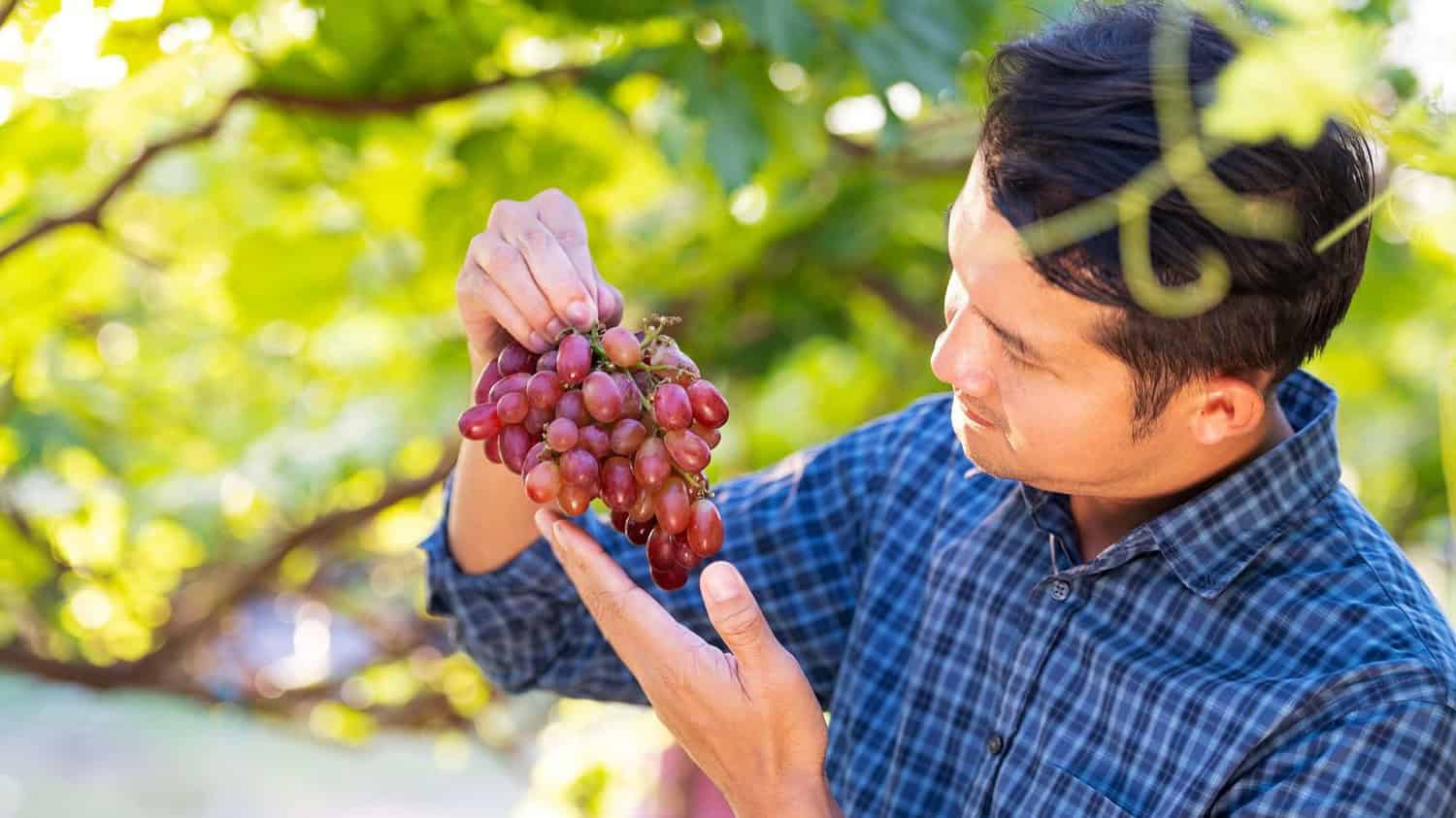
Grapes are delicious, but you might notice their prices going up soon. With new tariffs on imports, the cost of grapes can rise, especially if they’re coming from other countries.
You may find that your favorite varieties, like red or green grapes, aren’t as budget-friendly. This change can impact how much you spend on snacks or ingredients for your meals. Stay alert as these price shifts take effect.
Oranges
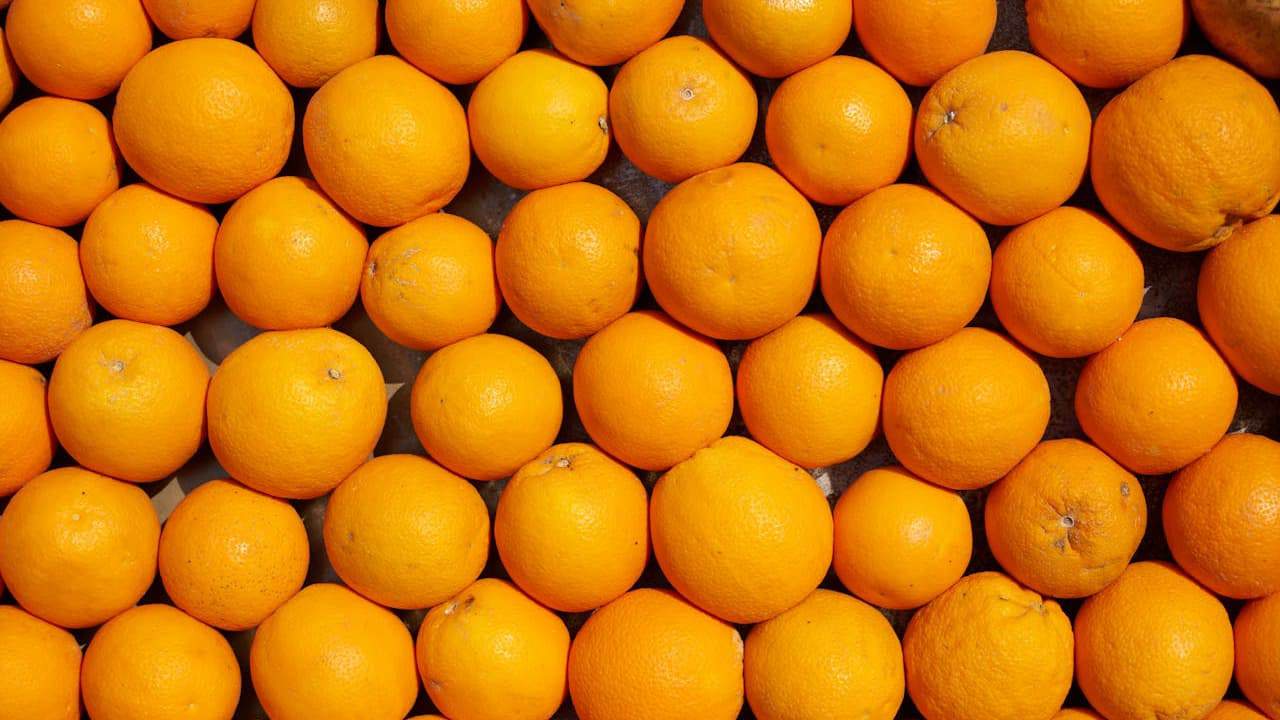
Oranges may soon be more expensive thanks to trade tariffs impacting fruit imports. While some oranges are grown domestically, a large portion comes from countries affected by new restrictions.
These changes are putting upward pressure on orange juice prices as well, especially as Florida’s citrus crop has struggled in recent years.
Whether you’re buying fresh oranges or a carton of juice, expect to see the impact on your grocery receipt.
Chocolate

Your favorite sweet treat might cost more soon. Chocolate relies heavily on imported cocoa, and with new tariffs in place, prices are expected to climb.
Whether it’s candy bars or baking chocolate, these added costs affect everything along the supply chain.
If you’re a chocolate lover, this might be the time to stock up on your favorites before prices increase even more.
Rice

Rice is a pantry staple in many homes—but tariffs on imported varieties like jasmine and basmati are pushing prices up.
Much of the rice consumed in the U.S. comes from Asia or South America, and these imports are now subject to higher fees.
That means your weekly meals could get more expensive if rice is a regular part of your diet. Consider stocking up or exploring alternatives like barley or quinoa.
Pasta

Pasta prices are beginning to reflect the impact of tariffs on imported wheat and finished goods. If you’re seeing higher prices in the pasta aisle, that’s why.
Many pasta brands import their wheat or are produced in Italy—now affected by new trade restrictions. This can result in both increased prices and reduced availability.
To keep pasta nights affordable, consider buying in bulk or trying domestic brands that use local grains.
Tea

If you’re a tea drinker, you may want to stock up now. Many popular teas—like green, black, and oolong—are imported from countries that are now facing tariffs.
That means even your standard grocery store brands may be hit with price increases. Specialty teas could feel the impact even more.
To save, look for larger packages or domestic alternatives. But don’t be surprised if your usual brew gets a little more expensive.
Spices
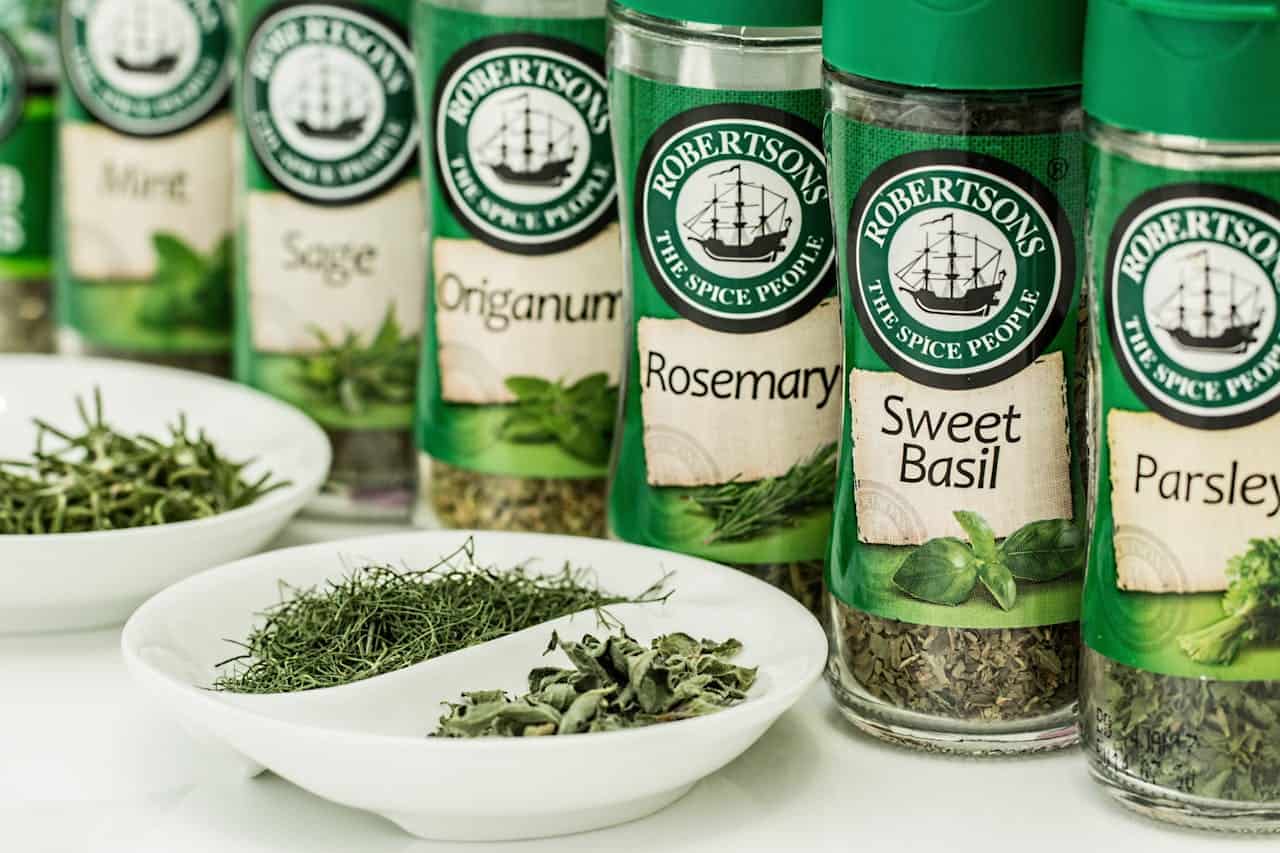
Spices like cinnamon, cumin, turmeric, and black pepper are mostly imported—and tariffs are making them more expensive.
The price hikes might not be noticeable right away, but over time, you’ll see smaller container sizes or steeper price tags.
These pantry essentials help build flavor in home cooking, so it might be worth grabbing your favorites before costs rise further.