Plants can be fascinating creatures, showcasing remarkable behaviors that often surprise us. Among them, some plants exhibit remarkable responses to touch, curling, closing, or moving in response to your interaction. These remarkable adaptations not only capture your attention but also represent the complex ways plants interact with their environment.
Understanding these extraordinary plants can enhance your appreciation for the natural world around you. When you discover which plants exhibit these unique behaviors, you gain insight into their survival strategies and the beauty of plant physiology. Whether you’re a gardening enthusiast or just curious about nature, these plants provide a captivating glimpse into the life of flora.
Advertisement
Mimosa pudica folds its leaves when touched

Mimosa pudica, commonly known as the sensitive plant, reacts remarkably to touch. When you gently touch its leaves, they fold inward and droop.
This fascinating response happens quickly, usually within seconds. After a short while, the leaves re-open, making it a curious addition to any plant collection.
Venus flytrap snaps shut to trap prey

The Venus flytrap is a fascinating plant known for its unique hunting method. When an insect touches two tiny hairs inside the trap, it triggers an electrical signal. This causes the trap to close rapidly, capturing the unsuspecting prey.
The trap’s lobes snap closed in about 0.3 seconds, ensuring the insect is secured. This swift action starts the digestion process, allowing the plant to absorb nutrients.
Sensitive Fern curls when disturbed
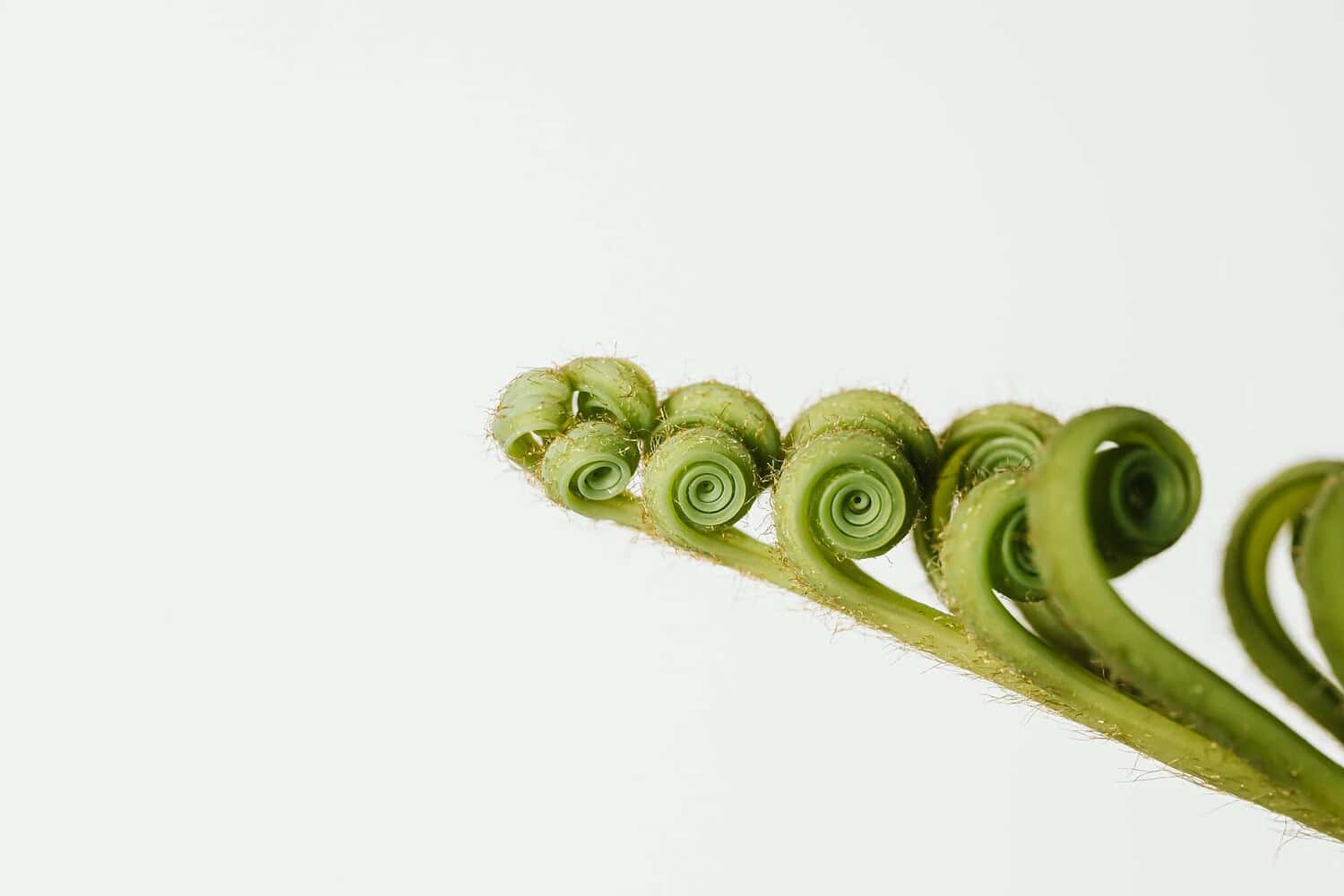
The Sensitive Fern, known for its unique reaction, curls its leaves when touched. This involuntary response helps protect the plant from potential threats.
You can observe this fascinating behavior in action. Just a gentle touch causes the leaves to respond dramatically, creating a delightful experience for plant lovers.
Oxalis triangularis closes its purple leaves at night.

At night, you may notice your Oxalis triangularis folding its striking purple leaves. This natural behavior helps the plant conserve energy and protect itself from the cold. It’s a fascinating process that reflects the plant’s unique response to its environment. You might find this charming as you observe the changes throughout the day and night.
Balloon Flower Petals Curl Tightly When Touched
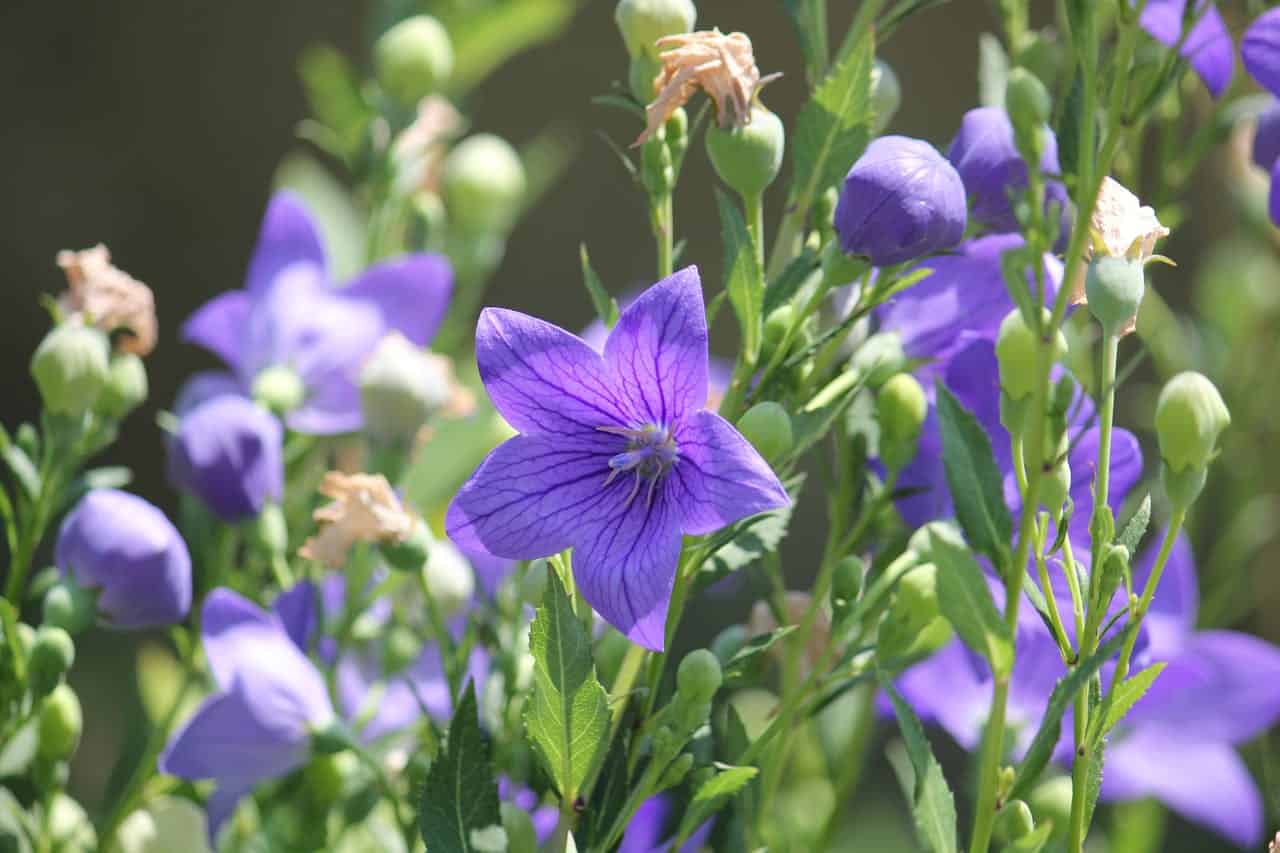
When you touch the Balloon Flower, you’ll notice its unique response. The petals curl tightly, creating a striking visual effect.
This curling action protects the plant and can be quite fascinating to observe. It’s just one of the many wonders of nature that you can enjoy in your garden.
Albizia julibrissin leaves fold at night or when stimulated.
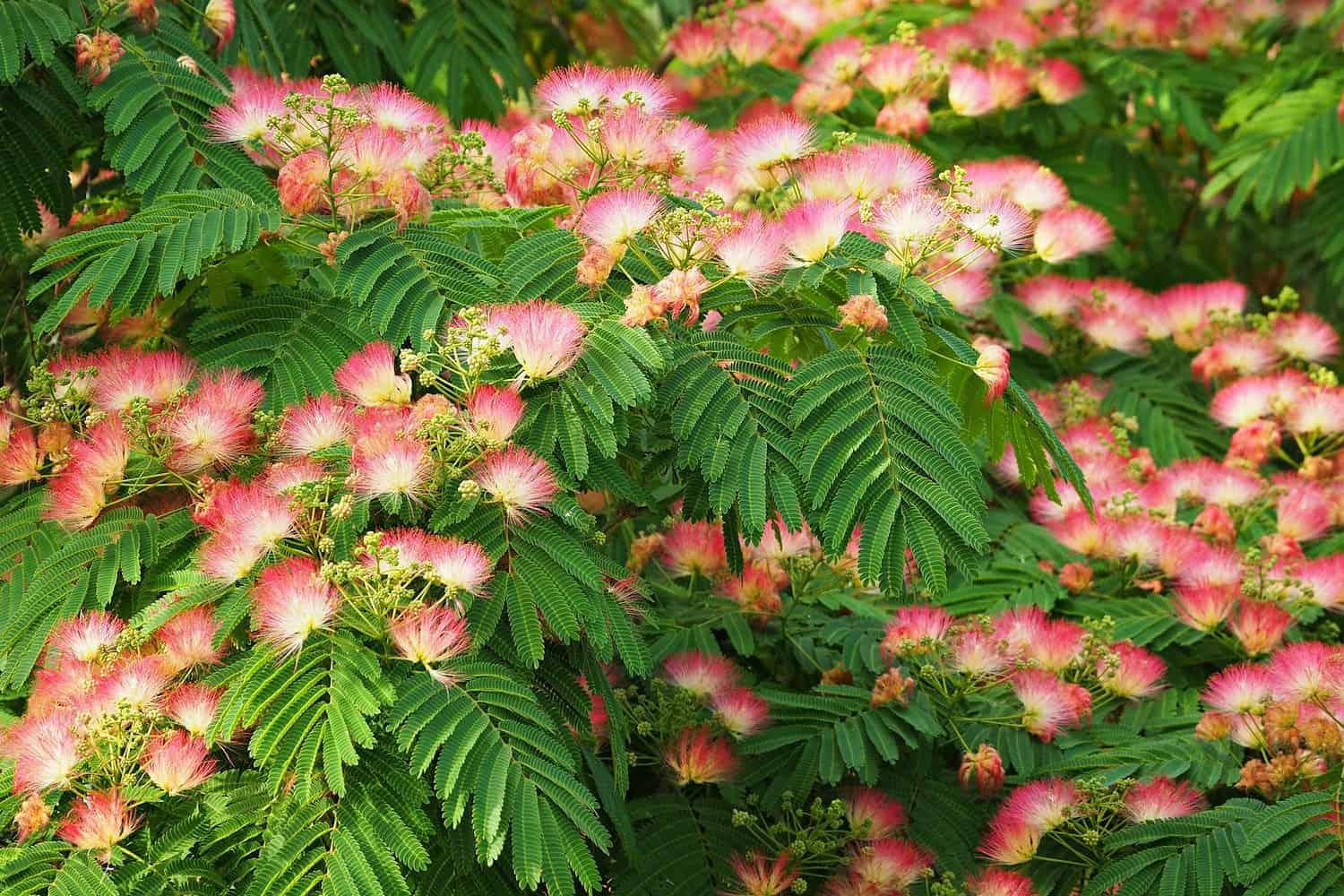
The leaves of Albizia julibrissin, commonly known as the mimosa tree, exhibit a fascinating movement. They fold together when touched, creating an engaging display. You may notice this reaction during the day, but the leaves also close at night.
This behavior serves as a protective response. When you observe this plant, it’s a reminder of the wonders of nature and its unique adaptations.
Desmodium gyrans (Telegraph plant) moves its leaves in patterns.
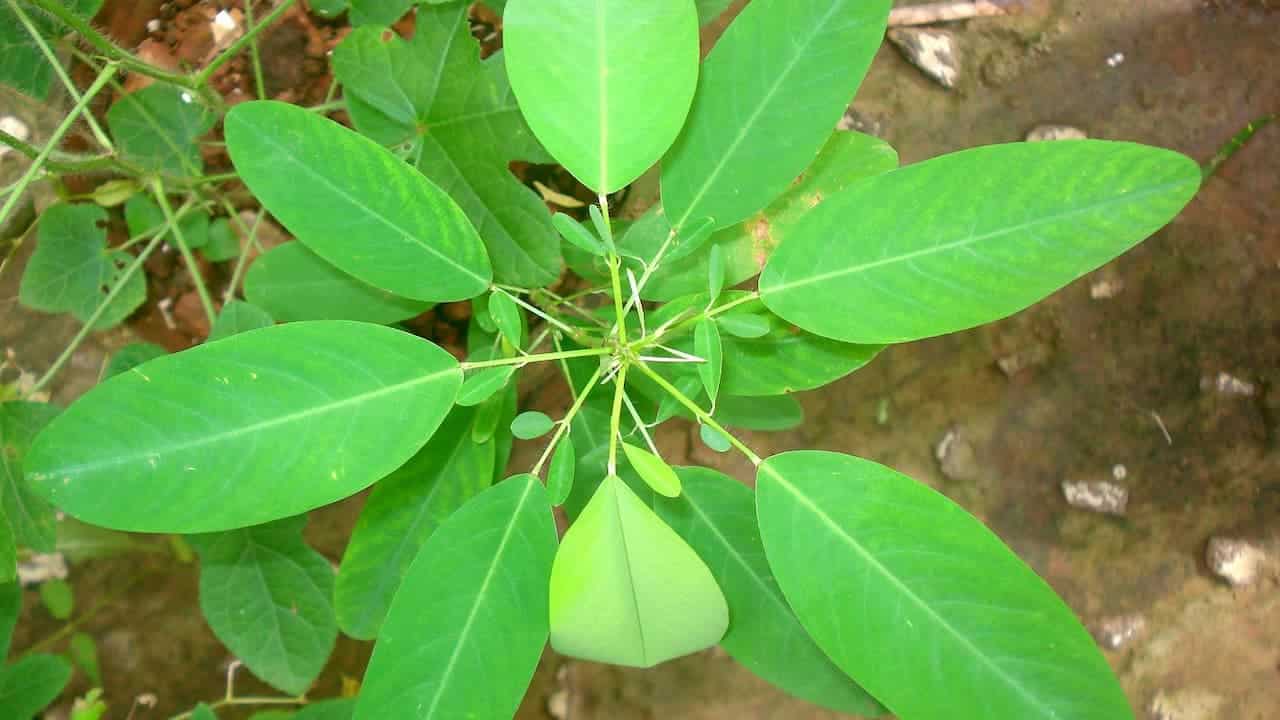
Desmodium gyrans, also known as the telegraph plant, captures attention with its unique leaf movements. You’ll notice its leaflets twitch and sway in response to light and touch.
This movement creates fascinating patterns, almost like a dance. It’s a delightful reminder of how plants can interact with their environment in surprising ways.
Biophytum sensitivum leaflets fold inward upon touch.
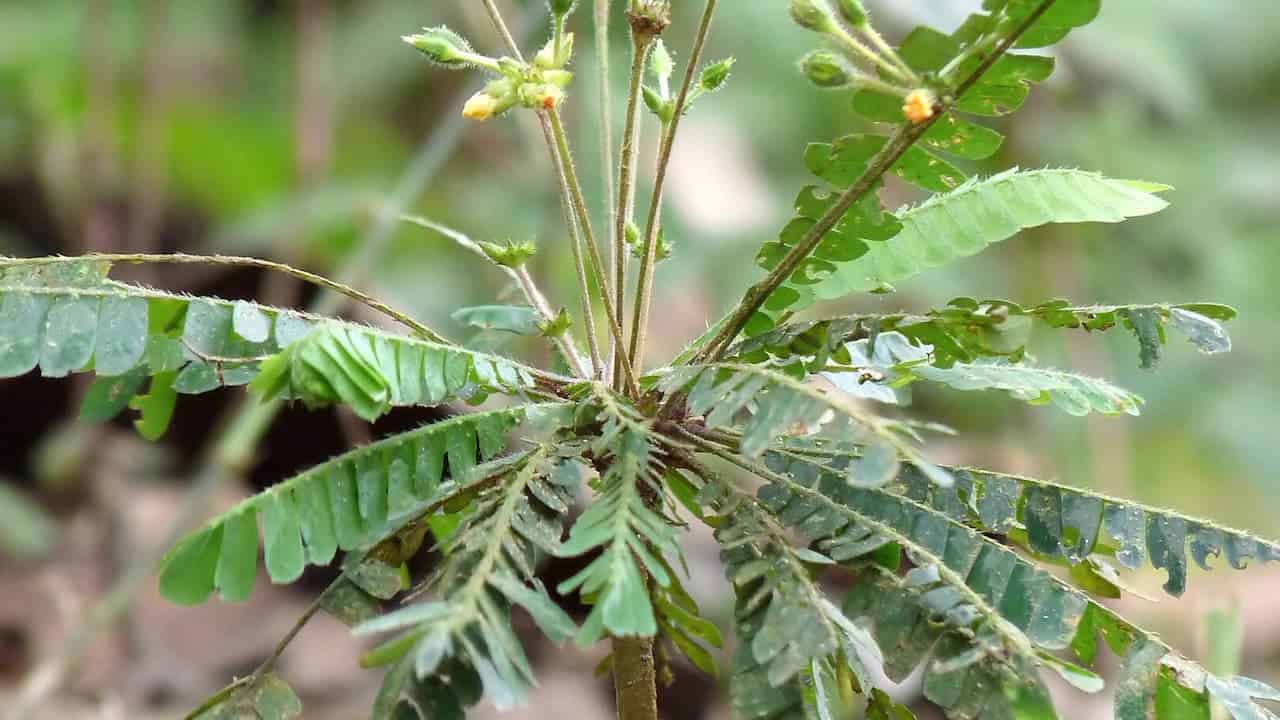
When you gently touch the leaflets of the Biophytum sensitivum, they fold inward. This response is a fascinating defense mechanism.
The leaves react to touch as a way to protect themselves from herbivores. It’s a little plant with a big surprise that showcases the wonders of nature.
Drosera capensis (Cape Sundew) wraps around insect prey.
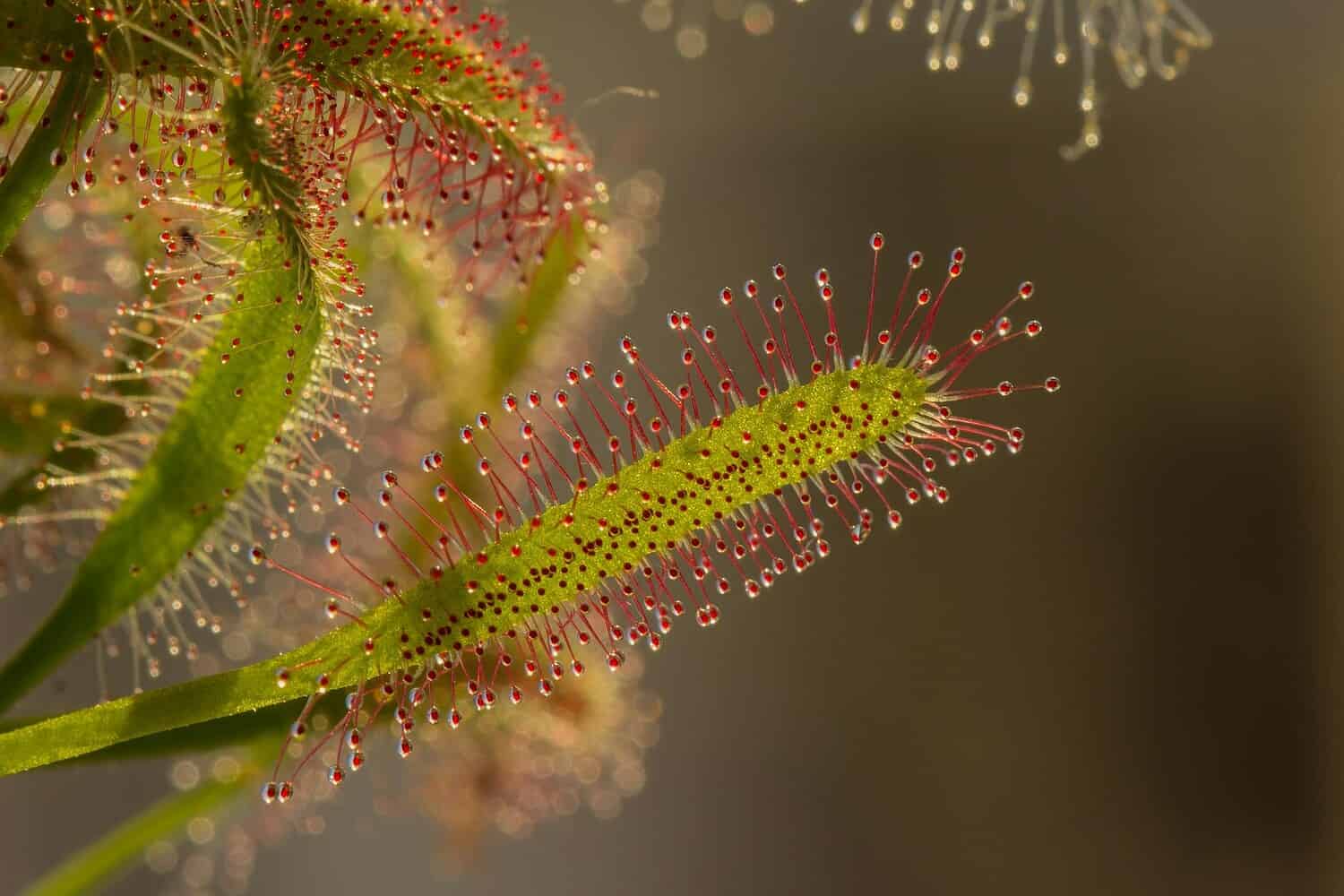
Drosera capensis, commonly known as the Cape sundew, is fascinating because of its unique feeding mechanism. When an insect lands on its sticky tentacles, the plant can curl and wrap around the prey.
This action helps to secure the insect, allowing the plant to digest it effectively. You might find it interesting to observe how the plant responds differently based on the size of the meal.
Carnivorous Bladderwort Traps Small Aquatic Creatures

Bladderworts are fascinating aquatic plants that have a unique way of capturing their prey. Their bladder-like traps are highly effective at sucking in small aquatic creatures in an instant.
When tiny organisms come into contact with trigger hairs, the trap opens rapidly, creating a vacuum that draws them inside. This action happens in less than one one-hundredth of a second, showcasing the plant’s remarkable adaptation for survival.
Trailing Abutilon Leaves Respond to Mechanical Stimuli
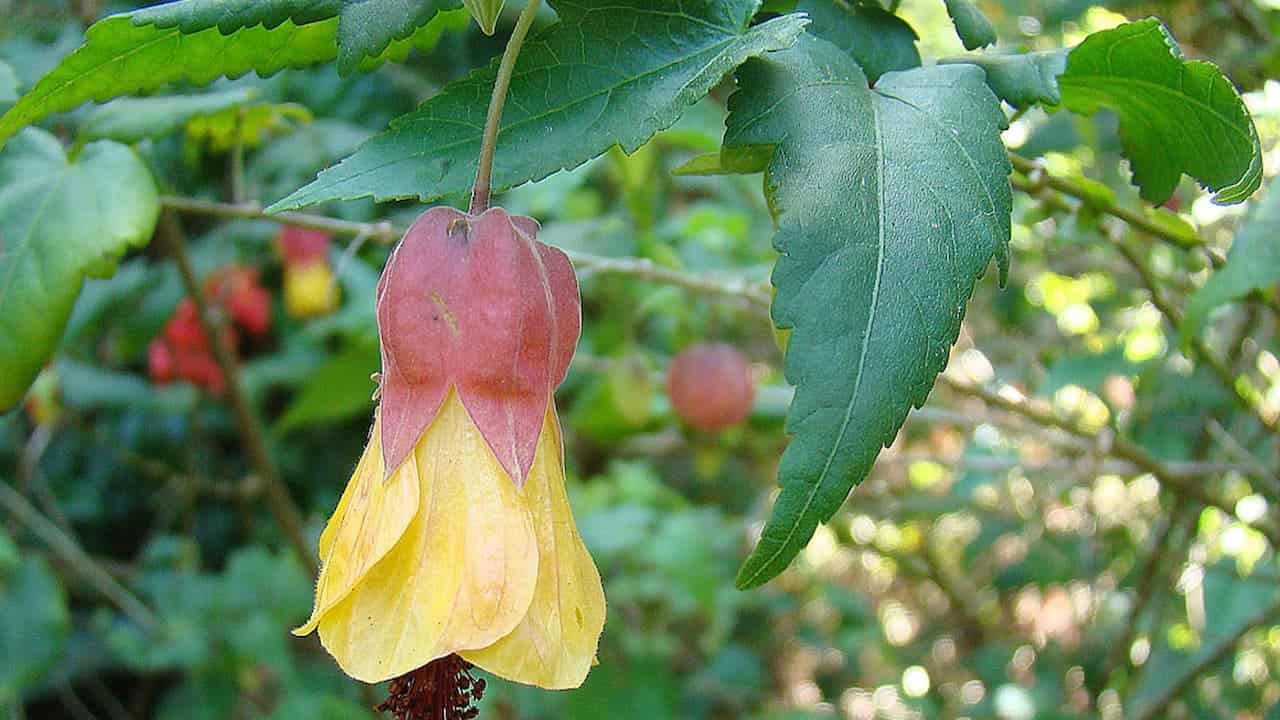
Trailing Abutilon, also known as flowering maple, has a fascinating way of responding to touch. When you gently brush against its leaves, they may curl or close slightly. This reaction is a form of movement that helps protect the plant from potential harm. It’s a fun and interactive experience for plant lovers.
Touch-sensitive Eucalyptus leaves curl slightly.

You may notice that the leaves of your eucalyptus plant can curl slightly when touched. This reaction helps the plant conserve moisture and protect itself from potential threats.
Ensuring your eucalyptus gets enough sunlight each day can minimize these curling leaves. If you’re looking to keep your plant healthy, aim for 6-8 hours of sunshine daily.