Creating a thriving garden can be challenging, especially when it comes to dealing with unwanted pests. You might be surprised to learn that certain plants can actually help you manage these issues by attracting beneficial insects. These 10 plants can trick insects into doing their dirty work, lending you a helping hand in pest control.
By strategically incorporating these plants into your garden, you can enhance the ecosystem. Not only do they add beauty and diversity, but they also play a crucial role in maintaining a balanced environment. You’ll find that your garden can become a sanctuary for helpful insects while keeping the harmful ones at bay.
Advertisement
Orchids Mimicking Bees for Pseudocopulation
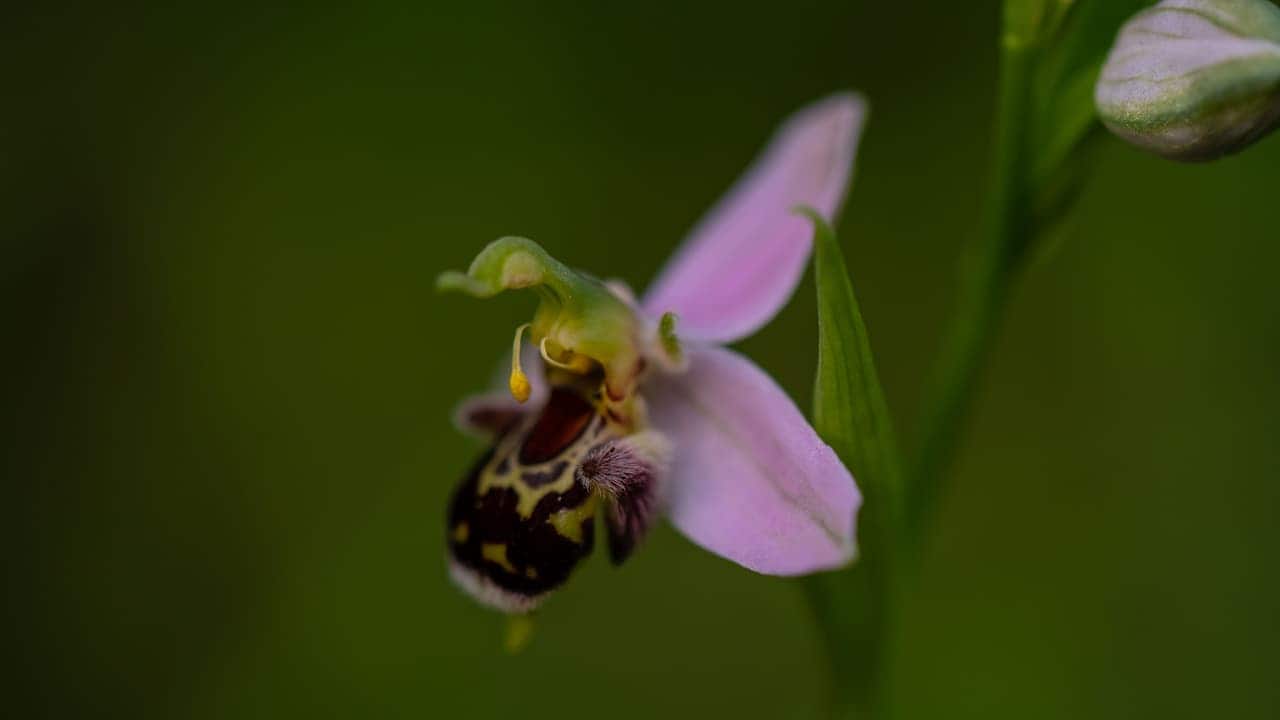
Some orchids have developed fascinating tricks to attract pollinators. They mimic the appearance and scent of female bees, enticing males to approach.
When a male bee attempts to mate with the flower, it inadvertently collects and transports pollen. This clever strategy helps the orchids reproduce while offering a unique experience for both plants and pollinators.
Flowers’ scents luring insects as pollinators
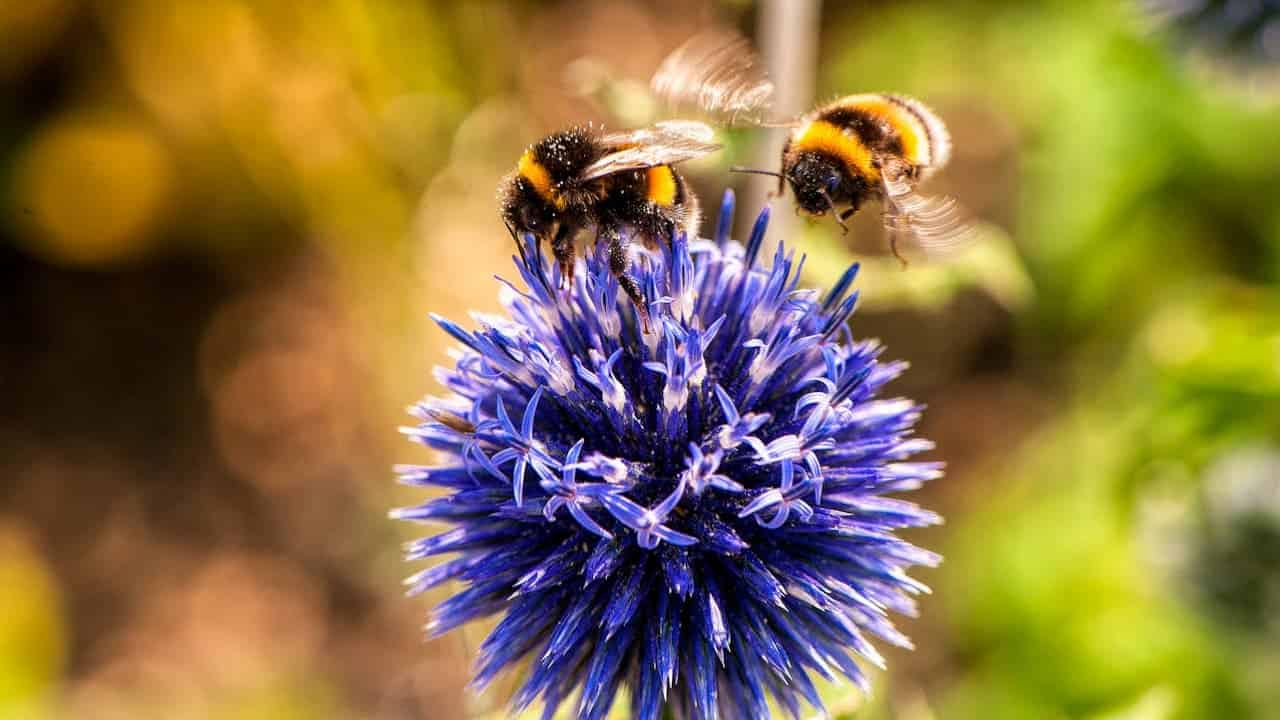
Flowers release unique scents that attract pollinating insects, helping sustain their ecosystems. These aromas can be a mix of sweet and complex notes that guide insects like bees and moths to their nectar.
Some plants even mimic the scents of rotting organic material to draw specific flies. This captivating relationship ensures that both flowers and pollinators thrive, creating a beautiful synergy in nature.
Carnivorous plants attracting prey with traps
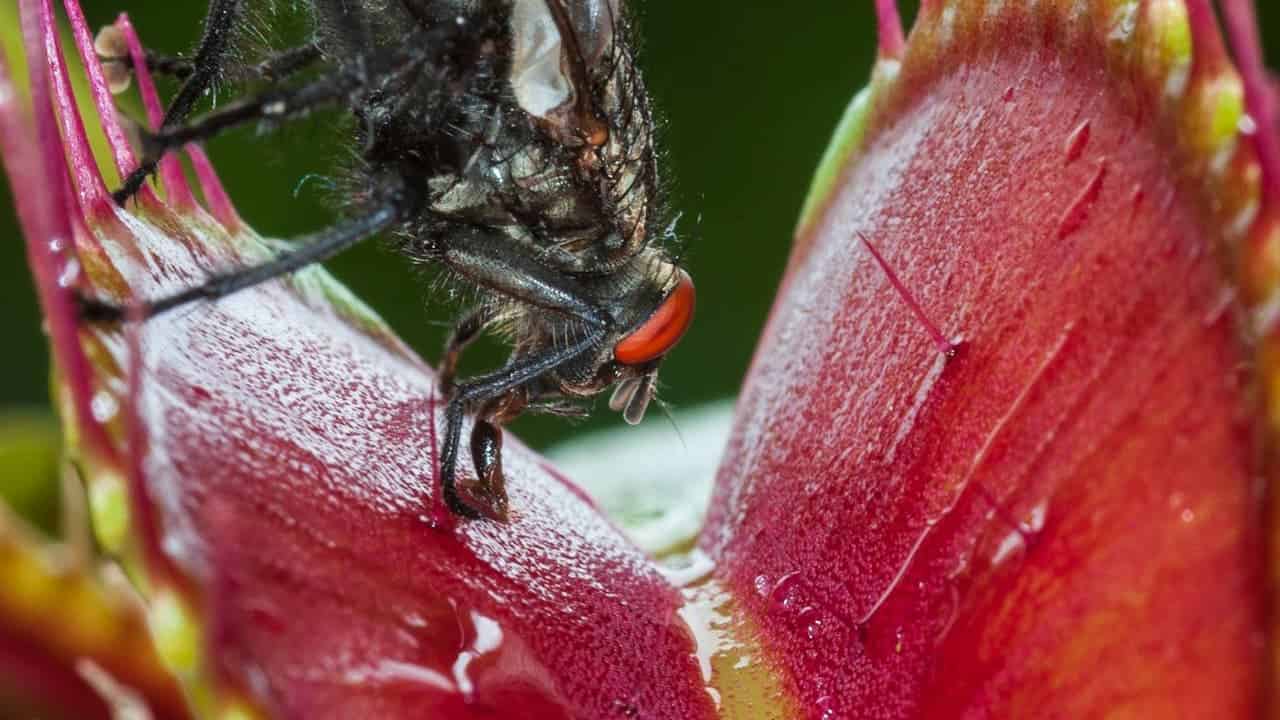
Carnivorous plants have evolved fascinating ways to lure insects into their traps. They often use colorful blooms and enticing fragrances to attract their prey.
The Venus flytrap snaps shut with impressive speed when its sensitive hairs are triggered. Other plants, like pitcher plants, use slippery surfaces and sweet nectar to ensnare unsuspecting insects.
Plants Mimicking Other Insects to Ward Off Predators
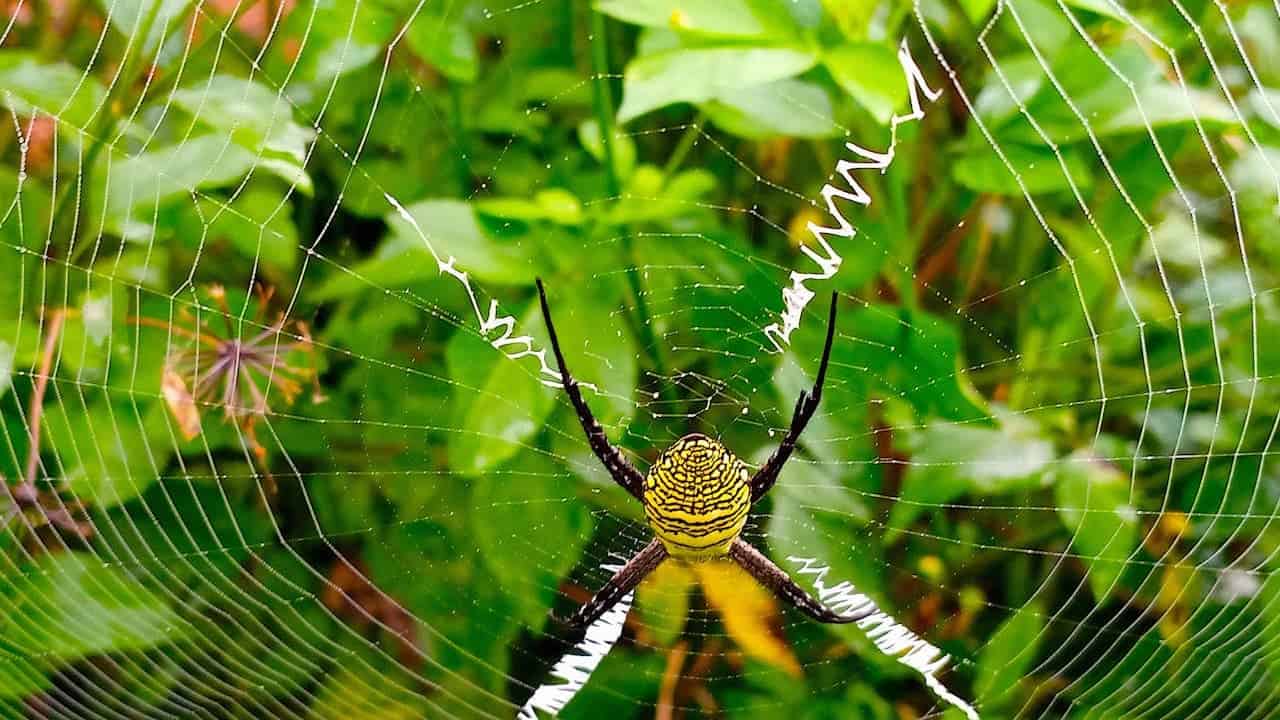
Some plants have developed clever ways to imitate other insects. By resembling the appearance or scents of certain insects, they can confuse potential predators.
This mimicry often keeps herbivores at bay, allowing the plants to thrive. It’s fascinating how nature finds ways to protect itself using such unique strategies.
Decoy plants attracting pests away from crops
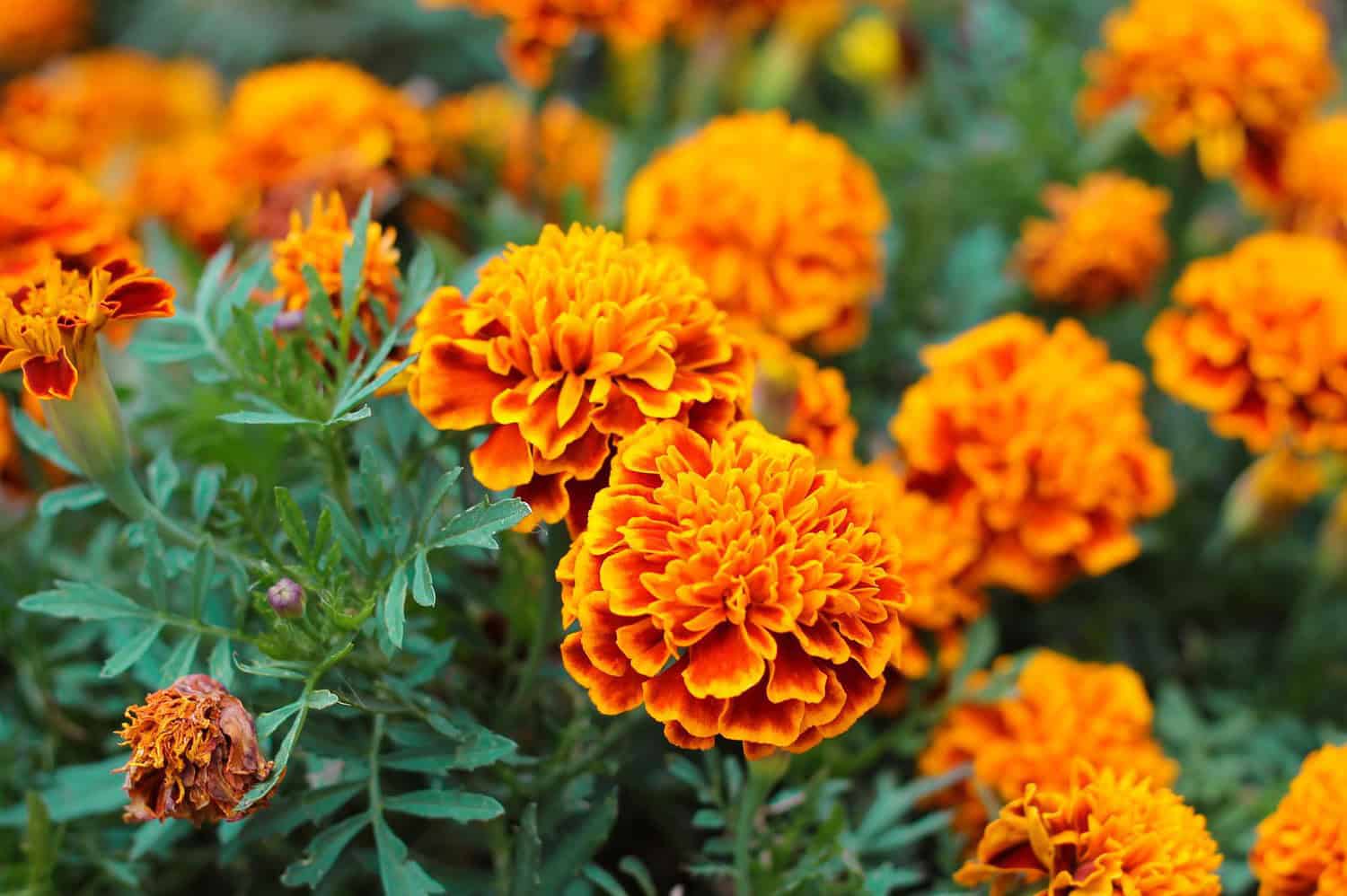
Using decoy plants can be a smart way to protect your garden. These plants attract pests away from your valuable crops.
For instance, trap crops like marigolds can lure aphids, keeping them away from your vegetables. You can also consider herbs, greens, and flowers known to appeal to pests, creating a natural barrier for your main plants.
Plants Using Colors to Signal Nectar Availability

Plants often use vibrant colors to attract pollinators. Bright hues like red and yellow can signal food sources. These colors help insects spot flowers from a distance, guiding them to sweet nectar.
Some flowers even have patterns called nectar guides that lead pollinators directly to the nectar. This clever strategy encourages insects to visit more flowers, aiding in pollination while providing them with a tasty reward.
Sticky surfaces capturing unsuspecting insects
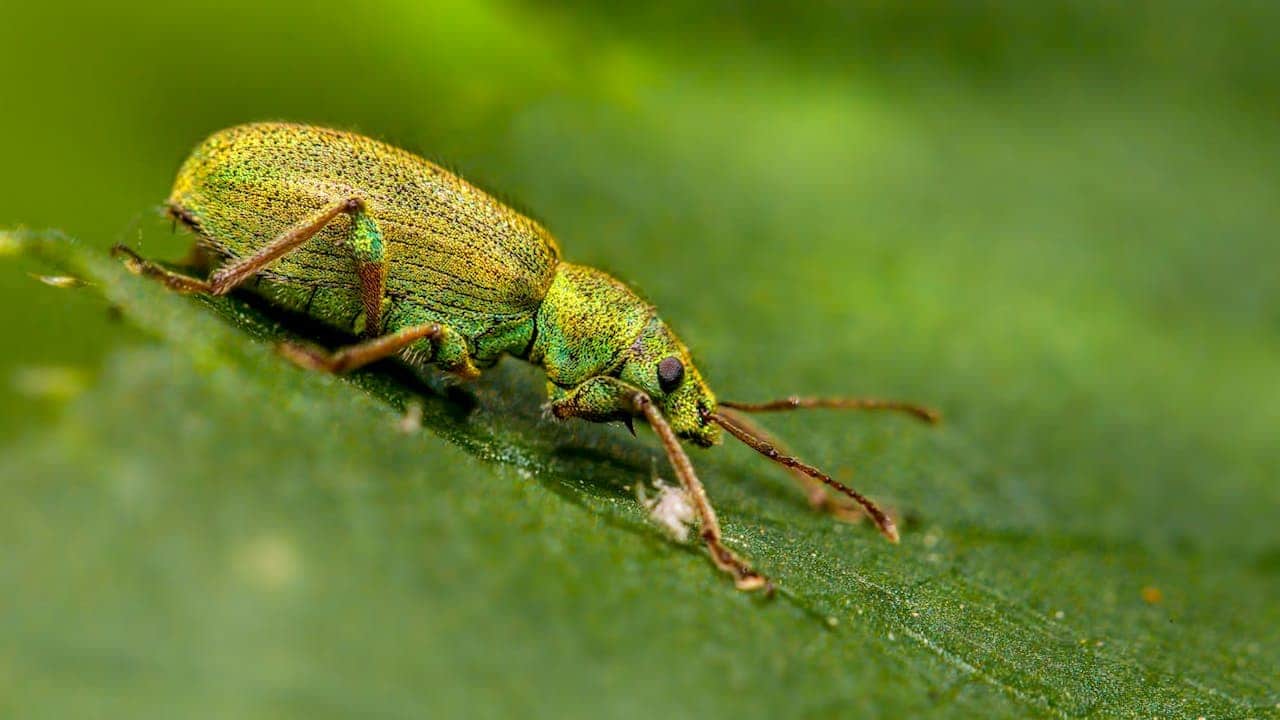
Many plants have specialized sticky surfaces that trap insects. These surfaces often secrete a glue-like substance that immobilizes unsuspecting pests.
When an insect lands on these plants, it becomes stuck, providing the plant with nutrients as it decomposes. This natural strategy helps the plant thrive in nutrient-poor environments.
Guardian plants attracting beneficial insects to hunt pests
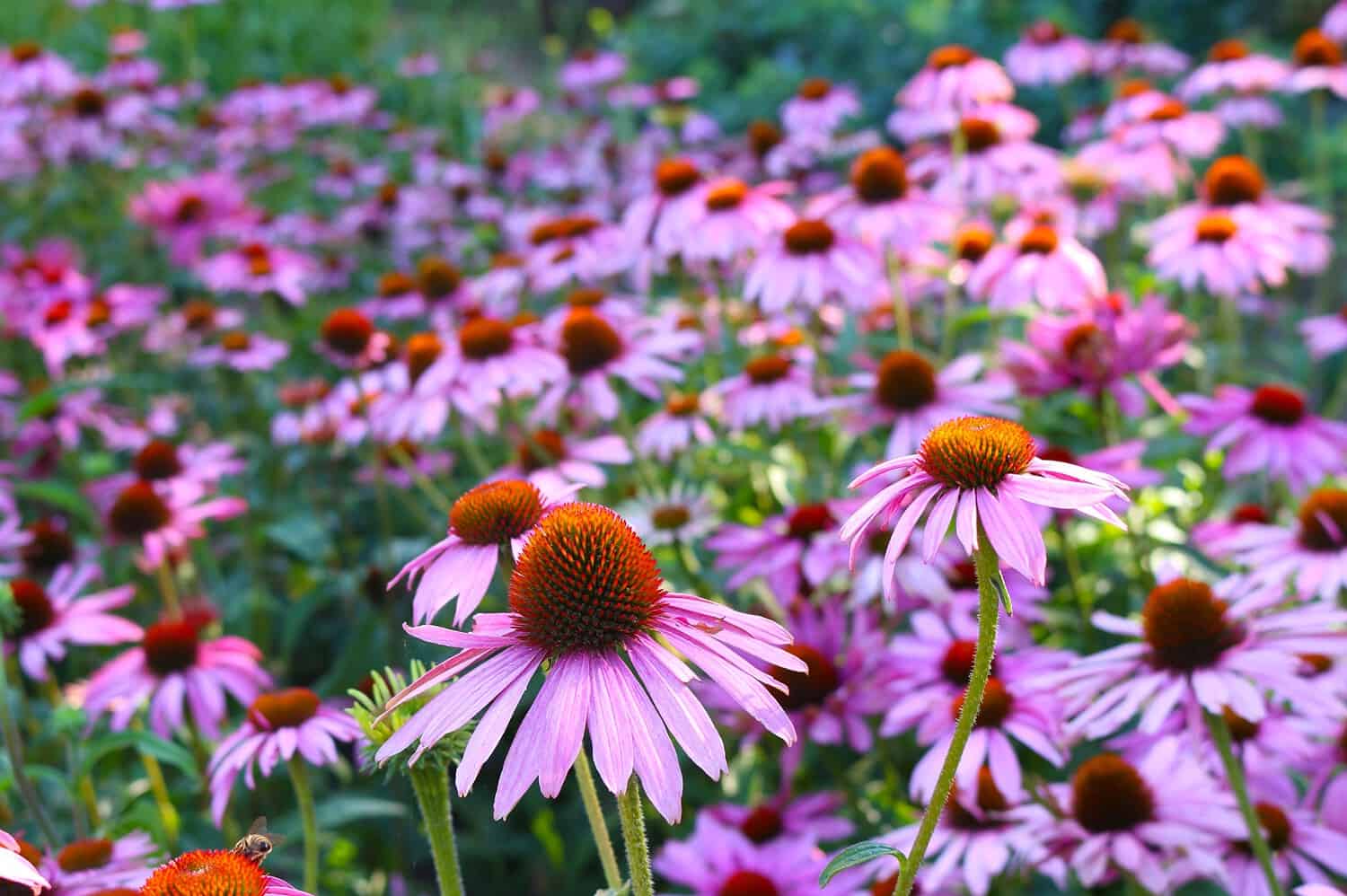
Planting certain flowers in your garden can attract beneficial insects. These insects help control pest populations naturally.
For example, Coneflowers draw in parasitic wasps, which keep aphids in check. By choosing the right plants, you can create a thriving garden that minimizes the need for chemical pesticides.
Chemical Secretions Mimicking Insect Hormones for Control
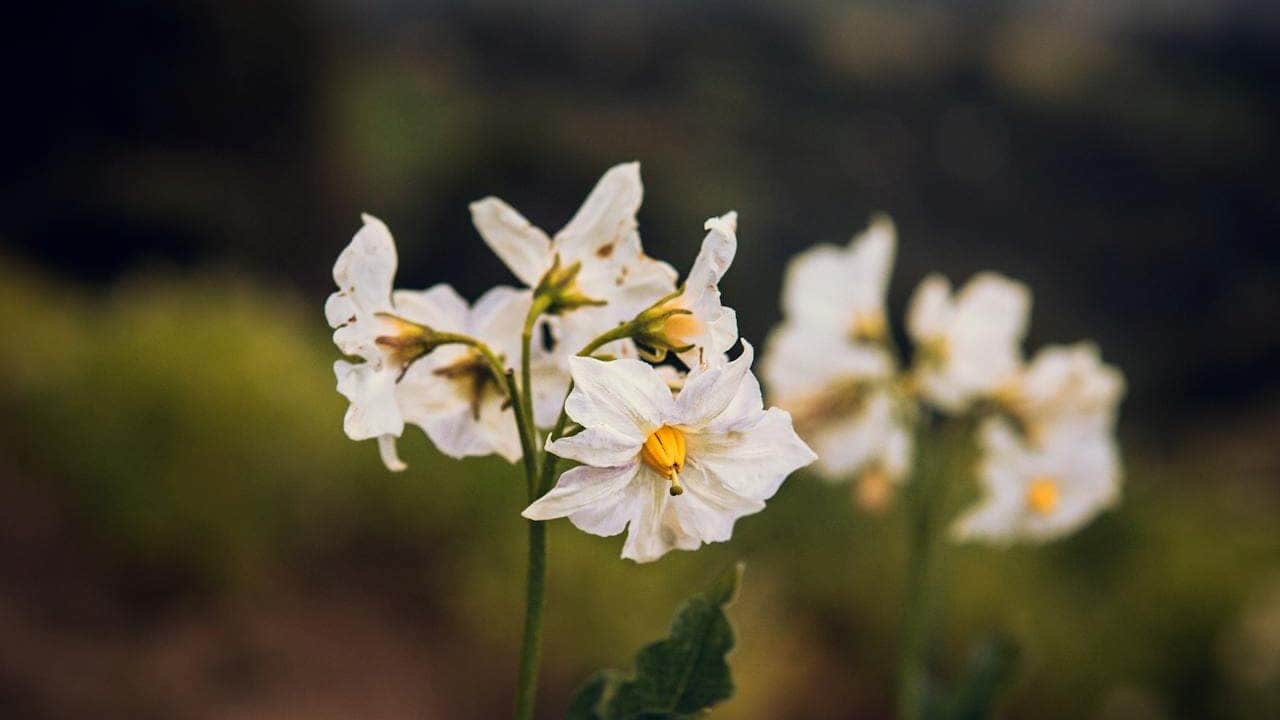
Plants have developed unique strategies to defend themselves, including chemical secretions that mimic insect hormones. These compounds can disrupt the life cycles of pests by interfering with their growth and reproduction.
For example, certain plants produce substances that imitate juvenile hormones. By doing so, they can prevent insects from maturing properly, effectively reducing pest populations. This natural form of pest control benefits both the plants and the surrounding ecosystem.
Glow-in-the-dark flora attracting nocturnal insects
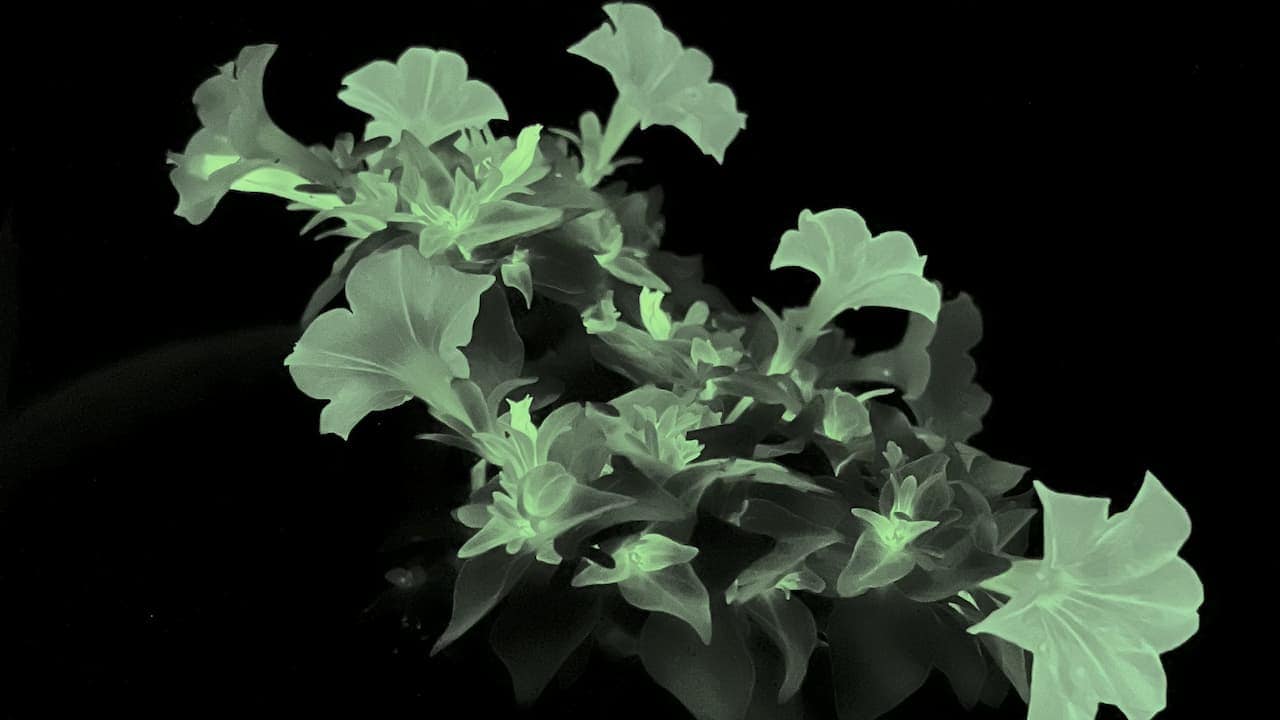
Certain plants possess natural traits that attract nocturnal insects. These glow-in-the-dark varieties can help guide these creatures to them at night.
Using bright colors or bioluminescent features, these plants draw in moths and other beneficial bugs. This can create a lively ecosystem in your garden while also benefiting your plants.