Inflation is an economic phenomenon that has a significant impact on our daily lives, particularly our purchasing power. With the current uncertainties in the global economy, it’s smart to prepare for possible inflation.
One way to do this is by buying certain items before their prices skyrocket. In this article, we’ll share ten items that you should consider buying now to save money in the long run. These items are not only practical but also have a high likelihood of cost increase during inflation.
Advertisement
1. Non-perishable Food Items

When inflation hits, the price of food items is usually one of the first to rise. Non-perishable food items such as canned goods, rice, pasta, and dried beans are not only cheaper but also have a longer shelf life. Buying these items in bulk can help you save a significant amount of money.
For instance, if you typically consume a bag of rice every month, consider buying a year’s supply. This strategy can help you lock in the current price and avoid any potential increase due to inflation. However, keep in mind to check the expiry dates and storage conditions to ensure the food remains safe to eat.
2. Household Supplies
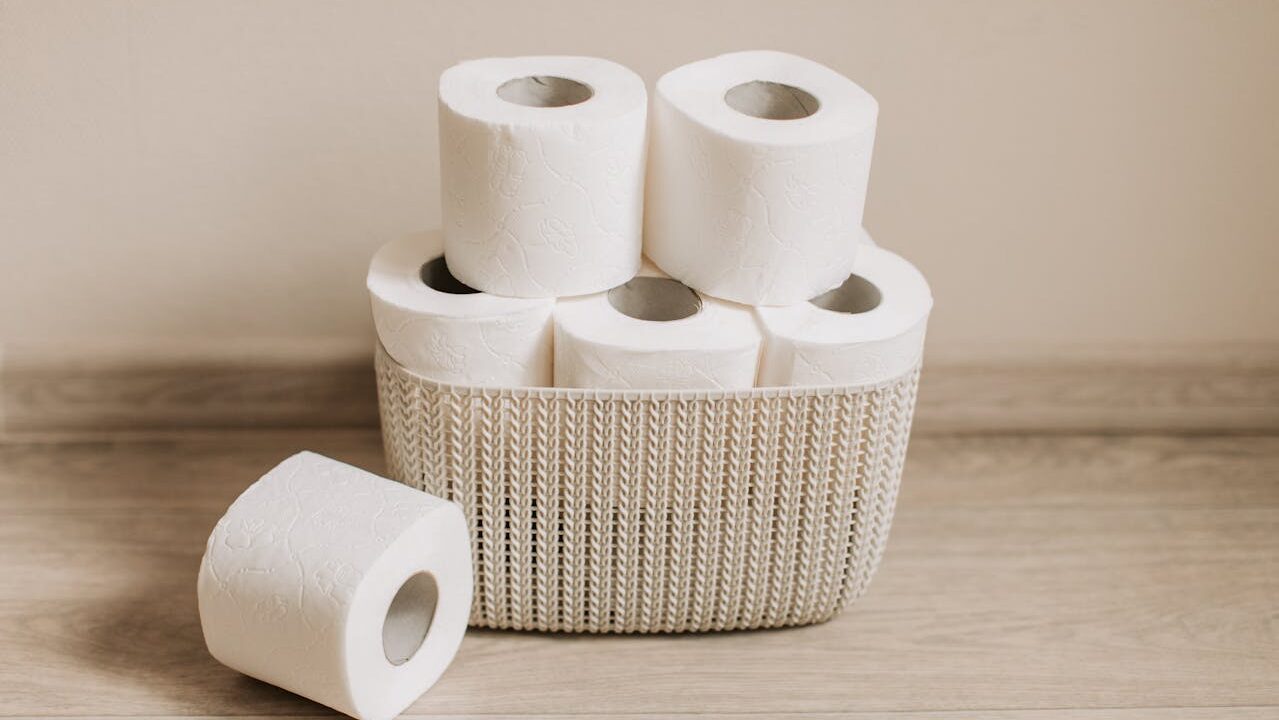
Another category that’s heavily affected by inflation is household supplies. Items like toilet paper, cleaning products, and laundry detergent are essential in every home and are used regularly. As a result, even a small increase in their prices can add up over time.
Therefore, it’s wise to stock up on these supplies before inflation hits. Again, buying in bulk is a good strategy here. You can take advantage of sales or discounts offered by retailers to get these items at a lower price. But remember, it’s essential to have enough storage space for these items.
3. Healthcare Products
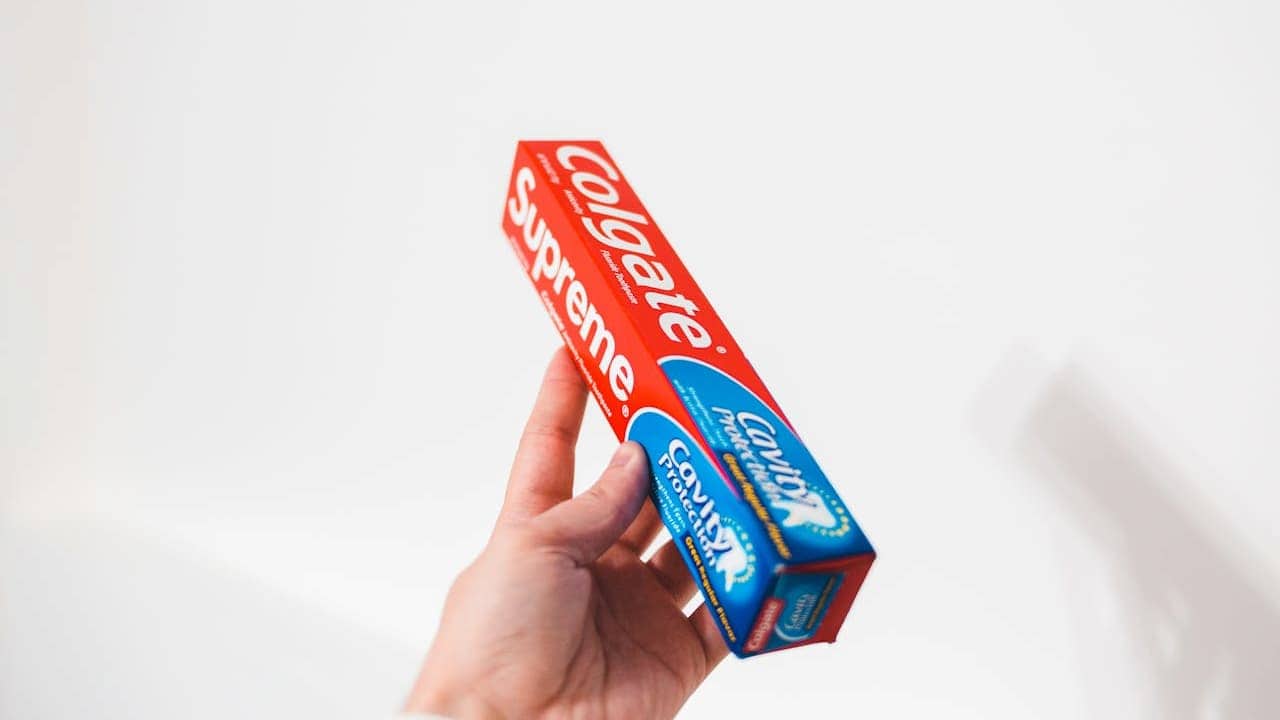
Healthcare products such as over-the-counter medicines, vitamins, and personal care items like toothpaste and shampoo are also susceptible to price hikes during inflation. These are essentials that you can’t do without, so it makes sense to buy them in advance.
For example, if you regularly take certain vitamins or medications, consider buying a few months’ supply. Not only will this help you avoid potential price increases, but it also ensures you have a steady supply of these essential items. Again, be sure to check the expiry dates before making bulk purchases.
4. Fuel
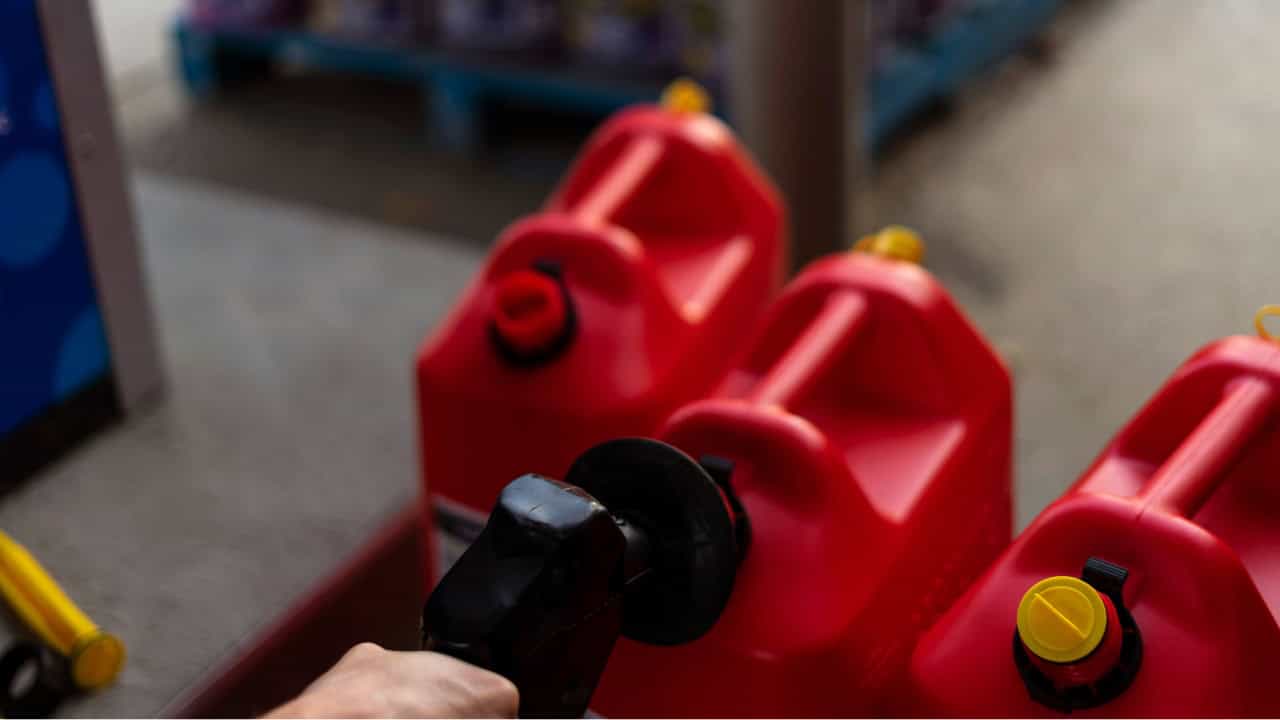
Fuel is another item that’s heavily affected by inflation. This is particularly true if you rely on your vehicle for daily commuting or long-distance travel. When fuel prices rise, it can significantly increase your monthly expenses.
One way to mitigate this is by investing in fuel-efficient vehicles or exploring alternative modes of transportation. However, if this is not feasible, consider filling up your tank when prices are low. You can also look into fuel rewards programs offered by various gas stations.
5. Alcohol and Tobacco
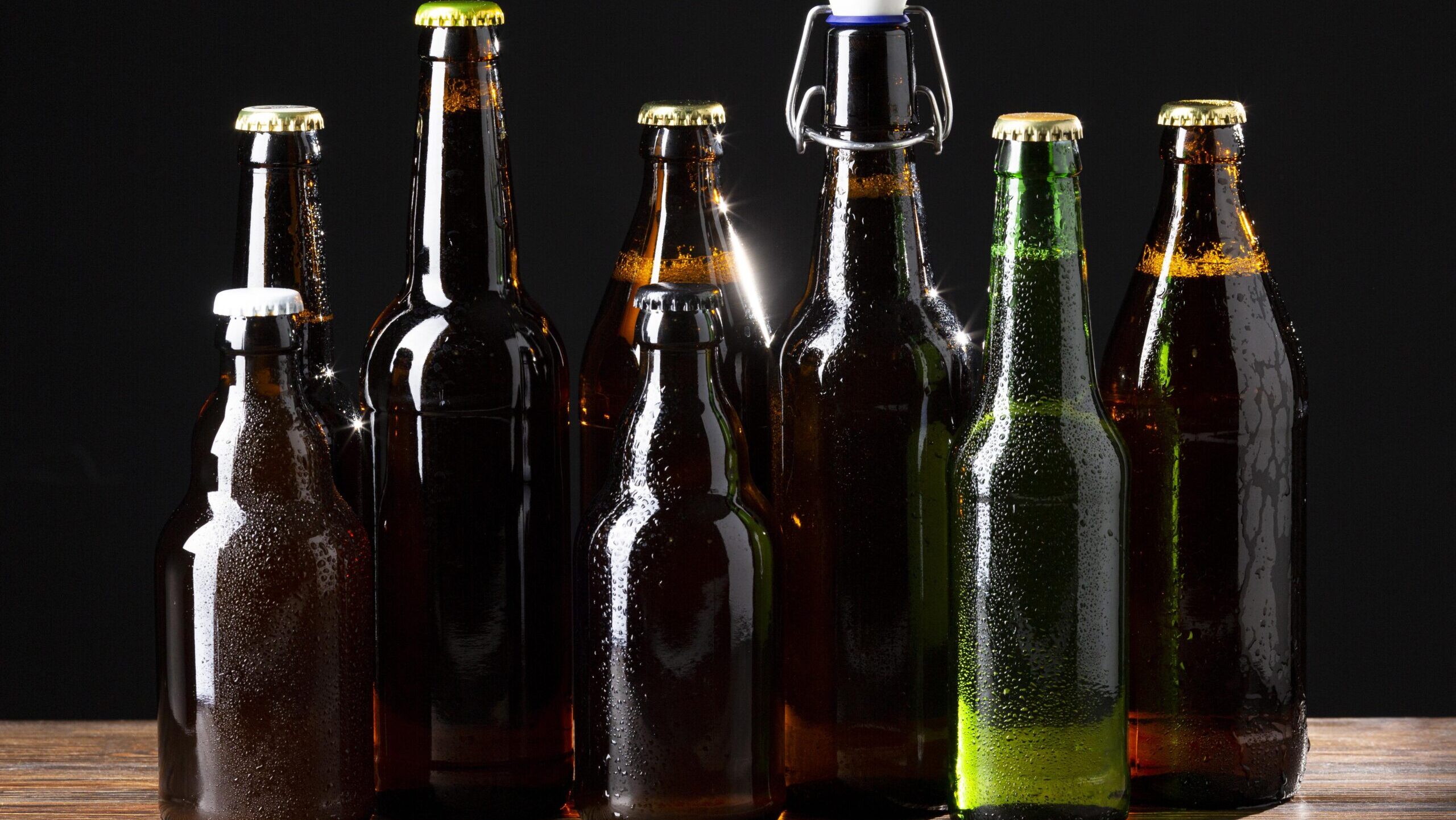
If you consume alcohol or tobacco, you might want to consider stocking up before inflation hits. These items are often seen as non-essential, and therefore governments may increase taxes on them during inflation to generate additional revenue.
Keep in mind that excessive consumption of these items can lead to health problems. Therefore, this advice should be followed responsibly. Also, remember to check the expiry dates and storage conditions to ensure these items remain safe to consume.
6. Clothing

Clothing is another item that’s susceptible to price increases during inflation. This is particularly true for high-quality, durable clothing items. Therefore, it can be a good idea to invest in these items before inflation hits.
For instance, if you need a new winter coat or work shoes, consider buying them now instead of waiting until the prices go up. This strategy can help you save money and also ensure you have the necessary items when you need them.
7. Appliances and Electronics

Appliances and electronics are typically high-ticket items, and their prices can rise significantly during inflation. This is particularly true for items like refrigerators, washing machines, and televisions.
If you’re planning to replace or upgrade any of these items, consider doing it before inflation hits. You can also look for sales or discounts to get these items at a lower price. Remember, it’s important to choose high-quality items that will last for several years.
8. Home Maintenance Supplies
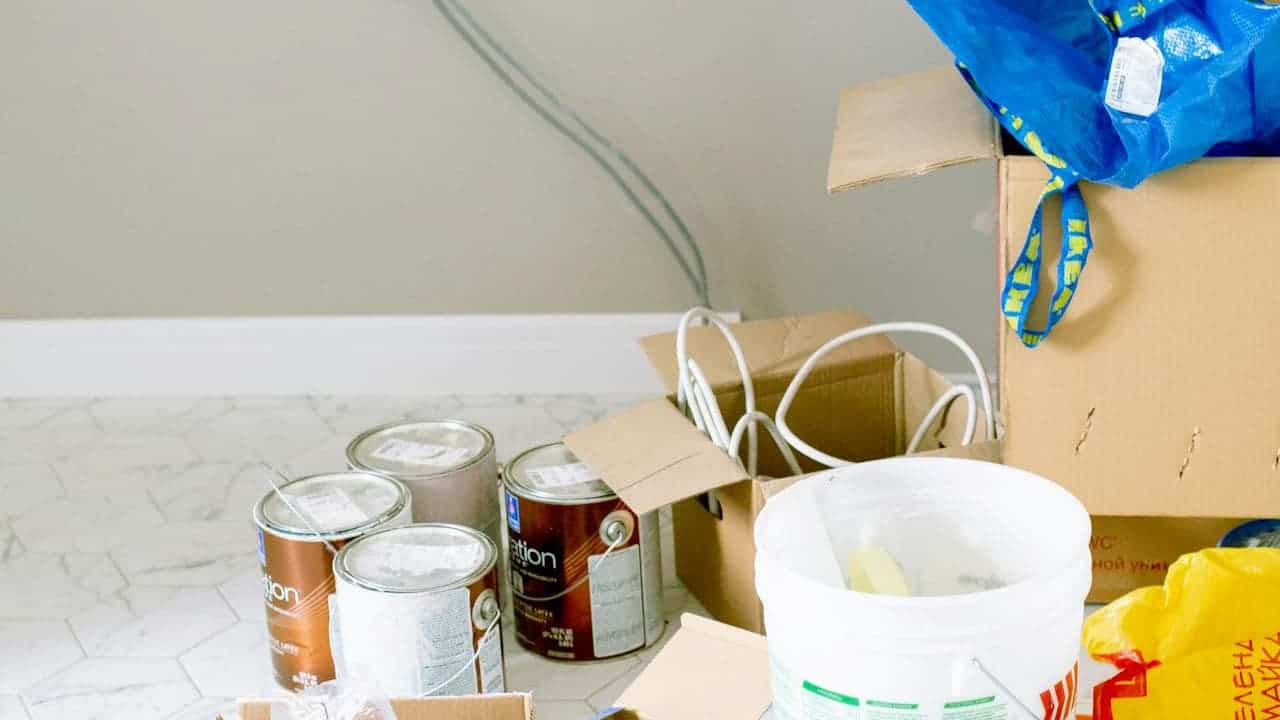
Home maintenance supplies, like paint, tools, and hardware, can also become more expensive during inflation. If you’re planning any home improvement projects, consider buying these supplies in advance.
For example, if you’re planning to paint your house next year, consider buying the paint now. Not only will this help you avoid potential price increases, but it also ensures you have the necessary supplies when you need them.
9. Education

If you’re planning to go back to school or have children who will be attending college soon, consider paying for tuition in advance, if possible. Education costs are known to rise during inflation, so this could potentially save you a significant amount of money.
Additionally, consider investing in educational resources such as books, online courses, and educational software. These resources can provide a great return on investment by improving your skills and knowledge.
10. Investments

Finally, consider investing your money before inflation hits. Investments like stocks, real estate, and gold can provide a hedge against inflation. This is because their value tends to rise along with inflation, protecting your purchasing power.
Remember, investing involves risks, so it’s important to do your research and consult with a financial advisor. Also, it’s essential to diversify your investments to reduce risk and maximize potential returns.