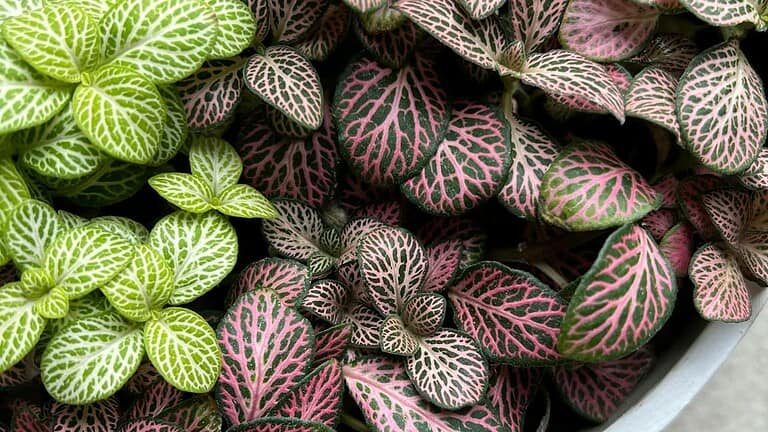
Creating a lush, woodland garden can be an exciting challenge. How do you cultivate a rich, green landscape in the shade? How do you invoke the tranquility of a forest floor in your backyard? The answer lies in choosing the right plants. Here are ten shade plants that will help you create the woodland look you crave.
1. Hostas
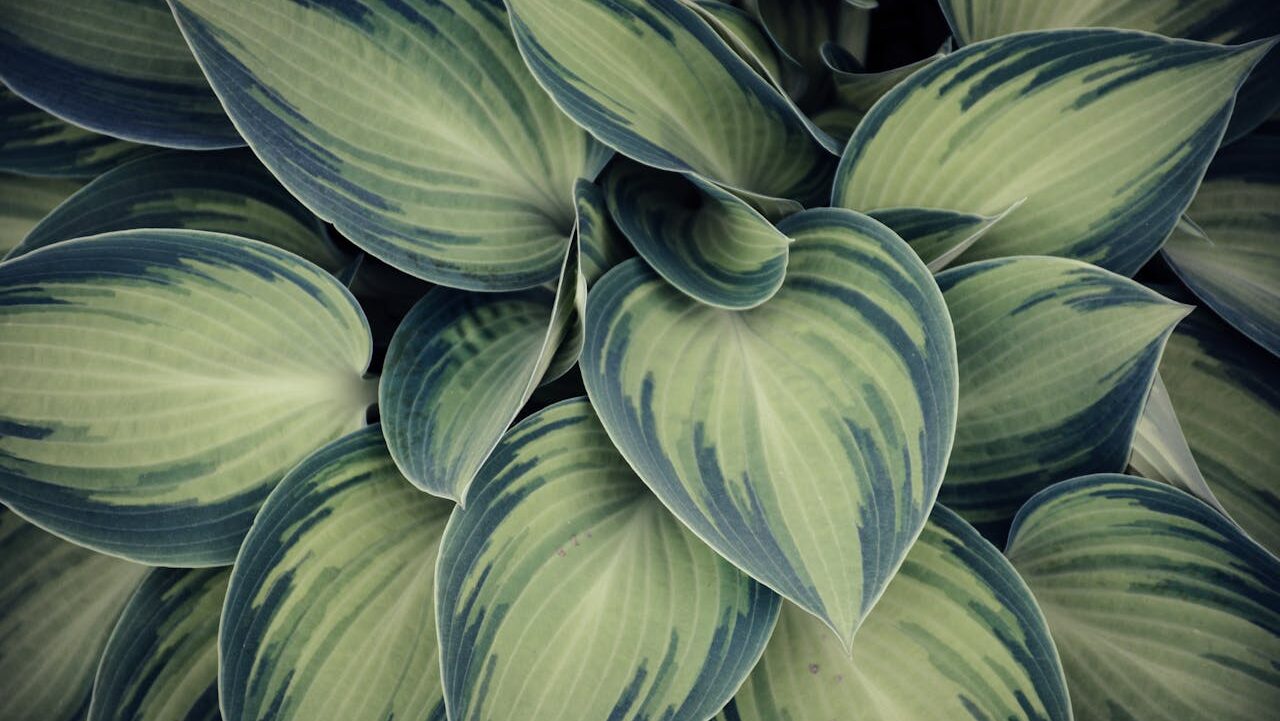
Hostas are a classic choice for any shade garden. They come in a variety of sizes, shapes, and colors, making them incredibly versatile. With their wide, lush leaves, they provide a great deal of ground cover, making them ideal for creating a woodland look.
Advertisement
Hostas are also incredibly easy to care for. They prefer rich, well-drained soil and can tolerate a variety of light conditions. For a woodland look, try pairing them with ferns and other shade-loving plants. Their large leaves will provide a beautiful contrast to the delicate fronds of the ferns.
2. Ferns
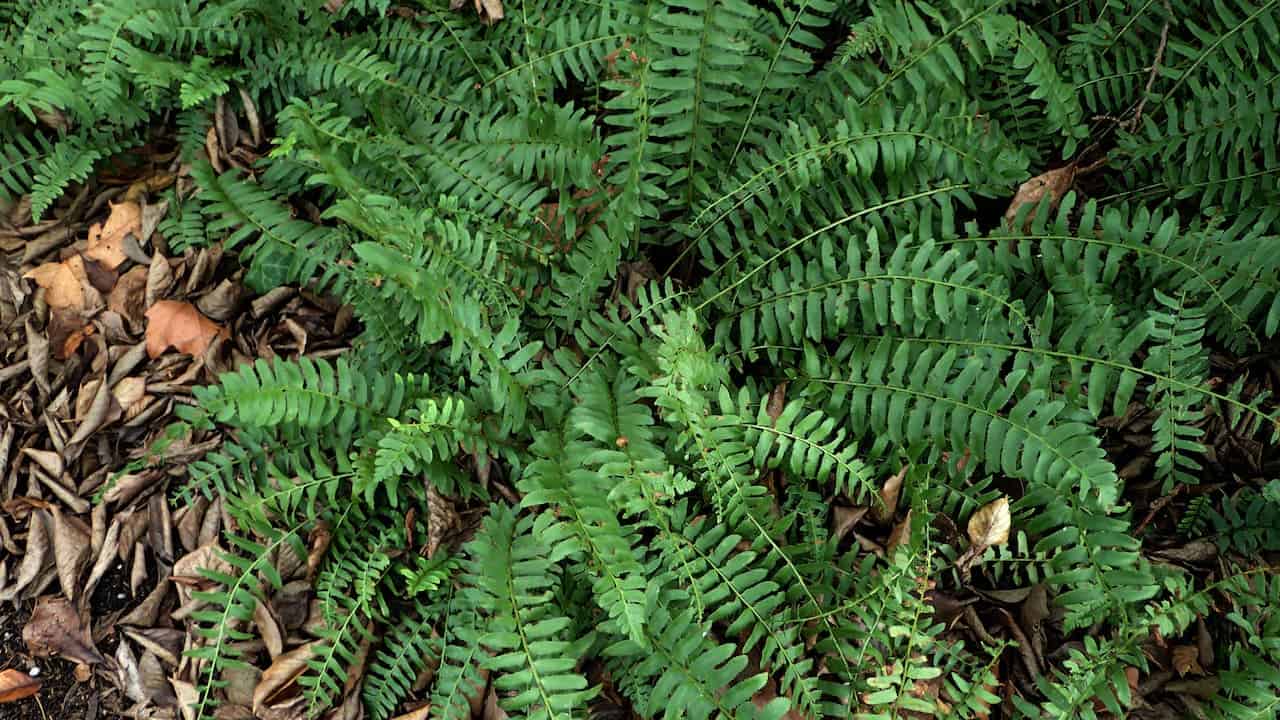
Ferns are another great choice for a woodland garden. With their delicate, feathery fronds, they can create a sense of depth and texture in your garden. They are also incredibly resilient and can thrive in a variety of conditions, making them a great choice for any gardener.
There are many different types of ferns to choose from, each with their own unique look and care requirements. For a woodland look, try pairing ferns with other shade-loving plants like hostas and astilbe. Their delicate fronds will provide a beautiful contrast to the larger leaves of these plants.
3. Astilbe
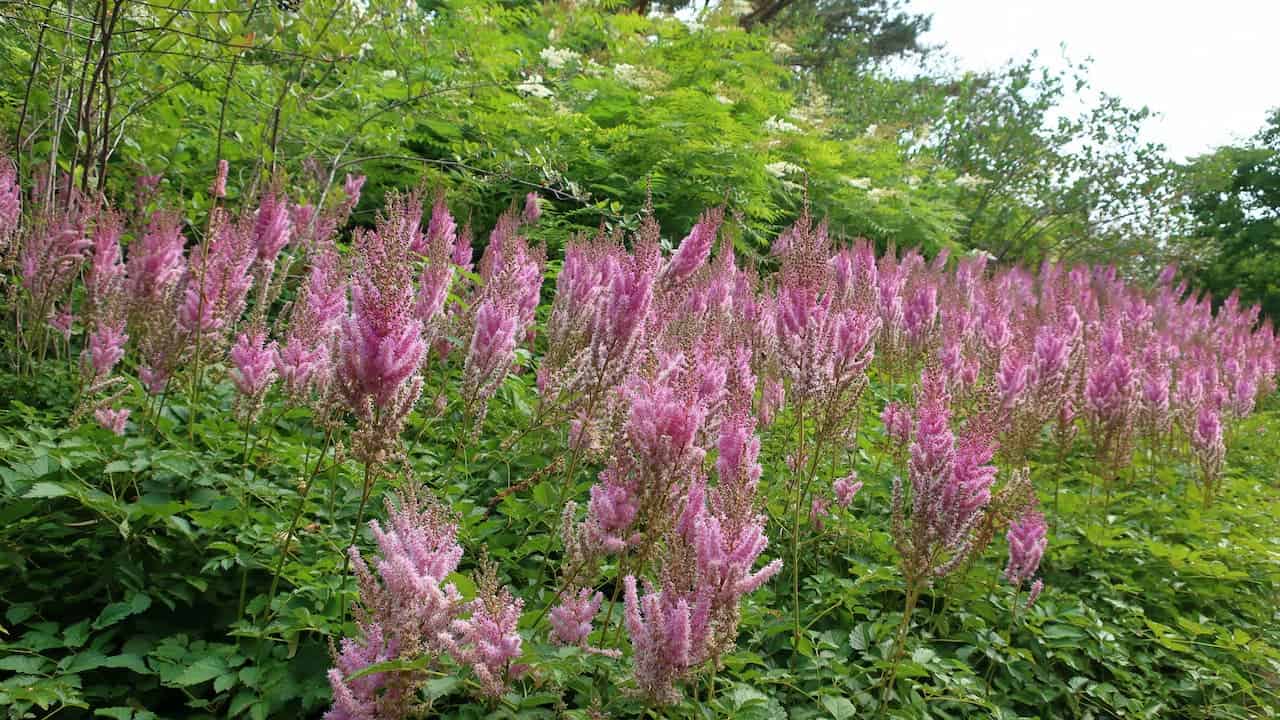
Astilbe is a beautiful plant that is ideal for a woodland garden. With its feathery plumes and lush foliage, it can add a pop of color and texture to any shady spot. Astilbe comes in a variety of colors, including pink, red, white, and purple, making it a great choice for adding a bit of variety to your garden.
Astilbe prefers moist, well-drained soil and can tolerate a variety of light conditions. However, they do best in partial to full shade. For a woodland look, try pairing astilbe with ferns and hostas. Their feathery plumes will provide a beautiful contrast to the larger leaves of these plants.
4. Bleeding Heart
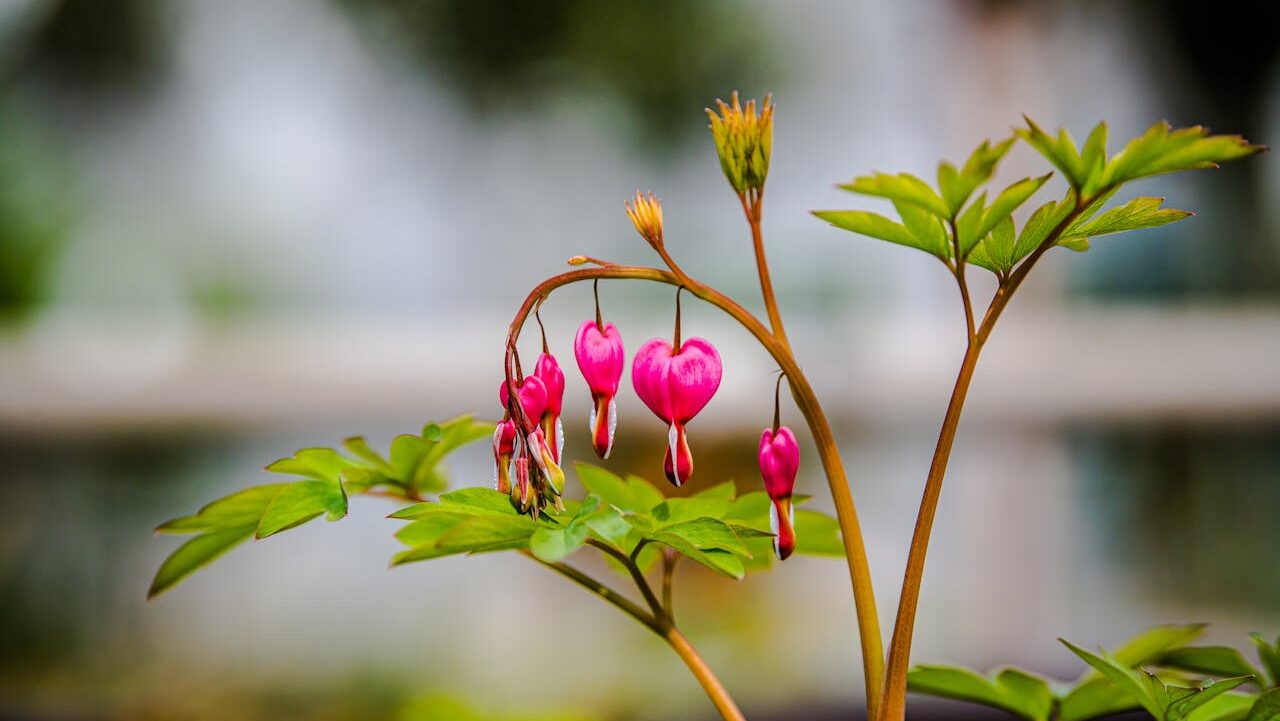
Bleeding heart is a stunning plant that is perfect for a woodland garden. With its heart-shaped flowers and delicate foliage, it can add a touch of romance to any shady spot. Bleeding heart comes in a variety of colors, including pink, white, and red, making it a great choice for adding a bit of variety to your garden.
Bleeding heart prefers moist, well-drained soil and can tolerate a variety of light conditions. However, they do best in partial to full shade. For a woodland look, try pairing bleeding heart with ferns and hostas. Their delicate flowers and foliage will provide a beautiful contrast to the larger leaves of these plants.
5. Jacob’s Ladder
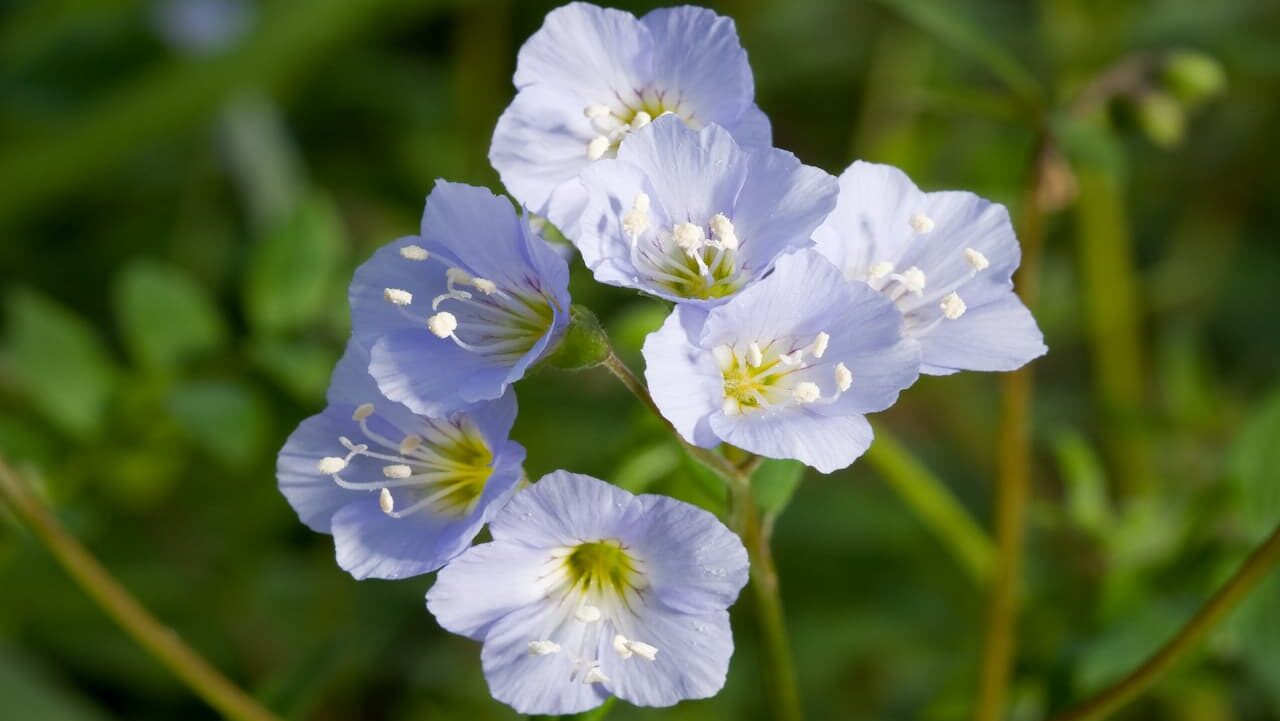
Jacob’s ladder is a charming plant that is ideal for a woodland garden. With its ladder-like foliage and delicate flowers, it can add a touch of whimsy to any shady spot. Jacob’s ladder comes in a variety of colors, including blue, white, and yellow, making it a great choice for adding a bit of variety to your garden.
Jacob’s ladder prefers moist, well-drained soil and can tolerate a variety of light conditions. However, they do best in partial to full shade. For a woodland look, try pairing Jacob’s ladder with ferns and hostas. Their unique foliage and delicate flowers will provide a beautiful contrast to the larger leaves of these plants.
6. Virginia Bluebells
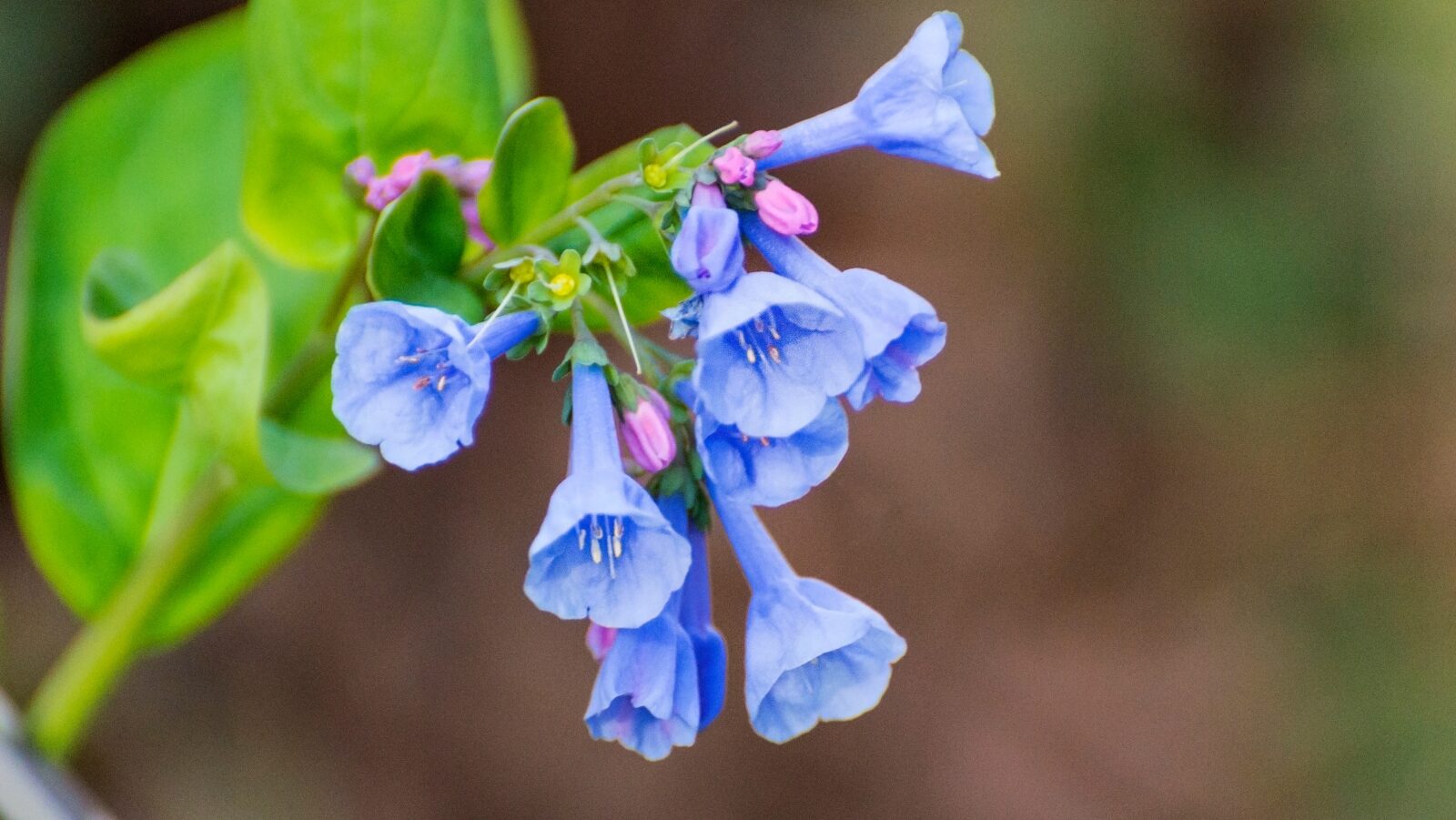
Virginia bluebells are a stunning plant that is perfect for a woodland garden. With their bell-shaped flowers and delicate foliage, they can add a touch of magic to any shady spot. Virginia bluebells are a beautiful shade of blue, making them a great choice for adding a bit of color to your garden.
Virginia bluebells prefer moist, well-drained soil and can tolerate a variety of light conditions. However, they do best in partial to full shade. For a woodland look, try pairing Virginia bluebells with ferns and hostas. Their bell-shaped flowers and delicate foliage will provide a beautiful contrast to the larger leaves of these plants.
7. Japanese Maple

Japanese maple is a beautiful tree that is ideal for a woodland garden. With its delicate leaves and stunning fall color, it can add a touch of elegance to any shady spot. Japanese maple comes in a variety of colors, including red, orange, and yellow, making it a great choice for adding a bit of variety to your garden.
Japanese maple prefers well-drained soil and can tolerate a variety of light conditions. However, they do best in partial shade. For a woodland look, try pairing Japanese maple with ferns and hostas. Their delicate leaves and stunning fall color will provide a beautiful contrast to the larger leaves of these plants.
8. Lungwort
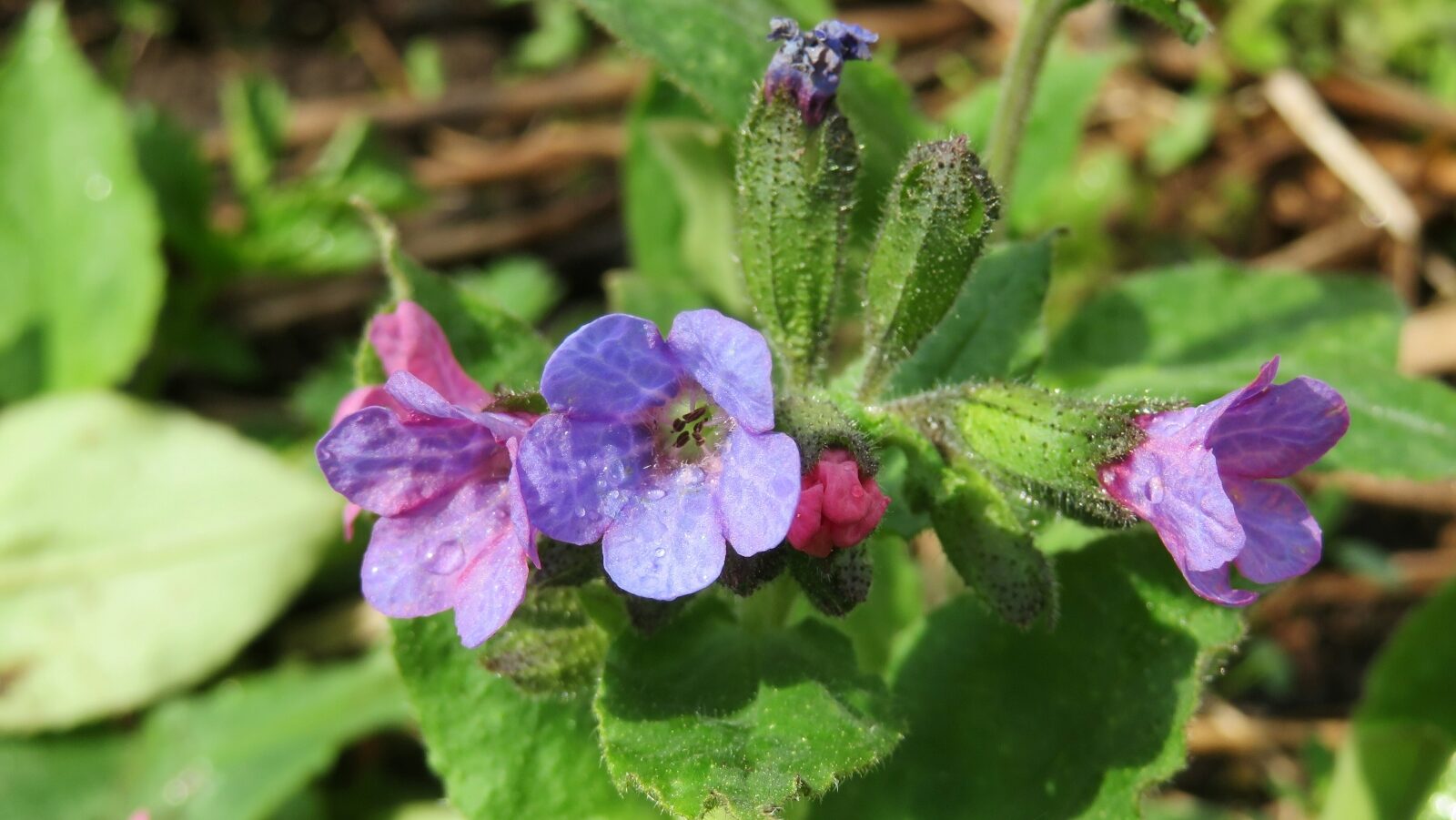
Lungwort is a charming plant that is perfect for a woodland garden. With its spotted leaves and delicate flowers, it can add a touch of whimsy to any shady spot. Lungwort comes in a variety of colors, including blue, pink, and white, making it a great choice for adding a bit of variety to your garden.
Lungwort prefers moist, well-drained soil and can tolerate a variety of light conditions. However, they do best in partial to full shade. For a woodland look, try pairing lungwort with ferns and hostas. Their spotted leaves and delicate flowers will provide a beautiful contrast to the larger leaves of these plants.
9. Solomon’s Seal
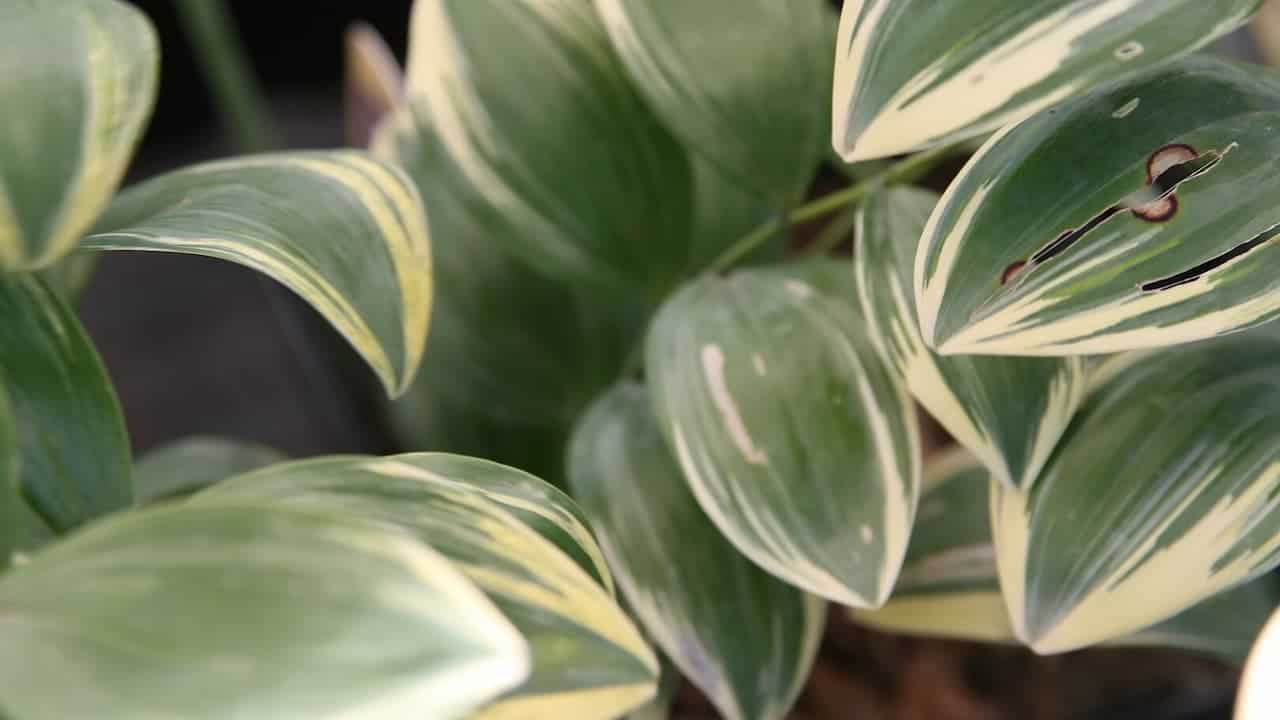
Solomon’s Seal is a stunning plant that is ideal for a woodland garden. With its arching stems and delicate flowers, it can add a touch of elegance to any shady spot. Solomon’s Seal is a beautiful shade of green, making it a great choice for adding a bit of color to your garden.
Solomon’s Seal prefers moist, well-drained soil and can tolerate a variety of light conditions. However, they do best in partial to full shade. For a woodland look, try pairing Solomon’s Seal with ferns and hostas. Their arching stems and delicate flowers will provide a beautiful contrast to the larger leaves of these plants.
10. Hydrangeas

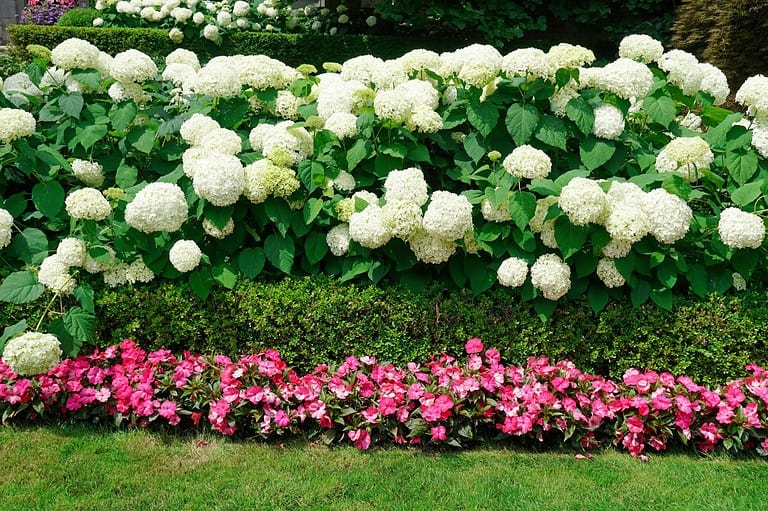
Hydrangeas are a classic choice for any garden. With their large, colorful blooms, they can add a pop of color to any shady spot. Hydrangeas come in a variety of colors, including blue, pink, white, and purple, making them a great choice for adding a bit of variety to your garden.
Hydrangeas prefer moist, well-drained soil and can tolerate a variety of light conditions. However, they do best in partial shade. For a woodland look, try pairing hydrangeas with ferns and hostas. Their large, colorful blooms will provide a beautiful contrast to the larger leaves of these plants.