It’s Time to Plan this Year’s Organic Garden
Making a plan for your organic garden is essential to success. Here are a few things to consider before you put your boots on.

Companion planting is the practice of using complimentary plants to help reduce disease and pests in your garden.
Making a plan for your organic garden is essential to success. Here are a few things to consider before you put your boots on.

Stone fruits like apricots, cherries, plums and peaches are very susceptible to fungal infections. Here are 8 organic strategies for controlling fungi.

The Amish make the most of their farms and gardens, working the land with centuries-old techniques.
Amish Farming and Gardening Secrets and Why They Work Read More »

Square Foot Gardening divides the growing area of a garden bed into a grid in which crops are planted. The method was popularized by author Mel Bartholemew in 1981.

Companion planting is not a new idea or trend. It’s been done for centuries, from kitchen gardens in ancient Persia to modern industrial farm fields.
Companion Planting: Flowers, Vegetables, Herbs and Fruit are Better Together Read More »

You hear a lot about companion planting to deter rodents and pests. But is there any truth to it? Yes, especially in deterring insect pests.
Companion Planting Deters Insects, Mice, Rabbits, and Moles Read More »

Before you introduce harsh chemical insecticides into your soil and into your food chain, consider effective organic methods to keep insects away from your crops and keep your soil and plants healthy.
3 Organic Methods to Keep Insects Away From Your Crops Read More »
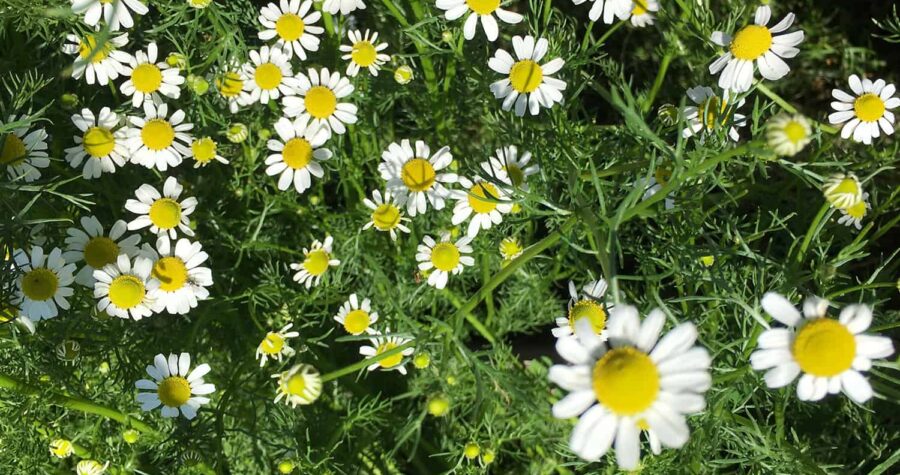
Chamomile may be the easiest herb on earth to grow. Most herbs are pretty simple – plant, prune, contain. Chamomile, with its delicate, apple-like aroma, self-seeds year after year and also happens to be a great host for beneficial insects.