We all know that feeling – opening a drawer, closet, or garage door and being confronted with stuff. So much stuff. Whether it’s inherited items we feel guilty about parting with, purchases that seemed essential at the time, or things we’re keeping “just in case,” our spaces often become repositories for items that no longer serve us.
But here’s the thing: holding onto these items isn’t just about physical clutter – it’s about mental weight too. As someone who’s been on my own decluttering journey, I’ve learned that letting go can be incredibly liberating.
Advertisement
This isn’t about achieving perfect minimalism or getting rid of everything; it’s about thoughtfully evaluating what truly adds value to your life.
Those Just-In-Case Kitchen Gadgets

We all have them lurking in our kitchen drawers – those specialty gadgets we bought with the best intentions. That avocado slicer that seemed revolutionary, the egg separator you used exactly once, or that banana slicer that promised to change your life. I’ve been guilty of holding onto these single-purpose tools myself, convinced they’ll come in handy someday.
But here’s the truth: if you haven’t used these items in the past year, you probably never will. Most of these tasks can be accomplished with basic kitchen tools you already own and love. Your trusty chef’s knife can handle most slicing needs, and a fork works perfectly well for separating eggs. By letting go of these rarely-used gadgets, you’ll free up valuable drawer space and streamline your cooking experience.
Half-Empty Paint Cans From Past Projects

Those partially used paint cans in your garage or storage space represent good intentions and future touch-up possibilities. However, most of us vastly overestimate how much paint we’ll need for touch-ups, and these cans often sit untouched until the paint becomes unusable.
Paint actually has a relatively short shelf life – latex paint typically lasts 2-10 years if properly sealed and stored. Instead of keeping multiple gallon cans, transfer small amounts of paint into airtight glass jars for touch-ups, clearly labeled with the room, color, and date.
Take photos of the paint can labels for future reference, including brand, color code, and finish. The rest can be properly disposed of through your local household hazardous waste facility.
Dated Electronics and Their Mysterious Cords

In the back of your closet or tucked away in a box, there’s probably a collection of outdated electronics and a tangled mess of cords that may or may not belong to them. That old flip phone from 2010, a digital camera that’s been replaced by your smartphone, or charging cables for devices you no longer own – they’re all taking up precious space.
While it’s tempting to keep these “just in case,” technology moves so quickly that most of these items will never be useful again. After backing up any important data, consider responsibly recycling electronics through certified e-waste programs. Many retailers offer trade-in or recycling services, and you’ll feel lighter knowing these items are being properly handled.
Aspirational Craft Supplies
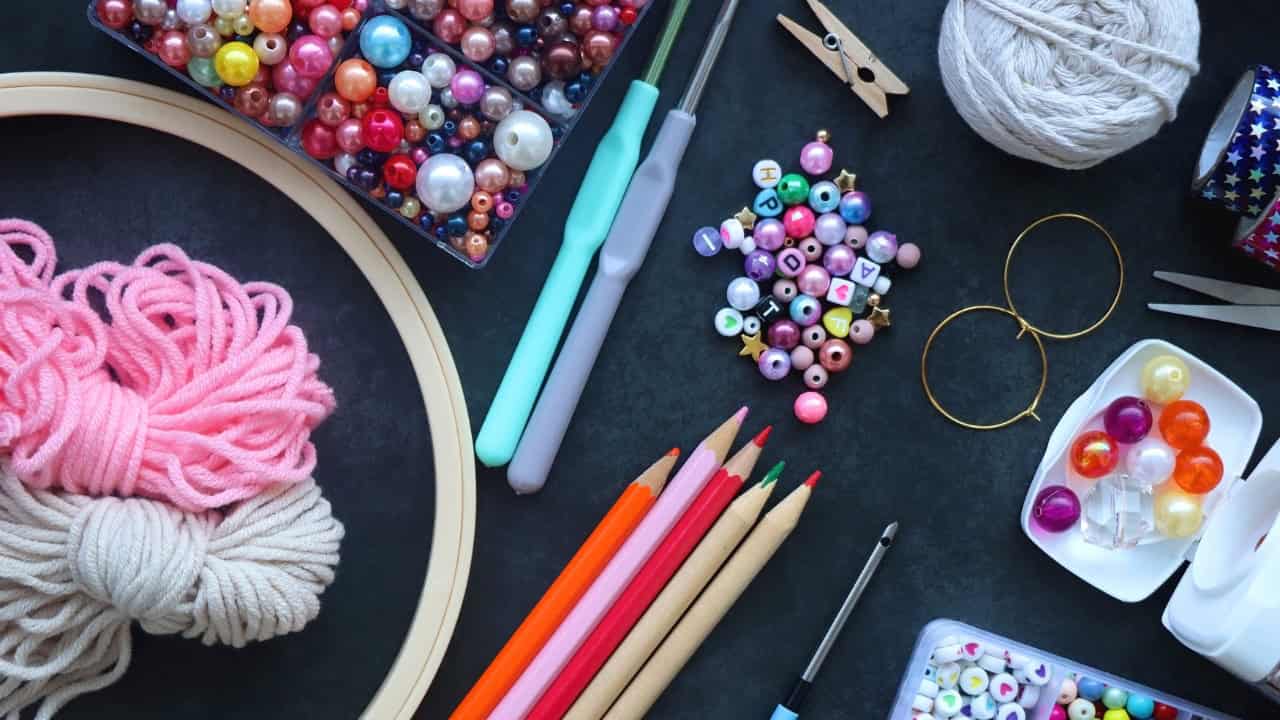
If crafting brings you joy, that’s wonderful! But let’s talk about those supplies you bought for projects you never started. Maybe it’s the yarn for a sweater you planned to knit three winters ago, or scrapbooking materials for albums you haven’t touched. I understand the guilt of letting go – these unused supplies represent creative dreams and good intentions.
However, holding onto them often creates more stress than inspiration. Consider donating these supplies to local schools, community centers, or craft groups where they’ll be put to good use immediately. Keep only the supplies for crafts you actively enjoy and realistically have time for. Your creative space will feel more inviting and purposeful.
“Someday” Clothes That Don’t Fit

We’ve all kept clothes that don’t currently fit, hoping to wear them again someday. While having a few aspirational pieces isn’t inherently bad, hanging onto an entire wardrobe in a different size can be emotionally draining. These clothes often serve as daily reminders of our changing bodies, creating unnecessary stress and taking up valuable closet space.
Instead, focus on loving and dressing the body you have right now. Keep a few special pieces if you must, but consider donating the rest to organizations that can help someone else feel confident today. Your closet should be a place that makes you feel good when you open it, filled with clothes that fit and flatter your current self.
Expired Bathroom Products and Medications

That collection of half-used lotions, expired medications, and sample-size toiletries isn’t just clutter – it could be potentially harmful. Many of us don’t realize that personal care products and medications have limited shelf lives once opened. Those fancy serums and creams can actually become less effective or even harbor bacteria over time.
I recommend checking the PAO (Period After Opening) symbol on your products – it looks like a small jar with a number inside, indicating how many months the product is good for after opening. For medications, check expiration dates and properly dispose of anything outdated through your local pharmacy’s take-back program. Keep only what you actively use and can realistically finish before it expires.
Unfinished Home Improvement Materials
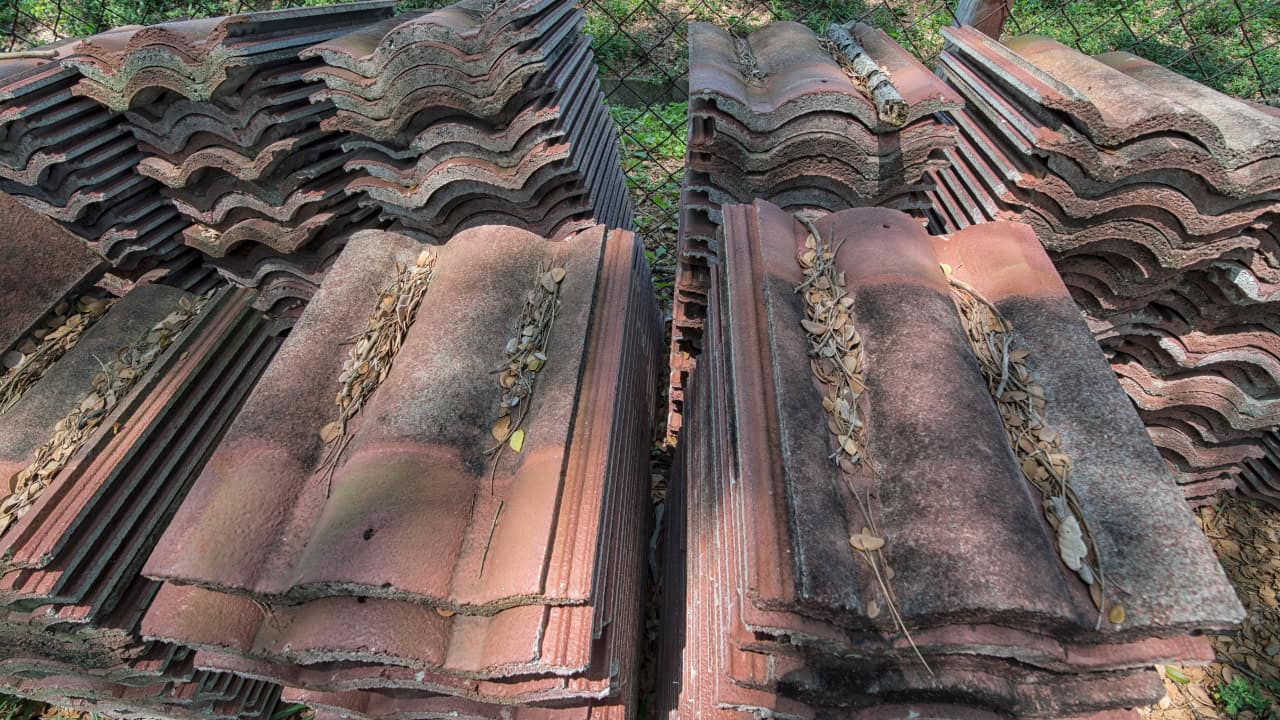
Those leftover tiles from your bathroom renovation, the partial can of wood stain, or that extra roll of wallpaper might seem worth keeping for future projects. However, these materials often deteriorate over time, and styles change quickly. When you eventually need to make repairs, you might find that the saved materials no longer match due to fading or discontinued patterns.
Instead of letting these items gather dust, consider selling or donating them to local buy-nothing groups or habitat restoration stores. Keep detailed notes about paint colors, tile numbers, and other specifications in a home maintenance document instead – this information takes up no physical space but will be invaluable when needed.
Old Papers and Magazines

In our digital age, holding onto physical papers and magazines “for reference” rarely serves us well. Those stacks of magazines you’re keeping for the recipes, decorating ideas, or articles you might want to read again are likely just collecting dust. I’ve learned that if I haven’t looked at something within six months of saving it, I probably never will.
For magazines, consider taking photos of pages you want to keep or finding digital versions online. For important papers, scan and organize them digitally with clear file names and backup systems. Keep only essential original documents like birth certificates and current tax records. The peace of mind from having a clutter-free space far outweighs the theoretical benefit of keeping these papers.
Unused Gift Cards and Store Credits
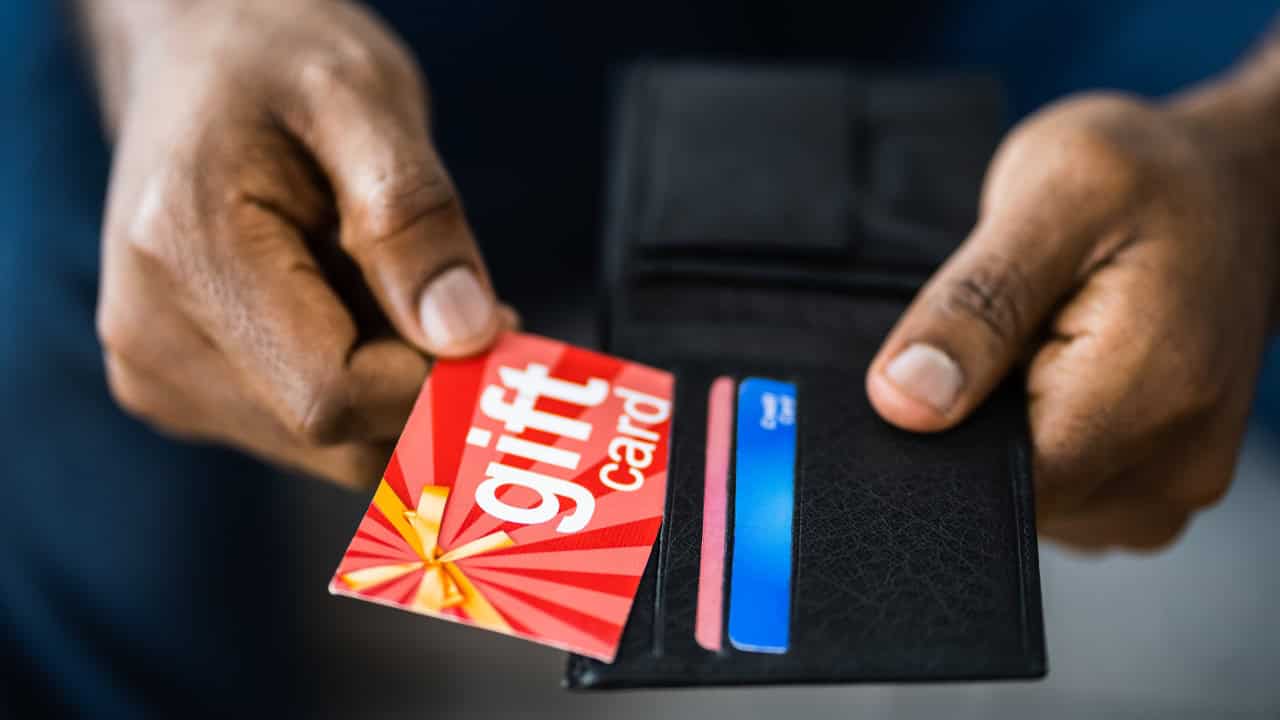
We all have them – those gift cards received with good intentions but never quite right for our needs. Maybe it’s for a restaurant that’s not convenient to visit, or a store that doesn’t quite match your style. While gift cards don’t take up much physical space, they represent both mental clutter and tied-up money.
Many states have laws preventing gift cards from expiring, but that doesn’t mean you should hold onto them indefinitely. Consider selling them through legitimate gift card exchange websites, regifting them to someone who would appreciate them more, or simply making a plan to use them within the next month. Some cards can even be donated to charitable organizations.
Redundant Kitchen Items
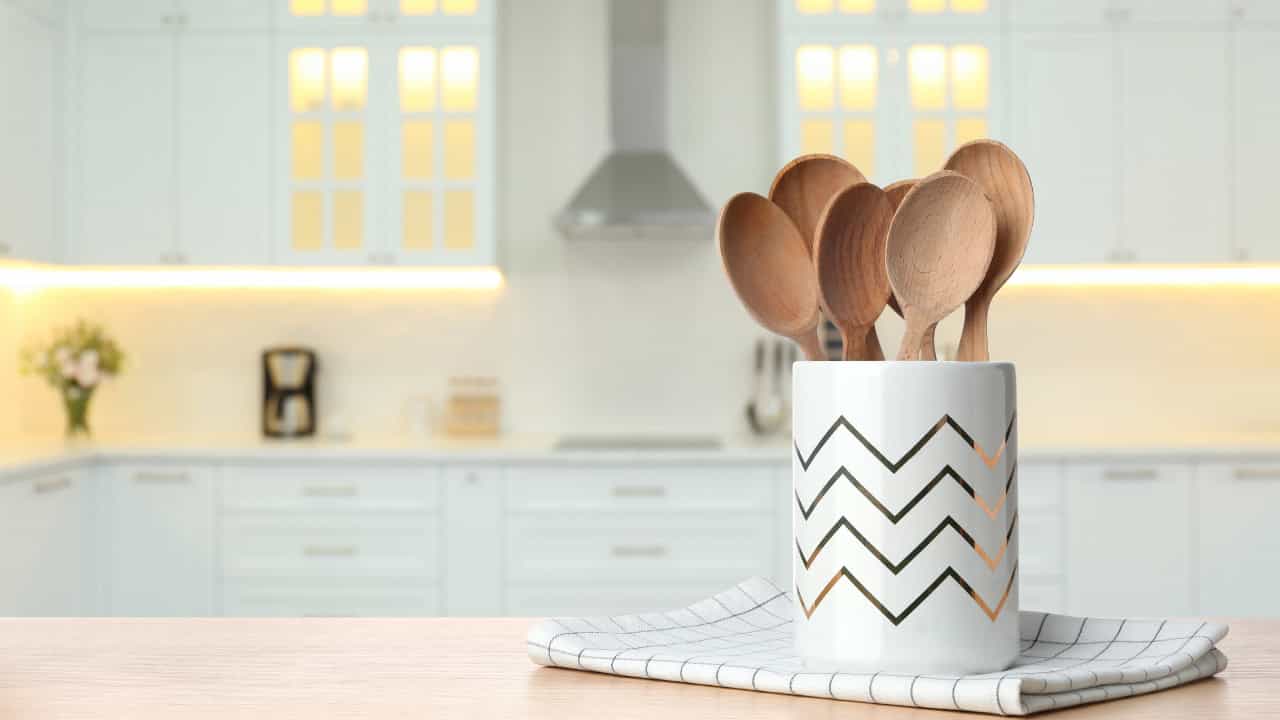
Beyond single-purpose gadgets, many of us have multiples of basic kitchen items that we don’t really need. Those extra measuring cups, the three different can openers, or the collection of wooden spoons that somehow multiplied over the years – they’re all taking up valuable kitchen real estate.
While having backups of frequently used items can make sense, most of us can streamline significantly. Keep your favorites in each category and let go of the extras. I’ve found that having fewer, higher-quality kitchen tools actually makes cooking more enjoyable. Consider creating a donation box for your local shelter or community kitchen, where these items can help others set up their own cooking spaces.
Outdated Reference Materials

Whether it’s old textbooks, outdated travel guides, or computer manuals for software you no longer use, these reference materials quickly become obsolete in our fast-moving world. While books can be wonderful to collect, outdated reference materials serve no practical purpose and take up significant shelf space. Information changes so rapidly that even relatively recent editions can contain outdated information.
Instead of keeping physical copies, rely on online resources for current information, or consider investing in digital versions of essential reference materials. If you have textbooks in good condition, many organizations collect these for students in need, even if they’re a few editions old.
*This article was created with the assistance of AI.