As cannabis legalization spreads across the U.S., rules about home growing vary. Some states fully legalize it, while others impose stricter regulations. This article explores the states that allow home cultivation of recreational and medical cannabis.
Alaska
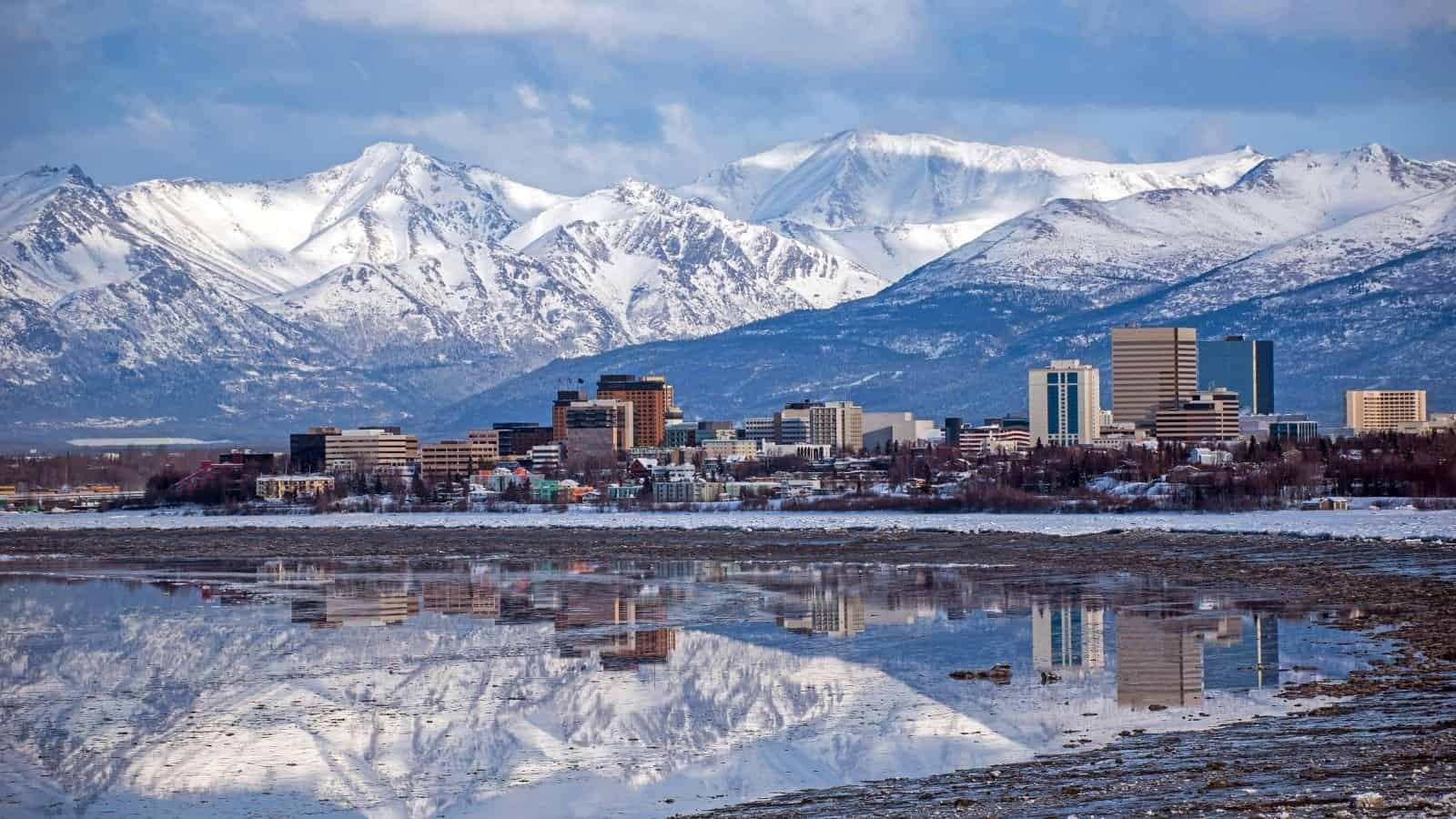
In Alaska, people who are 21 and older can legally grow six cannabis plants for personal use, with no more than three being mature at a time. The state’s regulations, established by Ballot Measure 2 in 2014, permit cannabis cultivation in a private, enclosed space hidden from public view. Possession is restricted to one ounce for recreational use, but up to four ounces are allowed within a private residence.
Advertisement
Arizona

Adults aged 21 and older in Arizona can possess up to one ounce of cannabis. They can also grow up to six plants for personal use, provided they keep the plants in a secure, enclosed space that is not visible to the public. This legalization came into effect on November 30, 2020, following the approval of Proposition 207, which passed with 60% of the vote. Medical cannabis was legalized earlier, in 2010, through Proposition 203. Having more than one ounce but less than 2.5 ounces is considered a petty offense, punishable by a maximum fine of $300.
California

In California, people aged 21 and more are allowed to grow up to six plants of cannabis for personal use plants under Proposition 64. Medical marijuana is also legal, and patients with a doctor’s recommendation can cultivate 12 plants, subject to local ordinances. People who are 18 and above can buy medical marijuana with a physician’s recommendation. Adults can keep up to 28.5 grams of marijuana. Penalties exist for exceeding possession limits, smoking in public places, and within 1,000 feet of a school, daycare, or youth center.
Colorado

In Colorado, individuals 21 and older can legally grow up to six marijuana plants, with no more than three being mature. This is permissible for recreational and medical use after Amendment 64 was passed in November 2012. Public consumption of marijuana, including edibles, is illegal and banned in various public places such as businesses, parks, sidewalks, and ski resorts. Adults can legally possess and use up to two ounces of marijuana. The legal age for medical marijuana use is 18, and for recreational use, it is 21.
Connecticut

In the state of Connecticut, individuals 21 and more are permitted to possess up to 1.5 ounces of cannabis in public spaces and up to 5 ounces within a private residence. Additionally, Senate Bill 1201, effective July 1, 2023, allows adult individuals to cultivate up to six cannabis plants per individual, with a household limit of twelve plants.
Commonwealth of the Northern Mariana Islands
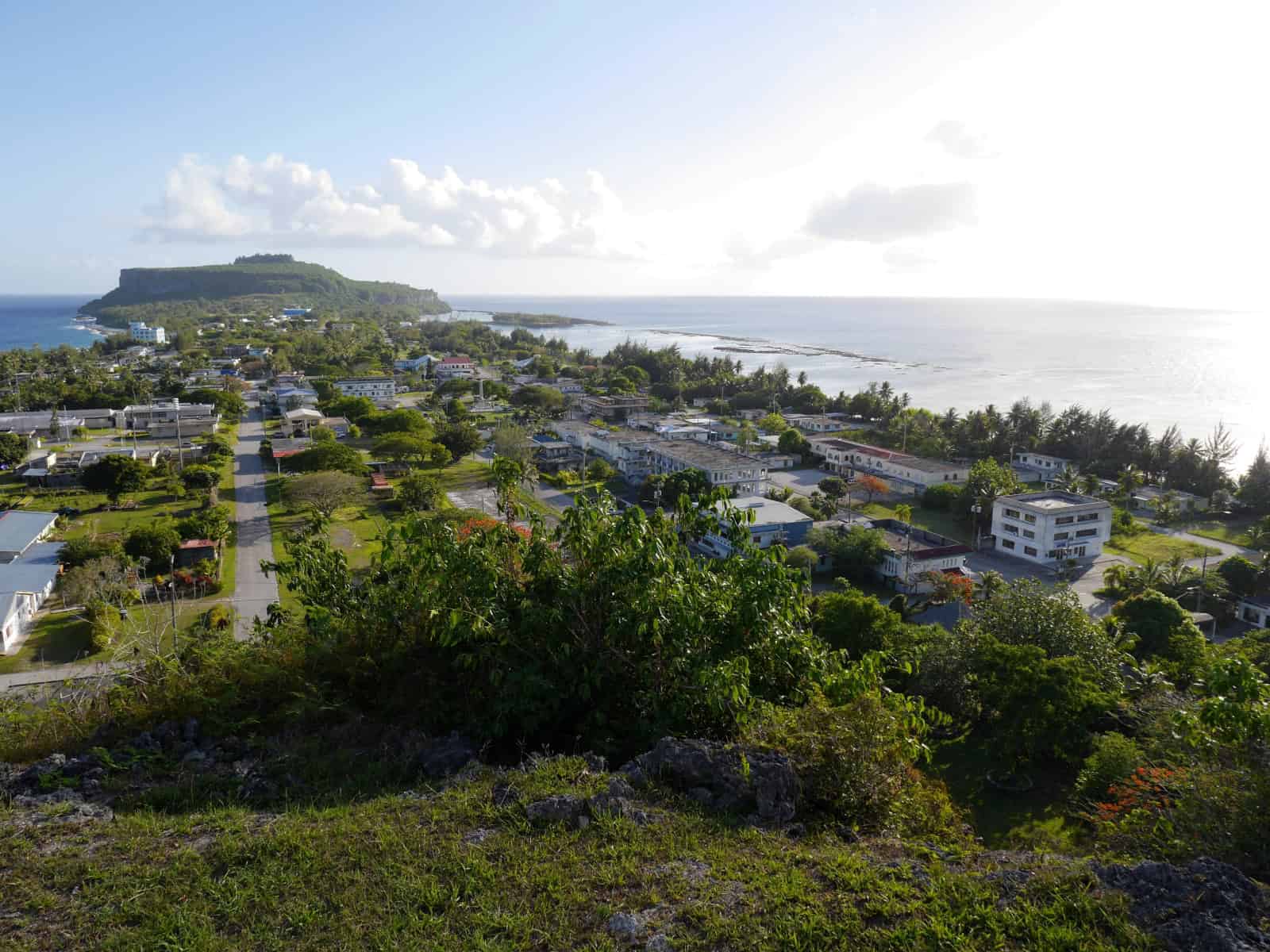
Cannabis is legal for medical and recreational use in the Northern Mariana Islands. The territory legalized adult-use cannabis and medical marijuana in September 2018, and dispensaries opened in July 2021. Under the Taulamwaar Sensible CNMI Cannabis Act of 2018, registered adults can typically cultivate up to six mature and 12 immature plants in one household or cultivation location.
Guam
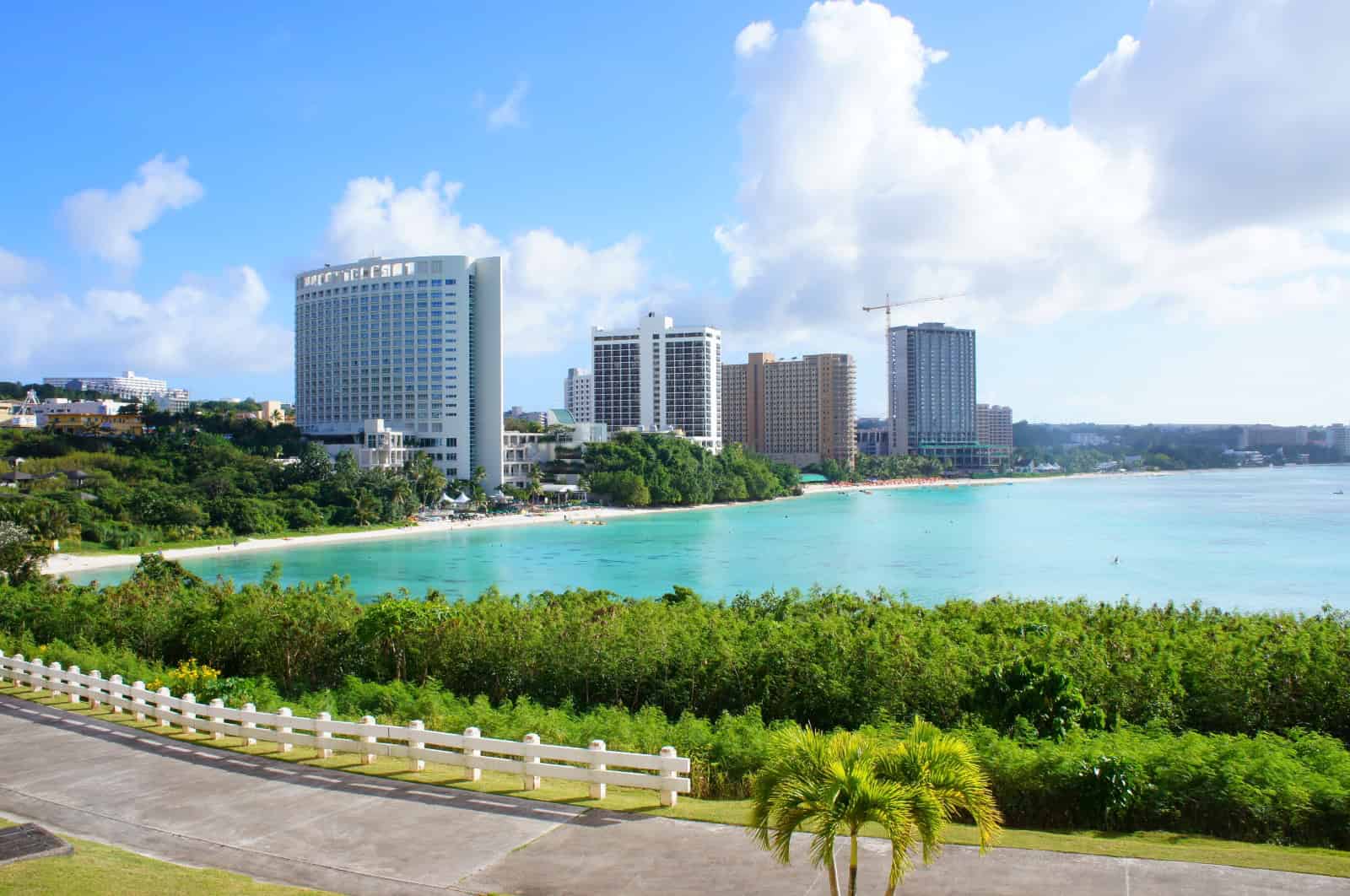
In Guam, adults aged 21 and older can legally possess and transfer one ounce of cannabis flower or 8 grams of concentrates. They are legally permitted to cultivate up to six cannabis plants, with no more than three mature plants, in an enclosed, locked space. Cannabis is legal for medical and recreational use. Additionally, hemp-derived products containing cannabinoids such as CBD and delta-8 THC with .3% THC or less are legal under the 2018 Farm Bill. Despite this leniency, there are penalties for violating possession, distribution, and cultivation limits.
Maine

Maine adults can grow up to 3 flowering, 12 immature, and unlimited seedlings of marijuana plants. They can possess all the marijuana produced by these plants and can legally possess up to 2.5 ounces otherwise. It must be consumed on private property or in a private residence. Medical marijuana is also legal in Maine, allowing patients to possess up to 6 mature plants.
Maryland

In Maryland, voters approved Question 4, legalizing marijuana. Adults can legally possess 1.5 oz of cannabis or 12 g of concentrates and grow two plants. Possession of 1.5 to 2.5 ounces results in civil fines, while larger amounts incur criminal penalties. Adults can also gift up to 1.5 ounces without penalties.
Massachusetts

People aged 21 and older can cultivate up to six cannabis plants at their home, with a household limit of 12 plants. They must keep these plants hidden from public view and ensure they are grown in a locked, secure area. Adults can possess up to one ounce outside the home and store up to 10 ounces inside. Registered medical marijuana patients can grow enough to yield a 60-day supply, defined as 10 ounces of usable marijuana.
Michigan

In Michigan, people who are 21 and older can cultivate up to 12 plants of marijuana at their residence for personal use, provided the plants are not visible to the public. They can keep up to 2.5 ounces of marijuana in their possession outside the home and store up to 10 ounces inside. Marijuana is legal for medical and recreational use. There is no age limit for medical cannabis patients. Penalties for violating marijuana laws vary based on the offender’s age and the amount of marijuana in their possession.
Minnesota

In Minnesota, people over the age of 21 are permitted to keep up to two ounces of cannabis with them. They can also grow up to eight cannabis plants, with a maximum of four being mature. Cultivation must take place at the primary residence of a 21+ adult, and all plants must be grown in an enclosed, locked space not accessible to the public.
Missouri

In Missouri, adults aged 21 and older can legally keep up to three ounces of cannabis and cultivate up to 18 plants for personal use. This includes six flowering plants, six immature plants, and six under 14 inches. The Missouri Department of Health and Senior Services mandates that any marijuana produced more than three ounces must be kept at home and cannot be sold or given away. This law came into effect on December 8, 2022, following the approval of Amendment 3, which also legalized licensed retail sales.
Montana

Montana allows adults aged 21 and older to grow up to 2 mature marijuana plants or seedlings at a private residence, with a household limit of 4 plants. Cultivation at home was legalized on November 3, 2020, and updated by HB 701 in May 2021. Any amount over one ounce must be kept in a locked space and not visible from public view. Cultivators must own the residence or have written permission from the owner.
New Mexico

As of June 29, 2021, New Mexico adults (21 and more) can possess up to two ounces of marijuana legally. The Cannabis Regulation Act (HB 2) allows residents to grow up to six plants per person, or up to 12 plants per house, for personal use.
New York

In New York, individuals 21 and older can legally keep up to 3 ounces of cannabis and 24 grams of concentrates. Each adult can grow up to 6 cannabis plants (3 mature and 3 immature) for personal use, with a household limit of 12 plants. Cannabis is allowed in private homes and most places where tobacco is permitted, except in motor vehicles, private businesses, hookah or cigar bars, and federal property. Sharing cannabis without compensation is legal, but selling or trading it is prohibited.
Nevada

In Nevada, adults not participating in the state’s medical cannabis program can legally grow up to six marijuana plants and possess their entire harvest if they live 25 miles or more from an operating marijuana retailer. No house can have more than 12 plants at any one time. Medical cannabis patients may cultivate up to 12 mature plants, with some restrictions, if they live within 25 miles of a dispensary. Always consult a lawyer, as specific location regulations may vary.
Ohio

Ohio allows adults aged 21 and older to possess up to 70 grams (about 2.5 ounces) of cannabis. Residents can grow up to 6 plants each, with a household limit of 12. Cultivation must be done in a secure, enclosed area such as a closet, room, or greenhouse.
Oregon

Oregon allows residents to grow cannabis plants at home since its legalization for personal use. To ensure responsible cultivation, residents aged 21 and more can cultivate up to four plants per household. These plants must be kept out of public view and secured in a locked area. These regulations help prevent large-scale production and ensure that home growers follow the state’s legal guidelines.
Rhode Island

The Rhode Island Cannabis Act allows residents 21 and older to keep one ounce of cannabis in public and up to 10 ounces in their homes legally. They are also allowed to grow up to six plants, with no more than three being mature, and purchase limited amounts of cannabis.
Washington

Washington state permits residents aged 21 and older to cultivate cannabis plants, with a limit of six plants per household and up to fifteen plants if multiple adults live there. For recreational or medicinal purposes, individuals must be 21 or older, though minors registered in the state’s medical marijuana program can use cannabis under the care of designated caregivers. Adults can keep one ounce of recreational marijuana, while eligible patients may carry up to three ounces of medical marijuana. Licensed individuals and businesses are the only entities allowed to cultivate marijuana, with medical patients permitted to grow up to four plants in their residences.
Vermont
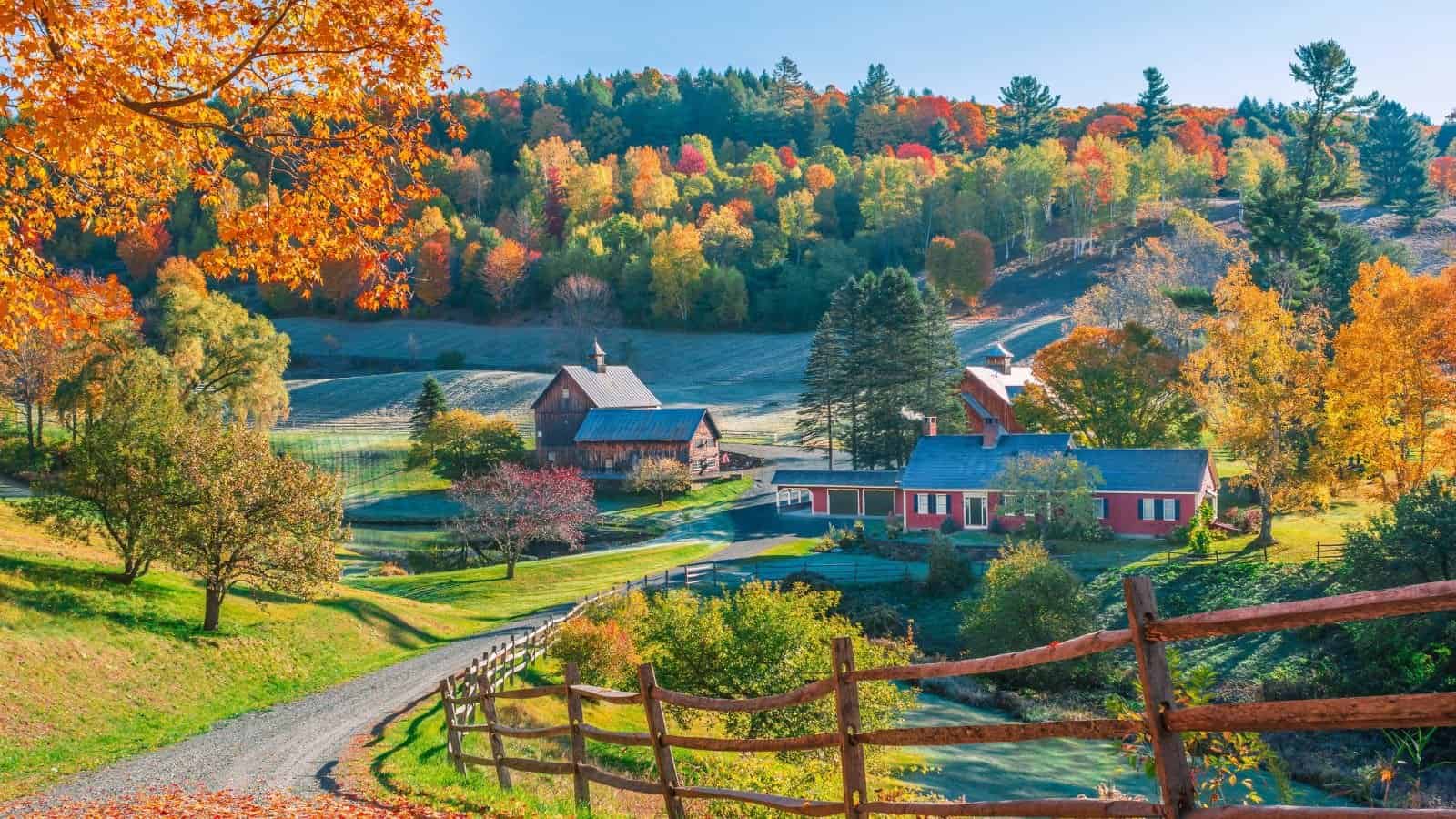
Individuals 21 and older are legally permitted to grow up to six marijuana plants in private, with a maximum of two mature and four immature plants. They may retain all the marijuana produced by these plants. Medical patients in Vermont are allowed to cultivate up to nine plants, but only two of those can be mature.
Virginia

In Virginia, adults aged 21 and older can keep up to one ounce of cannabis outside the home and cultivate up to 4 plants per household in their primary residence. They can legally possess all the harvest from these plants. Currently, only medical users can legally buy cannabis, but retail sales to all adults 21+ are expected to begin soon. An unusual aspect of Virginia law is that each cannabis plant must have a tag with the grower’s name, driver’s license, or state ID number and a note stating the plant is for personal use.