Your home is often your most significant investment, and protecting its value is essential. Many factors can unexpectedly impact how much your house is worth. Understanding these surprising elements can help you take proactive steps to maintain your property’s appeal and value.
From interior design choices to outdoor maintenance, numerous aspects might be diminishing your home’s worth without you realizing it. This article will explore the less obvious ways your house could be losing value. Being informed allows you to make smarter decisions for your property and avoid potential setbacks in the future.
Advertisement
1. Neglected yard maintenance

Your yard plays a crucial role in your property’s appeal. When it’s neglected, it can significantly decrease your home’s value.
Overgrown grass, weeds, and dead plants send a message that upkeep isn’t a priority. Neighbors and potential buyers may view this as a reflection of your home’s condition.
Consider simple improvements like regular mowing, trimming hedges, and removing debris. A well-maintained yard can enhance curb appeal and keep your property’s value intact.
2. Trees too close to the house
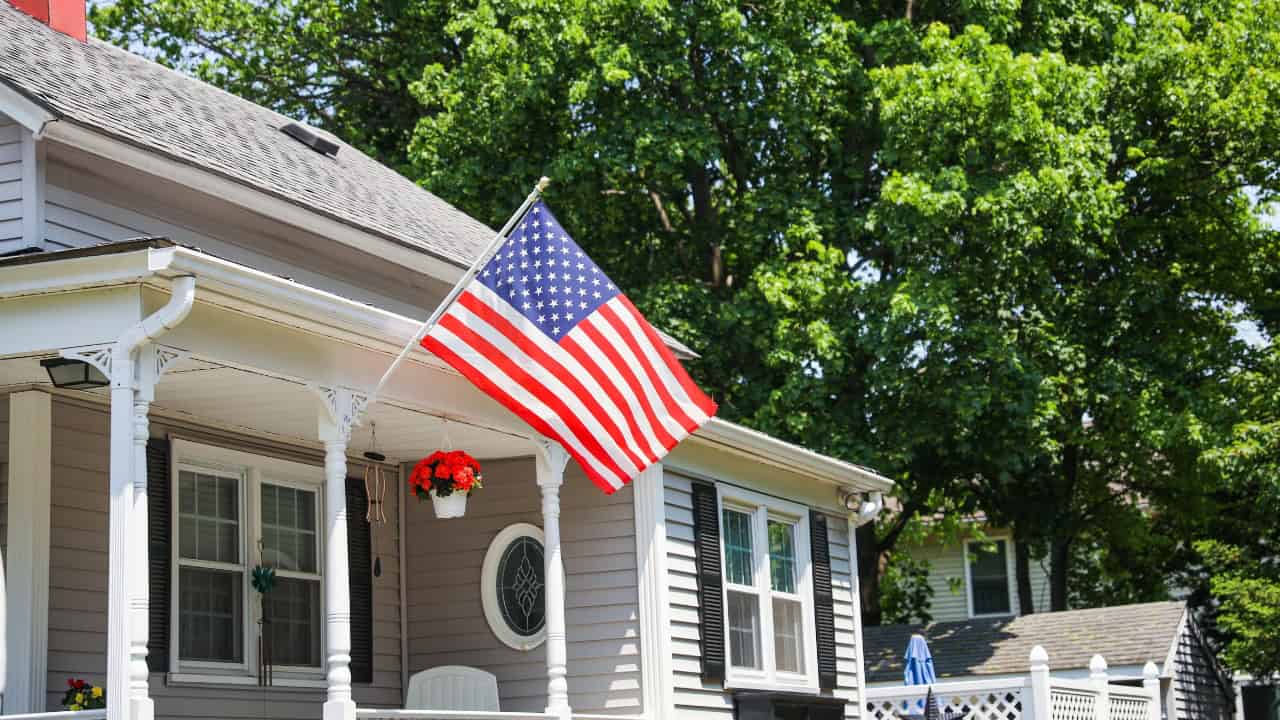
Having trees too close to your house can be a hidden problem. They might look beautiful, but their roots can damage your foundation over time.
If branches overhang your roof, this poses a risk during storms. Falling branches could cause significant damage.
Additionally, some tree species have aggressive roots that spread quickly. This can lead to costly repairs and lower your property value.
Keeping a safe distance—at least 20 feet—is ideal for most trees. Regular maintenance is key to prevent potential issues.
3. Infilled fireplace
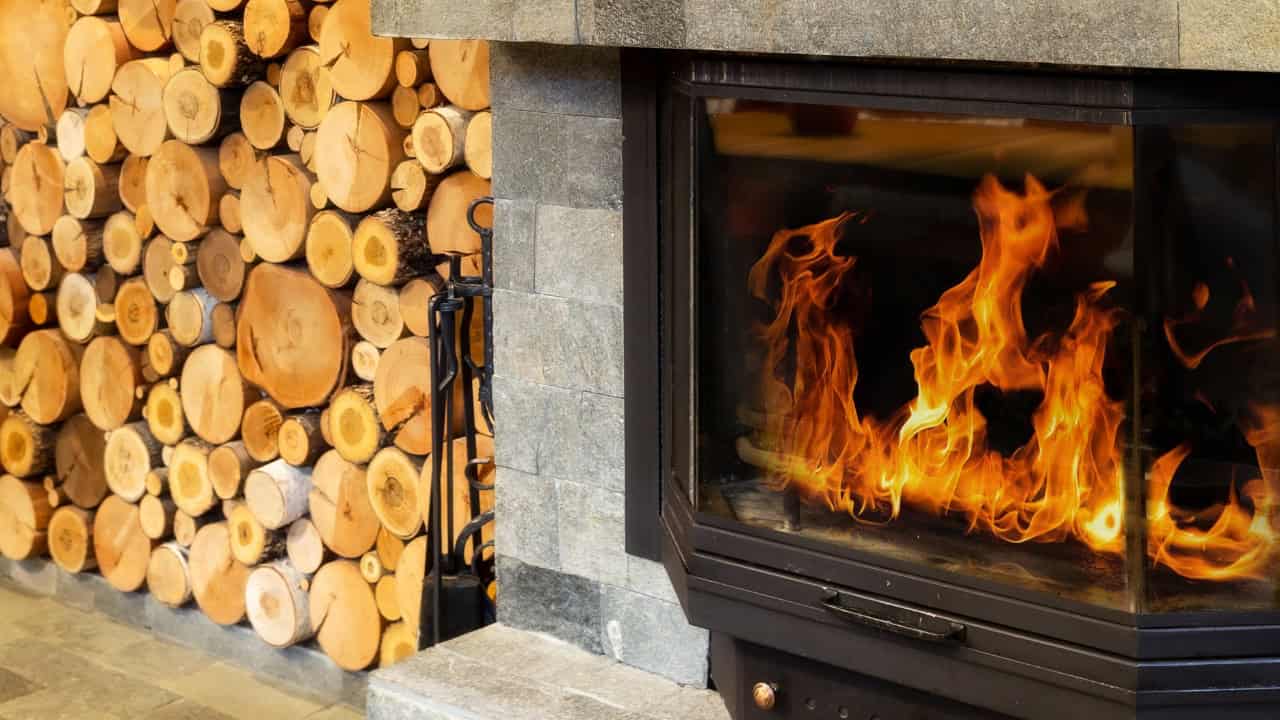
Removing a fireplace or filling it in can seem like a practical choice for some homeowners. However, this decision might affect your home’s appeal and value.
Many buyers see a functioning fireplace as a desirable feature. When you fill it in, it could raise doubts about the home’s ambiance.
If you’re considering this change, think carefully. It might be worth consulting with a real estate agent to understand possible impacts on resale value.
4. Smoking inside the house

Smoking inside your home can significantly impact its value. Research indicates that homes where smoking occurs can lose up to 29 percent in resale value.
The lingering smell of tobacco can be hard to eliminate. It often clings to fabrics, walls, and even air ducts, creating an unpleasant environment for potential buyers.
Many people may be deterred from purchasing a house that shows signs of smoke damage. In fact, a significant percentage of buyers express hesitance about homes with a smoking history.
5. Unhelpful tenants

Having unhelpful tenants can significantly impact your property’s value. If they neglect maintenance or cause damage, it can lead to costly repairs.
Moreover, if your tenants are uncooperative during showings, it may deter potential buyers. Access is crucial when selling a property.
Lastly, unkempt yards or messy interiors might reflect poorly on your home. This can make it harder to sell at a desirable price. Ensuring your tenants understand the importance of maintaining the property is essential for protecting your investment.
6. Neighborhood decline
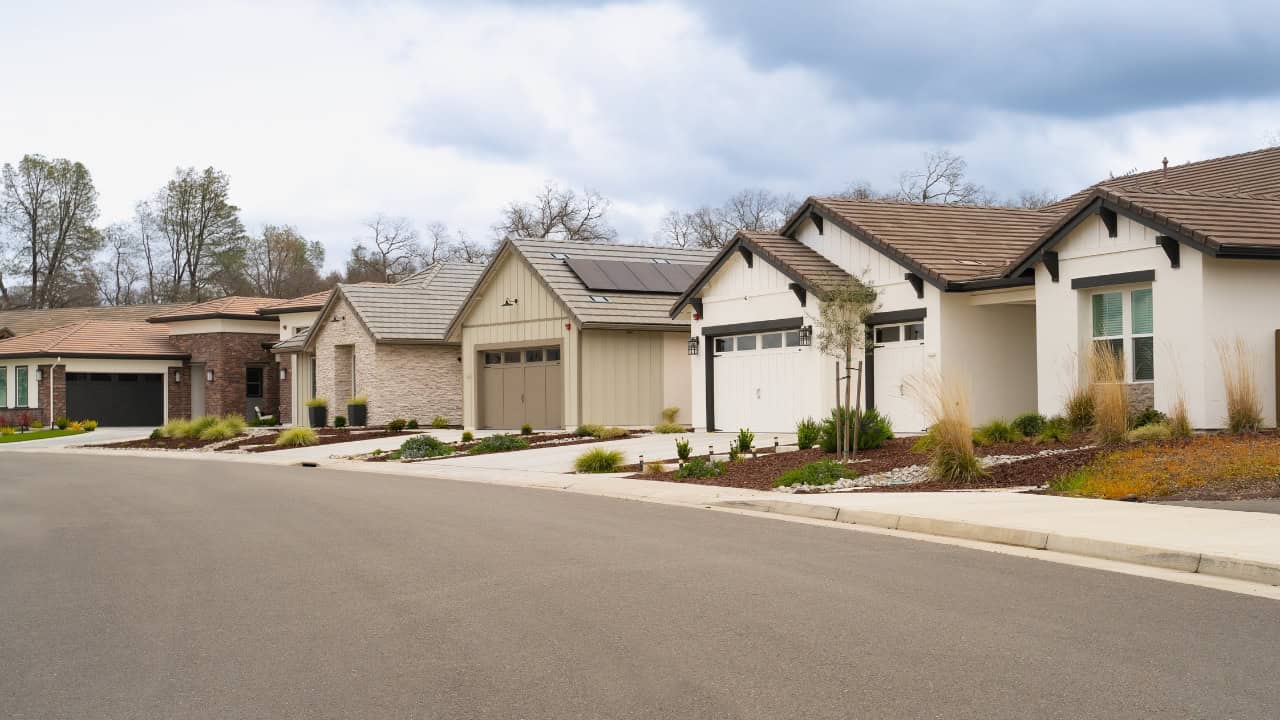
Your home’s value can be significantly affected by the condition of your neighborhood. If you notice increased crime rates or a drop in school performance, it may signal a decline.
A lack of community investment often leads to deteriorating infrastructure and amenities. If neighbors are neglecting their properties, it could also impact your home’s appeal.
Staying informed about your neighborhood’s status can help you make better decisions regarding your property. If you see concerning trends, consider discussing your options with a real estate professional.
7. Deferred maintenance
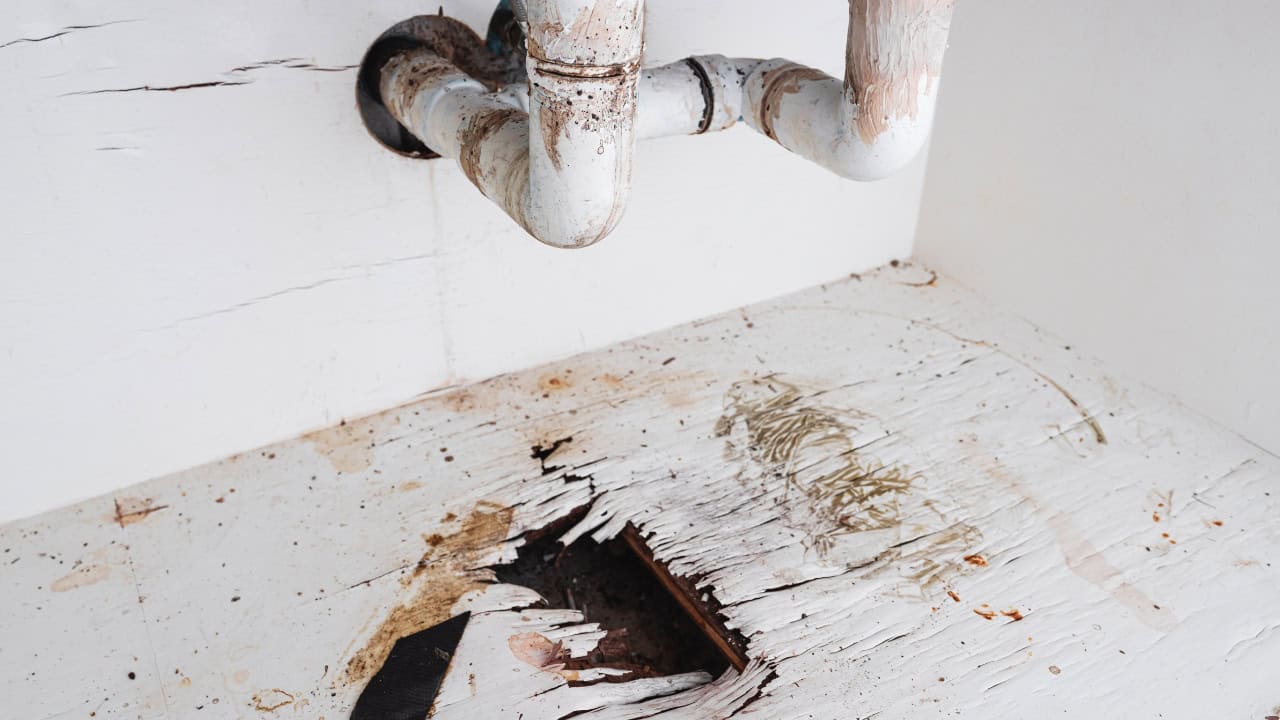
Deferred maintenance can quietly erode your home’s value. When small repairs are ignored, they often lead to larger, more expensive issues.
For instance, a tiny leak under the sink can eventually cause significant water damage. Cracked foundations or rotting wood may result from neglecting minor problems.
Buyers may see deferred maintenance as a signal of potential hidden issues. This may make them hesitant to purchase your property or lead to lower offers.
Addressing maintenance tasks promptly can help maintain your home’s value and appeal. A little attention today can save you money and headaches tomorrow.
8. Climate change impact

Climate change poses a serious risk to your home’s value. A recent analysis suggests that by 2055, up to 84% of U.S. homes could experience a decline in value due to climate-related factors.
These impacts include increased flooding, wildfires, and extreme weather events. Properties in high-risk areas may see significant drops in market value, totaling around $1.5 trillion in losses.
Being aware of these risks is essential for homeowners. Understanding how climate change can affect your property’s worth helps you make informed decisions. Take proactive steps now to protect your investment.
9. Excessive landscaping demands

Maintaining an elaborate landscape can be a burden. If you have intricate gardens or multiple water features, potential buyers might hesitate.
Many homeowners prefer simpler yards that require less upkeep. Features like koi ponds or extensive flower beds can deter interest.
Keep in mind, if your landscaping demands too much time and effort, it may not attract buyers. Focus on a manageable, inviting space to enhance your home’s appeal.
10. Bad neighbors

Living next to troublesome neighbors can affect your home’s value more than you might think. If they neglect their property or have unsightly yards, it can deter potential buyers.
Loud parties or incessant barking from pets can create a negative living environment. This disruption might lead you to reconsider your own home’s appeal.
Being near neighbors associated with crime can seriously impact your property’s marketability. It’s important to be aware of these factors when considering your home’s overall value.
11. Interior clutter

Interior clutter can significantly detract from your home’s appeal. When potential buyers see a space filled with excessive items, it can make rooms feel small and uninviting.
Keeping surfaces tidy and organized allows your home’s features to shine. A clean and spacious environment invites buyers to imagine themselves living there.
To enhance your property’s value, consider decluttering by removing unnecessary items. Aim for a minimalist approach to create a welcoming and open atmosphere throughout your home.
*This article was created with the help of AI.