Your home might look fine on the surface, but hidden issues could be lurking behind the walls, under the floors, or even in the foundation. The problem? Most homeowners don’t notice them until it’s too late—when minor annoyances turn into expensive, full-blown repairs.
If you know what to look for, you can catch these problems early and save yourself a ton of stress (and money). Here are XX sneaky signs that your home might have serious underlying issues you need to deal with ASAP.
Advertisement
1. Cracks in Walls or Ceilings That Keep Growing
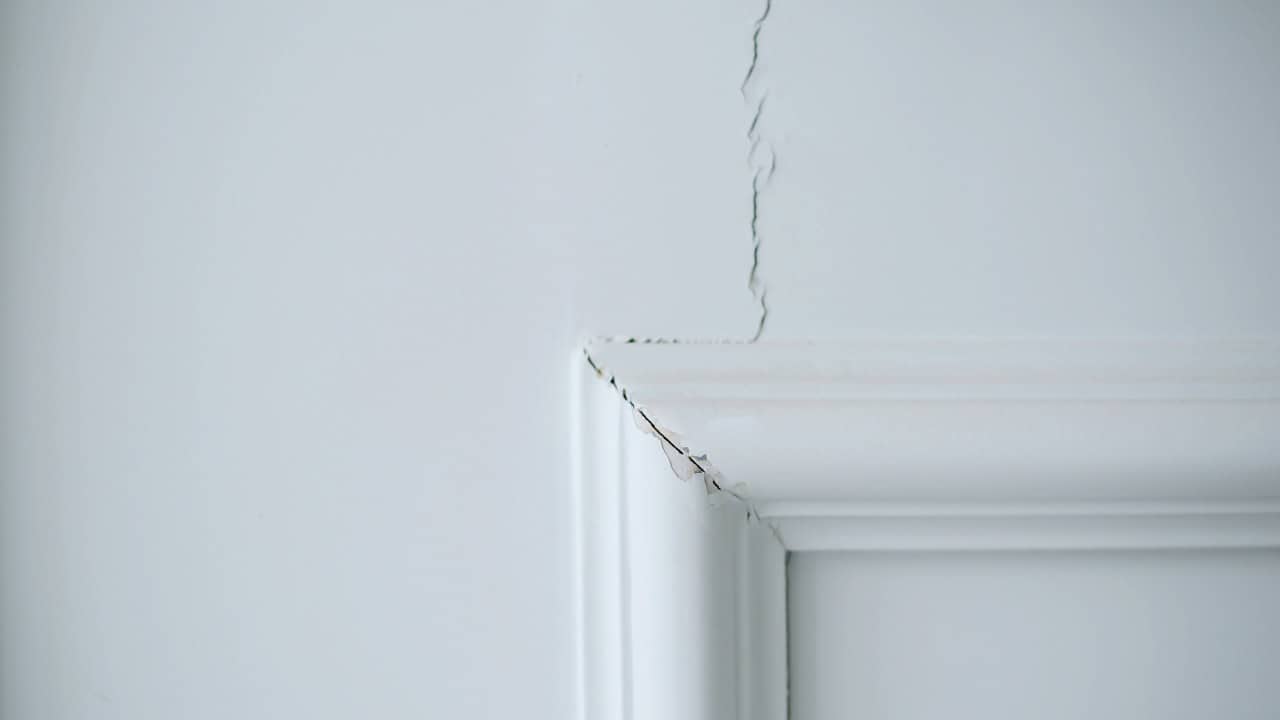
Not all cracks are cause for alarm, but if you notice long, widening cracks in drywall, ceilings, or near doorways, it could mean your home is settling unevenly or has foundation problems.
What to watch for:
- Diagonal cracks near doors and windows.
- Ceiling cracks with sagging drywall.
- Cracks wider than 1/8 inch that keep expanding.
What to do:
- Small cracks? Fill them with spackle and monitor.
- If cracks widen quickly or come with sticking doors/windows, call a foundation expert.
Ignoring these cracks can lead to major structural damage that’s extremely costly to fix.
2. A Musty Smell That Won’t Go Away

If your home has a persistent musty odor, even after cleaning, you could have a hidden mold or moisture problem.Mold thrives in damp, dark places and can cause serious health issues if left unchecked.
What to watch for:
- Odors in basements, attics, or bathrooms.
- Dark stains or discoloration on walls, ceilings, or floors.
- Increased allergy symptoms (coughing, sneezing, headaches).
What to do:
- Check for leaks, condensation, or water damage.
- Use a dehumidifier in damp areas to prevent moisture buildup.
- If mold is visible, have a professional test and remove it—some molds are toxic.
3. Your Floors Feel Bouncy or Uneven
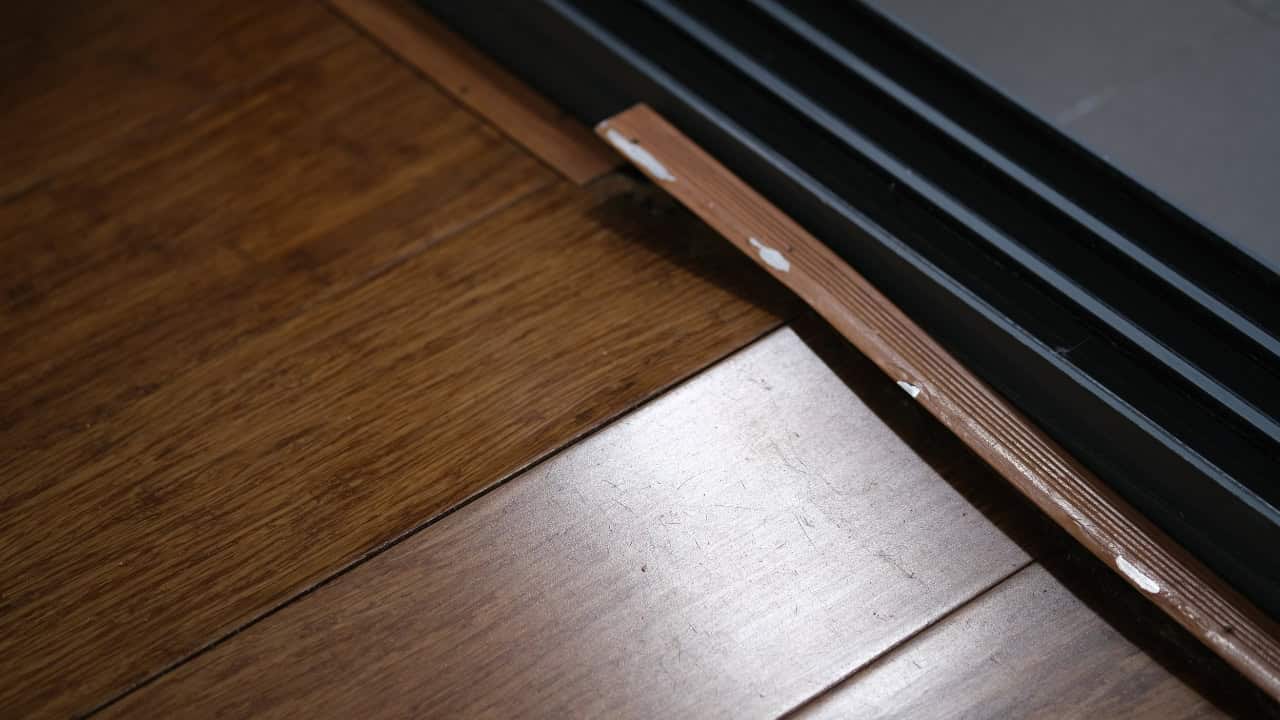
If you walk across a room and notice the floor feels spongy, creaky, or dips slightly, that’s not normal—it could be a sign of rotting subfloors, foundation issues, or termite damage.
What to watch for:
- Floors that feel “soft” or flex when you step on them.
- Uneven floors that slope or dip in certain areas.
- Gaps between the floor and baseboards.
What to do:
- If it’s a minor squeak, adding extra screws or nails might fix it.
- If the problem is widespread, get a professional inspection.
- Look for other signs of water damage or termites in crawl spaces and basements.
4. Water Stains on Ceilings or Walls
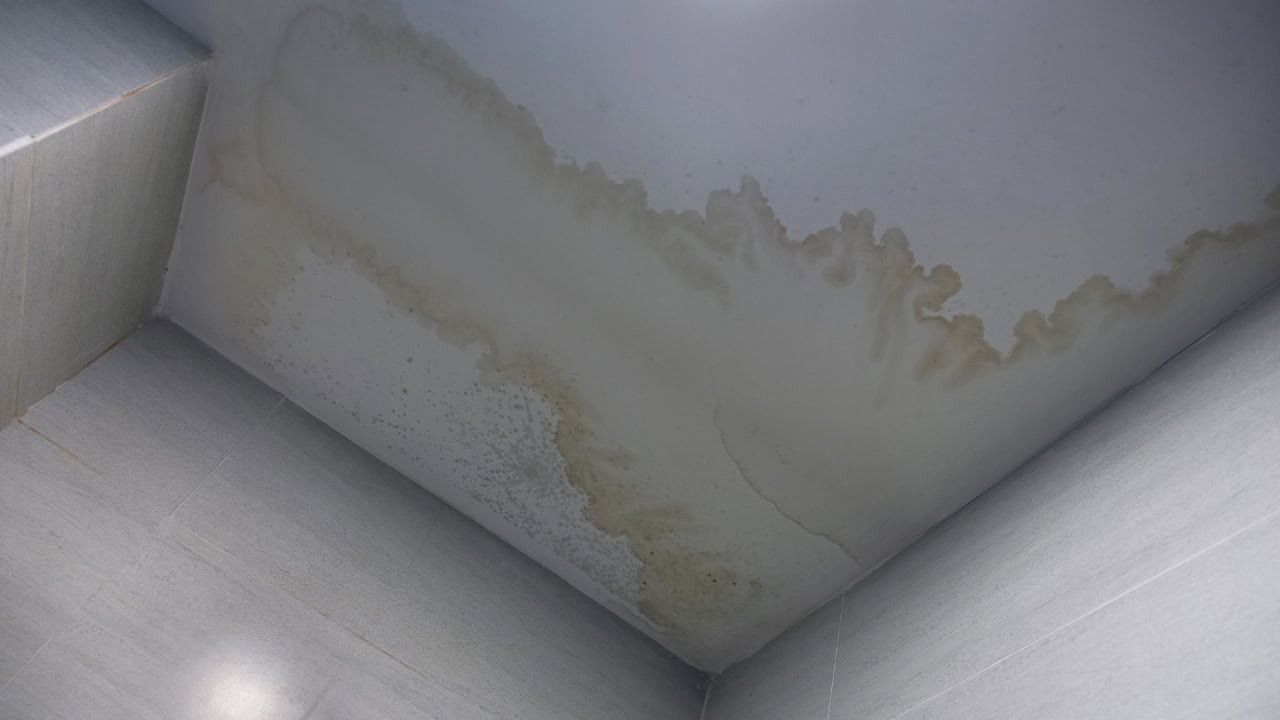
A yellow or brown stain on your ceiling isn’t just an eyesore—it’s a red flag for a leaking pipe, roof damage, or poor ventilation.
What to watch for:
- Stains that grow over time or appear after heavy rain.
- Bubbling or peeling paint near the stain.
- A sagging ceiling, which could mean a leak is saturating the drywall.
What to do:
- Check the roof for missing shingles or damaged flashing.
- Inspect pipes and plumbing connections for slow leaks.
- Don’t just paint over it! Fix the underlying issue first.
Ignoring water stains can lead to mold growth and costly water damage repairs.
5. Doors and Windows Suddenly Sticking

If your doors or windows used to open smoothly but now stick, jam, or don’t close properly, your home could be experiencing foundation movement or humidity-related expansion.
What to watch for:
- Multiple doors sticking at the same time.
- Windows that won’t fully close or have new gaps.
- Cracks forming around window frames.
What to do:
- If it’s just one door, it might be swelling from humidity—adjust the hinges or sand the edges.
- If several doors/windows have issues, have a foundation expert inspect your home.
6. Sudden Spike in Your Water Bill

If your water bill jumps unexpectedly without an obvious reason, you could have a hidden leak.
What to watch for:
- Running water sounds when no taps are on.
- Wet spots on floors, ceilings, or walls.
- Mildew or mold growth in unexpected areas.
What to do:
- Check your toilet tanks and faucets for slow leaks.
- Look for damp areas in the basement or under sinks.
- If you suspect a leak but can’t find it, call a plumber to inspect your pipes.
7. Electrical Outlets That Feel Warm
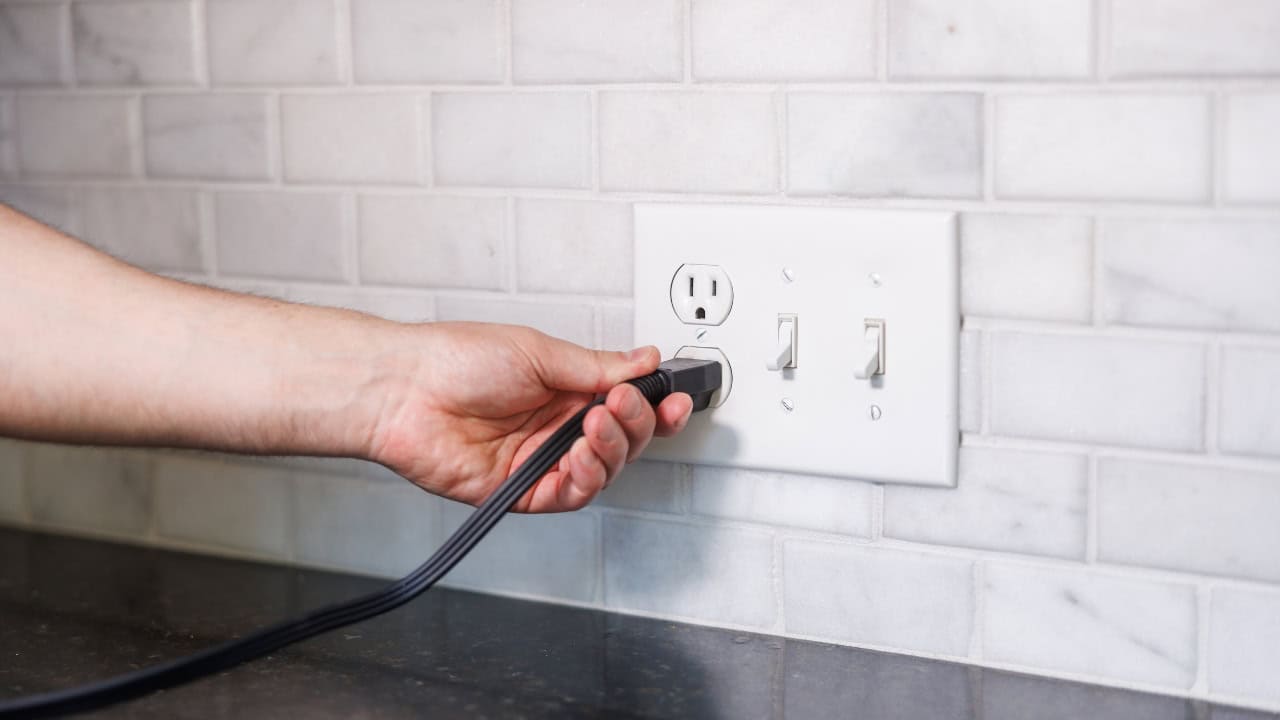
Outlets and switches should never feel hot or warm to the touch—this could indicate overloaded circuits or faulty wiring, which is a fire hazard.
What to watch for:
- Outlets that spark when you plug something in.
- Burning smells or black scorch marks near outlets.
- Flickering lights or tripped breakers.
What to do:
- Stop using the outlet immediately.
- If multiple outlets are warm, have an electrician inspect your wiring.
- Upgrade old or outdated electrical panels if needed.
8. Peeling or Bubbling Paint
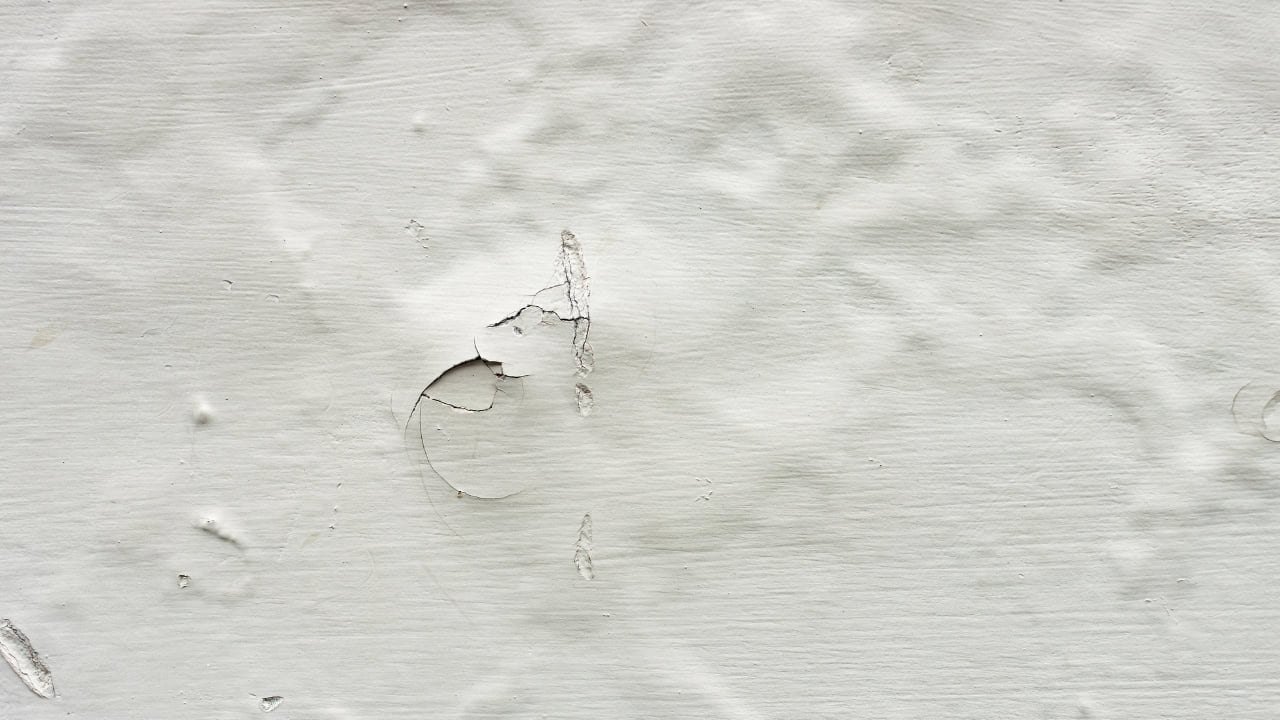
Paint doesn’t just peel for no reason. If you notice bubbling, cracking, or flaking paint, it could be a sign of moisture damage, poor ventilation, or even hidden mold.
What to watch for:
- Peeling on walls near bathrooms or kitchens (a sign of excess humidity).
- Bubbling paint on ceilings or near windows, indicating leaks.
- Cracking paint on exterior walls, which could mean water damage.
What to do:
- Check for leaks, condensation, or excess humidity.
- Use a dehumidifier in moisture-prone areas like basements and bathrooms.
- Repaint only after fixing the underlying issue.
9. Unusual Noises in Walls or Ceilings

If you hear scratching, scurrying, or buzzing sounds inside your walls, you might have pests like rodents, termites, or bees.
What to watch for:
- Sounds that happen at night (rats, mice, squirrels) or during the day (bees, wasps).
- Holes or chewed wires near baseboards or in the attic.
- Droppings or strange smells, which could indicate an infestation.
What to do:
- Set traps for small infestations—if it’s severe, call a pest control expert.
- Seal entry points around windows, vents, and crawl spaces.
- If you suspect termites, schedule an inspection ASAP before they cause structural damage.
10. Low Water Pressure in Multiple Fixtures
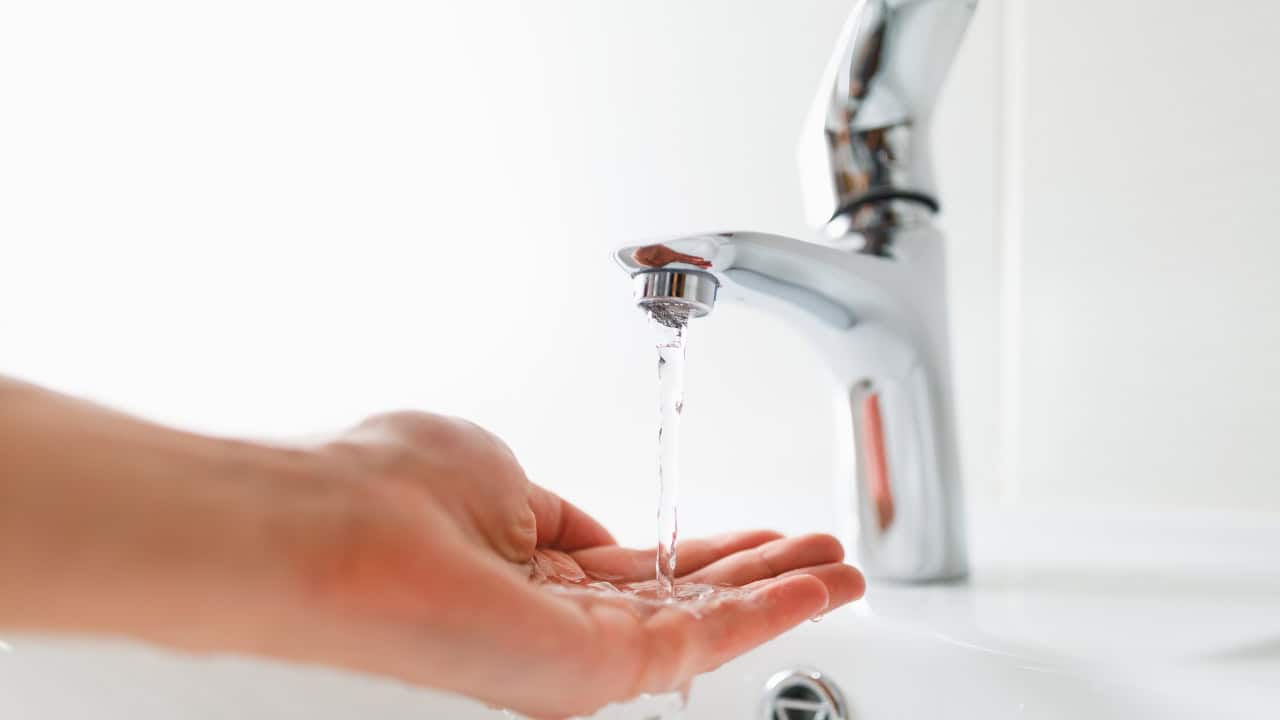
If your shower or faucets suddenly have weak water pressure, you could have a hidden plumbing issue like a blockage, leak, or failing water heater.
What to watch for:
- Low pressure throughout the house, not just one sink.
- Rust-colored water, which could mean corroded pipes.
- A sudden change in pressure, especially after freezing weather.
What to do:
- Check your main water valve to make sure it’s fully open.
- If only hot water has low pressure, your water heater might need maintenance.
- If pressure drops suddenly, check for leaks or call a plumber.
*This article was created with the help of AI.