Not everyone gets the luxury of a personalized landscaped yard or beautiful backyard garden. But just because you may not own your own home doesn’t mean that you can’t still make renting a great experience.
Whether you’re a long-term renter or someone new to the property, we’ve gathered some of our favorite tips from renters across the country to make your time as a tenant more enjoyable.
Advertisement
1. Read the Lease Thoroughly

Reading your lease thoroughly is fundamental for renters to fully understand their rights, responsibilities, and agreement terms with the landlord. This ensures clarity on issues such as rent or rent increases, maintenance, and any potential restrictions, helping to prevent misunderstandings and disputes throughout the tenancy.
2. Document Everything

Documenting the apartment’s condition before moving in provides a paper trail that can be crucial in resolving disputes over security deposit deductions. It safeguards against unfair damages claims that existed before the renter’s occupancy. This is important if you want your security deposit back on vacating the premises. In addition to note-taking, be sure to photograph anything that’s not in working order.
3. Check for Pests

Promptly reporting signs of pests to the landlord enables quick resolution, preventing infestations and ensuring a healthy living space. Timely action is essential to avoid property damage and health hazards.
4. Be Aware of Quiet Hours

While this is probably not a rule per se, respecting your neighbors will benefit everyone in both the short and long term. Mutual respect contributes to a sense of community and reduces the likelihood of any conflict. If you’re going to throw a party, let the neighbors know as a courtesy. You don’t know when you might need them to show the same consideration back.
5. Invest in Renter’s Insurance

We know you’re already paying rent — another bill is not what you need right now. However, renter’s insurance can protect the replacement cost of personal belongings from theft, fire, or other unforeseen circumstances. It provides financial security and peace of mind, ensuring the renter can recover or replace their possessions.
6. Keep a List of Emergency Contacts

Having a list of emergency contacts might seem like a simple tip to share, but trust us, it’s important. Include the landlord, maintenance personnel, and any contacts needed for urgent issues, such as leaks or electrical problems. Having help within arm’s reach helps maintain a safe living environment for your family and other tenants.
7. Know Your Rights

Understanding tenant rights is crucial for renters to assert themselves and ensure fair treatment. It provides a legal framework to address disputes and protects against potential exploitation by landlords. For example, if someone is entering your property with a master key without notifying you first, that violates your rights. If you’re not sure of your rights, you can find them listed by state here.
8. Keep up With Regular Maintenance

While this might seem obvious, some people might not think to call their landlord about things such as a dripping tap. Reporting maintenance issues promptly helps renters maintain a comfortable environment and prevents minor problems from escalating into major — and potentially costly — repairs. Doing your due diligence demonstrates responsibility and care for the rented property. This is good for you and your landlord, as the less they spend on maintenance, the less likely they are to increase your rent.
9. Decorate Wisely

Using removable hooks and adhesive strips for decorating minimizes damage to walls, preserving the condition of the rental unit or house. This promotes a positive relationship with the landlord and avoids potential disputes over property damage. You need that security deposit back!
10. Invest in Security Measures

Enhancing security through additional locks or systems improves the renter’s safety and peace of mind. It can deter potential intruders and add more protection to the rental property. You can look into a product like Addalock — a portable security lock that fits over the current one in your apartment. As long as your door is hinged and swings inwards, the small investment is worth it.
11. Get Rent Receipts

Requesting and keeping rent receipts is crucial for record-keeping and proof of payment. It safeguards against disputes over missed or late payments and is essential for financial accountability. Sure, you might have a record on your bank statement, but keeping a digital or physical copy of receipts with dates makes it a lot easier to find.
12. Review Pet Policies

Some landlords have a strict no-pet policy. Make sure you understand and adhere to pet policies in the lease. If you’re considering getting a pet after moving in, clear it with the landlord first. It ensures a smooth living experience, avoids potential conflicts, and helps maintain the overall well-being of the rented property.
13. Check With Your Landlord Before Making Major Changes

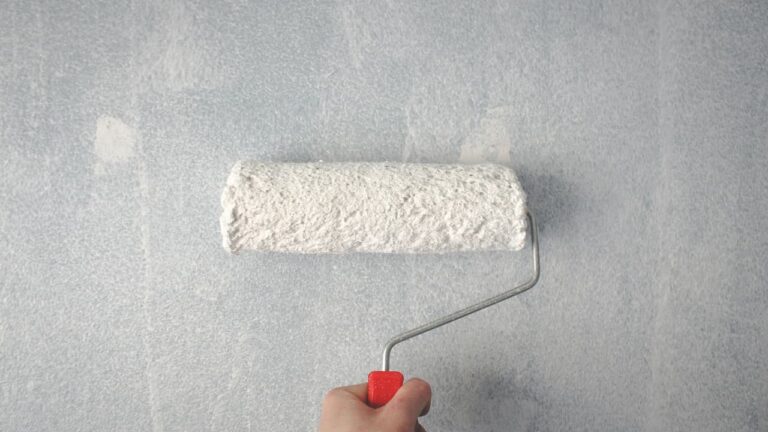
While we mentioned decorating before, this is a little different. If the place you’re renting really could do with some livening up, plenty of TikTok videos suggest things such as painting one wall, updating taps or hardware, or decorating with contact paper. Whatever you do, check with your landlord first. Putting contact paper on a lackluster kitchen bench might seem enticing, but it could worsen things if not appropriately applied.
14. Make Use of Freestanding Shelves

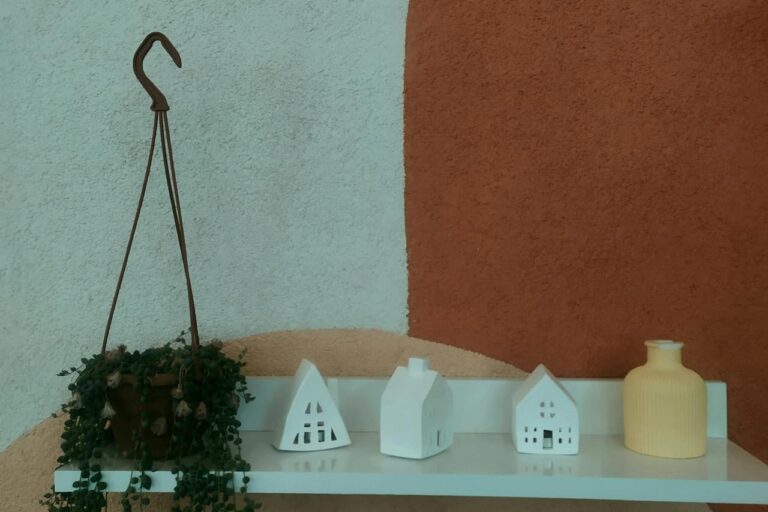
We’ve all seen those student accommodations with the interior decorating style of a dumpster — the ones with a mattress and TV on the floor. If you’re after something a little more classy, consider freestanding shelves. They won’t damage the walls, and you can add a personal touch to the decor.
15. Communicate With Your Landlord

Open communication with your landlord is vital for addressing concerns promptly. Determining whether they are easy to communicate might be something you can figure out before applying for the property. If a landlord shows any red flags, you may want to consider a different property.