I’ve always loved having houseplants around, but it can be so disheartening when they start to fade away despite my best efforts. There are often surprising factors at play that could be causing your plants to struggle more than you realize.
From overwatering to incorrect lighting, many issues can creep in without me noticing. Knowing these unexpected reasons can help me take better care of my green companions and keep them thriving for longer.
Advertisement
1. Too much love: Overwatering problems

I’ve learned the hard way that giving my houseplants too much love can backfire. Overwatering is a common mistake that can lead to root rot and other issues. When I water too frequently, the soil can become waterlogged.
Plants like peace lilies, which I adore, may show droopy leaves as a sign of distress from excess moisture. I’ve found that it’s essential to let the top layer of soil dry out before watering again. Each plant has its own watering needs, so I now pay closer attention to what they require.
2. Ignoring plant personalities: Match plant type to home
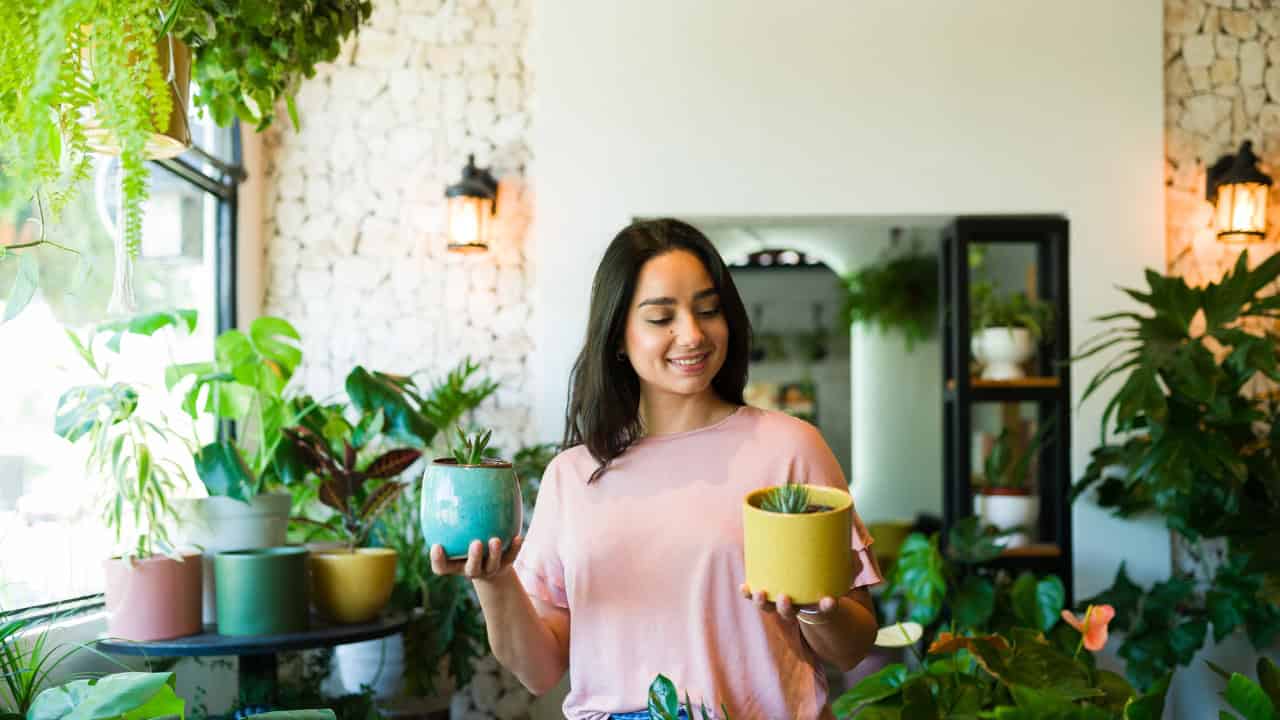
I’ve learned that choosing the right plant isn’t just about aesthetics. It’s important to consider the unique personality traits of both the plant and myself. Some plants thrive on neglect, while others need constant care and attention.
For example, I find that low-maintenance plants suit my busy lifestyle. I love the easy-going plants that don’t demand much from me. On the flip side, if I pick a high-maintenance plant like a Fiddle Leaf Fig, I’ll likely end up frustrated. Matching plants to my habits has made a big difference. It’s all about finding harmony between us. This approach keeps my plants happy and thriving.
3. Temperature tantrums: Keep it cozy

I’ve learned that houseplants can be pretty picky about temperature. If it’s too cold or too hot, they let me know by drooping or turning yellow. I always try to keep my plants away from chilly drafts or direct heat.
It’s best to maintain an environment that feels comfortable for me, usually between 65°F and 75°F. Sudden changes can shock them, so I pay attention to where I place my pots. Keeping my plants cozy has definitely helped them thrive better.
4. Humidity hiccups: Raise moisture levels

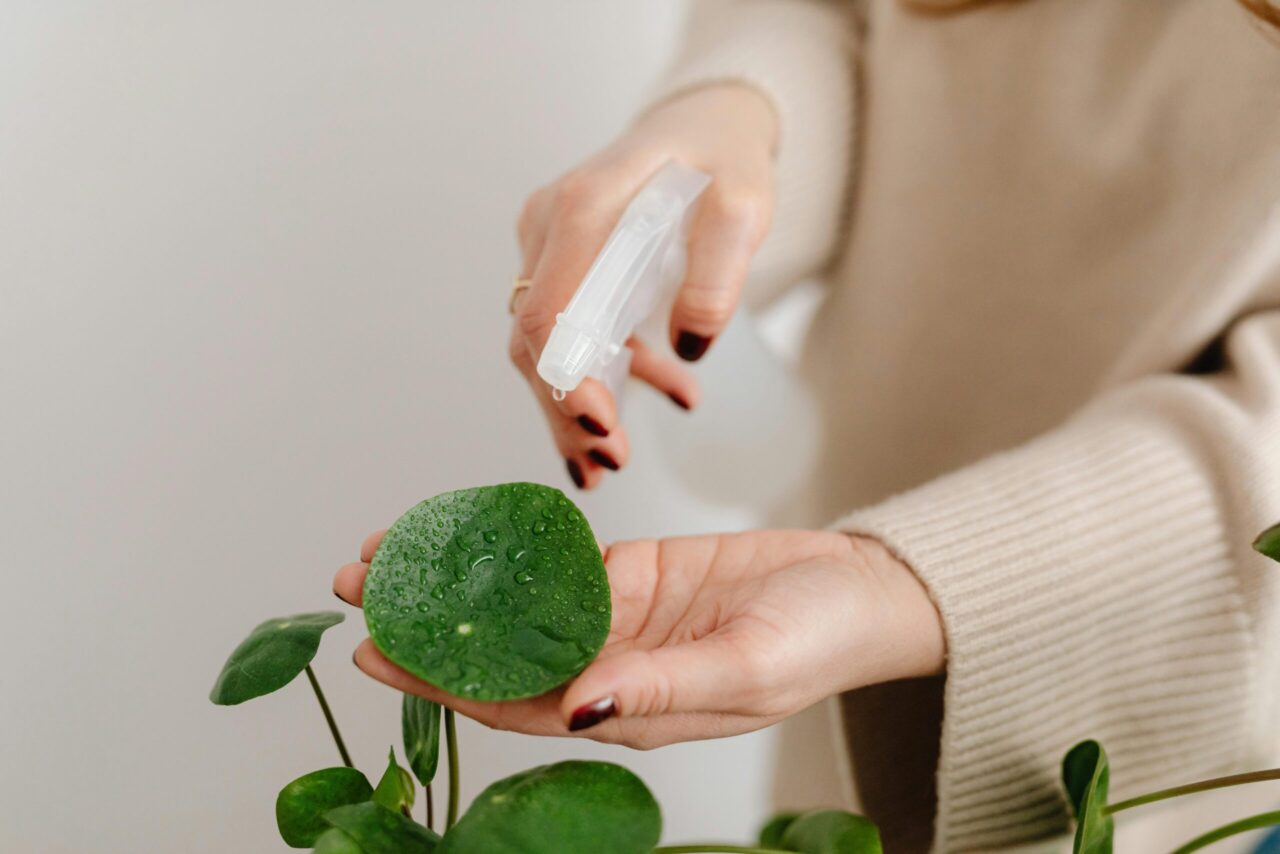
I’ve noticed that humidity levels can really impact my houseplants. When the air is too dry, plants can suffer, leading to brown leaf tips and crispy edges. It’s a common issue, especially in winter or in dry climates. To boost humidity, I often group my plants together. This creates a mini microclimate that helps retain moisture.
I also use pebble trays filled with water under my pots. As the water evaporates, it raises the humidity around my plants. Another trick I’ve used is placing a humidifier nearby. This can maintain an ideal moisture level, especially for tropical plants. Sometimes, I even cover my plants with clear plastic for a short time to create a humid environment.
5. Lighting faux pas: Incorrect light placement

I’ve learned that lighting is crucial for my houseplants. If I put them in the wrong spot, they can suffer. Some plants need bright, direct light, while others prefer a shady area. I’ve made the mistake of placing plants too far from windows. That’s a common issue.
Grow lights can help if natural light is limited. I’ve found that a south or southwest-facing window is often ideal for sun-loving plants. Understanding each plant’s specific light needs can make a huge difference, so I pay close attention to those requirements!
6. Soil disaster: Wrong soil mix

I’ve learned the hard way that using the wrong soil can be a plant’s worst nightmare. Each type of plant has its own preferences. For instance, succulents need a gritty, fast-draining mix, while ferns thrive in moisture-retentive soil. If I use a generic potting mix, my plants often struggle.
Poor drainage can lead to root rot, while soil that dries out too quickly can stress out my plants. I’ve found that specialized mixes can make a big difference. Choosing the right soil not only supports growth but also keeps my plants looking vibrant. Making this small change has helped me keep my houseplants alive and thriving!
7. Nutrient negligence: Lack of fertilizers
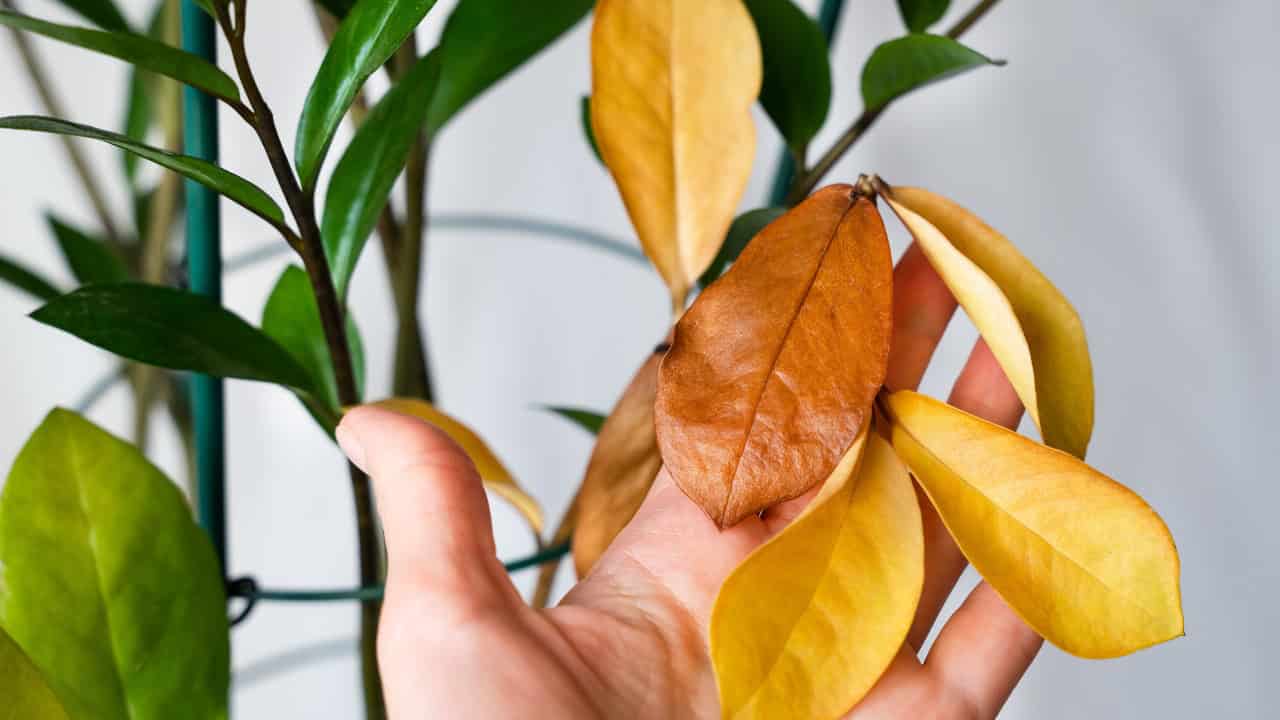
I’ve learned that a lack of essential nutrients can really harm houseplants. If I forget to fertilize, my plants often show signs of stress. Yellowing leaves are a telltale sign they’re missing nutrients. For instance, a nitrogen deficiency can turn leaves yellow, while phosphorus deficiency may cause purple hues.
Using a balanced fertilizer can help keep my plants healthy. I make sure to check the nutrient mix and adjust it based on the specific needs of each plant. It’s easy to overlook this aspect, but a little attention can go a long way in keeping my green friends thriving!
8. Pest invasion: Unwelcome bugs


I’ve learned the hard way that pests can wreak havoc on my houseplants. Aphids are often the first I notice. These tiny bugs love to munch on new growth and can seriously stunt a plant’s development.
Then there are spider mites. I’ve seen their fine webs appear like a bad hair day on my plants. They cause leaf discoloration and can lead to leaf drop if not treated.
Mealybugs have taken residence in my home, looking like little cotton balls. They suck the sap from my plants, resulting in unhealthy growth.
Fungus gnats seem harmless but can damage roots by laying eggs in the soil. Keeping an eye out for these pests has become part of my plant care routine.
9. Wrong pot size: Root-bound plants

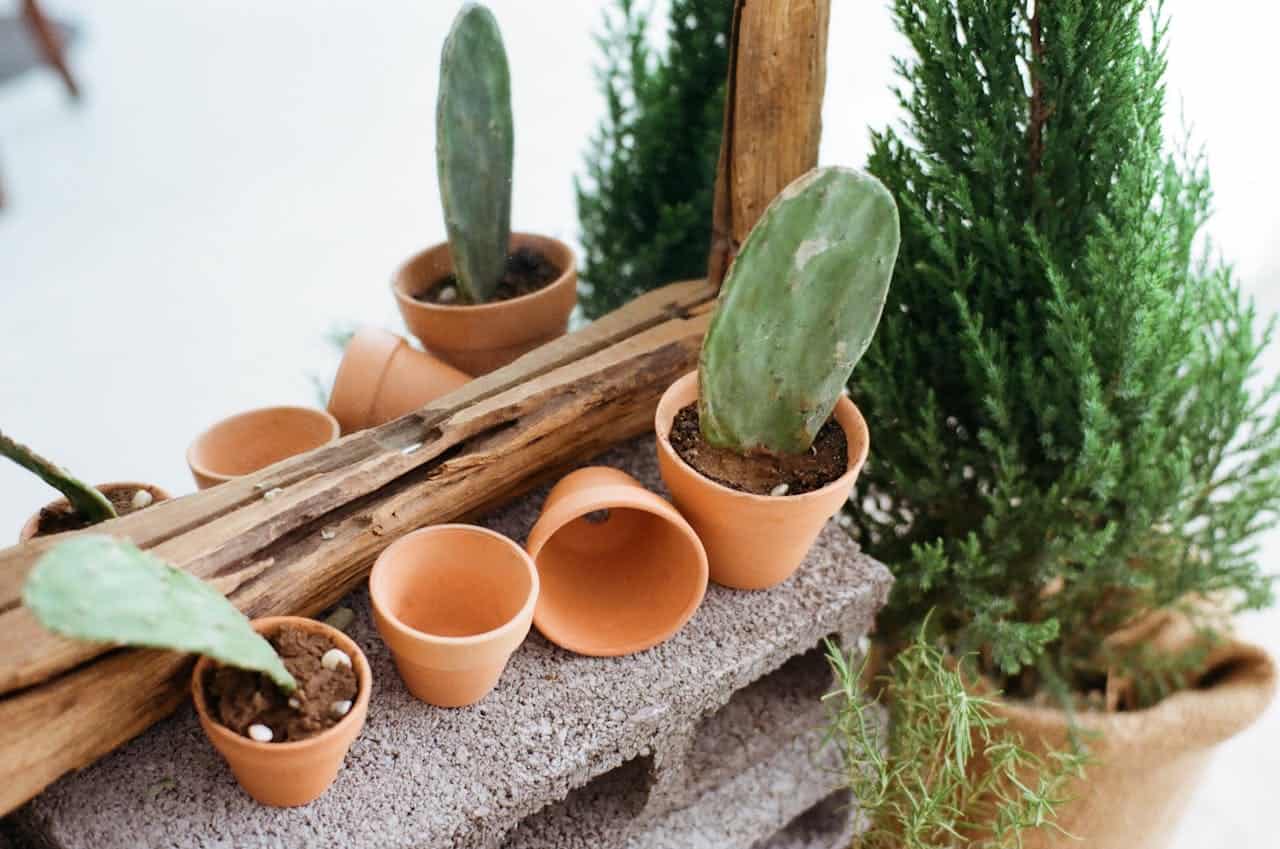
I’ve learned that using the wrong pot size can really affect my houseplants. When a pot is too small, the roots can become root-bound, which means they circle around the pot and can’t grow properly. Root-bound plants often struggle to absorb water and nutrients. I noticed that plants in smaller pots grew slower and looked unhealthy.
Repotting them into a larger container helped them thrive again. I make sure to check the pot size regularly. If I see roots pushing through the drainage holes, it’s time to move my plant to a bigger pot. It’s a simple change, but it can make a big difference!
10. Seasonal sadness: Weather adjustments
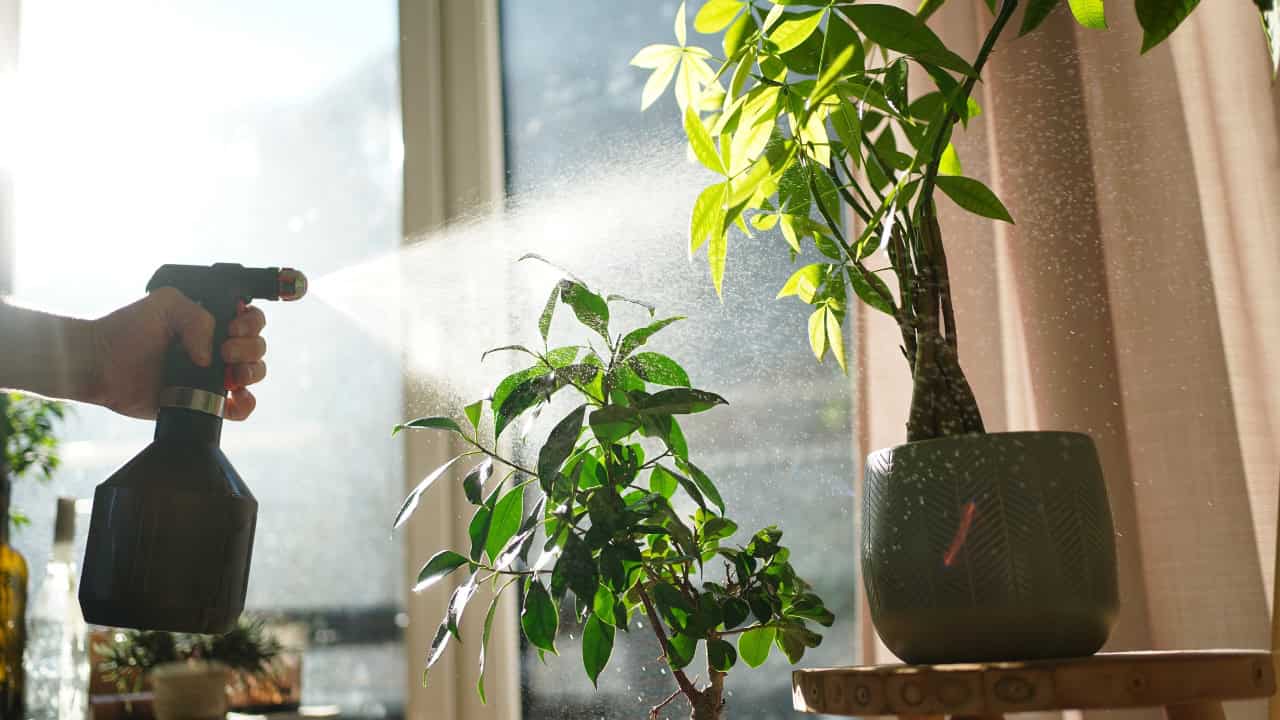
I’ve noticed that my houseplants sometimes struggle when the seasons change. They’re not just about light and water; temperature plays a big role too. In winter, for example, the dry air from heating can be tough on them.
I make sure to check the humidity levels and mist my plants regularly. I’ve learned that moving them away from cold drafts or direct heat sources helps my plants stay happier. Paying attention to these small changes can really make a difference.
11. Root rot: Poor drainage

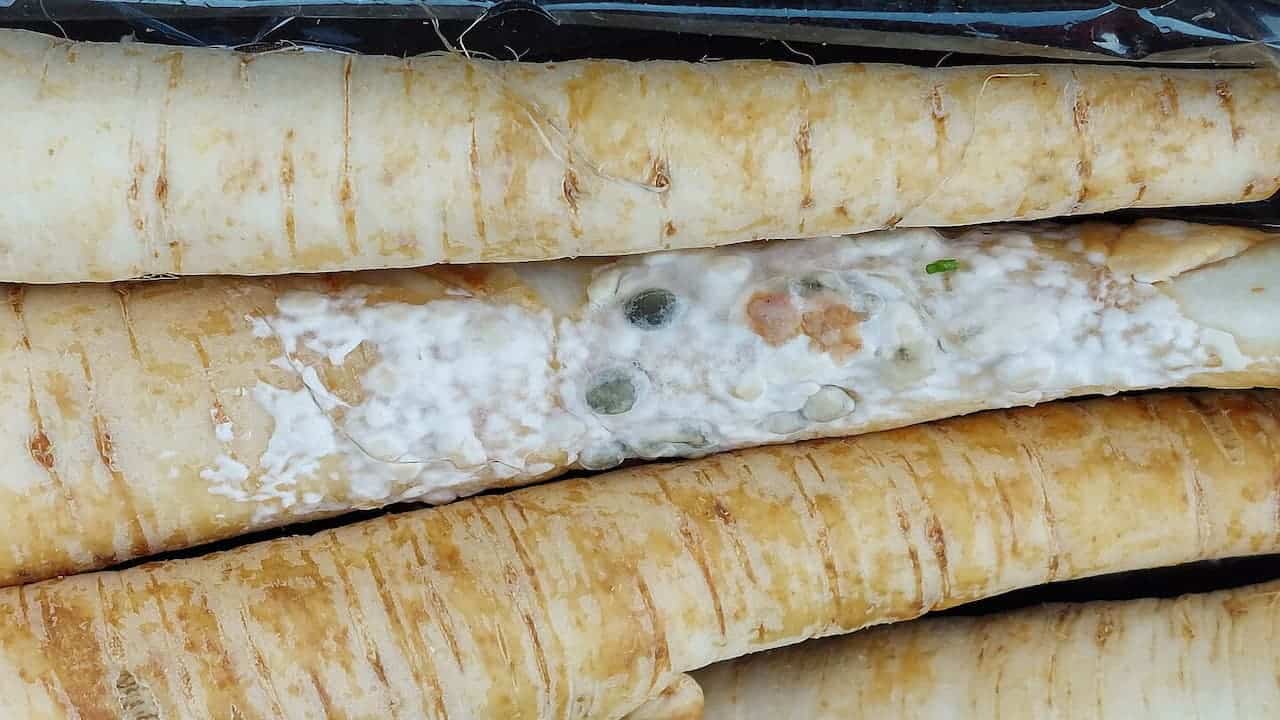
I’ve faced the frustration of losing a houseplant to root rot, and poor drainage was usually the culprit. When a plant’s pot doesn’t have enough drainage holes, excess water can build up, suffocating the roots. Overwatering also contributes to this problem.
I learned that certain plants, like English ivy, thrive in well-drained soil. If the soil retains too much moisture, it can lead to fungal infections. I noticed my plants showing signs of distress, like yellowing leaves that drooped and wilting. Keeping an eye on the pot and ensuring proper drainage made a huge difference. Plus, I now use the right soil to help prevent root rot.
*This article was created with the help of AI.