From ancient times to modern-day mysteries, many toxic plants have played a chilling role in tales of intrigue and murder. In this article, we’ll explore some of the most notorious plants used to commit murders.
Deadly Nightshade

Deadly nightshade, or Belladonna, is infamous for its toxic properties. It was used as a cosmetic in the Middle Ages, but its high levels of poisonous chemicals like solanine, hyoscine, and atropine made it a potent poison. Consuming even a single leaf or a few berries can be fatal. Legends suggest that Macbeth used it to poison the Danes, and the serial killer Locusta may have used it to kill the Roman emperor Claudius.
Advertisement
Hemlock

Poison hemlock is a tall flowering plant known for its toxic alkaloids, which can cause paralysis and death from respiratory failure. The most famous case of hemlock poisoning is the death of Socrates, the famous Greek philosopher, who was sentenced to drink hemlock for his alleged crimes. In ancient Greece, hemlock was commonly used to execute condemned prisoners. Despite its innocent appearance, hemlock has a dark history as a deadly weapon.
The Strychnine Tree
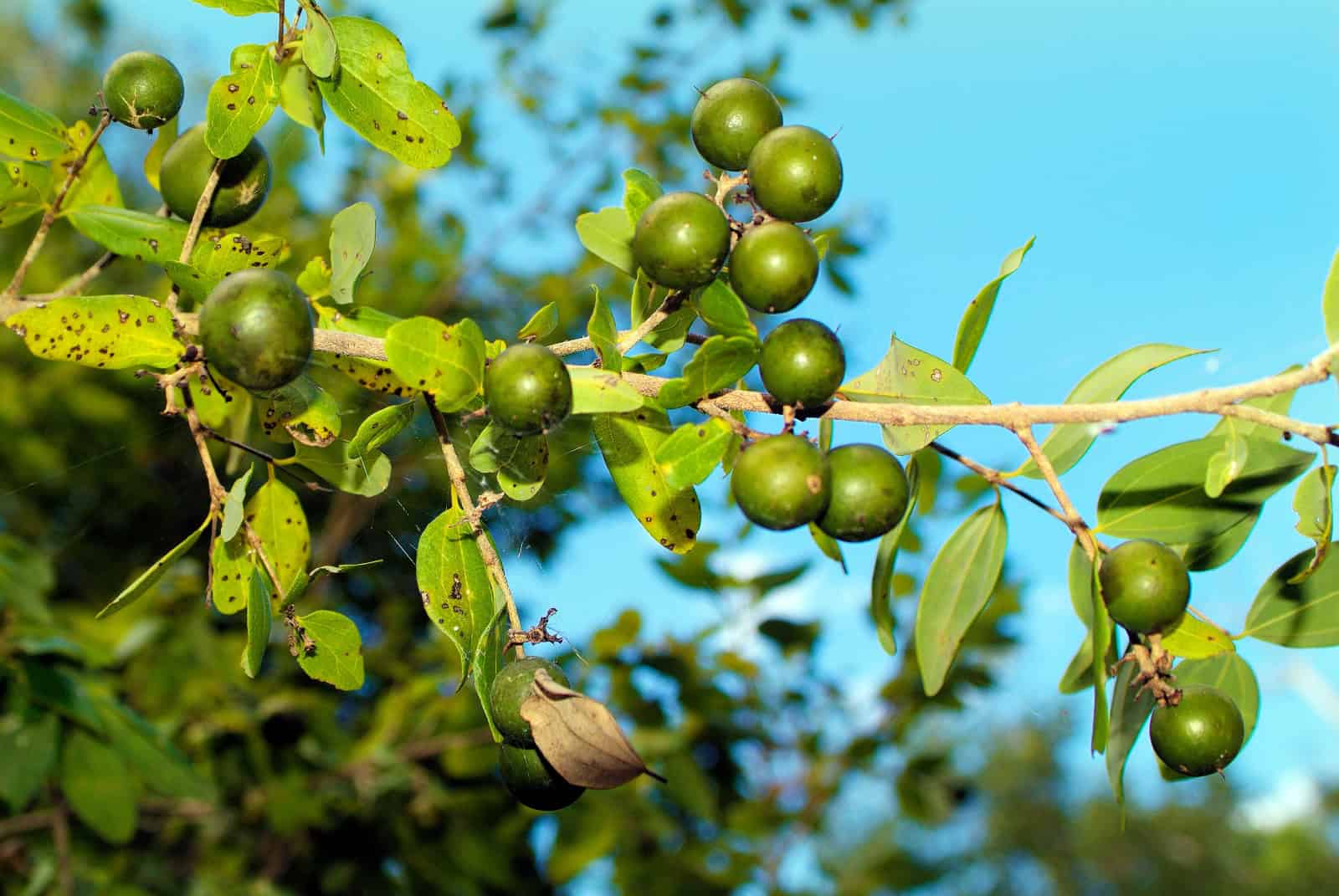
Strychnos nux-vomica, commonly known as the strychnine tree, is native to India and Southeast Asia. The seeds of this tree yield strychnine, a potent toxin that causes paralysis and death by respiratory failure. There is no antidote for strychnine poisoning. Historically used in rat poison, it gained infamy through Dr. Thomas Neil Cream, who used it to kill several people in the late 19th century. Despite its dangers, strychnine is still found in low doses in some street drugs and as a performance enhancer.
Ricin (Castor Oil Plant)
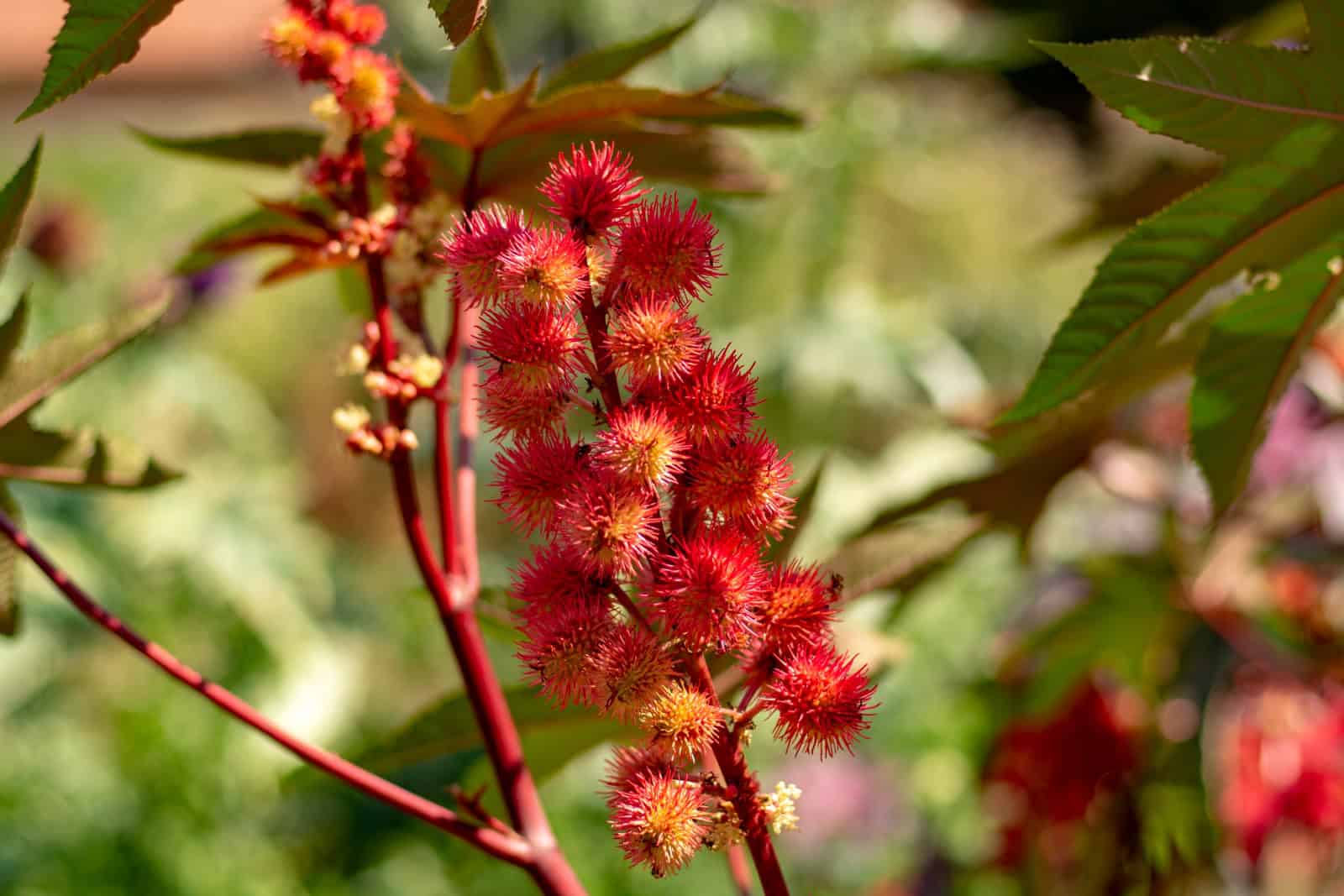
Ricin, derived from the castor oil plant, is one of the most lethal poisons known. Found naturally in castor beans, it can cause respiratory failure and death with no known antidote. The ease of extracting ricin and its deadly potency has made it a weapon of choice in several high-profile cases, including attempts to poison public figures like President Barack Obama. Despite its ornamental and medicinal uses, the castor oil plant’s seeds harbor a toxin that has been exploited for sinister purposes, making ricin a notorious plant-derived poison.
Monkshood

Monkshood, or Aconitum napellus, is a beautiful yet highly toxic perennial herb with blue to dark purple flowers. The plant contains aconitine, a toxin that affects the nervous system and the heart and can cause severe symptoms and even death. The Egyptians even used aconite to coat their arrowheads, ensuring a slow and painful death for their enemies. In a chilling real-life case, a man in his 50s was found dead in his car. Years later, his wife confessed to poisoning him with aconite-laced wine.
Death Cap Mushroom
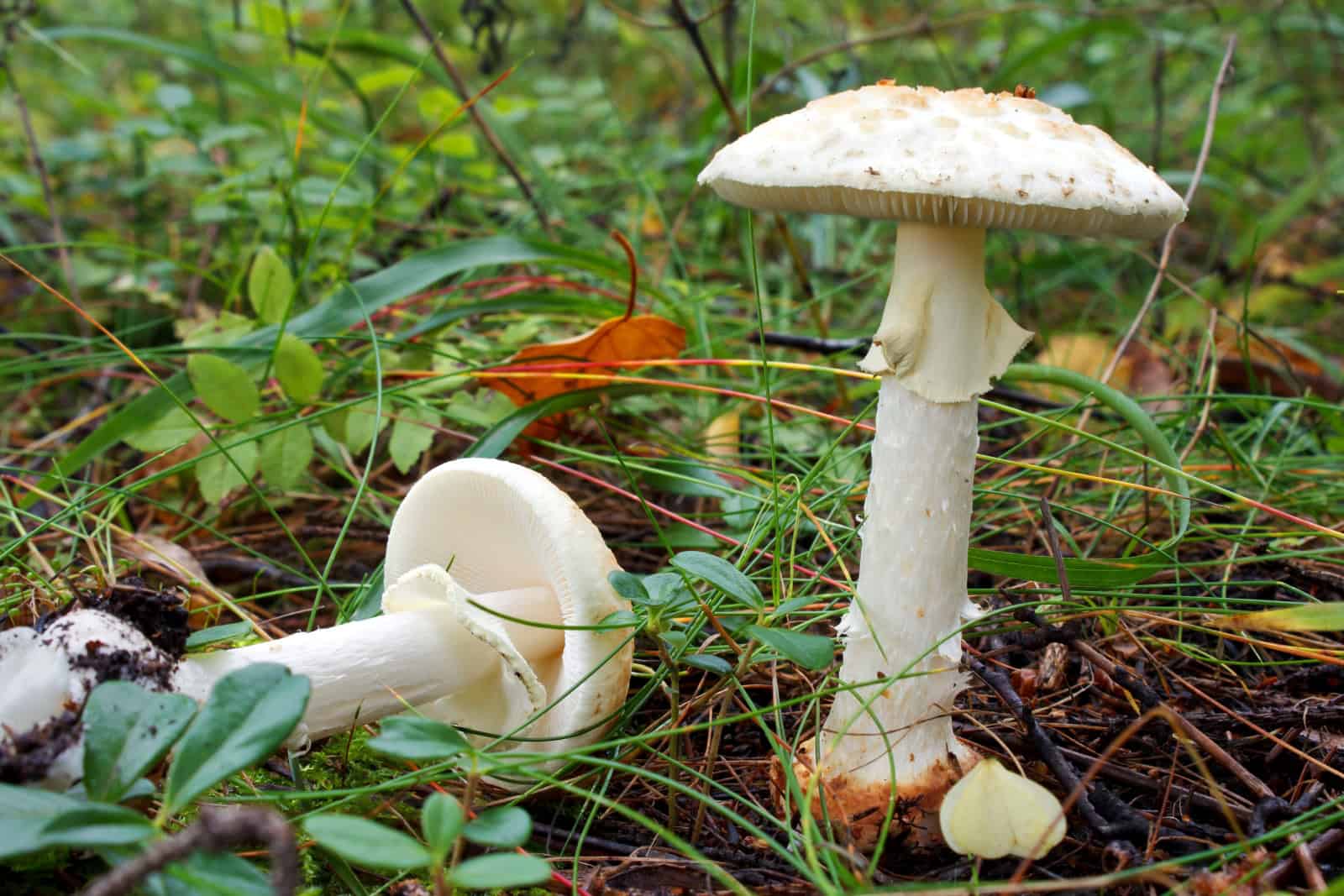
The death cap mushroom is deadly but is often mistaken for edible varieties. All parts of this mushroom are highly toxic, with even a tiny amount capable of causing fatal poisoning. Its toxins, amatoxins, and phallotoxins, are stable and cannot be removed through cooking or drying. These toxins affect the liver and kidneys, which can cause severe illness and even death. Pope Clement VII and Emperor Charles VI may have succumbed to its poison. Recently, a murder case in Australia highlighted its deadly potential, making it a notorious tool for sinister purposes.
Jimsonweed

Jimsonweed, also known as devil’s trumpet or thorn apple, is a striking plant with spiny seedpods and lovely trumpet-shaped white or lavender blossoms that open at dusk. Found in roadsides, ditches, and open fields across many states, it has potent psychotropic, hallucinogenic, and narcotic properties. Even brief contact with Jimsonweed can cause severe side effects like dilated pupils, hallucinations, delirium, and, in extreme cases, coma or seizures. In 1676, British soldiers sent to Virginia to quell Bacon’s Rebellion ingested Jimsonweed in a boiled salad and remained in a stupor for 11 days. More recently, in 2008, a family in Maryland was poisoned when they mistook it for an edible garden green and ate it in a stew.
Foxglove

Foxglove, from the genus Digitalis, is a beautiful plant with bell-shaped flowers in various colors like purple, white, and yellow. Despite its innocent appearance, foxglove contains digoxin, a potent toxin that can cause heart failure. Historically, people have used it to treat heart ailments, but its lethal properties have also made it a popular murder weapon in fiction and reality. Digoxin poisoning is slow-acting and difficult to trace, often resulting in heart attacks that can be mistaken for natural causes. Notable cases include a nurse in Toronto charged with murdering four babies and a woman in Belgium responsible for 26 deaths. Foxglove’s accessibility and deadly nature make it a plant to handle with extreme caution.
The Suicide Tree
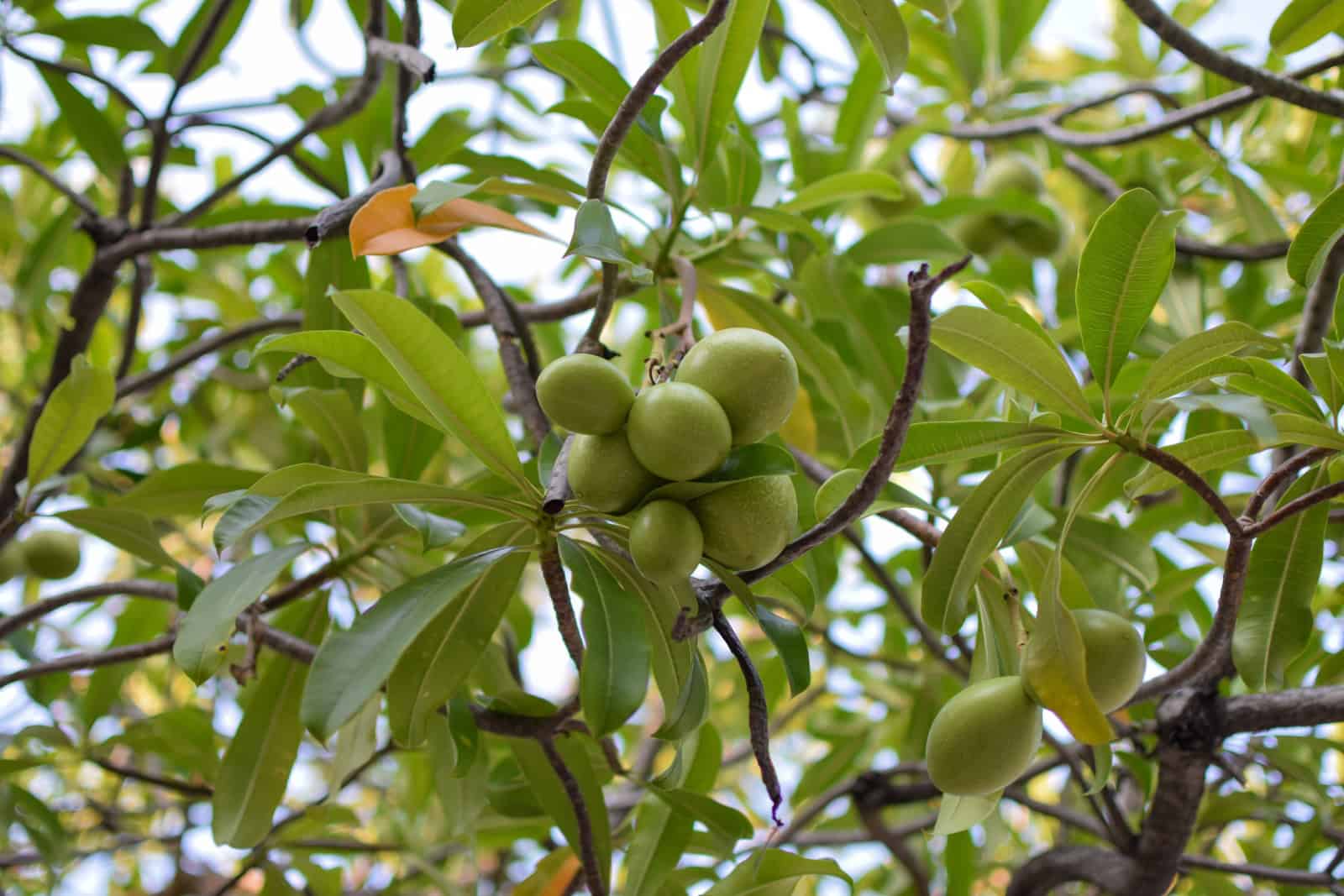
Cerbera Odollam (the suicide tree or pong-pong) is a highly toxic tree native to South and Southeast Asia, the Pacific Islands, and Queensland, Australia. The tree produces a fruit called othalanga, whose seeds contain a potent toxin called cerberin. Historically, cerberin has been used in trials by ordeal, suicides, and poisonings. The poison can cause severe symptoms, including sinus bradycardia, vomiting, and even death. Spicy food can mask its bitter flavor, making it a dangerous, poisonous tool. In Kerala, India, this tree is a significant cause of plant poisoning cases.
Ipoh Tree
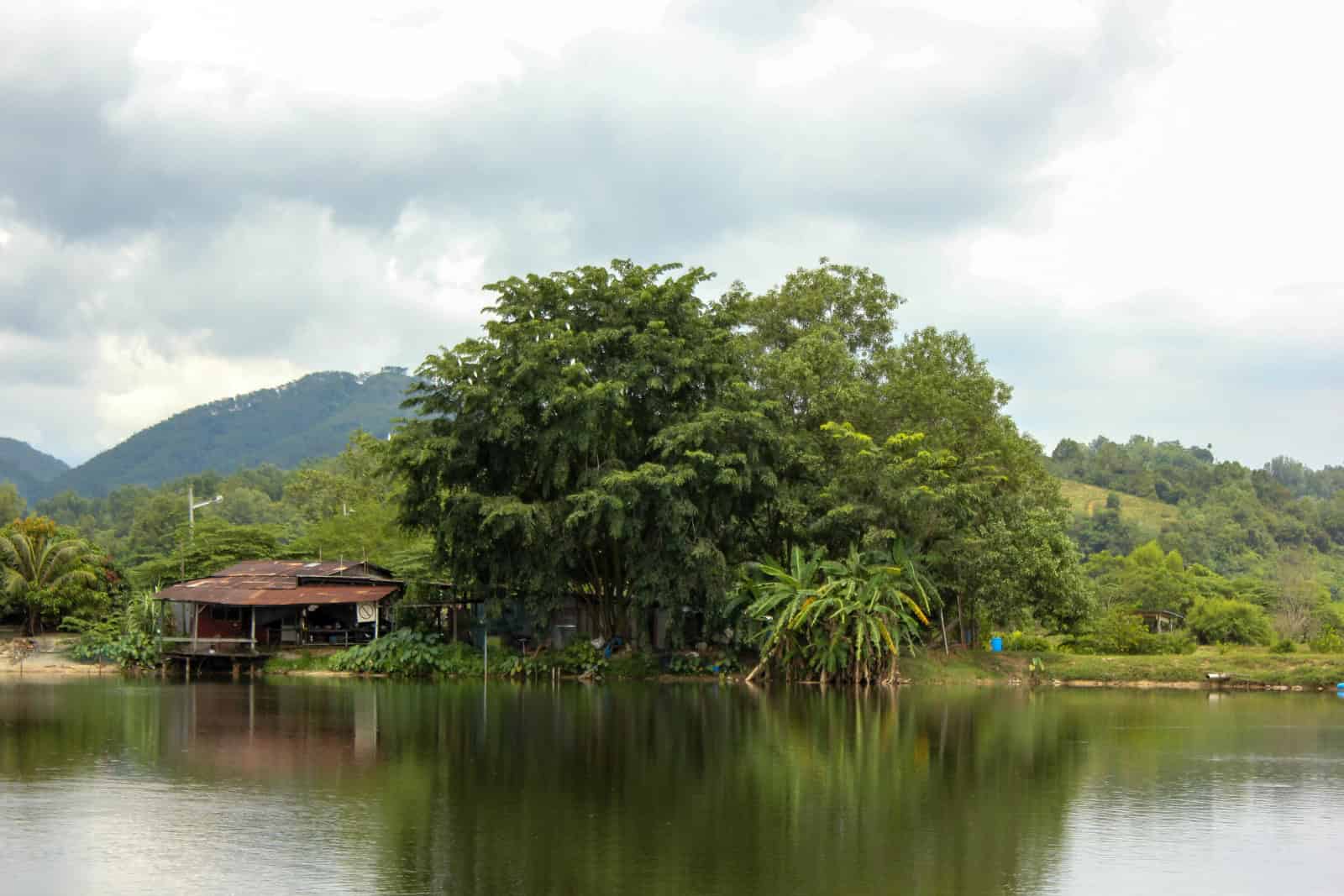
Antiaris toxicaria, commonly known as the ipoh tree, is infamous for its toxic latex, which contains cardiac glycosides. This tree grows in Africa, Southeast Asia, and the Pacific. Historically, indigenous hunters used its latex to poison darts, leading to paralysis and cardiac arrest when the toxin entered the bloodstream. During their invasion of Malacca, the Portuguese feared these poisoned blowpipe darts. Collecting the latex required extreme caution, as even skin contact could cause swelling. They sometimes mixed the poison with other toxins, like local millipedes, strychnine from Strychnos ignatia, and even cobra venom to increase its potency.