Not everyone has time to baby their garden, and honestly, some plants just aren’t worth the effort. The good news? There are plenty of perennials that don’t need constant attention but still come back strong every year. These plants handle heat, cold, and whatever else nature throws at them—without you having to replant or fuss over them.
If you want flowers that keep blooming with minimal effort, you just need the right ones. Some spread on their own, others thrive in tough conditions, and a few are practically impossible to kill. Whether you’ve got a sunny yard, a shady corner, or just want something that won’t give you trouble, these perennials get the job done.
Advertisement
Thyme
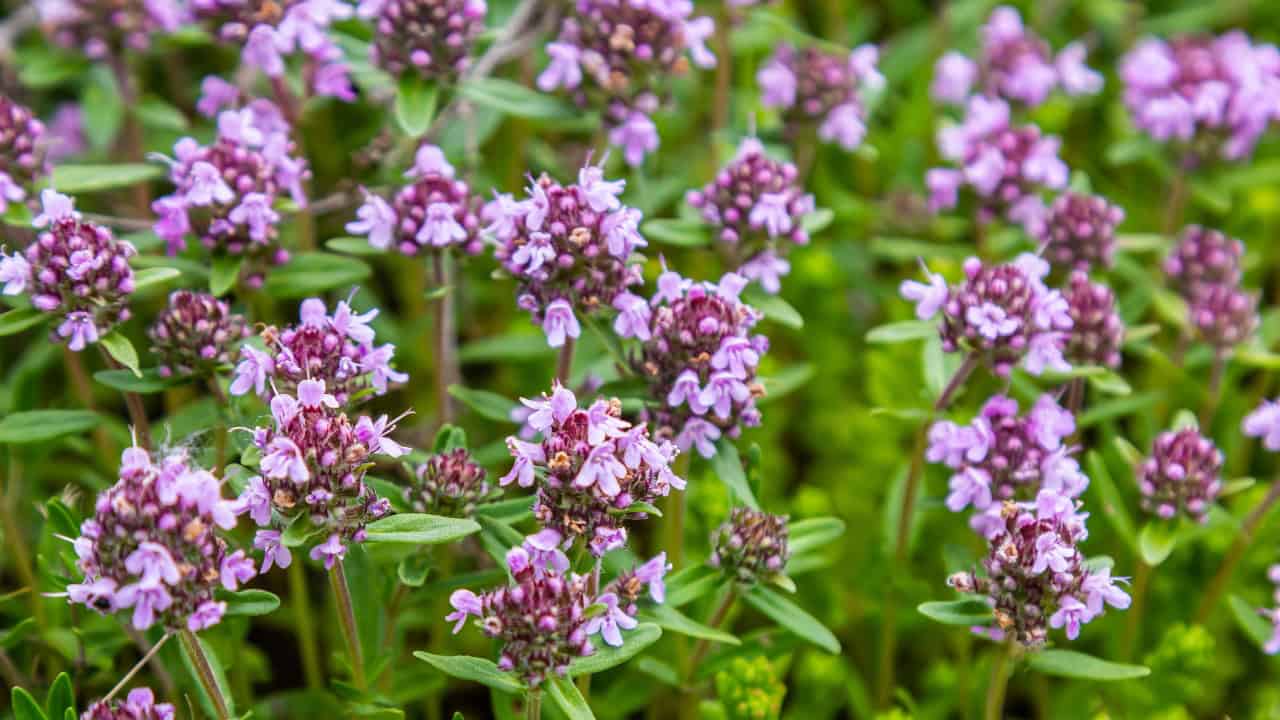
Thyme thrives in full sun, doesn’t need much water, and actually prefers dry, well-drained soil. Once it’s established, it can handle drought, making it a great choice for low-maintenance gardens. The tiny purple or blue flowers add a nice touch and bring in pollinators.
If you’re growing it for cooking, just snip what you need—it’ll keep producing all season. And since it’s a perennial, you won’t have to replant every year. Just give it a sunny spot, and it’ll keep coming back stronger.
Shasta Daisies
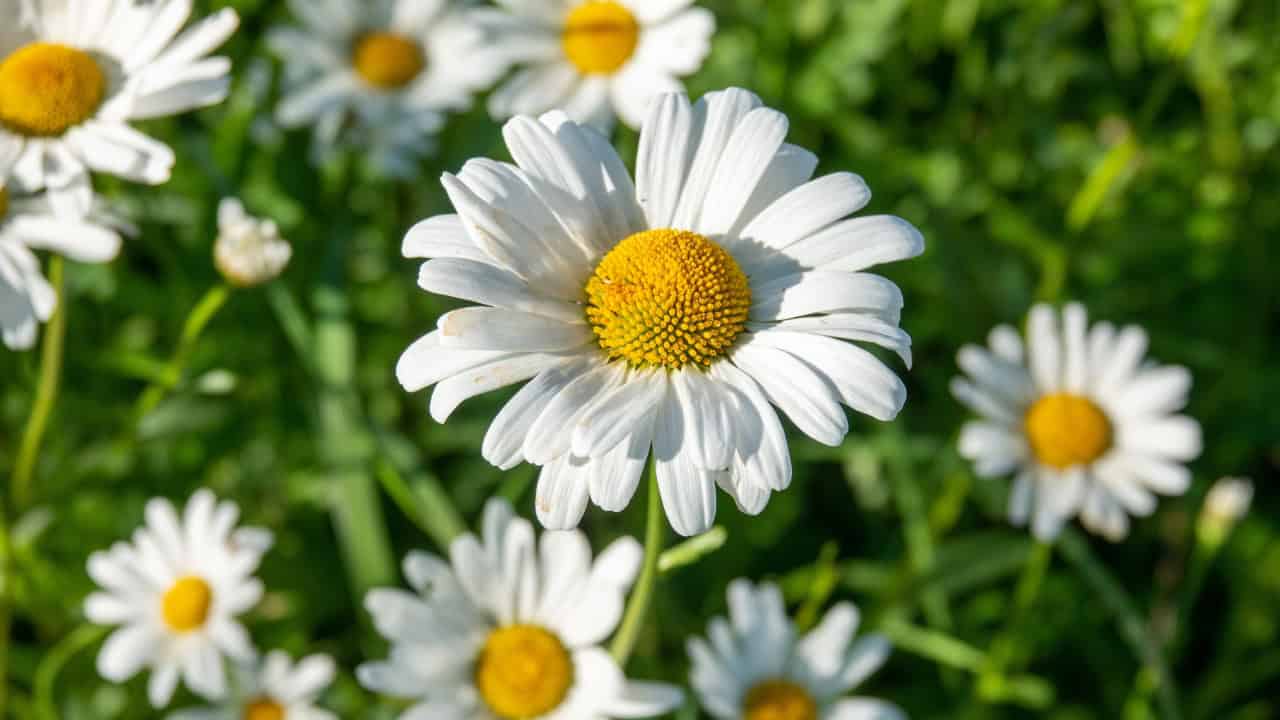
Shasta daisies are as easy as it gets. These low-maintenance perennials put out bright white blooms that attract butterflies and look great in any garden. They’re technically short-lived, only lasting a few years, but they spread by rhizomes, so new plants pop up as older ones fade. That means once you plant them, you’ll always have fresh blooms.
They love full sun and well-drained soil, and they don’t need much water once they’re settled in. Deadheading spent flowers encourages more blooms, but even if you forget, they’ll still put on a good show every summer.
Yarrow

Yarrow is one of those plants that just keeps going, no matter what. It thrives in full sun, doesn’t mind dry or sandy soil, and once it’s established, you can basically ignore it. The feathery leaves add some nice texture, and the flowers come in white, yellow, pink, or maroon, depending on the variety.
It blooms from late spring through summer and attracts butterflies while keeping deer and rabbits away. If you cut it back after the first round of blooms, it’ll likely flower again before the season’s over. It spreads easily, so if you don’t want it taking over, keep an eye on it.
Astilbe

If you’ve got a shady spot where nothing seems to grow, astilbe is the answer. It sends up feathery plumes of pink, red, white, or purple that stand out against its deep green leaves. Unlike a lot of perennials, it actually prefers partial to full shade, so it’s perfect for those tricky garden spots.
It does best in moist, well-drained soil and likes a little extra feeding to keep it happy. Once it’s settled in, it’ll come back year after year with almost no effort. Just keep the soil from drying out, and you’ll get gorgeous blooms every summer.
Catmint

Catmint is the kind of plant you can set and forget. It loves full sun but won’t complain about a little shade, and once it gets going, it hardly needs water. The soft, silvery-green leaves look great even when it’s not blooming, and when it does, you’ll get loads of purple, blue, white, or yellow flowers that pollinators go crazy for.
This plant spreads fast but isn’t a total garden hog. If it starts looking messy, just trim it back—it’ll pop right back with fresh growth and even more flowers. And if you’ve got cats, don’t be surprised if they take a special interest in it.
Sage
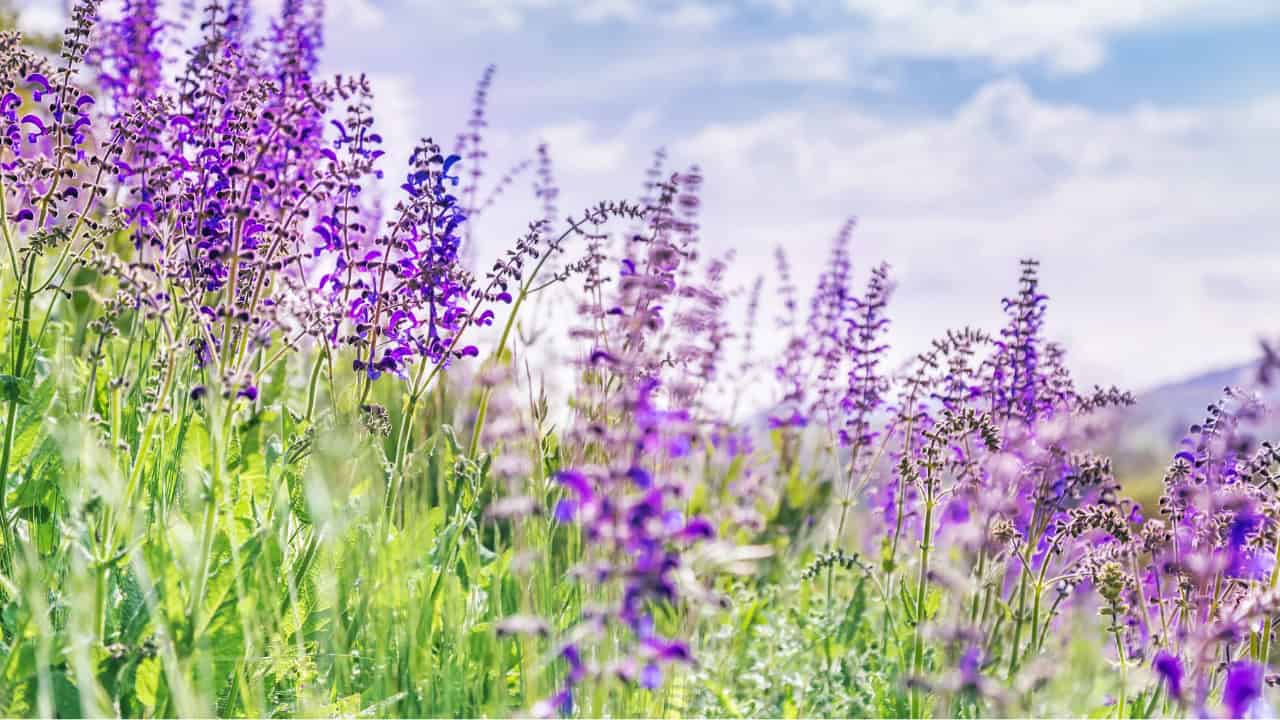
Sage isn’t just a kitchen staple—it’s a hardy perennial that thrives on neglect. It loves full sun, well-drained soil, and dry conditions, making it perfect for low-maintenance gardens. The flowers range from purple and blue to white and pink, adding a nice touch of color while drawing in bees and butterflies.
Once it’s established, you barely have to water it, and deer tend to stay away. If you trim off the dead flowers, it’ll keep blooming through summer. And if you grow the edible kind, you’ll have fresh sage on hand for cooking whenever you need it.
Irises

Irises are the kind of flowers you plant once and enjoy for years. They come in two main types: bulbs and rhizomes. The rhizome varieties spread on their own, filling in garden beds with little effort. Their tall, elegant blooms pop up in early summer, adding color before many other perennials get going.
They don’t need much besides well-drained soil and full sun. Once established, they’re drought-tolerant and practically take care of themselves. Just trim back dead leaves in the fall, and they’ll be ready to put on a show again next year.
Hollyhocks
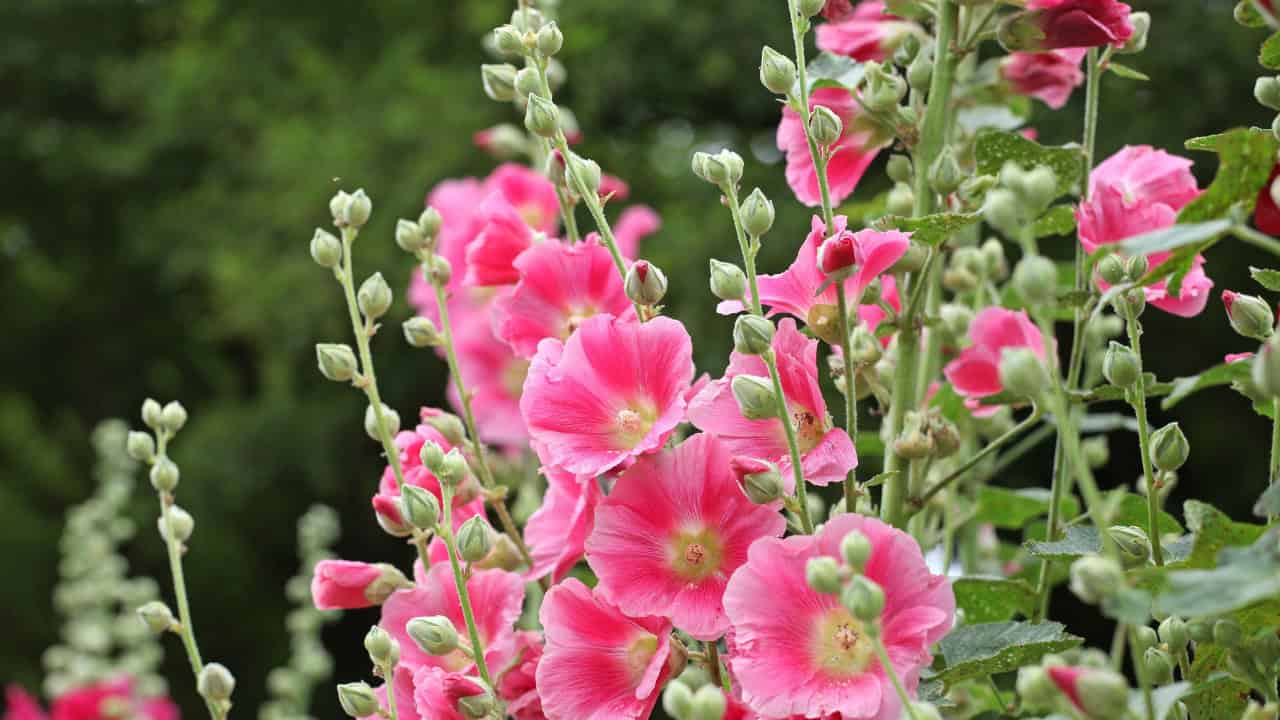
If you want flowers that make a statement, hollyhocks are it. They grow tall—sometimes up to 8 feet—and produce rows of colorful blooms that bees and butterflies love. They add an old-fashioned charm to gardens and work great along fences or walls where they have some support.
Hollyhocks prefer full sun and well-drained soil. Once they get going, they’ll reseed themselves, so you don’t have to keep replanting. A little deadheading can extend their bloom time, but even if you let them be, they’ll still come back year after year.
Stone Crop
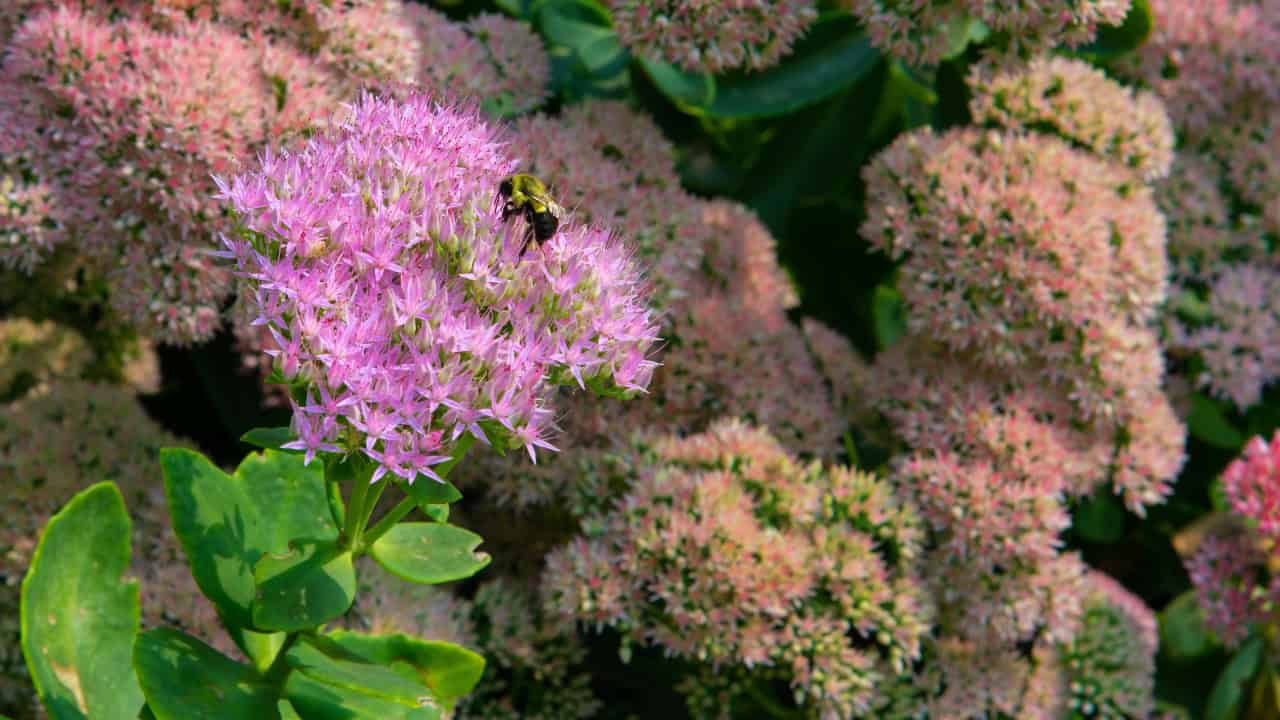
Stone crop, also known a
s sedum, is one of the easiest perennials to grow. It’s a low-growing ground cover that spreads quickly, filling in bare spots with thick, fleshy leaves. In late summer and fall, it produces tiny star-shaped flowers that attract pollinators.
It thrives in full sun and can handle poor soil, drought, and neglect. Once it’s established, you won’t need to do much besides occasional trimming if it starts taking over. If you’re looking for a plant that fills in spaces without constant upkeep, this one’s a great choice.
Lilacs

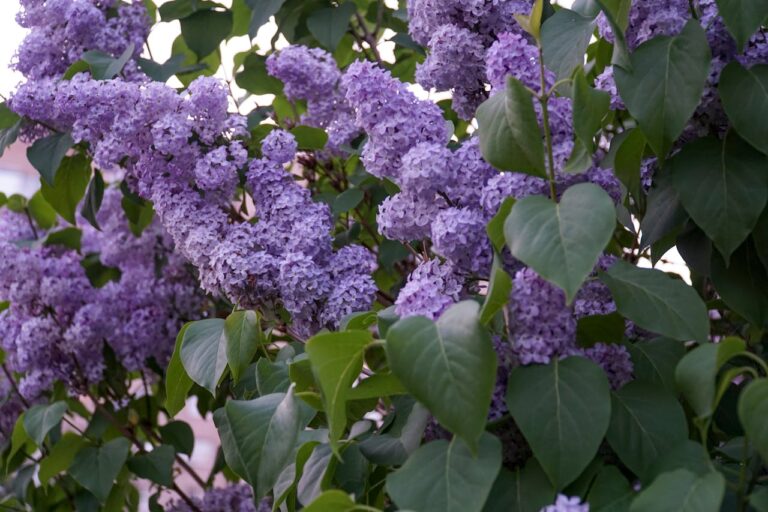
Lilacs don’t bloom for long, but when they do, they make up for it with their incredible scent. These hardy shrubs burst into fragrant clusters of purple, pink, or white flowers in late spring. They’re also surprisingly tough—once they settle in, they can handle cold winters and don’t need much care.
They do best in full sun and well-drained soil. Pruning right after they bloom helps keep them from getting too leggy and encourages more flowers the next year. And if you love the scent, cut a few stems to bring indoors—it’ll make the whole house smell like spring.
*This article was created with the assistance of AI.