If you’re looking to add some greenery to your space without spending a ton of time on upkeep, perennials are a great option. These plants come back year after year, saving you from having to replant constantly.
15 perennials practically take care of themselves, making them perfect for busy gardeners or beginners. You get lasting color and texture with minimal effort, so your garden can look good even when you’re not around to tend it every day.
Advertisement
Sedum (Stonecrop)
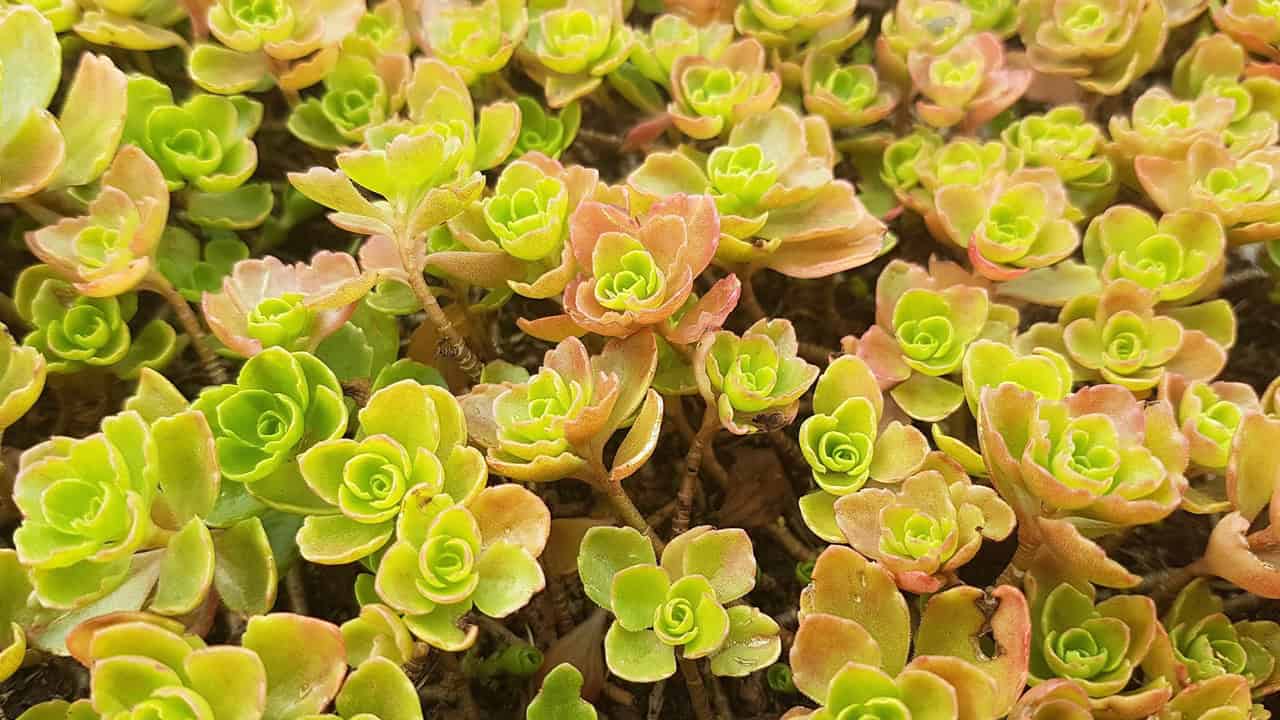
Sedum, also known as stonecrop, is a tough perennial that’s easy to grow. You just need to plant it in a sunny spot with well-draining soil.
It doesn’t demand much care and can handle dry conditions pretty well. Plus, many varieties are evergreen, adding color all year round. If you want something low-maintenance for pots or your garden, Sedum is a good pick that mostly takes care of itself.
Nepeta (Catmint)
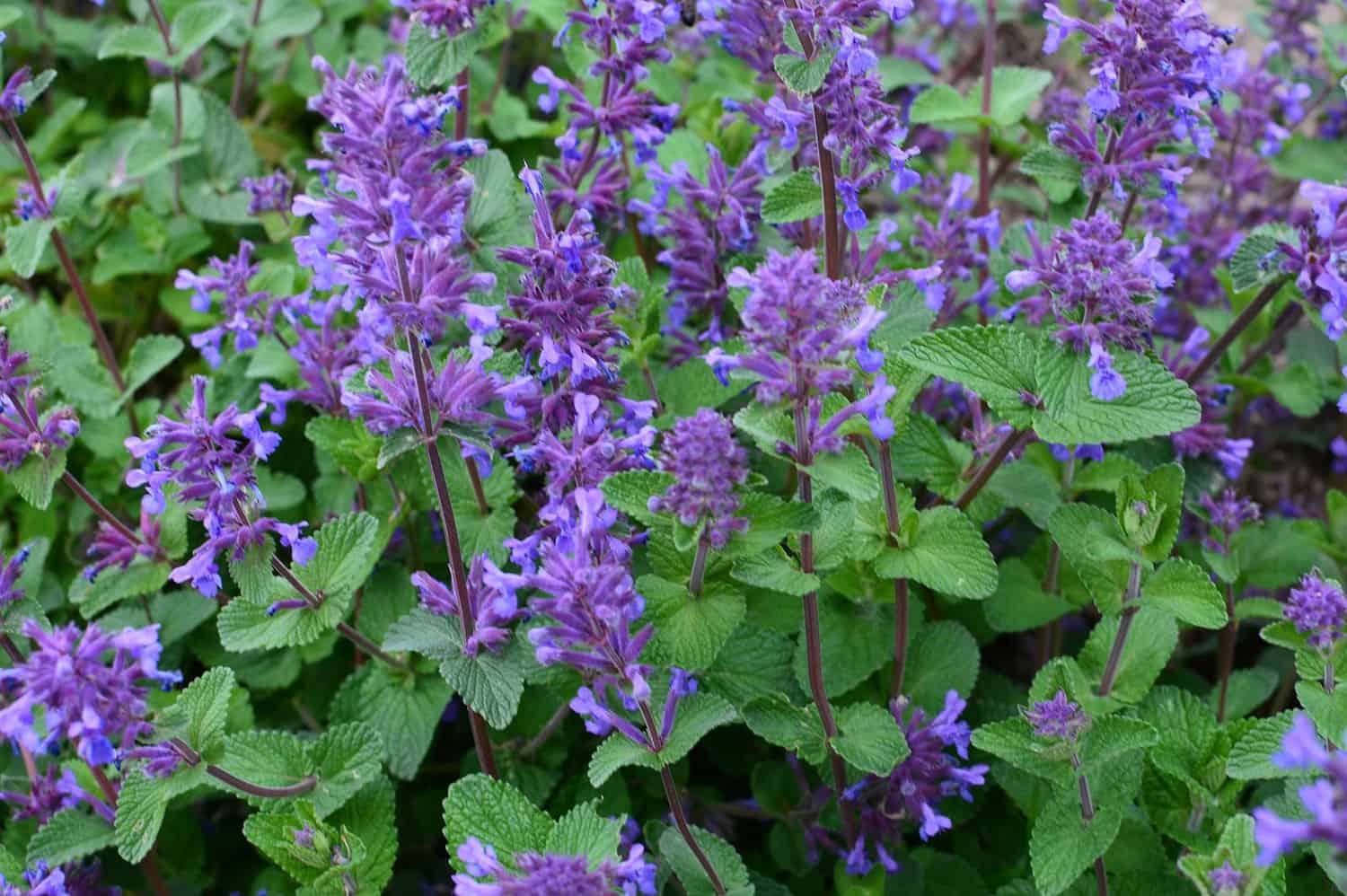
Nepeta, or catmint, is super easy to grow and tough to kill. It loves full sun but can handle some afternoon shade, especially if you live somewhere hot.
You’ll find it produces lovely blue or purple flowers and bright green foliage that stays neat. It’s also deer and rabbit resistant, so your plants usually stay safe without extra work.
Hosta
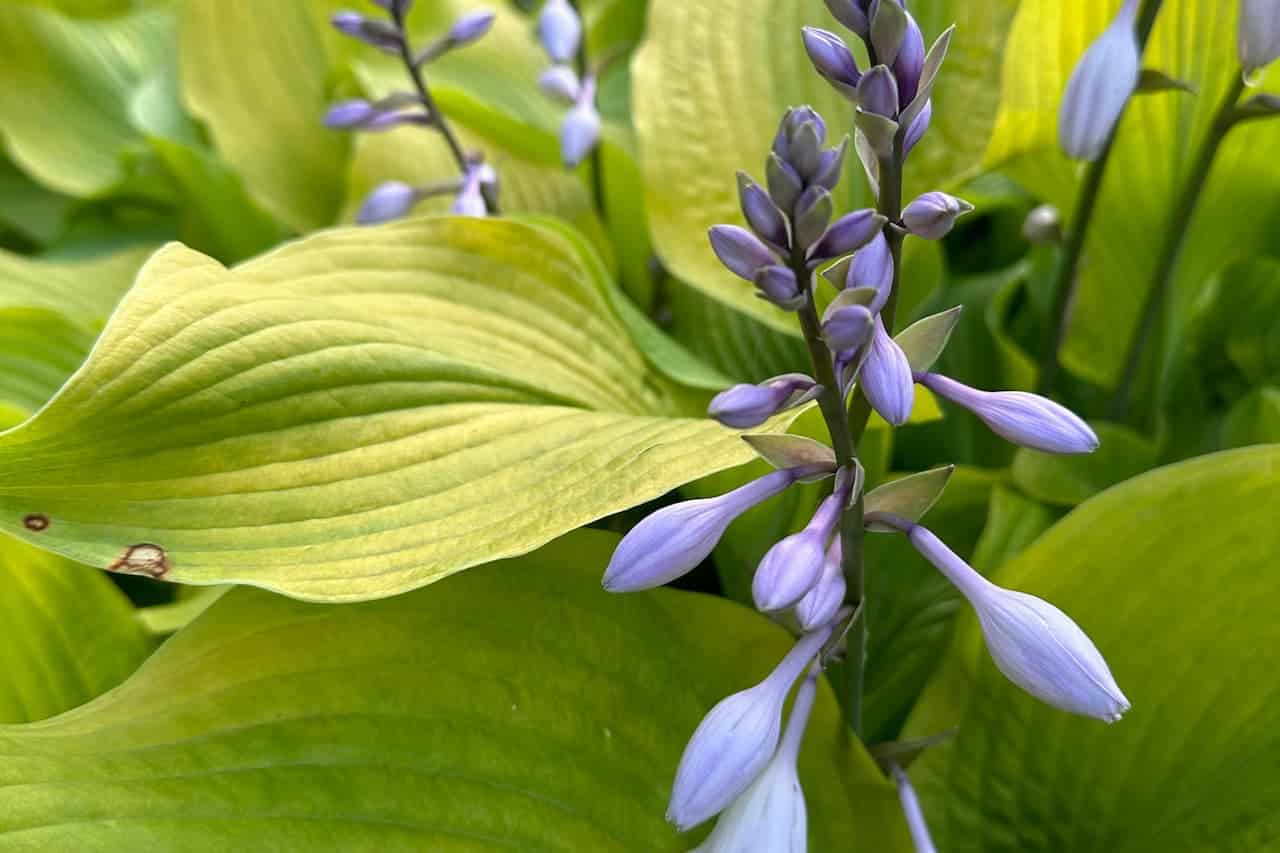
Hostas are super easy to grow, especially if your garden has shade. They can handle low light and still look great, making them perfect if you don’t want to fuss much.
You’ll find many varieties, some even tolerating partial sun, like the sun tolerant hostas. Just give them some space, and they’ll practically take care of themselves.
Coneflower (Echinacea)
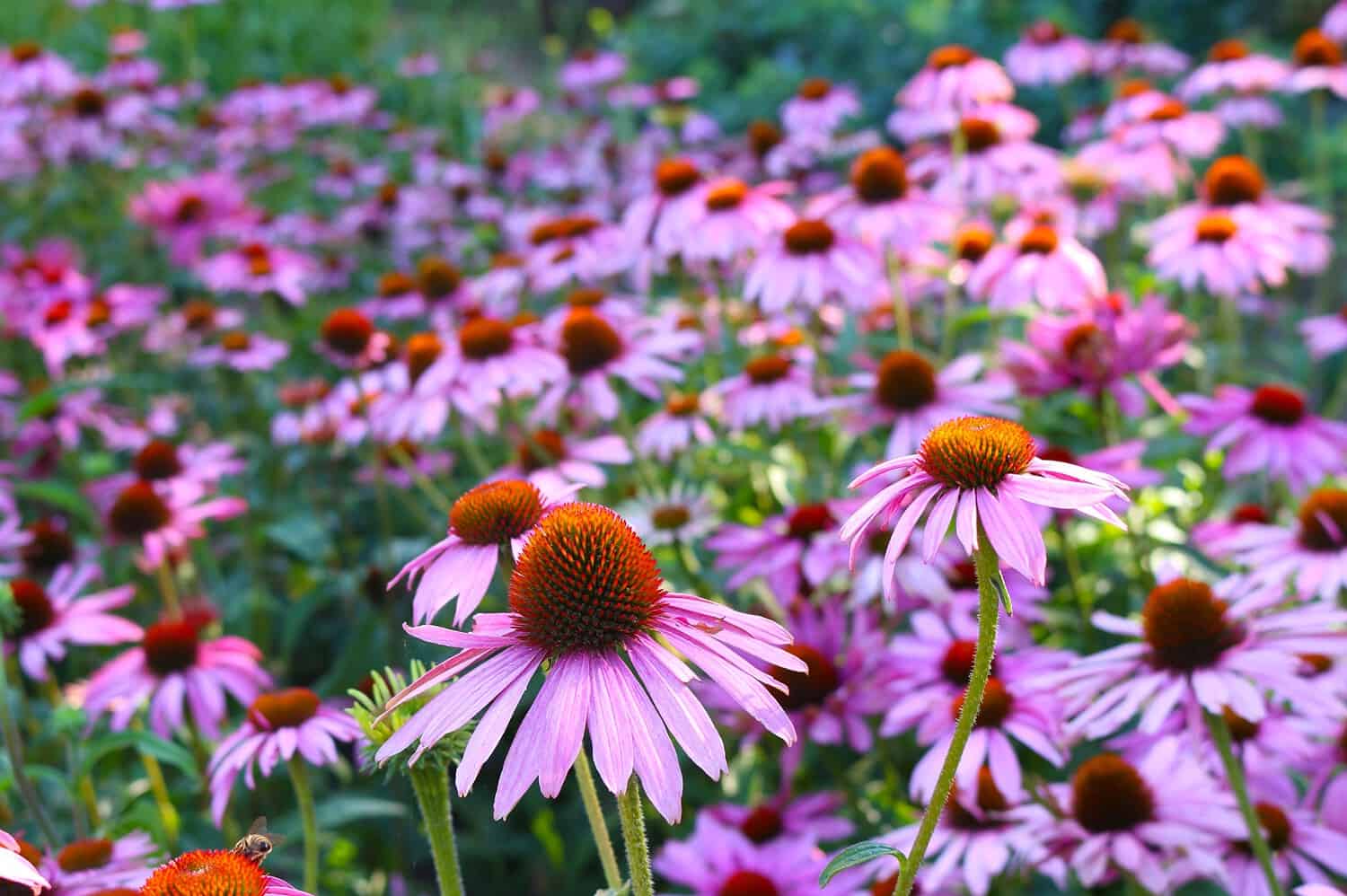
If you want a flower that’s easy to grow, coneflowers are a solid pick. They’re tough and handle heat, drought, and poor soil without much fuss.
You’ll get bright, daisy-like blooms that attract pollinators like bees and butterflies to your garden. Coneflowers basically take care of themselves, making them perfect for low-maintenance gardening.
Russian Sage
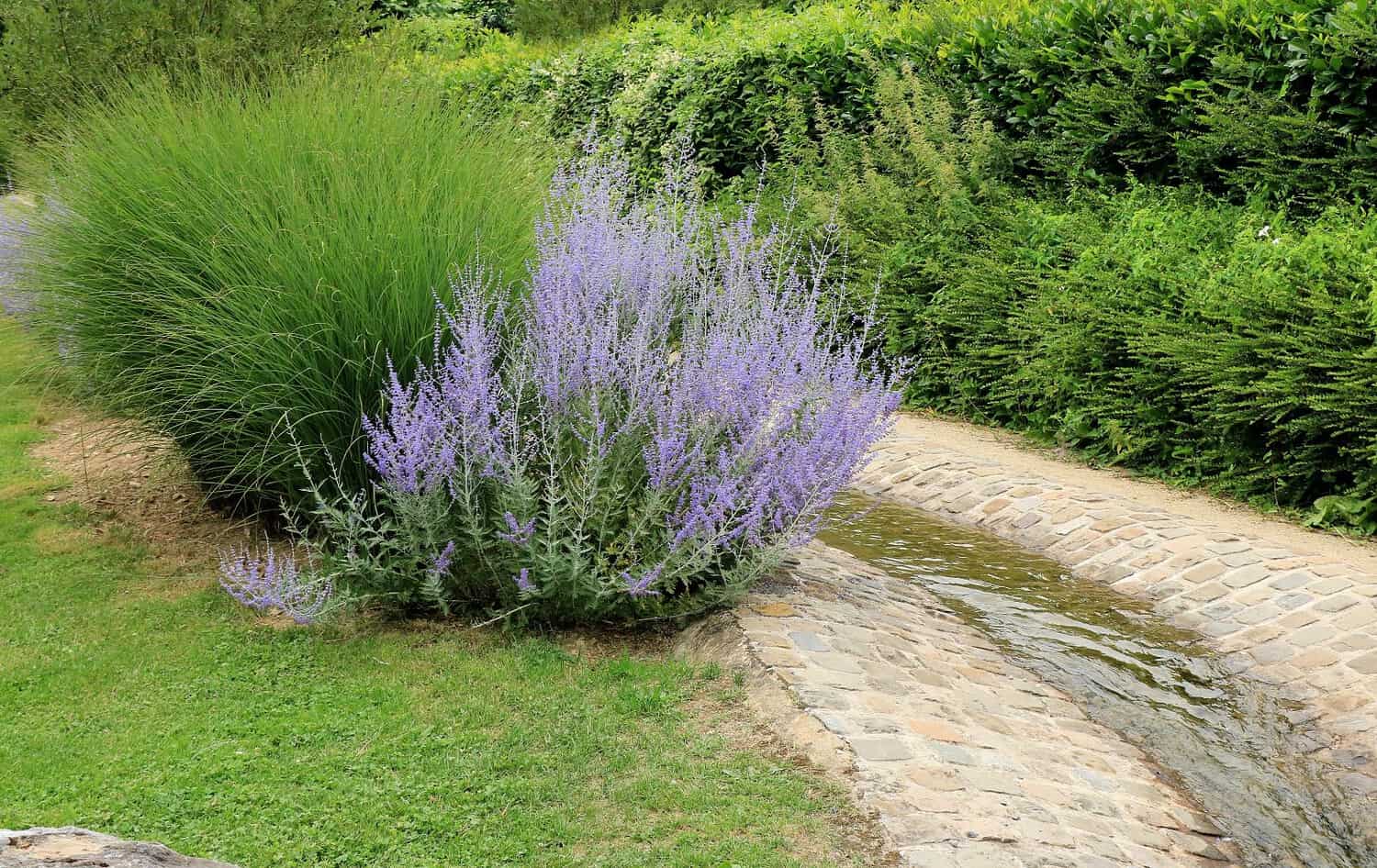
Russian sage is a great pick if you want a low-fuss perennial. It blooms with lavender-blue flowers from mid-summer to fall, adding color without much effort.
You don’t need to worry about much once it’s established. It’s drought-tolerant and loves full sun, making it easy to care for in most gardens.
Lavender
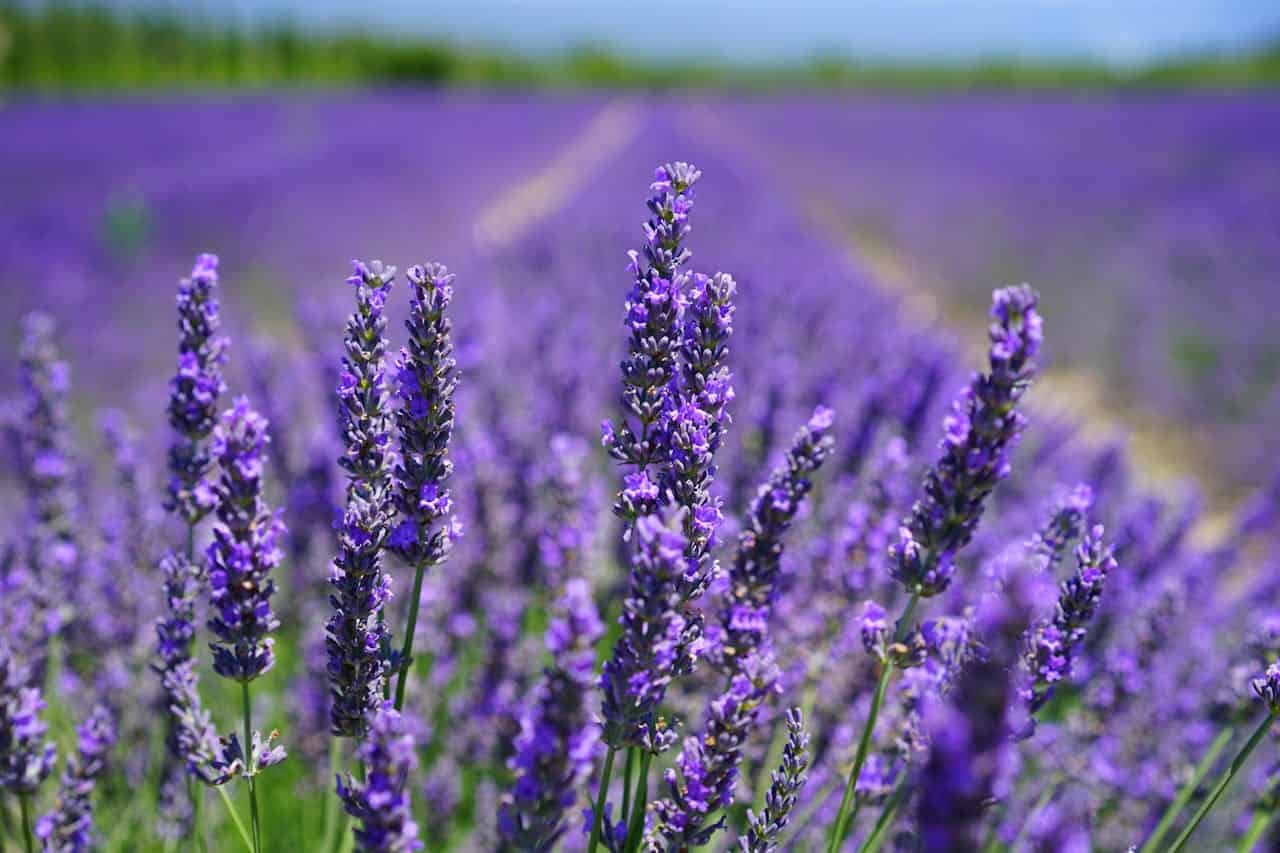
Lavender is a great choice if you want a low-maintenance plant. It loves full sun and well-drained soil, so it’s perfect for dry spots in your garden.
Once established, lavender needs very little water and naturally repels pests. Plus, it adds a lovely scent and attracts pollinators.
Geranium Rozanne
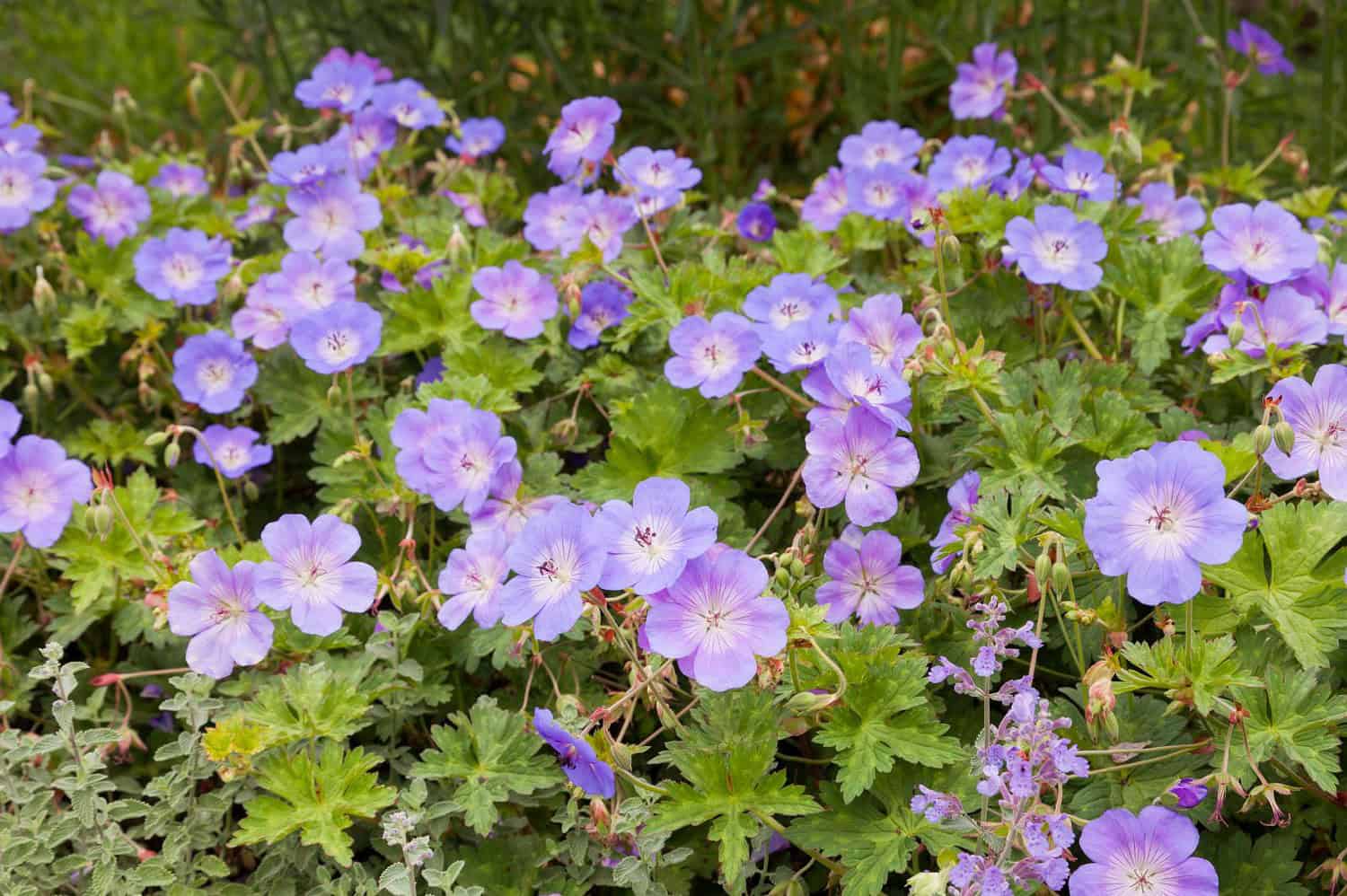
Geranium Rozanne is a great choice if you want a low-maintenance perennial. It blooms violet-blue flowers almost all summer until frost, adding color to your garden for months.
You don’t need to fuss much with soil; it thrives in well-drained, slightly acidic to neutral ground. Just a light fertilizer in early spring will help it grow strong.
Lantana
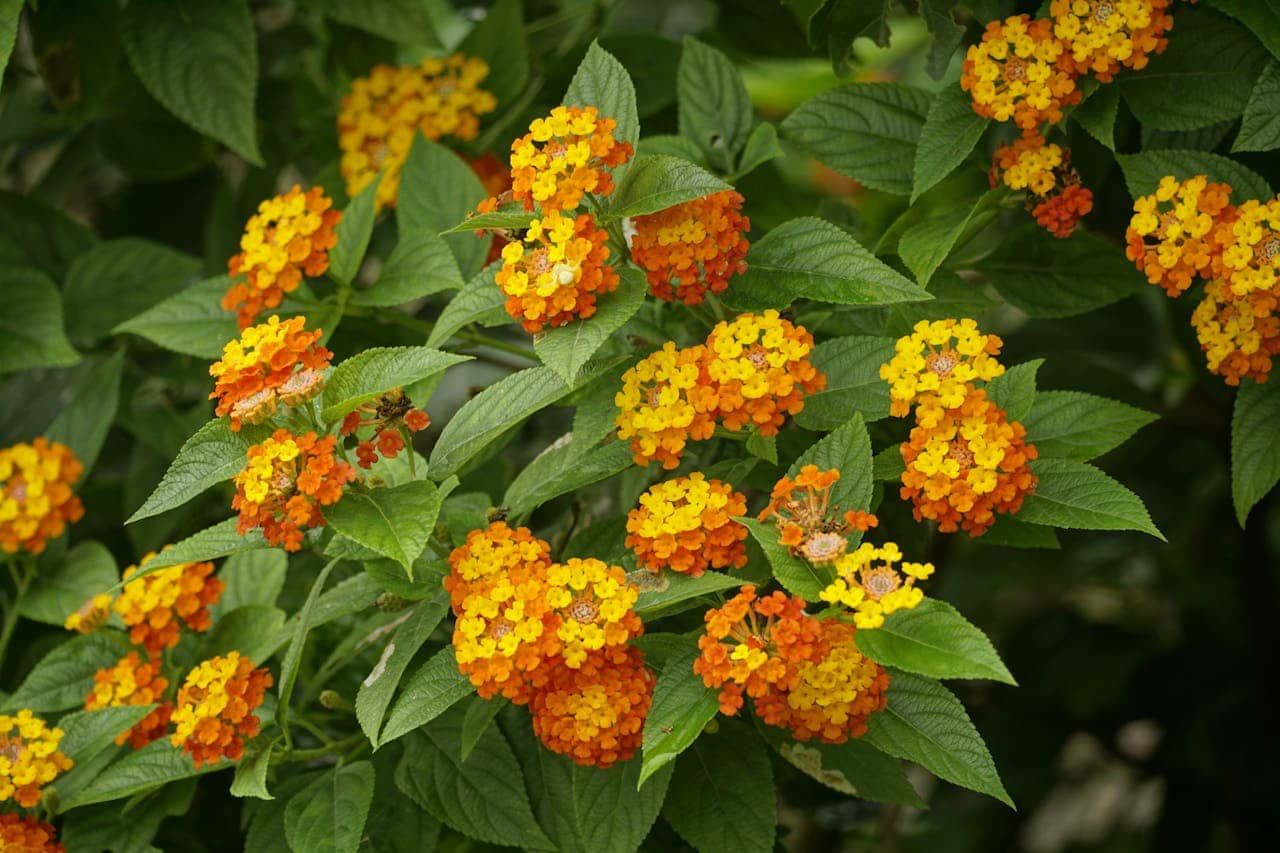
Lantana is tough and low-maintenance, perfect if you want color without much fuss. It thrives in full sun and can handle heat and less-than-perfect soil.
You won’t need to water it much once it’s established, and deadheading is usually unnecessary. Just give it space—about 1 to 6 feet apart—to grow nicely.
Peony
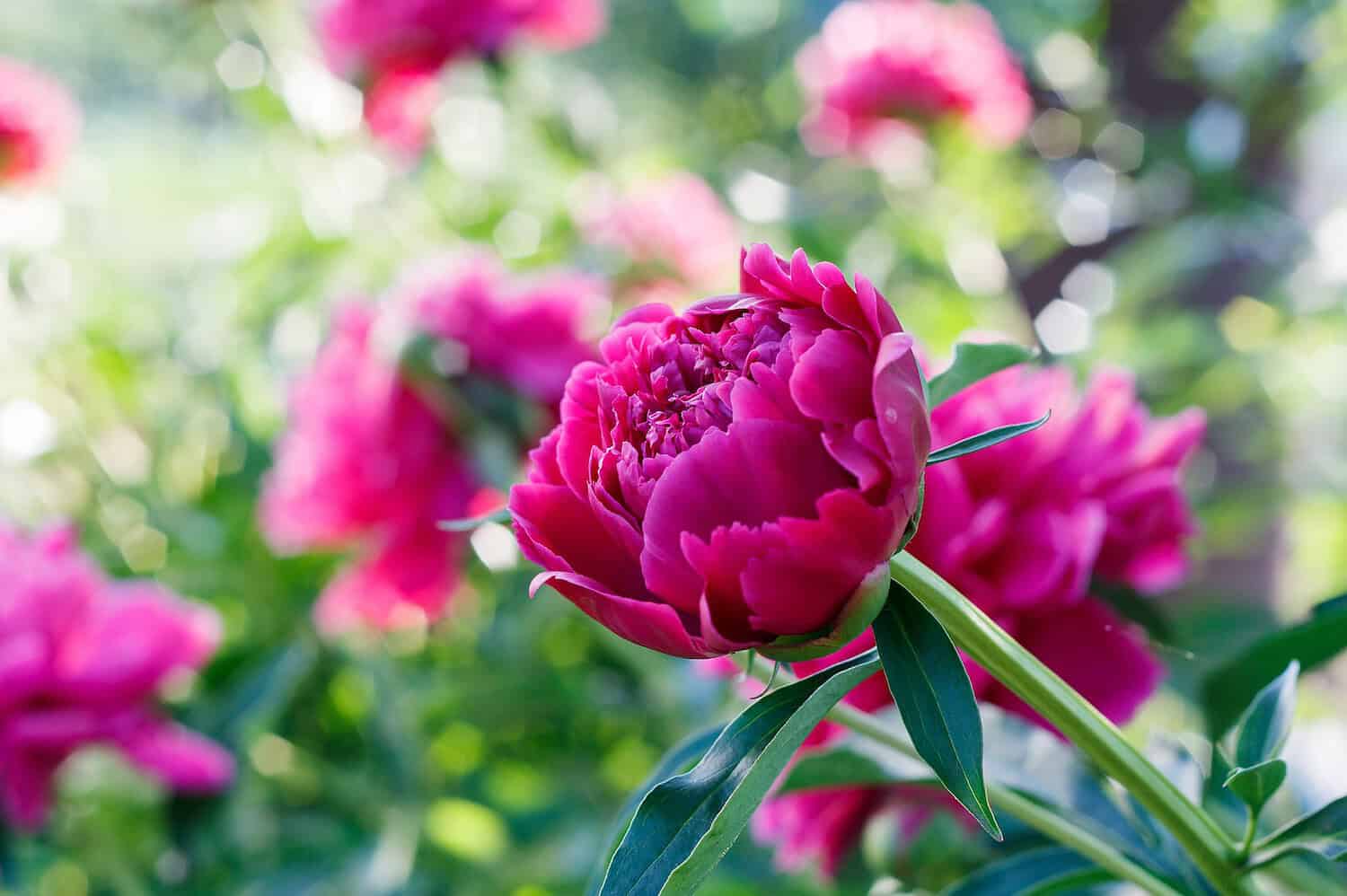
Peonies are a great choice if you want flowers that mostly take care of themselves. They thrive in cooler climates and can live for decades in your garden.
You won’t need to stake all varieties; some have strong stems that hold up well in rain. Plus, their large, fragrant blooms add a nice touch without much fuss. If you plant them in October, they’ll settle in well for the next season. Check out different types to find one that fits your space and style here.
Hellebore
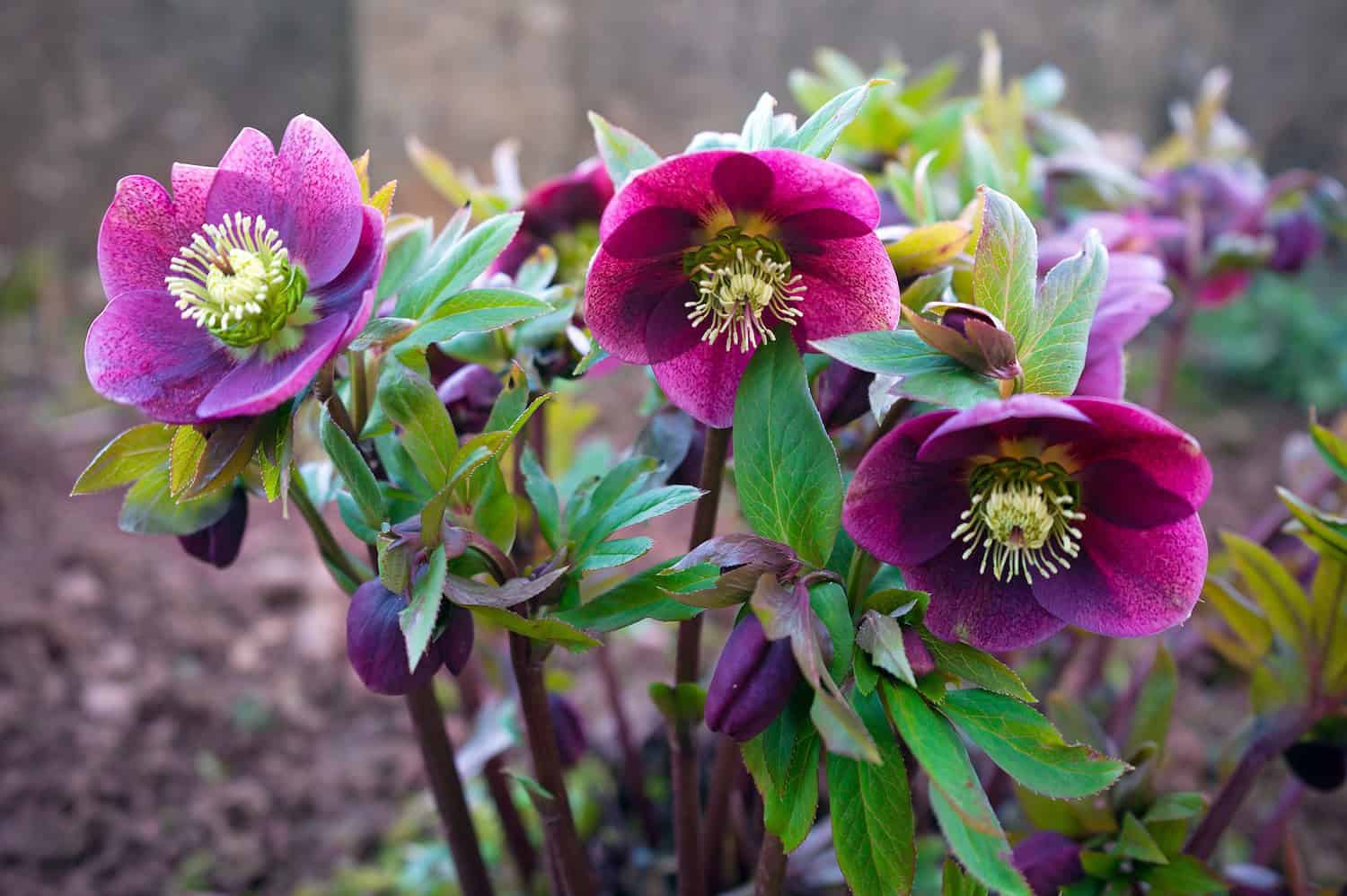
Hellebores, also called Lenten roses, bloom from late winter into spring. You’ll appreciate how low-maintenance they are once they’re established.
They adapt well to shaded spots and don’t need much attention beyond basic watering. As long as your soil drains well, hellebores pretty much take care of themselves.
Arkansas Blue Star
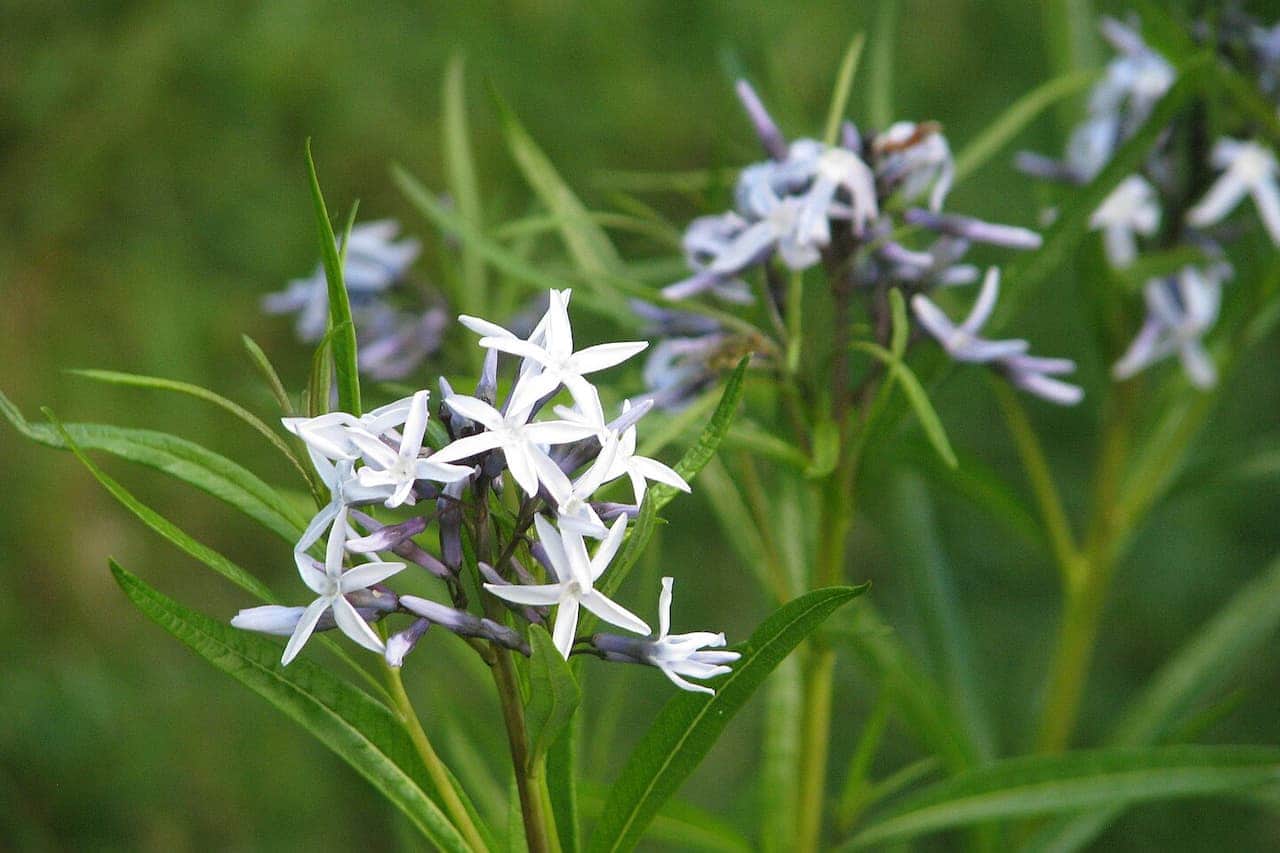
If you want a low-maintenance perennial, Arkansas Blue Star is a solid pick. You’ll get soft, cloud-like foliage and pale blue, star-shaped flowers from late spring into summer.
It’s happy in full sun or part shade and doesn’t mind different soil types, as long as they drain well. By fall, its leaves turn a nice golden color, adding extra interest to your garden.
Geum “Totally Tangerine”
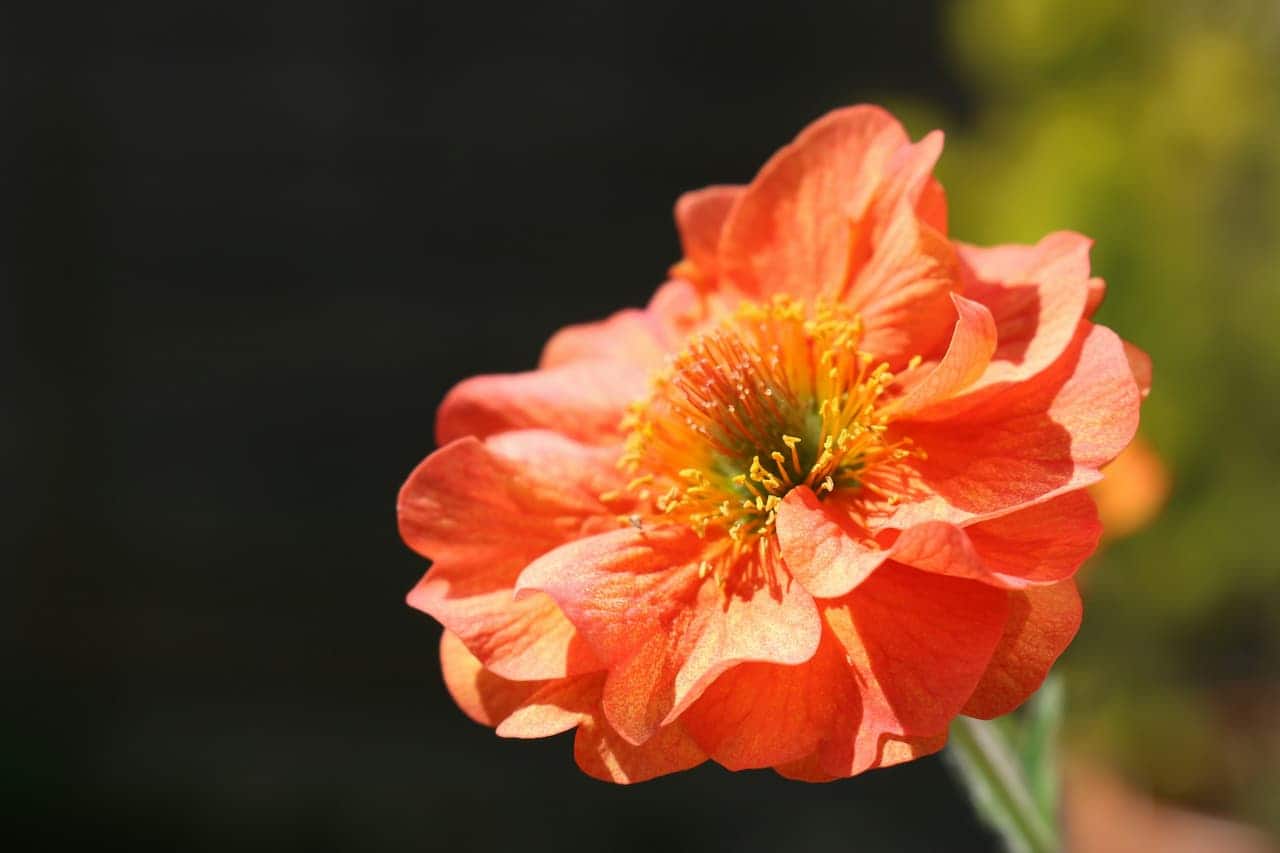
If you want bright orange flowers that really stand out, Geum “Totally Tangerine” is a solid pick. It’s one of the larger geums, so it fills in gaps nicely in your garden or containers.
Plus, it handles full sun well, making it easy to grow without much fuss. You’ll appreciate the splash of color without needing to baby it too much.
Black-eyed Susan
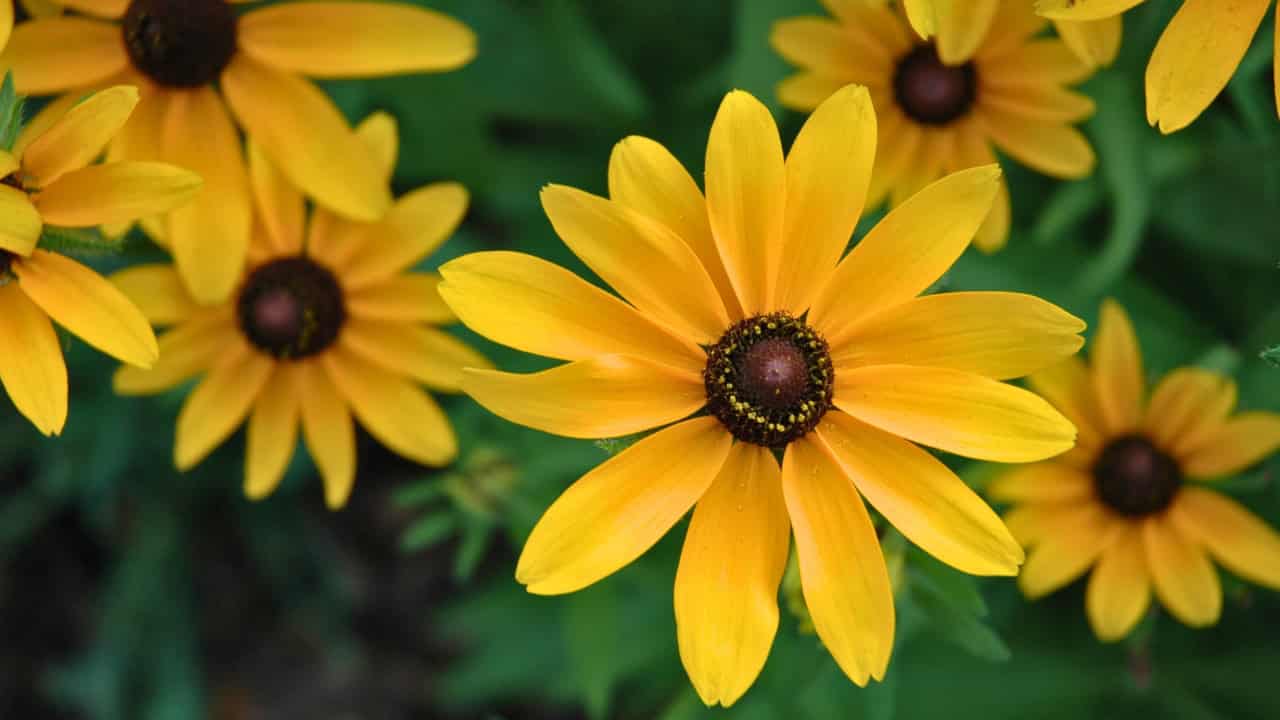
You’ll find Black-eyed Susan easy to grow in most soil types, as long as it drains well.
These bright yellow flowers with dark centers add a cheerful pop to your garden and don’t need much fuss. If you want low-maintenance beauty, Black-eyed Susans spread and self-seed, helping fill your space over time.
Daylily

Daylilies are one of the easiest perennials you can grow. You don’t need to worry much about watering or soil quality once they’re established.
They handle both full sun and partial shade well, making them flexible for your garden. You’ll appreciate how little care they require while still adding bright color. If you want a low-maintenance flower that keeps coming back, daylilies are a solid choice.
Yarrow
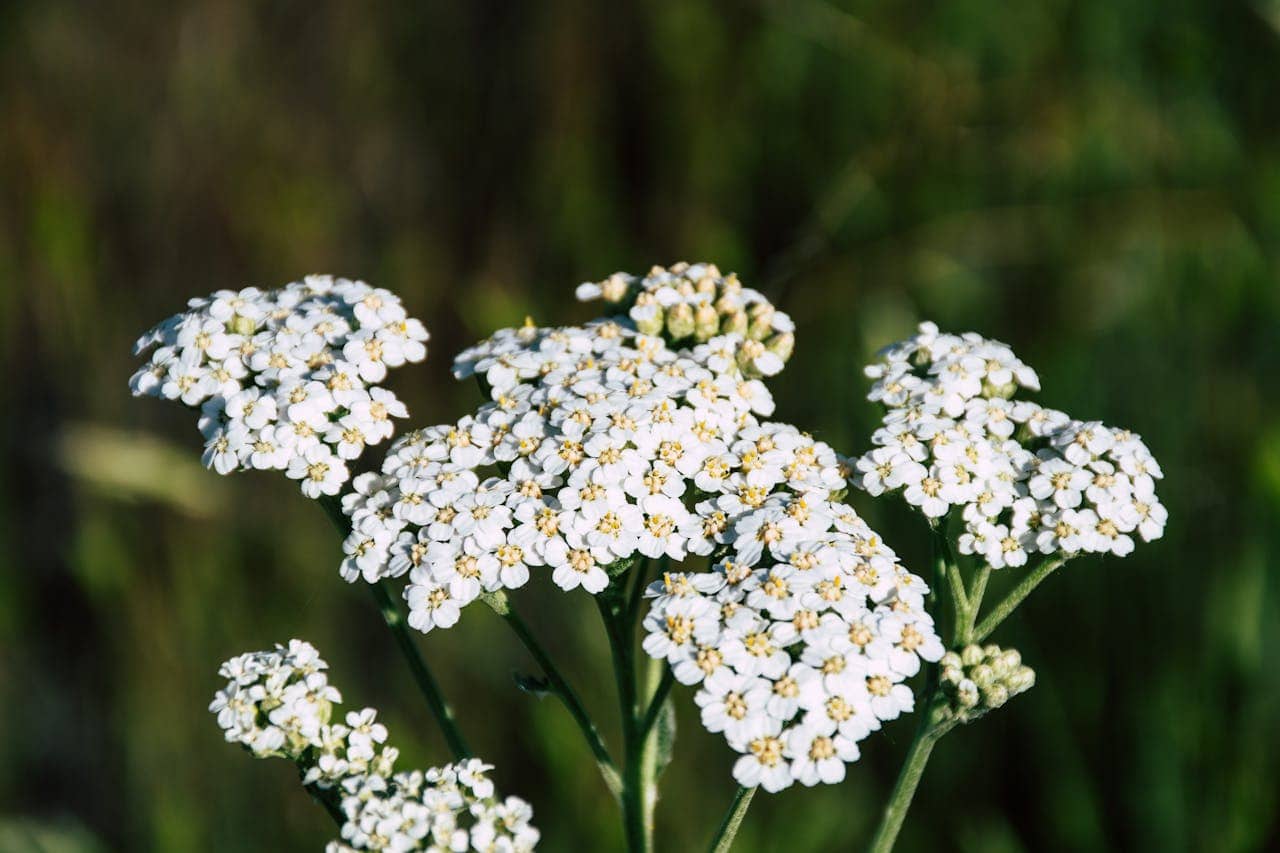
Yarrow is a solid choice if you want a low-maintenance plant. You can grow it in poor soil and it handles drought like a champ.
The fern-like leaves add a nice texture to your garden, and the flower clusters bring in color without much fuss. It also does well in containers if you’re short on space.