Choosing the right perennials for your garden can be tricky. Some plants look promising at first but end up being more trouble than they’re worth.
This article shares 12 perennials you’ll want to avoid planting again, saving you time, effort, and disappointment in your garden. Knowing which plants don’t work out helps you focus on varieties that truly thrive where you live.
Advertisement
Lily-of-the-Valley – invasive and hard to control

If you’ve ever tried planting lily-of-the-valley, you might have noticed it spreads faster than you want. It’s known for being invasive or very aggressive in many areas.
You’ll probably end up digging it up repeatedly because it’s tough to keep in check. Unless it’s native to your specific region, it’s usually better to avoid it. Some newer cultivars spread less, but the common kind can take over quickly. See more about its invasiveness here.
Chameleon Plant – spreads aggressively
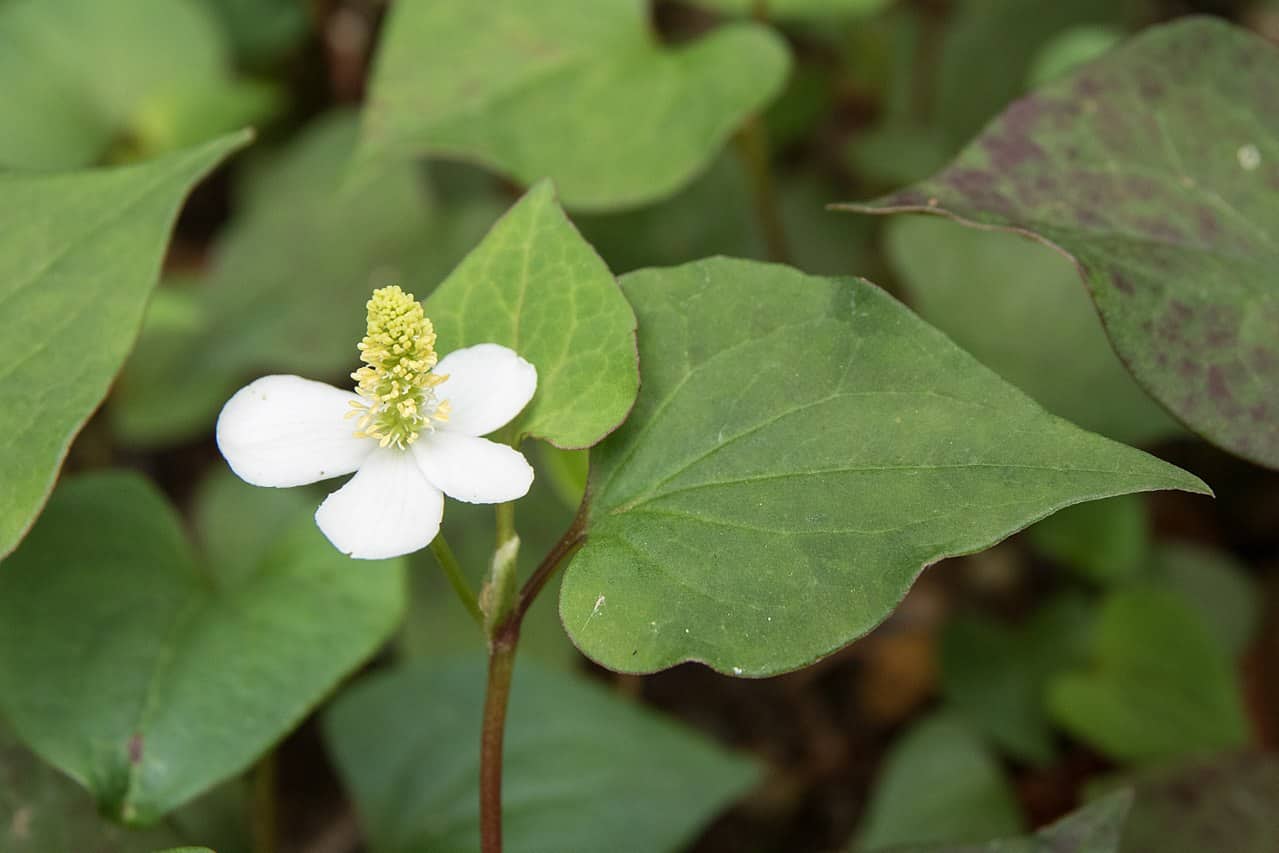
If you plant chameleon plant, be ready for it to take over. It spreads through underground rhizomes and can quickly crowd out other plants.
You’ll find it tough to keep contained, even with barriers. Many gardeners regret planting it because it’s so hard to remove once established.
If you want more details on dealing with this stubborn spreader, check out this discussion on chameleon plant’s invasiveness.
Bachelor’s Button – short blooming period
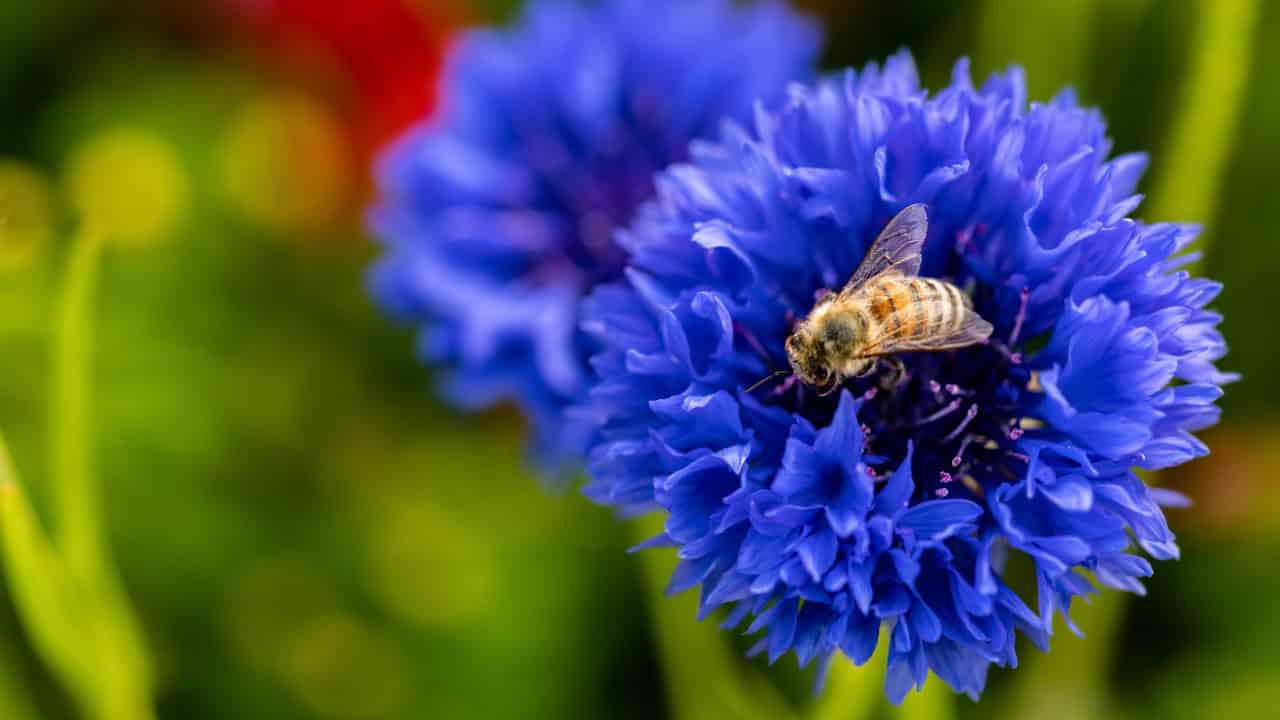
You might like bachelor’s button for its bright color, but its bloom time can be frustratingly short. The flowers usually last only a few weeks before you need to cut them back or pull the plant out.
If you want a longer season, you’ll have to keep replanting or deadheading regularly. Unlike perennials, bachelor’s buttons don’t come back from the roots year after year according to this explanation.
Daylilies – tough but can take over your garden

You might like how tough daylilies are, surviving almost anything. But be warned—they spread quickly and can crowd out other plants.
If you dig them up or mow them down, they often just come back stronger, making them hard to control.
Their blooms don’t last long, and their foliage isn’t the prettiest to look at year-round. You might end up spending more time managing them than enjoying them.
Learn more about their resilience and challenges with daylilies on GardenWeb.
Mint – great flavor, terrible spreader

You might love adding mint to your dishes, but planting it in your garden can be a headache. Mint spreads aggressively and quickly takes over if not contained.
If you put it directly in the ground, expect it to creep everywhere, choking out other plants. Keeping it in pots is your best bet to control its growth.
For more on how mint spreads, check out this thread discussing its reputation as a garden invader.
Purple Loosestrife – invades wetlands

If you plant purple loosestrife, be ready for it to take over nearby wetlands. This plant spreads quickly and crowds out native species.
It grows tall and dense, making it hard for water birds to nest. Plus, it can resist pollutants better than many native plants.
You’ll find it tough to control once established. Keeping it out of natural areas is your best bet. For more, check purple loosestrife’s impact on wetlands.
Ajuga (Bugleweed) – overruns other plants
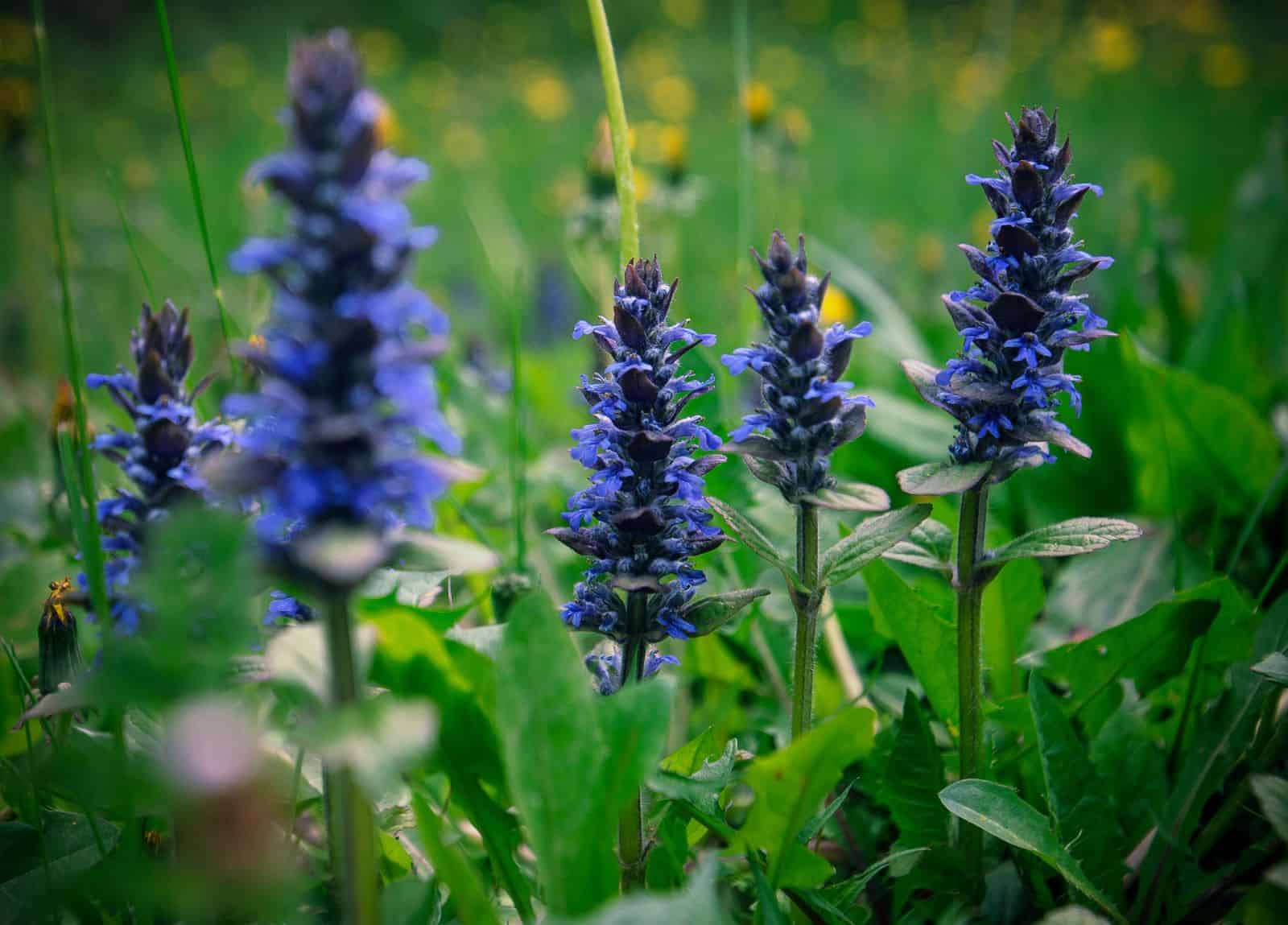
If you plant Ajuga, expect it to spread quickly. It sends out runners that can easily take over nearby spaces.
You’ll need to keep an eye on it and remove any runners that creep into areas where you don’t want it. Otherwise, it might smother your other plants.
The good news is Ajuga grows flat and is easy to pull up when it gets out of hand, but it can still be a hassle if you want a tidy garden. For more details, see how to grow and care for bugleweed.
English Ivy – strangles nearby plants

If you let English ivy grow, it can quickly spread and cover everything around it. You’ll find it choking out other plants by blocking sunlight and taking up space.
It climbs trees and walls using tiny rootlets that hurt bark and steal nutrients. Once it’s established, controlling it is a real hassle. Check this detailed perspective on English Ivy problems for more info.
Japanese Knotweed – nearly impossible to eradicate
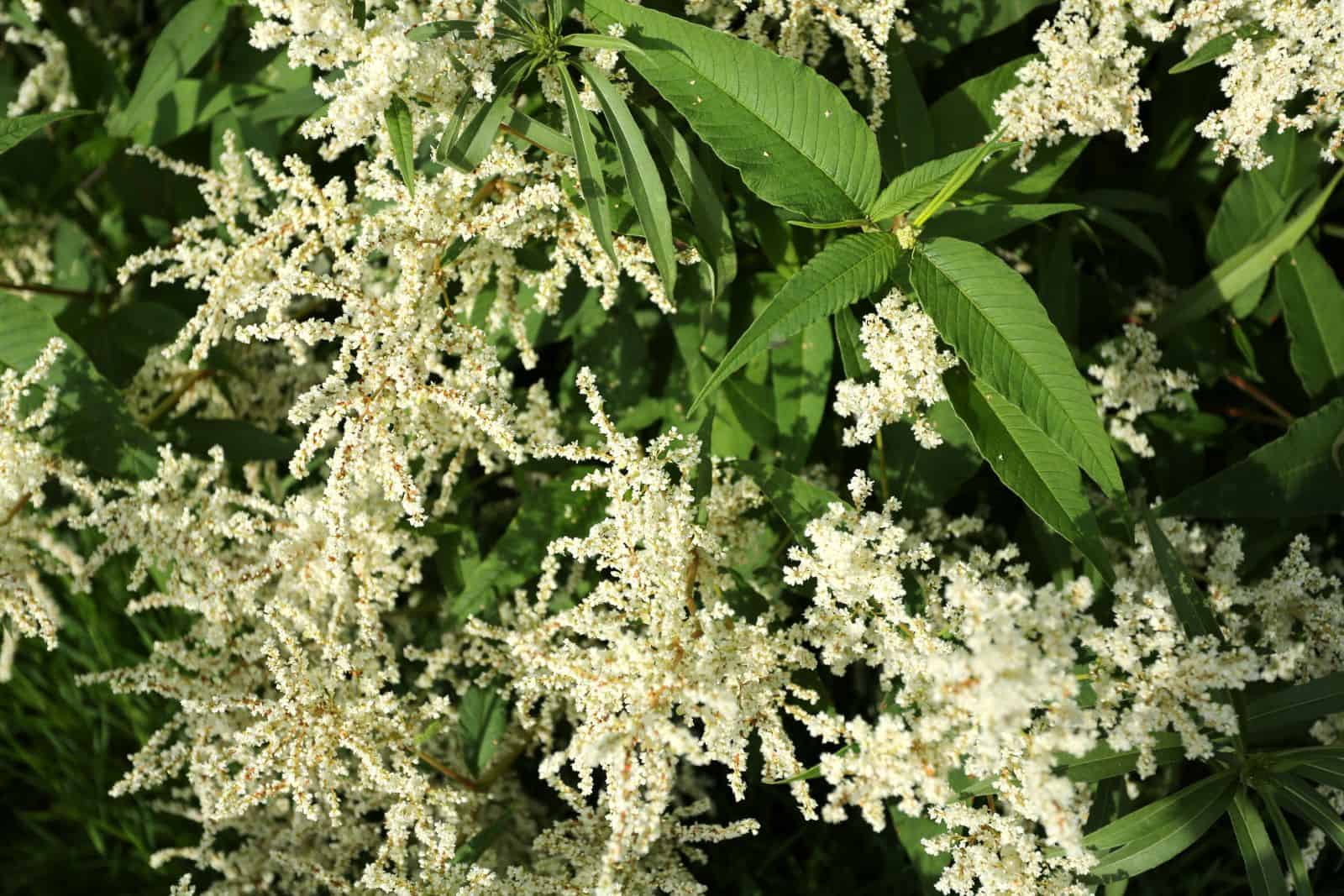
If you have Japanese knotweed, good luck getting rid of it. This plant grows fast—up to 3 feet a week—and spreads relentlessly.
Cutting or burning won’t solve the problem by itself. You need to apply herbicide regularly and cover the area with a tarp for years.
Even after five years of treatment, it might still return. It’s tough to manage, so be prepared for a long fight if it shows up in your garden.
Learn more about controlling it at this invasive plant guide.
Butterfly Bush – invasive in many areas

If you plant a butterfly bush, be ready for it to spread quickly. It’s invasive in many places and can crowd out local plants you want to keep.
You might like the flowers, but this bush can harm native habitats by taking over space. Choosing native plants instead helps support local wildlife better.
Check if butterfly bush is invasive in your area before you plant it. It’s worth avoiding if you want to protect your garden’s balance. For more details, see why you should never plant a butterfly bush again.
Aluminum Plant – slow grower, easily outcompeted
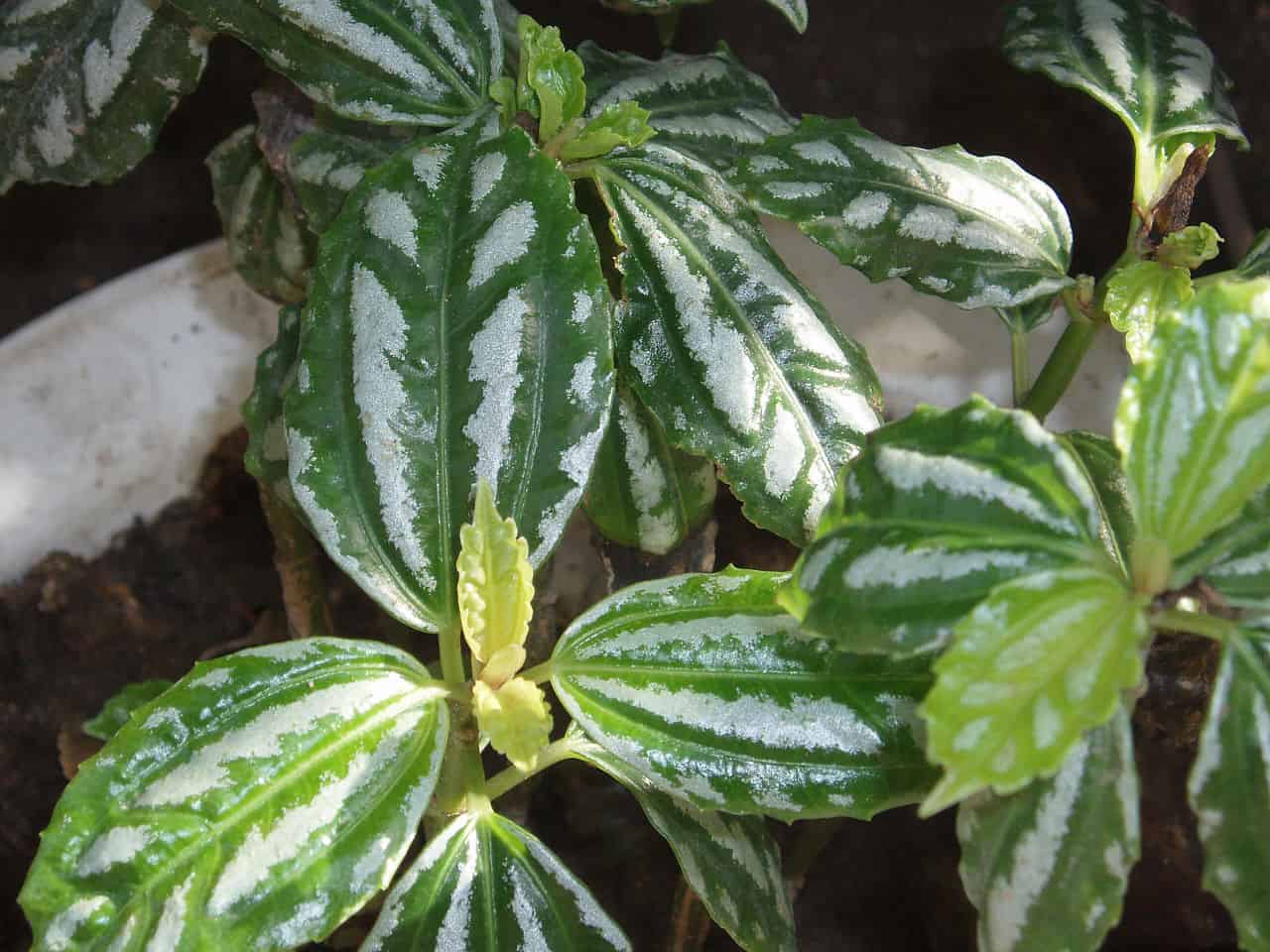
If you want a fast-growing plant, the aluminum plant might frustrate you. It grows slowly and can easily get outcompeted by more vigorous neighbors.
You also need to watch the soil moisture. Too much water retention can cause problems and stunt its growth. Make sure your plant isn’t getting overshadowed or drowned out. For more tips on aluminum plant care, check out this guide on growing Pilea cadierei.
Tickseed (Coreopsis) – prone to self-seeding chaos

If you like a tidy garden, Tickseed might frustrate you. It spreads easily by dropping seeds everywhere.
You’ll find new plants popping up in spots you didn’t plan on. This self-seeding can feel like chaos if you’re trying to control where things grow.
To keep it in check, you’ll need to deadhead regularly and pull unwanted seedlings. Otherwise, it takes over before you know it. For more on managing Coreopsis, check out this garden.org discussion.